These are Pickori’s recommendations for the best robot vacuums with obstacle avoidance in 2026. The list covers premium vacuum-mop combos for cluttered homes, models that are safer around cords and pet messes, and a budget-friendly self-emptying robot vacuum that still navigates efficiently.
Pickori may earn a commission from affiliate links.
7
Best Runner-Up Premium Avoidance
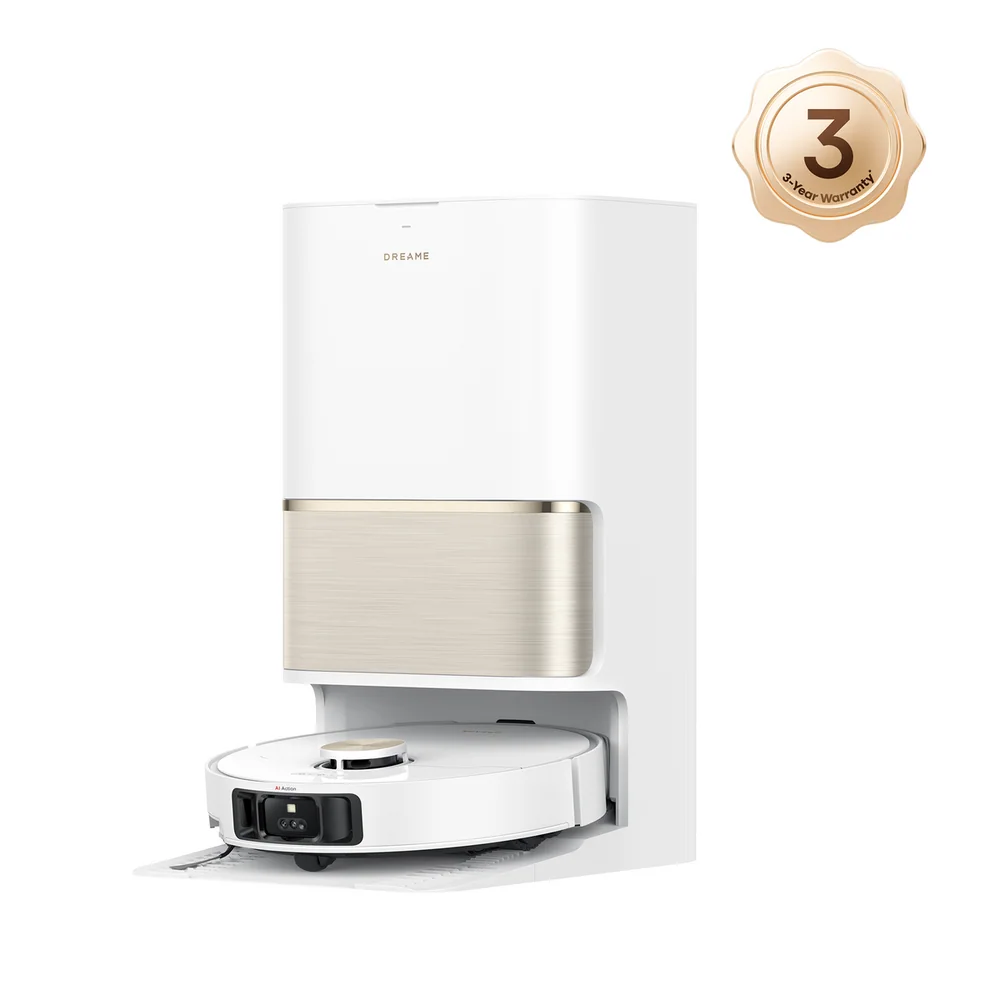
Dreame L50 Ultra
Dreame L50 Ultra is for pet owners who prioritize obstacle handling, especially avoiding pet waste, and want a docked, premium-style robot vacuum-mop that can run with less supervision. The catch is cleaning performance: hard-floor pickup is a known weak point, and carpet and pet-hair pickup are only mediocre. In other words, it is a safety-first choice, not a cleaning-first one.
- Great obstacle handling, including consistently avoiding pet waste
- Dock takes care of key maintenance tasks for more hands-off ownership
- Hard-floor pickup is a major weakness, even after multiple passes
- Carpet and pet-hair pickup are mediocre, so expect to supplement with manual cleaning
Check price on Amazon Read the full Dreame L50 Ultra review → 8
Best Budget Mainstream Pick
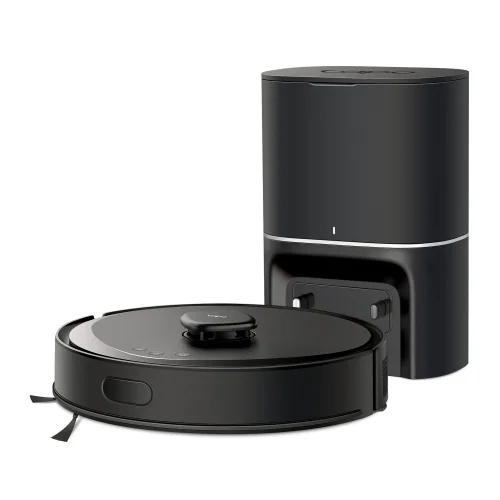
Tapo RV30 Max Plus
Tapo RV30 Max Plus is the budget robot vacuum to buy when you want efficient navigation, a self-emptying dock, and obstacle avoidance that generally keeps the robot out of trouble day to day. It also adds basic mopping, which can help with light upkeep on hard floors. The main reason to upgrade from here is suction and deeper pickup performance, plus a more customizable app experience.
- Systematic, thorough navigation that feels more high-tech than many similarly priced robots
- Self-emptying dock for lower maintenance
- Obstacle avoidance generally prevents the most common snags, though it is not immune
- Includes mopping, but it is more for superficial upkeep than deep cleaning
Check price on Amazon Product link pending verification
Read the full Tapo RV30 Max Plus review → FAQ
What does obstacle avoidance actually prevent with a robot vacuum?
It mainly helps a robot vacuum steer around common floor hazards like charging cables, small toys, and other clutter that can cause tangles, jams, or the robot getting stuck. The better the avoidance, the more confidently you can run scheduled cleanings without pre-tidying.
If I have pets, should I prioritize obstacle avoidance or raw cleaning performance?
If pet messes or frequent clutter are realistic risks, obstacle avoidance can matter more because it prevents the worst-case cleanup. If your main issue is shedding on carpet, prioritize models with stronger pet-hair pickup, since some robots avoid hazards well but still need multiple passes on hair.
Do robot vacuum-mop combos avoid rugs automatically?
Some do a better job than others. A key feature to look for is a mop system that can lift out of the way on rugs, which helps prevent wetting. If your home has lots of rugs, that detail can matter as much as obstacle avoidance.
Is a self-emptying dock worth it for obstacle-avoidance-focused robots?
Yes, because it removes another common reason people stop using robot vacuums regularly. Obstacle avoidance keeps the robot moving. A self-emptying dock keeps you from having to empty the bin constantly, so scheduled cleaning stays realistic.
When should I skip a premium robot vacuum with obstacle avoidance and buy a cheaper one?
If your floors are usually clear and your main goal is basic upkeep, a budget model with efficient navigation and a self-emptying dock can be enough. Premium models earn their keep when your home is cluttered, you want mopping plus vacuuming, or you need the robot to run unsupervised more often.