Pickori
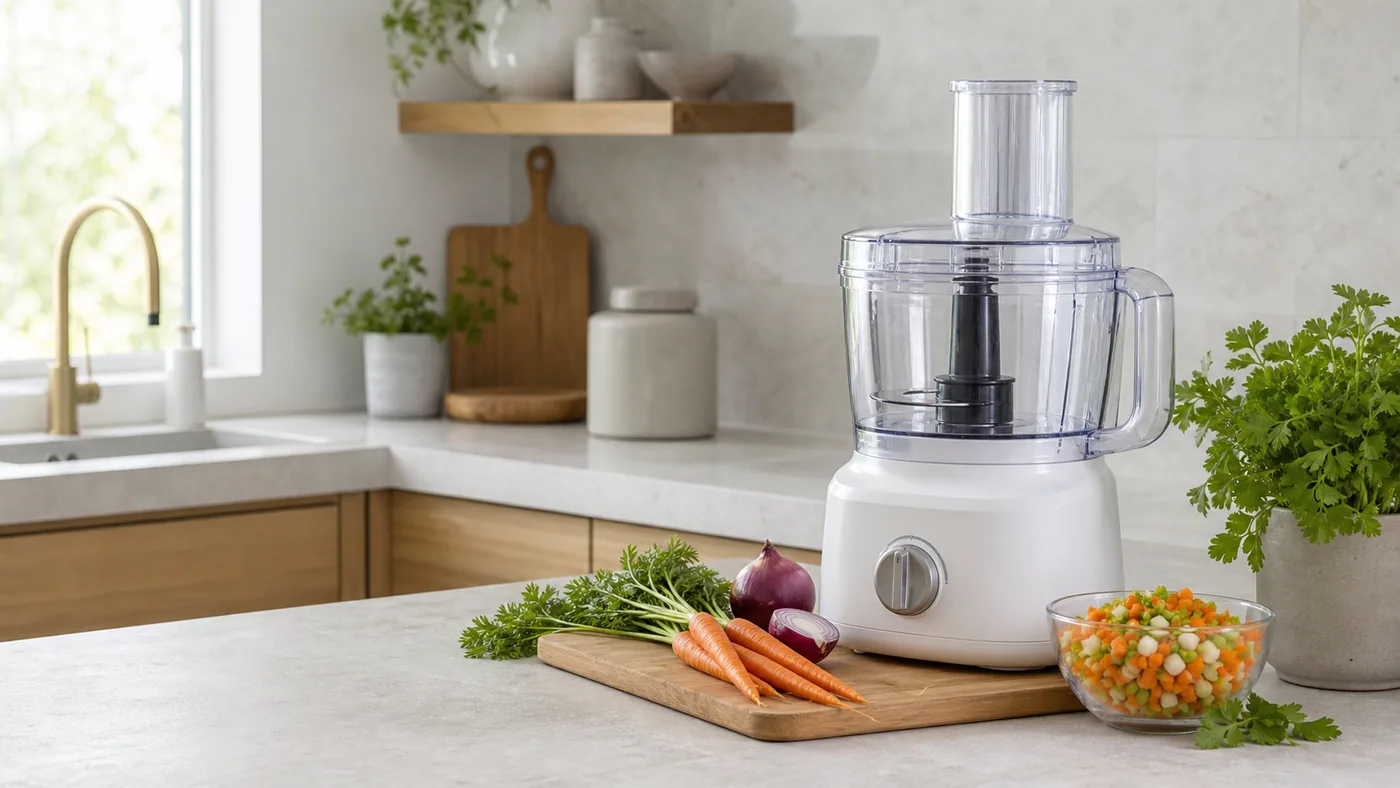
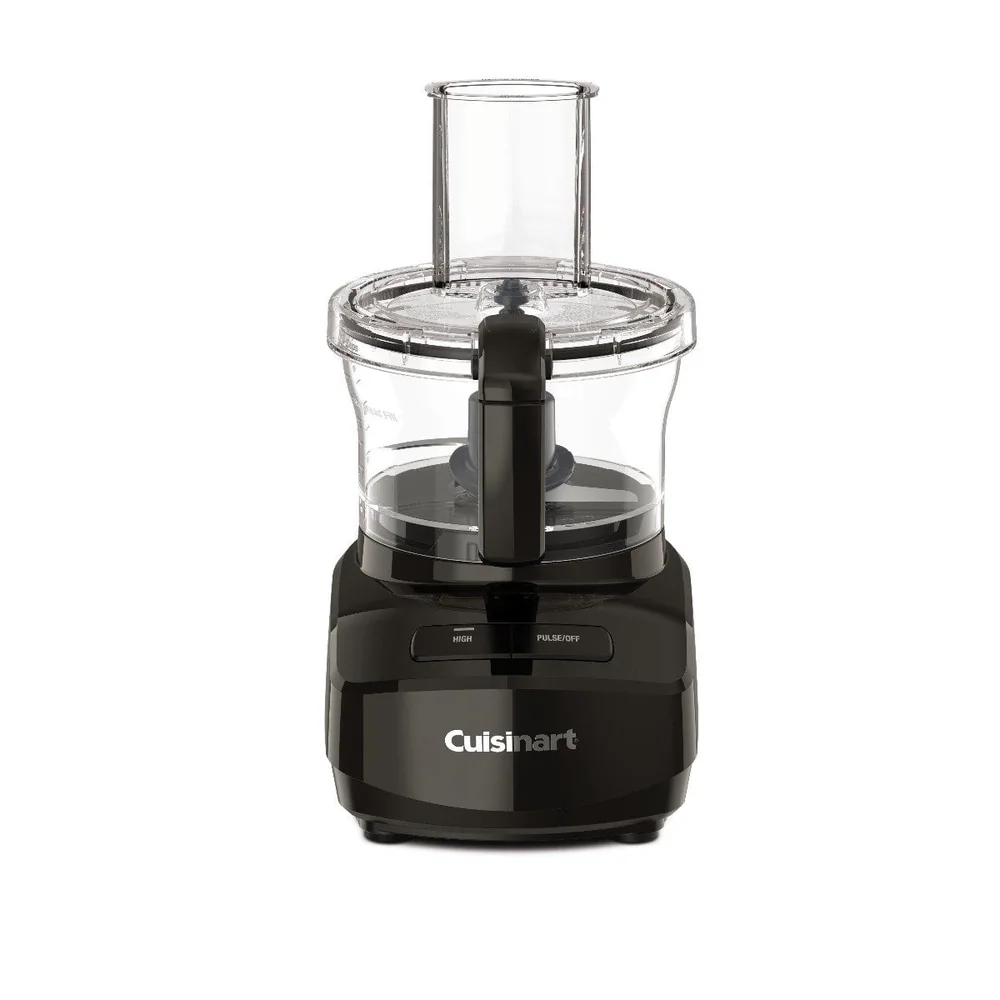
White food processor with chopped vegetables in a bright modern kitchen

Food Processors research

Food Processors

Choose a food processor for chopping, slicing, shredding, dough, sauces, and repeat kitchen prep. Pickori's rankings and full reviews cover the machines, while recipes and technique guides show what each style can really do.

Food processors save time on chopping, slicing, shredding, and mixing

Full-size food processors handle slicing, shredding, chopping, and larger batches. Mini choppers are easier to store and clean, but their small bowls and simpler accessories limit the jobs they can replace.

Usable bowl capacity, feed-tube width, disc quality, pulse control, and cleanup shape matter more than a dramatic motor number. The best processor is the one that saves enough knife and grater work to justify its footprint.

Types of food processors

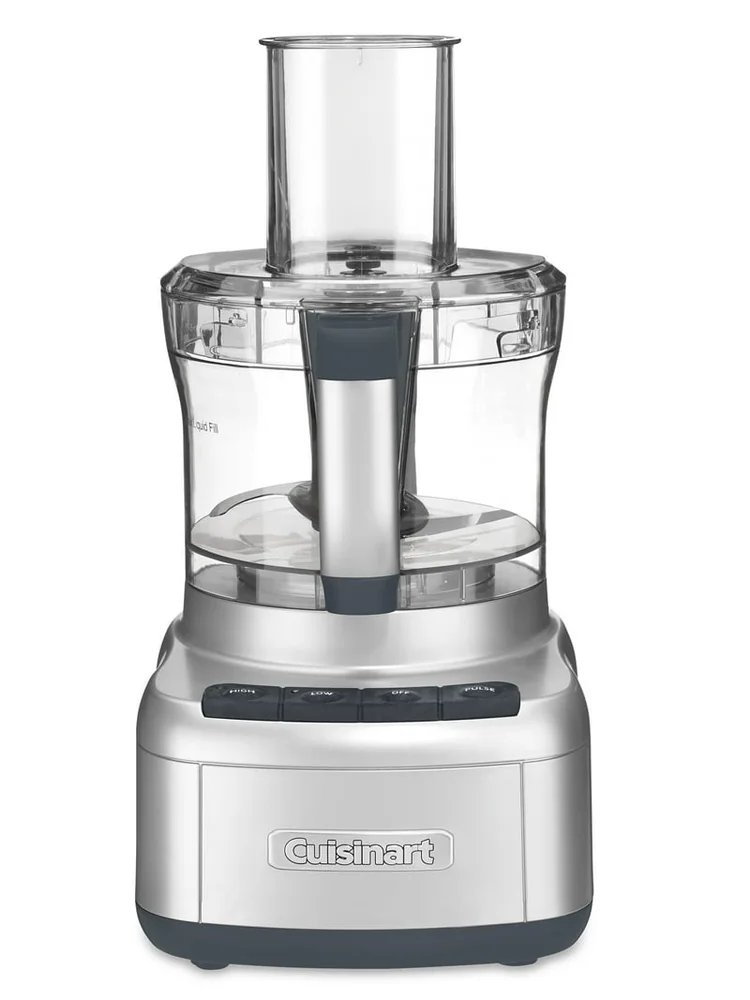
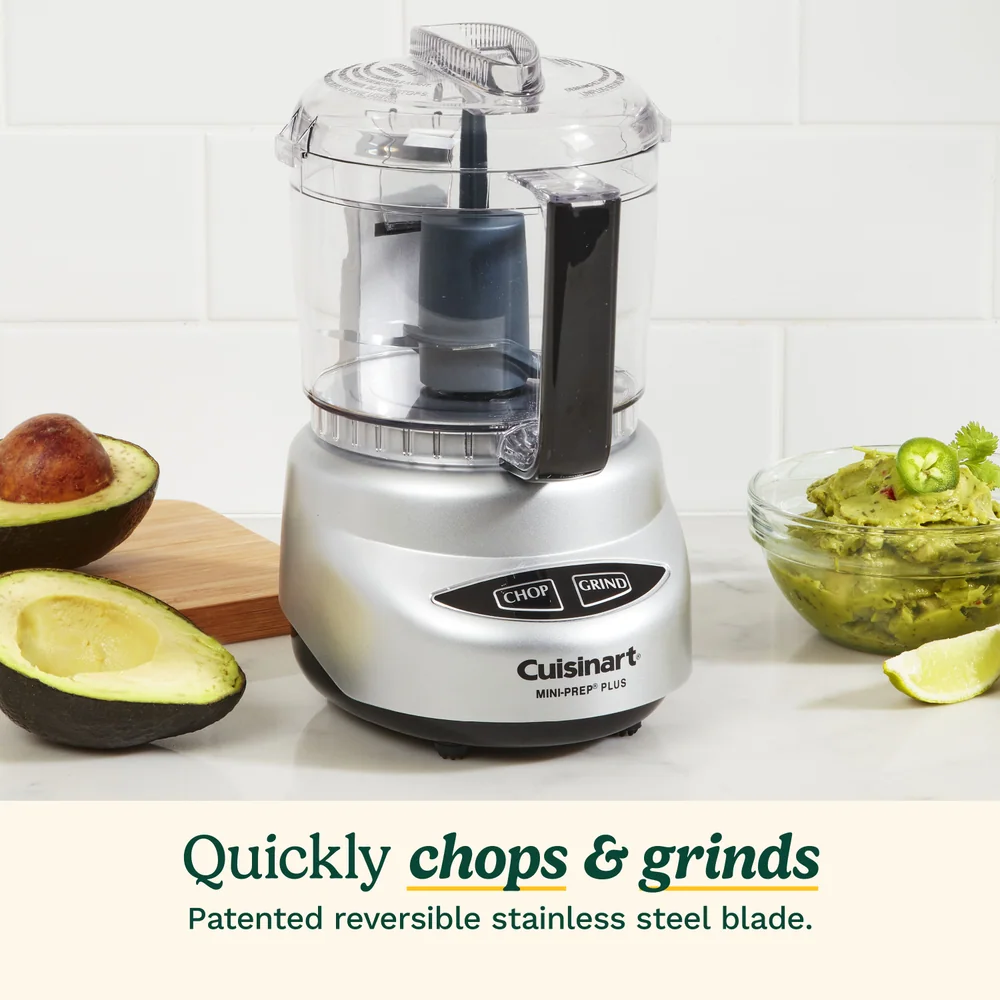
Cuisinart 3-Cup Mini-Prep Plus Food Processor

Full-size processors

Multi-purpose machines with larger bowls and slicing or shredding discs.

Best for: Frequent prep, family batches, and cooks replacing several manual tools.
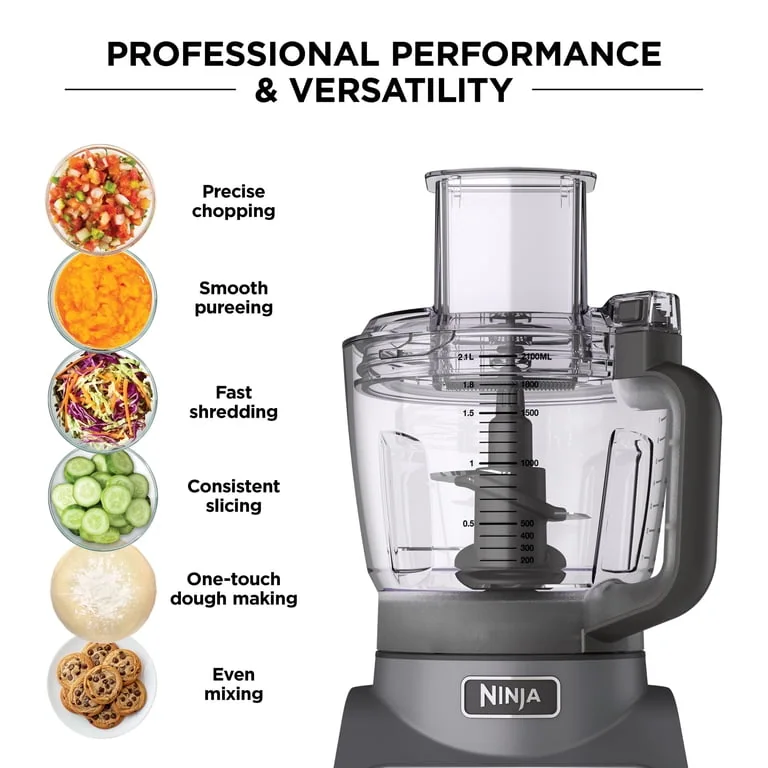
Ninja Professional Food Processor

Compact processors

Mid-size machines that balance capability with easier storage.

Best for: Smaller kitchens and moderate weekly prep.
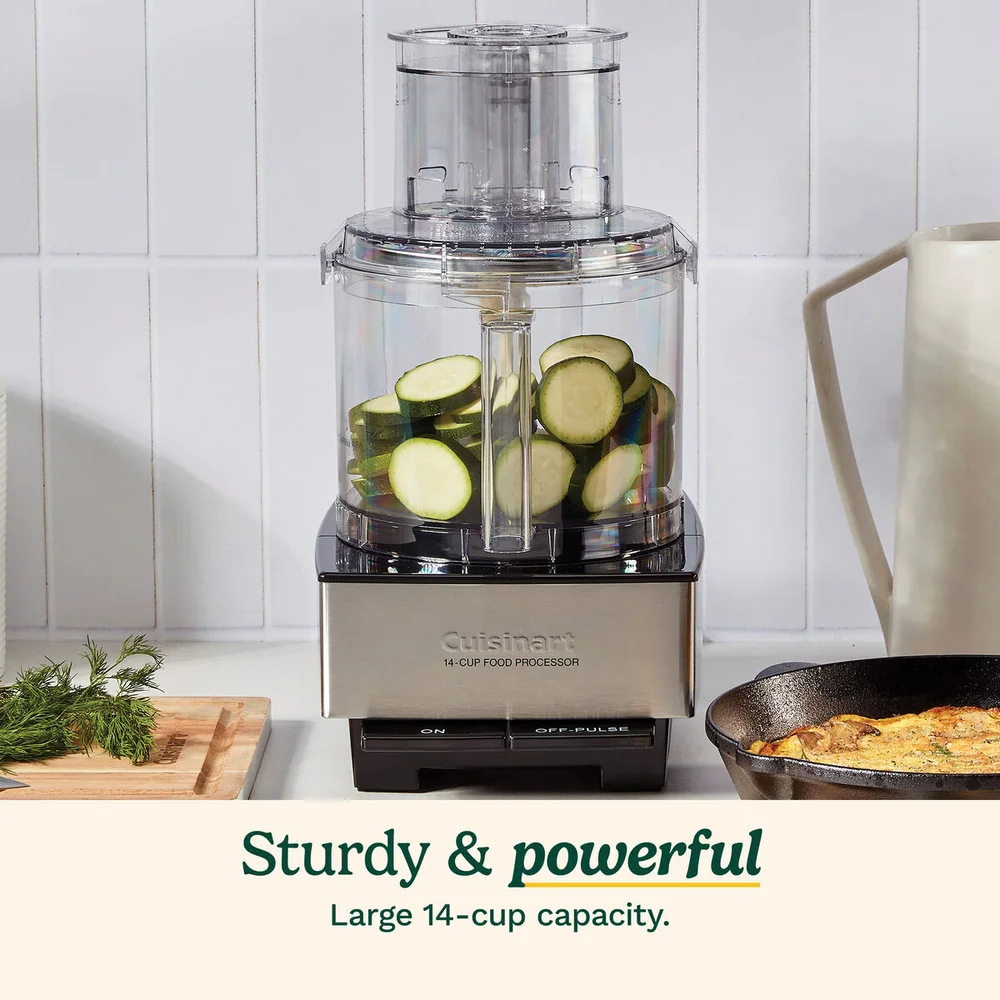
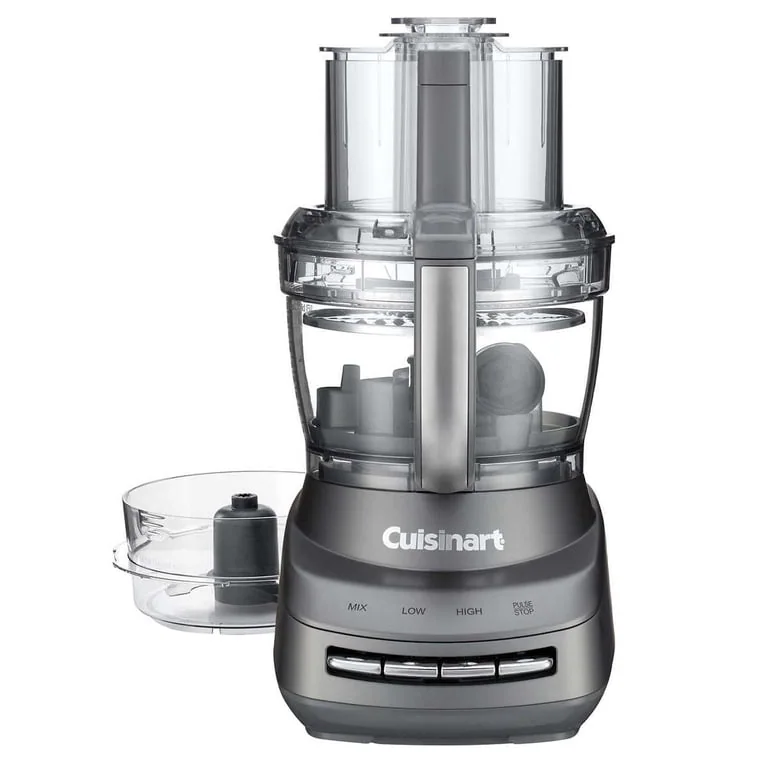
Cuisinart Custom 14-Cup Food Processor

Mini choppers

Small bowls for herbs, nuts, dressings, and short chopping jobs.

Best for: Quick small batches, not full slicing or dough work.
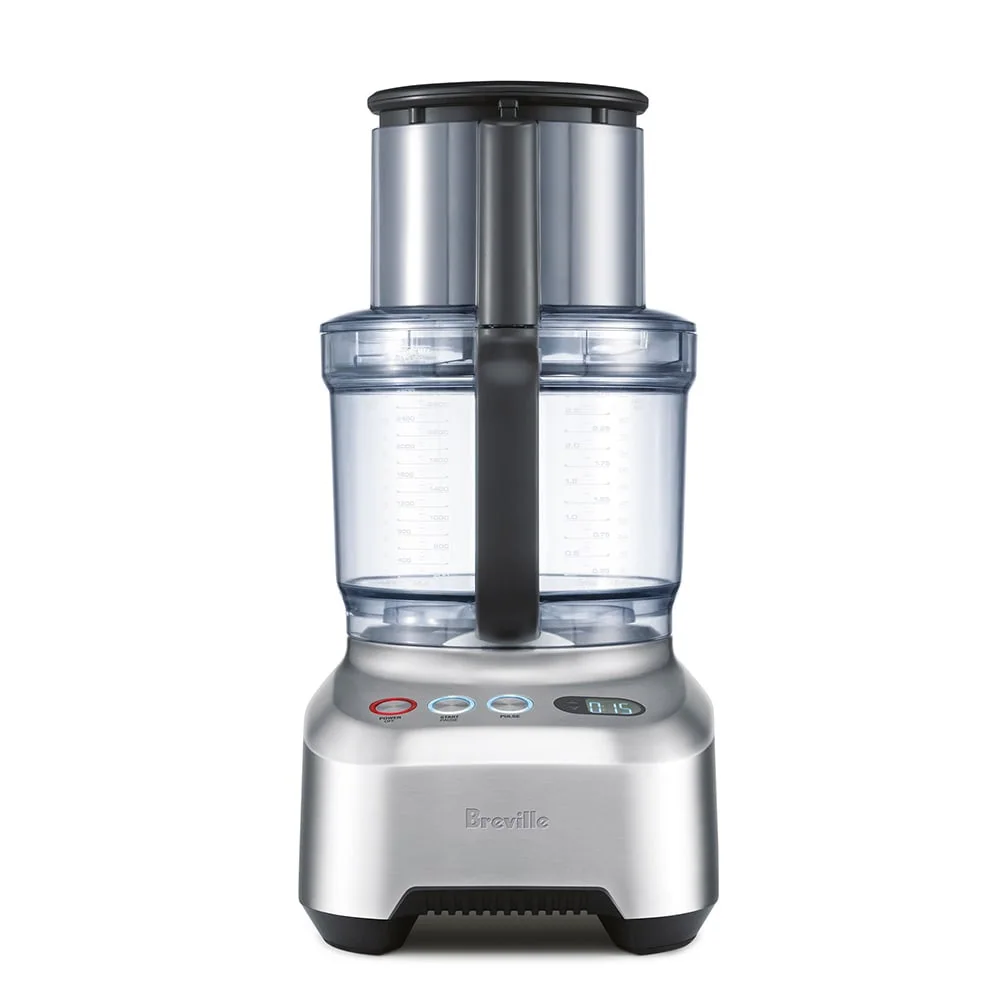
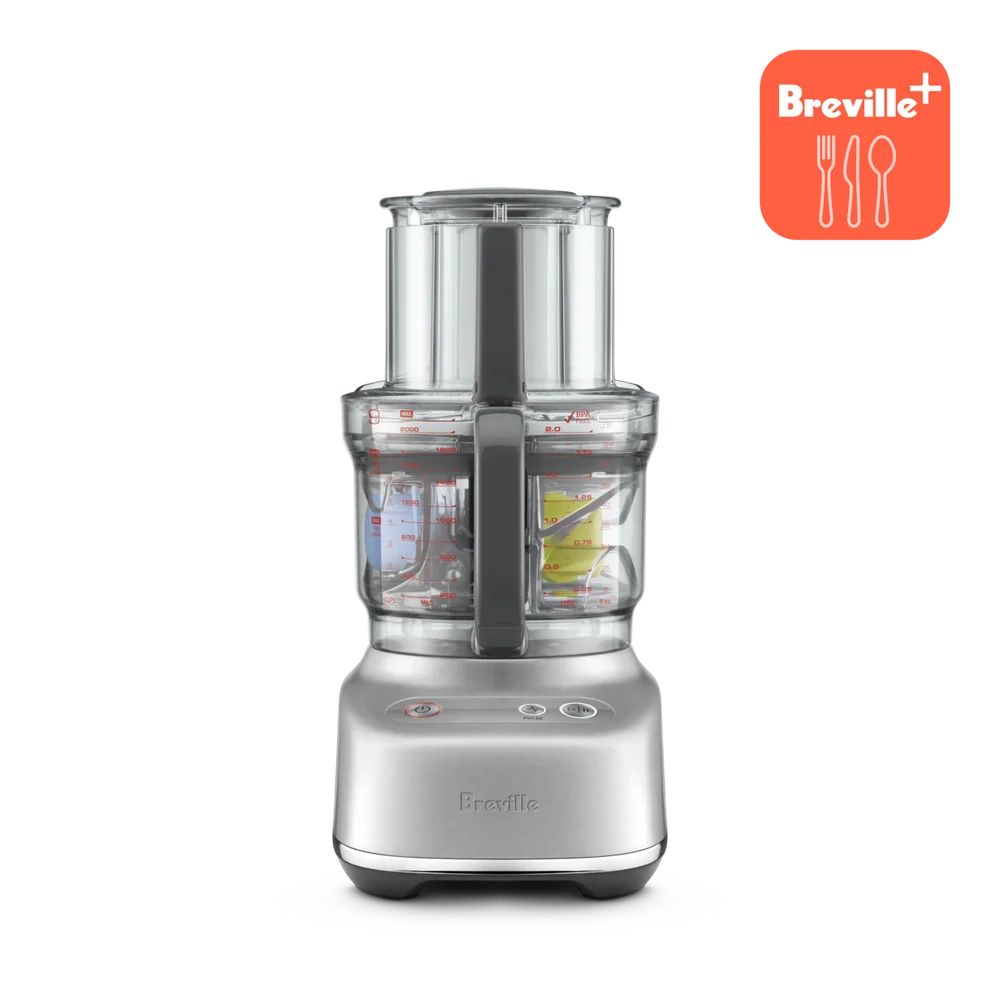
Breville Sous Chef 16-Cup Food Processor

Processor combinations

Systems that combine processing with blending or specialty attachments.

Best for: Shoppers who will use both functions enough to share one motor base.

Food Processor buying guides and comparisons

Product reviews

In-Depth Food Processors Reviews

Start with the newest reviews and substantial refreshes, then open the complete directory when you need a specific model.
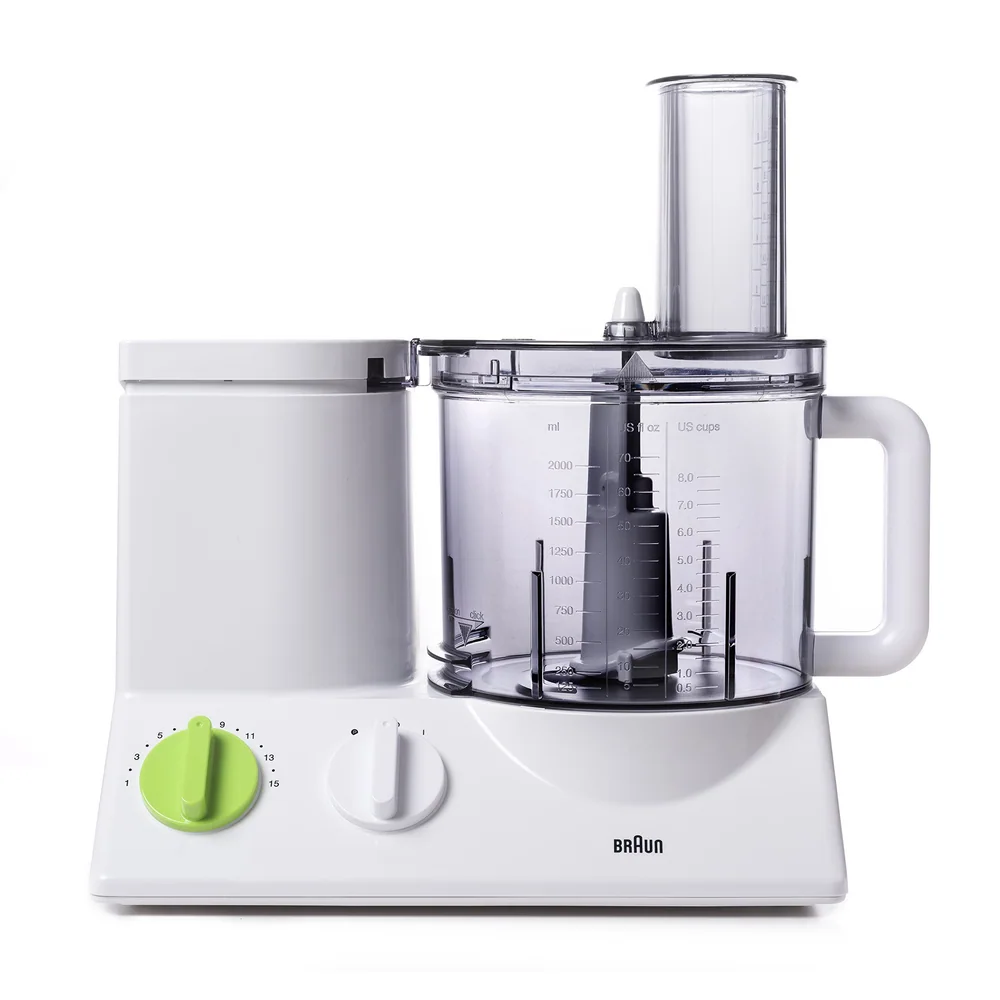
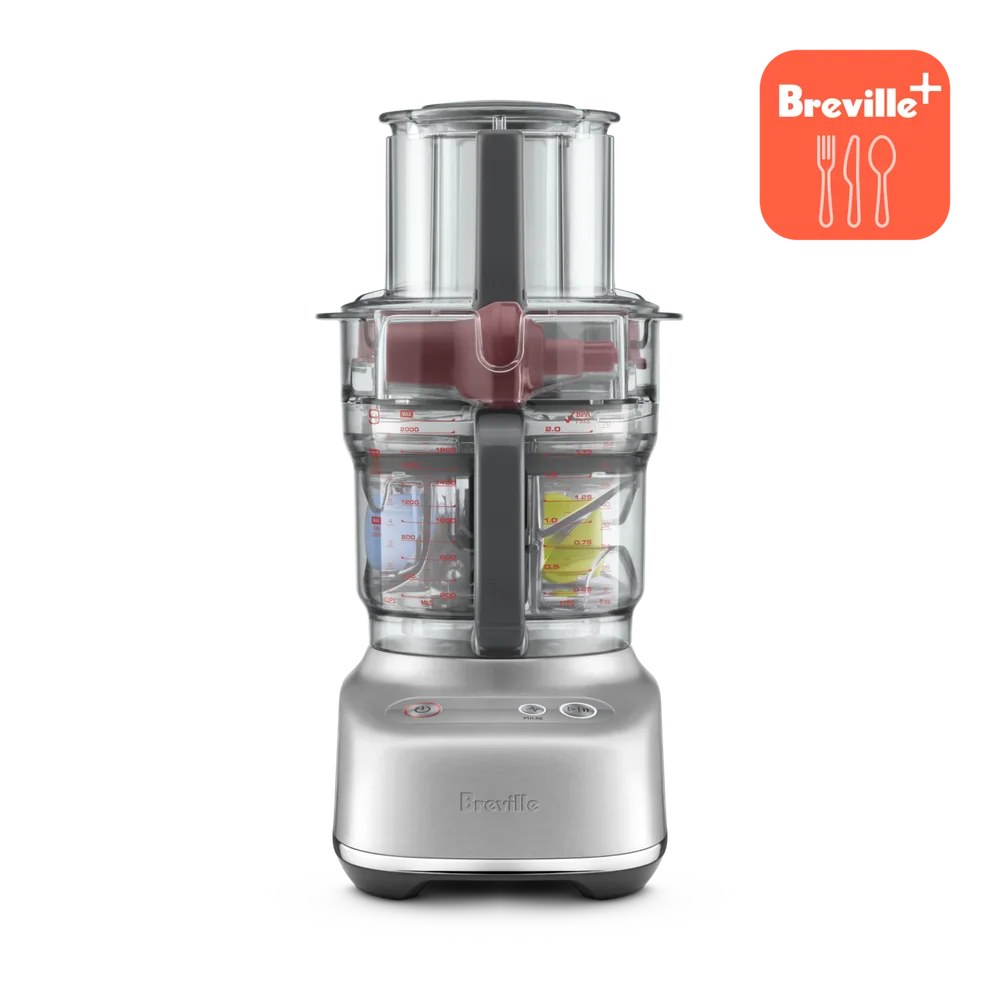
Browse all 21 in-depth food processor reviewsEvery full product review, organized by brandView complete archive

Braun1 review

Breville3 reviews

Cuisinart9 reviews

GE1 review

Hamilton2 reviews

KitchenAid3 reviews

Magimix1 review

Ninja1 review

Cook with your food processor

Recipes that put a food processor to work

These recipes teach chopping, slicing, shredding, dough, emulsions, and texture control while giving the machine a real job to do.
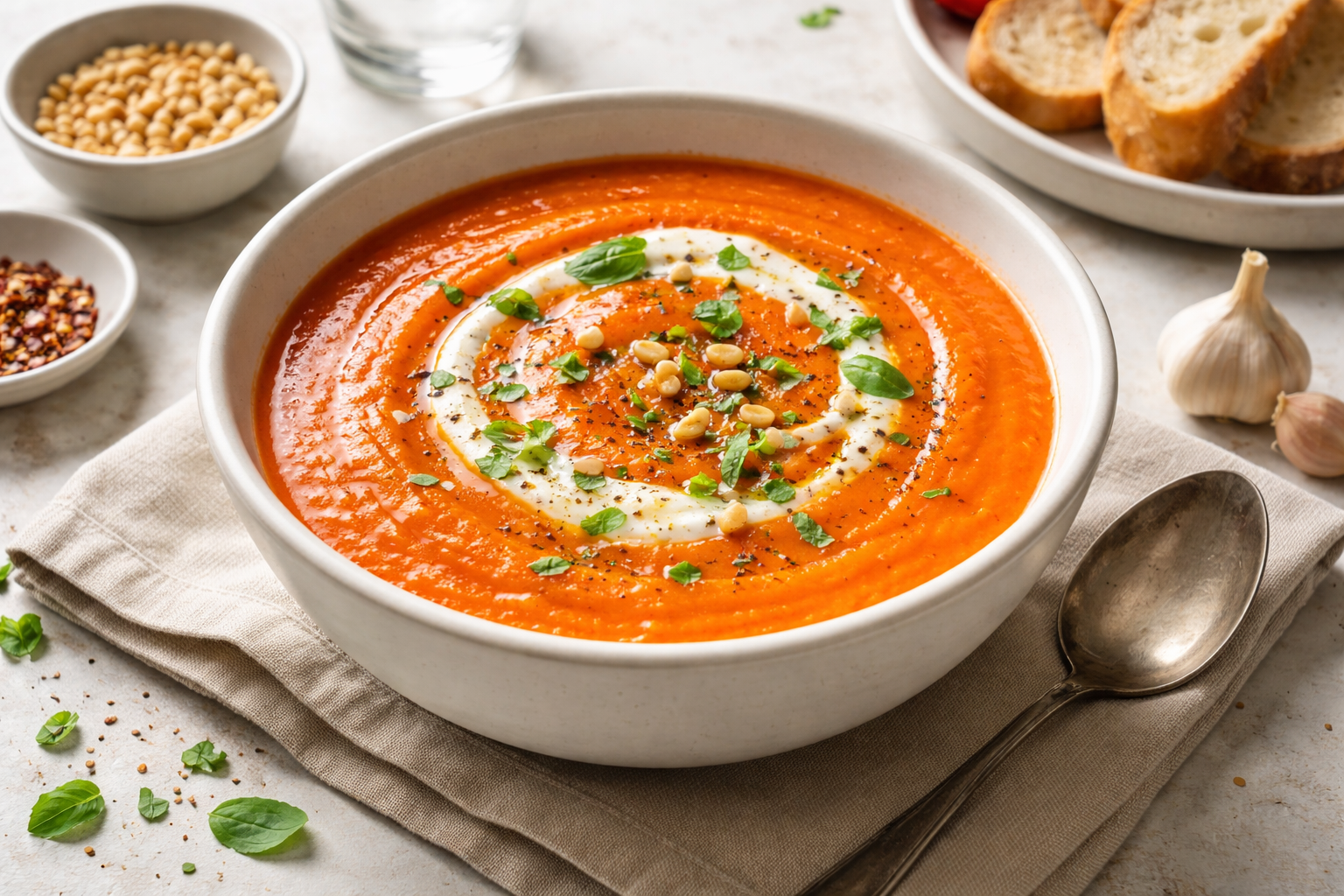
Silky Roasted Red Pepper Soup prepared and ready to serve
Recipe Silky Roasted Red Pepper Soup A smooth, restaurant-style red pepper soup made in a food processor by pureeing in safe batches, then simmering to finish. Open the recipe →
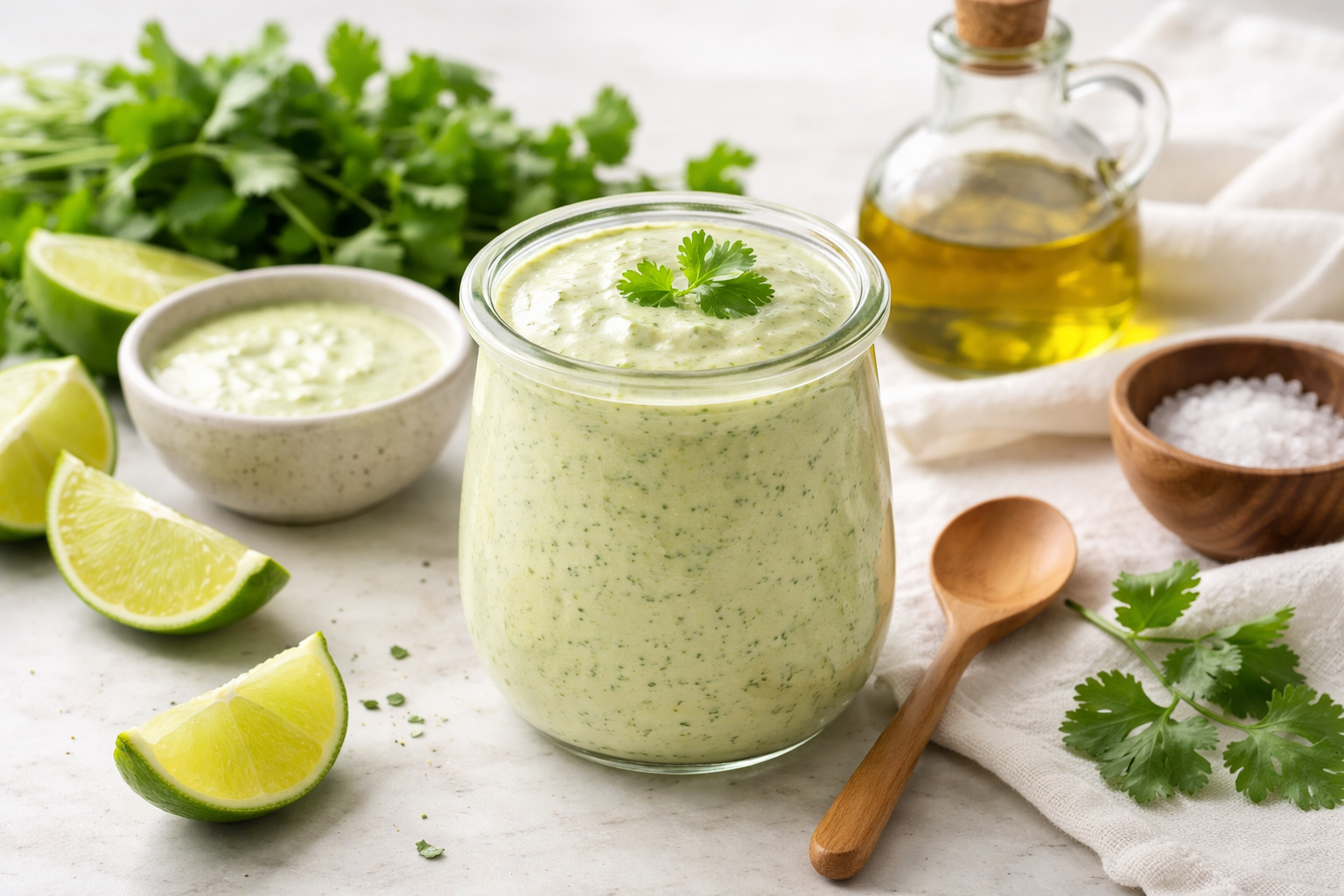
Creamy Cilantro Lime Dressing prepared and ready to serve
Recipe Creamy Cilantro Lime Dressing A spoonable cilantro lime dressing made stable by processing aromatics first, then streaming in oil to emulsify. Open the recipe →
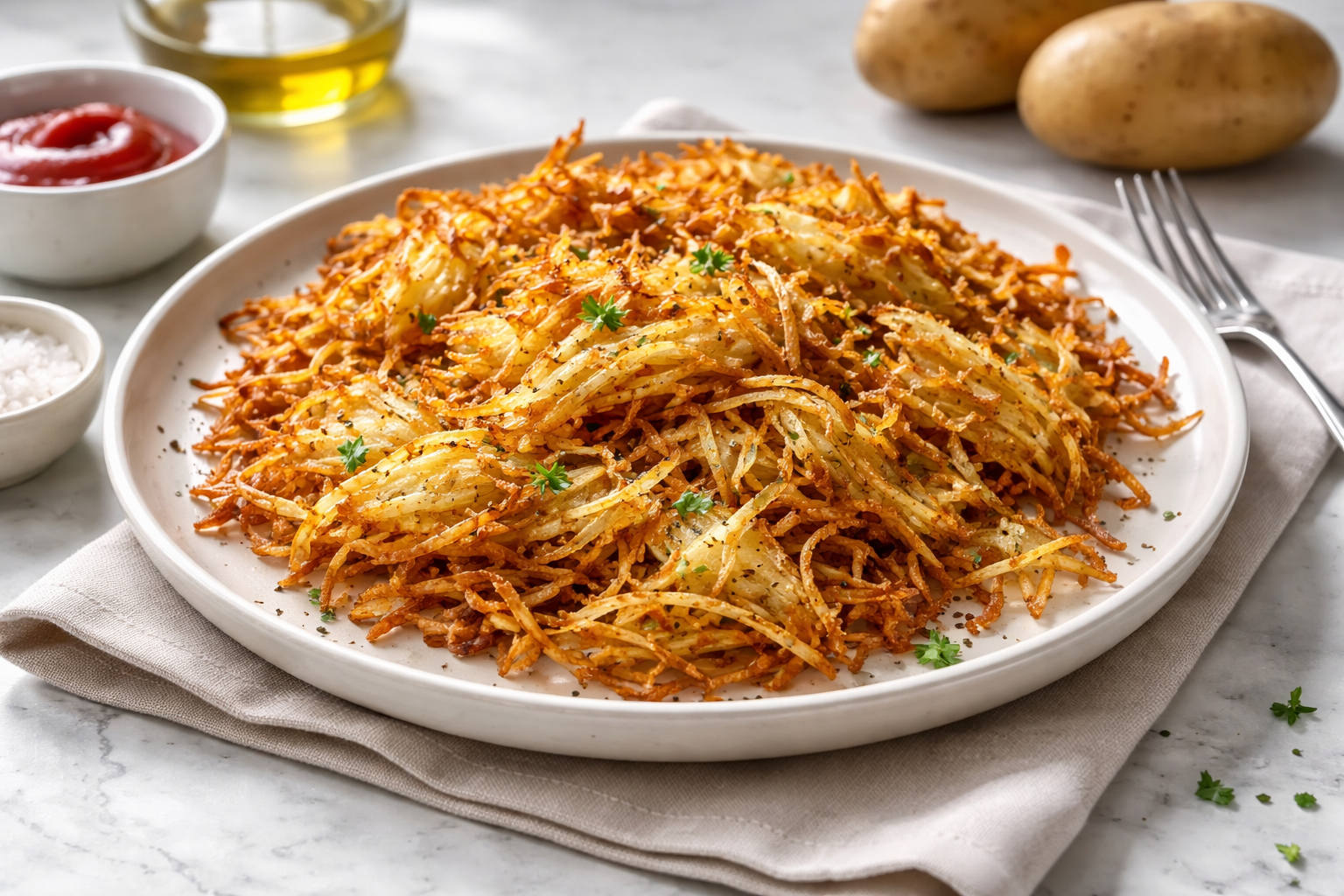
Crispy Shredded Hash Browns prepared and ready to serve
Recipe Crispy Shredded Hash Browns Food-processor shreds cook evenly, but squeezing out water is what makes them crisp instead of limp. Open the recipe →
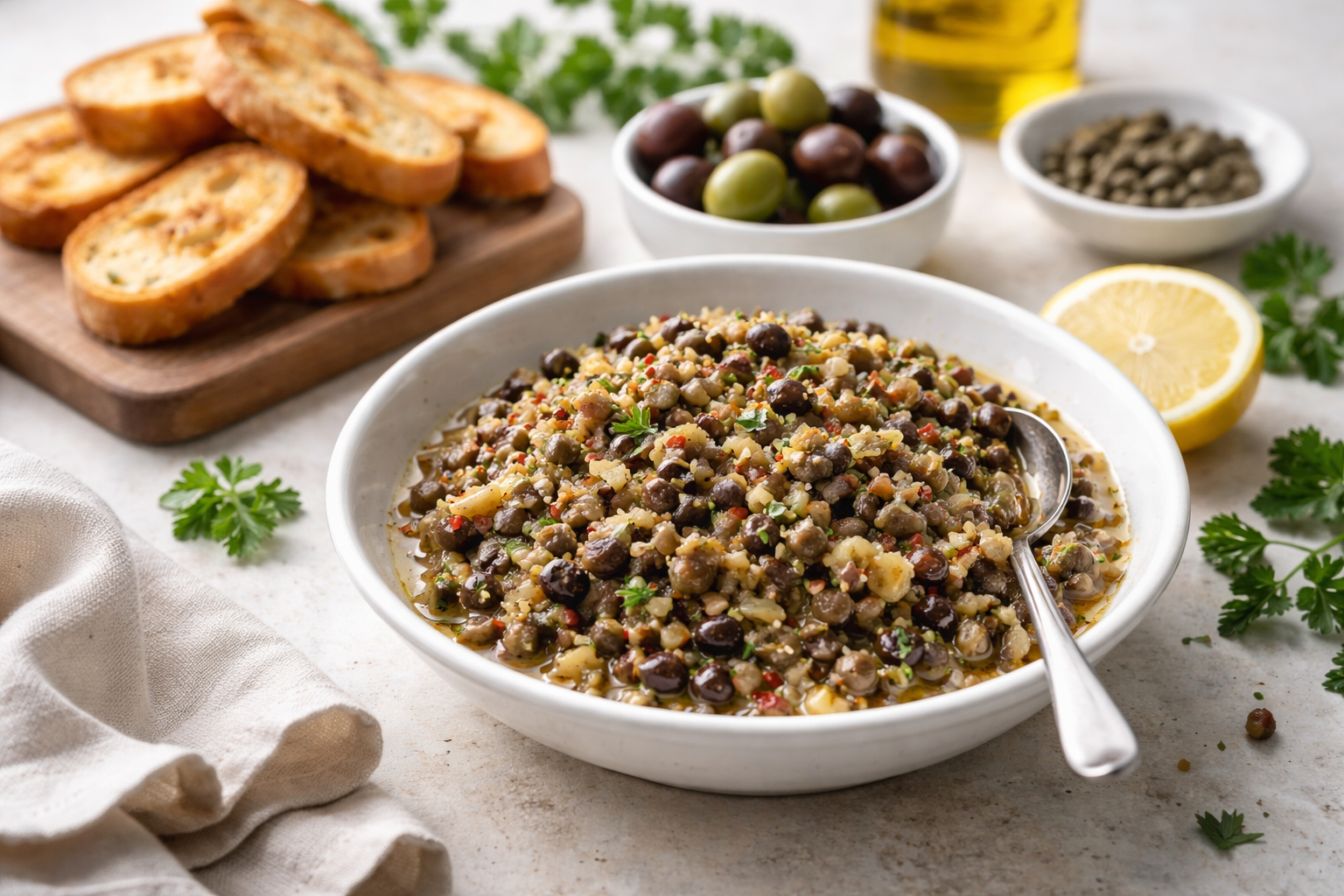
No-Cook Olive Tapenade prepared and ready to serve
Recipe No-Cook Olive Tapenade Pulse, do not puree, and manage moisture so tapenade stays spoonable instead of turning into salty olive paste. Open the recipe →
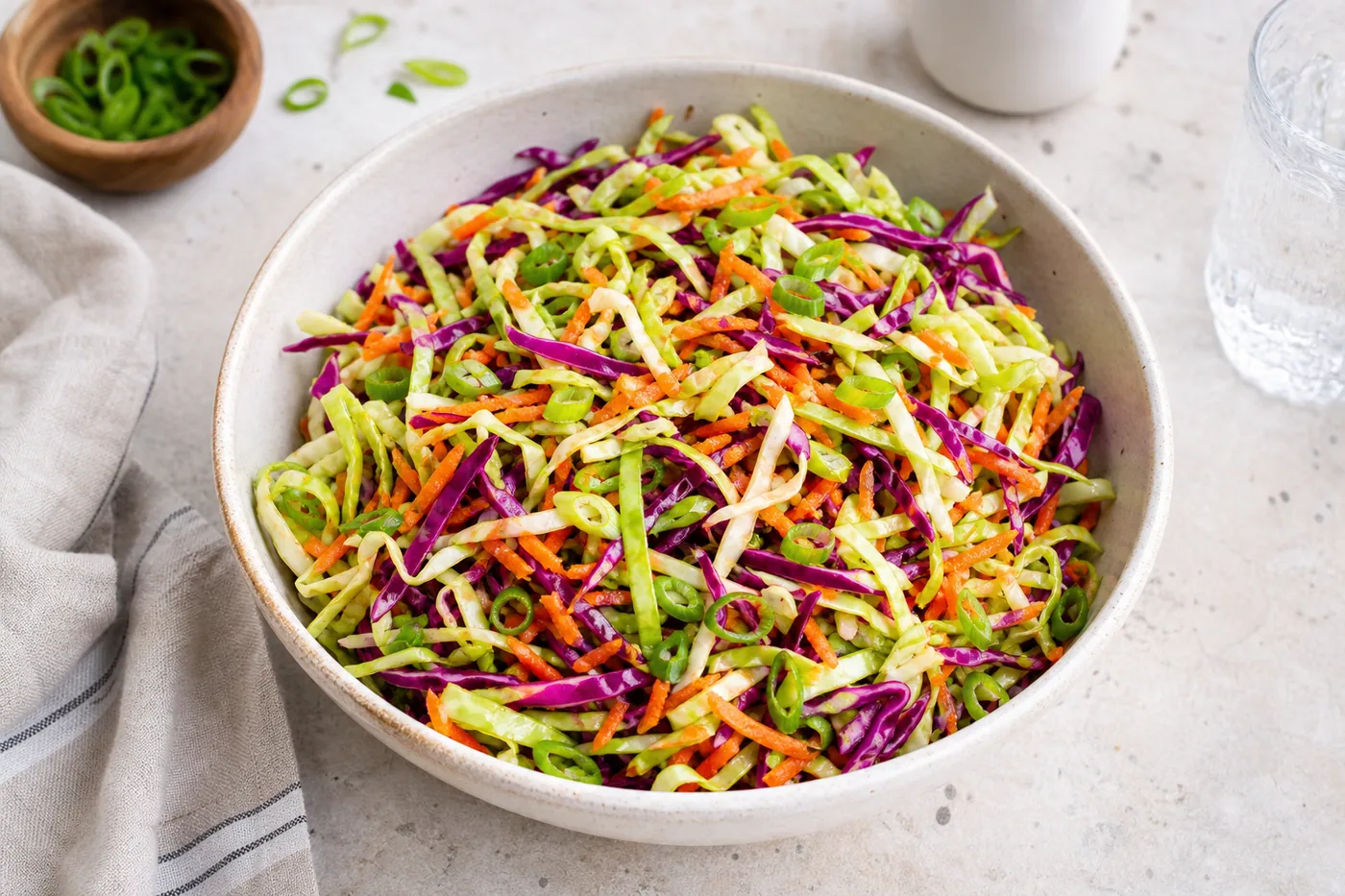
Crunchy Cabbage and Carrot Slaw served and ready to eat
Slicing and shredding discs Crunchy Cabbage and Carrot Slaw Use slicing and shredding discs for a crisp, evenly cut slaw with a bright cider dressing. Open the recipe →
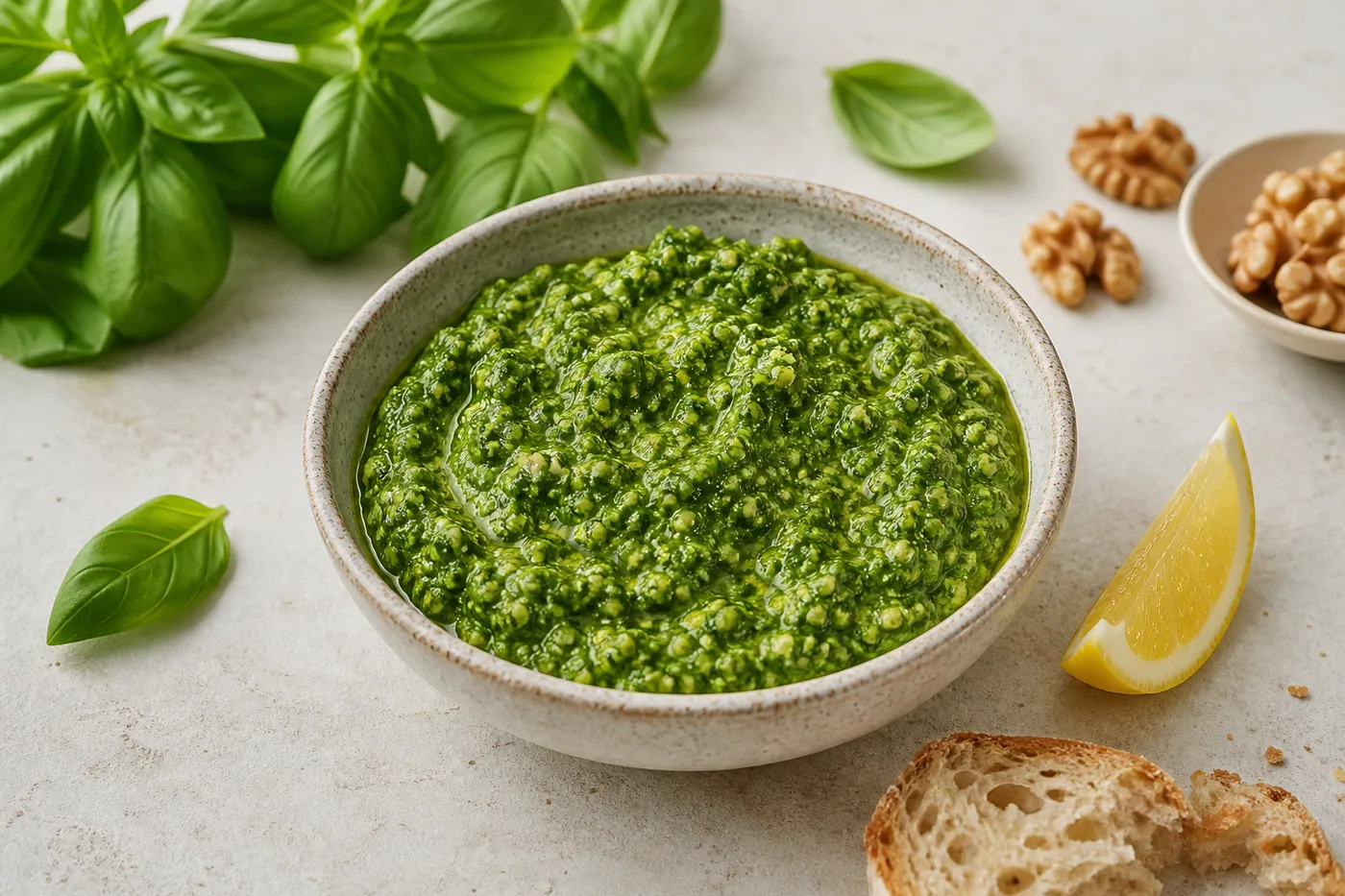
Basil-Walnut Pesto served and ready to eat
Pulse control Basil-Walnut Pesto Pulse basil, toasted walnuts, Parmesan, garlic, and olive oil into a textured weeknight pesto. Open the recipe →
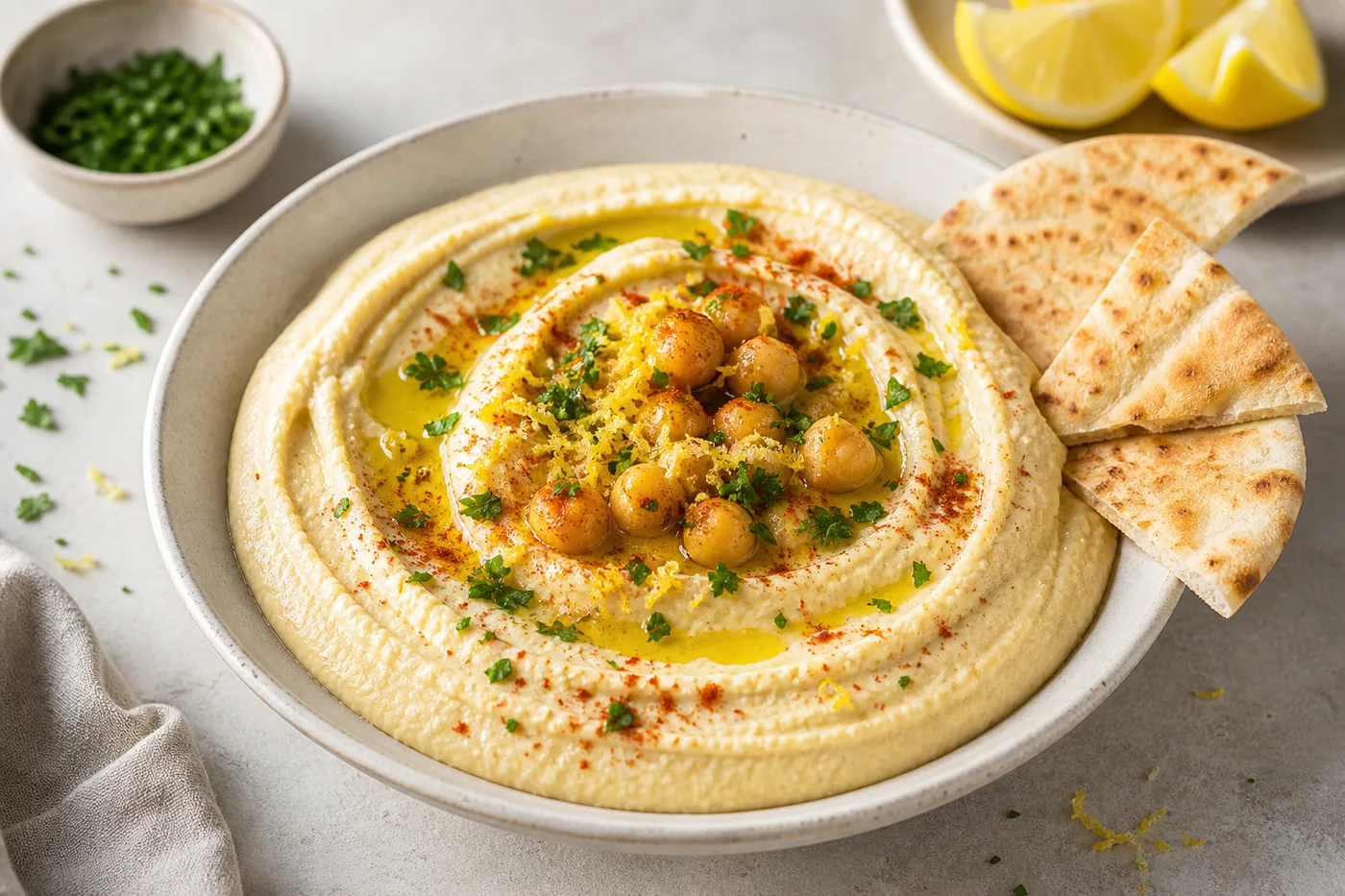
Extra-Smooth Lemon Hummus served and ready to eat
Pureeing and emulsifying Extra-Smooth Lemon Hummus Build a creamy chickpea puree by processing the tahini base first, then adding warm chickpeas gradually. Open the recipe →
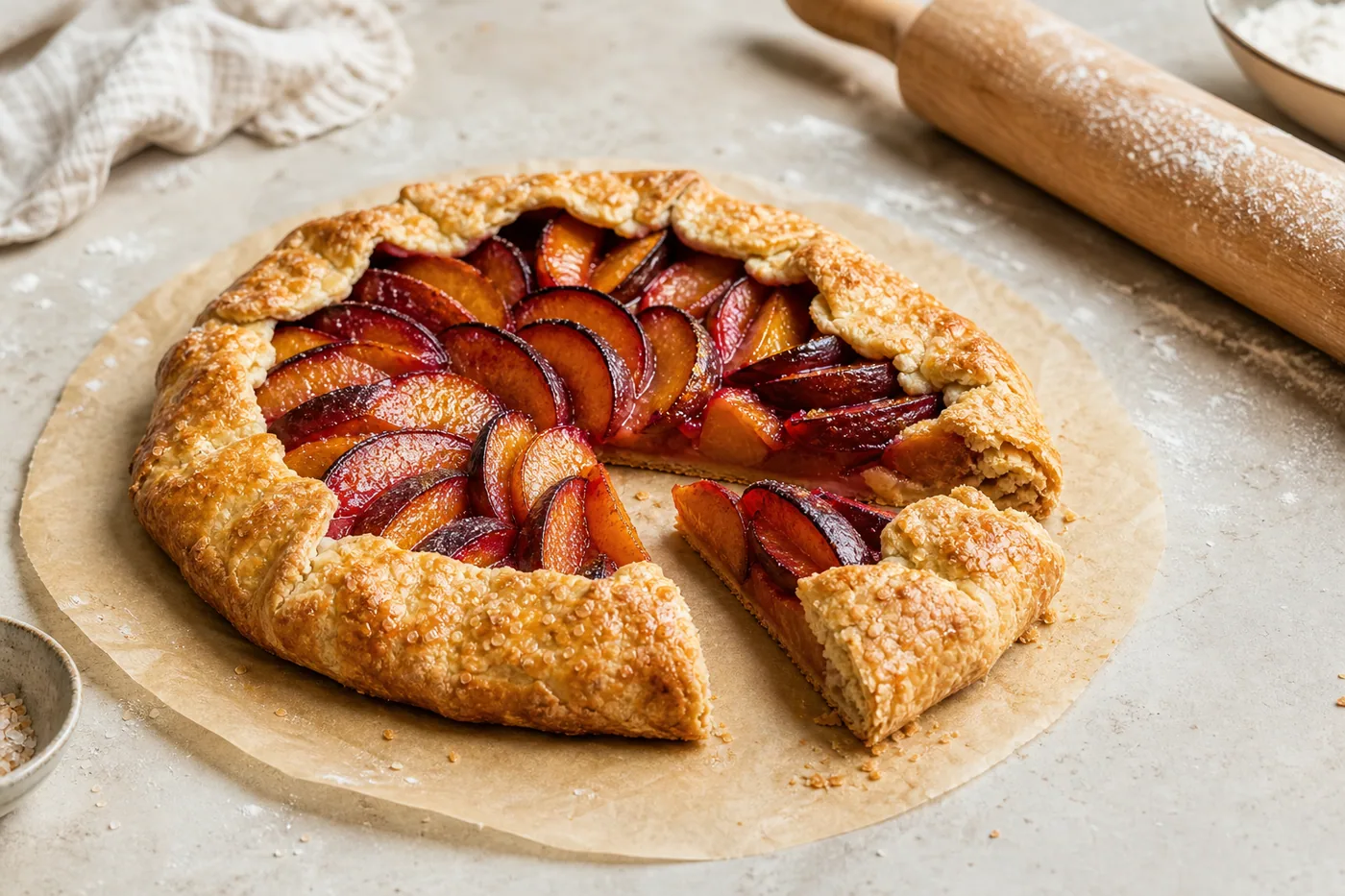
Flaky Food Processor Pie Dough served and ready to eat
Cutting cold butter Flaky Food Processor Pie Dough Use cold butter and restrained pulses for a tender double-crust dough with visible flakes. Open the recipe →
Quick Food Processor Pizza Dough served and ready to eat
Fast dough mixing Quick Food Processor Pizza Dough Mix a small pizza dough batch quickly while learning the processor's dough limit and stop cues. Open the recipe →
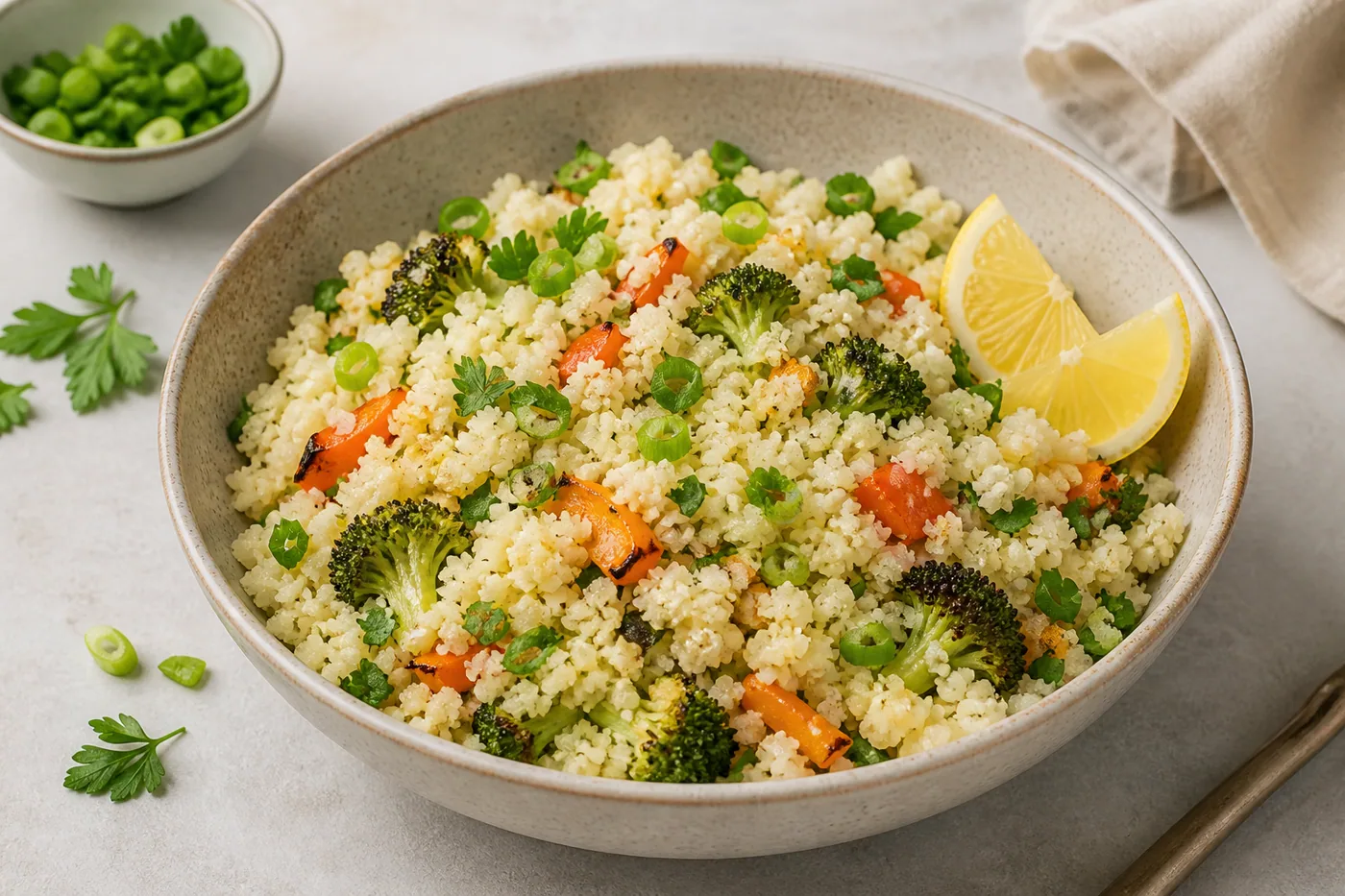
Food Processor Cauliflower Rice served and ready to eat
Even small-batch chopping Food Processor Cauliflower Rice Pulse cauliflower into even rice-size pieces without turning the batch watery or pasty. Open the recipe →
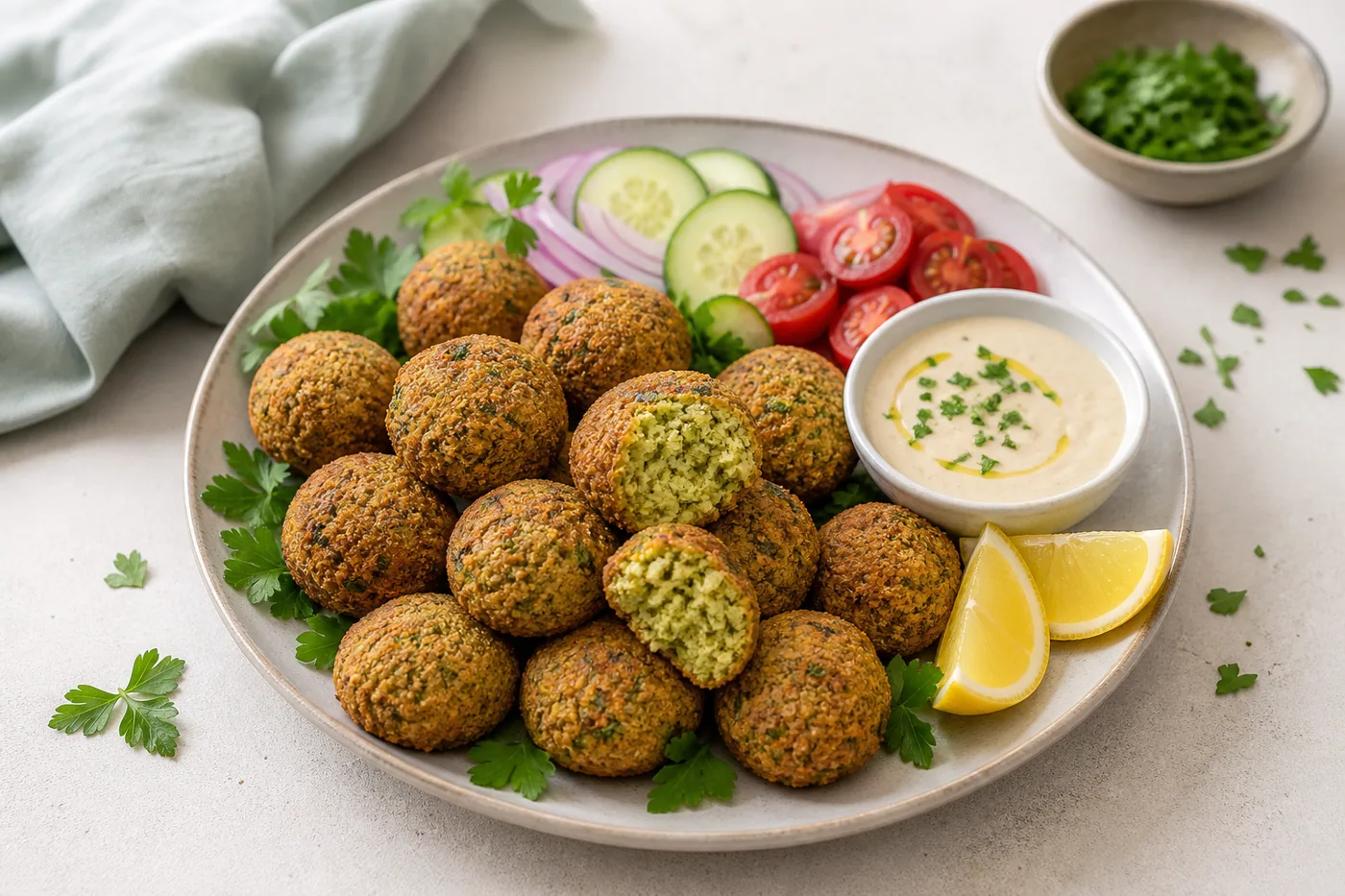
Baked Herb Falafel served and ready to eat
Texture-first pulsing Baked Herb Falafel Pulse soaked chickpeas and herbs into a coarse mixture that holds together without becoming hummus. Open the recipe →
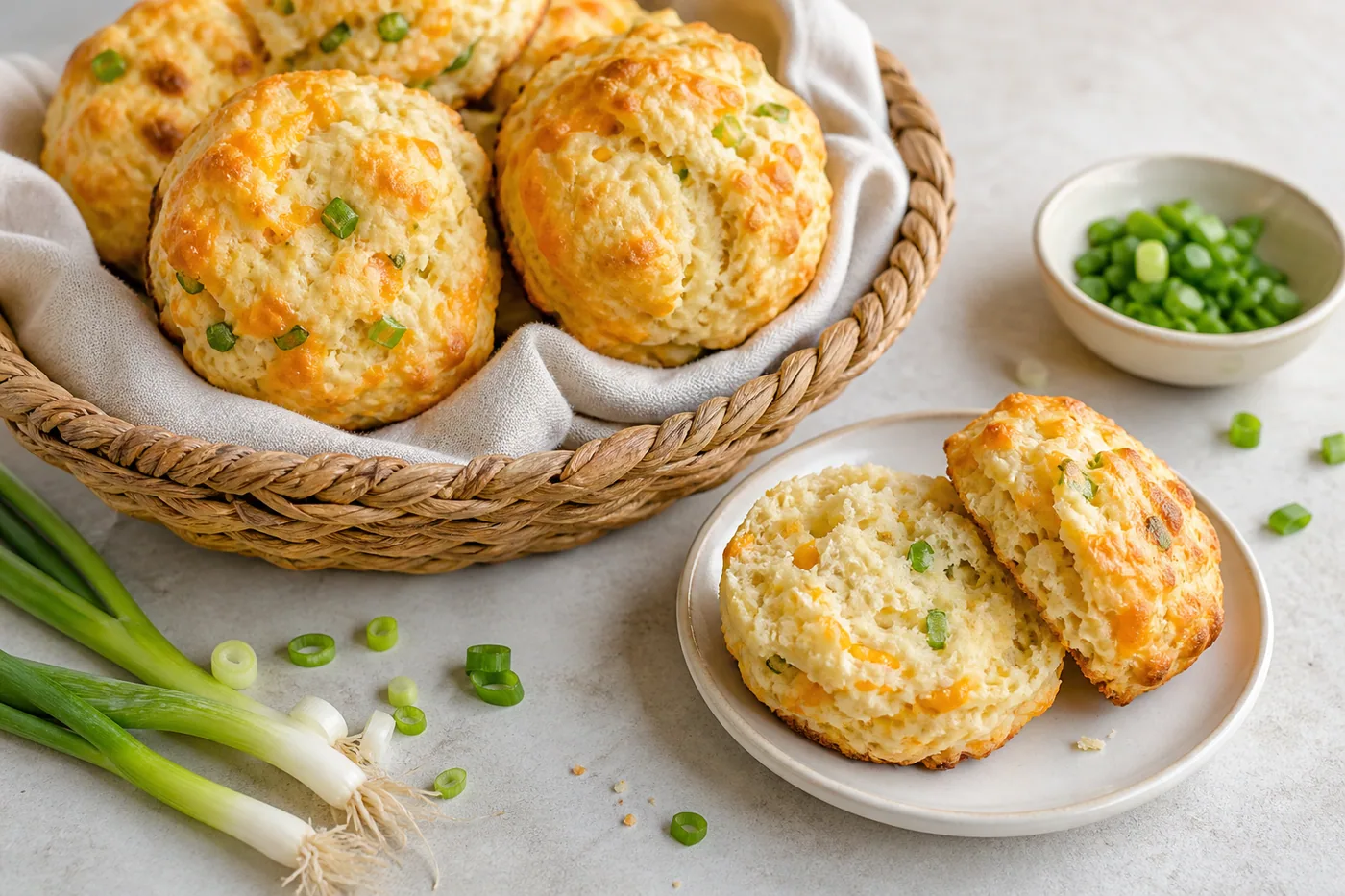
Cheddar-Scallion Food Processor Biscuits served and ready to eat
Cold butter technique Cheddar-Scallion Food Processor Biscuits Cut cold butter into flour quickly, then finish the dough by hand for tender savory biscuits. Open the recipe →

Learn the category

Understand food processors before you buy

Plain-English guides to sizing, features, setup, maintenance, and the category questions that change the decision.
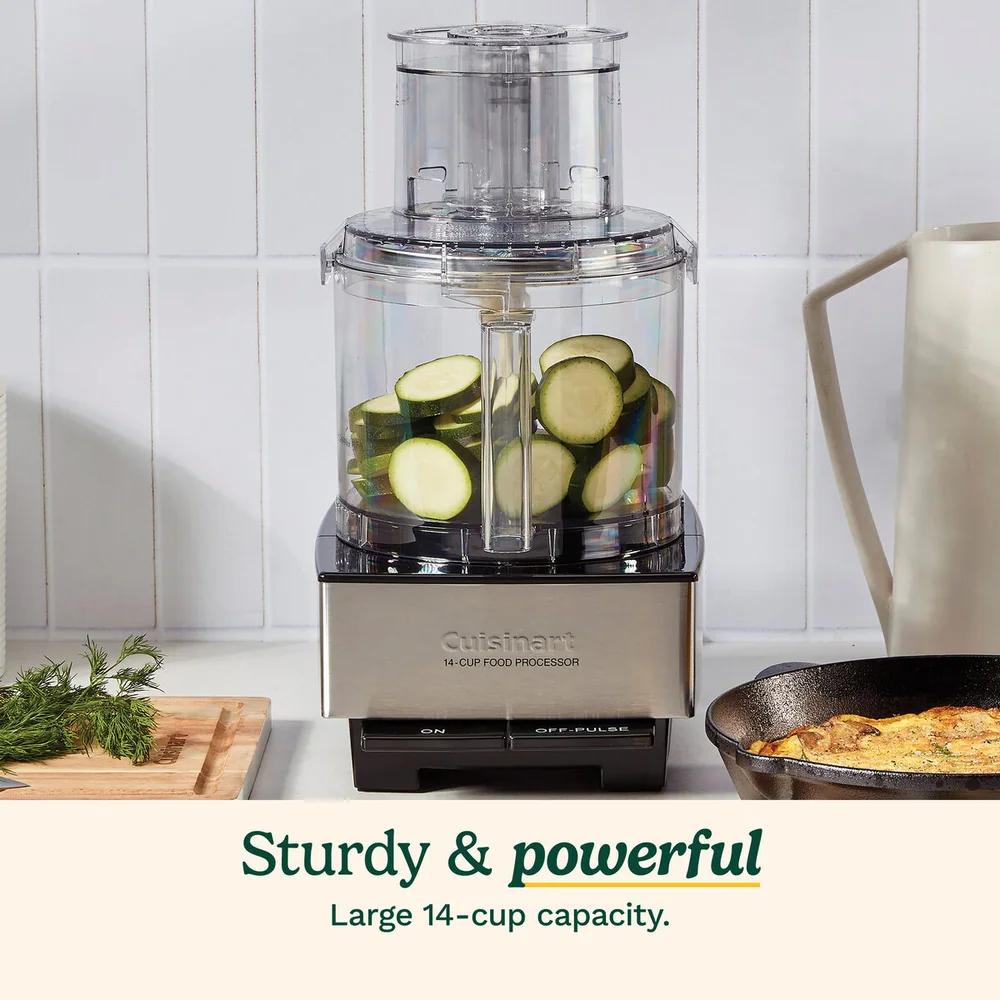
Cuisinart Custom 14-Cup Food Processor
Practical guide How to Choose the Right Food Processor Capacity Match bowl size to real batch volume, ingredient shape, liquid limits, dough, storage, and cleanup. Read the guide →
Ninja Professional Food Processor
Practical guide Food Processor vs. Blender vs. Food Chopper Choose the tool that fits slicing, shredding, chopping, puréeing, liquids, and small batches. Read the guide →
Cuisinart Custom 14-Cup Food Processor DFP-14BCNY
Practical guide Food Processor Blades and Discs Explained Know what an S-blade, slicing disc, shredding disc, dough blade, and specialty kit actually do. Read the guide →
Ninja Professional Food Processor
Practical guide How to Pulse a Food Processor for Better Texture Use batch size, ingredient prep, pulse timing, and visual checks to avoid uneven chopping or paste. Read the guide →
Ninja Professional Food Processor
Practical guide How to Slice and Shred with a Food Processor Prepare vegetables and cheese for even cuts using the right disc, feed-tube fit, and pusher pressure. Read the guide →
Cuisinart Custom 14-Cup Food Processor
Practical guide How to Make Dough in a Food Processor Use the approved blade, batch limit, ingredient order, and short processing time for bread and pastry dough. Read the guide →
Cuisinart Custom 14-Cup Food Processor
Practical guide How to Clean and Care for a Food Processor Clean sharp parts, seams, the work bowl, and motor base safely while protecting fit and finish. Read the guide →
Ninja Professional Food Processor
Practical guide Food Processor Safety: Feed Tubes, Pushers, and Blades Use interlocks, pushers, blades, discs, and cleanup routines without bypassing the machine's safeguards. Read the guide →
Cuisinart Custom 14-Cup Food Processor
Practical guide What Can You Make in a Food Processor? Match chopping, slicing, shredding, mixing, emulsifying, puréeing, and dough tasks to the right attachment. Read the guide →
Cuisinart Custom 14-Cup Food Processor
Practical guide Mini Chopper vs. Full-Size Food Processor Compare batch size, discs, feed tubes, dough ability, cleanup, storage, and the jobs each format handles best. Read the guide →

Category knowledge

How blades, discs, bowl size, and feed tubes change the result

The technical details below explain why products behave differently and which differences shoppers are likely to notice.

Category knowledge

How to Choose the Right Food Processor Capacity

Match bowl size to real batch volume, ingredient shape, liquid limits, dough, storage, and cleanup.

Cup count is useful, but it is not the whole size decision. The right processor holds a normal batch without crowding and still fits where you will store and clean it.

List the jobs you do every week and the amount you prepare: one onion, a family-size slaw, two pie crusts, or a batch of pizza dough. Choose for that repeat workload before planning for the largest holiday meal of the year.

Small bowls work well for herbs, nuts, sauces, and modest chopping. Full-size bowls create room for slicing discs, larger feed tubes, dough, and meal-prep quantities.

The printed bowl volume describes the container, not necessarily the maximum safe amount for every ingredient. Liquids, sticky dough, and foods that expand or ride up the walls can need a much lower limit.

Read the exact manual for liquid and dough limits. Overfilling can create uneven texture, leaks, strain, or unsafe handling around the blade.

What this means when shopping: Read the exact manual for liquid and dough limits. Overfilling can create uneven texture, leaks, strain, or unsafe handling around the blade.

Category knowledge

Food Processor vs. Blender vs. Food Chopper

Choose the tool that fits slicing, shredding, chopping, puréeing, liquids, and small batches.

These appliances overlap, but their bowls and blades favor different results. Start with the texture and volume you want rather than assuming one motor base can replace every tool.

A full-size processor can chop with an S-blade and slice or shred with discs. Its wide bowl handles thicker mixtures and gives larger ingredients room to move.

It is the natural choice for slaw, shredded cheese, pie dough, falafel, breadcrumbs, and repeated vegetable prep when the proper attachment is included.

A blender's tall jar and fixed blade are designed to create circulation in liquids. Smooth soups, drinks, and pourable purées are usually more natural blender jobs.

A processor can make hummus, pesto, and some purées, but it may not produce the same smooth vortex or handle hot liquids unless its manual explicitly permits them.

What this means when shopping: A processor can make hummus, pesto, and some purées, but it may not produce the same smooth vortex or handle hot liquids unless its manual explicitly permits them.

Category knowledge

Food Processor Blades and Discs Explained

Know what an S-blade, slicing disc, shredding disc, dough blade, and specialty kit actually do.

Attachments make a food processor versatile, but only when you can identify, install, store, and clean them. The exact manual takes priority because disc orientation and spindle design vary.

The multipurpose metal blade sits low in the work bowl and handles chopping, mincing, mixing, many purées, crumbs, and some dough methods. Its speed means seconds can separate coarse pieces from paste.

Use pulse for controlled texture and continuous processing only when the recipe and manual call for it. Stop the motor before scraping the bowl.

Slicing and shredding discs process food as the pusher guides it through the feed tube. A reversible disc may put fine and coarse shredding on opposite faces; an adjustable slicer can offer several thicknesses.

Install the correct side facing up and use the matching spindle. Do not reach into a feed tube or push food with a utensil or hand.

What this means when shopping: Install the correct side facing up and use the matching spindle. Do not reach into a feed tube or push food with a utensil or hand.

Category knowledge

How to Pulse a Food Processor for Better Texture

Use batch size, ingredient prep, pulse timing, and visual checks to avoid uneven chopping or paste.

Pulse is a texture control, not just a button. Short on-off cycles let pieces redistribute so you can stop when the chop is right.

Cut large ingredients into similar chunks that fit the feed tube or bowl comfortably. Remove pits, bones, tough stems, and anything the exact manual excludes.

Dry washed produce when excess water would make it slide or turn a dry mixture wet. Keep raw foods separate from ready-to-eat ingredients and clean parts between them.

Press and release rather than holding the control continuously. Let the blade stop enough for food to settle, then check the largest pieces instead of judging only the fine material at the bottom.

A few longer runs can finish a purée, but chopped vegetables, nuts, and crumbs benefit from stopping early and inspecting.

What this means when shopping: A few longer runs can finish a purée, but chopped vegetables, nuts, and crumbs benefit from stopping early and inspecting.

Specs that matter when choosing food processors

These are the measurements and ownership details that change which food processors make sense.

Usable bowl capacity

The advertised bowl size is not always the comfortable working capacity for liquids, dough, or bulky vegetables.

Why it matters: Batch limits determine whether you save time or repeatedly empty the bowl.

Feed tube

A wider feed tube accepts larger pieces before slicing or shredding.

Why it matters: Less pre-cutting is one of the clearest ways a processor can reduce prep time.

Blades and discs

The included attachments determine which jobs the machine performs without optional purchases.

Why it matters: A strong motor does not create thin slices or even shreds without well-designed discs.

Pulse control and cleanup

Pulse gives short bursts; bowl geometry and seams affect how easily food releases and parts wash.

Why it matters: Control and cleanup often decide whether the processor becomes a weekly tool or a cabinet resident.

Claims that need context

Large capacity: Check liquid and dough limits, not only total bowl volume.

Dough capable: Confirm the approved flour quantity, blade, duty cycle, and cooling instructions.

All-in-one: Count the jobs the included attachments perform well rather than the number printed on the box.

Brands in the category

Food Processor brands explained

Use the brand overview as a starting point, then open the linked product reviews for the model-specific decision.

Cuisinart Custom 14-Cup Food Processor
Brand guide

Cuisinart

The Cuisinart Custom 14-Cup Food Processor fits most home cooks because it handles the core food-processor jobs well without making you babysit the machine.

What to know: 9 Cuisinart models appear across the current guides and reviews.

Breville Sous Chef 16-Cup Food Processor
Brand guide

Breville

The Breville Sous Chef 16-Cup Food Processor is the upgrade for people who cook big, involved recipes several times a week and want a food processor that keeps up.
What to know: 3 Breville models appear across the current guides and reviews.

KitchenAid KFP1318 13-Cup Food Processor
Brand guide

KitchenAid

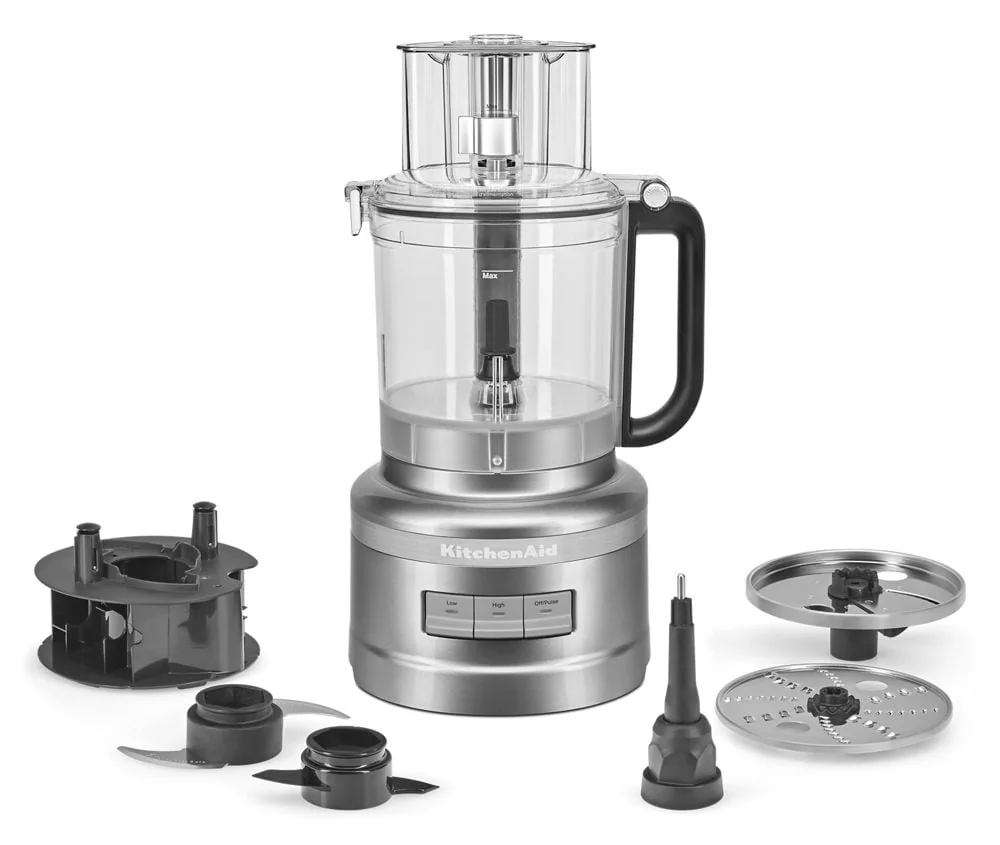
KitchenAid KFP1318 13-Cup Food Processor is a great fit for everyday cooks who want smooth results and an easier, calmer experience at the counter.

What to know: 3 KitchenAid models appear across the current guides and reviews.

Ninja Professional Food Processor
Brand guide

Ninja

The ninja professional food processor is for shoppers who want a recognizable full-size food processor and are comfortable choosing based on brand familiarity rather than deep, consistent performance documentation.
What to know: 1 Ninja model appears across the current guides and reviews.

Hamilton Beach 70730 Food Processor
Brand guide

Hamilton

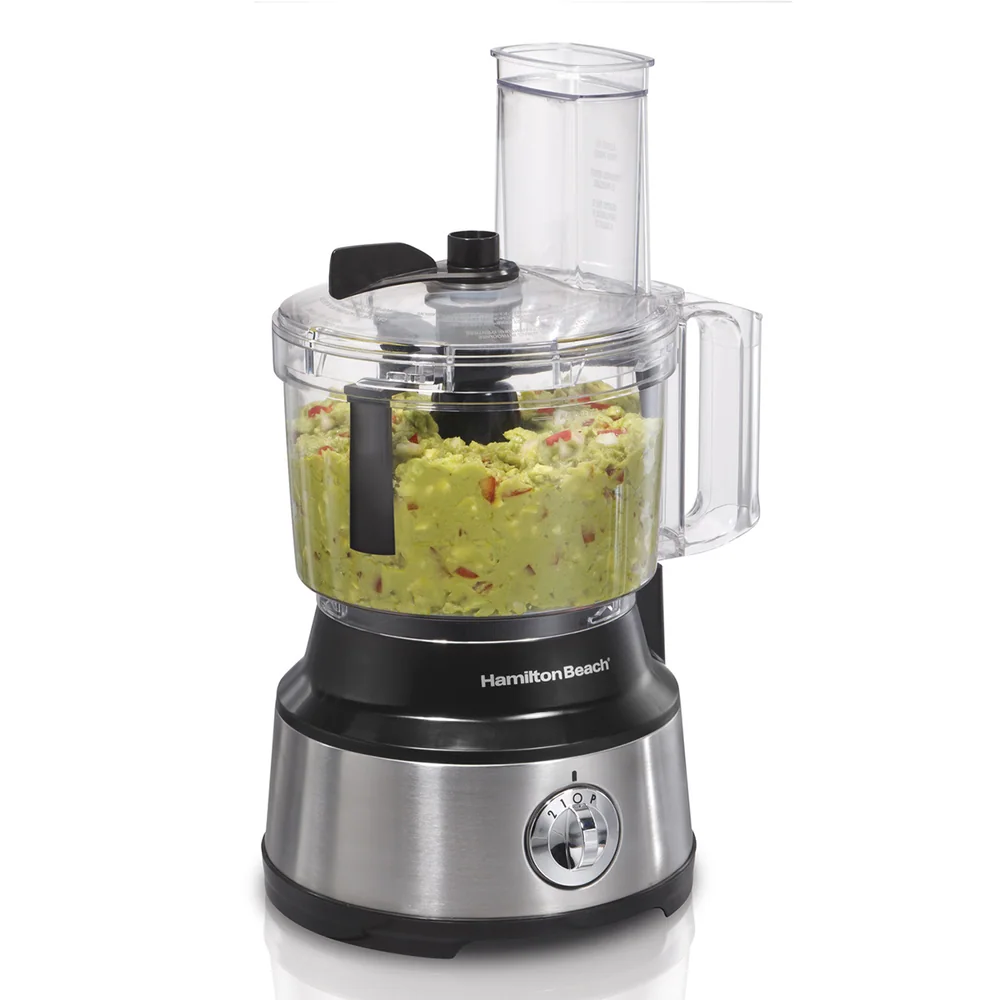
Hamilton Beach 70730 Food Processor is for shoppers who want to spend less and still get a capable food processor for basic chopping and occasional light dough.
What to know: 2 Hamilton models appear across the current guides and reviews.

Magimix 5200XL Food Processor
Brand guide

Magimix

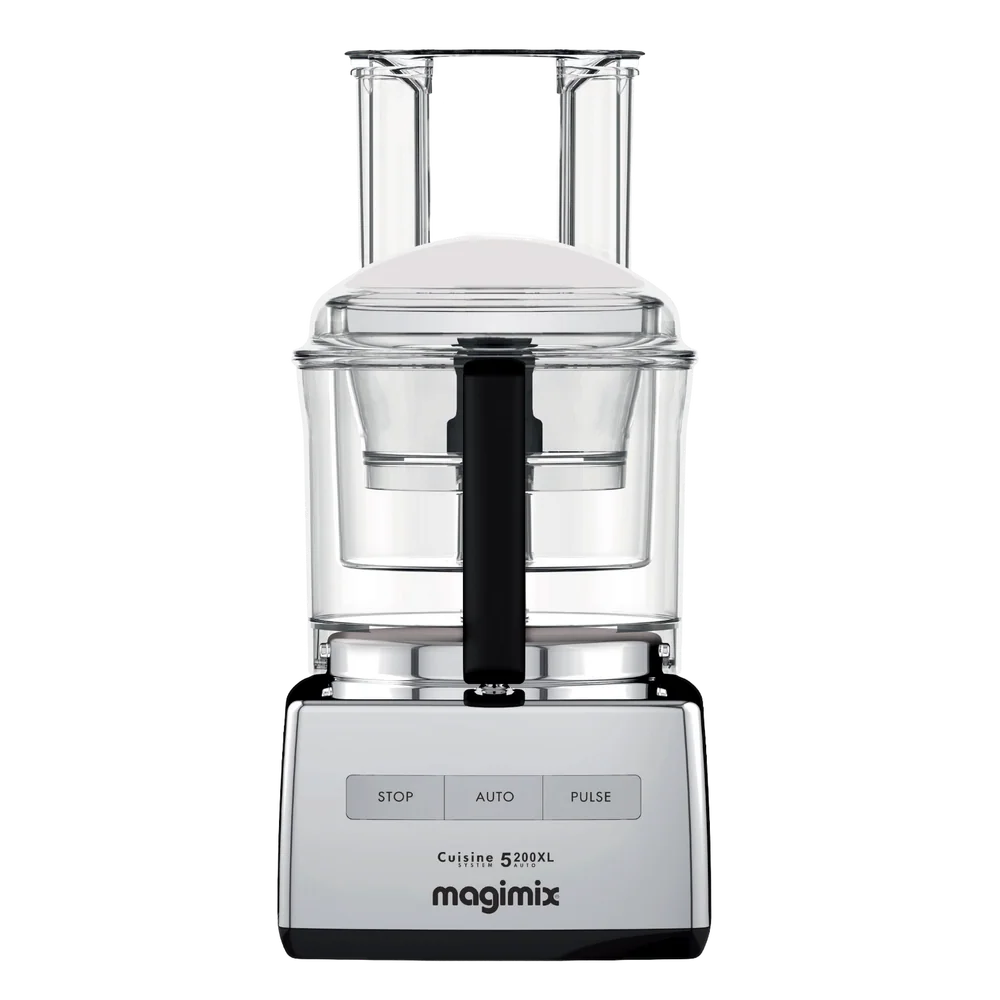
Magimix 5200XL Food Processor is worth a look for serious home cooks who want a more premium, robust-feeling machine and like the idea of multi-bowl versatility for different prep steps.
What to know: 1 Magimix model appears across the current guides and reviews.

GE 12-Cup Food Processor
Brand guide

GE

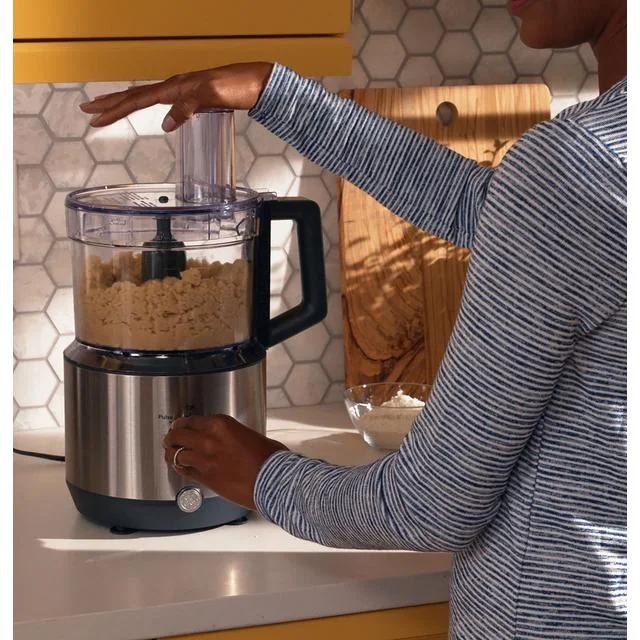
GE 12-Cup Food Processor is for families who want a full-size bowl without jumping to premium pricing.

What to know: 1 GE model appears across the current guides and reviews.

Braun 12-Cup Food Processor
Brand guide

Braun

Braun 12-Cup Food Processor is a solid alternative for shoppers who want a dependable, general-purpose food processor from a mainstream brand and do not need a 14 to 16-cup giant.

What to know: 1 Braun model appears across the current guides and reviews.

How to choose food processors

  • Usable bowl capacity: Batch limits determine whether you save time or repeatedly empty the bowl.
  • Feed tube: Less pre-cutting is one of the clearest ways a processor can reduce prep time.
  • Blades and discs: A strong motor does not create thin slices or even shreds without well-designed discs.
  • Pulse control and cleanup: Control and cleanup often decide whether the processor becomes a weekly tool or a cabinet resident.

Food Processors FAQ

What size food processor should I buy for most home cooking?

A full-size bowl in the 13 to 14-cup range is the easiest "one machine" choice for most kitchens because it handles everyday chopping and slicing plus bigger jobs like dough. In this list, that points to the Cuisinart Custom 14-Cup Food Processor or the KitchenAid KFP1318 13-Cup Food Processor.

When is it worth upgrading to a premium, high-capacity food processor?

Upgrade when you cook large, involved recipes several times a week, do batch prep often, or routinely process big volumes. The Breville Sous Chef 16-Cup Food Processor earns its keep with more capacity and an extra-large feed chute that can speed up prep.

Which food processor here makes the smoothest hummus-style purees?

The KitchenAid KFP1318 13-Cup Food Processor is a strong choice for smooth purees, including hummus, and it's also noted for being less noisy than many competitors.

If I just want a dependable all-purpose food processor, what should I get?

The Cuisinart Custom 14-Cup Food Processor is the most straightforward all-around recommendation here because it covers chopping, slicing, and kneading consistently and stays easy to live with over time.

What is the best value food processor on this list for basic tasks?

The Cuisinart FP-8SVP Food Processor is the value choice for everyday food-processing tasks when you want to spend less and still get a recognizable, capable machine.