Pickori
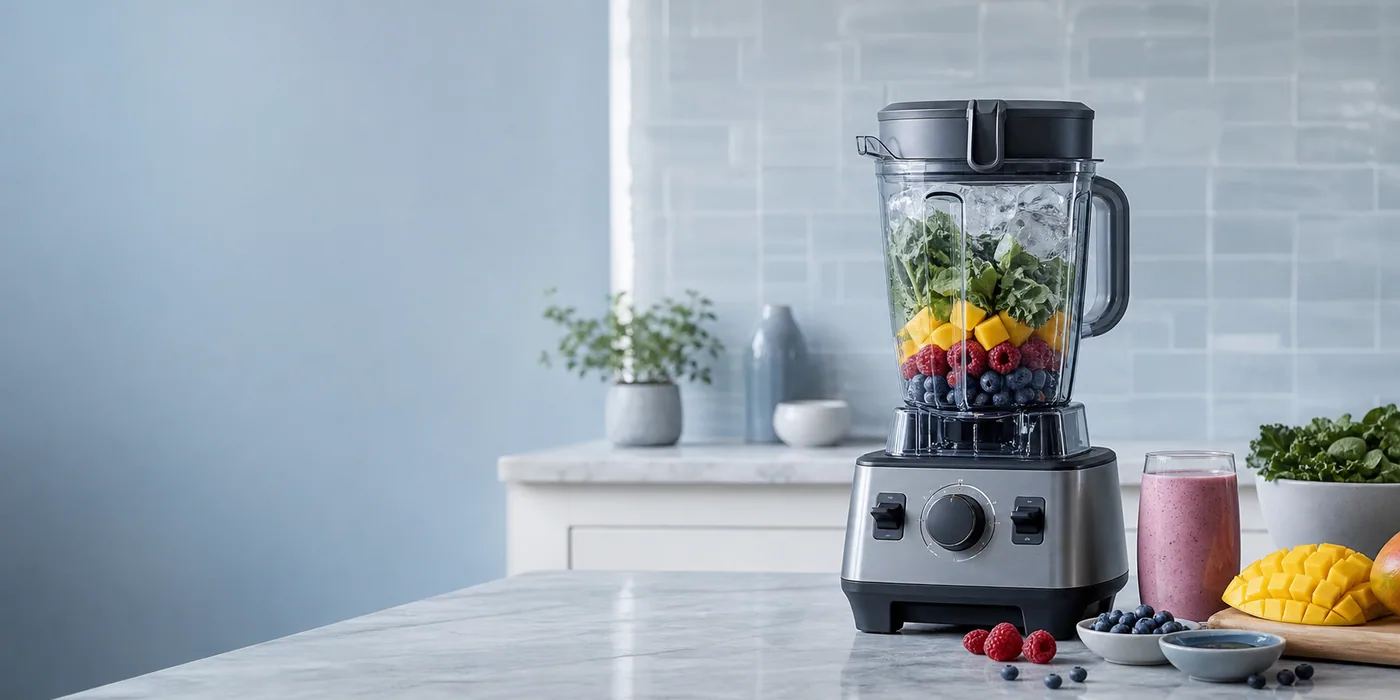
Countertop blender filled with fruit and greens in a bright kitchen

Blender research

Blenders

Choose the right blender for smoothies, frozen drinks, soups, sauces, and everyday prep. Compare blender types, learn which features matter, and explore Pickori's latest blender rankings, reviews, comparisons, and buying guides.

Blenders turn everyday ingredients into smoothies, soups, sauces, and more

A full-size countertop blender is the best starting point for smoothies, frozen drinks, sauces, and larger batches. Personal blenders trade capacity for faster single servings and simpler cleanup. Immersion blenders work directly in a pot or measuring cup, making them useful for soups, sauces, and emulsions, but they are not a direct replacement for a strong countertop blender when ice and frozen fruit are involved.

The right choice depends less on the biggest motor number than on what you blend, how much you make, how well ingredients circulate through the jar, and how much cleanup you will tolerate. Thick smoothie bowls and nut butter demand more from a blender than protein shakes or salad dressing, so the best model for one kitchen can be unnecessary for another.

Which type of blender should you buy?

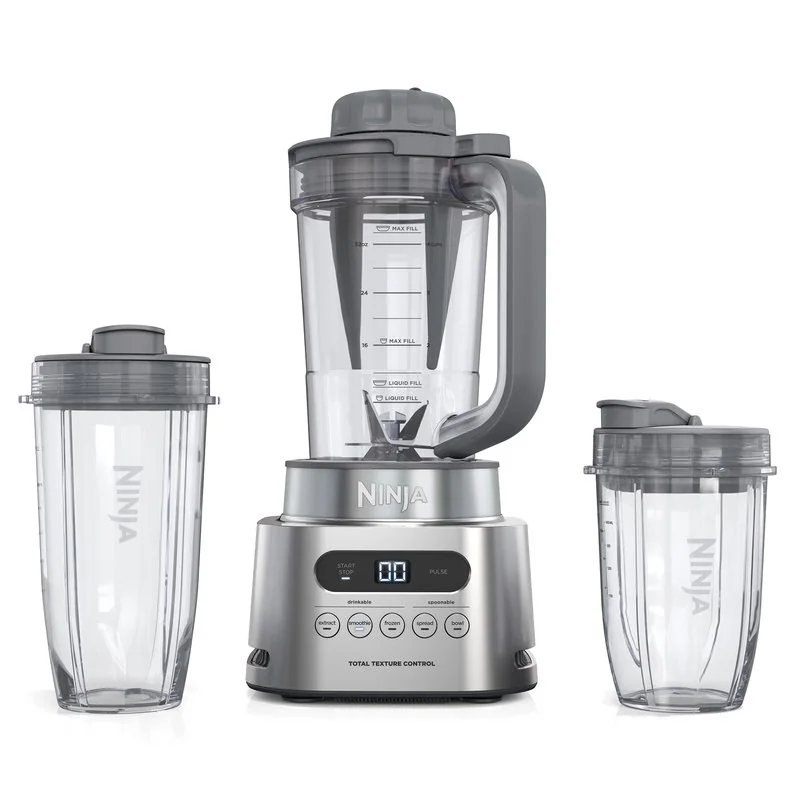
Ninja Twisti Blender Duo

Countertop blenders

The most versatile choice for smoothies, frozen drinks, sauces, and family-size batches.

Best for: Most kitchens and shoppers who want one blender to handle several jobs.
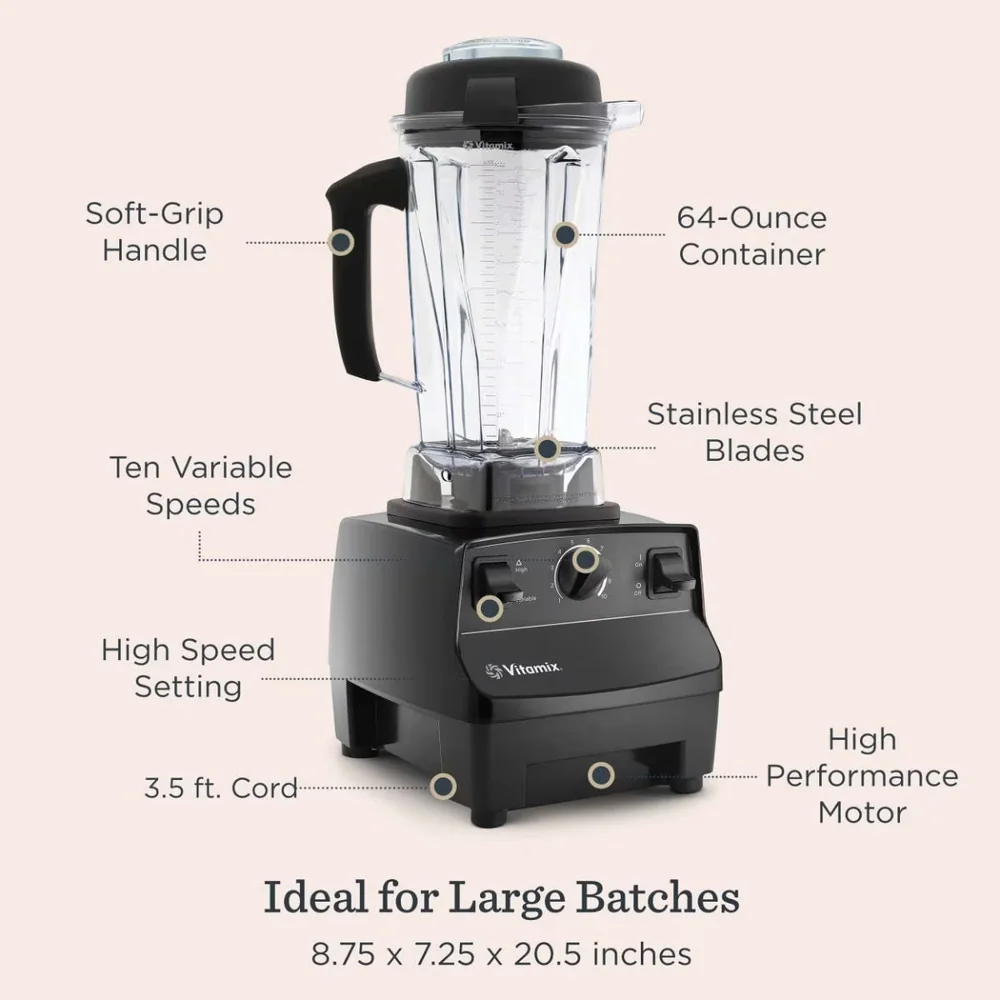
Vitamix 5200

Personal blenders

Compact machines built around smaller blending cups that often double as travel cups.

Best for: Single servings, quick morning smoothies, and easier cleanup.
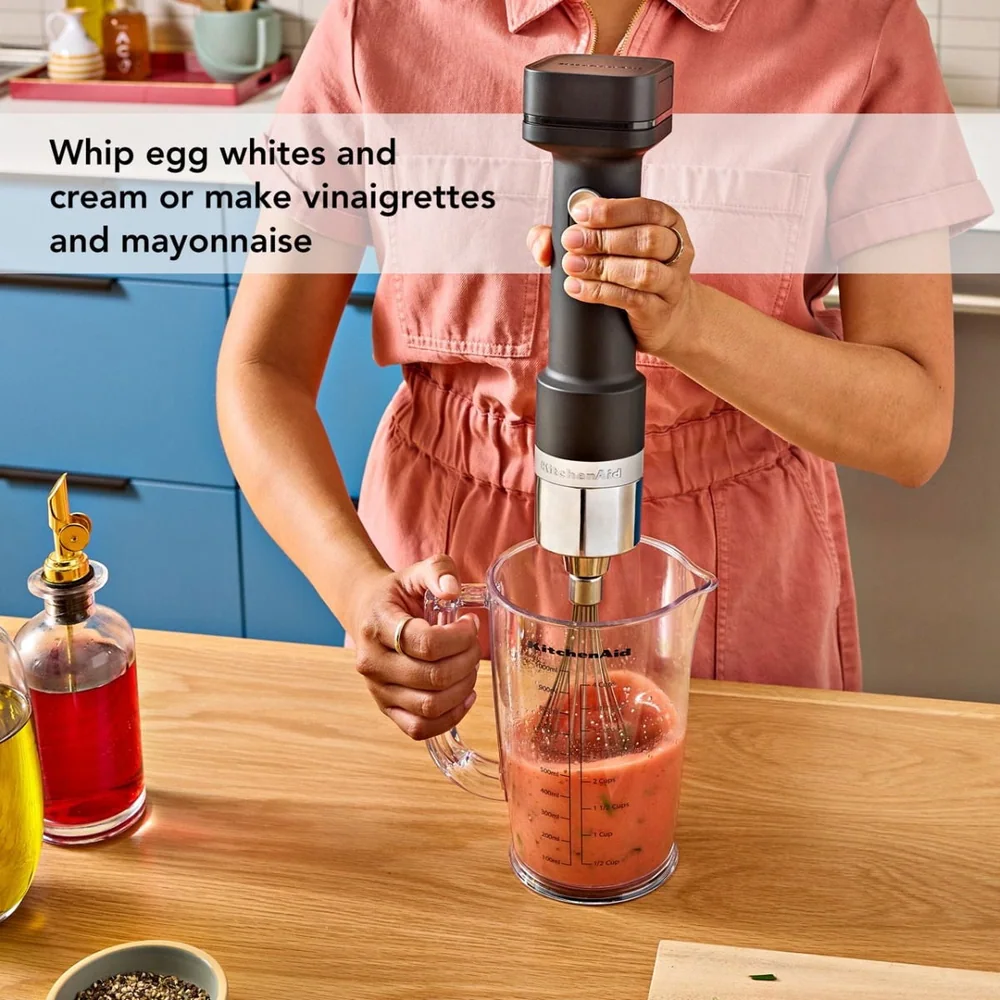
KitchenAid Go Cordless Immersion Blender

Immersion blenders

Handheld blenders that work directly in a pot, bowl, or measuring cup.

Best for: Soups, sauces, emulsions, and cooks who value compact storage.
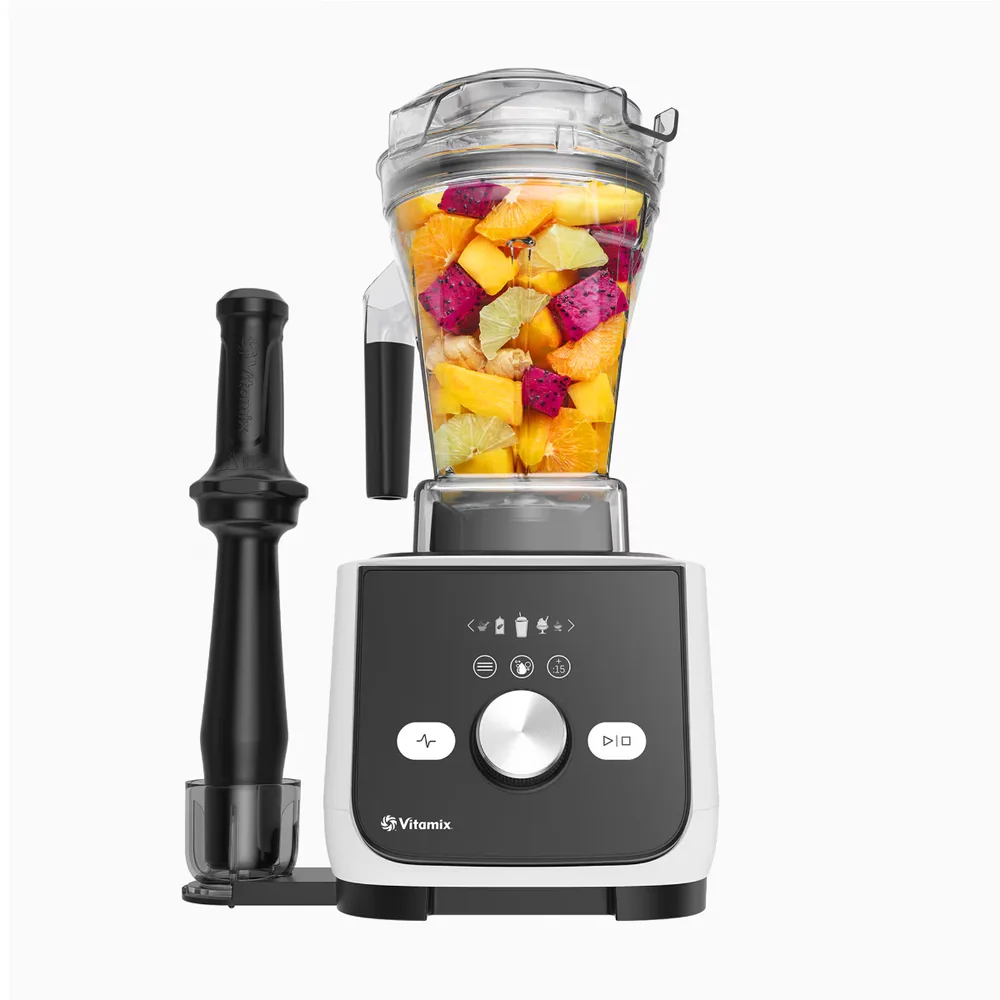
Vitamix Ascent X5

High-performance blenders

More powerful, durable machines designed to handle thick and demanding recipes repeatedly.

Best for: Frequent blending, frozen mixtures, nut butter, and shoppers who expect to keep the machine for years.

Blender guides, reviews, and comparisons

Product reviews

In-Depth Blenders Reviews

Start with the newest reviews and substantial refreshes, then open the complete directory when you need a specific model.
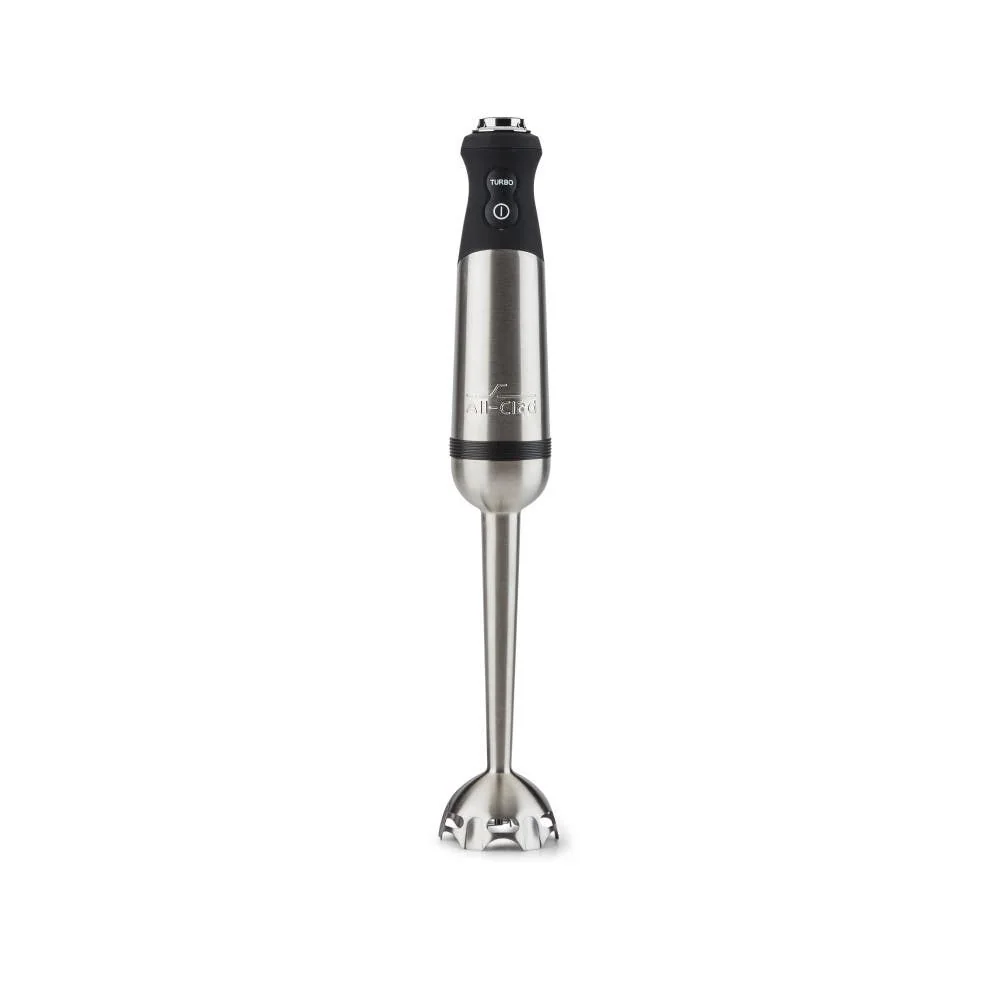
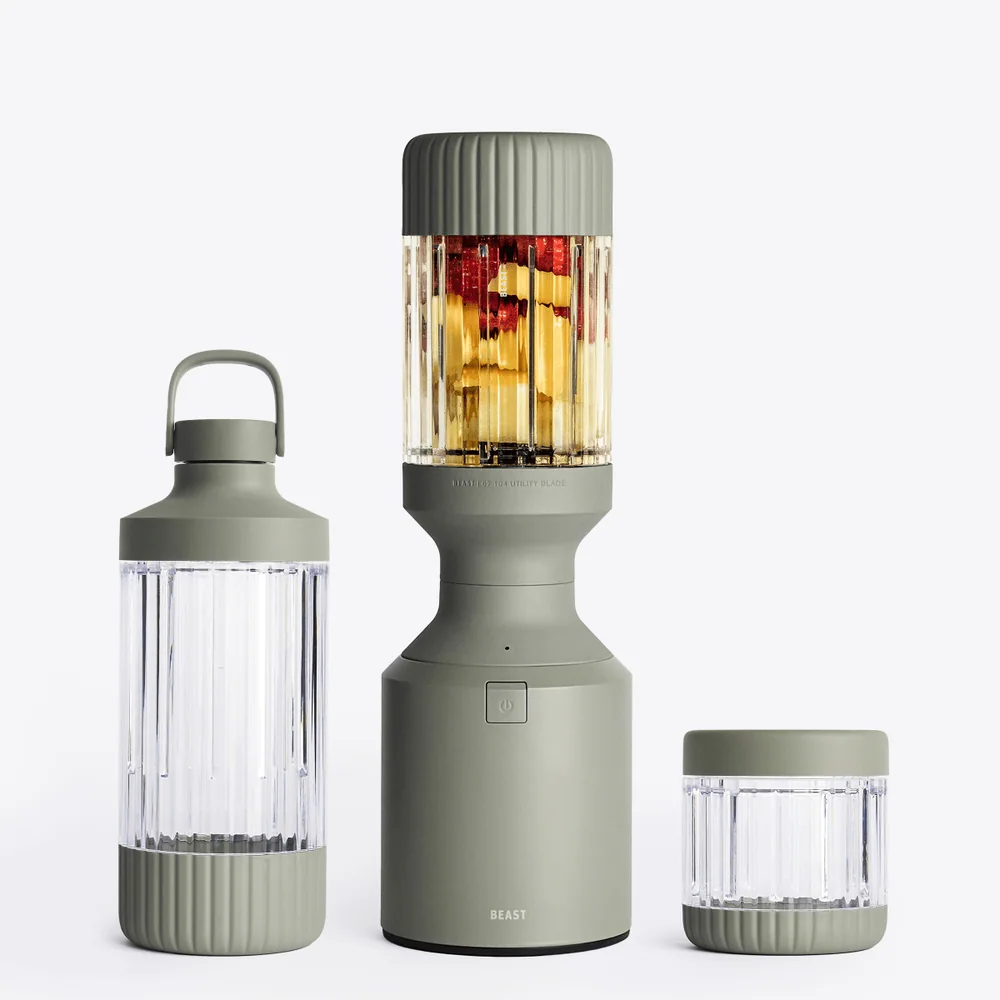
Browse all 51 in-depth blender reviewsEvery full product review, organized by brandView complete archive

All-Clad1 review

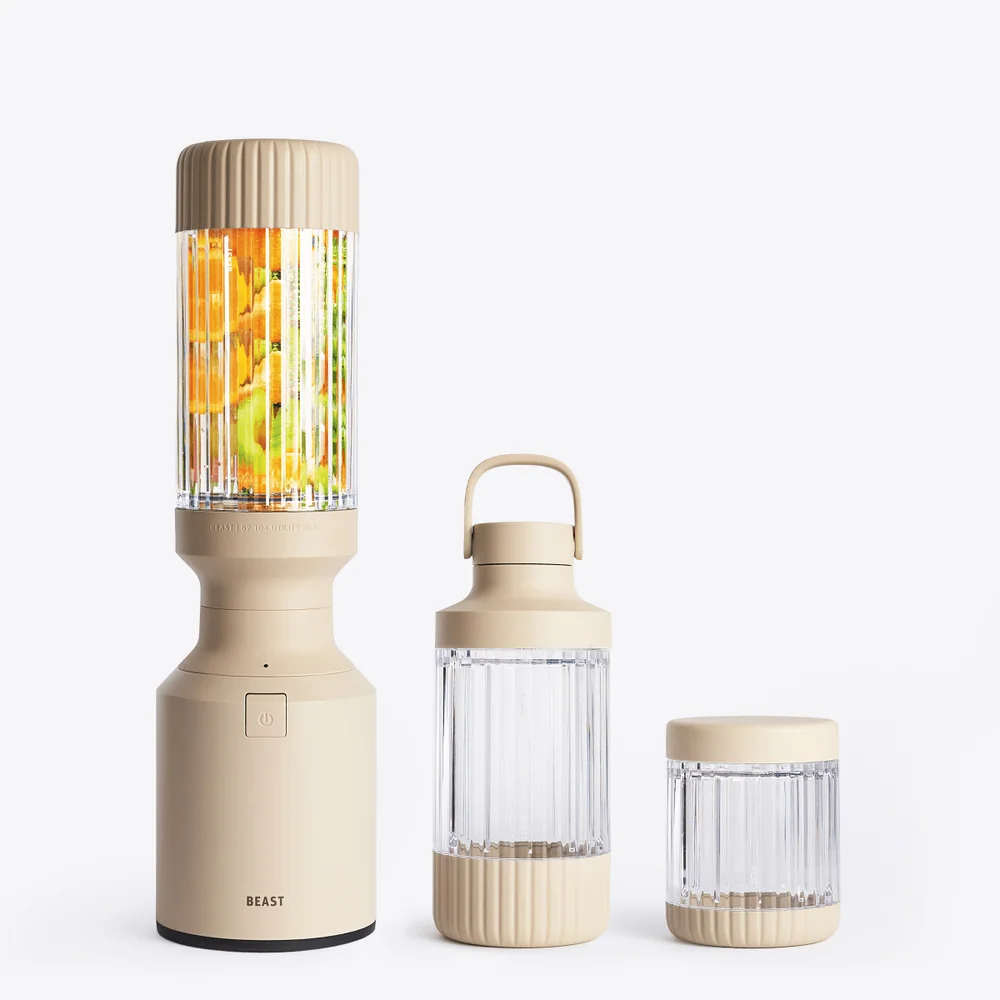
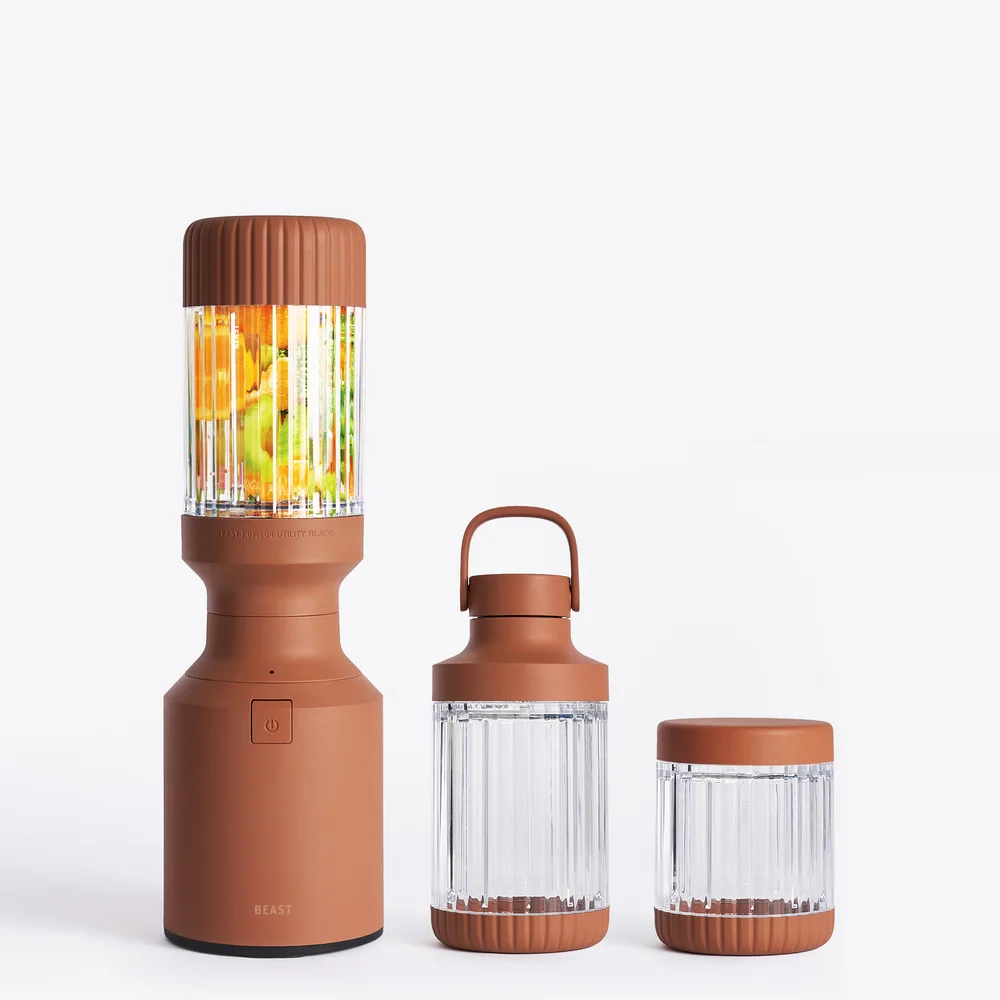
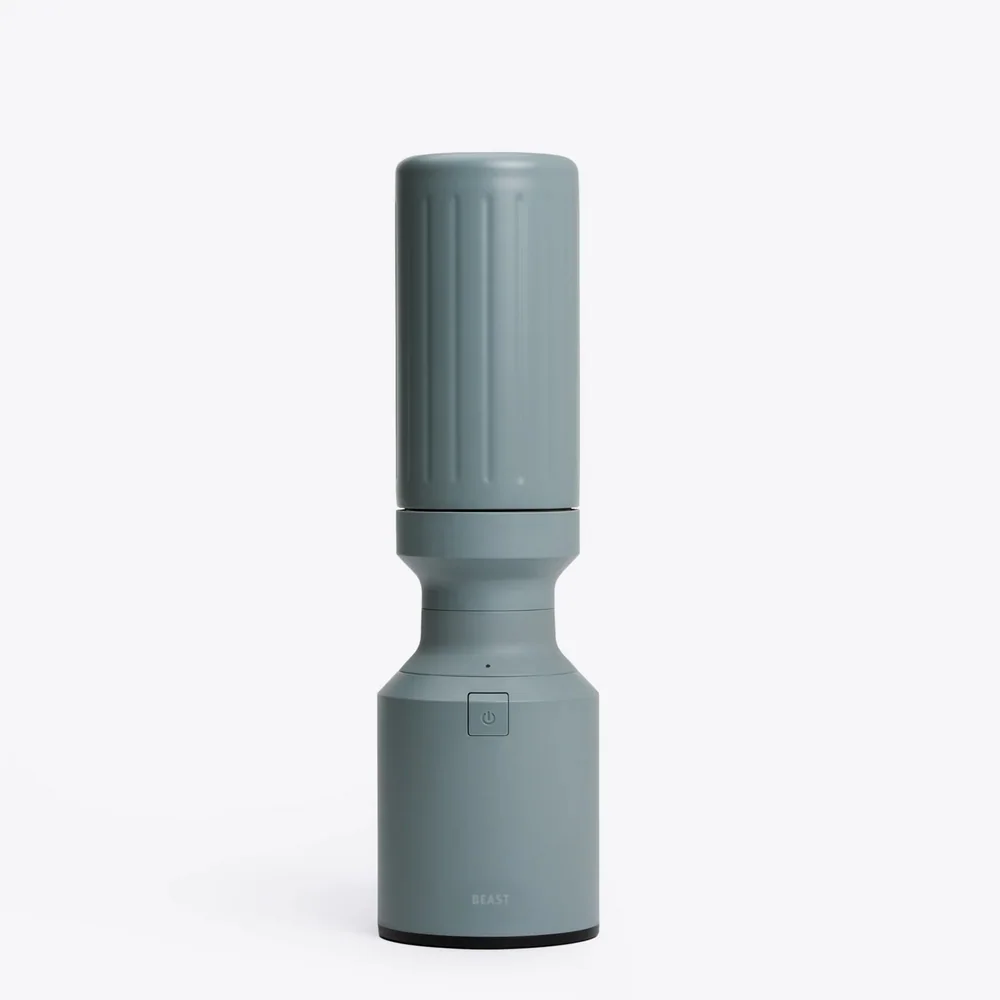
Beast4 reviews

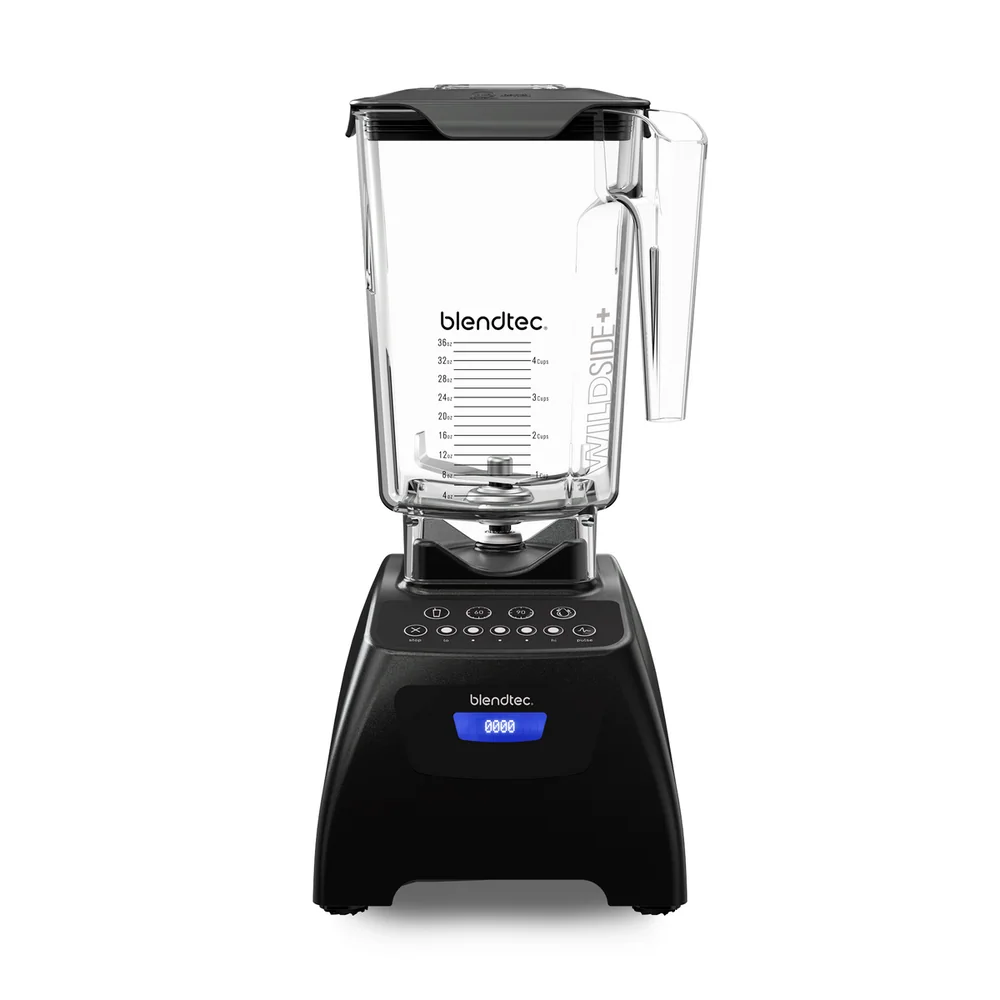
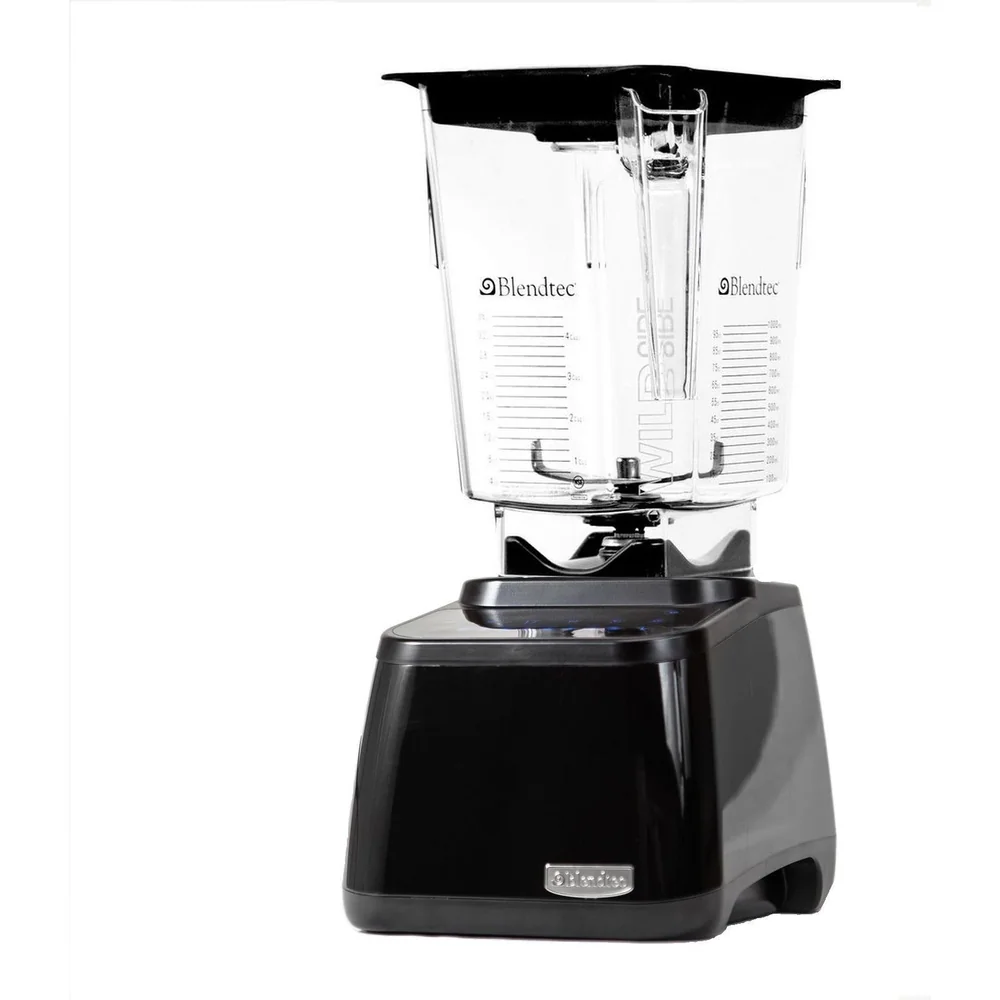
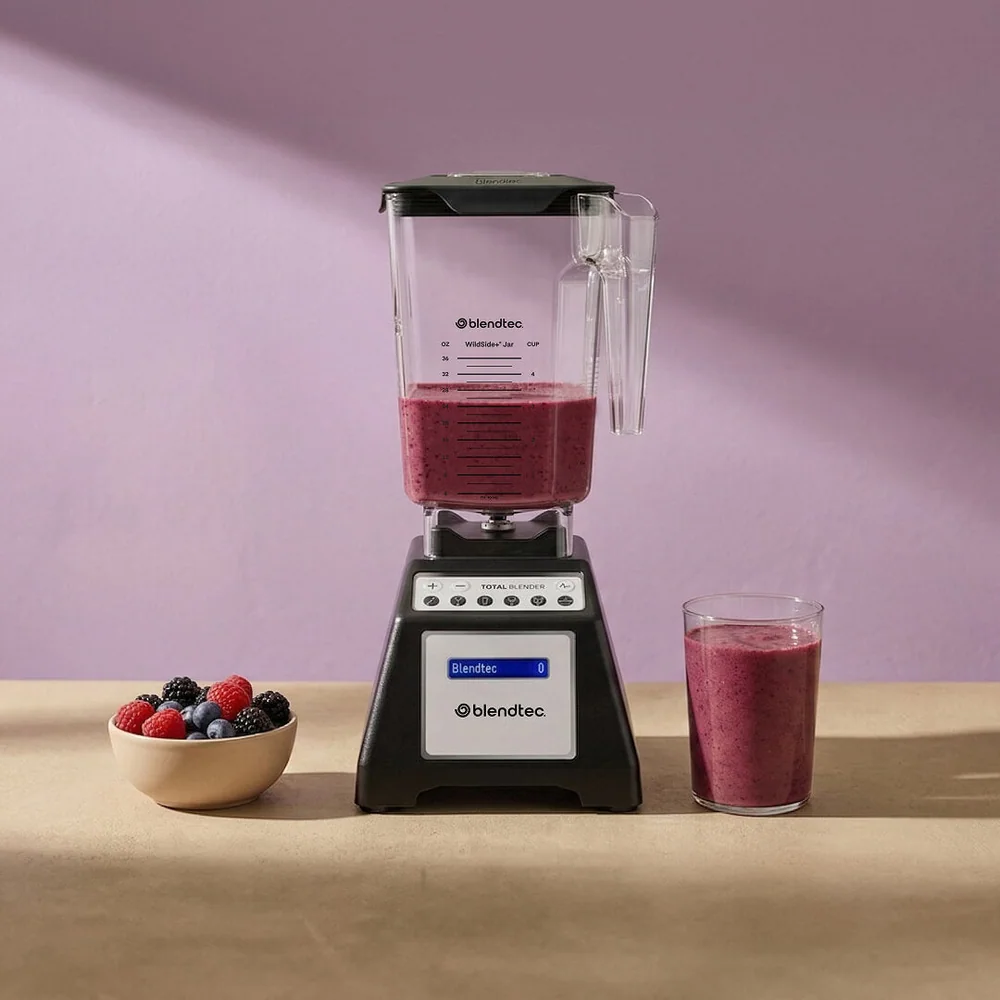
Blendtec3 reviews

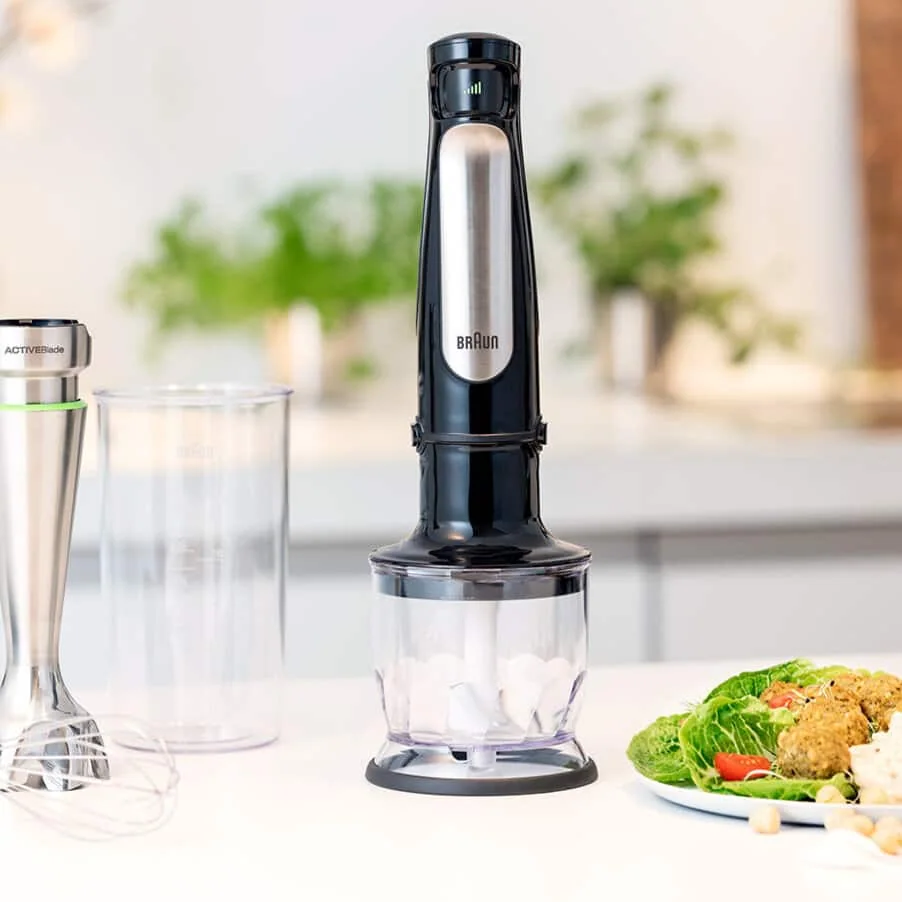
Braun2 reviews

Breville3 reviews

Chefman1 review

Cuisinart5 reviews

Hamilton4 reviews

Hurom1 review

KitchenAid4 reviews

Ninja12 reviews

Nutribullet3 reviews

NutriBullet2 reviews

Oster1 review

Smeg1 review

Vitamix4 reviews

Recipes and techniques

What do you want to make?

These recipes are worth making on their own, but each one also reveals something different about a blender. Use them to learn which machines handle frozen fruit, thick mixtures, hot soup, emulsions, ice, and small batches well.
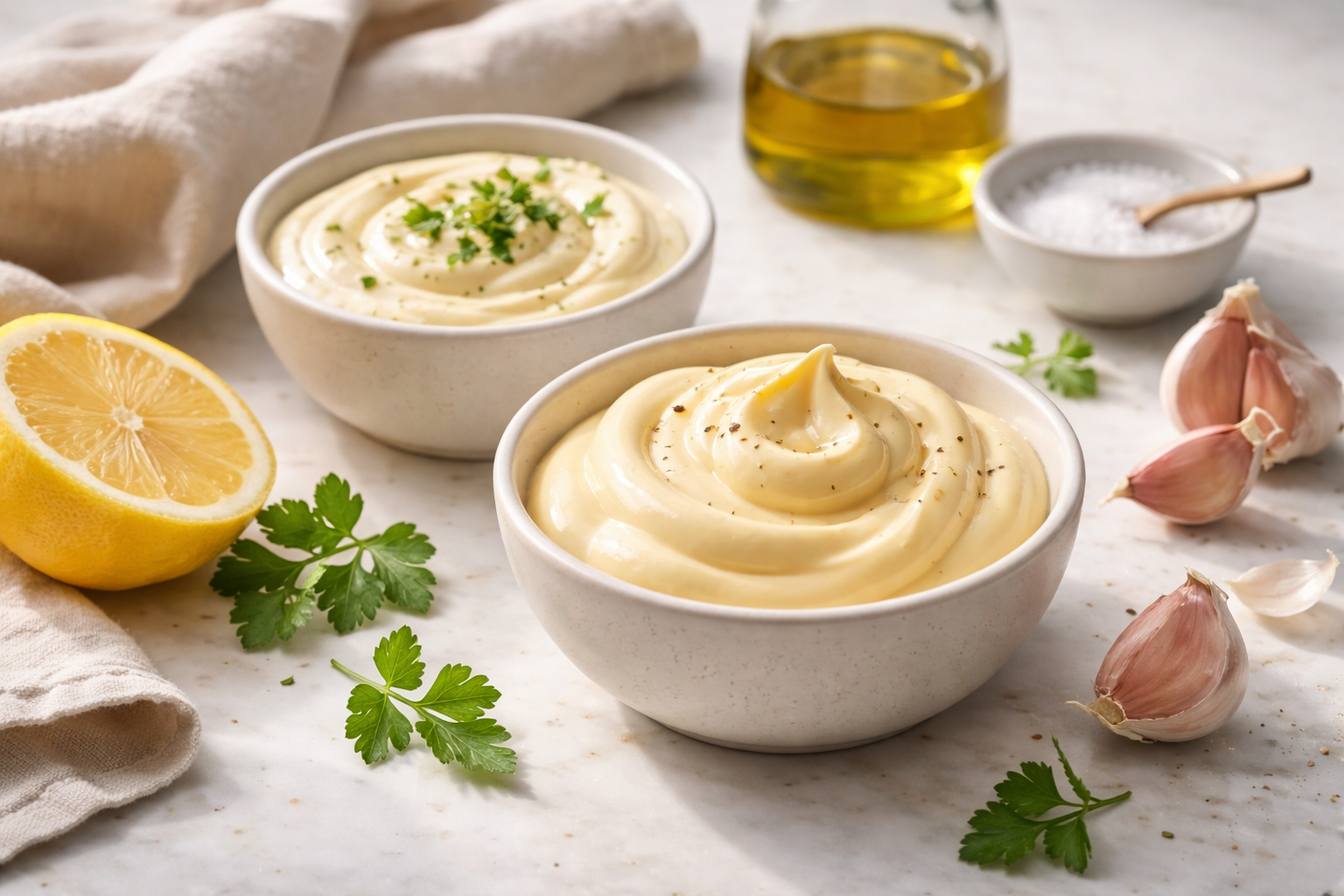
Silky homemade mayonnaise and aioli prepared and ready to serve
Recipe Silky homemade mayonnaise and aioli A blender makes thick, stable mayonnaise fast by keeping the oil droplets small and evenly dispersed. Open the recipe →
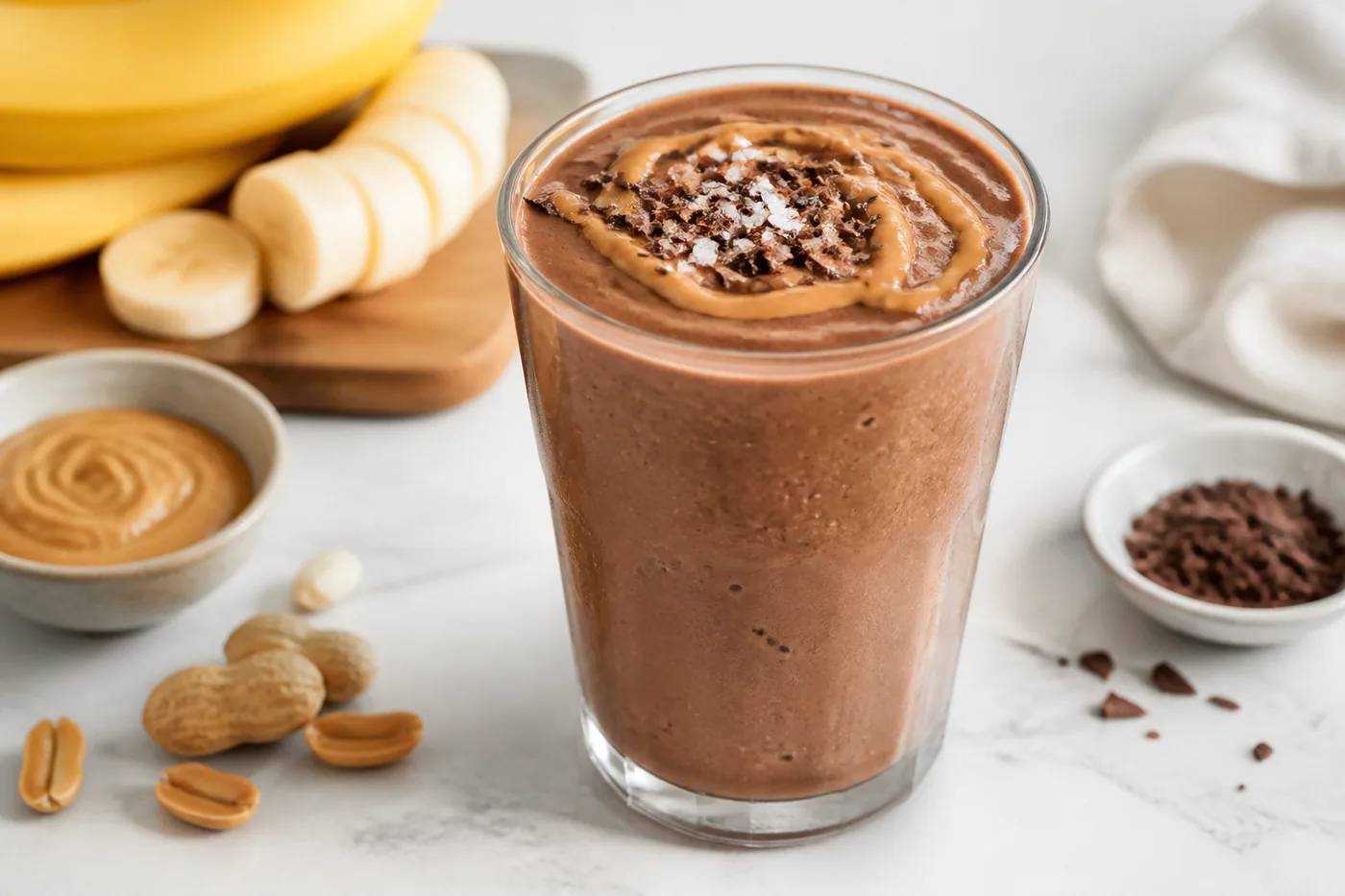
Salted chocolate peanut butter banana shake in a chilled glass
Dessert shakes Salted chocolate peanut butter banana shake Frozen banana, cocoa, and peanut butter become a cold, spoonable shake with enough salt to keep the chocolate from tasting flat. Why this matters: Strong frozen-fruit circulation and enough low-speed control to keep a thick shake moving without thinning it with extra milk. Make the shake →
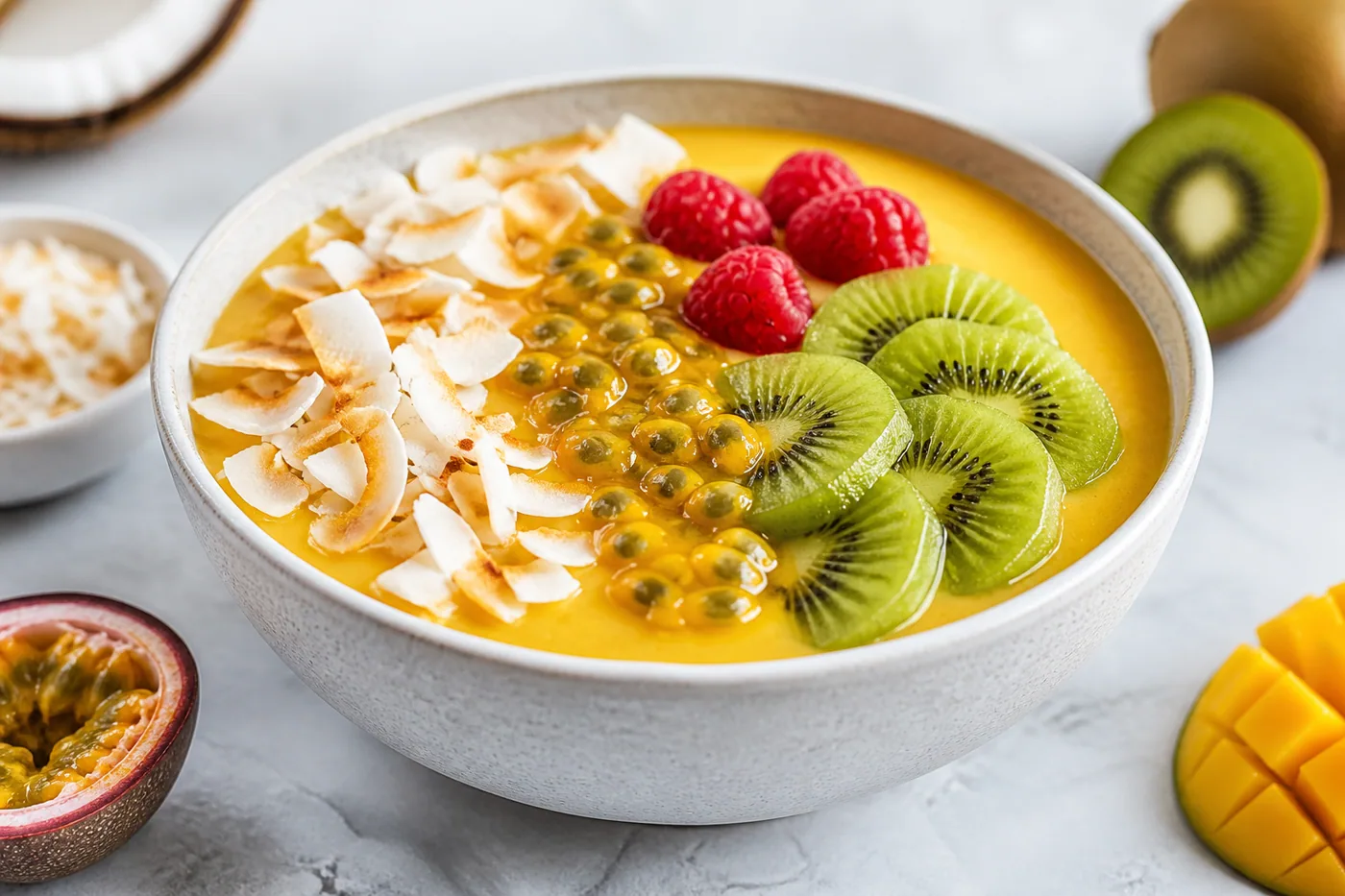
Tropical mango coconut smoothie bowl with fruit and toasted coconut
Smoothie bowls Tropical mango coconut smoothie bowl A bright, low-liquid bowl with mango, pineapple, coconut, lime, and enough body to hold a generous layer of toppings. Why this matters: Reliable low-liquid blending, a tamper or stirring aid, and thermal protection for a short but heavy workload. Make the smoothie bowl →
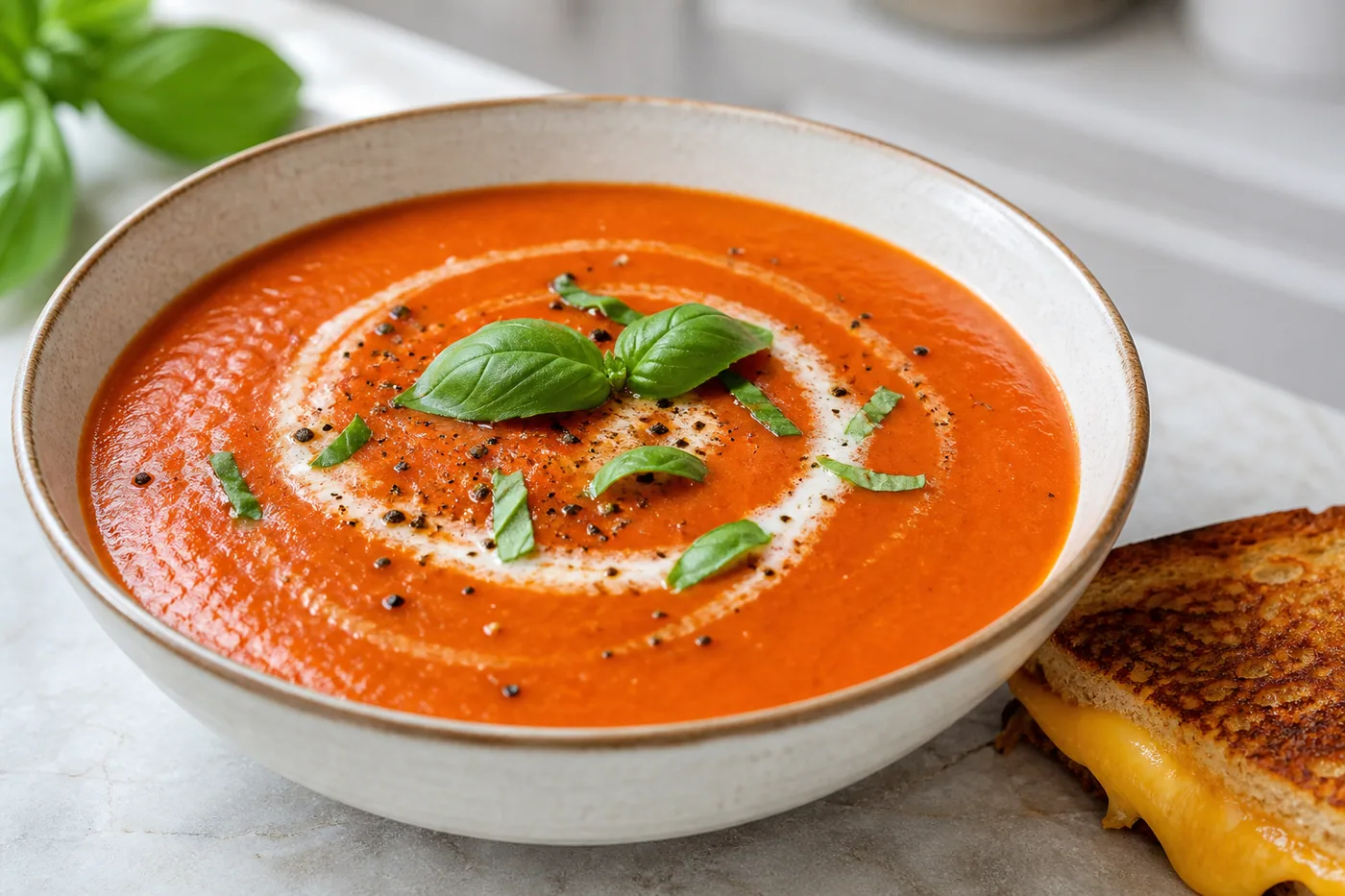
Roasted tomato basil bisque with cream and basil
Soups Roasted tomato basil bisque Deeply roasted tomatoes, garlic, basil, and cream turn into a silky soup without losing the browned flavor that makes it worth cooking. Why this matters: Controlled in-pot blending or a vented countertop jar explicitly approved for hot food. Make the bisque →
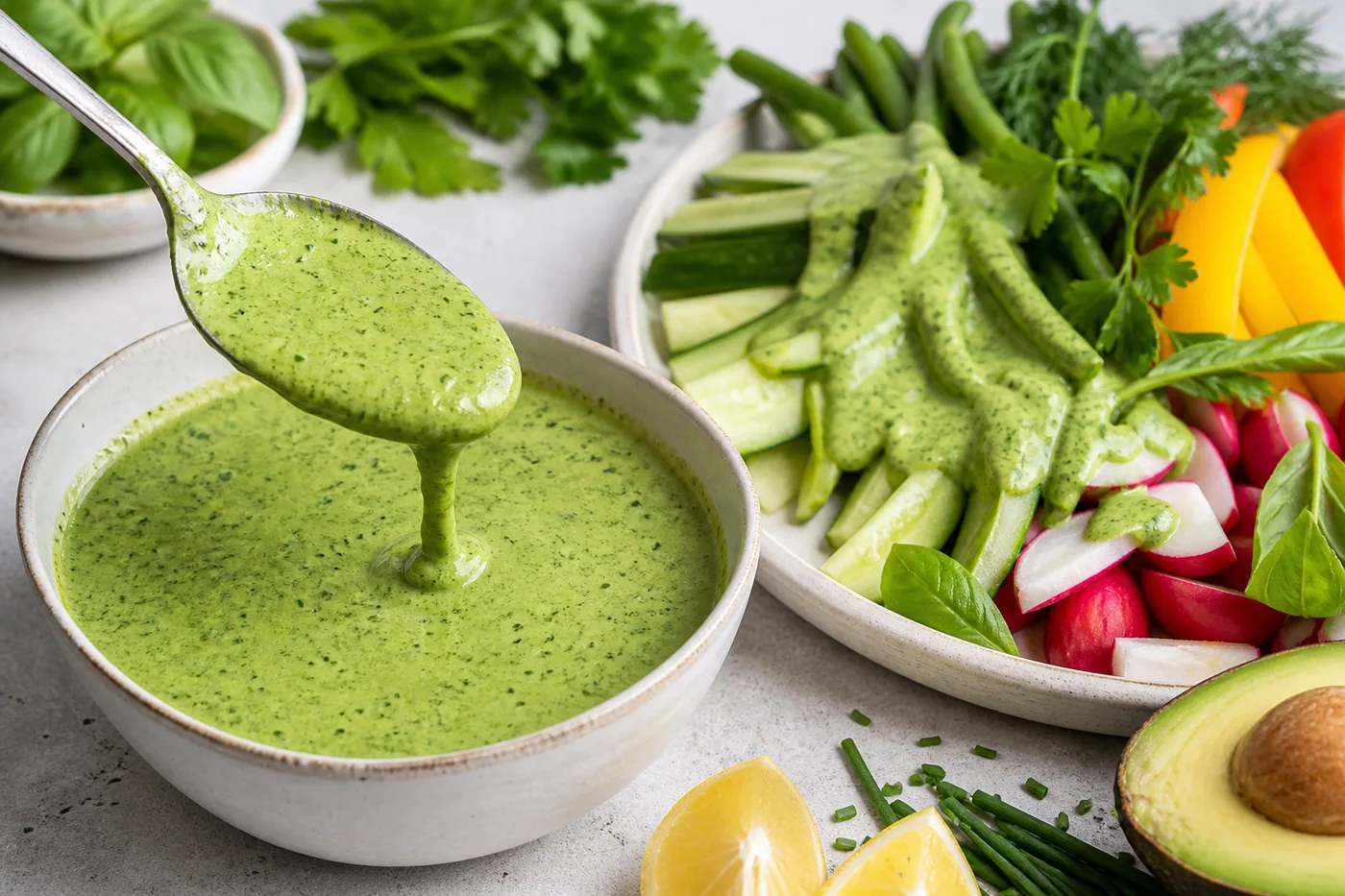
Green goddess dressing surrounded by fresh herbs
Dressings Green goddess dressing A vivid, herb-packed dressing that lands somewhere between creamy salad dressing, vegetable dip, and a sauce for grilled chicken or fish. Why this matters: A small vessel that keeps herbs in the blade path and enough low-speed control to build a smooth emulsion. Make the dressing →
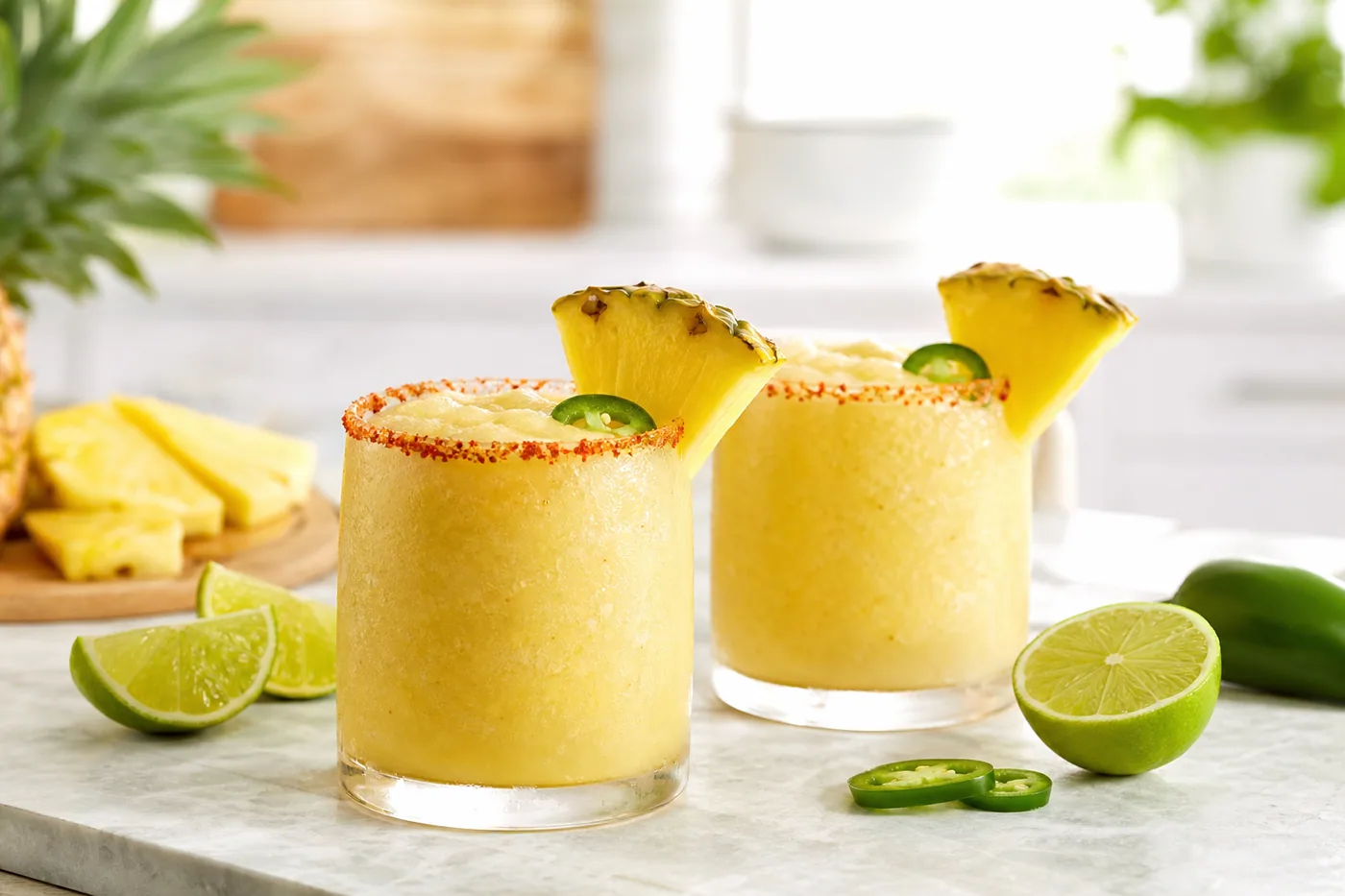
Frozen pineapple jalapeno margaritas with lime and fresh jalapeno
Frozen drinks Frozen pineapple-jalapeno margaritas Cold pineapple, fresh lime, and a clean jalapeno finish make a frozen drink that is bright, tropical, and much more interesting than bottled mix. Why this matters: Even ice crushing and strong large-batch circulation without extended blending that melts the drink. Make the margaritas →
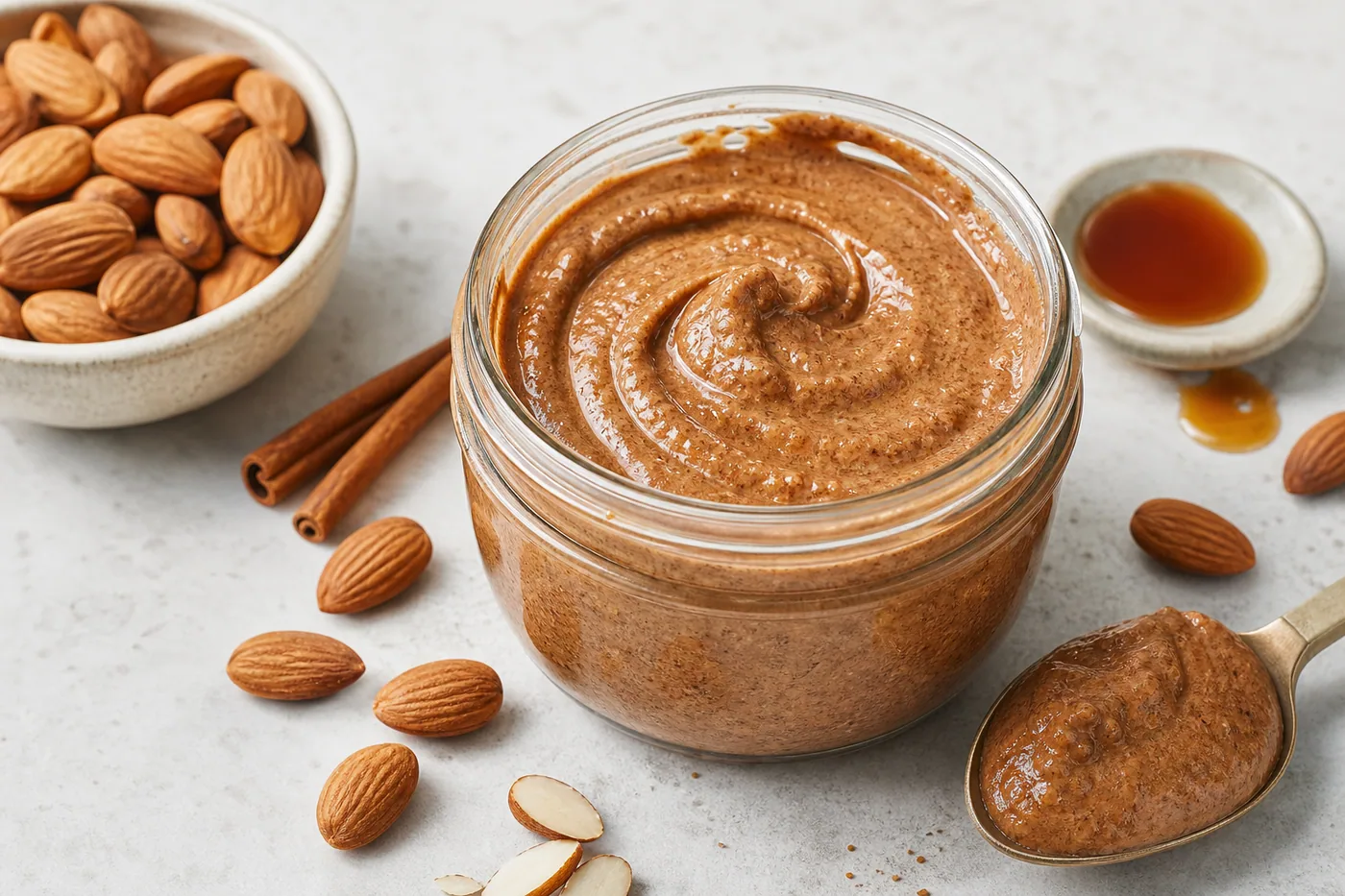
Cinnamon maple almond butter with roasted almonds and cinnamon
Heavy-duty recipes Cinnamon-maple almond butter Warm roasted almonds become glossy nut butter with maple, cinnamon, and enough salt to make it hard to stop at one spoonful. Why this matters: Strong dense-mixture performance, a safe tamper system, and enough thermal protection for sustained resistance. Make the almond butter →
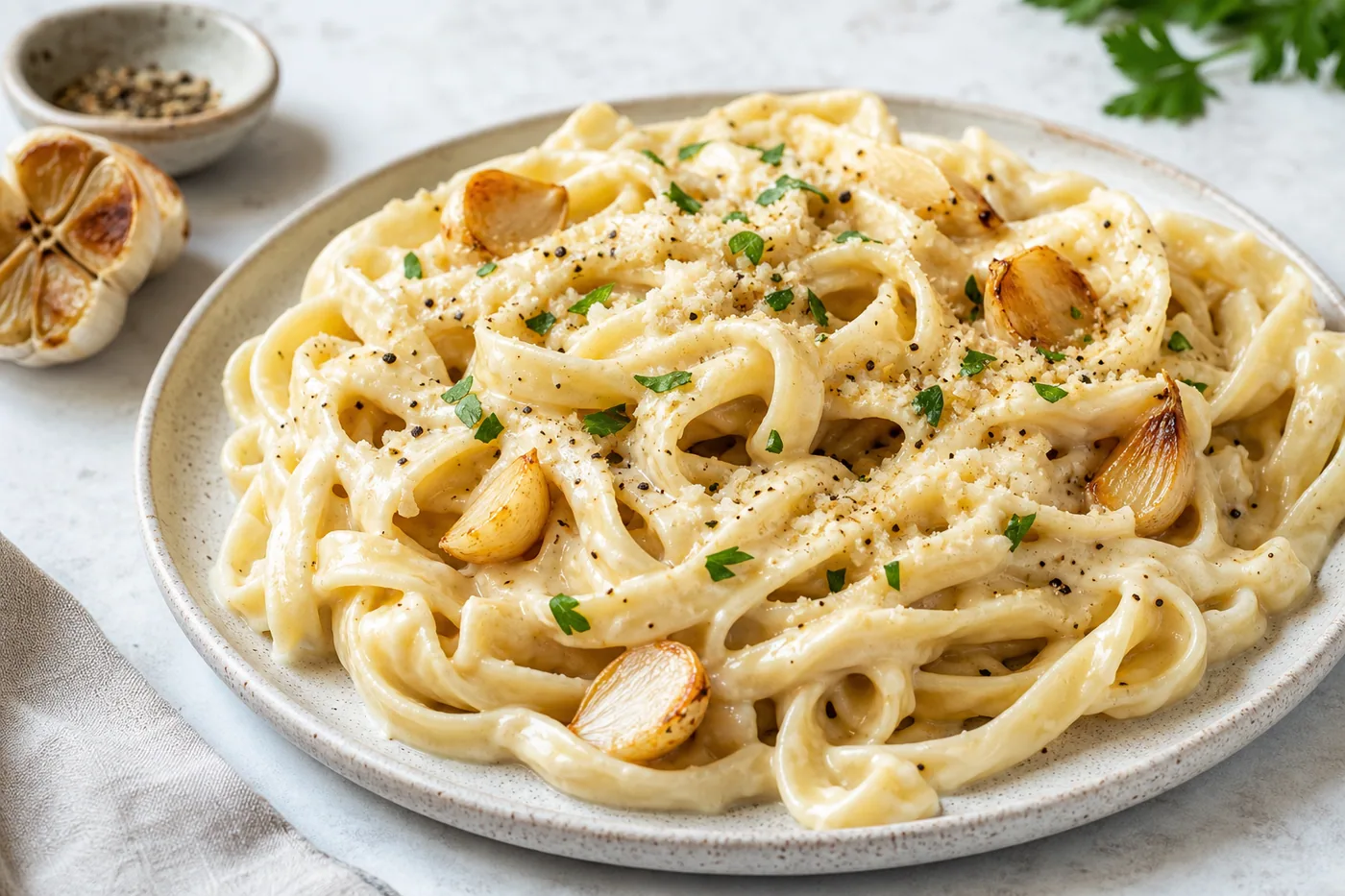
Creamy roasted garlic cashew Alfredo over pasta
Creamy sauces Creamy roasted garlic cashew Alfredo Roasted garlic, soaked cashews, and lemon blend into a glossy pasta sauce with the richness of Alfredo and none of the graininess weak blenders leave behind. Why this matters: High-speed shearing that can turn softened nuts into a genuinely smooth sauce rather than a gritty puree. Make the cashew Alfredo →
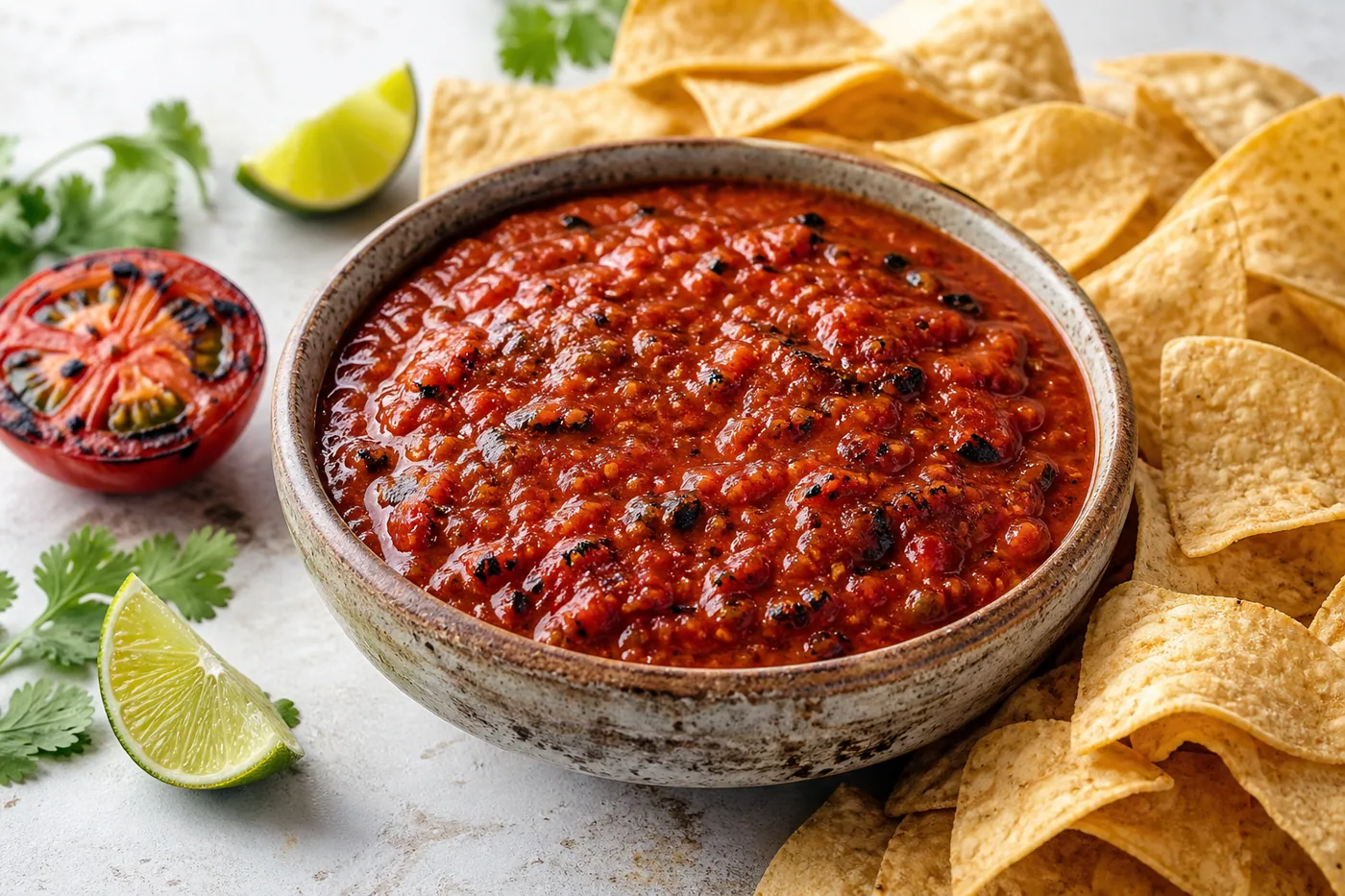
Fire-roasted salsa roja with charred tomatoes and tortilla chips
Salsas Fire-roasted salsa roja Charred tomatoes, jalapeno, onion, and garlic become a smoky table salsa that stays textured instead of turning into tomato foam. Why this matters: A responsive pulse control that chops evenly and stops before the salsa becomes a completely smooth puree. Make the salsa →
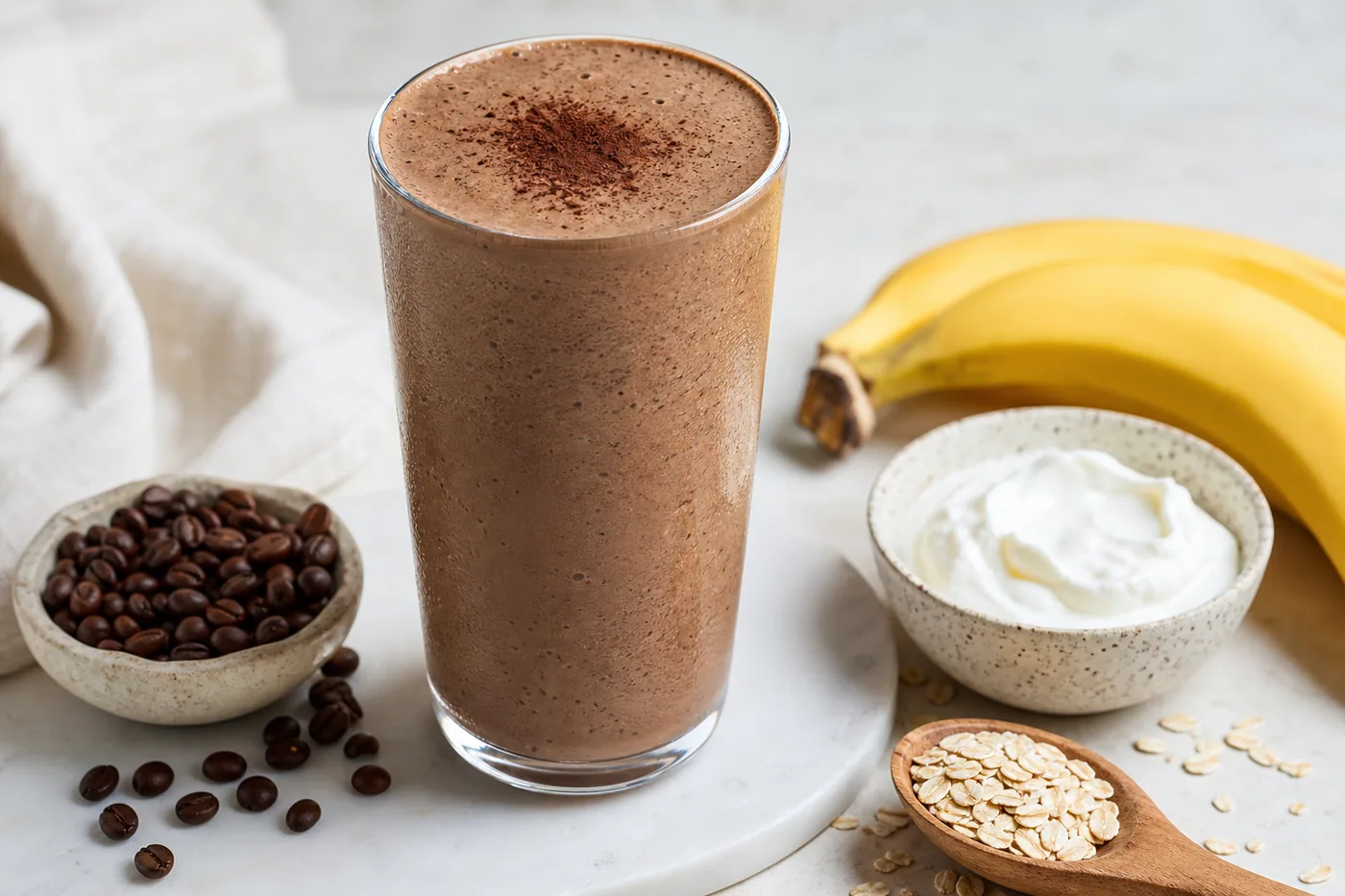
High-protein mocha breakfast smoothie with coffee and cocoa
Breakfast smoothies High-protein mocha breakfast smoothie Cold brew, banana, cocoa, oats, and Greek yogurt make a breakfast smoothie that tastes like a mocha but holds up like a meal. Why this matters: Enough circulation to smooth oats and frozen banana without leaving dry powder around the lid or grit at the bottom. Make the breakfast smoothie →
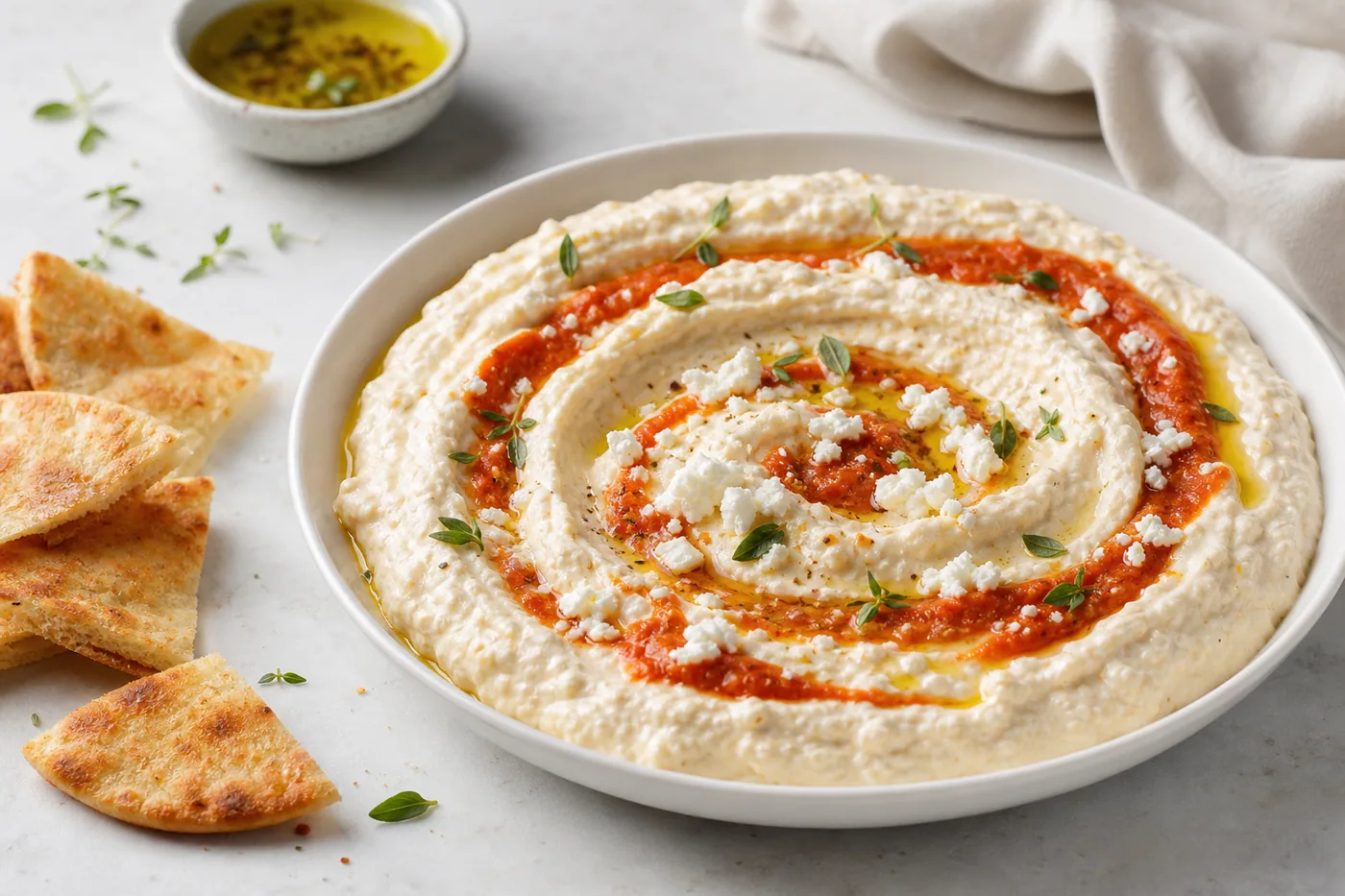
Whipped feta and roasted red pepper dip with pita and vegetables
Dips and spreads Whipped feta and roasted red pepper dip Salty feta, sweet roasted pepper, lemon, and olive oil whip into a dramatic coral dip that belongs at the center of the table. Why this matters: Small-batch circulation and enough control to make the feta creamy without turning the dip loose and oily. Make the whipped feta dip →
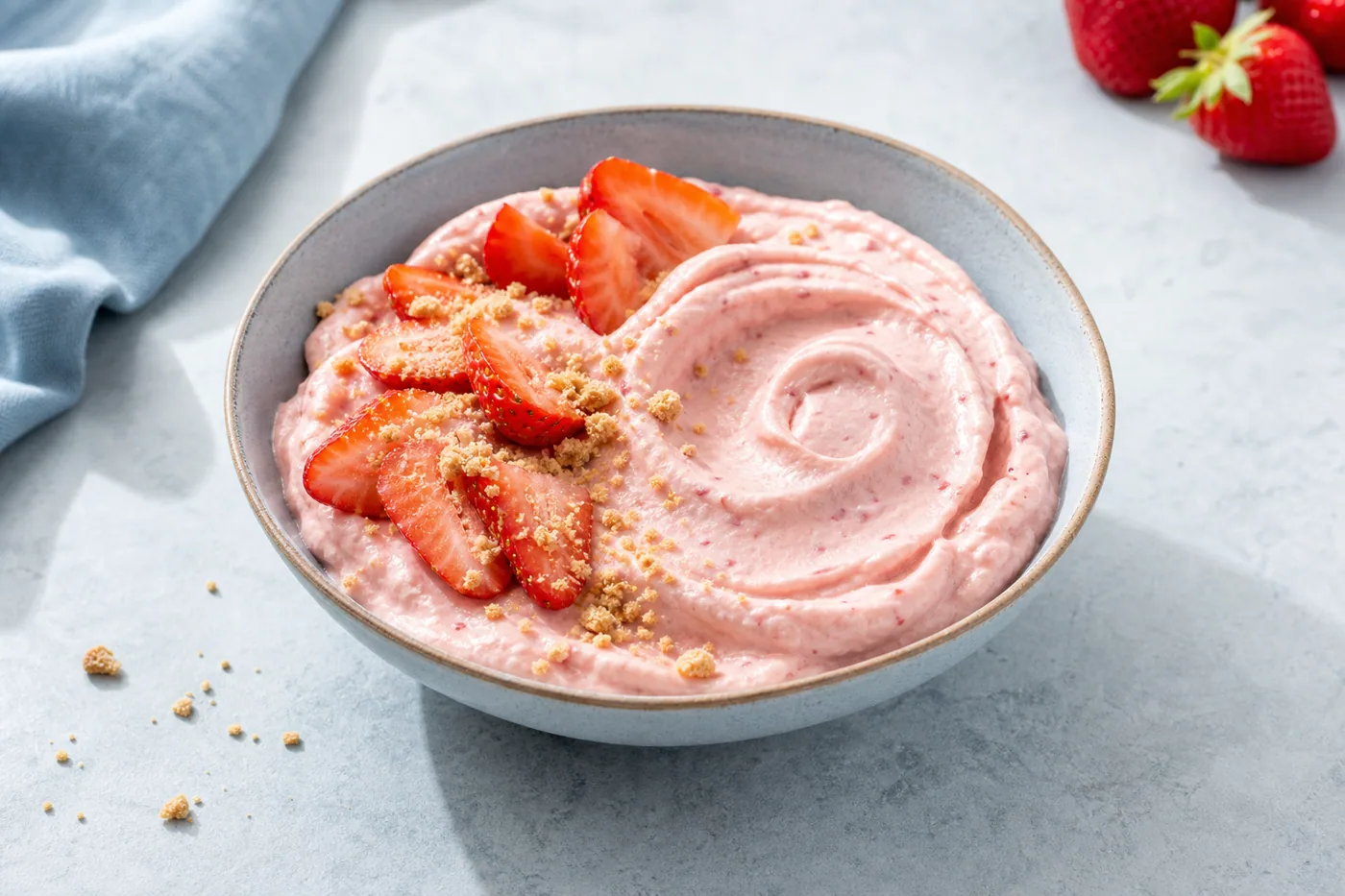
Strawberry cheesecake frozen yogurt with fresh strawberries and graham cracker crumbs
Frozen desserts Strawberry cheesecake frozen yogurt Frozen strawberries, Greek yogurt, cream cheese, lemon, and vanilla become a tangy frozen dessert with real cheesecake flavor and no ice cream machine. Why this matters: Strong low-liquid circulation and a tamper or stirring aid that can keep frozen fruit moving without turning the mixture into a thin smoothie. Make the frozen yogurt →
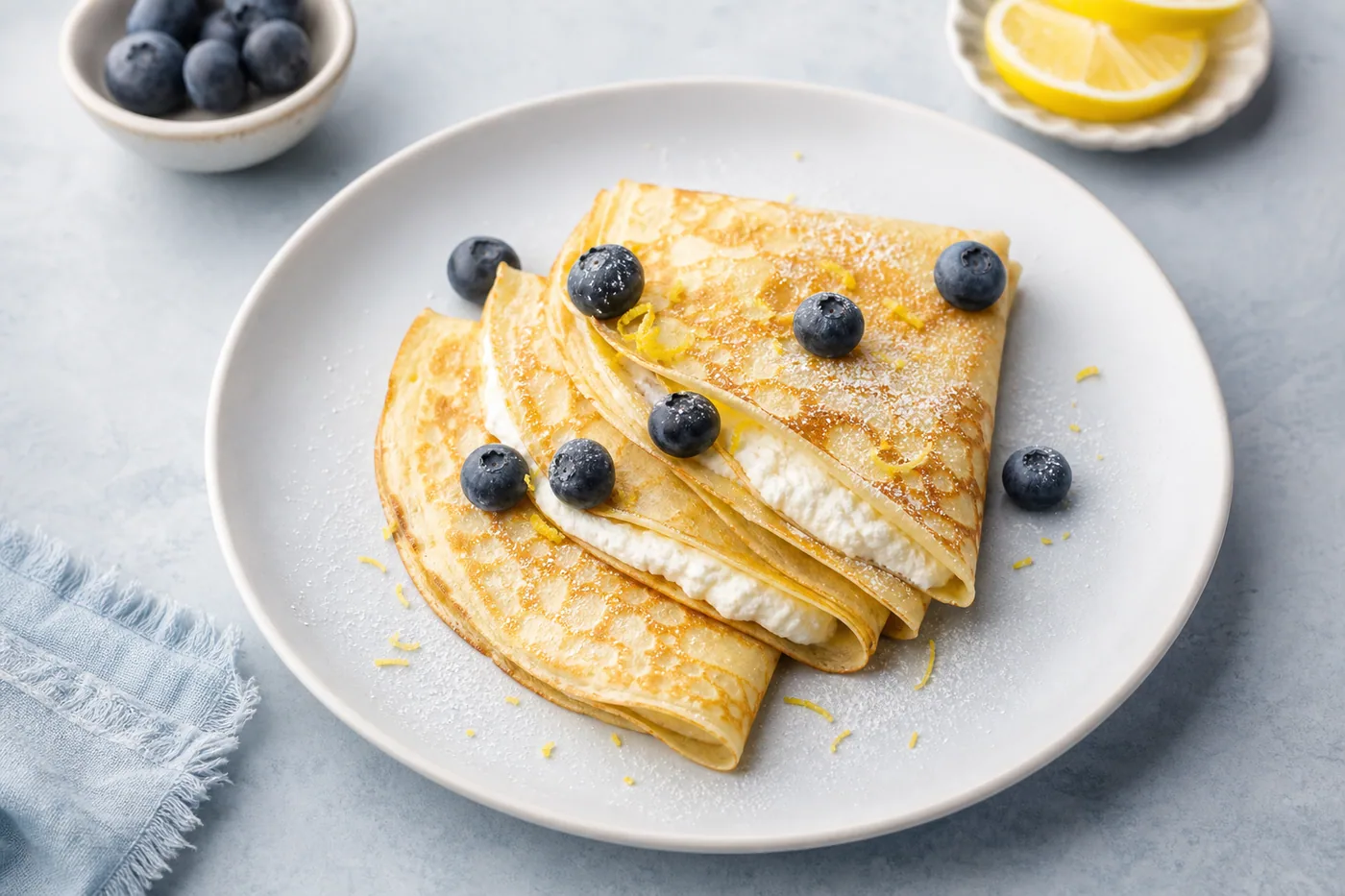
Lemon ricotta crepes with blueberries and lemon zest
Breakfast and brunch Lemon ricotta blender crepes Tender blender crepes wrap around lemony ricotta and blueberries for a brunch recipe that looks elaborate but keeps the batter simple. Why this matters: Smooth low-speed mixing that removes flour lumps without whipping so much air into the batter that the crepes cook unevenly. Make the crepes →

Brand guide

Major blender brands, explained

Blender brands tend to develop recognizable strengths. These are the names represented in our current research, what each one does well, and the individual product reviews behind that assessment.
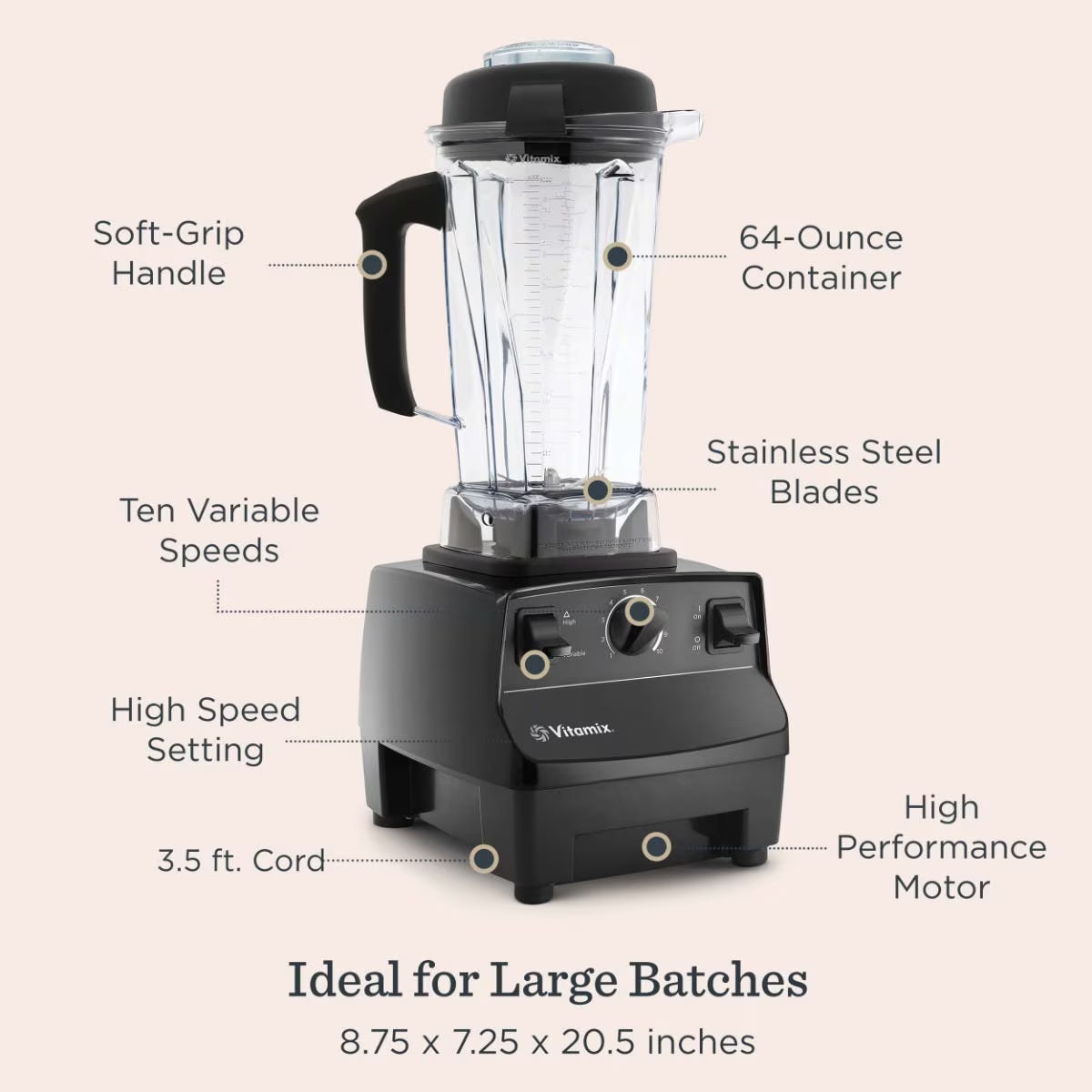
Vitamix 5200 countertop blender

Vitamix

Premium countertop blenders built around variable control, strong thick-mixture performance, purpose-made tampers, and long-term parts support.
Best starting point: Frequent blending, demanding recipes, and buyers who would rather invest once in a serious countertop machine.

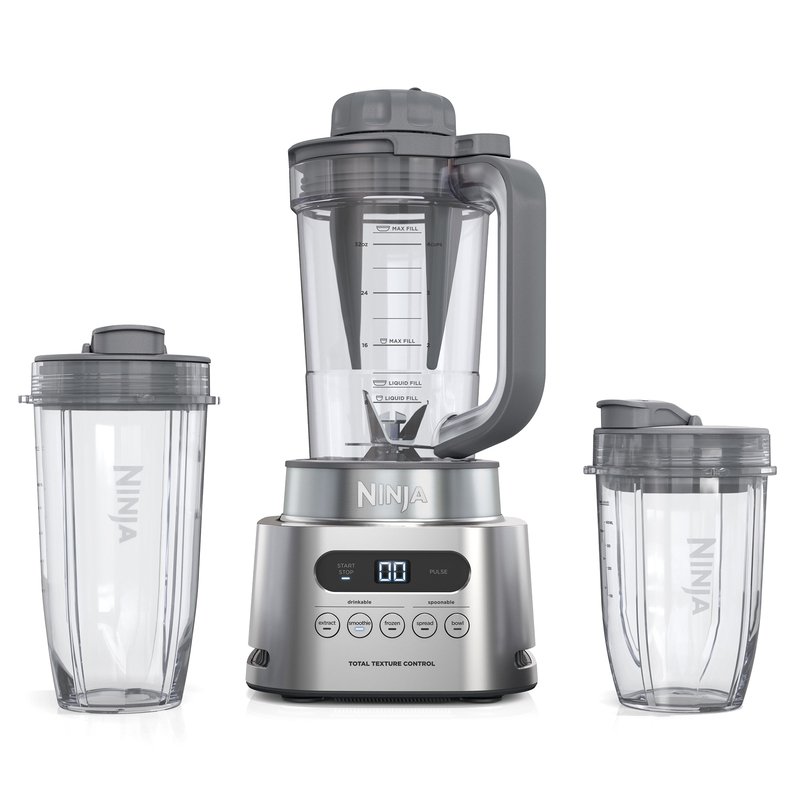
Ninja Twisti Blender Duo

Ninja

A broad mainstream lineup that often emphasizes frozen drinks, smoothie systems, useful accessories, and strong performance for the price.
Best starting point: Shoppers who make lots of smoothies or frozen drinks and do not want to begin at Vitamix pricing.

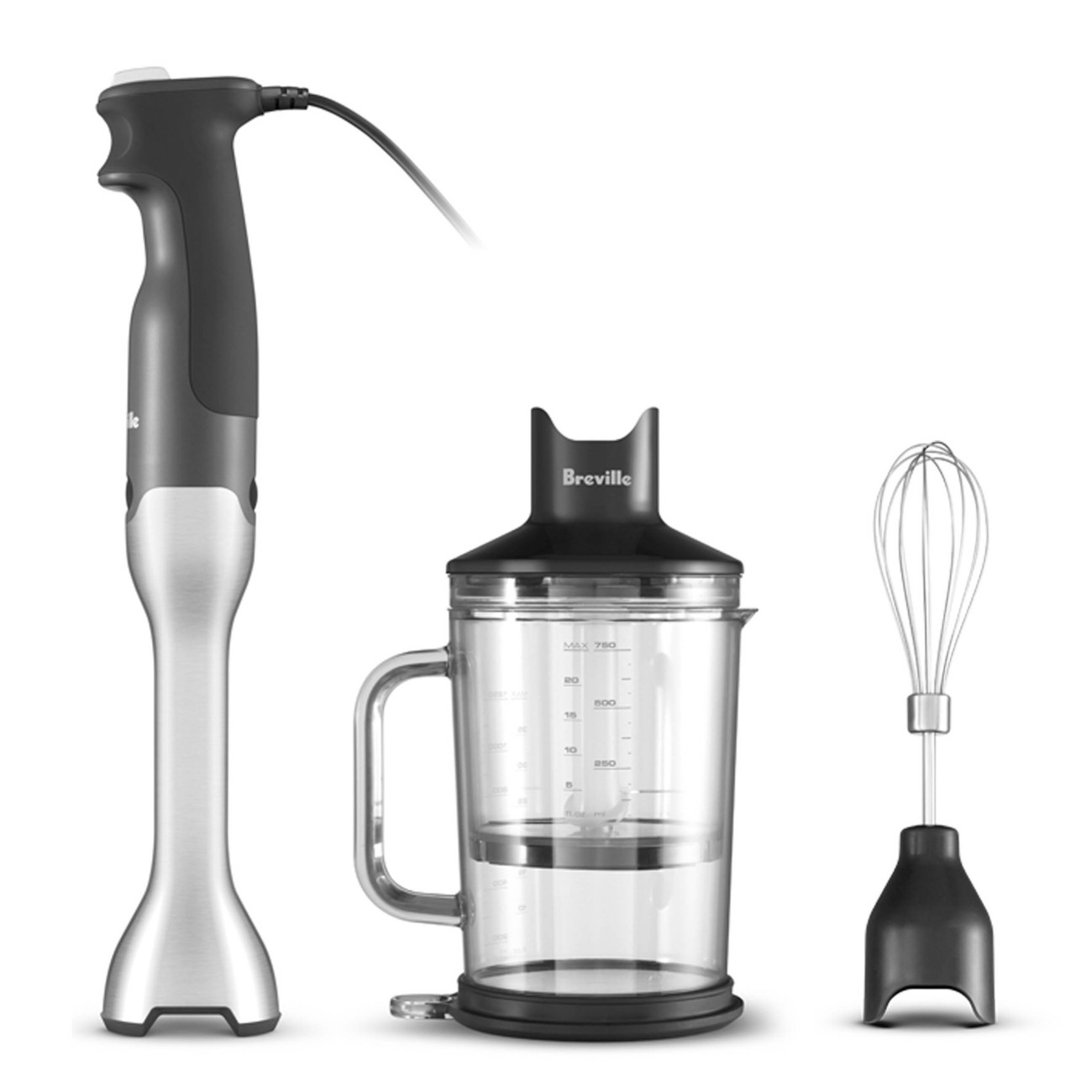
Breville Control Grip immersion blender

Breville

Thoughtful kitchen tools with polished controls and strong ergonomics. Breville is especially relevant when an immersion blender needs to feel comfortable in daily use.
Best starting point: Soups, sauces, dressings, and cooks who value handling as much as raw output.

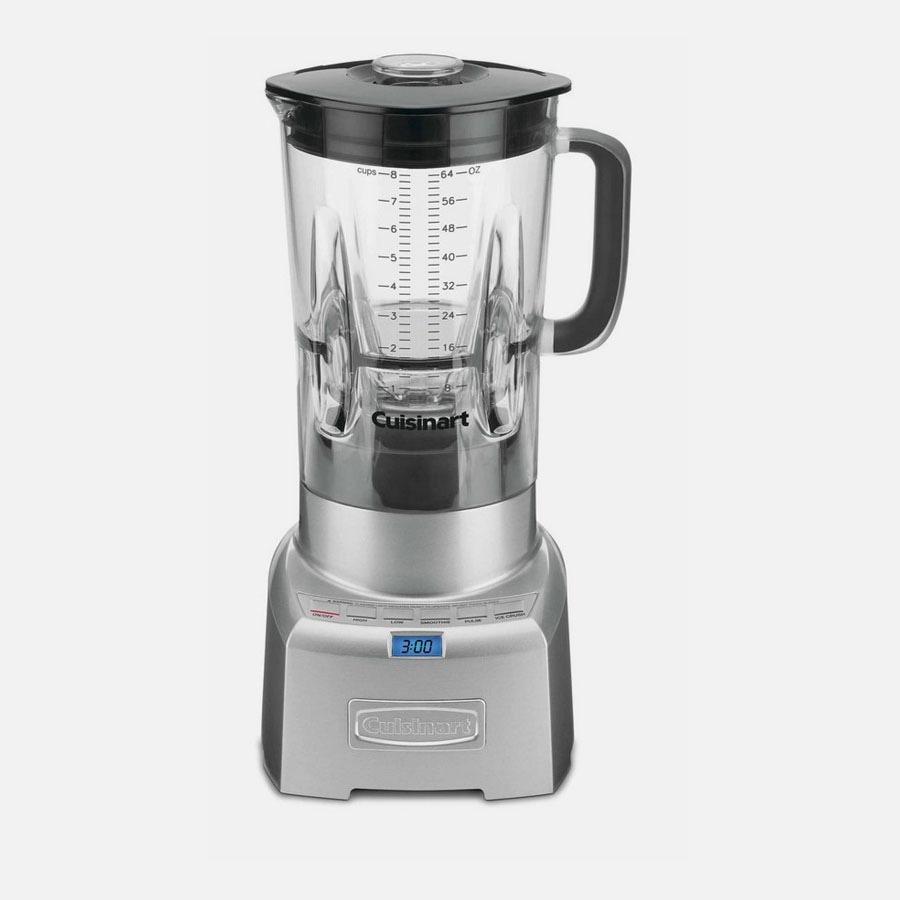
Cuisinart PowerEdge countertop blender

Cuisinart

An established kitchen-appliance brand with conventional controls and accessible countertop and immersion models across several price levels.

Best starting point: Straightforward home blending from a familiar brand without a premium-system price.

Hurom Hexa Power Speed blender

Hurom

Best known for juicers, Hurom also brings a design-focused approach to countertop blending for shoppers who want something outside the usual Ninja and Vitamix choices.

Best starting point: Design-conscious kitchens and buyers comparing less common premium countertop options.

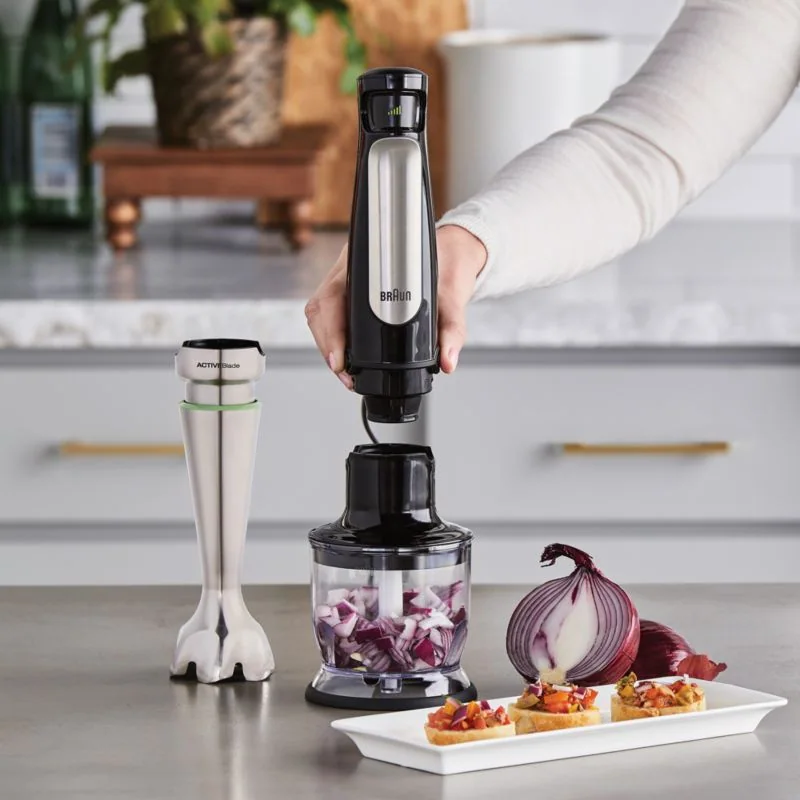
Braun MultiQuick immersion blender

Braun

A particularly important immersion-blender brand, with variable trigger control and attachment systems designed for more than occasional soup pureeing.
Best starting point: Cooks who want one handheld motor for soups, sauces, chopping, whisking, and heavier prep.

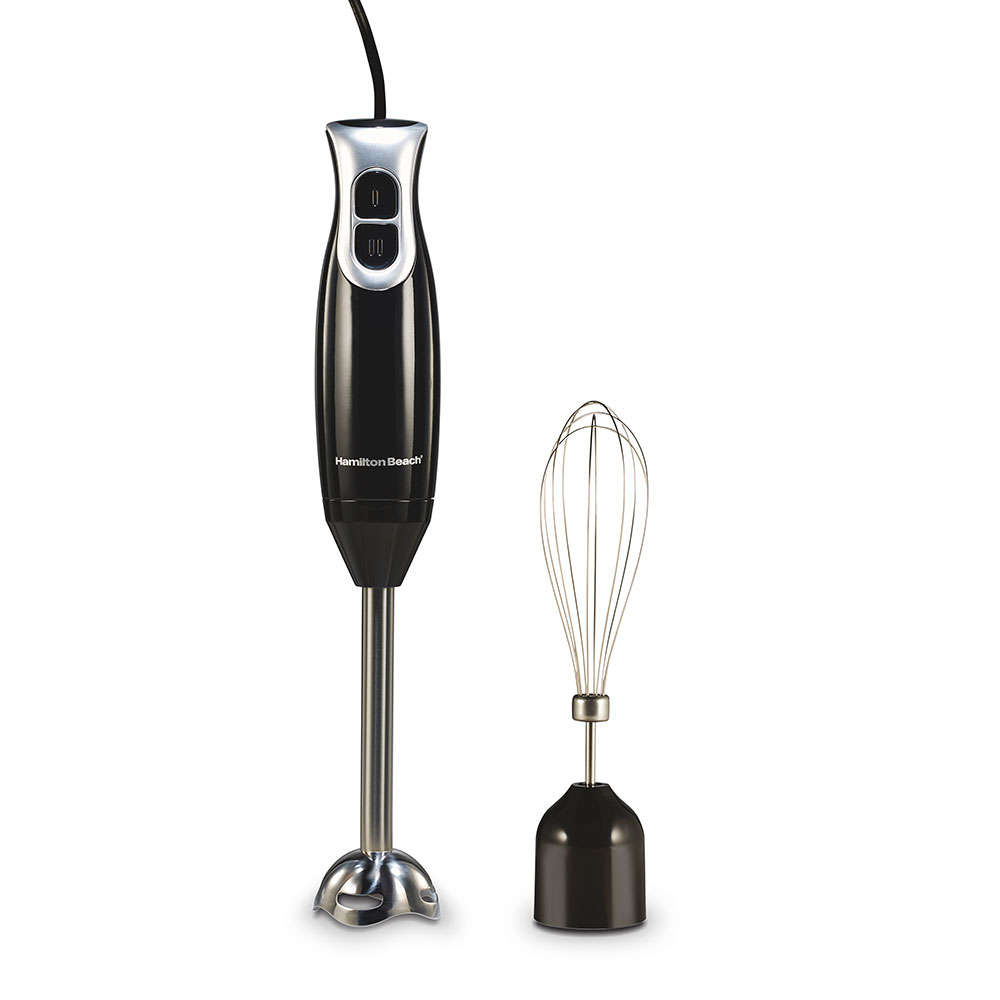
Hamilton Beach Two-Speed Hand Blender

Hamilton Beach

Budget-friendly countertop, personal, and immersion blenders aimed at the ordinary jobs many kitchens actually need done.
Best starting point: Occasional blending, simple controls, and shoppers who need a useful tool more than a premium finish.

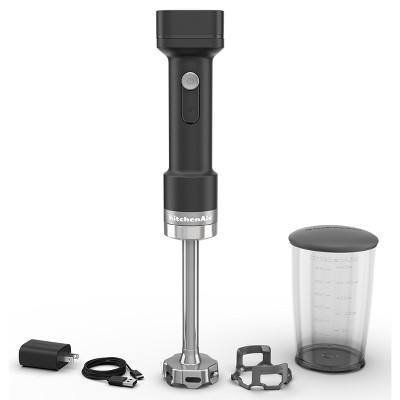
KitchenAid Go cordless immersion blender

KitchenAid

A familiar kitchen brand spanning countertop and handheld models, including cordless tools that share the KitchenAid Go battery system.

Best starting point: KitchenAid owners who value a coordinated system or want handheld blending without a cord across the stove.

Which blender specs actually matter

Motor numbers are easy to advertise, but blending results also depend on the jar, blade system, controls, and whether the machine can keep ingredients moving around the blades.

Jar size and usable capacity

The stated jar capacity is the maximum volume, not always the comfortable working amount.

Why it matters: Large households need room for full batches, while small portions may blend poorly in an oversized jar.

Speed control and pulse

Variable speed and pulse controls let you change texture instead of running every job at full power.

Why it matters: Control matters for salsa, chopped ingredients, emulsions, and recipes where a perfectly smooth result is not the goal.

Jar and blade design

The shape of the jar and blades affects how ingredients circulate back into the cutting path.

Why it matters: Good circulation can matter more than a small difference in advertised motor power, especially with thick smoothies, frozen mixtures, and nut butter.

Tamper and hot-liquid support

A tamper helps move thick mixtures safely, while a vented jar can release steam from hot ingredients.

Why it matters: These features determine whether the blender suits thick recipes or hot soup without unsafe workarounds.

Warranty and replacement parts

A blender is easier to keep when jars, lids, blades, and seals remain available.

Why it matters: Longer support can make an expensive blender a better value than a cheaper machine that must be replaced after one failed part.

Claims that need context

Peak horsepower or peak watts: Peak figures describe a brief maximum and are not a direct promise of better blending. Jar design, blade geometry, sustained power, and control also matter.

More blades: Blade count by itself does not predict smoothness or speed. The complete blade and jar system determines how ingredients move and break down.

Many automatic programs: Presets can be convenient, but additional buttons do not improve the underlying blending performance.

Self-cleaning: This usually means the blender can loosen residue by running water and soap. It does not eliminate rinsing, inspection, or deeper cleaning around seals and lids.

Technical deep dive

How blenders actually turn ingredients into texture

A blender is a flow system as much as it is a cutting tool. The motor supplies energy, but the jar, blade assembly, speed control, batch size, and ingredients determine whether that energy reaches the food in a useful way.

Texture begins with circulation

The blades can only process ingredients that reach them.

A blade spinning at the bottom of a jar works on a very small zone. For the whole batch to become smooth, finished food has to move away from the blades while unprocessed food takes its place. In a thin drink, that movement usually appears as a vortex. The liquid drops through the center and rises along the walls, passing through the blade path again and again until the texture evens out.

Thick mixtures behave differently. Frozen fruit, hummus, nut butter, and smoothie bowls may bridge over the blades or form an air pocket underneath the food. The motor can sound busy while almost nothing is being processed. A tamper, a narrow jar, angled walls, or a built-in stirring mechanism helps collapse that pocket and return the mixture to the blades.

This is why a higher wattage does not automatically rescue a blender with poor circulation. More power can spin the same empty pocket faster. When comparing blenders, pay attention to the recipes demonstrated, the minimum working batch, and whether the machine includes a safe way to move dense food while it runs.

What this means when shopping: If thick smoothies or nut butter are priorities, jar circulation and tamper design deserve as much attention as the motor number.

Wattage and horsepower need context

Power ratings describe the motor, not the finished texture.

Watts usually describe electrical input. Peak horsepower describes a brief theoretical maximum. Neither number tells you how efficiently the blender transfers that power through its drive system, how much speed it maintains under load, how well it sheds heat, or whether the jar keeps ingredients in contact with the blades.

Two blenders with similar advertised power can behave very differently. One may race through a thin smoothie but stall in almond butter. Another may use a slower, more controlled start to pull frozen food into the blades before reaching full speed. Blade geometry, gearing, control logic, and cooling all shape what the motor can accomplish in a real recipe.

Power is still useful for screening out a machine that is plainly undersized for a demanding job. It is much less useful as a ranking system once several competent blenders are being compared. Look for evidence tied to the actual foods you make, not the largest number printed on the box.

What this means when shopping: Use motor power as one piece of the comparison, not as proof that one blender will produce a better result.

Jar geometry determines what reaches the blades

Capacity and shape affect both large batches and single servings.

Tall, narrow jars can create a strong vertical flow and often handle moderate batches efficiently. Wider jars leave more room for bulky ingredients and make scraping easier, but a very small serving may spread below the most effective part of the blade path. Corners, wall angles, and the distance between the blade tips and jar walls all influence how food returns to the center.

Personal blender cups solve a different problem. Their narrow shape keeps one serving close to the blades, and many flip upside down onto the motor base. That can make morning smoothies fast, but it also changes loading order and usually rules out hot ingredients. Immersion blenders avoid a fixed jar entirely, letting the cook choose a deep pot or narrow cup that fits the job.

The stated maximum capacity is not the same as the useful working range. A 64-ounce pitcher may be ideal for a family batch and frustrating for a half-cup dressing. Before choosing a blender, compare the jar to the portions you make most often and check whether smaller compatible cups or containers are available.

What this means when shopping: The right jar is the one that handles your normal batch without requiring extra liquid or an unnecessarily large recipe.

Speed controls both smoothness and structure

High speed is useful, but not every recipe should become a puree.

High blade speed creates more shear, which breaks ingredients into smaller particles and helps emulsify fat and water. That is useful for silky soup, cashew sauce, and very smooth smoothies. It can also overwork salsa, crush herbs into a muddy paste, or warm a frozen drink long after the ice is already fine enough.

Low speed gives ingredients time to settle into the blade path before the machine reaches full output. Pulse control delivers short bursts that make it easier to judge chopped texture between cycles. A responsive manual dial or button can therefore be more versatile than a long menu of presets, especially for cooks who make both smooth purees and textured food.

Presets are most useful when they manage a repeatable job well, such as a smoothie cycle that changes speed to establish circulation. They are less valuable when they simply run the blender for a fixed time. The underlying control range still matters after the novelty of an automatic button wears off.

What this means when shopping: Choose useful manual control first. Treat presets as a convenience, not a substitute for good blending performance.

Dense mixtures turn resistance into heat

Nut butter, dough-like batters, and low-liquid frozen blends are hard work.

A dense mixture pushes back against the blades. The motor draws more power, the drive system carries more load, and friction adds heat to both the food and machine. Some high-performance blenders use that friction intentionally to heat soup, but uncontrolled heat can dull fresh flavors, melt a smoothie bowl, or trigger thermal protection before the recipe is finished.

Thermal protection is a valuable safeguard. It is not a promise that every blender can run through any heavy mixture indefinitely. Batch size, run time, room temperature, and ingredient order all affect the load. A burning smell, sudden slowdown, or automatic shutdown means the machine needs to stop and cool, not that it needs a longer cycle.

For thick recipes, follow the manufacturer's minimum batch and tamper instructions. A batch that is too small may sit below the tamper's useful reach, while an overfilled jar may have no room to fold. If dense food is a weekly job rather than an occasional experiment, choose a blender that documents support for it and sells the right container and tamper.

What this means when shopping: Heavy recipes require both a capable machine and a batch size that lets the ingredients move.

Hot liquids add pressure to the equation

Steam changes the safety requirements before texture enters the discussion.

Hot food releases steam. In a sealed container, that steam expands and raises pressure. A personal blending cup that is safe for a cold smoothie can become dangerous when filled with hot soup. Countertop blenders intended for hot ingredients use vented lids and specific fill limits so steam can escape while the blades run.

Even with an approved jar, begin at low speed, leave the required headroom, and hold the lid as directed by the manufacturer. Never improvise by tightly sealing a container that was not designed for hot food. Transferring soup also introduces its own risk because a full jar can be heavy and slippery.

An immersion blender is often the simpler soup tool because it works in the cooking pot. Keep the blade guard submerged before switching it on, use a pot deep enough to contain splashes, and move slowly around the bottom. A countertop blender may create a finer texture, but the safer method is the one supported by the equipment and manageable for the cook.

What this means when shopping: For hot soup, start with the manufacturer's temperature and venting instructions. Performance comes second to pressure control.

Ownership guide

Better results, easier cleanup, and a longer useful life

Technique changes how well a blender performs and how hard it has to work. These habits solve the problems owners meet most often after the first week with a new machine.

Load ingredients for the container you are using

There is no universal loading order for every blender.

In a conventional countertop jar, liquid usually goes near the blades first, followed by soft ingredients, powders, and frozen or heavy ingredients on top. The liquid gives the first pieces somewhere to move and helps establish circulation before the frozen load drops into the blade path.

An inverted personal cup often uses the opposite visual order because the cup flips when it attaches to the base. What starts at the top while filling may end up next to the blades. Immersion blenders work best when the head is fully submerged in a deep, narrow vessel before the motor starts. Follow the recipe order for the actual container instead of carrying one rule from machine to machine.

What this means when shopping: Check the manual once, then build your routine around the jar or cup you use most often.

Fix circulation before adding more liquid

A stalled blend is often an air-pocket problem, not a recipe problem.

When the blades spin but the surface stops moving, turn the machine off and look for a pocket of air around the blade assembly. Use the designed tamper if the blender has one. Otherwise stop completely, scrape the sides, break up frozen clumps, or reduce the batch before restarting at low speed.

Adding liquid is the fastest workaround, but it permanently changes the recipe. Smoothie bowls become drinks, dips become sauces, and nut butter may never reach the intended body. Technique should be the first fix when the recipe is supposed to stay thick.

What this means when shopping: Add liquid only when the recipe needs it, not simply because the jar stopped circulating.

Clean the places a rinse cycle misses

Self-cleaning helps with the jar, but it does not inspect the blender for you.

When the instructions allow it, warm water and a small drop of dish soap can remove most fresh smoothie or soup residue. Run only the recommended cleaning cycle or brief low-speed blend. Too much soap creates foam that climbs through the lid, and very hot water can damage plastics or seals that were not designed for it.

After rinsing, check the lid channels, cap, threads, gasket, underside of the blade area, and any removable vent. Oats, nut butter, chia seeds, and dairy can hide where a spinning wash never reaches. Let every part dry completely before reassembly so trapped moisture does not create odor.

What this means when shopping: Rinse immediately, then inspect the lid and seals by hand before calling the blender clean.

Treat jars, lids, and seals as ownership parts

The motor base is not the only part that determines how long a blender lasts.

Jars become cloudy or scratched, lids loosen, gaskets stretch, and blade assemblies can develop play or leaks. Some of these parts are intended to be replaceable. Others are sealed units that should not be taken apart at home. The manual should decide what comes apart, especially around blades and gaskets.

Parts availability is one reason an established blender can be worth more than a cheaper machine with similar power. Before buying, look up the current cost of the jar, lid, cup, and blade assembly. A replaceable $20 seal is a minor ownership expense; an unavailable proprietary jar can end the useful life of an otherwise healthy motor base.

What this means when shopping: Compare replacement-part availability before treating a blender as a long-term purchase.

Match the batch to the blade area

Both overfilling and underfilling can make a capable blender perform badly.

An overfilled jar has too little free space for ingredients to rise, fold, and return to the blades. Foamy drinks can push against the lid, and frozen loads can jam in place. The maximum line is a safety limit, not always the best working volume for every recipe.

A very small batch in a wide pitcher creates the opposite problem. Food spreads across the base or sits beneath the blade's most effective reach. Use a smaller compatible cup, make a larger batch, or choose an immersion blender and narrow vessel for dressings, dips, and baby food.

What this means when shopping: Choose the container around your normal serving size, not the largest advertised capacity.

Know when the blender is telling you to stop

Changes in sound, smell, vibration, and speed are useful warnings.

A blender that suddenly slows, rattles, walks across the counter, smells hot, or shuts itself off is not asking for another minute at full speed. Stop the machine, unplug it, inspect the jar and blade seating, and let the motor cool. A hard date pit, utensil, or loose blade assembly can cause damage quickly if the machine keeps running.

Persistent leaking, grinding sounds, or side-to-side blade movement deserves service or part replacement. Do not reach into a jar while it is attached to power, and never use a spoon or spatula as a makeshift tamper during operation. The safe response is usually cheaper than turning a small problem into a failed motor base.

What this means when shopping: Stop at the first unusual sound, smell, leak, or vibration and find the cause before restarting.

How to choose a blender

  • Start with the recipes you make most often. Ice, frozen fruit, nut butter, and thick smoothie bowls require more than shakes, dressings, and soft ingredients.
  • Match the jar to your usual batch size. Oversized jars can struggle with very small portions, while compact cups become limiting for families.
  • For thick recipes, pay attention to jar circulation and whether a tamper is included. Motor power alone does not keep ingredients moving.
  • If you want to blend hot soup, choose a model whose manufacturer explicitly supports hot liquids and provides a vented lid.
  • Consider noise, counter height, controls, and cleanup if the blender will be used several times a week.
  • Check whether replacement jars, lids, seals, and blades are readily available before treating a blender as a long-term purchase.

Blender FAQ

What type of blender is best for smoothies?

A full-size countertop blender is the safest all-around choice, especially for frozen fruit, ice, greens, and larger batches. A personal blender can be more convenient when you make one smaller smoothie at a time.

Is an expensive blender worth it?

It can be if you blend frequently or make thick, demanding recipes. Higher-priced models often justify the cost with better circulation, more consistent texture, stronger warranties, and easier access to replacement parts. Occasional shake and sauce makers may not need that upgrade.

How many watts should a good blender have?

There is no single wattage that guarantees a good blender. Power matters, but jar shape, blade design, speed control, and the machine's ability to keep ingredients moving can matter just as much.

Can every blender handle hot soup?

No. Hot liquid creates steam and pressure, so use only a blender whose manufacturer explicitly supports hot ingredients and provides a vented lid. An immersion blender is often the simplest way to blend soup directly in the pot.

Should I buy a personal or full-size blender?

Choose a personal blender for single servings and fast cleanup. Choose a full-size blender for larger batches, tougher frozen mixtures, more control, and a wider range of recipes.

Can a blender replace a food processor?

Not completely. Blenders are better at liquids and smooth textures, while food processors are usually better at chopping, slicing, shredding, and working with thicker mixtures that do not flow toward a blade.