
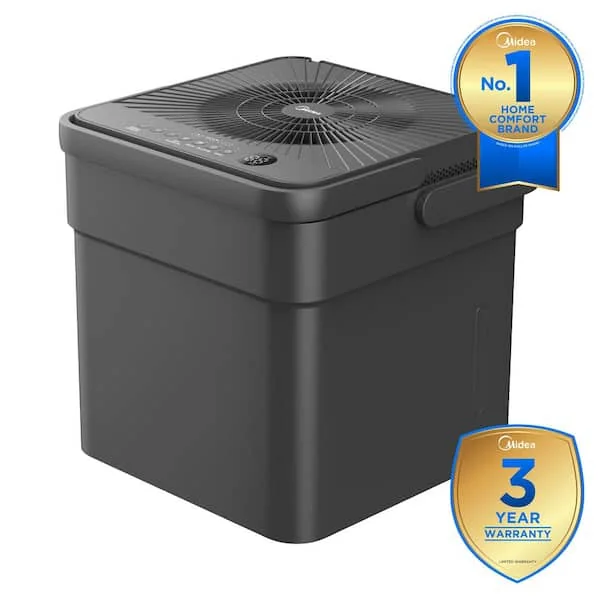
Portable compressor dehumidifiers
The common home design condenses moisture on a cold coil.
Best for: Warm basements, living spaces, and everyday humidity control.
New buying guides and full reviews, by email.
Dehumidifier Research
Choose a dehumidifier by room conditions, moisture load, drainage, noise, temperature, and the amount of water you are prepared to empty. Compare Pickori's rankings and full reviews, then learn how drainage, setup, maintenance, and daily use differ.
A dehumidifier can make a damp basement, laundry area, or humid living space more comfortable, but it does not repair leaks or replace drainage and ventilation work. The machine's job is to remove moisture that remains after the source is understood.
Pints per day, room temperature, pump and drain options, bucket size, fan noise, defrost behavior, and energy use matter more than a giant square-foot claim. Start with how wet the space gets and where the water will go.
The common home design condenses moisture on a cold coil.
Best for: Warm basements, living spaces, and everyday humidity control.
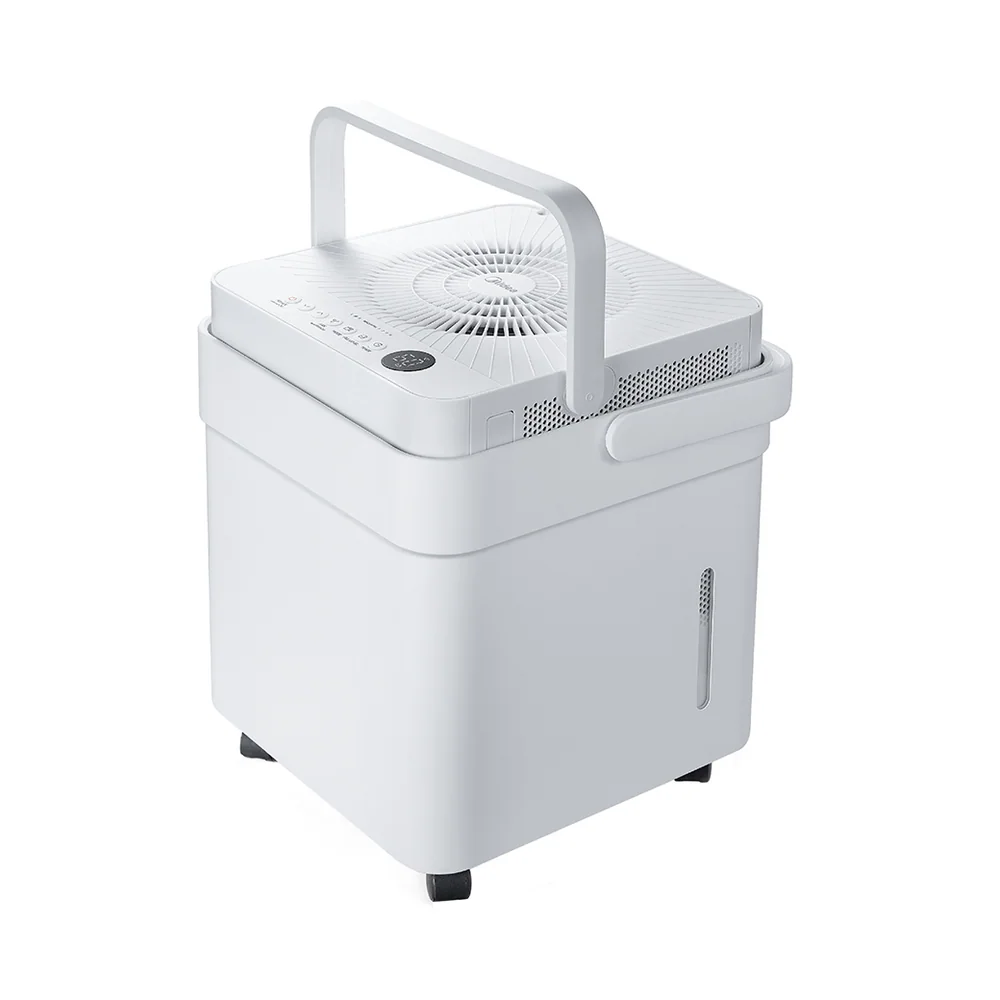
A built-in pump can push condensate up to a sink or drain.
Best for: Basements without a convenient floor drain.
Moisture-absorbing material works without the same cold coil cycle.
Best for: Cooler spaces and specialty uses where compressor performance drops.
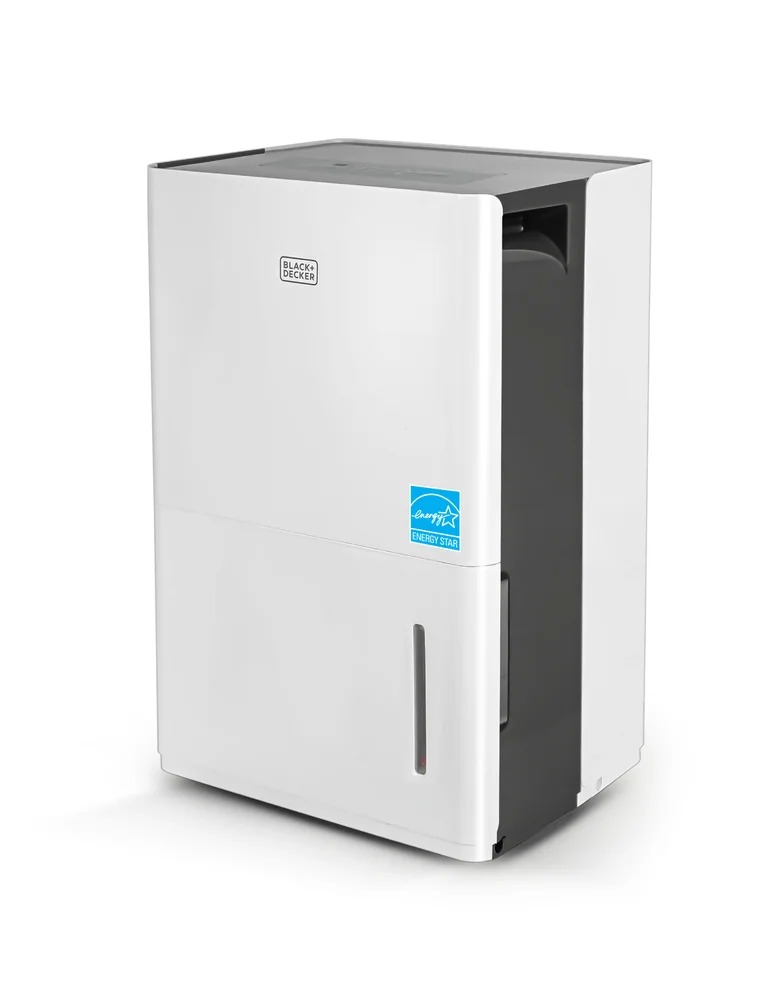
Ducted systems manage humidity across larger areas.
Best for: Homes with persistent broad humidity problems and professional installation plans.
Product reviews
Start with the newest reviews and substantial refreshes, then open the complete directory when you need a specific model.

Practical ownership help
Drainage, placement, target humidity, and source control determine what a dehumidifier can accomplish.

Learn the Category
Plain-English guides to sizing, features, setup, maintenance, and the category questions that change the decision.

These are the measurements and ownership details that change which dehumidifiers make sense.
The rating estimates how much water a unit can remove under standardized warm, humid conditions.
Why it matters: Real output falls in cooler or less humid rooms, so the number is a comparison tool rather than a promise for every basement.
Gravity drains need a continuous downhill path; pumps can move water upward.
Why it matters: A machine that can drain unattended is far more useful during long humid stretches.
Cold coils can frost in cooler rooms, so controls periodically stop dehumidifying to defrost.
Why it matters: Basement temperature affects both water removal and how often the machine pauses.
The compressor and fan run for long periods when moisture is high.
Why it matters: Sound and efficiency determine whether the dehumidifier is tolerable and affordable enough to keep running.
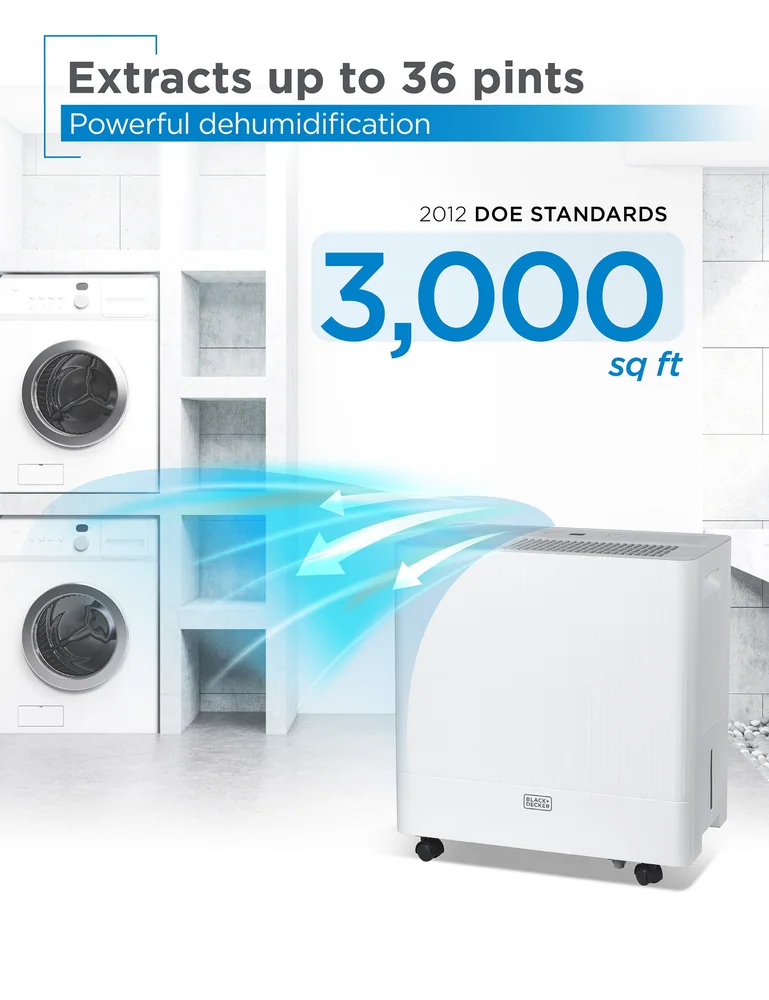
Covers thousands of square feet: Moisture load, temperature, air movement, and layout matter more than floor area alone.
Removes a stated number of pints: The test condition is warmer and more humid than many real basements.
Continuous drainage: Confirm hose fit, slope, drain location, and whether a pump is actually included.
Brands in the Category
Use the brand overview as a starting point, then open the linked product reviews for the model-specific decision.
Midea 50 Pint Cube leads this guide because it solves the biggest day-to-day annoyance with dehumidifiers: constant bucket emptying.
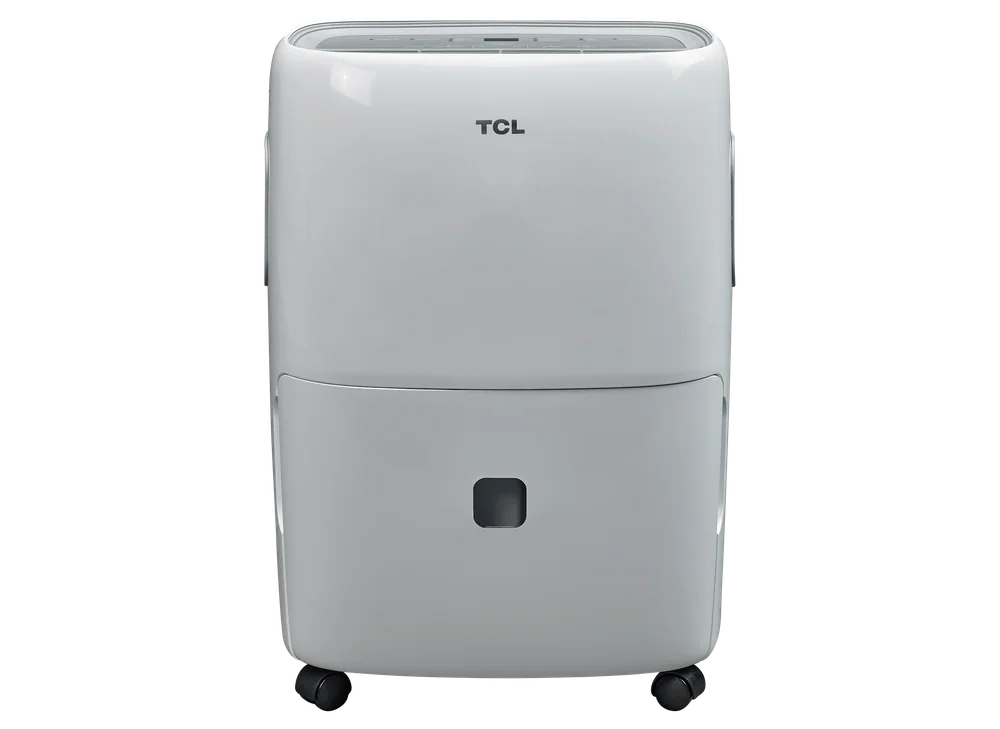
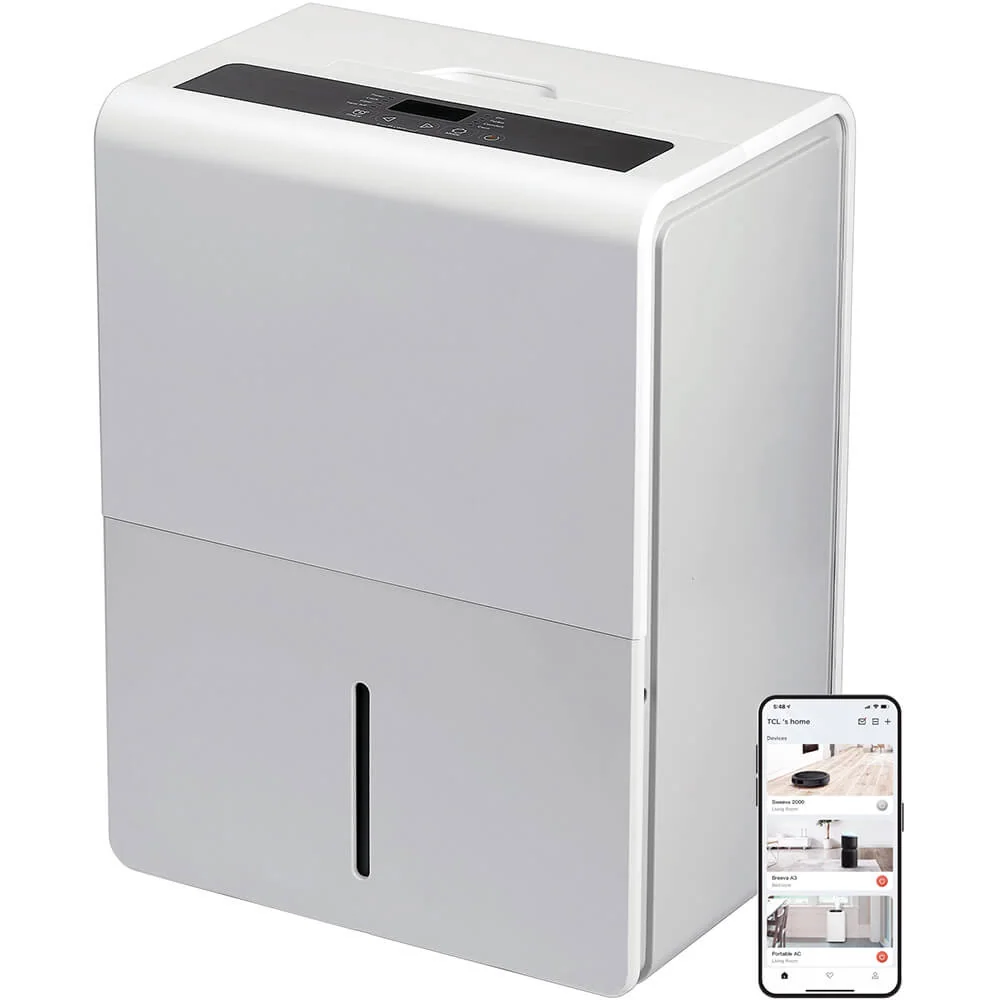
TCL 50-Pint Smart Dehumidifier is a good fit if you want a modern, smart-featured dehumidifier in the popular 50-pint class.
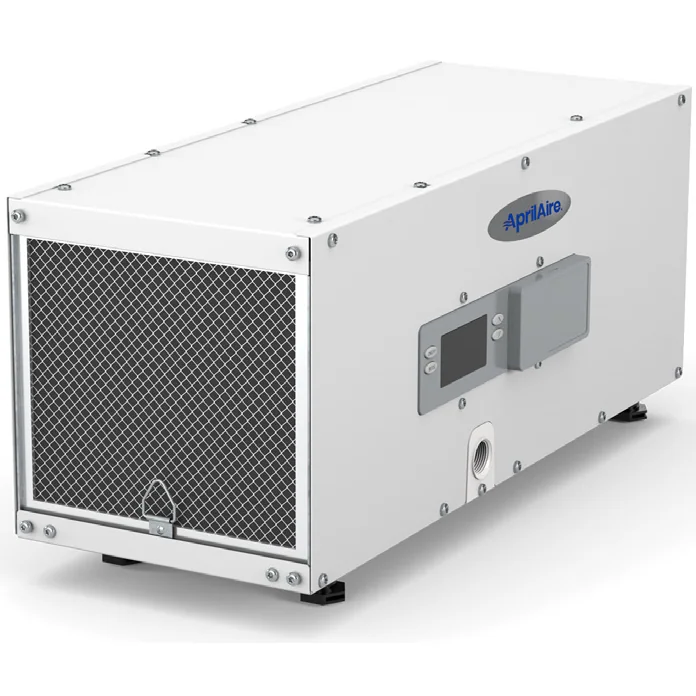
Black+Decker 30-Pint Dehumidifier is the practical buy for smaller rooms and tighter budgets, especially when you do not need a big basement workhorse.
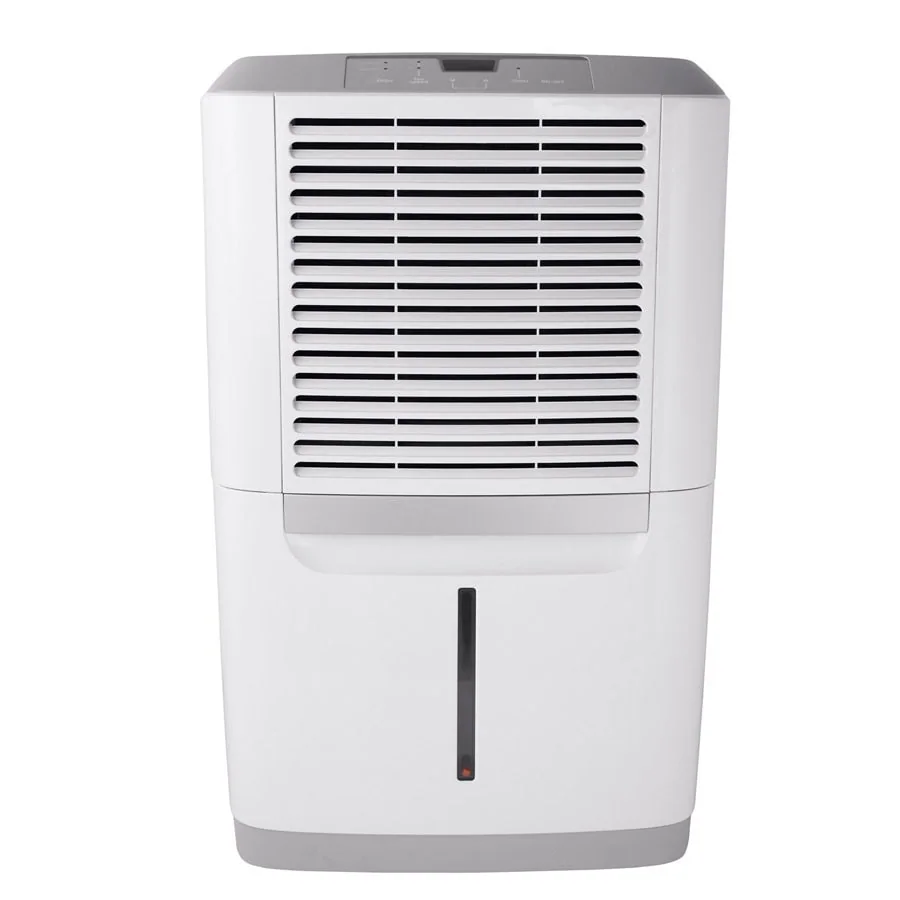
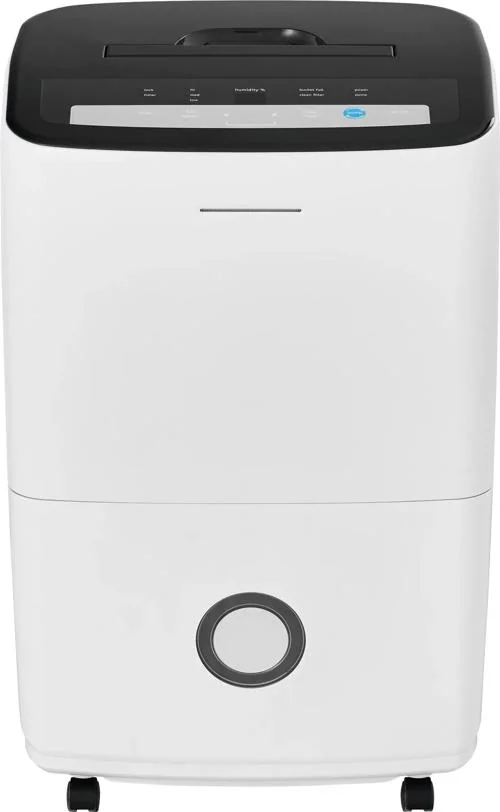
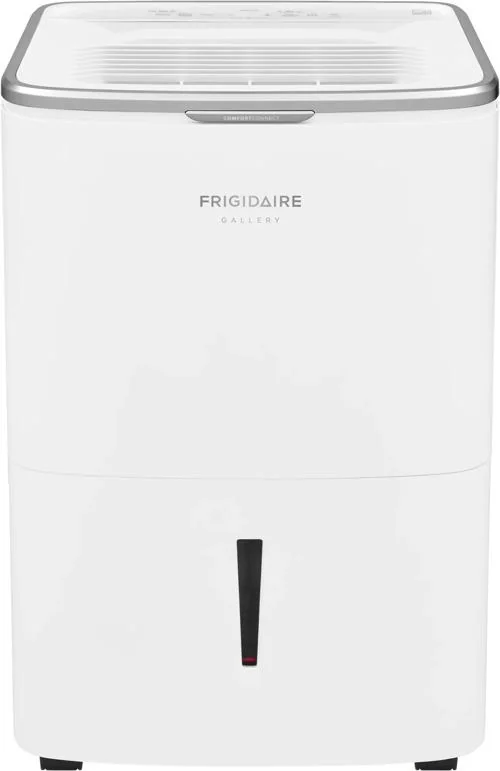
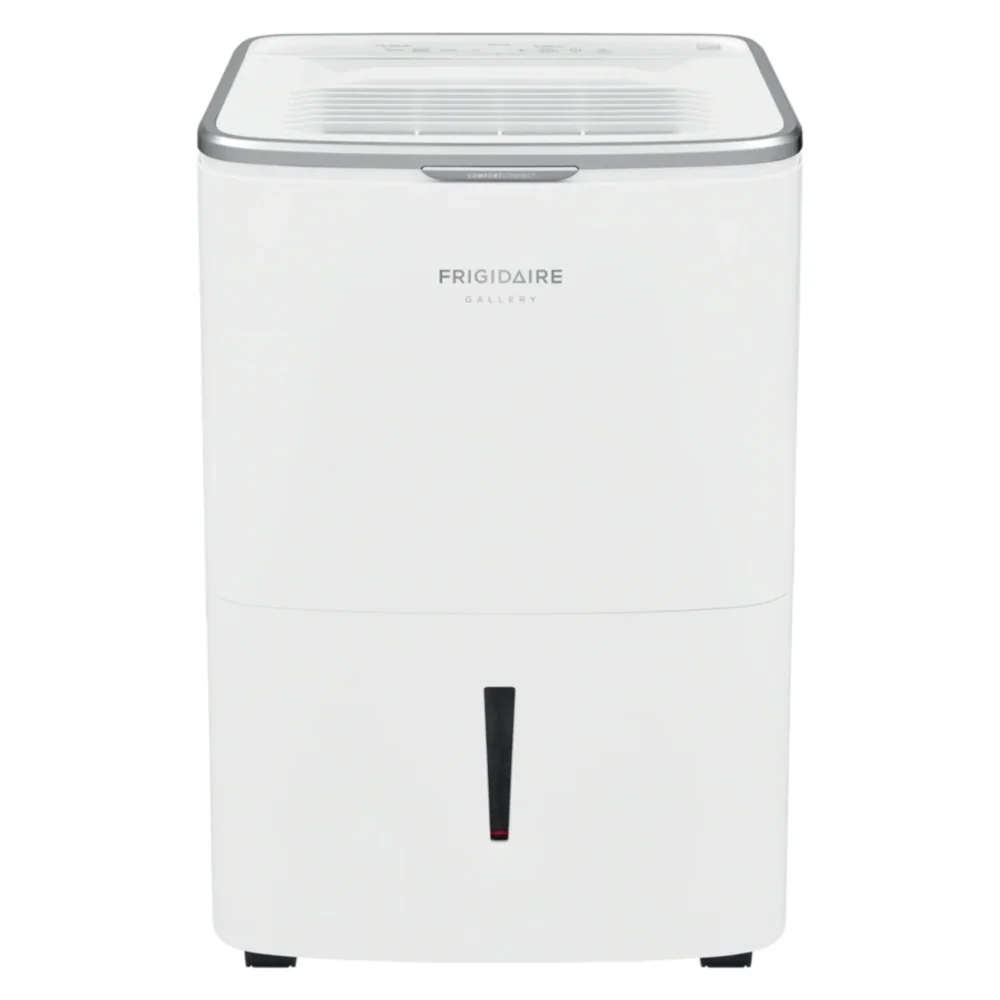
Frigidaire FGAC5044W1 is a straightforward, mainstream choice for general home dehumidification.
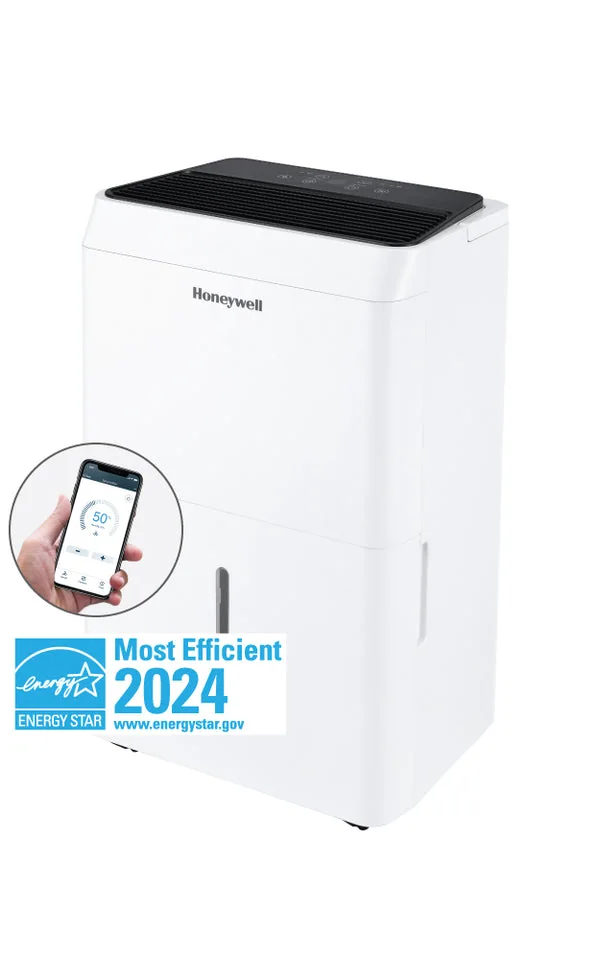
Honeywell 50-Pint Dehumidifier is a reasonable direction if brand familiarity is your top priority and you want to stay in the popular 50-pint class.
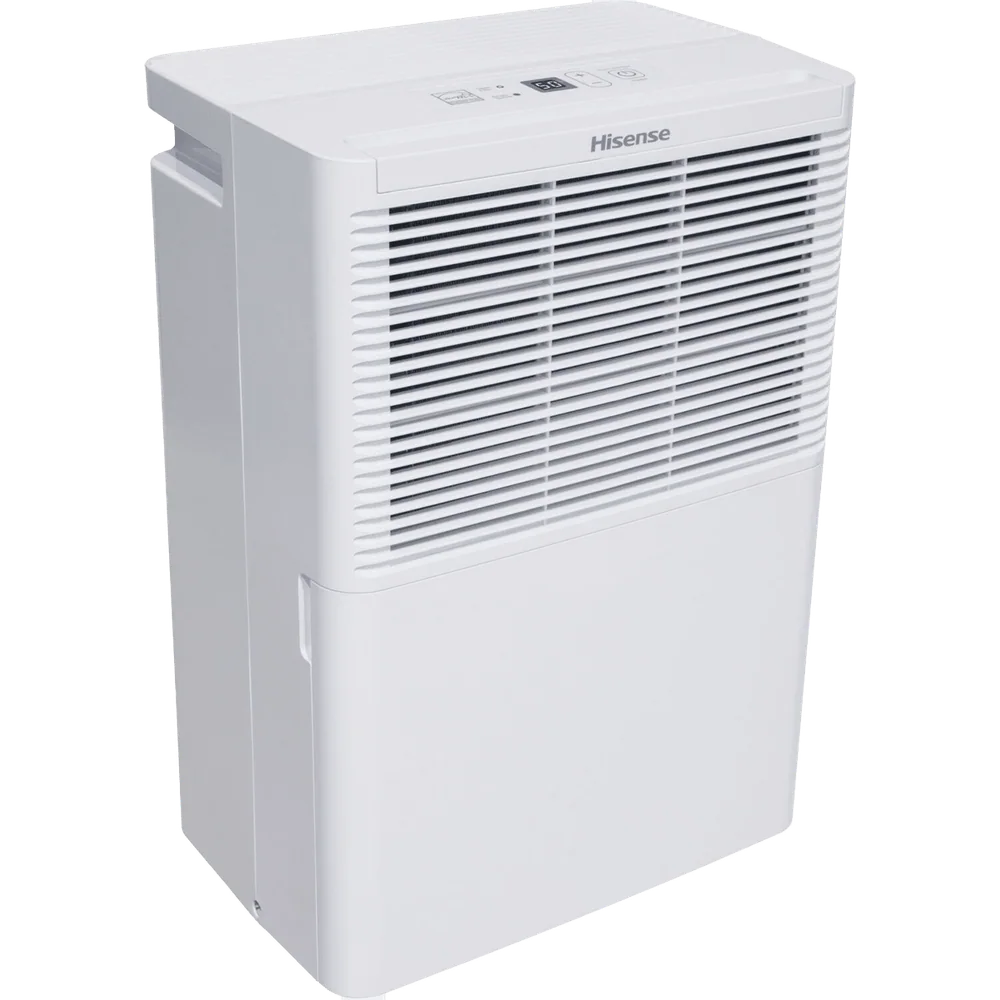
Hisense Dehumidifier is here for shoppers who want a mid-market brand that shows up in serious dehumidifier coverage, but do not need a very specific model callout.

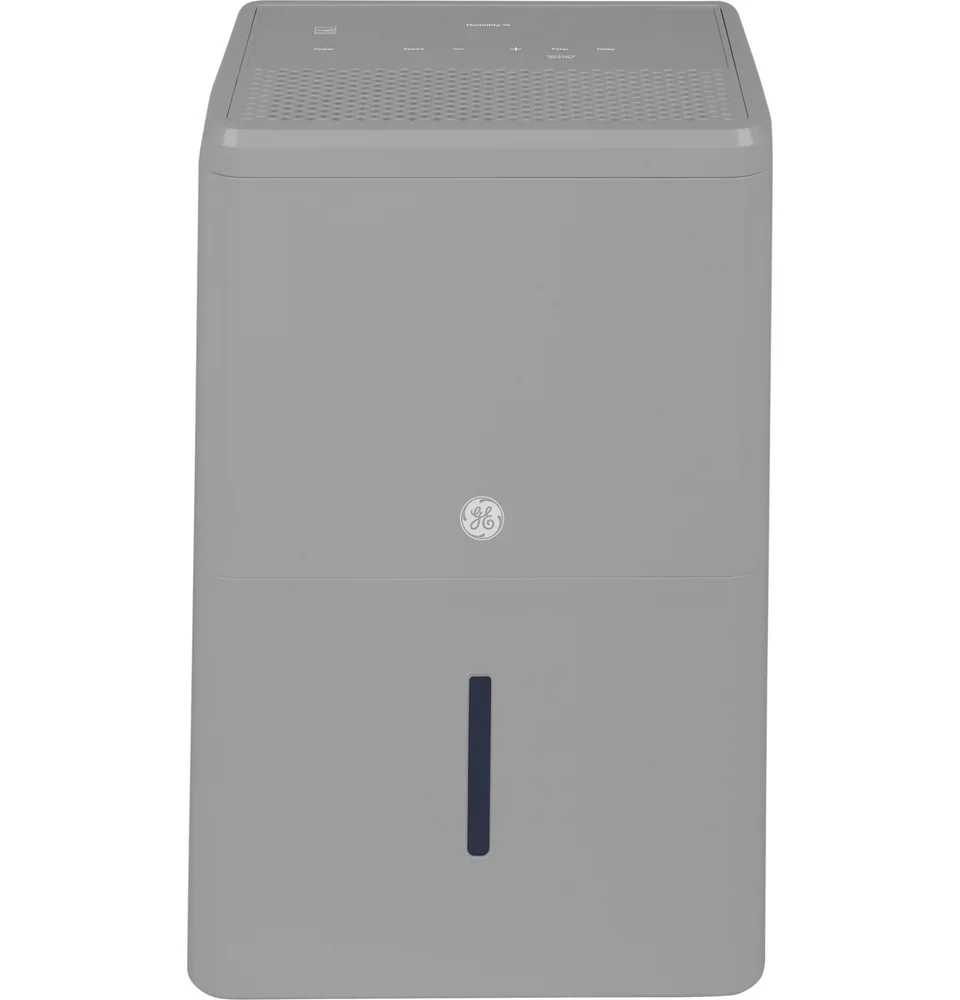
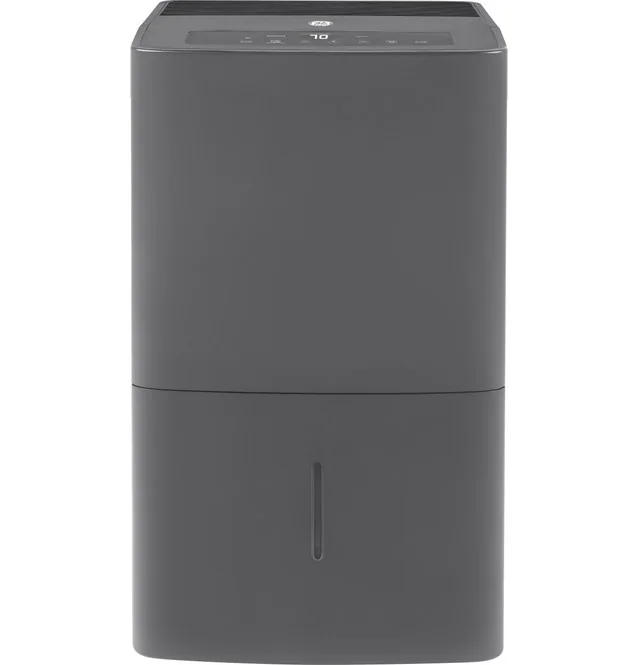
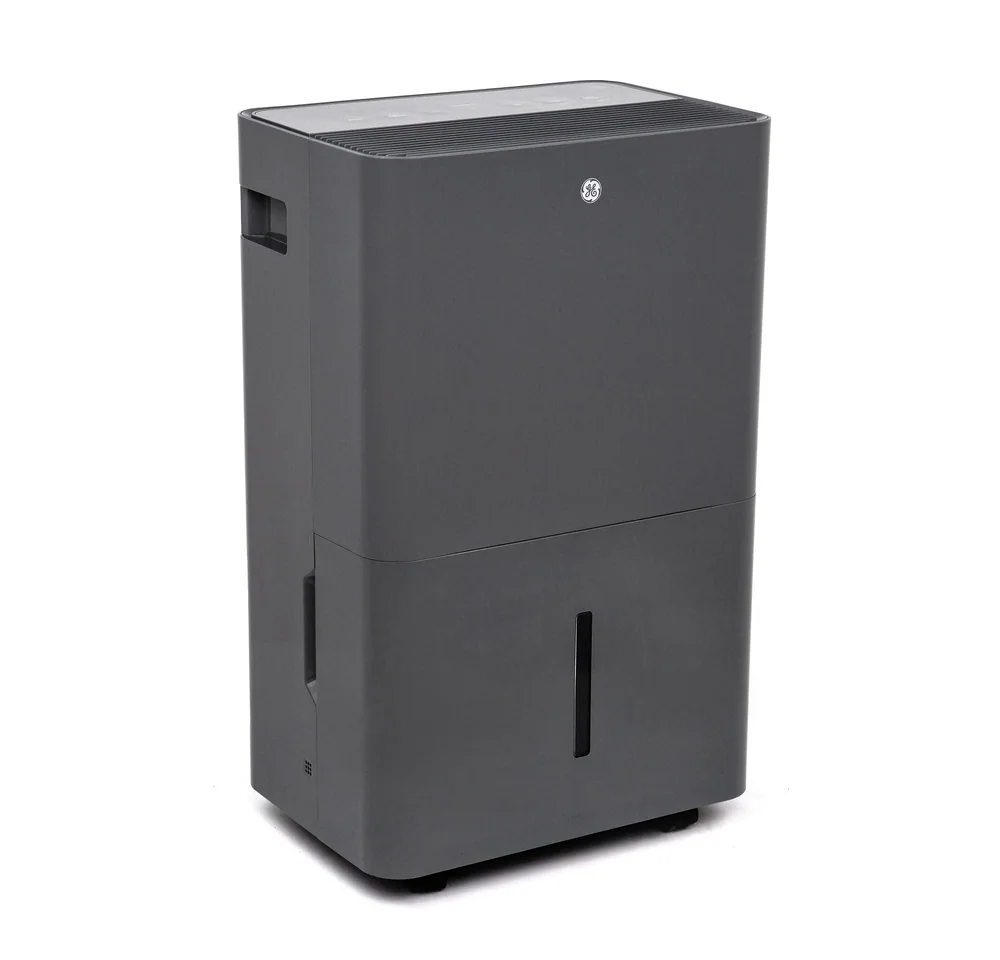
GE APEL70LW is difficult to recommend strongly in this guide because the supporting product-specific details are not established in the provided record.
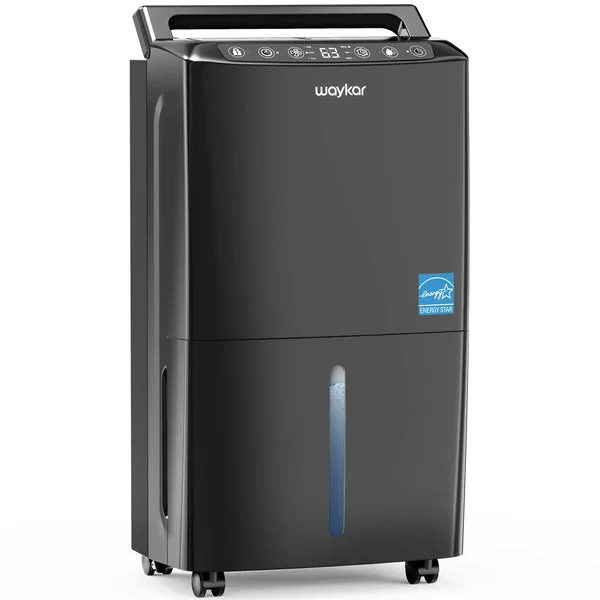
Waykar PD160B makes the most sense when you want a compact unit that can run quietly in lived-in spaces like bedrooms, and you like the idea of setting up continuous drainage.
Because it pairs high moisture-removal class with a cube design that delivers more than twice the typical capacity of other 50-pint dehumidifiers, so you empty it far less often. It also has a strong reliability reputation, which matters when a dehumidifier runs for long stretches.
A 30-pint unit is typically the better match for smaller rooms and lighter humidity problems. If you are dealing with persistent dampness in a basement or across larger areas, a 50-pint-class dehumidifier is usually the more appropriate move.
Continuous drainage means you can run a hose so the dehumidifier drains on its own instead of filling a bucket. It is especially useful in basements or anywhere you want to leave the unit running without frequent emptying.
Waykar PD160B is the most clearly supported bedroom-friendly option here because it runs quietly and can keep airflow low, so it is less disruptive while you sleep.
Frigidaire FGAC5044W1 is the cleanest mainstream all-around choice in this list. If you want fewer emptying trips and a stronger capacity story, the Midea 50 Pint Cube is the better overall buy.