Explore Dehumidifiers for more buying guides, in-depth reviews, comparisons, and practical advice.
Shopping for the best dehumidifiers gets a lot easier when you focus on the models that solve real problems: basements that smell musty, laundry rooms that never dry out, and whole floors that feel sticky. These are Pickori’s recommendations for 2026, covering high-capacity moisture control, mainstream all-around choices, quieter bedroom-friendly units, and smaller-room value buys.
Pickori may earn a commission from affiliate links.
1
Best Overall
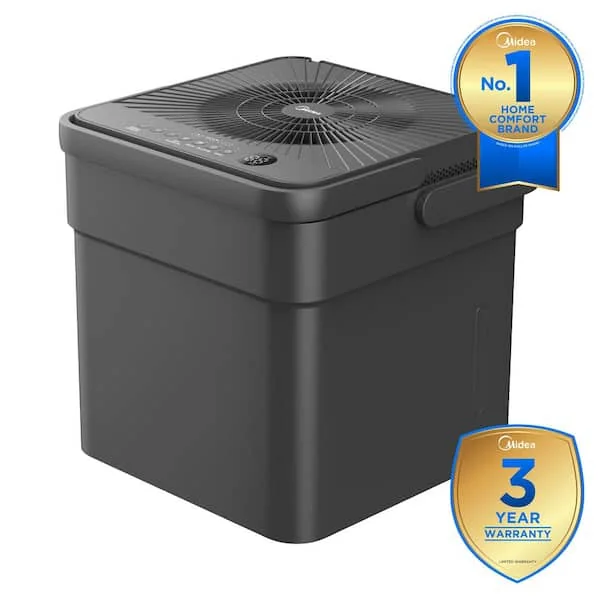
Midea 50 Pint Cube
Midea 50 Pint Cube leads this guide because it solves the biggest day-to-day annoyance with dehumidifiers: constant bucket emptying. Its cube design delivers more than twice the typical capacity of other 50-pint dehumidifiers, so it can run longer between trips to the sink, which matters most in basements and other damp, high-load spaces. It also has a strong reputation for reliability, making it the safest all-around buy when you want one machine to handle serious humidity without drama.
More than twice the typical capacity of other 50-pint dehumidifiers (fewer emptying trips)
Strong fit for whole-home or basement moisture control
Known for reliability, which is what you want in an appliance that may run for long stretches
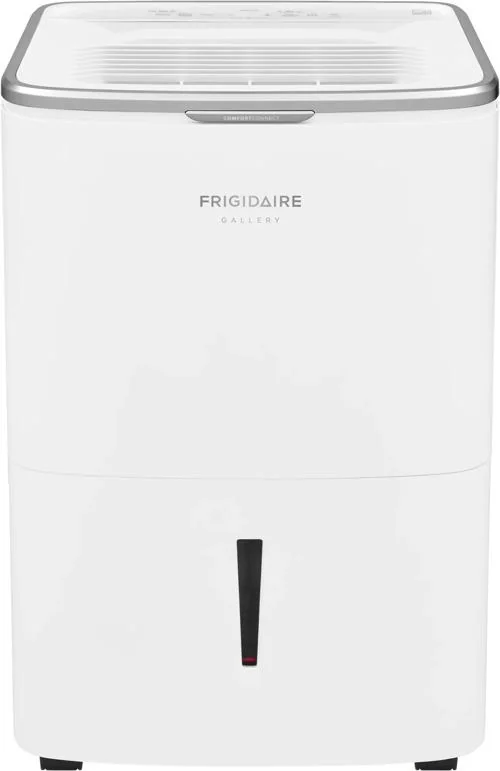
Frigidaire FGAC5044W1 is a straightforward, mainstream choice for general home dehumidification. If you want a familiar brand and a conventional compressor-style dehumidifier for everyday dampness, this one fits the brief. Just expect a typical portable unit footprint, and do not be surprised if it feels a bit bulky in tighter rooms.
Strong general-purpose option for home dehumidification
Mainstream brand that many shoppers already know
Noted as slightly bulky, so measure your space if placement is tight
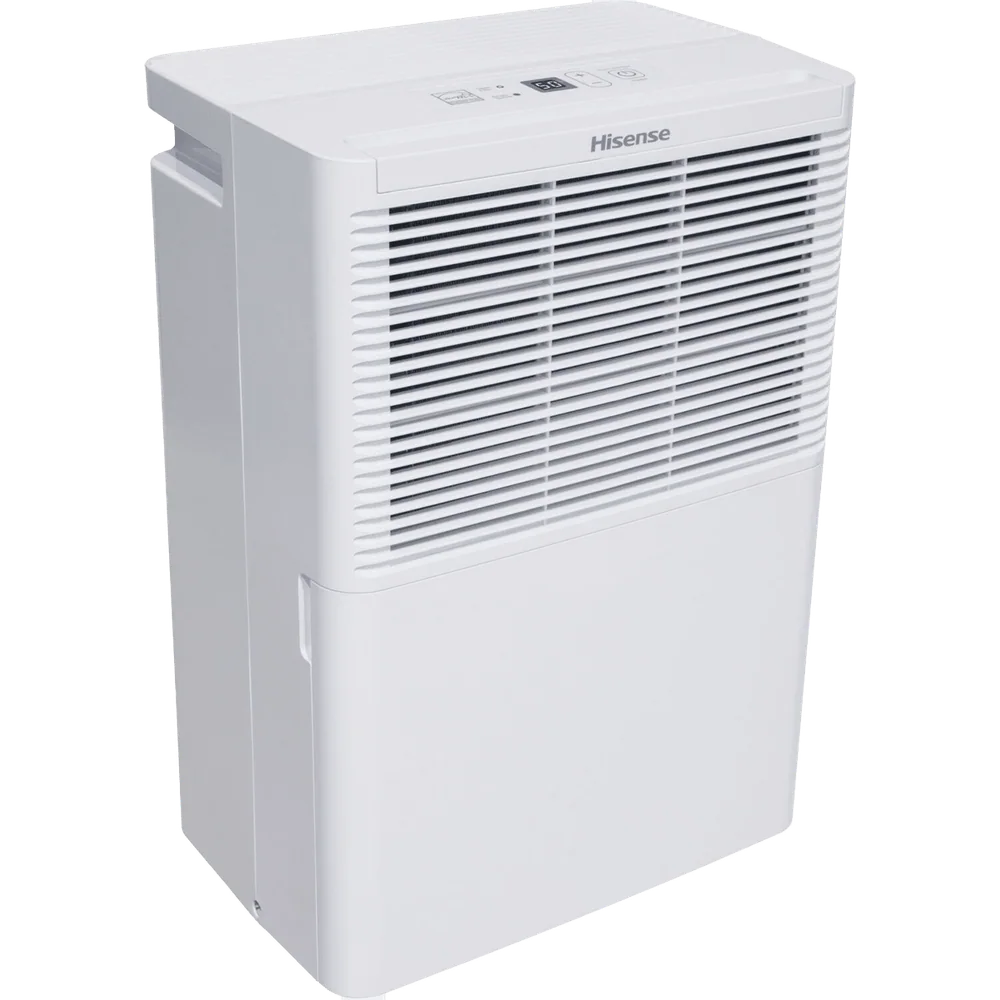
Hisense Dehumidifier is here for shoppers who want a mid-market brand that shows up in serious dehumidifier coverage, but do not need a very specific model callout. The catch is that the model-level details are not clearly pinned down in the available roundup-style evidence, so it is harder to make precise promises about capacity, noise, or features. If you want the clearest, most specific case for a single product, the Midea 50 Pint Cube is the cleaner bet.
A credible mainstream brand option for general household dehumidifying
Included in editors-tested dehumidifier coverage at the brand level
Model-specific performance details are not clearly established here, so expectations should be kept conservative
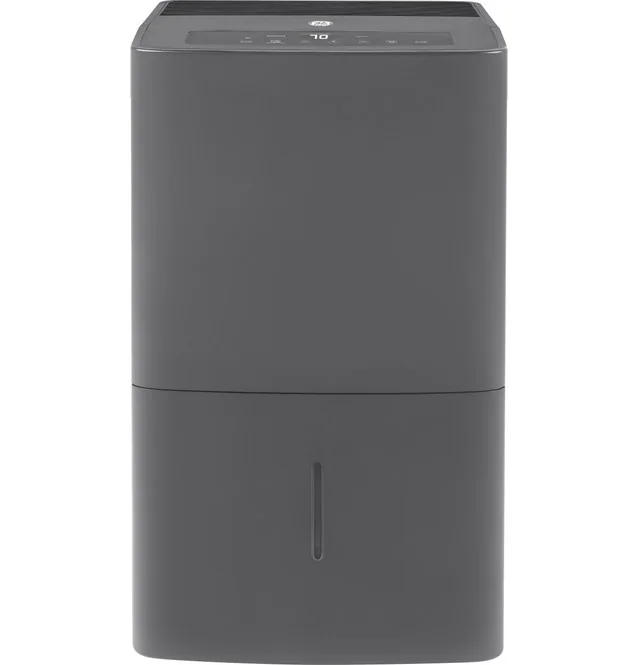
GE APEL70LW is difficult to recommend strongly in this guide because the supporting product-specific details are not established in the provided record. It stays on the list mainly as a recognizable model name some shoppers search for, but if you want a dehumidifier with a clear, supported reason to buy, start with the Midea 50 Pint Cube or the Frigidaire FGAC5044W1 instead.
Recognizable model name for shoppers already considering GE
Not enough product-specific detail here to make confident performance claims
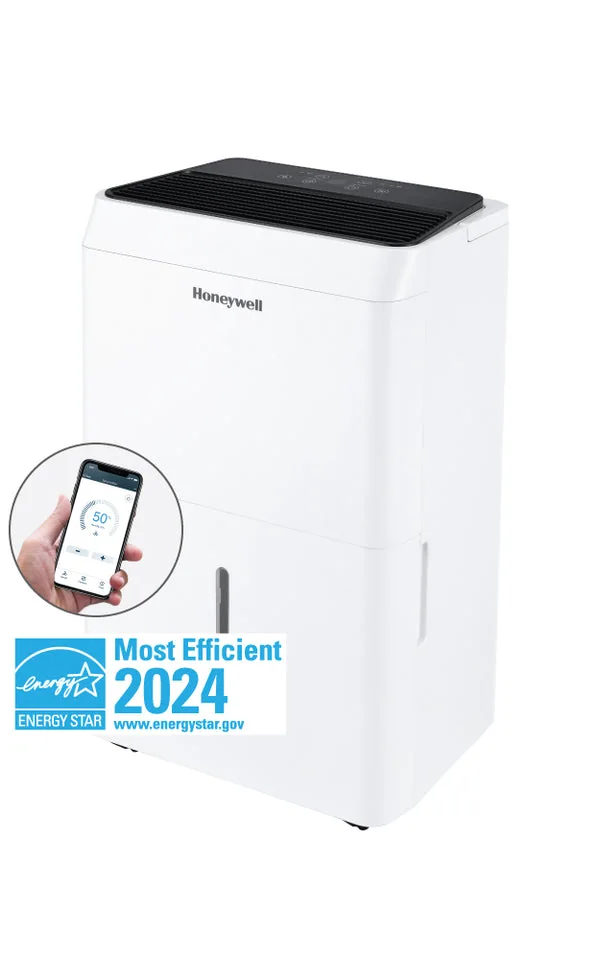
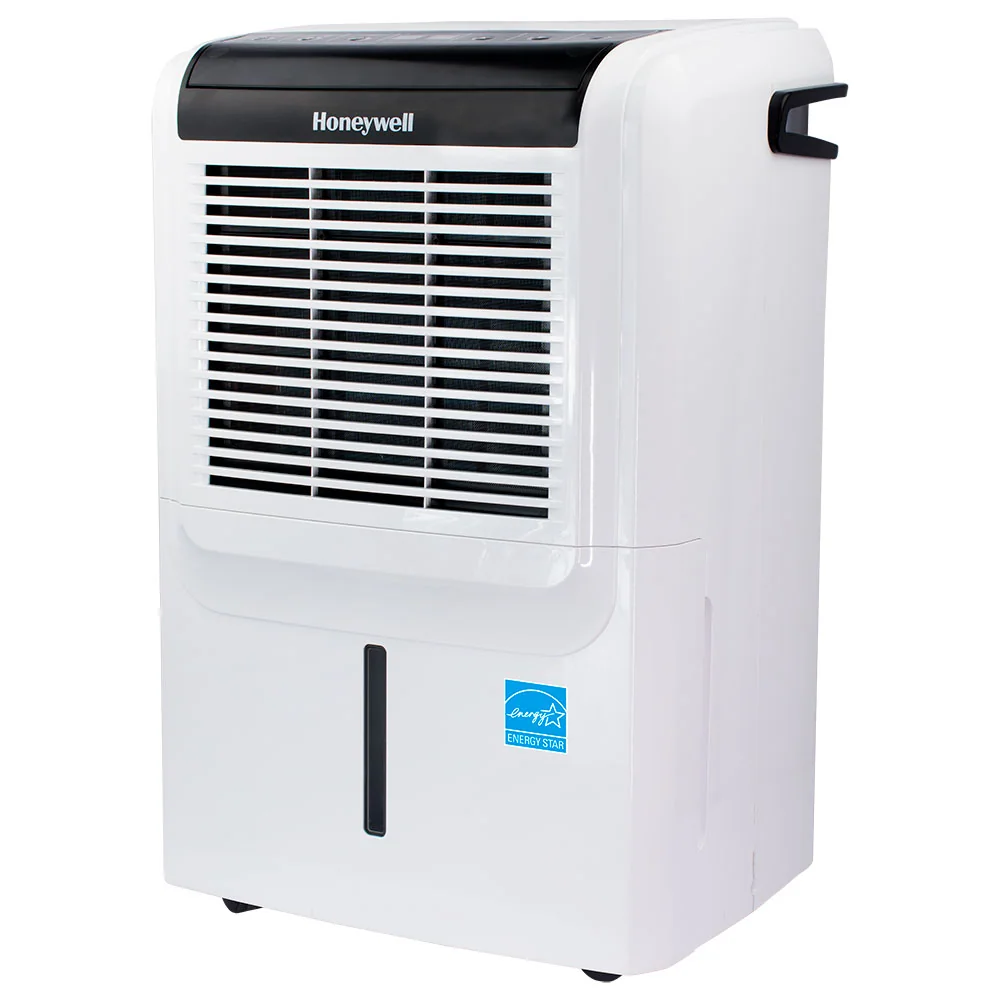
Honeywell 50-Pint Dehumidifier is a reasonable direction if brand familiarity is your top priority and you want to stay in the popular 50-pint class. The limitation is that the product-specific evidence in this guide is thin, so it is not the one to choose when you want a clearly supported performance edge. For the most defensible high-capacity day-to-day ownership experience, the Midea 50 Pint Cube still has the stronger case.
Good fit for buyers who prioritize a familiar legacy appliance brand
Targets the common 50-pint size class many homes shop for
Less product-specific support here than the top-ranked options
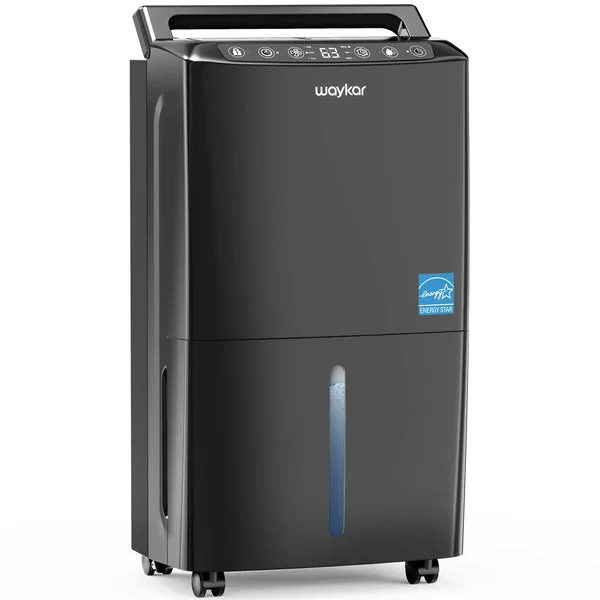
Waykar PD160B makes the most sense when you want a compact unit that can run quietly in lived-in spaces like bedrooms, and you like the idea of setting up continuous drainage. It is also a decent bathroom option because it is easier to fit into smaller rooms than many larger units. The important catch is capacity: it is better suited to small and medium-sized rooms, and it can come up short in larger open-concept basements.
Quiet enough to make sense in a bedroom, with low airflow available
Compact footprint helps in bathrooms and tighter spaces
Can be configured for continuous drainage
Capacity is best for small to medium-sized rooms, not big open basements
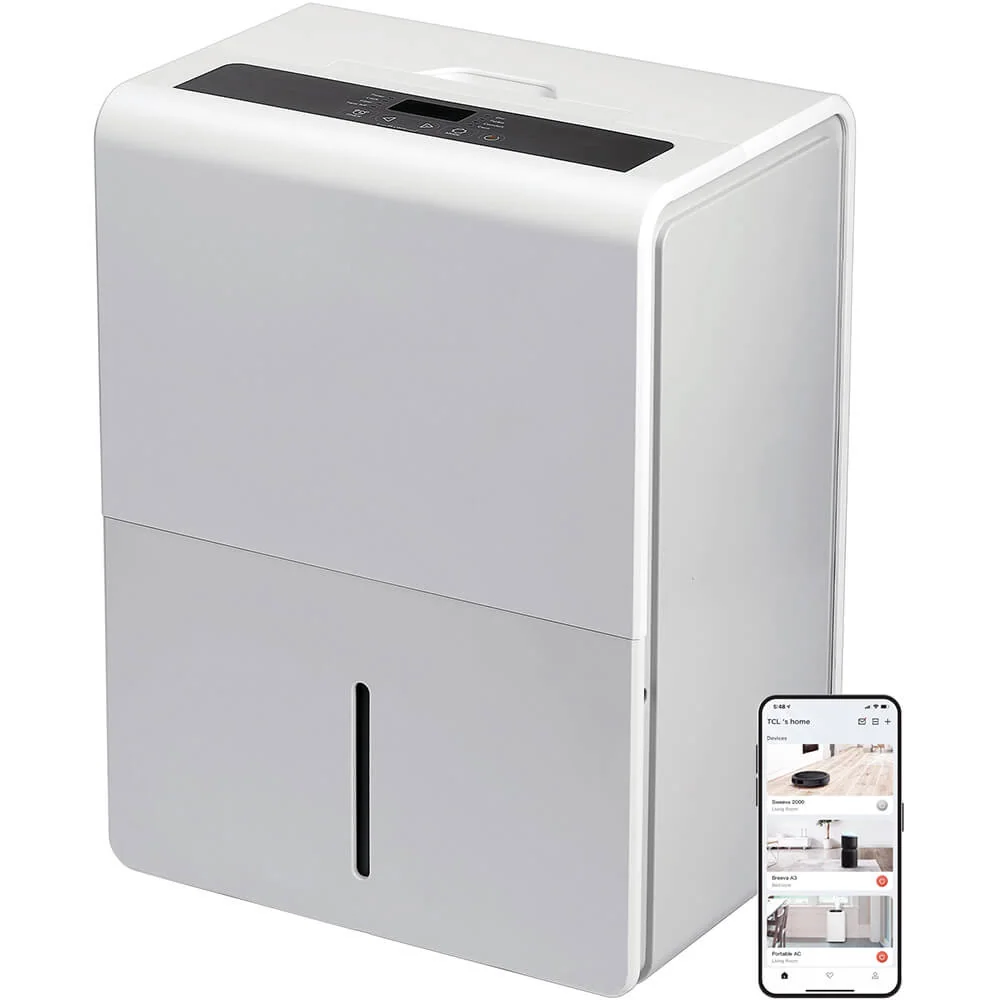
TCL 50-Pint Smart Dehumidifier is a good fit if you want a modern, smart-featured dehumidifier in the popular 50-pint class. It is positioned as an overall standout in its coverage, which makes it appealing if you want a more feature-forward alternative to the usual suspects. If your priority is the simplest, most proven ownership story for heavy-duty moisture control, the Midea 50 Pint Cube remains the clearer lead recommendation.
Smart-featured option in the common 50-pint category
Strong all-around positioning for shoppers who want modern features
Good way to get 50-pint-class capability without defaulting to the biggest legacy brands
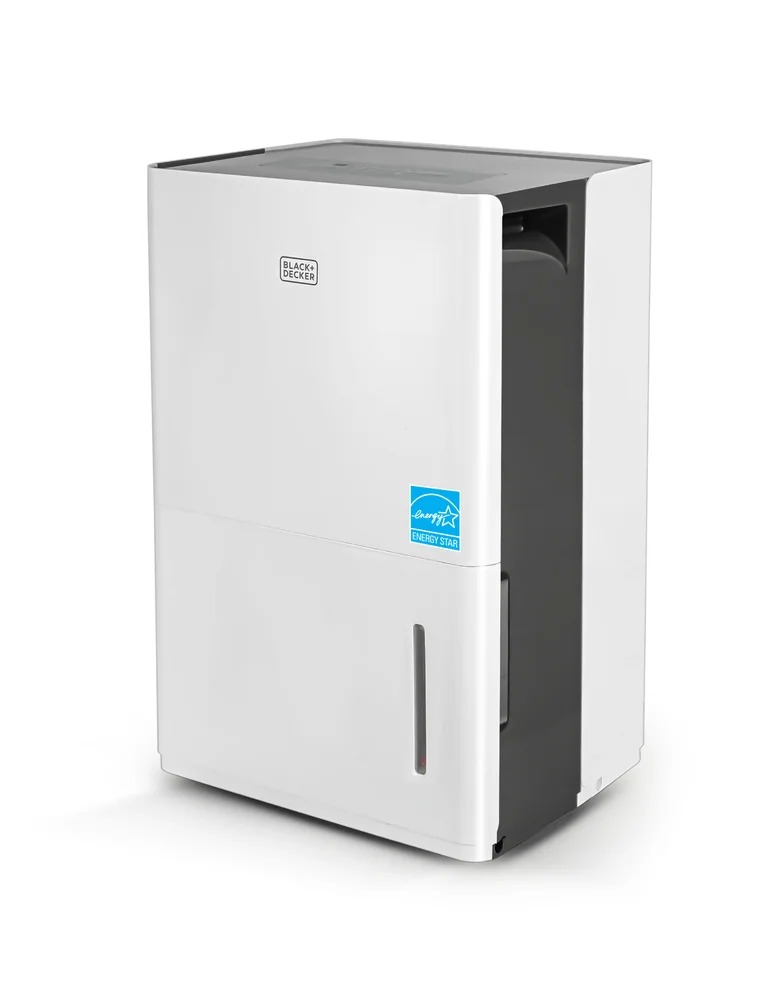
Black+Decker 30-Pint Dehumidifier is the practical buy for smaller rooms and tighter budgets, especially when you do not need a big basement workhorse. The 30-pint class is a better match for modest spaces, so you are not paying for capacity you will not use. If you are fighting persistent dampness across a whole floor or a basement, move up to a higher-capacity option like the Midea 50 Pint Cube.
Value-focused choice for smaller rooms
30-pint class makes sense for modest spaces where a larger unit is overkill
Recognizable brand for shoppers who want something familiar
Honeywell DH70PW is included as a model some shoppers specifically look for, but the product-specific support in this guide is not strong enough to make it a primary recommendation. If you are deciding from scratch, the top of this list is a safer place to spend your money. Consider this one mainly if you already know you want this exact Honeywell model and are comfortable doing a bit more homework before buying.
A recognizable Honeywell model name that appears in broader category research
Not enough product-specific detail here to confidently call out strengths or trade-offs
Why is the Midea 50 Pint Cube ranked number one here?
Because it pairs high moisture-removal class with a cube design that delivers more than twice the typical capacity of other 50-pint dehumidifiers, so you empty it far less often. It also has a strong reliability reputation, which matters when a dehumidifier runs for long stretches.
Do I really need a 50-pint dehumidifier, or is 30-pint enough?
A 30-pint unit is typically the better match for smaller rooms and lighter humidity problems. If you are dealing with persistent dampness in a basement or across larger areas, a 50-pint-class dehumidifier is usually the more appropriate move.
What is continuous drainage, and who should care?
Continuous drainage means you can run a hose so the dehumidifier drains on its own instead of filling a bucket. It is especially useful in basements or anywhere you want to leave the unit running without frequent emptying.
Which dehumidifier on this list makes the most sense for a bedroom?
Waykar PD160B is the most clearly supported bedroom-friendly option here because it runs quietly and can keep airflow low, so it is less disruptive while you sleep.
If I want a mainstream, conventional dehumidifier, which should I choose?
Frigidaire FGAC5044W1 is the cleanest mainstream all-around choice in this list. If you want fewer emptying trips and a stronger capacity story, the Midea 50 Pint Cube is the better overall buy.