
What to know first
- 30-pint capacity is a practical match for modest spaces and moderate humidity, not for soaking-wet basements.
- The big savings comes from not buying a 50-pint unit you don’t need.
- Unattended draining matters more than most people expect. Confirm how you’ll drain it (bucket vs hose, and whether a pump is included).
- Cooler basements can reduce water removal and can trigger defrost pauses.
- If your goal is set it and forget it for weeks at a time, drainage setup is the make-or-break detail.
What the Black+Decker 30-Pint Dehumidifier is
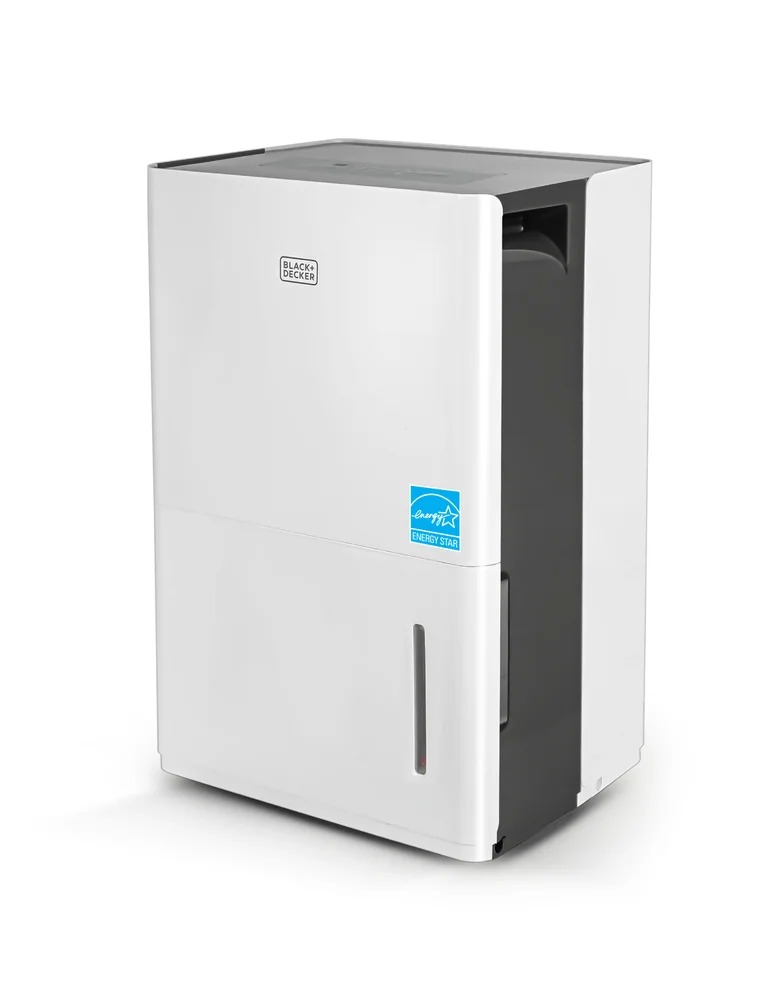
The Black+Decker 30-Pint Dehumidifier is a compressor-based dehumidifier designed to pull moisture out of indoor air and collect it as water. The “30-pint” rating is the standardized capacity class, meaning it’s built for lighter to moderate humidity loads compared with the more common 50-pint basement machines.
In daily life, a dehumidifier like this is about comfort and prevention. It helps a room feel less clammy, cuts down on that musty smell that shows up in basements and laundry areas, and makes it harder for mold and mildew to get comfortable when humidity runs high.
The key is matching the machine to the job. A 30-pint unit is usually the right size when you’re trying to improve a normal living space or manage mild basement dampness, not when you’re fighting serious moisture across a large footprint.
Why it stands out
The reason to buy the Black+Decker 30-Pint Dehumidifier is simple: it’s a value-focused way to get real dehumidifying capacity without stepping up to a larger, pricier 50-pint unit. If your humidity problem is real but not extreme, that’s often the smartest spending decision.
The 30-pint class is also a good reality check for shoppers who see “covers thousands of square feet” style claims across the category. Floor area is a rough guideline at best. Moisture load, temperature, airflow, and how closed-off the space is matter more. This model makes sense when your space and your humidity levels are closer to everyday dampness than an unfinished basement that stays wet.
It’s also a straightforward choice for shoppers who want a familiar mainstream brand and a simple purchase. You’re paying to get humidity down in a smaller space at a lower entry cost, not for a long list of premium extras.
What it is like to own
Owning a dehumidifier is mostly about routine: where you place it, how you set the target humidity, and how you handle drainage. In a humid stretch, the compressor and fan can run for long periods, so it’s worth thinking about where the sound will bother you least (a basement corner is easier than a bedroom).
Drainage is the part that decides whether you’ll love it or get annoyed. If you rely on the internal bucket, you’ll be emptying it whenever it fills. If you can run a hose to a floor drain or sump with a continuous downhill slope, you can often avoid the emptying routine. If you need to send water upward, you’re in pump territory, and you should confirm the exact version you’re buying supports that.
Basement temperature matters. Cooler air can reduce how much water a dehumidifier pulls, and it can also trigger periodic defrost pauses. Plan for slower moisture removal in cooler spaces, and treat a 30-pint model as a smaller-area solution when you’re working in a basement.
What to know before you buy
Don’t buy a 30-pint dehumidifier expecting it to handle a large, persistently damp basement. If you’ve got widespread dampness, constant musty odor, condensation on walls, or anything close to puddling, you’re asking for a bigger capacity class. In that situation, stepping up to a 50-pint unit is the safer move.
Be careful with drainage assumptions. “Continuous drainage” can mean very different things depending on whether the unit includes a pump. Gravity drainage only works if you have a drain lower than the dehumidifier and you can keep the hose sloped downhill the whole way.
Finally, remember what the pint rating really is. The 30-pint number is measured under standardized warm, humid conditions. In cooler or less humid rooms, real-world water removal drops. That doesn’t make the unit bad. It just means you should size with some margin if your space is challenging.
The specs that matter
This is the main reason to buy it. A 30-pint unit is typically a better fit for modest spaces and moderate humidity, and it usually costs less than 50-pint models. It’s also less likely to be too much machine for a bedroom or office.
If you can drain continuously, you can run it through long humid stretches without babysitting. If you need to drain upward, you must confirm pump support on the exact listing you’re buying.
In cooler basements, coils can frost. Defrost protection helps prevent the unit from icing up, but it can also mean periodic pauses where it’s not actively pulling moisture.
This is the sizing decision in plain English. If your moisture problem is moderate, you save money and still get meaningful comfort improvement. If it’s severe, you’ll want more capacity.
A dehumidifier is something you may adjust seasonally or as conditions change. Clear controls make it easier to set a target humidity and keep it there without fiddling.
Who this product fits
You want your bedroom to feel less sticky in summer
The Black+Decker 30-Pint Dehumidifier is sized for this kind of job. It’s meant to bring humidity down in a normal living space without paying for a big basement unit.
You have a small basement that gets musty after rain
This is where a 30-pint dehumidifier can make sense: reducing that damp, stale air in a modest space. If the whole basement stays wet or you see condensation regularly, move up to a 50-pint model instead.
You’re on a tight budget but don’t want a tiny underpowered unit
A 30-pint class dehumidifier is often the sweet spot between ultra-compact units that struggle and larger machines that cost more than you need. This model is a value buy in that middle ground.
What else to compare
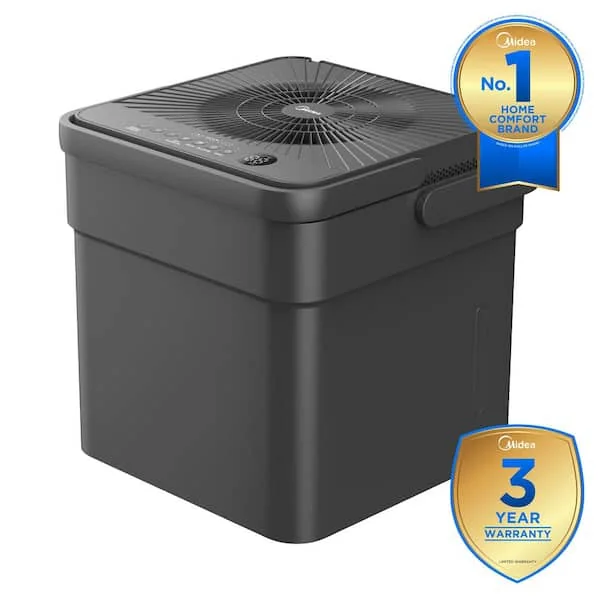
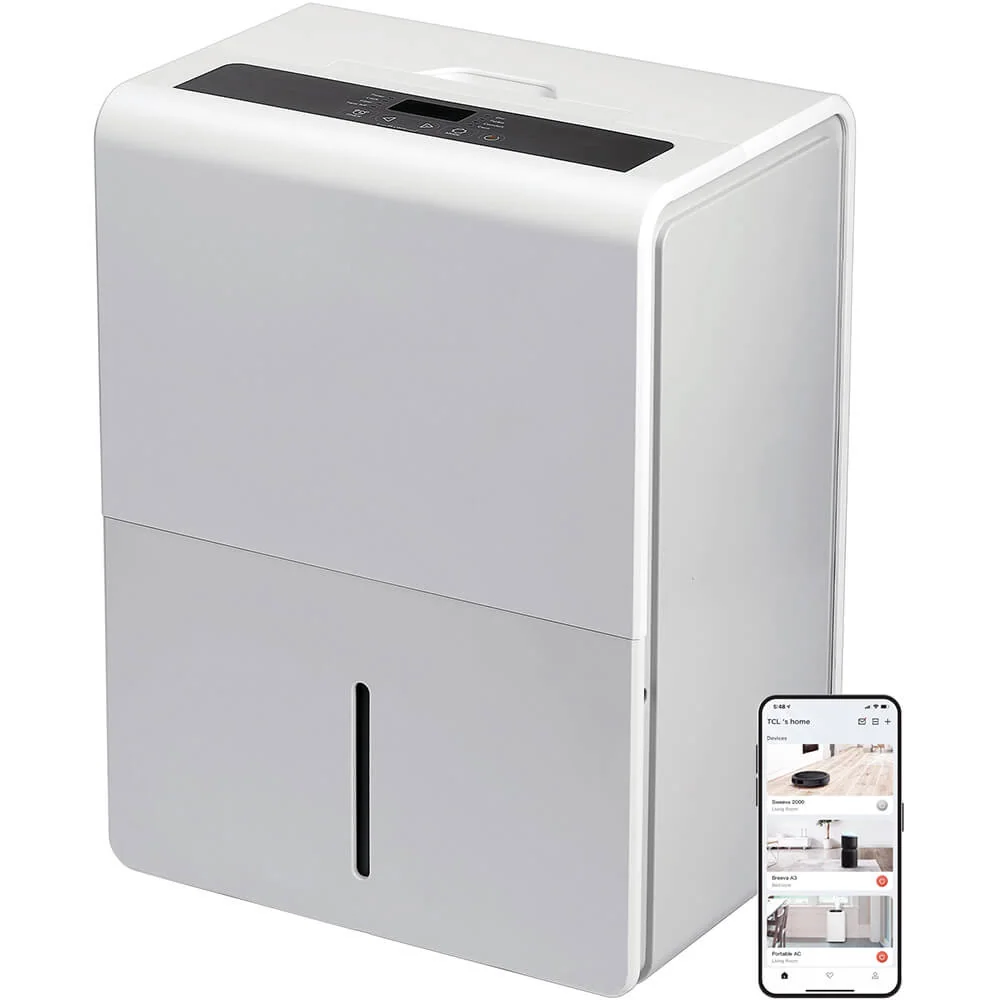
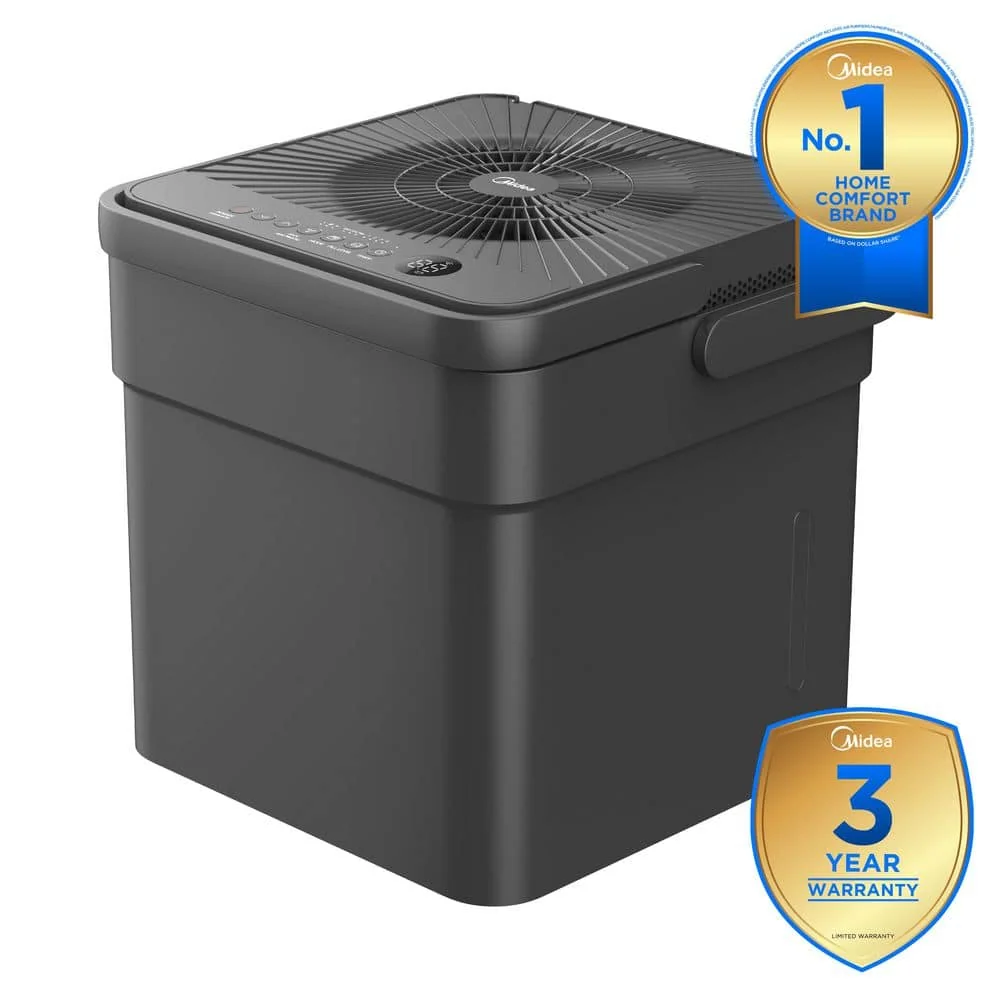
If your space is bigger, wetter, or you want more features, these are the next places to look.
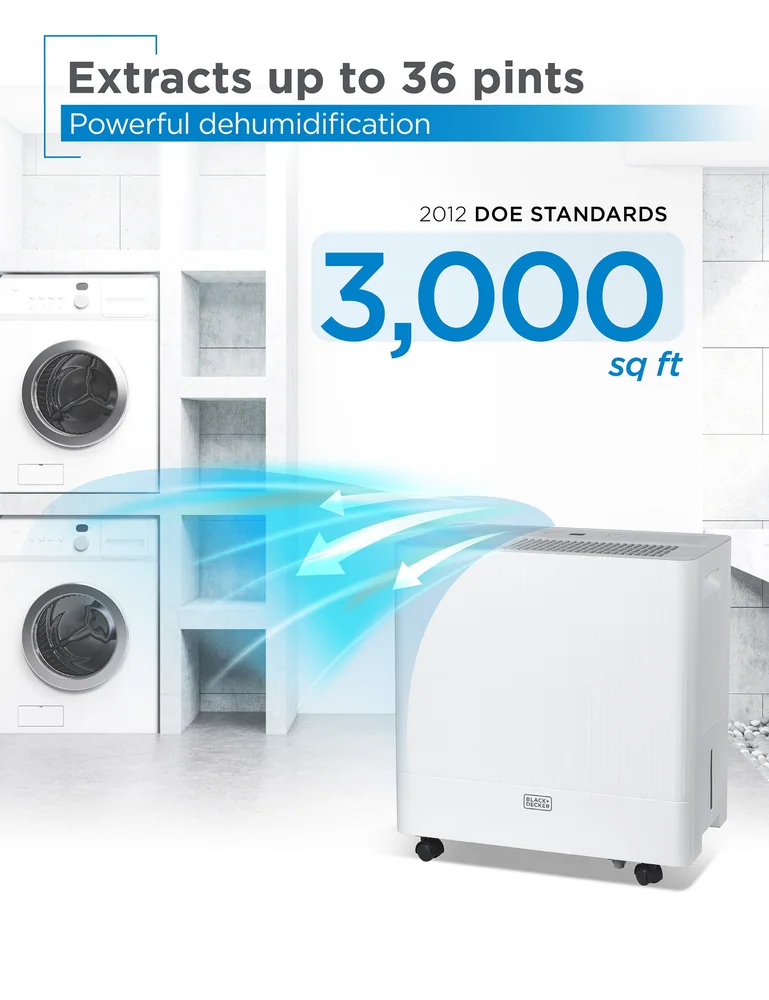
Black+Decker 30-Pint Dehumidifier FAQ
Is the Black+Decker 30-Pint Dehumidifier big enough for a basement?
It can be, if the basement is smaller or only mildly damp. If you’re dealing with persistent dampness across a whole basement or you see condensation and wet surfaces regularly, a 50-pint class unit is the safer choice.
What does “30 pints per day” actually mean?
It’s a standardized rating that estimates how much water the unit can remove under warm, humid conditions. In cooler basements or less humid rooms, the real amount removed will be lower, so use the number mainly to compare models and capacity classes.
Can this dehumidifier run with a hose for continuous drainage?
Many dehumidifiers support hose drainage, but continuous drainage only works unattended if you have a drain lower than the unit and can keep the hose sloped downhill. If you need to drain upward, you’ll need a model with a built-in pump, and pump support is not clearly established here, so verify the exact version.
Should I buy a 30-pint or 50-pint dehumidifier?
Choose 30-pint when you’re managing everyday humidity in smaller rooms or a mildly damp area and you want to spend less. Choose 50-pint when the space is large, consistently damp, or you want more confidence that the unit can keep up during long humid stretches.
Will a dehumidifier like this help with musty smells?
Lower humidity usually helps reduce that musty basement smell because it makes the environment less friendly to mold and mildew. It won’t fix a water intrusion problem, but it can make a noticeable difference in comfort when humidity is the main issue.
Should you buy the Black+Decker 30-Pint Dehumidifier?
Yes, if your goal is affordable, straightforward humidity control in a smaller space. The Black+Decker 30-Pint Dehumidifier makes the most sense when you’re trying to improve comfort and cut down on damp, musty air without paying for a bigger 50-pint machine you don’t need.
Skip it if you’re trying to solve a truly damp basement or you need guaranteed pump-based drainage. In those cases, stepping up to a higher-capacity 50-pint model, or choosing a unit with clearly stated pump support, is the more reliable move.