
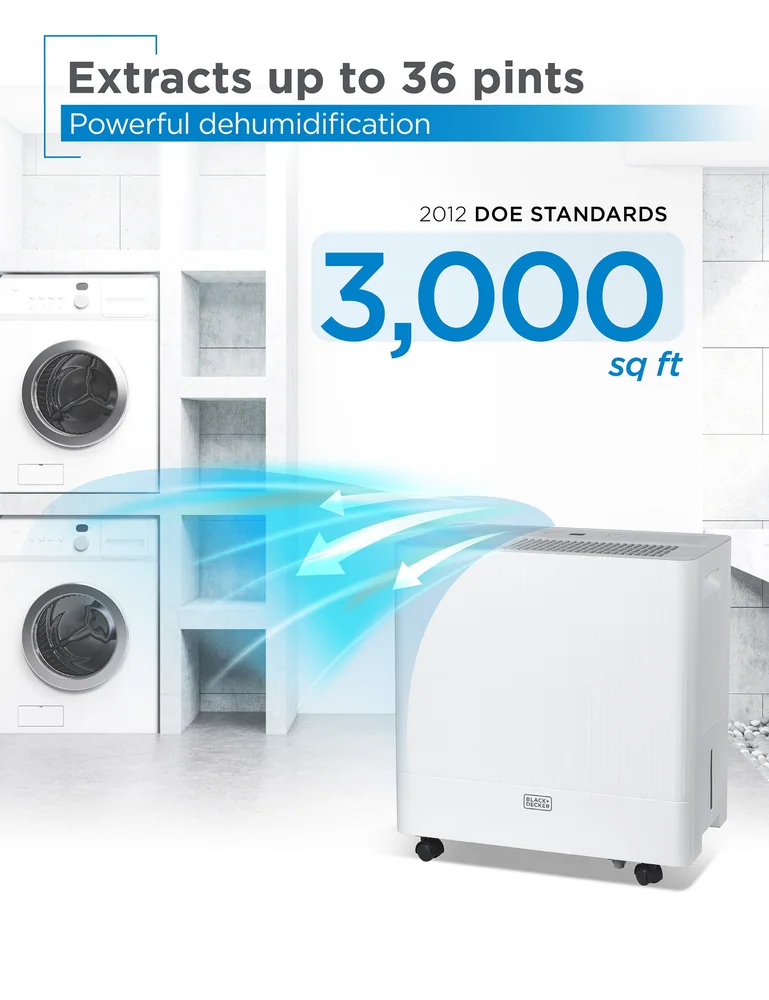
What to know first
- 36 pints per day is a standardized capacity rating, not a promise for cooler basements.
- This model’s appeal is simple: a mid-size step up for shoppers who find 30 pints too small.
- Continuous drainage only helps if your setup can run a hose downhill to a drain, unless a pump is included (confirm before buying).
- Basement temperature matters. Cooler spaces can trigger defrost cycles that pause moisture removal.
- If your basement is very wet or very large, a 50-pint class unit is usually the better match.
What the Black+Decker 36-pint Dehumidifier is
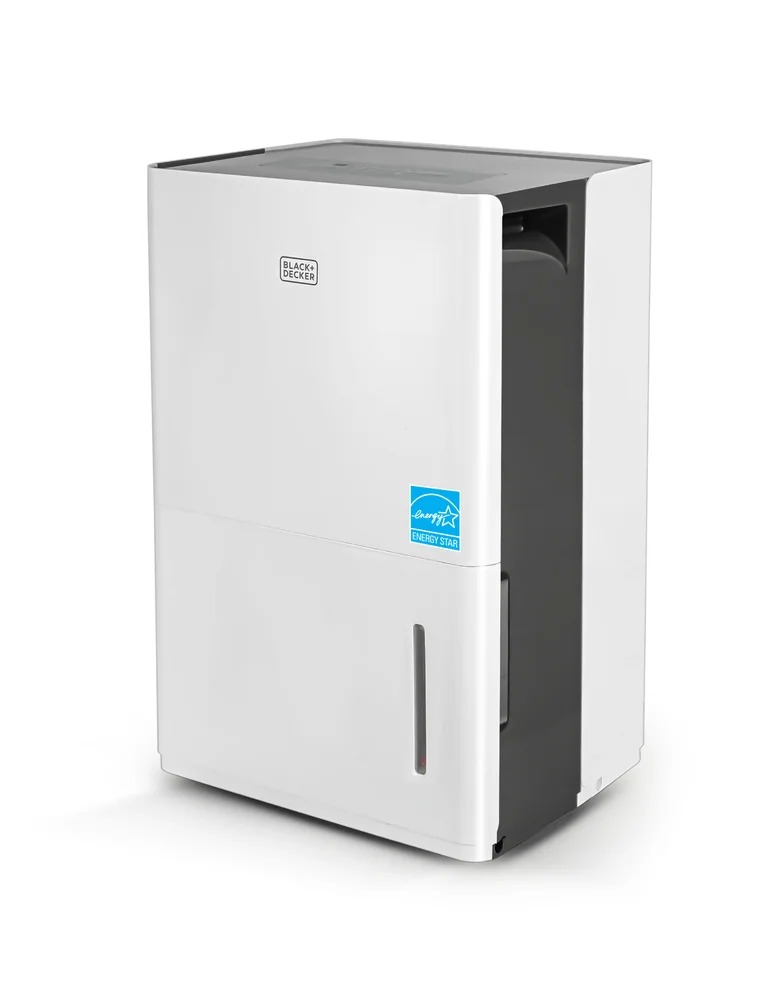
The Black+Decker 36-pint Dehumidifier is a portable compressor-style dehumidifier meant to pull moisture out of indoor air and collect it as water. In daily life, that usually means less of that sticky, clammy feeling, fewer musty odors, and fewer humidity-driven problems like damp-feeling fabrics and slow-drying laundry.
The “36-pint” part is its capacity rating: under standardized warm, humid conditions, it’s rated to remove up to 36 pints of water in a day. That number is best used as a comparison tool between models, not a guarantee of what you’ll see in every room, especially in cooler basements.
This model makes the most sense when you’re shopping in the middle of the market. You want more moisture removal than a small unit, but you’re not trying to pay for a larger 50-pint class machine with more features and a bigger footprint.
Why it stands out
The main reason to consider the Black+Decker 36-pint Dehumidifier is the size of the step it offers. If you’ve looked at 30-pint units and worried they’ll run constantly or fall behind during humid stretches, moving to a 36-pint rating is a straightforward way to buy a little more headroom without jumping all the way to 50 pints.
It also lands in a price and capacity zone that tends to make sense for typical homes: big enough to matter in a basement or downstairs area, but not so oversized that you’re automatically paying for features you may not use.
If you’re deciding between sizes, the real question is whether your space regularly overwhelms smaller units. If it does, the extra capacity is what you’re paying for here.
What it is like to own
Owning a dehumidifier is mostly about routine: where you place it, how you drain it, and whether it can run for long stretches without you thinking about it. In a basement, the best setup is usually a spot with decent airflow and a drainage plan that doesn’t require you to empty a bucket every day.
If you plan to use continuous drainage, make sure your room can actually support it. Gravity drainage needs a hose that runs continuously downhill to a floor drain or sump. If your only drain is higher than the unit or across the room without a clean downhill path, you either need a different placement or a model that includes a pump.
Basement temperature changes how any dehumidifier behaves. In cooler spaces, coils can frost and the machine may pause to defrost. That’s normal behavior, but it means water removal can slow down compared with what you’d expect from the headline pint rating.
What to know before you buy
Don’t buy this model based on “covers thousands of square feet” style claims. Layout, airflow, temperature, and how wet the space actually is matter more than floor area alone. A closed-off basement with rooms and doors behaves very differently than an open-plan space.
Treat the 36-pints-per-day rating as a way to compare models under the same standard, not as a promise for your basement. If your basement is chilly, you should expect less water removal and more time spent in defrost behavior than you’d see in a warm, humid room.
Finally, confirm the drainage details before you click buy. “Continuous drainage” can mean a simple gravity hose connection, not an included pump. If you need water to move upward or across the room without a downhill slope, you’ll want a model that clearly includes a pump.
The specs that matter
It’s a quick way to compare size and moisture-removal class. In real basements, output is usually lower because the air is cooler and sometimes less humid than the rating conditions.
This is the common style for basements and damp rooms. It’s built to run for long periods when humidity is high, which is exactly how most people use a dehumidifier.
A hose to a drain is what turns a dehumidifier into a mostly hands-off appliance. But gravity drainage only works with a continuous downhill run, and a pump is needed if water must go upward.
If your basement is cool, the unit may spend time defrosting instead of pulling water, which can make it feel less powerful than the pint rating suggests.
Who this product fits
You tried a small unit and it can’t keep up
If a 30-pint class dehumidifier feels like it’s always running and your space still feels damp, the Black+Decker 36-pint Dehumidifier is a reasonable next step that adds capacity without pushing you into the larger 50-pint tier.
A typical basement that gets musty in summer
For an average basement that turns clammy when outdoor humidity spikes, a mid-size 36-pint unit is aimed at the right job: pulling moisture steadily so the space feels less sticky and smells less musty.
You want hands-off drainage but your drain is tricky
If your only drain is higher than where the dehumidifier sits, or you can’t run a hose downhill, this model may not solve the problem unless it includes a pump. In that case, you’re better off choosing a dehumidifier that clearly includes a built-in pump.
What else to compare
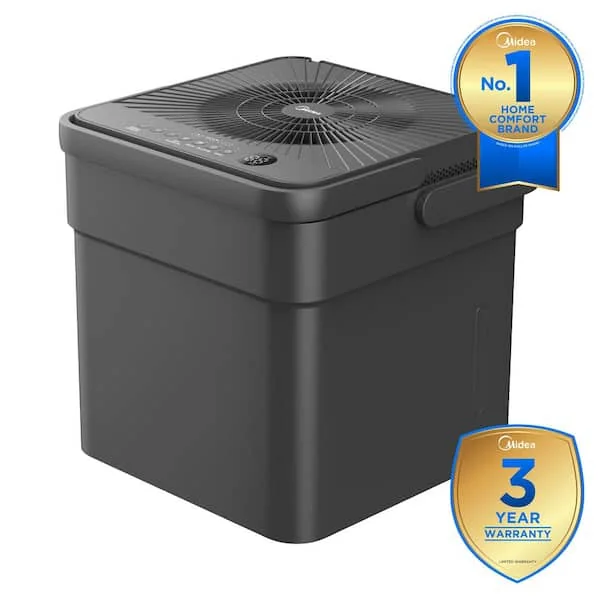
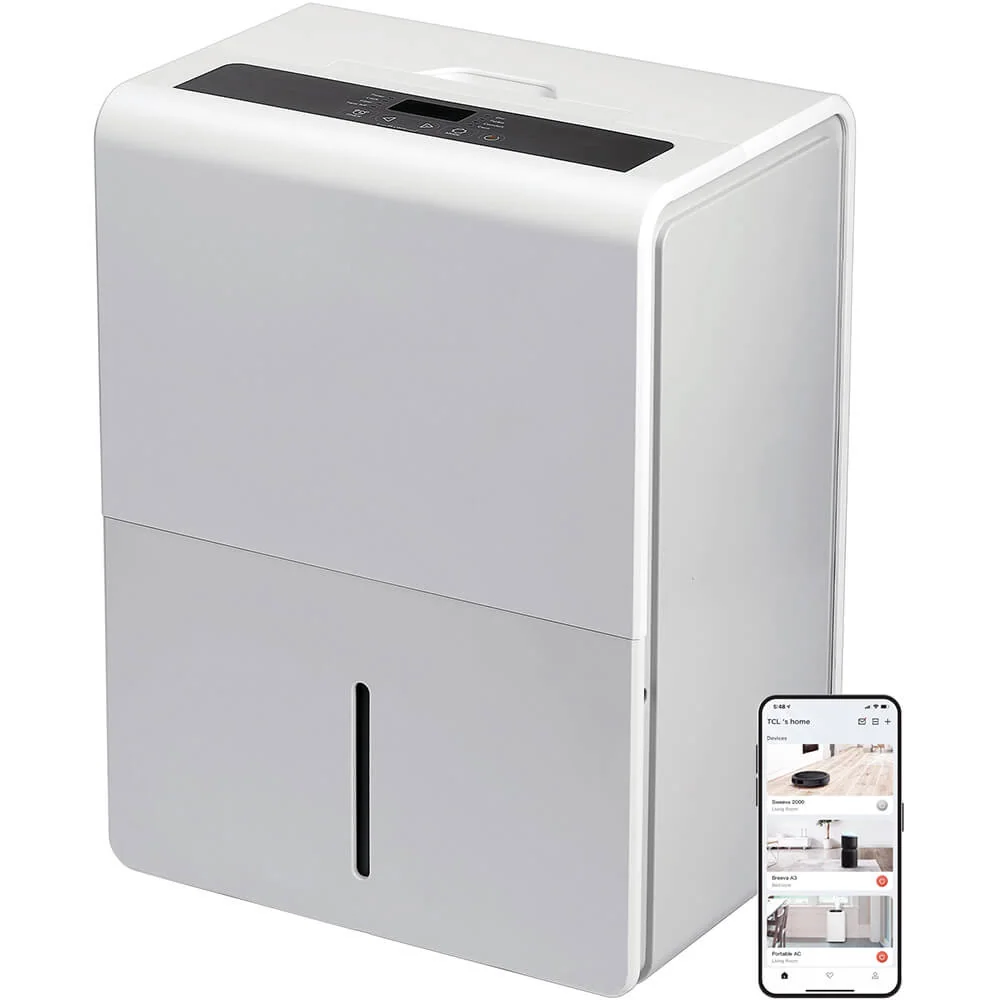
If the Black+Decker 36-pint Dehumidifier isn’t the cleanest fit, these are the models I’d look at next.
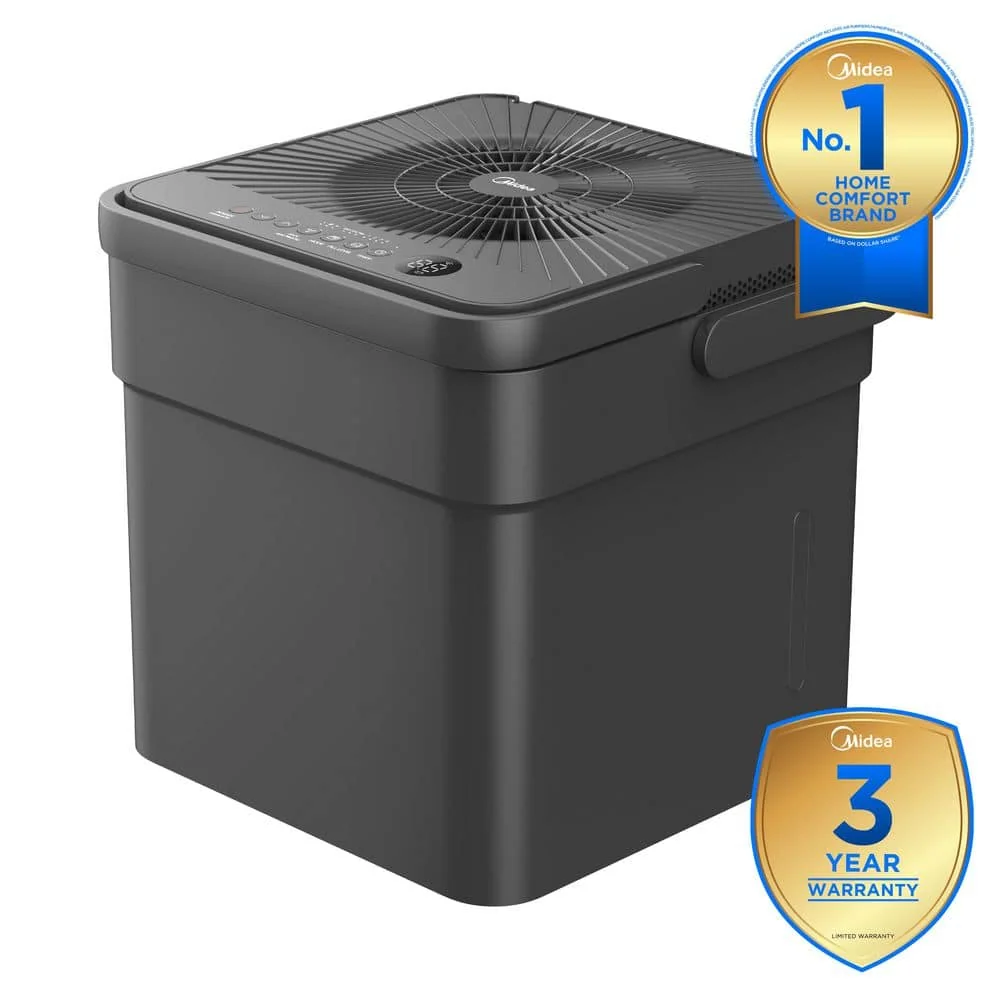
Black+Decker 36-pint Dehumidifier FAQ
Is the Black+Decker 36-pint Dehumidifier big enough for a basement?
For many average basements, a 36-pint class unit is a sensible size. Just know the pint rating is measured under warm, humid conditions, so a cooler basement will usually see lower water removal than the headline number.
What does 36 pints per day actually mean?
It’s a standardized capacity rating that estimates how much water the unit can remove in a day under specific warm, humid conditions. It’s best used to compare models, not to predict exactly how much water you’ll collect in your own room.
Can I run the Black+Decker 36-pint Dehumidifier with a hose to a drain?
Possibly, but you need to confirm the exact drainage setup for the model you’re buying. Gravity drainage requires a continuous downhill hose run to a drain, and if your setup needs water to go upward, you’ll want a model that includes a pump.
Will it work in a cold basement?
Basements that run cool can cause dehumidifier coils to frost, which leads to defrost behavior that pauses moisture removal. That’s why capacity ratings often feel optimistic in chilly spaces.
Do I need a 50-pint dehumidifier instead of a 36-pint model?
If your basement is large, very damp, or you’re trying to control humidity across multiple connected rooms, a 50-pint class unit is often the better match. If your space is more typical and you just want to knock down that clammy feeling, 36 pints can be enough.
Should you buy the Black+Decker 36-pint Dehumidifier?
Buy the Black+Decker 36-pint Dehumidifier if you’re trying to keep a typical damp basement or downstairs area more comfortable and you want a little more capacity than the common 30-pint class. That extra headroom is the whole point of this model, and it’s a practical reason to spend a bit more.
Skip it if your situation demands truly hands-off drainage with an upward run, or if your basement is large and consistently very wet. In those cases, you’ll be happier moving to a well-equipped 50-pint model with the drainage features your space requires.