Pickori
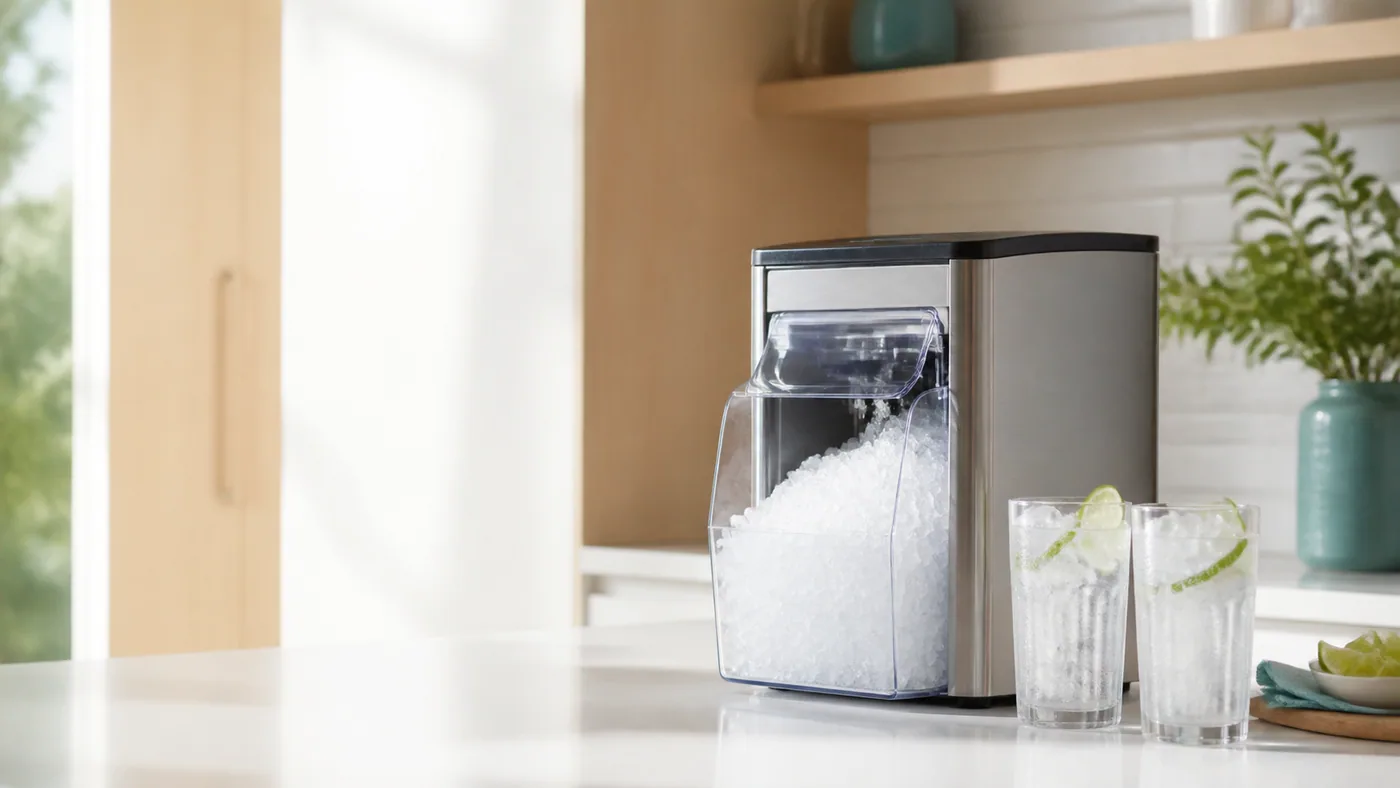
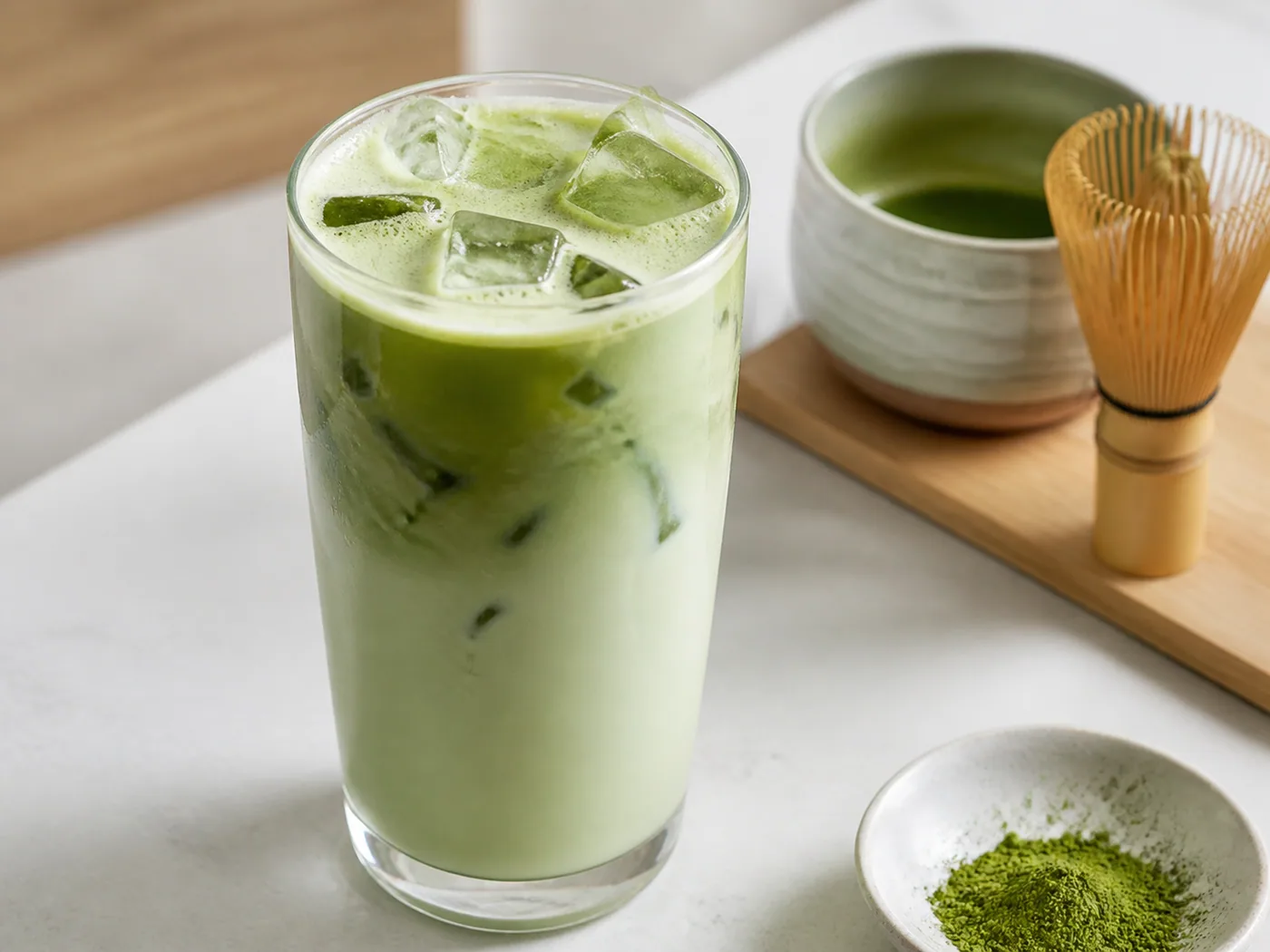
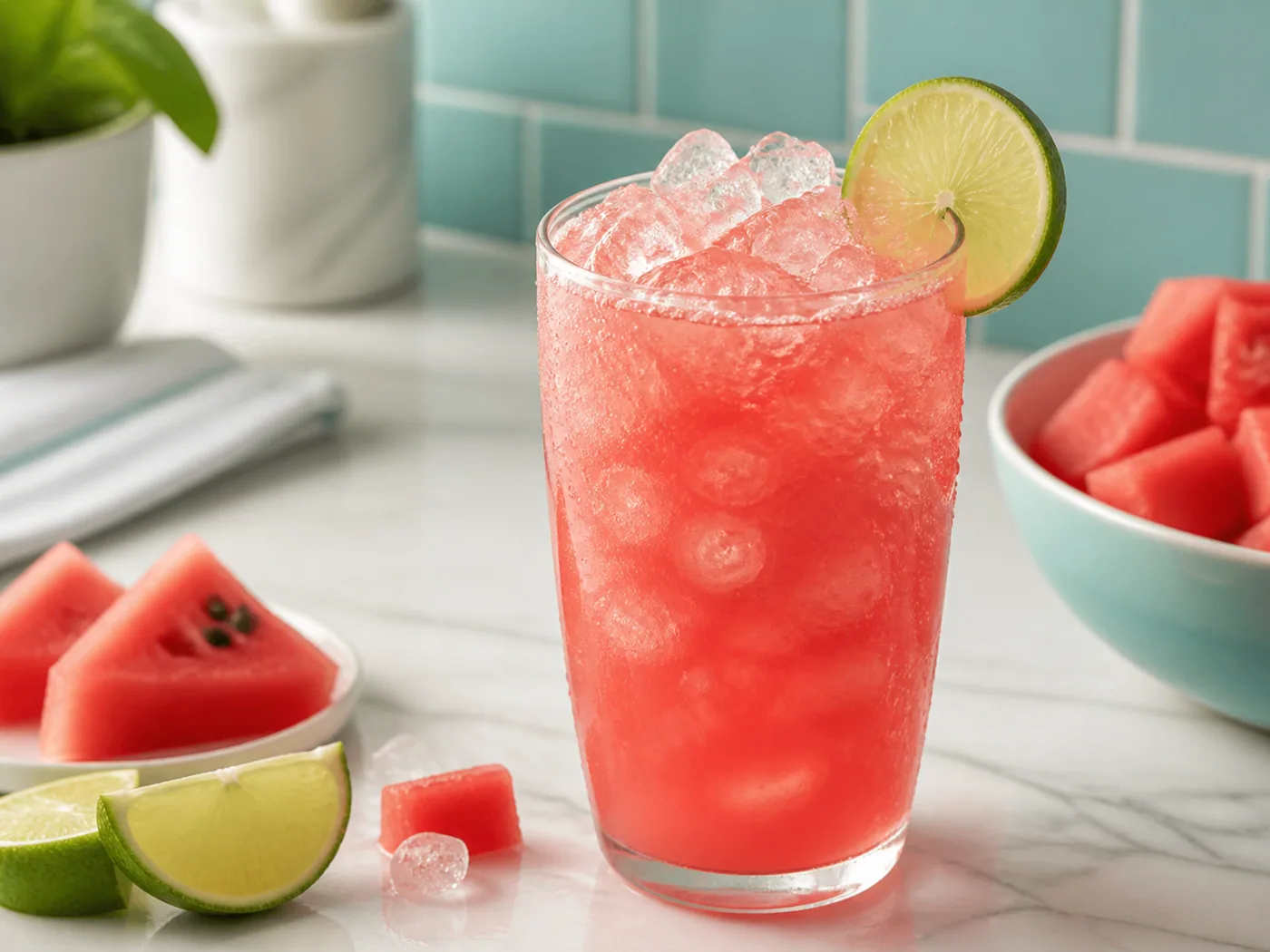
Countertop nugget ice maker beside cold drinks in a bright kitchen

Countertop Ice Maker Research

Countertop Ice Makers

Choose a countertop ice maker by ice style, first-batch speed, daily output, cleaning access, noise, and the counter space it needs. Compare Pickori's buying guides and full reviews, find drink recipes, and learn what cleaning and daily ownership really involve.

Countertop ice makers keep fresh ice coming when the freezer cannot keep up

Countertop ice makers recycle water through a small freezing system and make ice faster than a freezer tray. Most are not freezers, so finished ice slowly melts back into the reservoir unless you move it to a freezer.

Ice texture, first-batch timing, daily output, bin capacity, cleaning access, drainage, noise, and heat around the machine matter more than a large production number. Start with the drink and amount of ice you actually use.

Types of countertop ice makers

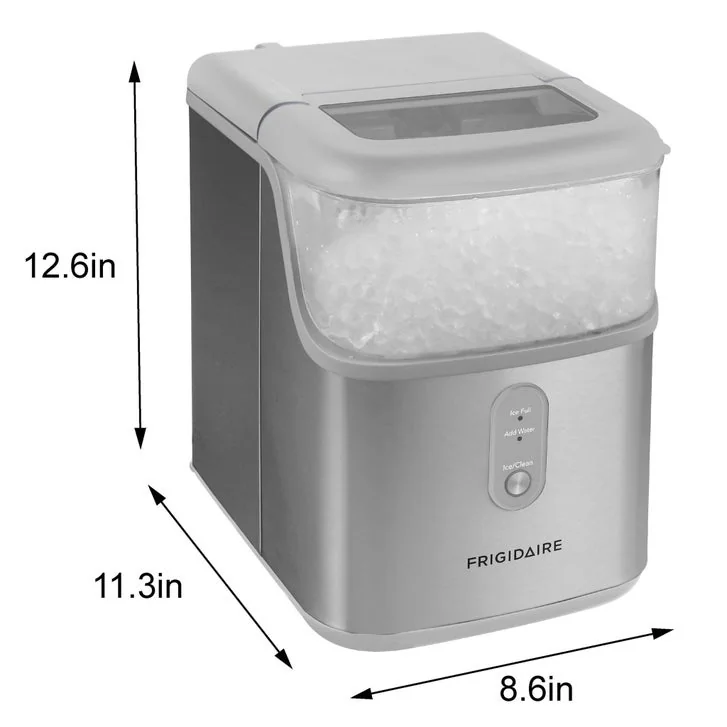
Frigidaire EFIC Series Countertop Ice Maker

Bullet ice makers

Compact machines freeze hollow rounded pieces around chilled prongs.

Best for: Fast batches, modest prices, and everyday drinks.
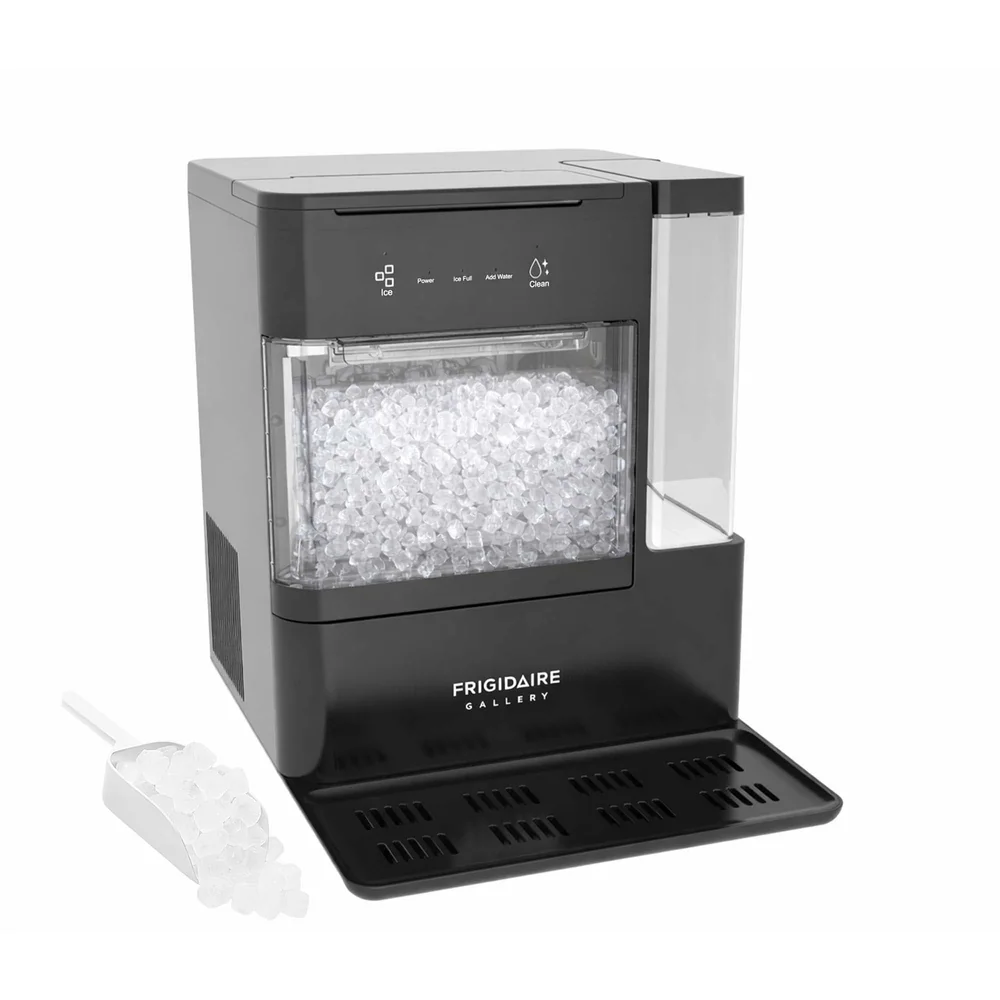
Frigidaire Countertop Nugget Ice Maker

Nugget ice makers

Machines compress flaked ice into chewable pellets.

Best for: Soft restaurant-style ice and shoppers willing to clean a more complex system.
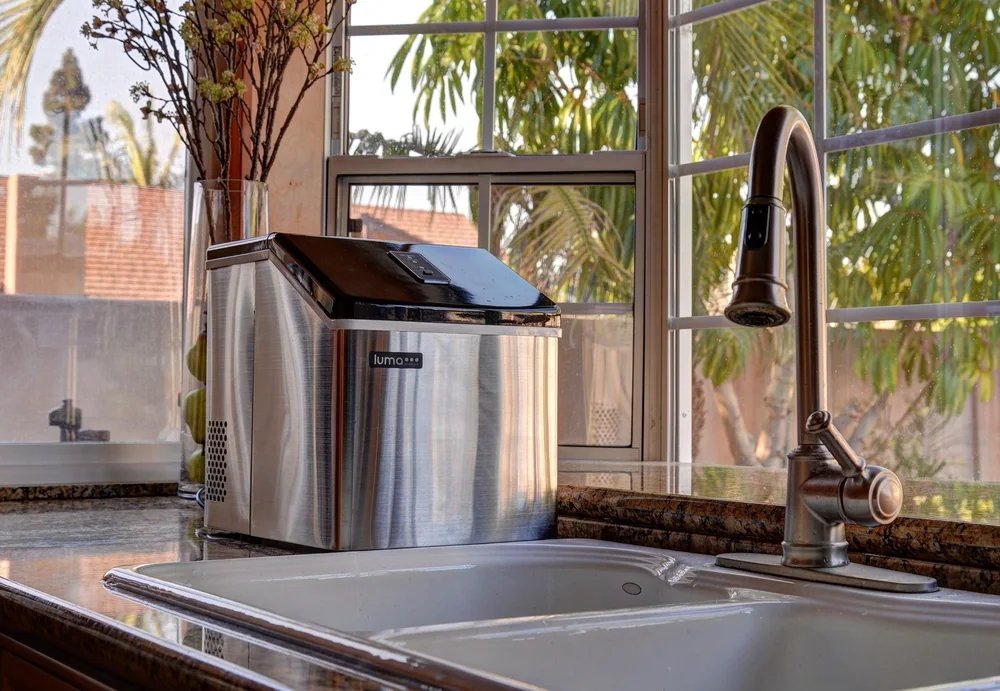
Luma Comfort Clear Ice Maker

Clear ice makers

Slower freezing encourages clearer, denser cubes or sheets.

Best for: Cocktails and presentation where slower melting and appearance matter.
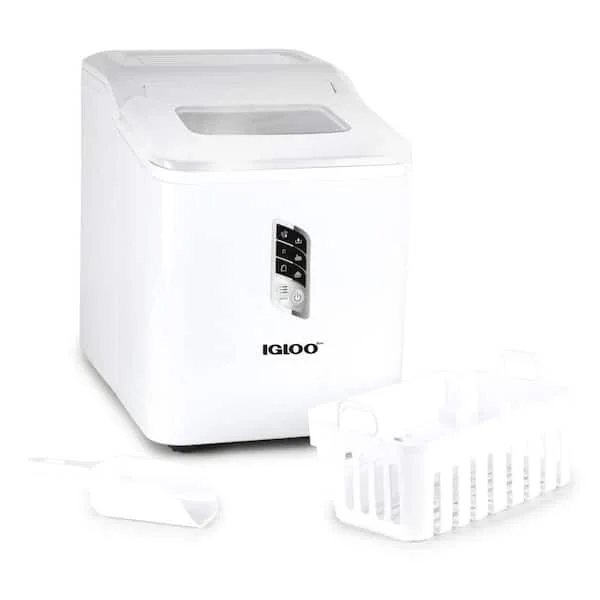
Igloo IGLICEBSC26 Countertop Ice Maker

Plumbed countertop ice makers

A water line can refill the reservoir automatically.

Best for: High-use kitchens where installation and drainage are practical.

Countertop Ice Maker Buying Guides and Comparisons

Product reviews

In-Depth Countertop Ice Makers Reviews

Start with the newest reviews and substantial refreshes, then open the complete directory when you need a specific model.
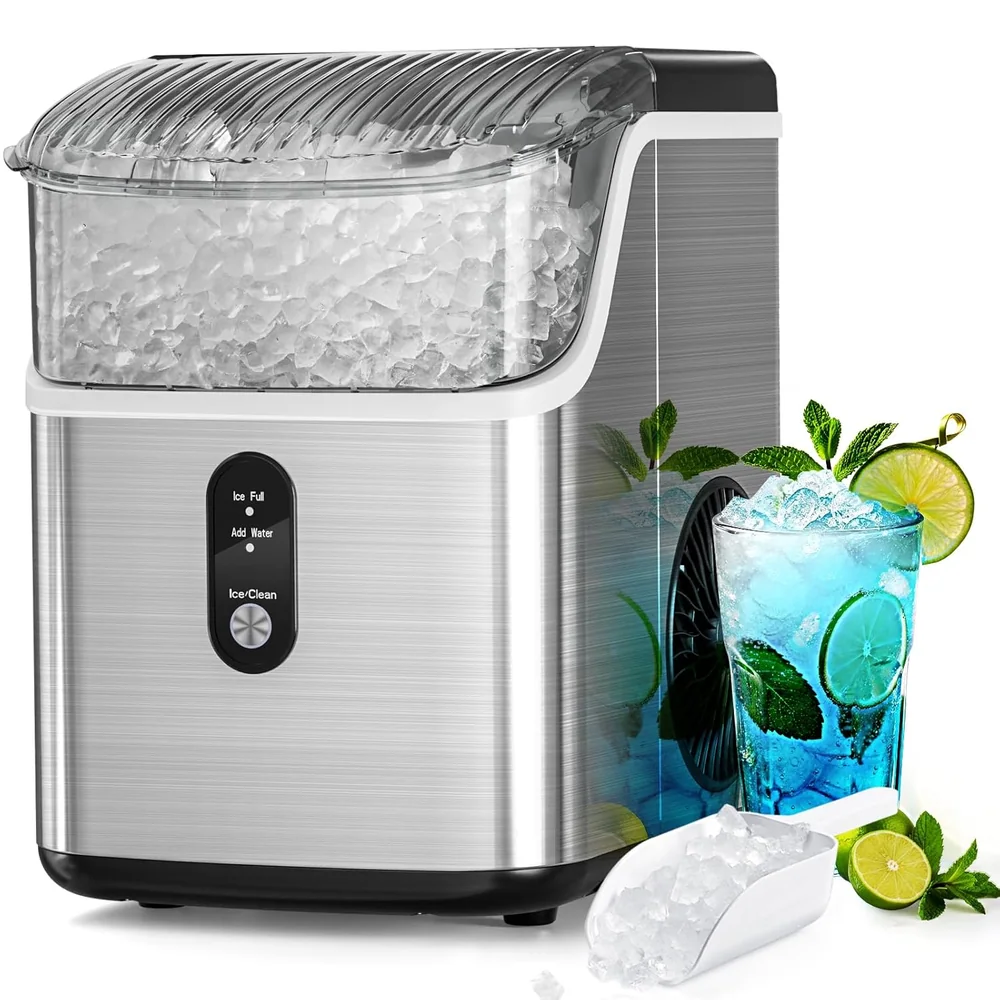
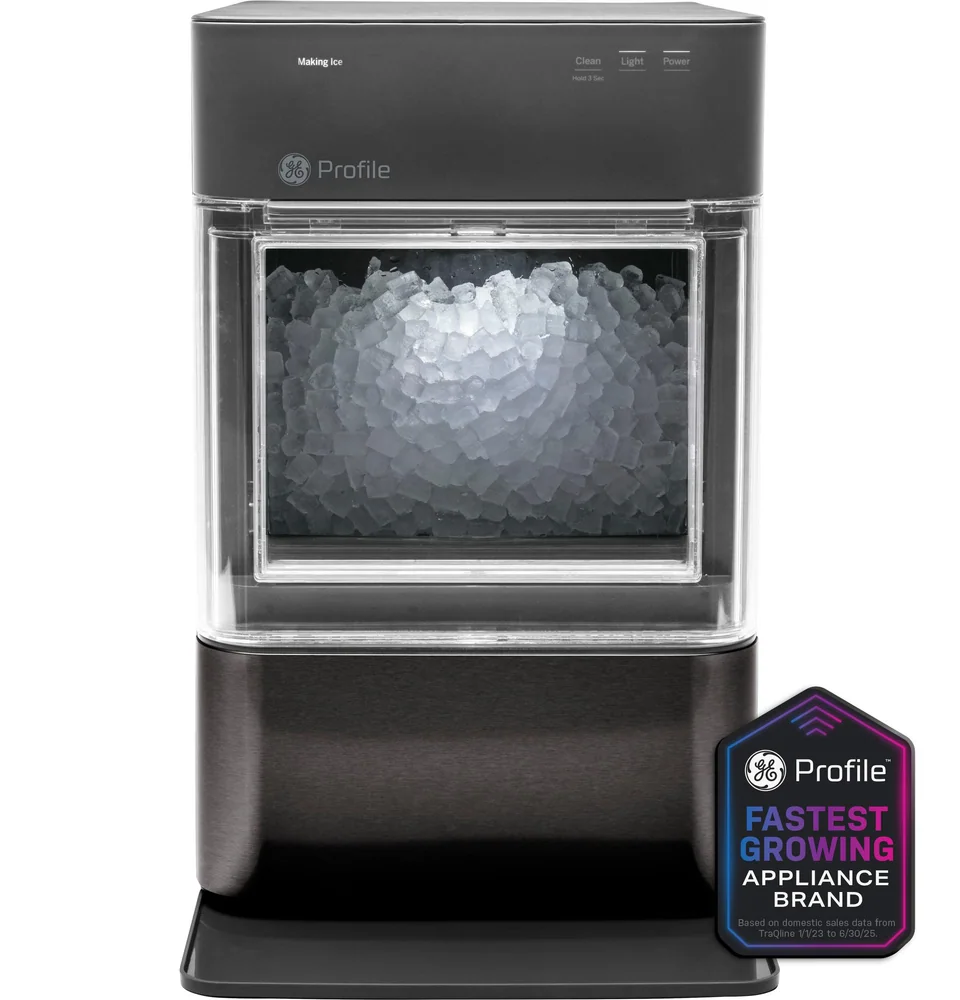
Browse all 26 in-depth countertop ice maker reviewsEvery full product review, organized by brandView complete archive

Antarctic1 review

Countertop2 reviews

Cowsar1 review

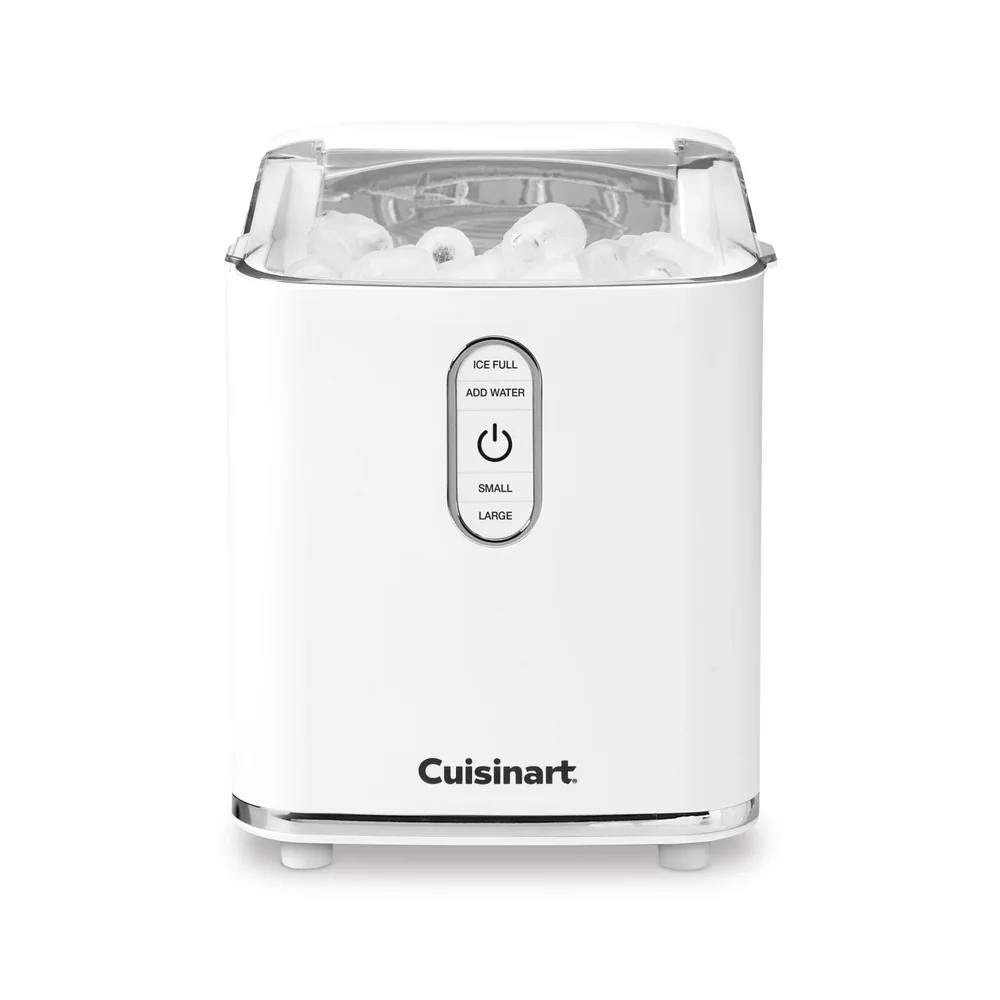
Cuisinart1 review

Ecozy1 review

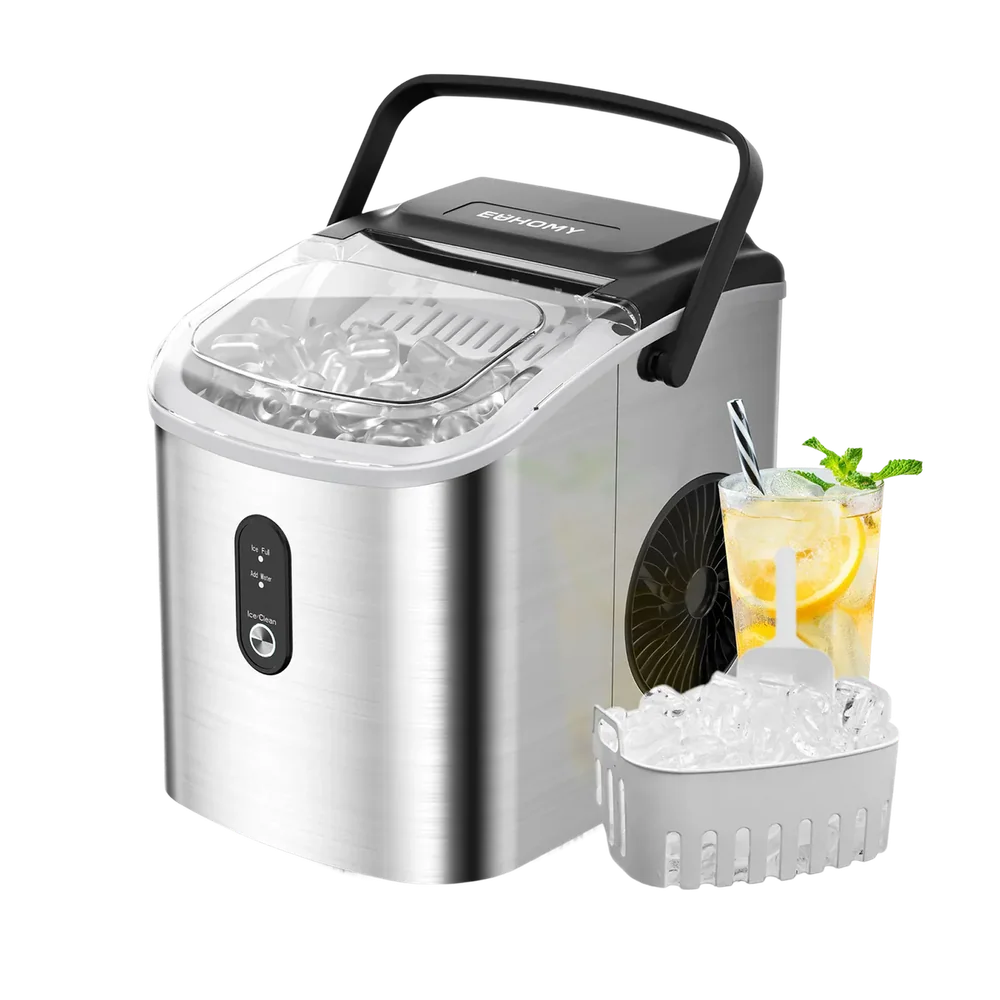
Euhomy2 reviews

EUHOMY1 review

FirstBuild1 review

Frigidaire5 reviews

GE1 review

Gevi1 review

GoveeLife1 review

Igloo2 reviews

Kismile1 review

Luma2 reviews

Magic1 review

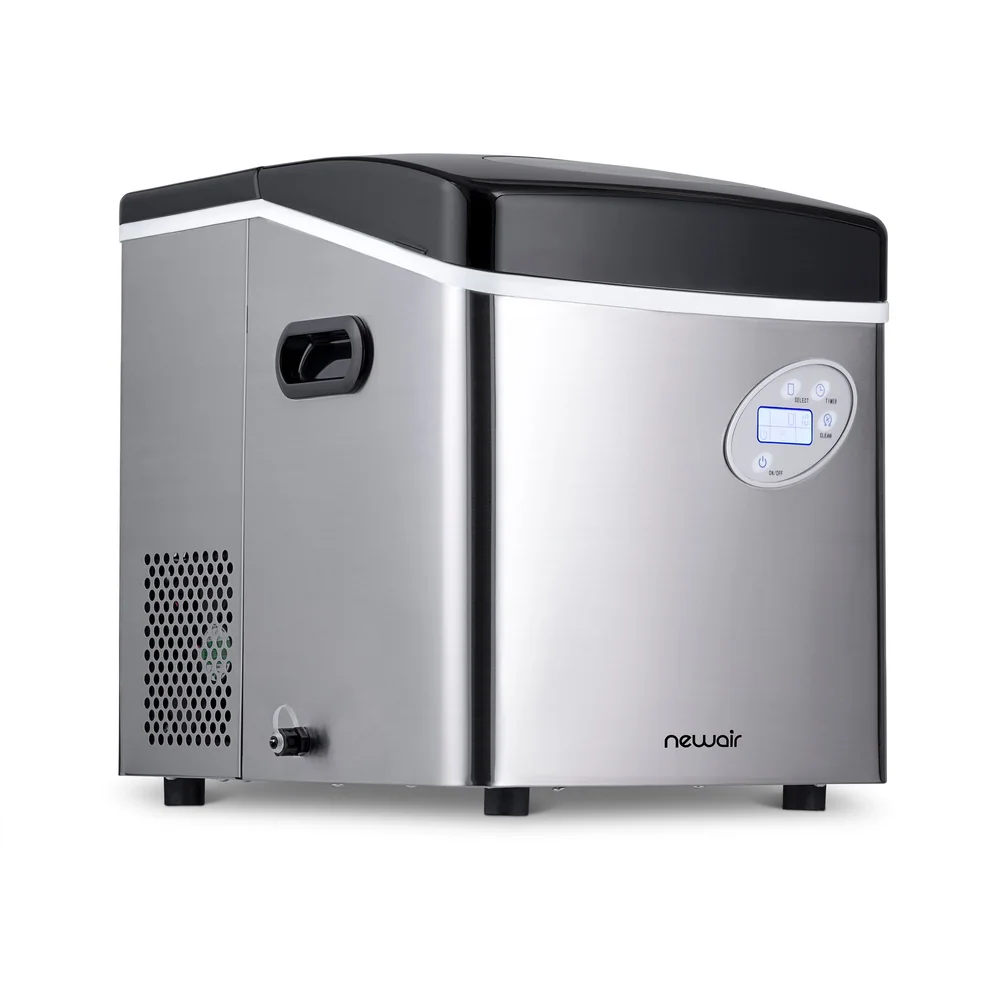
NewAir1 review

Silonn1 review

Recipes and serving ideas

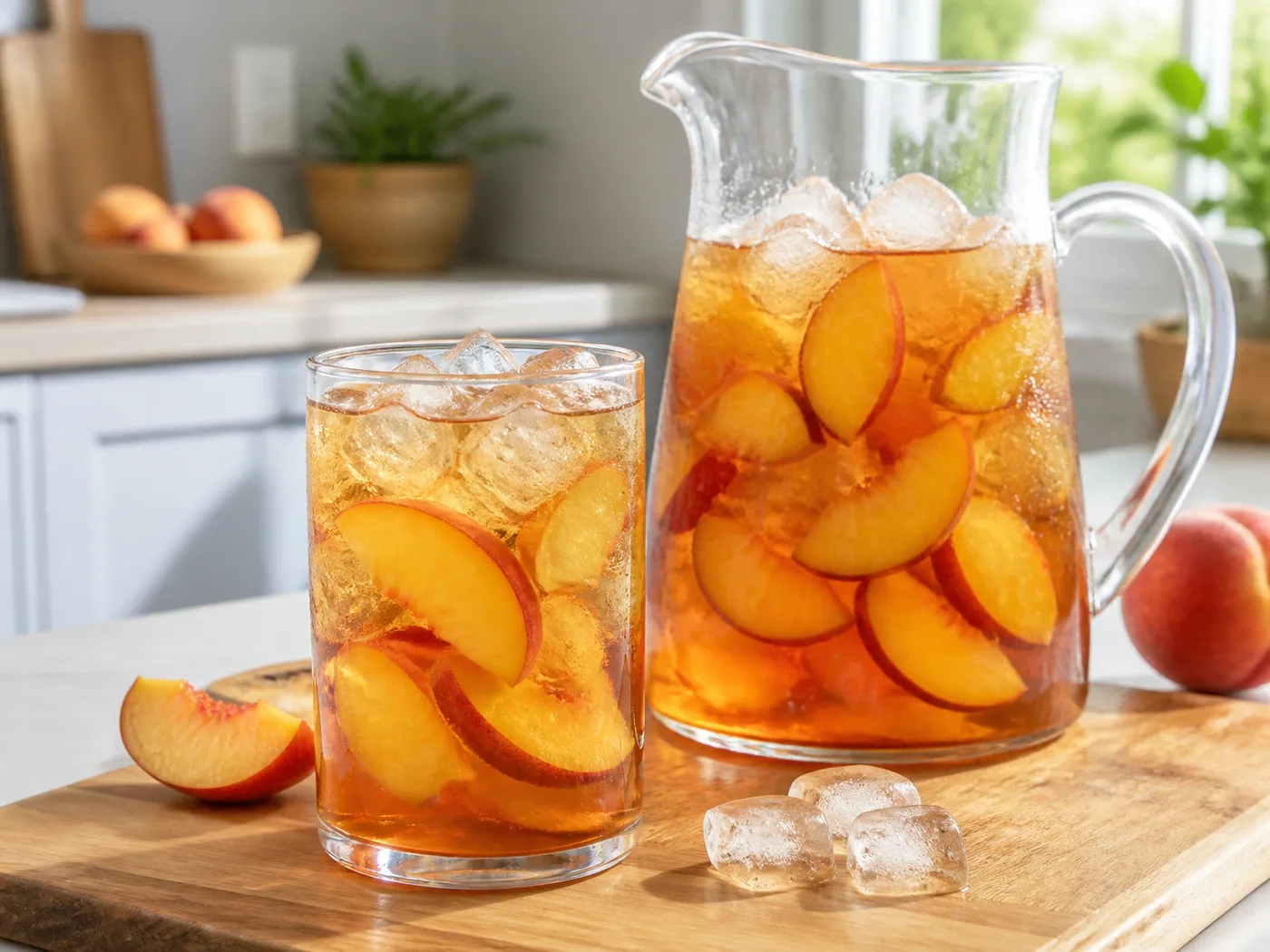
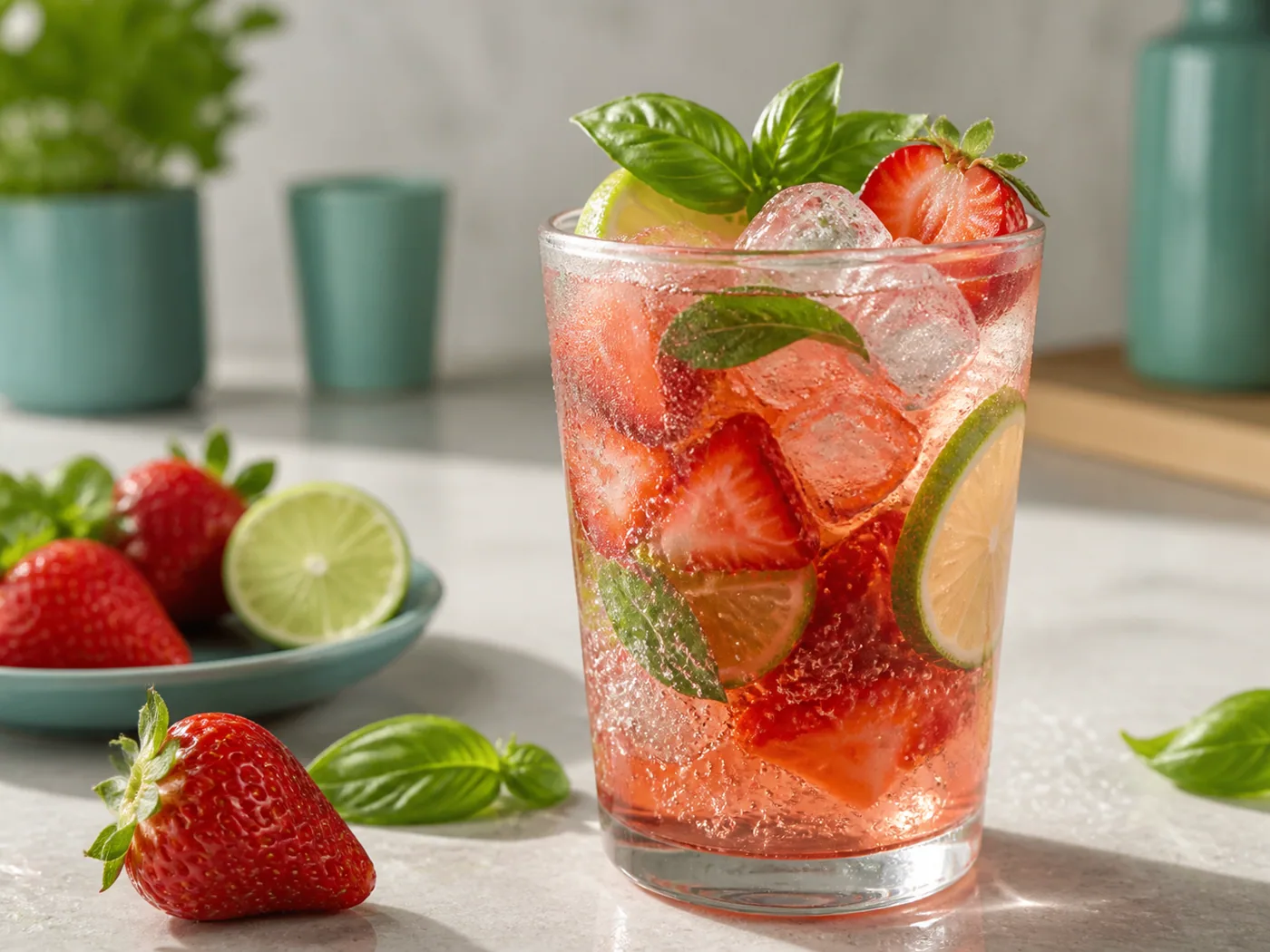
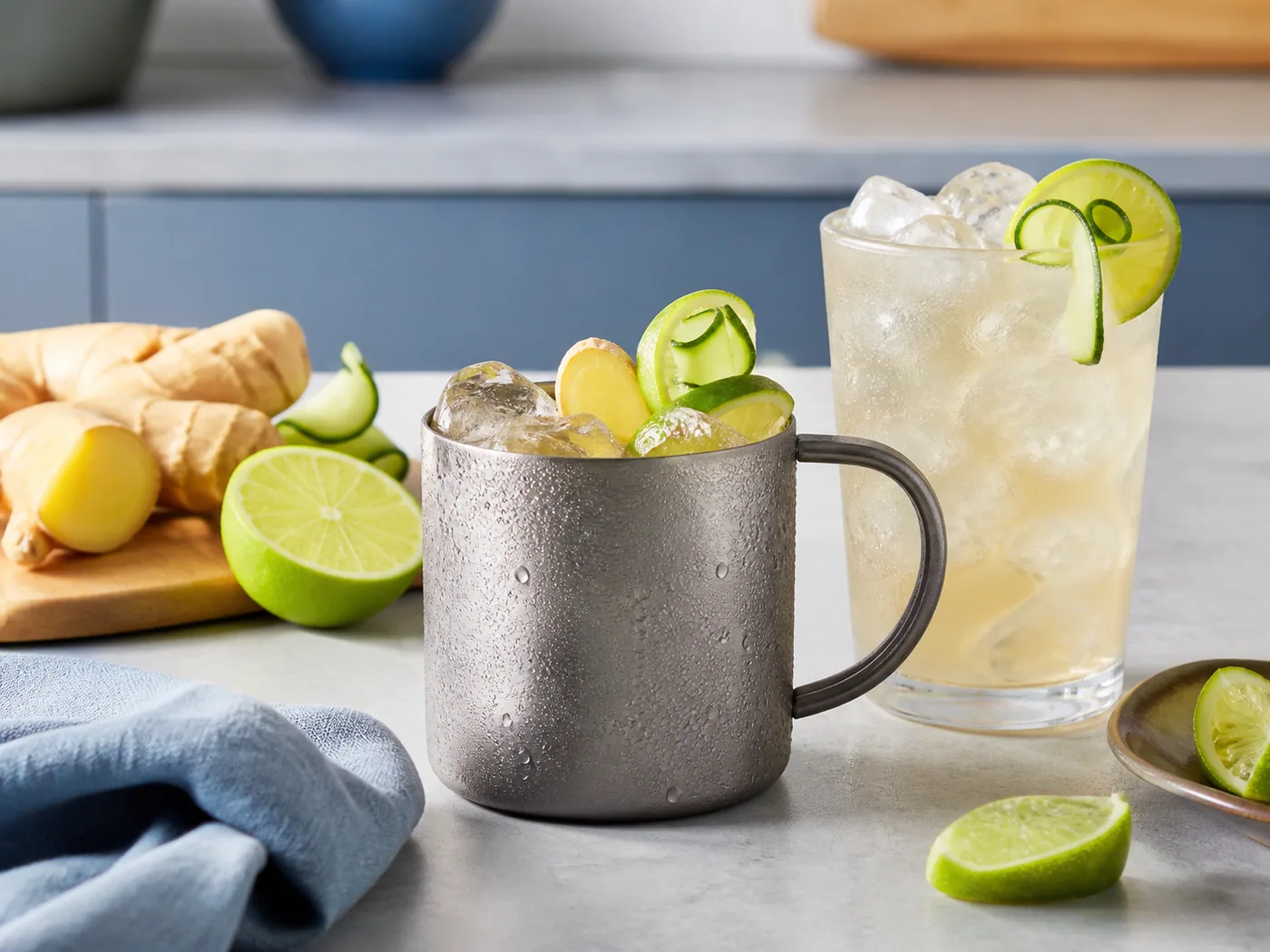
Cold drinks that make fresh ice worth the counter space

These recipes show why ice texture, dilution, chilling speed, and serving size change the drink.

Learn the Category

Understand Countertop Ice Makers Before You Buy

Plain-English guides to sizing, features, setup, maintenance, and the category questions that change the decision.
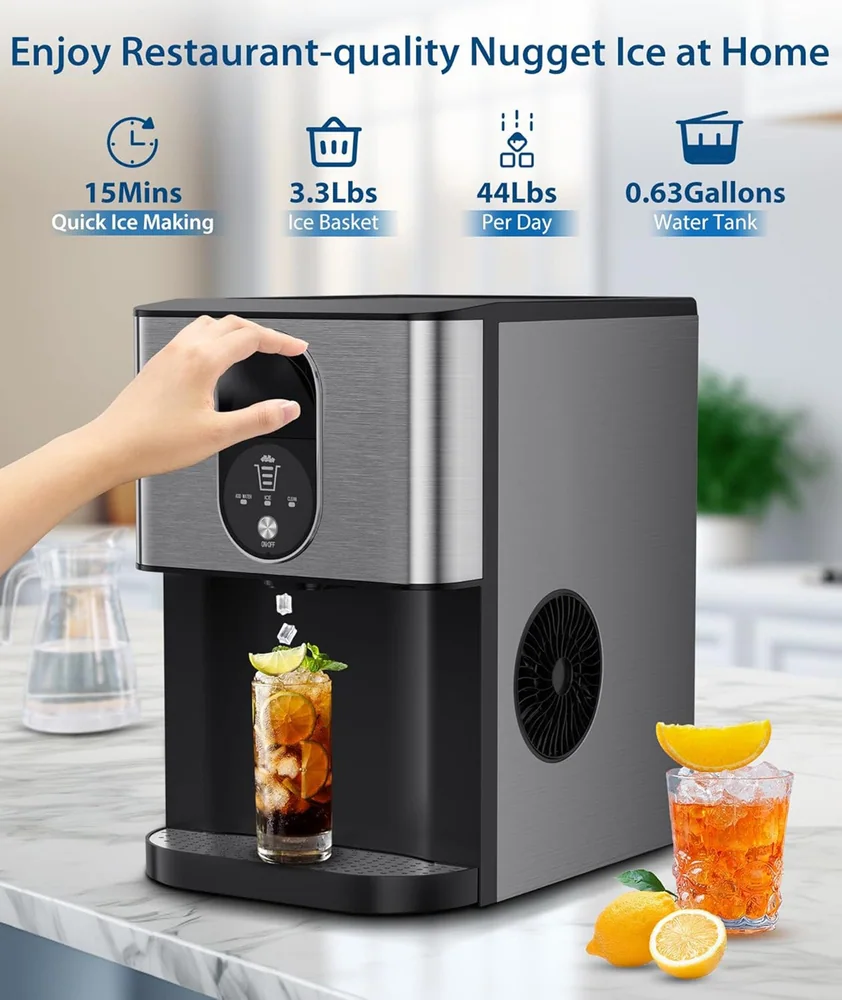
Frigidaire Countertop Nugget Ice Maker
Category guide What It Is Like to Own a Nugget Ice Maker Nugget ice makers deliver soft, chewable pellets fast, but they ask more of you in cleaning, space, and day-to-day habits than simpler bullet ice machines. Read the guide →
Cowsar Nugget Ice Maker
Category guide Why Countertop Ice Makers Do Not Keep Ice Frozen Most countertop ice makers are ice producers, not freezers, so the bin is insulated but not actively refrigerated and the ice will slowly melt back into the reservoir. Read the guide →
Cowsar Nugget Ice Maker
Category guide Countertop Ice Types Explained Pick the ice texture you actually like in a drink, then choose the machine style that can make it without creating cleaning or storage headaches. Read the guide →
Frigidaire Countertop Nugget Ice Maker
Category guide Daily Ice Output vs. Bin Capacity Daily output is a continuous-production estimate, while bin capacity is what the machine can hold before you must remove ice or it starts melting back. Read the guide →
Cowsar Nugget Ice Maker
Category guide What First-Batch Time Really Tells You First-batch time predicts how quickly you will get ice for one or two drinks, but it does not guarantee fast production all day. Read the guide →
Frigidaire Countertop Nugget Ice Maker
Category guide How to Clean and Descale a Countertop Ice Maker Learn what "self-clean" really does, how to descale mineral buildup, and how to dry and store a countertop ice maker so the next batch tastes fresh. Read the guide →
Frigidaire Countertop Nugget Ice Maker
Category guide Countertop Ice Maker Drainage Options Understand how countertop ice makers hold and release water, and choose a drain setup that fits your counter space, sink access, and storage habits. Read the guide →
Cowsar Nugget Ice Maker
Category guide What Water Should You Use in a Countertop Ice Maker? Choose water that balances taste and low scale buildup, so your countertop ice maker stays cleaner and your ice tastes the way your drinks should. Read the guide →
Frigidaire Countertop Nugget Ice Maker
Category guide Countertop Ice Maker Noise and Heat Explained Understanding where the noise and heat come from helps you place a countertop ice maker so it runs faster, sounds quieter, and causes fewer day-to-day annoyances. Read the guide →
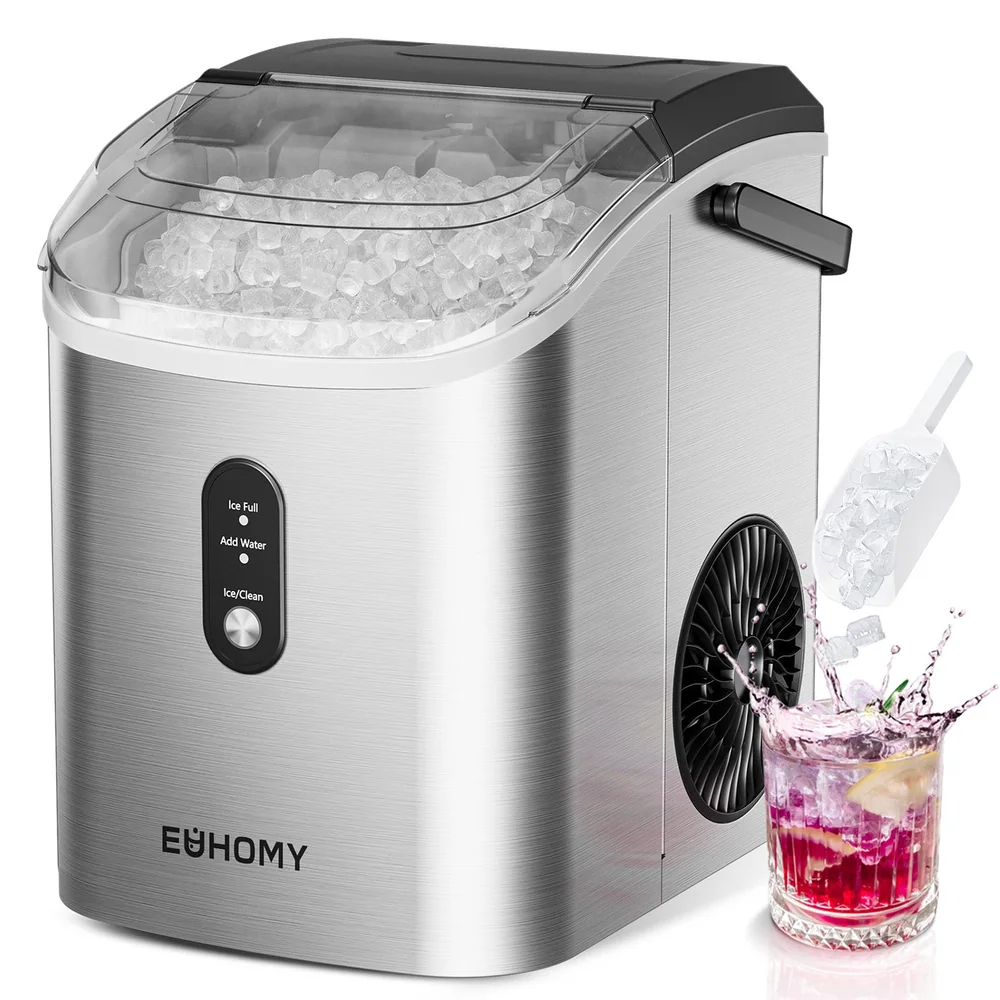
Euhomy Countertop Nugget Ice Maker
Category guide Choosing a Countertop Ice Maker for an RV In an RV, the right countertop ice maker is the one that fits your power, ventilation, and water setup without turning travel days into leak days. Read the guide →

Category Knowledge

How Countertop Ice Makers Work

The technical details below explain why products behave differently and which differences shoppers are likely to notice.

Category knowledge

Countertop Ice Types Explained

Pick the ice texture you actually like in a drink, then choose the machine style that can make it without creating cleaning or storage headaches.

Countertop ice makers are fast because they freeze small amounts of water over and over, then drop the ice into a basket. Most baskets are insulated, not actively refrigerated, so the ice slowly melts and returns to the water reservoir unless you move it to a freezer. The biggest decision is not how many pounds per day a box claims. It is what kind of ice you want and what that choice means for melt rate, chew, noise, heat, and cleaning. Bullet, nugget, and clear ice all behave differently in a glass, and the machines that make them have different complexity and upkeep.

Bullet ice is the common "hollow rounded" ice made by freezing water around chilled metal prongs, then releasing the pieces into the bin. Because each piece is relatively thin and often hollow, it chills drinks quickly but can melt faster than dense cubes. That is great for soda, iced tea, and casual cocktails where you want quick cooling and you are not trying to preserve a carefully balanced drink for a long time. Bullet machines are usually the simplest countertop style. That typically means faster first batches, fewer moving parts, and easier wipe-down access to the bin and reservoir. The tradeoff is texture. Bullet ice is not meant to be chewable like nugget ice, and it is not meant to be crystal clear. If you mainly want "ice on demand" for daily drinks, bullet is often the most straightforward ownership experience.

Nugget ice is made by producing soft flaked ice and compressing it into small pellets. The result is the chewable, restaurant-style texture many people love for iced coffee, soft drinks, and water bottles. Nugget ice also packs tightly around a straw and cools quickly, which is why it feels so satisfying in a drink. The machine is usually more complex because it has to make flakes, move them, and compress them. More complexity means more places for mineral film and residue to build up. If you have hard water, plan on regular descaling (removing mineral buildup) and more frequent cleaning than you might expect from a "self-cleaning" button. Nugget owners tend to be happiest when they have an easy routine: drain, wipe, run a cleaning cycle, and let parts dry so the system does not stay damp.

What this means when shopping: Nugget ice is made by producing soft flaked ice and compressing it into small pellets. The result is the chewable, restaurant-style texture many people love for iced coffee, soft drinks, and water bottles. Nugget ice also packs tightly around a straw and cools quickly, which is why it feels so satisfying in a drink. The machine is usually more complex because it has to make flakes, move them, and compress them. More complexity means more places for mineral film and residue to build up. If you have hard water, plan on regular descaling (removing mineral buildup) and more frequent cleaning than you might expect from a "self-cleaning" button. Nugget owners tend to be happiest when they have an easy routine: drain, wipe, run a cleaning cycle, and let parts dry so the system does not stay damp.

Category knowledge

Daily Ice Output vs. Bin Capacity

Daily output is a continuous-production estimate, while bin capacity is what the machine can hold before you must remove ice or it starts melting back.

"Makes X pounds per day" sounds like the machine will store that much ice. In reality, most countertop ice makers can only hold a small fraction of their daily output at one time. They make ice in cycles, drop it into a basket, and keep cycling only if there is room and the ice is being removed. Bin capacity is the day-to-day limiter because most bins are insulated, not refrigerated. Ice sitting in the basket slowly melts, and that meltwater returns to the reservoir to be refrozen. That is normal operation, but it means your real-world supply depends on how often you scoop ice out, how warm the room is, and whether you are transferring ice to a freezer.

Daily output is usually based on ideal conditions: moderate room temperature, cool incoming water, and continuous cycling with the ice removed as it is made. The machine is not producing one big batch. It is producing many small batches, and it needs you to keep the bin from filling up. Once the bin is full, many machines pause until you remove ice. This is why two machines with the same "pounds per day" claim can feel very different at home. If one has a small bin or melts faster in a warm kitchen, you will be emptying it constantly to keep production going. If you only need ice occasionally, a high daily output number does not help much. A reasonable first-batch time and a bin that is easy to scoop from often matter more.

Bin capacity is the amount of ice the basket can physically hold, not the amount it can keep frozen. Because the bin is typically not a freezer, ice in the basket is always on a timer. The warmer the room and the more often the lid is opened, the faster the ice softens and melts. That meltwater is not "wasted," but it does mean the bin is not a stash for later. A small bin can still work well if you treat the machine like an ice factory. Scoop finished ice into a freezer container or bag, then let the machine keep making more. If you want a countertop unit to behave like a freezer bin, you will be disappointed. For parties, the best plan is often to pre-make ice and store it, then use the machine to top off during the event.

What this means when shopping: Bin capacity is the amount of ice the basket can physically hold, not the amount it can keep frozen. Because the bin is typically not a freezer, ice in the basket is always on a timer. The warmer the room and the more often the lid is opened, the faster the ice softens and melts. That meltwater is not "wasted," but it does mean the bin is not a stash for later. A small bin can still work well if you treat the machine like an ice factory. Scoop finished ice into a freezer container or bag, then let the machine keep making more. If you want a countertop unit to behave like a freezer bin, you will be disappointed. For parties, the best plan is often to pre-make ice and store it, then use the machine to top off during the event.

Category knowledge

What First-Batch Time Really Tells You

First-batch time predicts how quickly you will get ice for one or two drinks, but it does not guarantee fast production all day.

First-batch time is the wait from turning the machine on to the first drop of ice into the bin. It is a useful number because it matches how many people actually use a countertop ice maker: you want ice soon, not hours later like a freezer tray. But first-batch time is only one part of the story. After the first batch, the machine settles into repeating cycles, and those cycles depend on water temperature, room temperature, ventilation, and whether the bin is full. A machine can have a quick first batch and still struggle to keep up at a party if the bin is small, the room is warm, or the ice is not being removed regularly.

First-batch time is often faster than you expect because the machine is starting with an empty system and a small amount of water. Once it begins cycling, it has to manage heat continuously. Heat is the enemy of ice making. The machine must pull heat out of the water and dump that heat into the surrounding air. If the kitchen is warm or the machine is cramped, later cycles can slow down. Also, the first batch is not always the "best" batch. Early ice can be smaller or wetter while the system stabilizes. If you are buying for occasional use, a fast first batch is a real convenience. If you are buying for sustained use, pay attention to how the machine behaves after the first bin fill, not just the first drop.

Incoming water temperature has a direct effect on speed. Colder water freezes faster because the machine has less heat to remove. If you fill the reservoir with warm tap water, you are asking the machine to do extra work before it can even start forming ice. Using cool water can shorten the wait and improve consistency, especially in summer. Water quality matters too. Hard water (water with lots of dissolved minerals) can leave scale, a chalky mineral buildup that coats internal surfaces and reduces efficiency. Over time, scale can lengthen cycle times and change how ice releases. If your area has hard water, plan on descaling regularly and consider using filtered water for better taste and less buildup. The payoff is steadier production and fewer weird slowdowns.

What this means when shopping: Incoming water temperature has a direct effect on speed. Colder water freezes faster because the machine has less heat to remove. If you fill the reservoir with warm tap water, you are asking the machine to do extra work before it can even start forming ice. Using cool water can shorten the wait and improve consistency, especially in summer. Water quality matters too. Hard water (water with lots of dissolved minerals) can leave scale, a chalky mineral buildup that coats internal surfaces and reduces efficiency. Over time, scale can lengthen cycle times and change how ice releases. If your area has hard water, plan on descaling regularly and consider using filtered water for better taste and less buildup. The payoff is steadier production and fewer weird slowdowns.

Category knowledge

How to Clean and Descale a Countertop Ice Maker

Learn what "self-clean" really does, how to descale mineral buildup, and how to dry and store a countertop ice maker so the next batch tastes fresh.

Countertop ice makers move water through a small reservoir, pump, and freezing surface. That wet, closed loop is exactly why cleaning matters. Even if your ice looks fine, minerals from water can leave scale (a hard chalky buildup), and warm, damp surfaces can hold odors and residue. A quick rinse cycle helps, but it does not scrub the places that actually collect film. A good routine has two parts: cleaning (removing residue and slime) and descaling (dissolving mineral scale). How often you need each depends on your water and how often you run the machine. If you notice cloudy ice, slower production, odd taste, or white crust in the reservoir, you are overdue. Always start with the manufacturer's instructions for your specific machine, then use the practical steps below to make the process easier and more consistent.

Many countertop ice makers have a "self-clean" or "clean" button. In most machines, this is a timed circulation rinse: the pump moves water (sometimes warmed) through internal passages and back into the reservoir. That helps flush loose debris and refresh the water path, especially after the machine has been sitting. It is useful as a between-deep-cleans step, and it can help you drain the system more completely before storage.

What it usually does not do is remove mineral scale that has hardened onto surfaces, or physically wipe the bin, scoop, lid, and corners where residue collects. It also does not sanitize surfaces you can touch and see. If your machine has a removable basket, reservoir access, or a drain plug, you still need to empty, wipe, and periodically descale. Treat "self-clean" as a rinse cycle, not a full reset.

Start by turning the machine off and unplugging it. Remove ice, then drain the reservoir using the drain plug or drain hose if your unit has one. Take out removable parts like the ice basket and scoop. Wash those parts with mild dish soap and warm water, then rinse well so no soap taste carries into the next batch. Wipe the bin and reservoir with a soft cloth or sponge. Avoid abrasive pads that can scratch plastic and create places for residue to cling.

After wiping, run a plain-water rinse through the machine. If your unit has a clean cycle, use it with fresh water, then drain again. Refill and repeat until the water drains clear and odor-free. Finally, dry what you can reach. Leaving the lid open for a while helps moisture evaporate, which reduces stale smells. If you store the machine, store it dry with the lid cracked open so trapped humidity does not turn into odor.

What this means when shopping: After wiping, run a plain-water rinse through the machine. If your unit has a clean cycle, use it with fresh water, then drain again. Refill and repeat until the water drains clear and odor-free. Finally, dry what you can reach. Leaving the lid open for a while helps moisture evaporate, which reduces stale smells. If you store the machine, store it dry with the lid cracked open so trapped humidity does not turn into odor.

Specs That Matter When Choosing Countertop Ice Makers

These are the measurements and ownership details that change which countertop ice makers make sense.

Ice type and texture

Bullet, nugget, cube, and clear ice melt and feel different in a drink.

Why it matters: The right texture matters more than raw output if you are buying the machine for a specific drink.

First batch and daily output

First batch is the initial wait; daily output assumes the machine keeps cycling and ice is removed.

Why it matters: A fast first batch helps occasional use, while sustained output matters for gatherings.

Bin capacity

The bin holds only part of a machine's claimed daily production.

Why it matters: Small bins require frequent emptying, and most bins do not keep ice frozen.

Cleaning and drainage

Reservoirs, water lines, internal passages, and drains collect mineral film and residue.

Why it matters: Accessible cleaning and a practical drain determine whether the ice stays fresh and the machine lasts.

Claims that need context

Makes many pounds per day: Daily output assumes continuous cycling and regular bin emptying, not one full stored batch.

Self-cleaning: A rinse cycle does not replace descaling, wiping accessible surfaces, and following sanitation instructions.

Keeps ice ready: Most countertop bins are insulated, not refrigerated freezers, so ice eventually melts.

Brands in the Category

Countertop Ice Maker Brands Explained

Use the brand overview as a starting point, then open the linked product reviews for the model-specific decision.

Frigidaire Countertop Nugget Ice Maker
Brand guide

Frigidaire

Frigidaire Countertop Nugget Ice Maker com fits shoppers who want nugget ice with minimal fuss and a more polished day-to-day experience than most budget machines.
What to know: 5 Frigidaire models appear across the current guides and reviews.

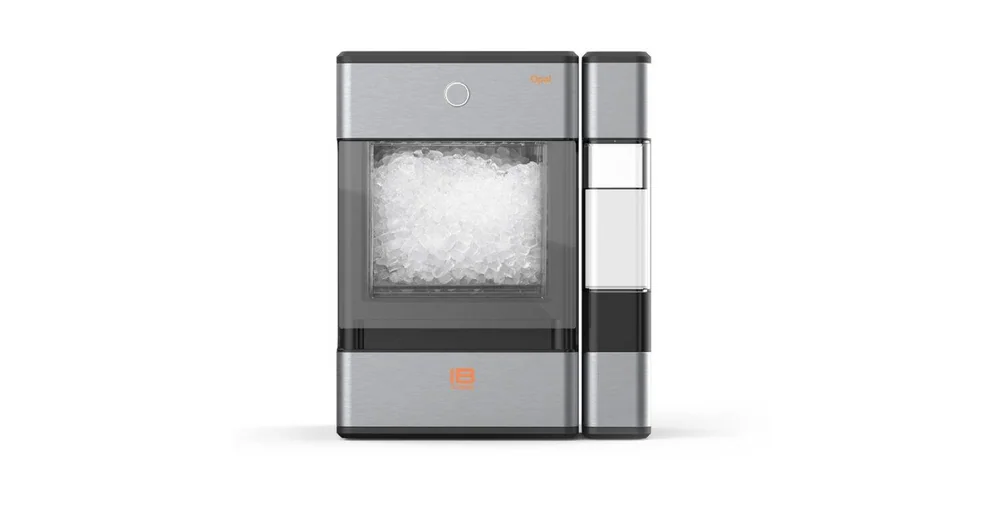
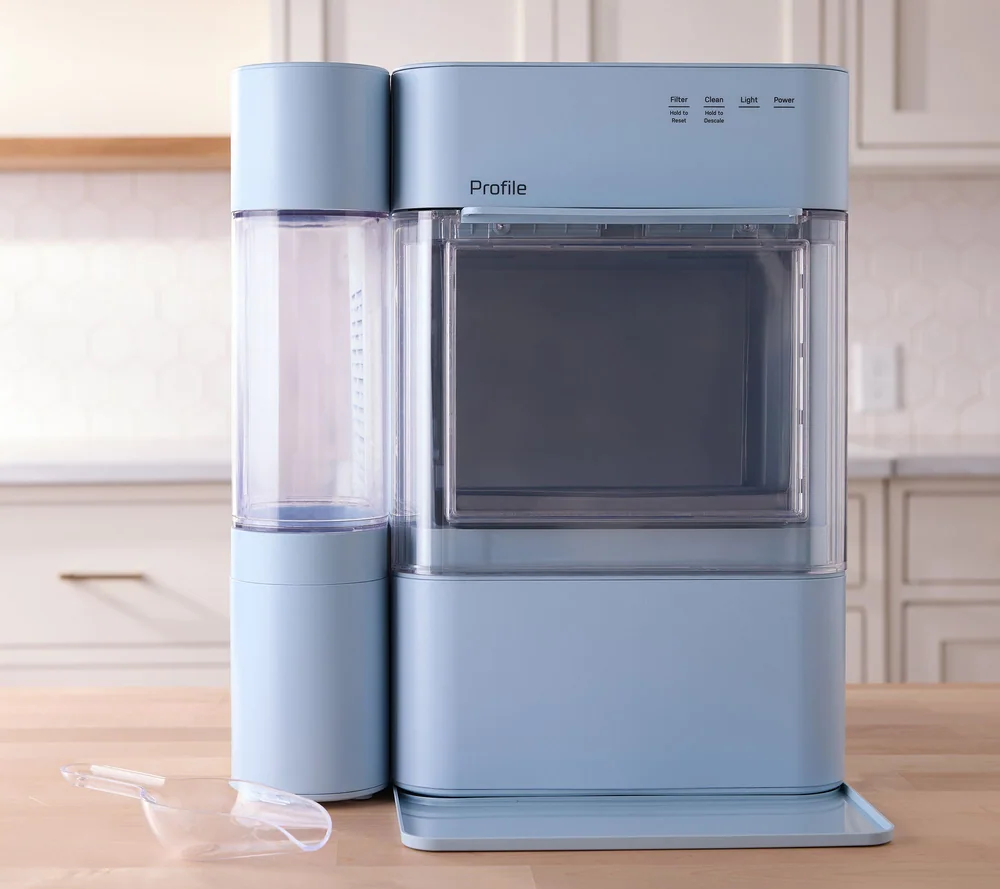
GE Profile Opal 2.0 XL Nugget Ice Maker
Brand guide

GE

GE Profile Opal 2.0 XL Nugget Ice Maker is the clear buy for people who specifically want great nugget ice and plan to make it often.
What to know: 1 GE model appears across the current guides and reviews.

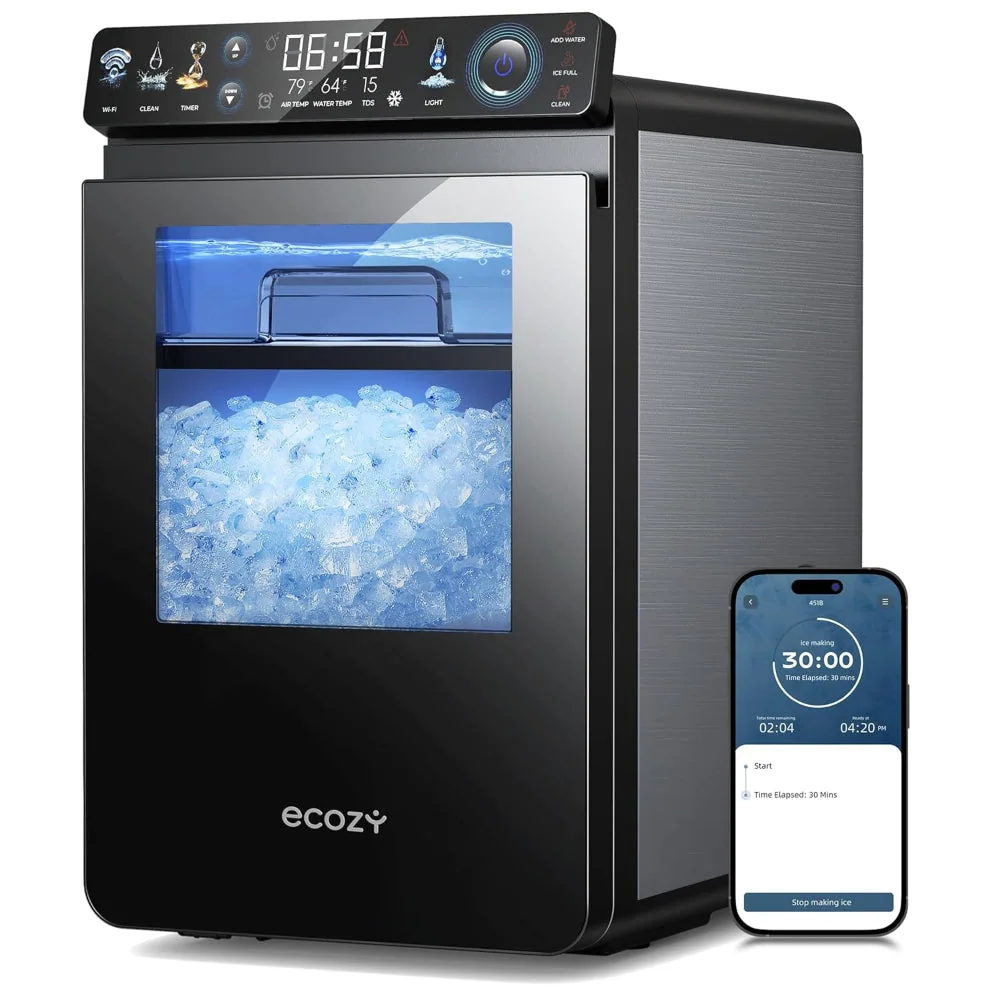
Ecozy Smart Nugget Ice Maker
Brand guide

Ecozy

Ecozy Smart Nugget Ice Maker is the one to prioritize when noise is the deciding factor, especially in apartments or open kitchens.
What to know: 1 Ecozy model appears across the current guides and reviews.

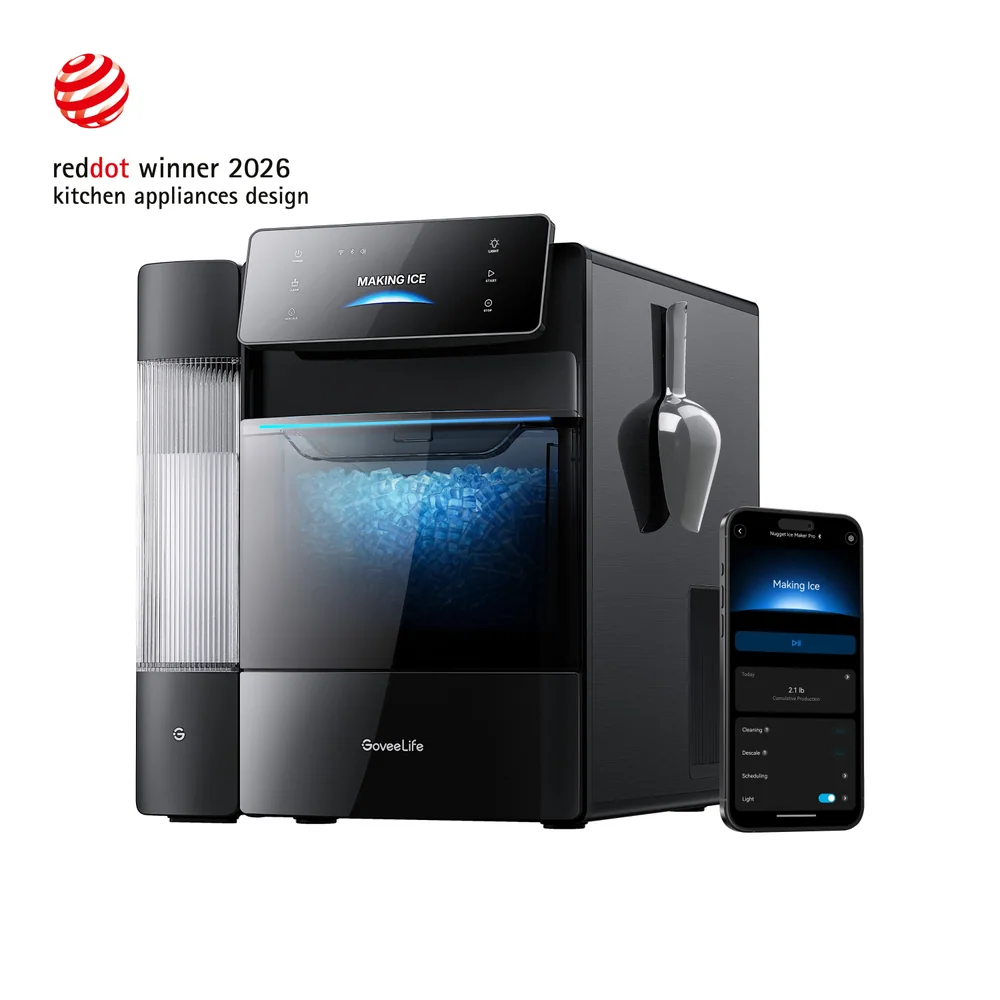
GoveeLife Smart Nugget Ice Maker Pro
Brand guide

GoveeLife

GoveeLife Smart Nugget Ice Maker Pro is the pick for a tech-forward kitchen that wants nugget ice plus smart-home features.
What to know: 1 GoveeLife model appears across the current guides and reviews.

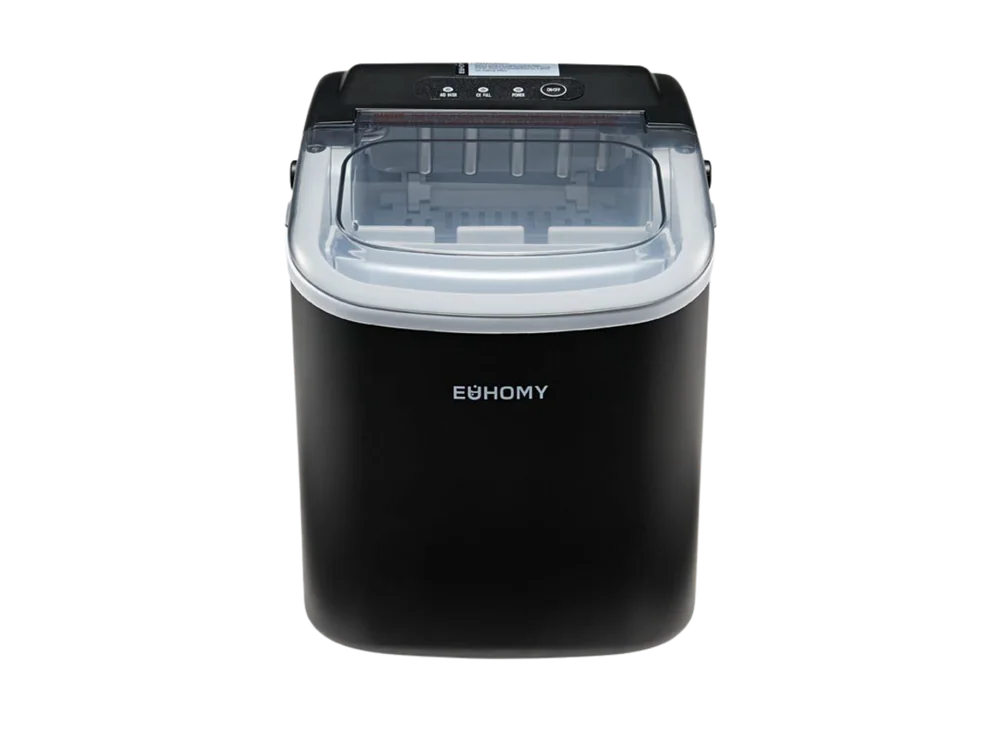
Euhomy Countertop Ice Maker IM-60D
Brand guide

Euhomy

Euhomy Countertop Ice Maker IM-60D is the budget choice that still has serious third-party test-program coverage behind it.

What to know: 2 Euhomy models appear across the current guides and reviews.

Igloo IGLICEBSC26 Countertop Ice Maker
Brand guide

Igloo

Igloo IGLICEBSC26 Countertop Ice Maker is for small kitchens where the footprint matters as much as the ice.

What to know: 2 Igloo models appear across the current guides and reviews.

Cowsar Nugget Ice Maker
Brand guide

Cowsar

Cowsar Nugget Ice Maker is the budget-tilted nugget option when you want the chewable style but are trying to keep the spend down.
What to know: 1 Cowsar model appears across the current guides and reviews.

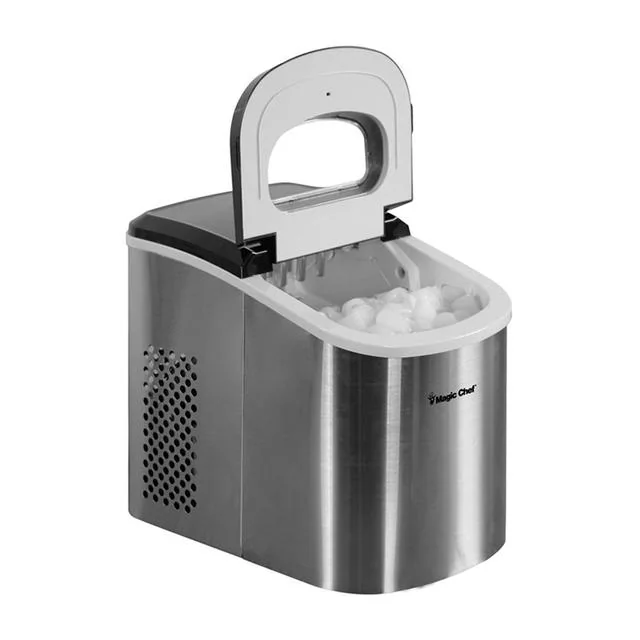
Magic Chef MCIM22/HNIM27 Countertop Ice Maker
Brand guide

Magic

Magic Chef MCIM22/HNIM27 Countertop Ice Maker is the most straightforward recommendation for classic countertop ice: simple, mainstream, and easy to live with.

What to know: 1 Magic model appears across the current guides and reviews.

How to Choose a Countertop Ice Maker

  • Ice type and texture: The right texture matters more than raw output if you are buying the machine for a specific drink.
  • First batch and daily output: A fast first batch helps occasional use, while sustained output matters for gatherings.
  • Bin capacity: Small bins require frequent emptying, and most bins do not keep ice frozen.
  • Cleaning and drainage: Accessible cleaning and a practical drain determine whether the ice stays fresh and the machine lasts.

Countertop Ice Makers FAQ

Should I buy a nugget ice maker or a classic countertop ice maker?

Buy a nugget ice maker if you care about chewable, crunchy ice for cocktails, sodas, and snacking. Buy a classic countertop ice maker if you just want a steady supply of ice for drinks and entertaining and do not want to pay extra for texture.

What is the best premium nugget ice maker in this list?

GE Profile Opal 2.0 XL Nugget Ice Maker is the premium choice here for people who want high-end nugget ice and plan to make it frequently.

Which countertop ice maker is best if I do not want nugget ice?

Magic Chef MCIM22/HNIM27 Countertop Ice Maker is the best fit in this list for classic countertop ice, especially if you want a simple, mainstream machine.

Which countertop ice maker makes sense for an apartment or open kitchen?

Ecozy Smart Nugget Ice Maker is the best match here if noise is a priority, since it is specifically highlighted for whisper-quiet performance.

Is a smart, app-connected ice maker actually worth it?

It is worth it if you will use the smart features and still want nugget ice. GoveeLife Smart Nugget Ice Maker Pro is the strongest smart-forward nugget option in this list, positioned around fast production, large capacity, and quiet operation alongside smart-home features.