Learn what "self-clean" really does, how to descale mineral buildup, and how to dry and store a countertop ice maker so the next batch tastes fresh.
Reading time: 9 minutesBest for: People who want a simple, repeatable cleaning routine that prevents bad-tasting ice and scale problems.
Understand what "self-cleaning" does and does not do
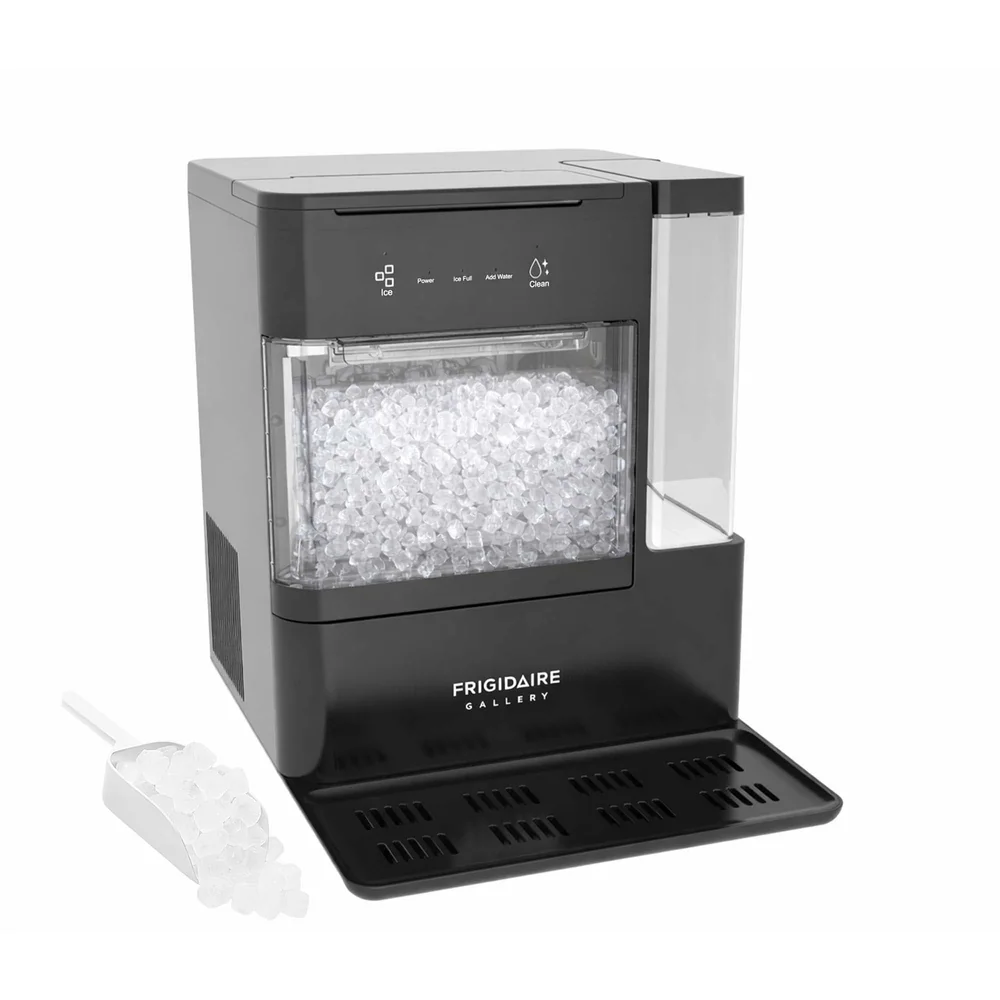
Many countertop ice makers have a "self-clean" or "clean" button. In most machines, this is a timed circulation rinse: the pump moves water (sometimes warmed) through internal passages and back into the reservoir. That helps flush loose debris and refresh the water path, especially after the machine has been sitting. It is useful as a between-deep-cleans step, and it can help you drain the system more completely before storage.
What it usually does not do is remove mineral scale that has hardened onto surfaces, or physically wipe the bin, scoop, lid, and corners where residue collects. It also does not sanitize surfaces you can touch and see. If your machine has a removable basket, reservoir access, or a drain plug, you still need to empty, wipe, and periodically descale. Treat "self-clean" as a rinse cycle, not a full reset.
Do a regular cleaning cycle: empty, wash, rinse, and dry
Start by turning the machine off and unplugging it. Remove ice, then drain the reservoir using the drain plug or drain hose if your unit has one. Take out removable parts like the ice basket and scoop. Wash those parts with mild dish soap and warm water, then rinse well so no soap taste carries into the next batch. Wipe the bin and reservoir with a soft cloth or sponge. Avoid abrasive pads that can scratch plastic and create places for residue to cling.
After wiping, run a plain-water rinse through the machine. If your unit has a clean cycle, use it with fresh water, then drain again. Refill and repeat until the water drains clear and odor-free. Finally, dry what you can reach. Leaving the lid open for a while helps moisture evaporate, which reduces stale smells. If you store the machine, store it dry with the lid cracked open so trapped humidity does not turn into odor.
Descale to remove mineral buildup (and why it affects performance)
Descaling is different from cleaning. Scale forms when minerals in water (often calcium and magnesium) deposit on cold surfaces. In an ice maker, scale can coat the freezing surface and internal water path. That can slow freezing, cause misshapen ice, and make the machine louder as it works harder. You might also see white flakes in the reservoir or feel rough, crusty spots near water contact areas.
Use the descaling method your manufacturer specifies. If they allow a descaling solution, follow the mixing ratio and contact time exactly, then rinse thoroughly. The key is patience: let the solution circulate and sit long enough to dissolve buildup, then flush until there is no smell or taste left. After descaling, run one or two full batches and discard that ice. That first ice can carry leftover taste from the rinse and loosened residue.
Set a schedule based on your water and usage (and make it easier to stick to)
A schedule prevents the "why does my ice taste weird" surprise. If you run the machine daily, plan on frequent basic cleaning and regular descaling. If you only use it on weekends or for parties, clean and dry it after each event, because sitting water is what turns into odor and film. Hard water usually means you will descale more often. Filtered water often reduces scale and improves taste, but it does not eliminate the need to clean.
Make upkeep easier with small habits. Empty the bin when you are done and move extra ice to a freezer bag, because most countertop bins are insulated, not refrigerated. Do not top off old water for weeks. Drain and refill with fresh water so the reservoir does not develop a stale taste. Keep the machine where you can reach the drain and remove parts without wrestling it out of a corner. If cleaning feels annoying, it will get skipped, and the machine will show it.
What this guide helps you understand
Choose a cleaning and descaling routine you will actually follow, because it directly affects ice taste, speed, and machine lifespan.
Confirm your machine's manual allows the cleaning and descaling products you plan to use, and follow its rinse instructions.
Technique notes
Plan to discard the first batch of ice after deep cleaning or descaling to avoid leftover taste.
Safety note: Unplug the ice maker before cleaning, and never mix cleaning chemicals. Rinse thoroughly so no residue ends up in your ice.