Pickori
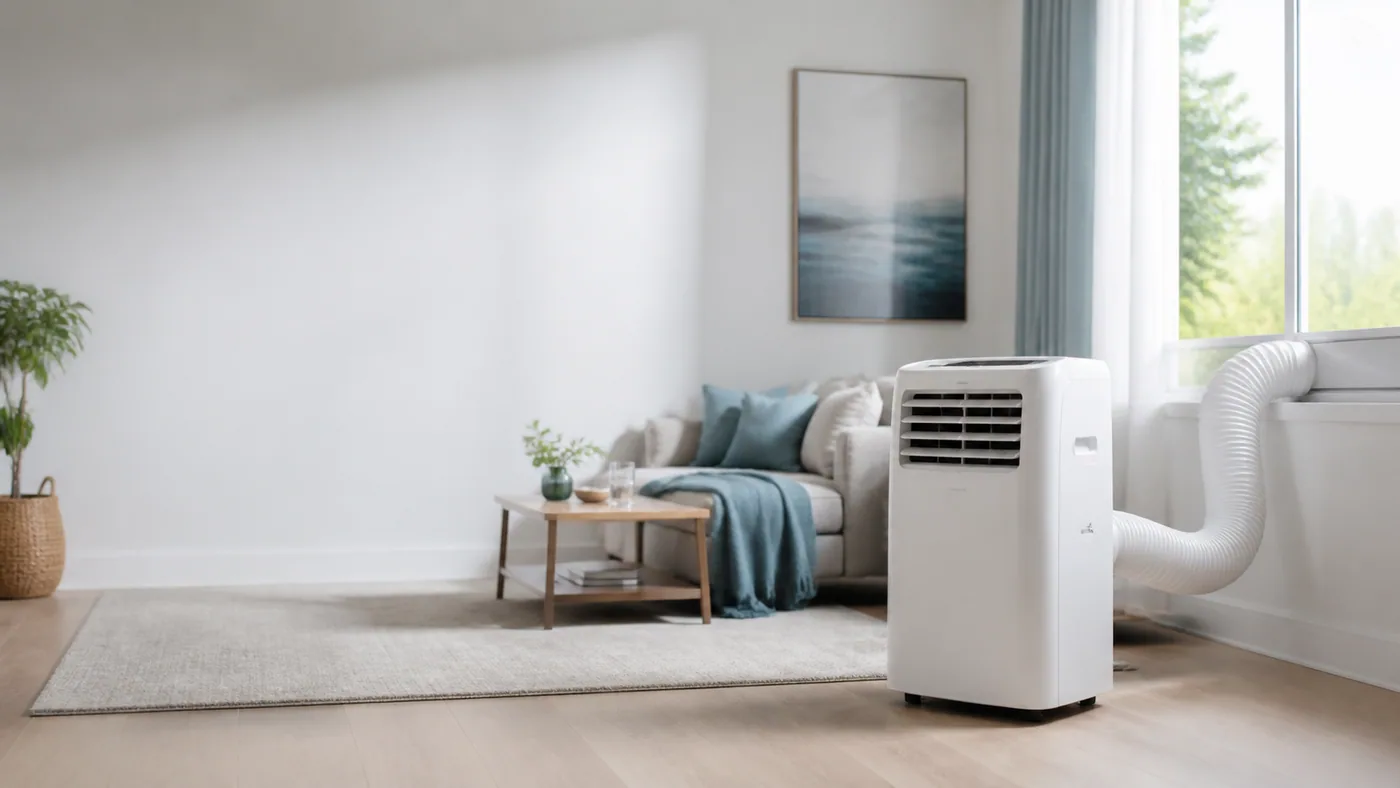
Modern portable air conditioner cooling a bright apartment living room

Portable Air Conditioner Research

Portable Air Conditioners

Choose a portable air conditioner by room load, hose design, window fit, noise, drainage, and the amount of cooling the room can actually hold. Compare Pickori's buying guides and full reviews, then learn what installation, drainage, maintenance, and daily use involve.

Portable air conditioners cool rooms where central air or window units are not an option

A portable air conditioner moves heat from the room to the outdoors through a hose. It still needs a window or another approved exhaust opening, and the quality of that seal can matter as much as the machine itself.

DOE cooling capacity, single- versus dual-hose design, room heat load, noise, condensate handling, window-kit fit, and power draw matter more than a generous maximum-room claim. Start with the room, sun exposure, and window.

Types of portable air conditioners

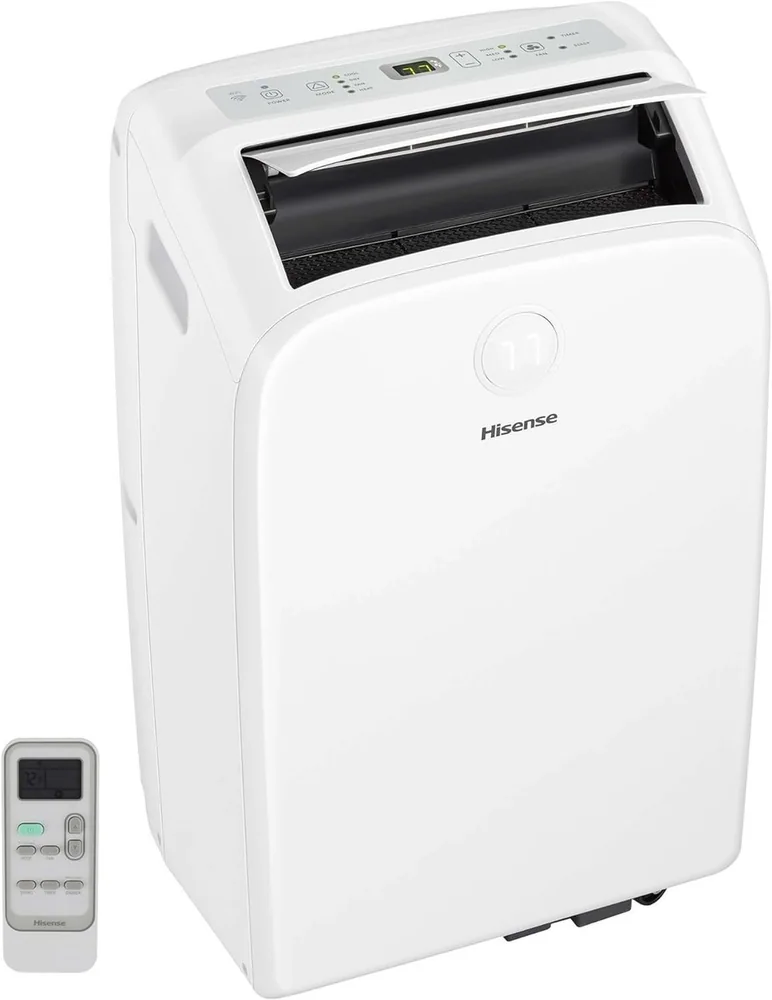
Hisense Heat Pump Portable Air Conditioner

Single-hose portable ACs

One hose exhausts hot condenser air and pulls replacement air into the room from elsewhere.

Best for: Simpler installation and moderate cooling needs.
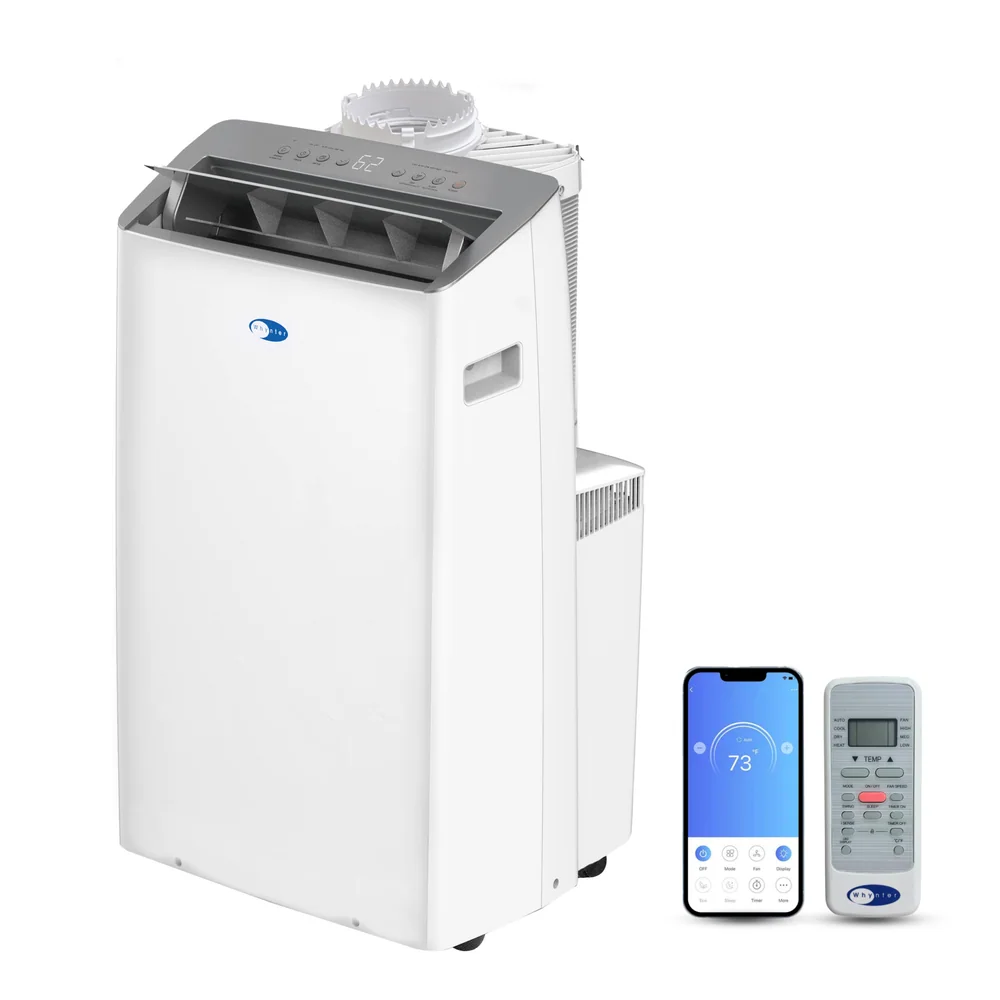
Whynter NEX ARC-1230WN

Dual-hose portable ACs

Separate intake and exhaust paths reduce the negative pressure created by many single-hose designs.

Best for: Hotter rooms and shoppers prioritizing better portable efficiency.
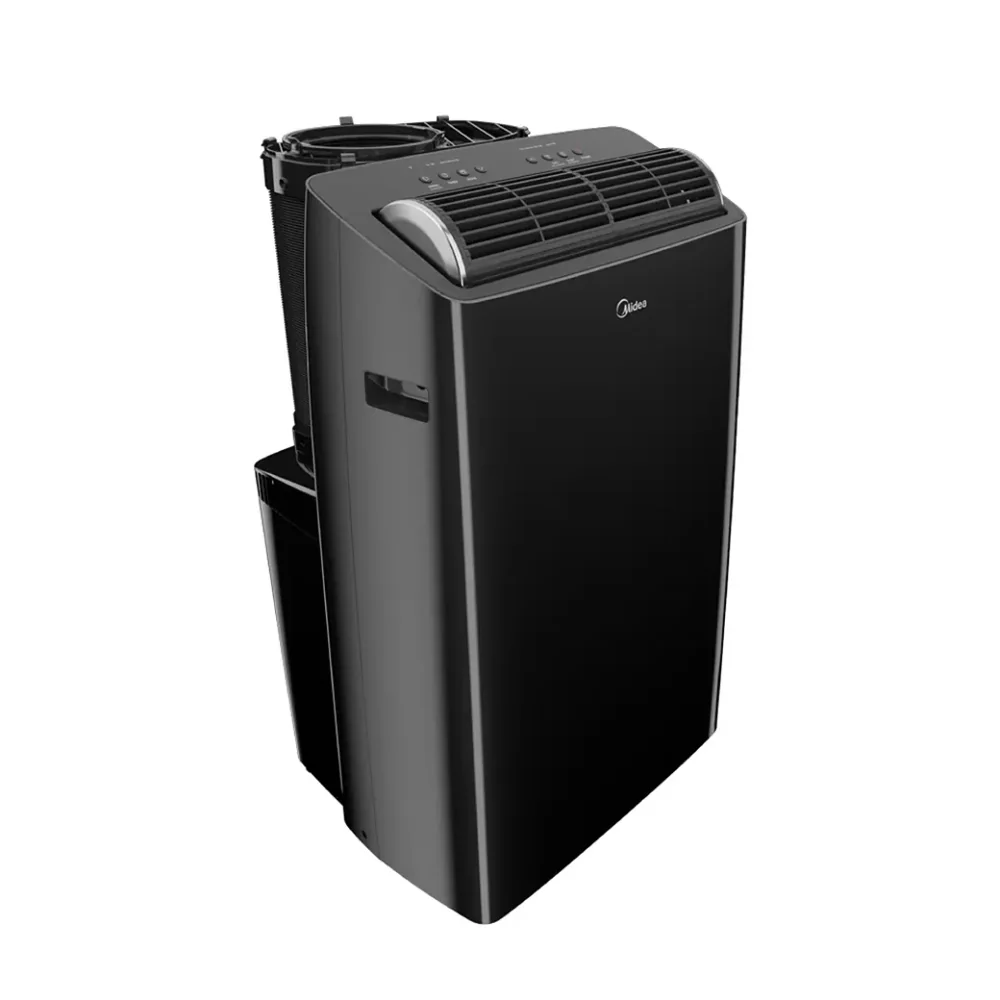
Midea Duo Smart Inverter Portable Air Conditioner

Inverter portable ACs

Variable-speed compressors can adjust output instead of cycling only on and off.

Best for: Quieter sustained comfort and better part-load efficiency.
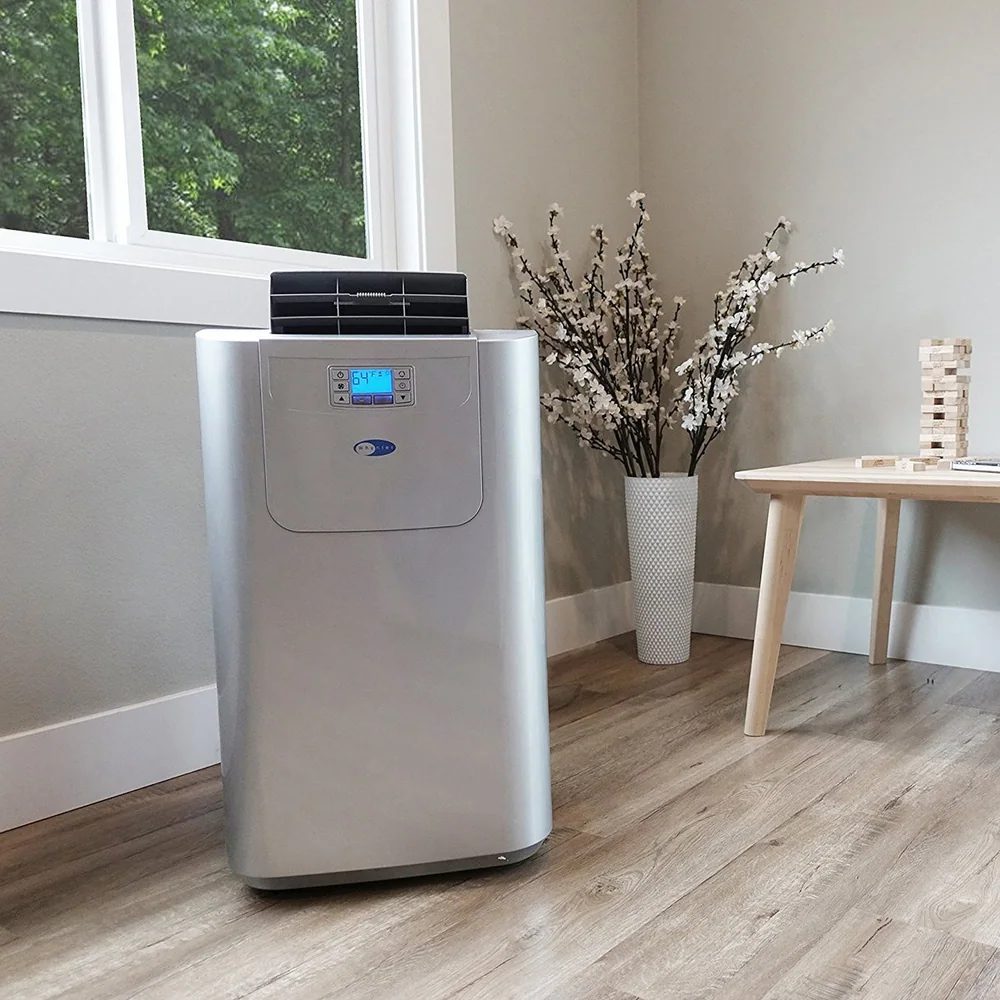
Whynter Elite

Portable heat-pump combinations

Some units reverse the refrigeration cycle for heating as well as cooling.

Best for: Shoulder seasons where the temperature range and installation suit both modes.

Portable Air Conditioner Buying Guides and Comparisons

Product reviews

In-Depth Portable Air Conditioners Reviews

Start with the newest reviews and substantial refreshes, then open the complete directory when you need a specific model.
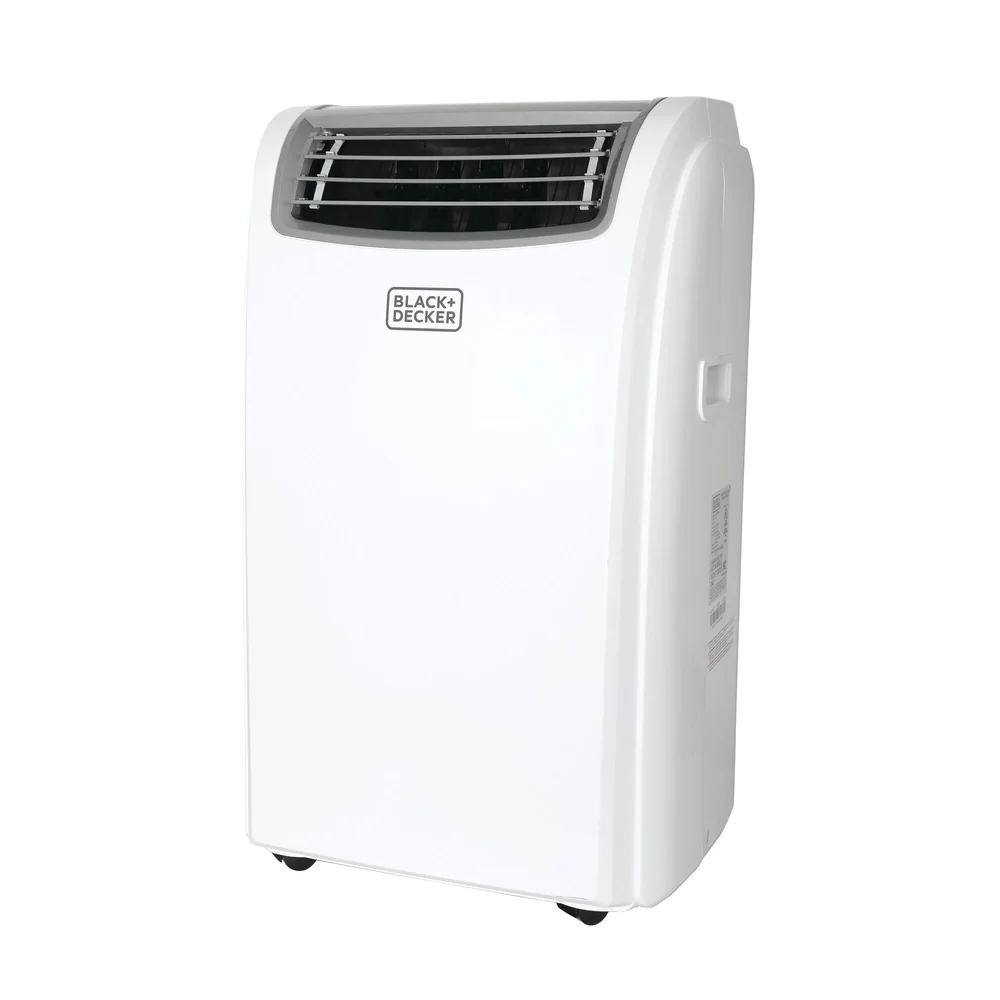
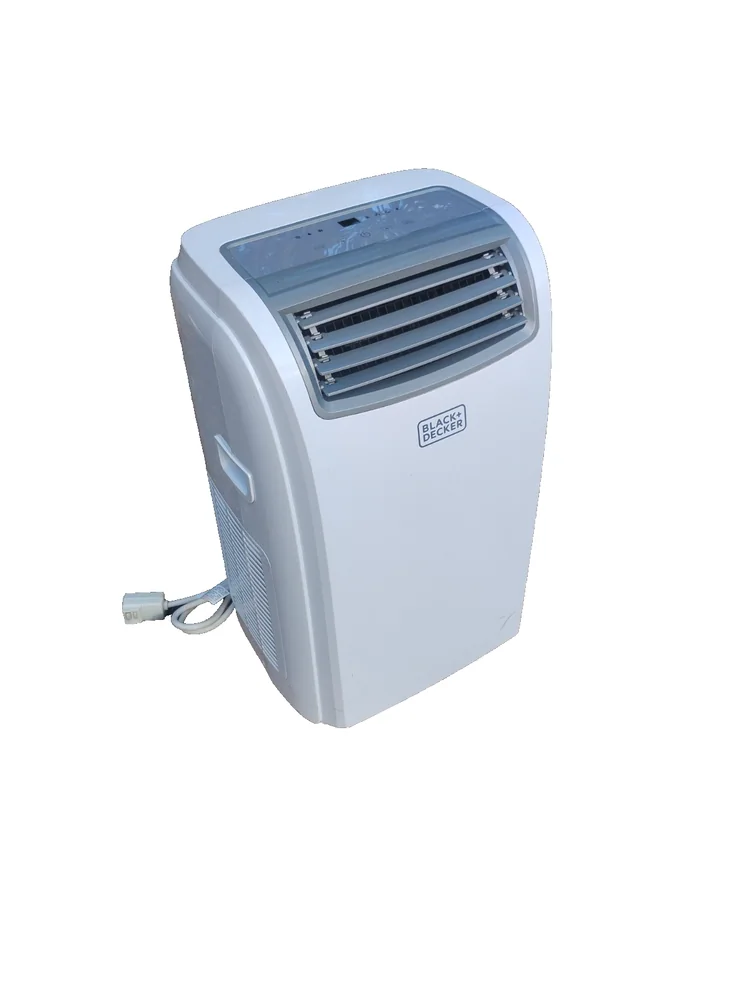
Browse all 20 in-depth portable air conditioner reviewsEvery full product review, organized by brandView complete archive

Black+Decker1 review

BLACK+DECKER1 review

Dreo1 review

DREO1 review

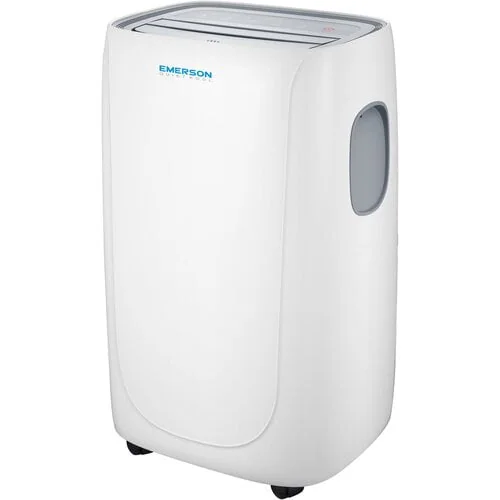
Emerson1 review

Friedrich2 reviews

Frigidaire2 reviews

Hisense1 review

LG4 reviews

Midea3 reviews

Whynter3 reviews

Practical ownership help

Setup and heat-wave guides for cooler rooms

Window sealing, placement, airflow, drainage, and heat control can change how well a portable AC works.
Midea Duo Smart Inverter Portable Air Conditioner
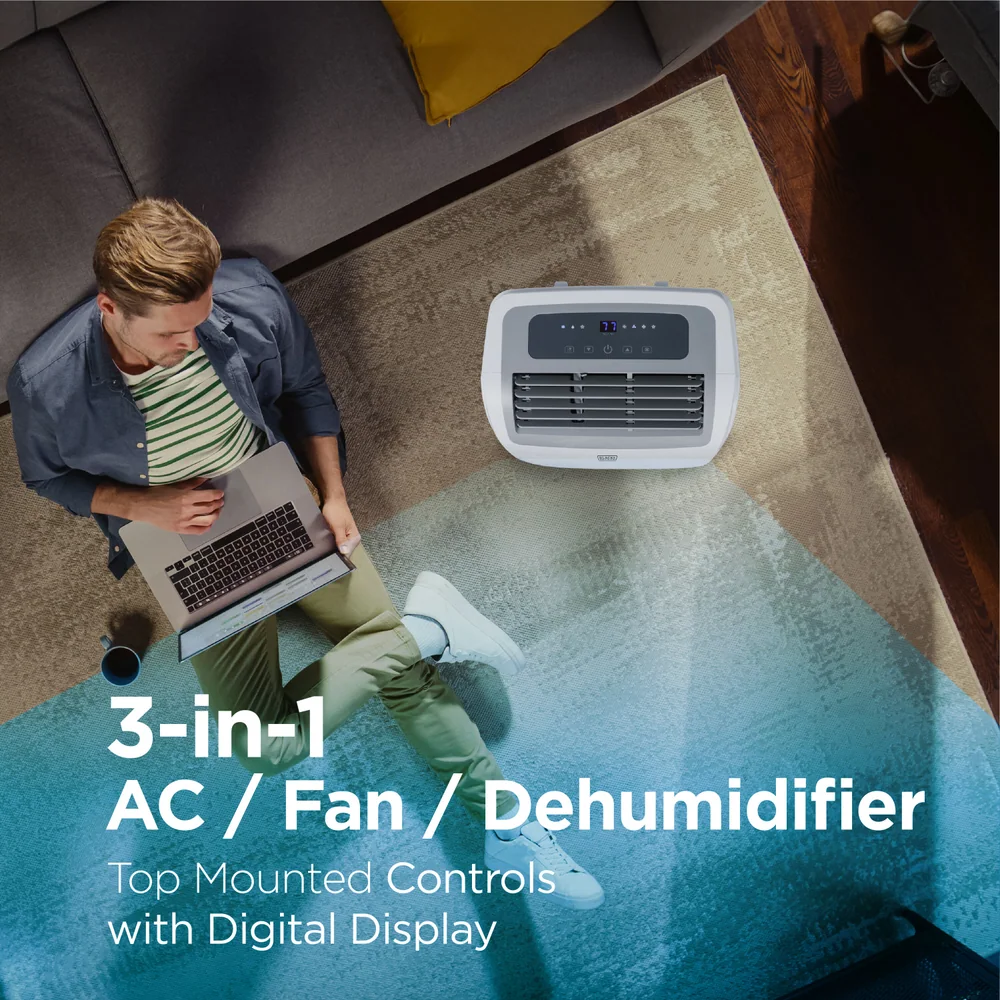
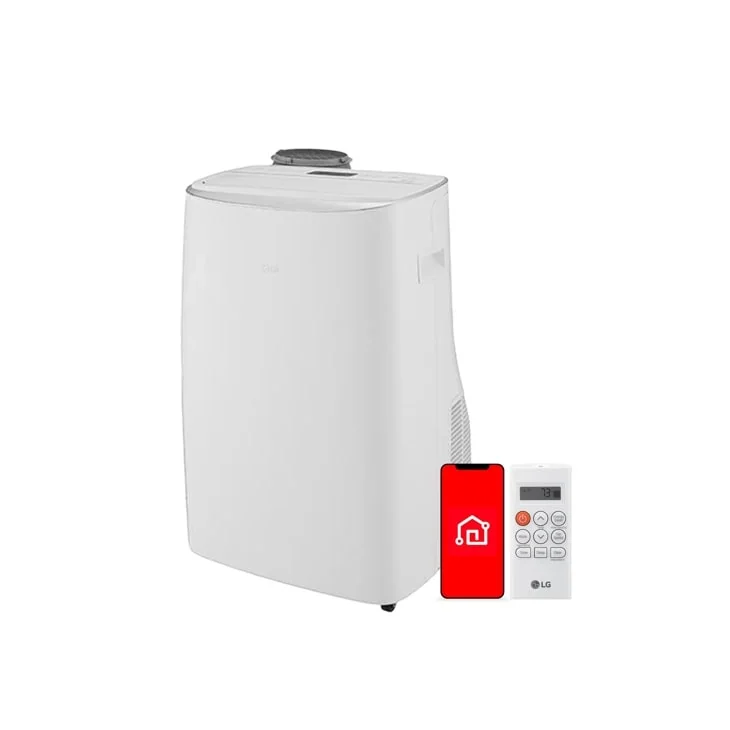
Practical guide Portable air conditioners that trip breakers: what to check and fix Most portable AC breaker trips come from high current draw, shared circuits, or unsafe power setups that you can identify and correct step by step. Read the guide →
Black+Decker BPP08WTB
Practical guide Single-hose vs dual-hose in real rooms: pressure, smoke, and hot air leaks Single-hose portable ACs can pull unwanted air into your room, and understanding that pressure effect helps you cool faster and avoid odors. Read the guide →
LG Wi-Fi Connected Portable Air Conditioner
Practical guide Portable AC runs but won't cool: a practical troubleshooting flow Use this step-by-step flow to find the most common reasons a portable AC blows warm air or cools weakly, before assuming it is broken. Read the guide →
LG Wi-Fi Connected Portable Air Conditioner
Practical guide Keeping a portable AC window setup secure in storms and on ground floors A secure, weather-resistant window kit prevents shifting, leaks, and unwanted access while keeping your portable AC working efficiently. Read the guide →
LG Wi-Fi Connected Portable Air Conditioner
Heat-wave guide How to Set Up One Cool Room During a Heat Wave A portable air conditioner works best when you treat one room like a project and reduce the heat trying to get back in. Read the guide →
Midea Duo Smart Inverter Portable Air Conditioner
Installation guide How to Seal a Portable AC Window Kit A tight window kit seal prevents hot outdoor air and the unit's own exhaust heat from leaking back into the room. Read the guide →
Whynter Dual Hose Portable Air Conditioner
Drainage guide A Better Portable AC Drainage Routine Knowing how your portable AC handles condensate helps you avoid surprise shutoffs, spills, and musty storage. Read the guide →
DREO 516S
Placement guide Where to Put a Portable AC in an Apartment Place a portable air conditioner where it can exhaust cleanly, breathe freely, and blow cooled air into the space you actually use. Read the guide →
Midea Duo Smart Inverter Portable Air Conditioner
Bedroom guide How to Live with Portable AC Noise in a Bedroom A simple routine and a few setup tweaks can make a portable AC easier to sleep with without giving up comfort. Read the guide →
Midea Duo Smart Inverter Portable Air Conditioner
Cooling guide How to Cool One Room More Effectively Better sealing, less incoming heat, and smarter air movement help a portable AC cool a single room faster and more evenly. Read the guide →
Black+Decker BPP08WTB
Humidity guide Portable ACs and Humidity: What to Expect Portable air conditioners can lower humidity, but how much depends on room moisture load, operating mode, and how the unit handles condensate. Read the guide →
LG Wi-Fi Connected Portable Air Conditioner
Storage guide How to Store a Portable Air Conditioner Proper storage prevents moldy odors, water leaks, and hose damage so your portable AC starts cleanly next season. Read the guide →

Learn the Category

Understand Portable Air Conditioners Before You Buy

Plain-English guides to sizing, features, setup, maintenance, and the category questions that change the decision.

Whynter Dual Hose Portable Air Conditioner
Category guide How to Size a Portable Air Conditioner Size a portable air conditioner by matching DOE cooling capacity to your room's real heat load, not a generous square-foot claim. Read the guide →
Midea Duo Smart Inverter Portable Air Conditioner
Category guide Single-Hose vs. Dual-Hose Portable Air Conditioners Understand how hose design changes air pressure, heat leakage, and real-world cooling efficiency in a portable AC setup. Read the guide →
Midea Duo Smart Inverter Portable Air Conditioner
Category guide Portable AC DOE vs. ASHRAE BTU Ratings Learn why portable ACs show both DOE and ASHRAE BTU numbers and which one to use when comparing units. Read the guide →
Midea Duo Smart Inverter Portable Air Conditioner
Category guide Portable AC Window Kits Explained A portable AC can only cool well if its window kit seals tightly and fits your window style without leaving gaps. Read the guide →
Midea Duo Smart Inverter Portable Air Conditioner
Category guide Portable AC Condensate and Drainage Explained Condensate is the water a portable AC pulls from humid air, and how the unit handles it determines whether you will be emptying a tank, running a hose, or dealing with shutdowns. Read the guide →
Midea Duo Smart Inverter Portable Air Conditioner
Category guide What Makes a Portable AC Quiet Enough for Sleep? Portable AC noise comes from the compressor, fan, and vibration, and the quietest setup is the one that avoids high fan speeds and constant cycling. Read the guide →
Whynter Dual Hose Portable Air Conditioner
Category guide How Much Does a Portable AC Cost to Run? Estimate portable AC running cost by combining power draw, how often it actually runs, and your local electricity rate. Read the guide →
LG Wi-Fi Connected Portable Air Conditioner
Category guide Portable AC Filter and Coil Maintenance Keep a portable AC cooling well and smelling fresh by maintaining airflow, cleaning filters, and managing condensate. Read the guide →
Midea Duo Smart Inverter Portable Air Conditioner
Category guide Choosing a Portable AC for a Rental Pick a portable AC that fits your windows, respects lease limits, and stays comfortable without creating noise or drainage headaches. Read the guide →
Whynter Dual Hose Portable Air Conditioner
Category guide Portable AC vs. Window AC Choose between a portable air conditioner and a window air conditioner by weighing real cooling efficiency, noise, installation limits, and how much you truly need to move the unit. Read the guide →

Category Knowledge

How Portable Air Conditioners Work

The technical details below explain why products behave differently and which differences shoppers are likely to notice.

Category knowledge

How to Size a Portable Air Conditioner

Size a portable air conditioner by matching DOE cooling capacity to your room's real heat load, not a generous square-foot claim.

Portable air conditioners are often bought for one room that is hard to cool, like a sunny bedroom, a home office, or a finished attic. The tricky part is that portable units lose some cooling performance through the exhaust hose and through any air leaks around the window kit. That is why two rooms with the same square footage can feel completely different with the same unit. Start sizing with the DOE cooling capacity (a BTU per hour rating used for portable ACs) and then adjust your expectations based on heat load. Heat load is the total heat entering the room from sun, hot outdoor air, people, appliances, and air leaks. A portable AC can keep up with a steady load, but it is slower to recover after the room has been baking all day, especially if doors are open or the window seal is leaky.

Square footage is only the starting point. Measure length times width, then consider ceiling height. A room with a tall ceiling holds more air and usually has more wall area that can absorb heat. Also note whether the room is over a garage, under a roof, or on the top floor, because those locations often run hotter even with the same floor area. Next, list the heat sources you cannot ignore. Direct afternoon sun through a big window can dominate the load. A desktop PC, multiple monitors, a gaming console, or a small server can add steady heat for hours. People add heat too, especially in a small bedroom at night. If the room door is usually open to a warm hallway, the portable AC is effectively trying to cool more than one space, and sizing needs to reflect that reality.

Portable AC packaging often shows a large BTU number that looks impressive. For sizing and comparisons, focus on the DOE cooling capacity. This rating is meant to reflect how a portable unit performs in more realistic conditions, including the fact that the hose and the setup can reduce effective cooling. Once you pick a DOE capacity range, treat it as a tool for narrowing options, not a promise. Two units with the same DOE number can feel different if one has a better window kit, a shorter hose run, or a design that leaks less hot air back into the room. If you are between sizes, the better move is often improving the installation seal and airflow path before jumping to a much larger unit.

What this means when shopping: Portable AC packaging often shows a large BTU number that looks impressive. For sizing and comparisons, focus on the DOE cooling capacity. This rating is meant to reflect how a portable unit performs in more realistic conditions, including the fact that the hose and the setup can reduce effective cooling. Once you pick a DOE capacity range, treat it as a tool for narrowing options, not a promise. Two units with the same DOE number can feel different if one has a better window kit, a shorter hose run, or a design that leaks less hot air back into the room. If you are between sizes, the better move is often improving the installation seal and airflow path before jumping to a much larger unit.

Category knowledge

Single-Hose vs. Dual-Hose Portable Air Conditioners

Understand how hose design changes air pressure, heat leakage, and real-world cooling efficiency in a portable AC setup.

A portable air conditioner has to dump heat outdoors, and the hose system is how it does it. The simplest design uses one hose to exhaust hot air out the window. A dual-hose design uses one hose to bring outdoor air in and a second hose to send hot air out. That difference sounds small, but it changes how the room's air moves and how hard the unit has to work. The key concept is pressure. Many single-hose units create negative pressure in the room, meaning they push more air out than they bring in. The room then pulls replacement air from wherever it can, often from warm hallways, cracks, or other rooms. Dual-hose units reduce that effect by using outdoor air for the condenser side of the system, which can improve comfort and efficiency when conditions are challenging.

In a single-hose portable AC, the unit uses indoor air to cool its condenser (the hot side of the refrigeration system), then exhausts that warmed air outdoors through the hose. Because that air came from the room, the room loses air volume. The replacement air usually sneaks in through gaps under doors, leaky windows, or other openings, and that incoming air is often warm and humid. In a dual-hose portable AC, the condenser side is closer to a closed loop. Outdoor air comes in through one hose, picks up heat from the condenser, and leaves through the exhaust hose. The room air is used mainly for cooling the room, not for feeding the exhaust stream. The result is typically less unwanted warm air being pulled into the room through cracks.

The practical effect of negative pressure is that a single-hose unit can feel like it is fighting itself in a hot home. You may notice the room cools near the unit but never quite settles, or it cools until the compressor cycles and then warms quickly. This is not only about the machine's capacity. It is also about the room constantly importing heat and moisture to replace the air being exhausted. Dual-hose units often do better in rooms with high heat load, strong sun, or lots of leakage, because they reduce that constant inflow of warm air. They are not magic, though. A poor window seal, a long hose run, or a kinked hose can still dump heat back into the room. Think of dual-hose as a design advantage that works best when the installation is also solid.

What this means when shopping: The practical effect of negative pressure is that a single-hose unit can feel like it is fighting itself in a hot home. You may notice the room cools near the unit but never quite settles, or it cools until the compressor cycles and then warms quickly. This is not only about the machine's capacity. It is also about the room constantly importing heat and moisture to replace the air being exhausted. Dual-hose units often do better in rooms with high heat load, strong sun, or lots of leakage, because they reduce that constant inflow of warm air. They are not magic, though. A poor window seal, a long hose run, or a kinked hose can still dump heat back into the room. Think of dual-hose as a design advantage that works best when the installation is also solid.

Category knowledge

Portable AC DOE vs. ASHRAE BTU Ratings

Learn why portable ACs show both DOE and ASHRAE BTU numbers and which one to use when comparing units.

Portable air conditioners often list two cooling capacities that look like they should mean the same thing, but they do not. You might see a larger BTU number (often labeled ASHRAE) and a smaller one (labeled DOE). This confuses shoppers and leads to the most common buying mistake in the category: comparing the biggest BTU number and assuming it equals real cooling in your room. BTU per hour is a measure of cooling rate, basically how much heat the unit can remove over time. The issue is not the unit of measure. The issue is the test approach behind the number. Portable ACs have an exhaust hose and sit inside the room, so some of the cooling they produce gets offset by heat and air movement caused by the setup. The DOE rating is intended to reflect those realities better for portable units.

BTU stands for British Thermal Unit, a unit of heat. When an air conditioner is rated in BTU per hour, it is describing how quickly it can move heat out of the room. With a portable AC, that heat does not disappear. It is pushed outdoors through the exhaust hose, along with hot air from the unit's condenser section. The hose and the window kit are part of the system, not accessories. The hose is hot while running, and it can radiate heat back into the room. Any gaps around the window panel can leak hot outdoor air inward. On many single-hose designs, exhausting air also pulls replacement air into the room from elsewhere. All of that reduces the cooling you actually feel compared with an idealized capacity number.

The larger ASHRAE number is commonly used as a headline because it looks stronger. It is based on a test method that does not fully account for the real-world penalties portable units face from hose heat, air leakage, and air exchange effects. It is not useless, but it is easy to misuse when you are trying to predict comfort in a specific room. The DOE portable AC rating is designed to be more conservative for portable units by accounting for losses that tend to show up in normal installations. That is why the DOE number is typically lower. When you are comparing portable ACs against each other, the DOE rating is the better apples-to-apples number. It will not perfectly predict your room, but it is less likely to lead you to an undersized purchase.

What this means when shopping: The larger ASHRAE number is commonly used as a headline because it looks stronger. It is based on a test method that does not fully account for the real-world penalties portable units face from hose heat, air leakage, and air exchange effects. It is not useless, but it is easy to misuse when you are trying to predict comfort in a specific room. The DOE portable AC rating is designed to be more conservative for portable units by accounting for losses that tend to show up in normal installations. That is why the DOE number is typically lower. When you are comparing portable ACs against each other, the DOE rating is the better apples-to-apples number. It will not perfectly predict your room, but it is less likely to lead you to an undersized purchase.

Category knowledge

Portable AC Window Kits Explained

A portable AC can only cool well if its window kit seals tightly and fits your window style without leaving gaps.

A portable air conditioner has to dump heat outdoors through an exhaust hose. The window kit is the panel system that holds that hose in place and seals the open part of the window. If the seal is leaky, hot outdoor air gets pulled back in and the unit works harder for less cooling. Many "portable AC problems" are really window kit problems: gaps, loose panels, or a hose connection that leaks warm air into the room. Start by identifying your window type and how you use it day to day. A kit that technically fits but blocks a walkway, prevents locking, or falls out when you open the window for fresh air will become a constant annoyance. Renters also have different priorities: a kit that installs without drilling, removes cleanly, and does not damage paint or frames. The goal is simple: a stable, secure panel with the smallest possible air leaks.

Most portable ACs ship with a kit meant for a standard double hung window that slides up and down. In that setup, the panel sits vertically in the opening and the window sash presses down on it. Measure the inside width of the window opening (not the glass) and compare it to the kit's adjustable range. If your opening is wider than the included panels, you will need an extension panel or a custom filler, otherwise you end up taping cardboard into place and losing efficiency.

Sliding windows and sliding doors change the geometry. The panel usually needs to stand tall in a vertical opening, and the hose port ends up higher off the floor. That can force a longer hose run or a tighter bend, both of which can reduce airflow and raise noise. Also think about how you will lock the slider. Many kits do not provide a solid locking surface, so you may need a simple removable security bar or a secondary latch that does not require drilling.

Casement windows crank outward and do not create a neat rectangular gap. A "casement adapter" is typically a large sheet (often clear plastic) that covers the opening, with a cutout for the hose port. The practical challenge is stiffness and sealing. If the sheet flexes, it will pull away from the frame and leak. If the adhesive does not stick to your window trim, it will peel in heat and humidity. Plan for a clean, dry surface and a way to support the sheet so it stays flat.

For unusual windows, the most reliable approach is to create a rigid insert that matches the opening, then seal around it. People often use thin plywood, rigid foam board, or acrylic, then mount the hose flange through it. The key is ownership consequences: a better insert can improve cooling and reduce drafts, but it takes time to measure, cut, and store when not in use. If you are renting, choose materials and attachment methods that remove cleanly and do not leave residue or holes.

What this means when shopping: For unusual windows, the most reliable approach is to create a rigid insert that matches the opening, then seal around it. People often use thin plywood, rigid foam board, or acrylic, then mount the hose flange through it. The key is ownership consequences: a better insert can improve cooling and reduce drafts, but it takes time to measure, cut, and store when not in use. If you are renting, choose materials and attachment methods that remove cleanly and do not leave residue or holes.

Specs That Matter When Choosing Portable Air Conditioners

These are the measurements and ownership details that change which portable air conditioners make sense.

DOE cooling capacity

The current DOE rating accounts for portable-AC heat and infiltration losses more realistically than older headline BTU numbers.

Why it matters: Use the DOE number when comparing portable units and remember that room heat load still changes the result.

Hose design

Single-hose and dual-hose systems move room and outdoor air differently.

Why it matters: Hose layout affects negative pressure, hot-air leakage, installation size, and real cooling efficiency.

Noise

The compressor, fan, and moving air all remain inside the room.

Why it matters: A powerful machine is hard to live with if its useful setting is too loud for sleep or work.

Drainage and window kit

Condensate may evaporate through the hose, collect in a tank, or need a drain; the window kit seals the exhaust path.

Why it matters: Poor drainage or a leaky panel can interrupt cooling and let heat back into the room.

Claims that need context

Cools a very large room: Sun, insulation, ceiling height, appliances, people, doors, and climate can overwhelm a square-foot estimate.

No-drain operation: Self-evaporation depends on indoor humidity and operating mode; very humid rooms may still require drainage.

Quiet sleep mode: A lower fan setting may reduce sound while also reducing cooling and air movement.

Brands in the Category

Portable Air Conditioner Brands Explained

Use the brand overview as a starting point, then open the linked product reviews for the model-specific decision.
LG Dual Inverter LP1419IVSM
Brand guide

LG

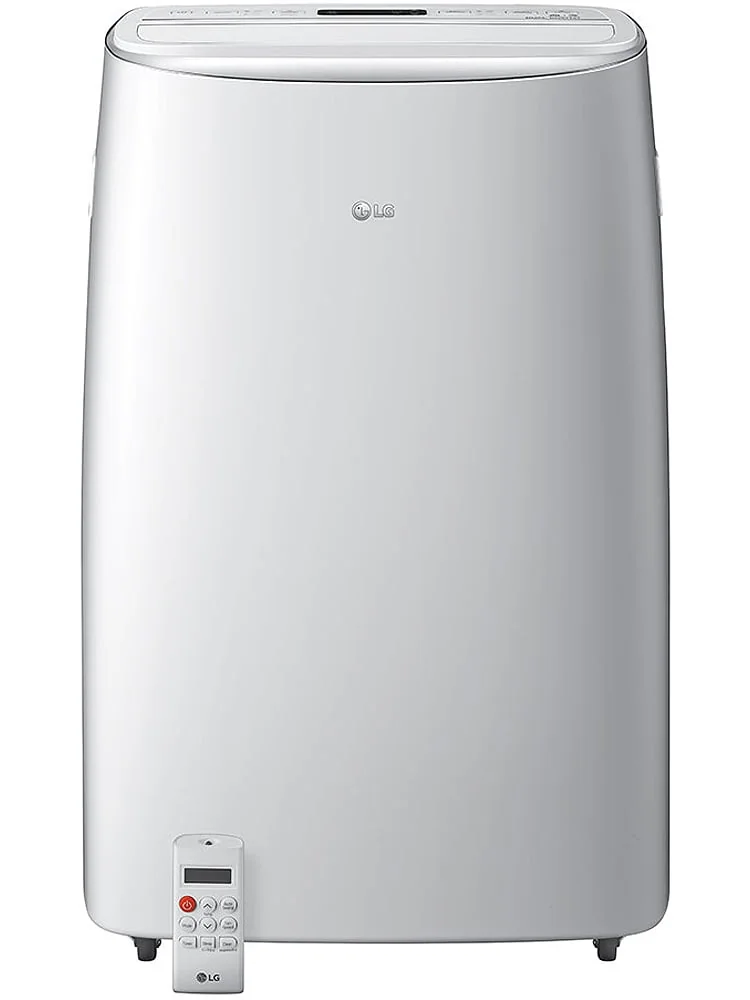
LG Dual Inverter LP1419IVSM makes sense when quiet is the priority and you're willing to pay for a more premium design.

What to know: 4 LG models appear across the current guides and reviews.

Midea Duo Smart Inverter Portable Air Conditioner
Brand guide

Midea

Midea Duo Smart Inverter Portable Air Conditioner makes the most sense for bedrooms and living spaces where noise and steady comfort matter.

What to know: 3 Midea models appear across the current guides and reviews.

Whynter NEX ARC-1230WN
Brand guide

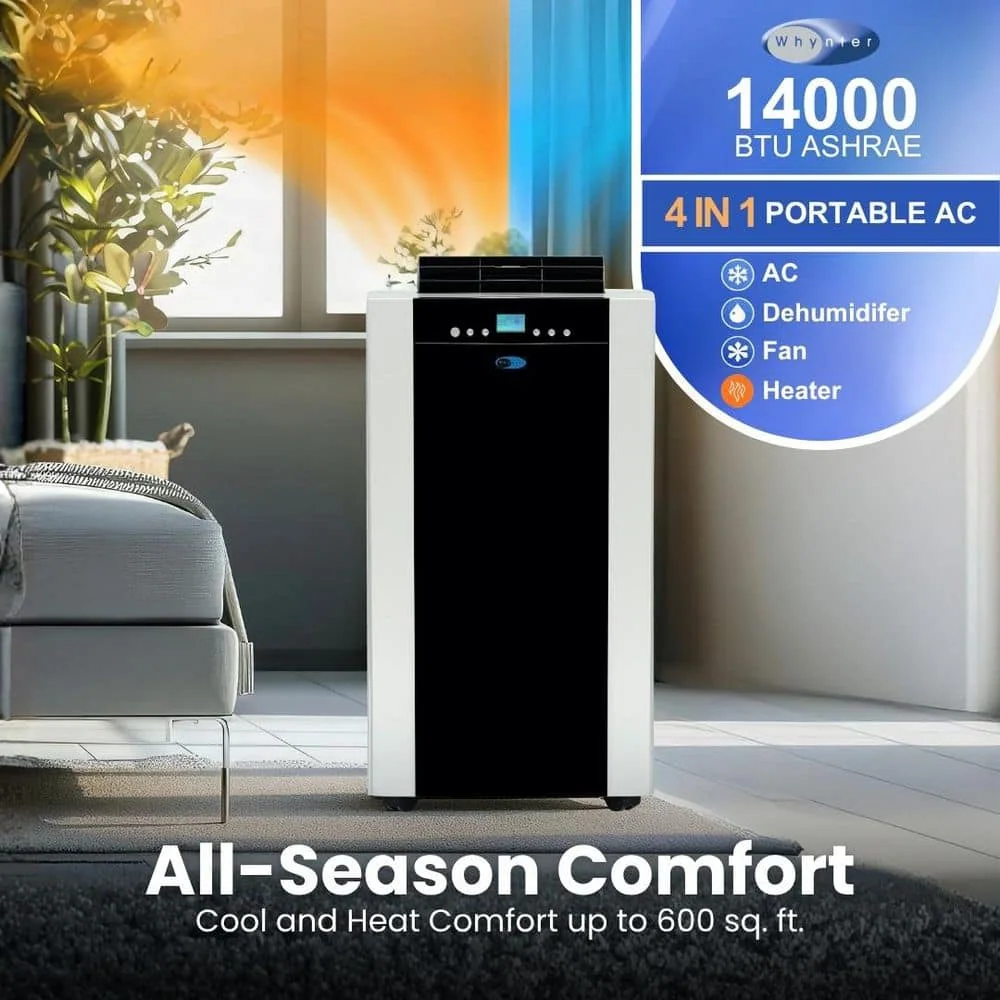
Whynter

Whynter NEX ARC-1230WN is the move for larger rooms when you want a portable air conditioner that cools fast and feels closer to a serious, high end solution.

What to know: 3 Whynter models appear across the current guides and reviews.

Hisense Heat Pump Portable Air Conditioner
Brand guide

Hisense

Hisense Heat Pump Portable Air Conditioner is for anyone who wants one portable air conditioner to cover more of the year, not just summer.

What to know: 1 Hisense model appears across the current guides and reviews.

Black+Decker BPP08WTB
Brand guide

BlackDecker

Black+Decker BPP08WTB is the right portable air conditioner for small bedrooms, home offices, and other compact spaces where you just need reliable cooling without paying for a bigger machine.
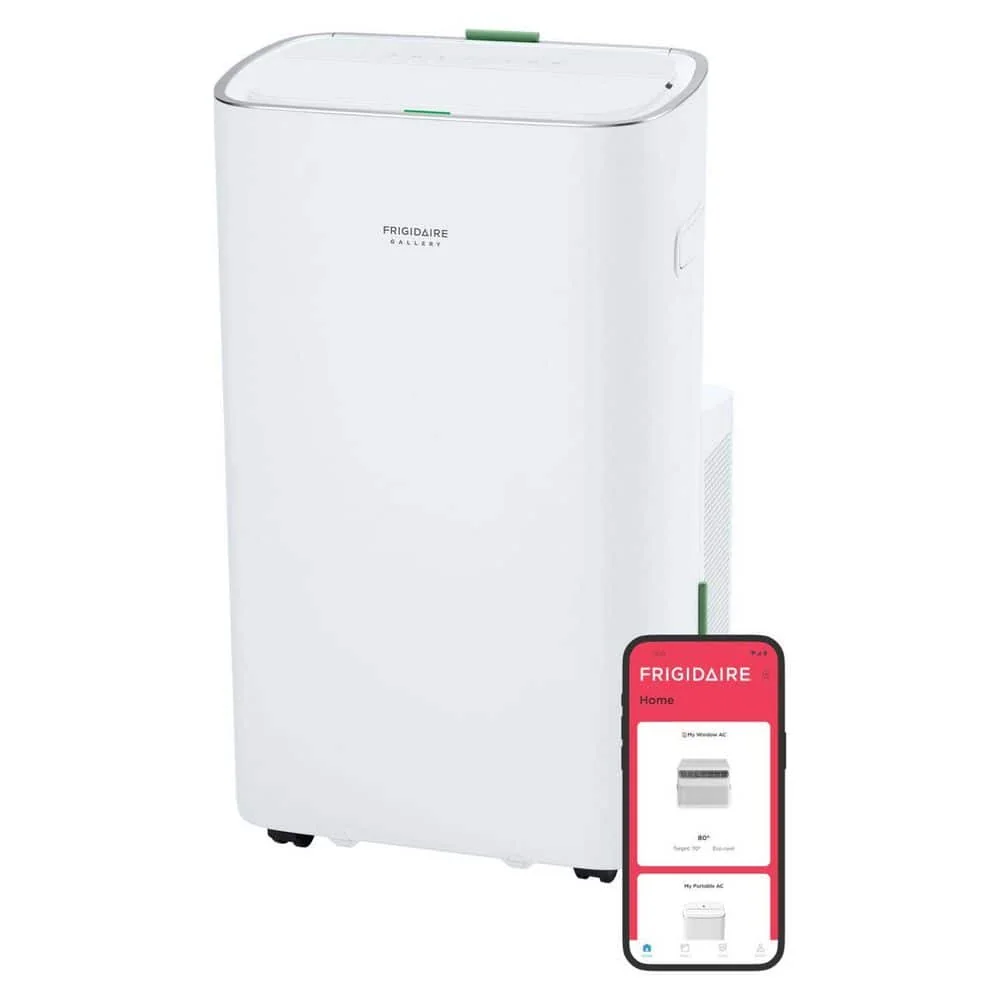
What to know: 1 BlackDecker model appears across the current guides and reviews.

Frigidaire portable air conditioner family
Brand guide

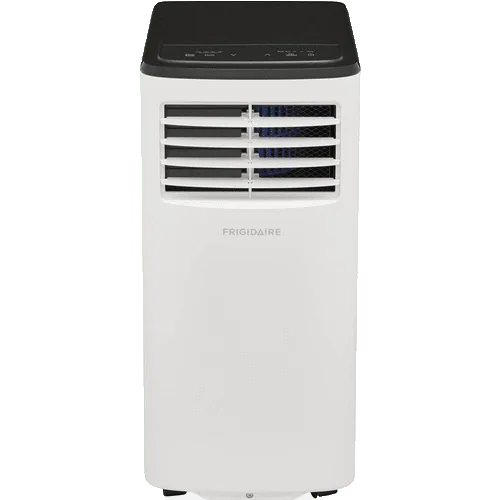
Frigidaire

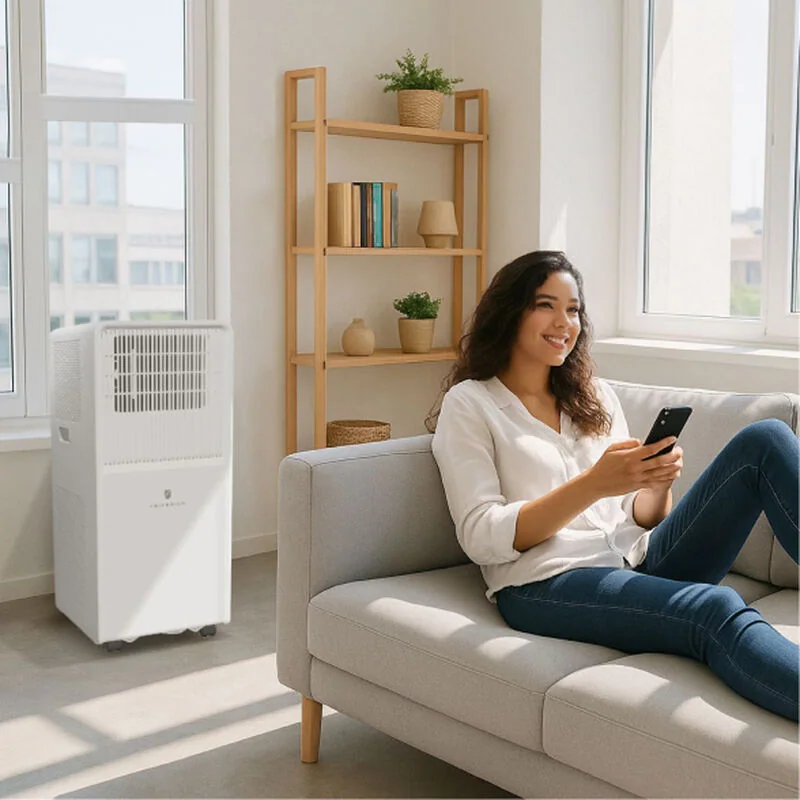
Frigidaire Gallery Portable Air Conditioner fits apartment shoppers who want a straightforward, higher-end portable AC from a familiar brand and need confident cooling for a midsized or larger room.
What to know: 2 Frigidaire models appear across the current guides and reviews.

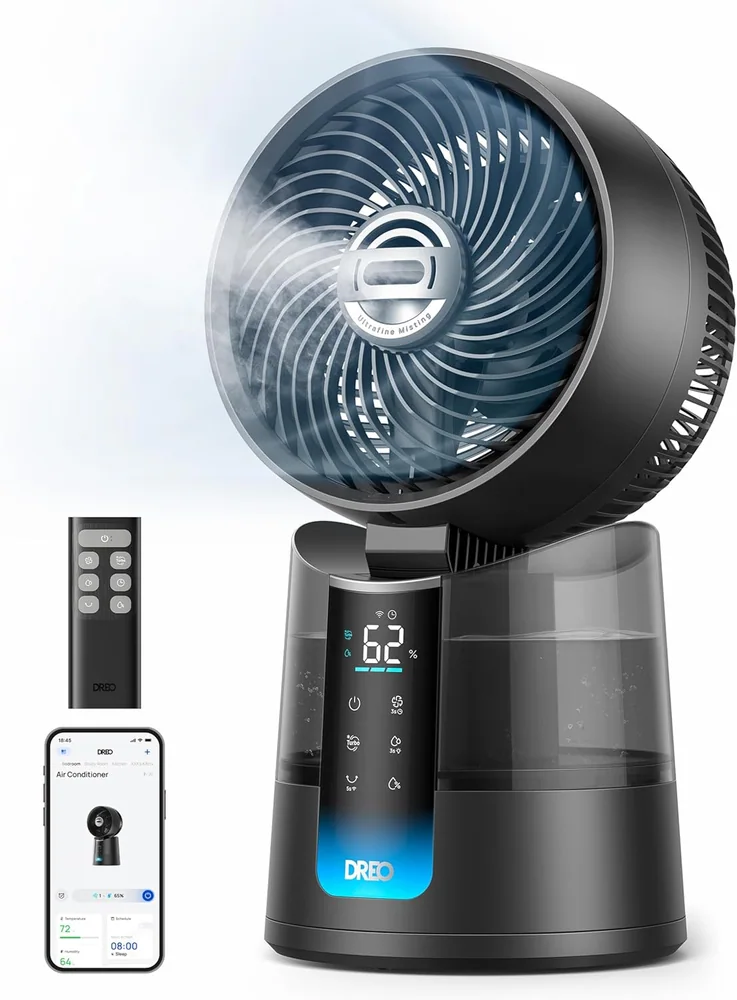
Dreo AC516S
Brand guide

Dreo

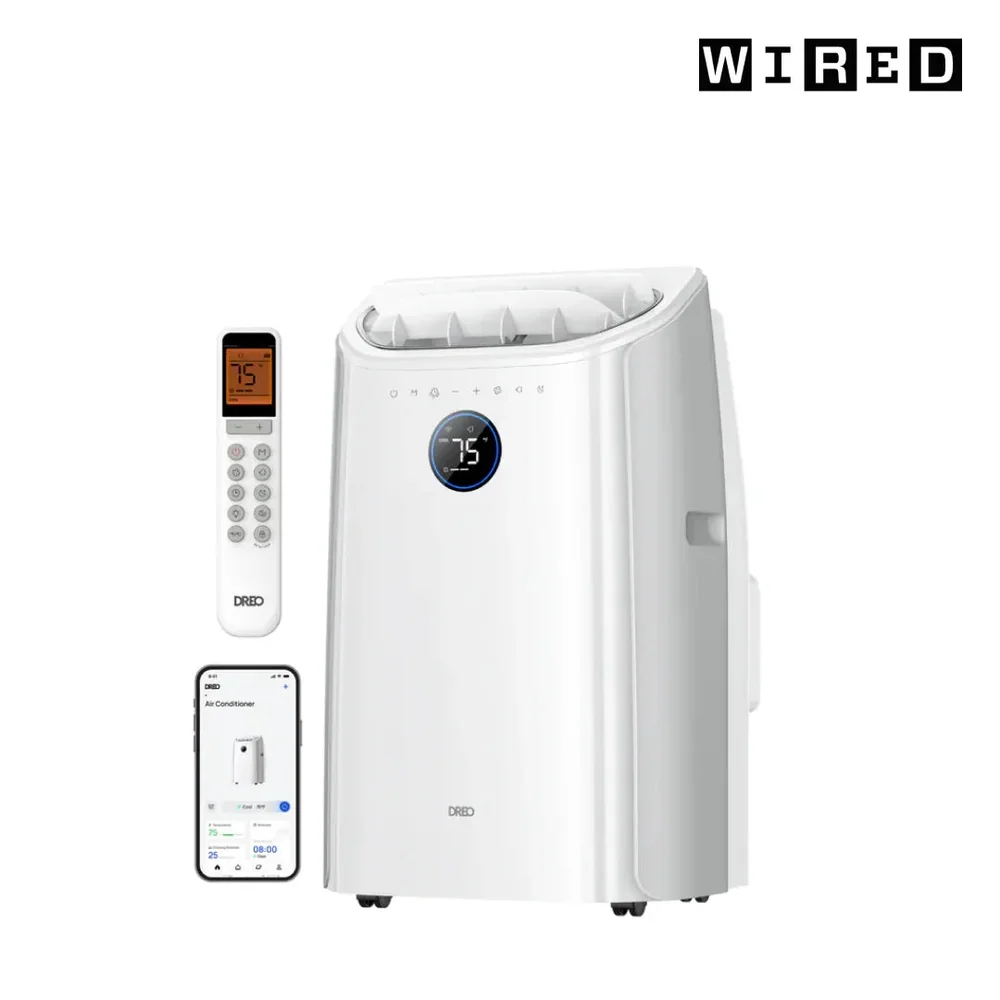
Dreo AC516S is for people cooling a larger room who want a feature rich portable air conditioner that prioritizes fast cooling and stable temperatures.
What to know: 1 Dreo model appears across the current guides and reviews.

Friedrich portable air conditioner family
Brand guide

Friedrich

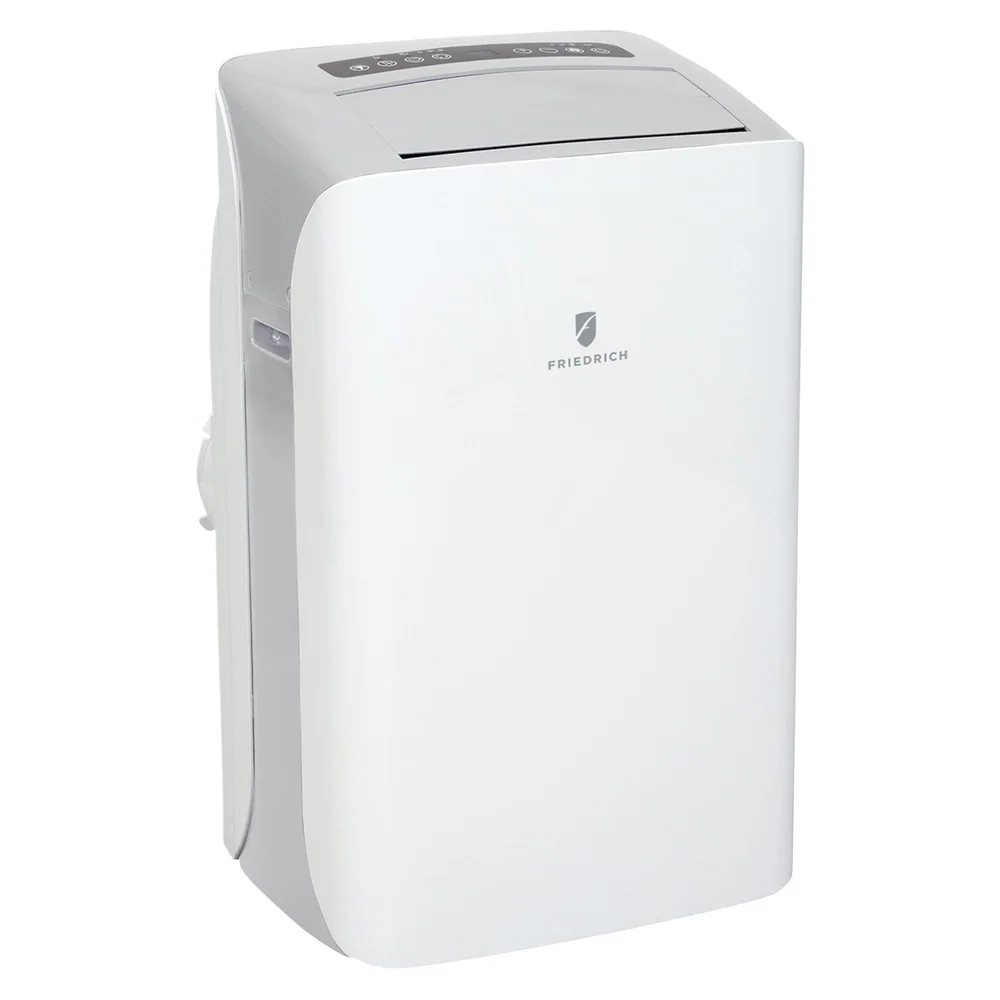
Friedrich's portable air conditioner family makes sense if you're shopping by brand and want an established HVAC name for bedroom cooling.

What to know: 2 Friedrich models appear across the current guides and reviews.

How to Choose a Portable Air Conditioner

  • DOE cooling capacity: Use the DOE number when comparing portable units and remember that room heat load still changes the result.
  • Hose design: Hose layout affects negative pressure, hot-air leakage, installation size, and real cooling efficiency.
  • Noise: A powerful machine is hard to live with if its useful setting is too loud for sleep or work.
  • Drainage and window kit: Poor drainage or a leaky panel can interrupt cooling and let heat back into the room.

Portable Air Conditioners FAQ

What makes an inverter portable air conditioner worth buying?

An inverter compressor can ramp up and down instead of blasting on and off. In practice, that can mean quieter operation, steadier temperatures, and better efficiency once the room reaches your set point.

Which portable air conditioner here makes the most sense for a bedroom?

Midea Duo Smart Inverter Portable Air Conditioner is the best fit when you care about quieter operation and steadier comfort for sleep.

Which portable air conditioner should I choose for a larger living room?

Whynter NEX ARC-1230WN is the strongest choice here for large room cooling performance, especially if you want a dual hose design and inverter efficiency. Dreo AC516S is a good alternative if you want a large room unit with smart features and a remote.

What is the best portable air conditioner for a small office or small bedroom?

Black+Decker BPP08WTB is the most sensible choice in this list for compact rooms. It is built for smaller cooling jobs and is not intended to cover large areas.

If I want heating and cooling in one portable unit, what should I buy?

Hisense Heat Pump Portable Air Conditioner is the clear choice here because the heat pump design adds heating for more of the year, not just summer cooling.

Before a large Amazon order

Check the delivery terms before counting on Prime

Prime includes fast, free delivery on eligible items, but oversized products and third-party sellers can have different terms. If you are already planning a busy month of shopping, an eligible 30-day trial gives you real orders to test. If it does not save money or make delivery meaningfully easier, cancel before renewal.