Lease rules and window reality: what you can and cannot change
Before you shop, check what your lease and building rules allow. Many rentals restrict drilling, exterior brackets, or anything that could fall from a window. Portable ACs typically avoid exterior brackets, but you still need to place a window panel and route an exhaust hose. Some buildings also have rules about window appearance, screens, or how far a window can be opened. Knowing these limits early prevents buying a unit whose window kit cannot be installed without "modifications."
Then match the unit to your window type. Most included kits are designed for sliding windows (horizontal sliders) or sash windows (up and down). Casement windows (crank-out) often need a different approach, usually a custom panel, which may or may not be allowed. Measure the window opening width and height, and note obstructions like security bars, deep sills, or storm windows. A perfect unit on paper can perform poorly if the hose has to bend sharply or the panel cannot seal.
Sizing for one room, not the whole apartment
Portable AC sizing starts with the room you will actually close off. Portable units struggle to cool around corners and through open doorways because the cooled air does not naturally flow where you want it. If you plan to cool a bedroom at night, size for that bedroom with the door closed, not for the entire apartment. Pay attention to sun exposure, top-floor heat, and big internal heat sources like a kitchen or a home office setup.
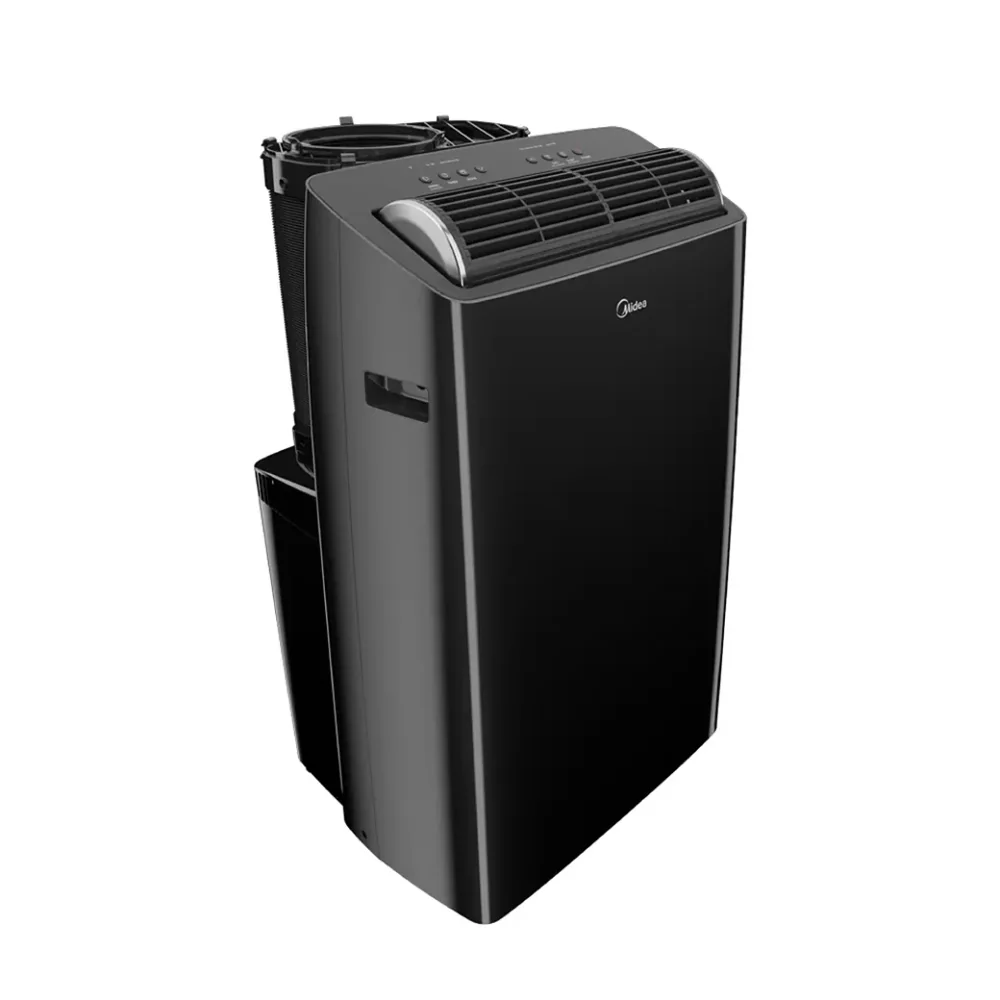
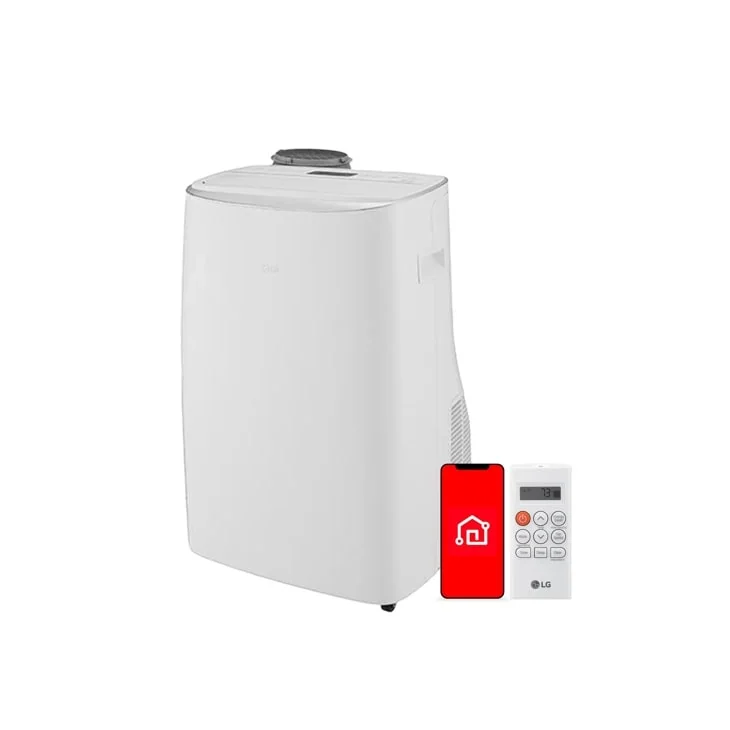
When comparing units, use the DOE cooling capacity rating rather than older, larger headline BTU numbers. The DOE number better reflects portable AC losses. Still, capacity is only part of comfort. A dual-hose unit can be a better choice for hotter rooms because it reduces the negative pressure many single-hose units create. Negative pressure can pull warm air from hallways or other rooms into your space, which is the opposite of what you want in a leaky rental.
Noise, neighbors, and where the unit will live
All portable AC noise is inside the room because the compressor and fans sit indoors. That matters in rentals with thin walls, roommates, or a bedroom that doubles as an office. Think about when you need cooling most. If you need it for sleep, a unit that is only tolerable on its lowest setting may not keep up on hot nights. If you need it for calls, fan noise and air rush can be as distracting as compressor hum.
Plan the footprint and hose path like furniture. The unit needs clearance for intake and should sit close enough to the window that the hose is short and not kinked. A long, sagging hose radiates heat back into the room and reduces cooling. Also consider how you will secure the window. A partially open window can be a security concern. Many renters add a removable window stop (a cut-to-length bar or stick) so the window cannot be opened farther than the panel allows, without drilling.
Drainage and day-to-day living: avoid the humid-night surprise
In a rental, drainage is often the make-or-break annoyance. "No-drain" operation depends on humidity and mode. In humid climates or during long runs, many units still fill a tank and shut off. Decide whether you can realistically empty a tank, and where. If the unit is in a bedroom, carrying a sloshing tank at night gets old fast. If you can set up continuous drainage, confirm you have a practical place for the water to go without creating a trip hazard.
Also think about storage and seasonal handling. Portable ACs are heavy and bulky, and many rentals have limited closets. Measure where you will store it and where you will store the window kit. If you expect to move, consider how easily the unit can be packed and whether replacement window panels are easy to source. A renter-friendly choice is one that installs cleanly, seals well without tape residue, and can be removed without leaving marks or hardware behind.