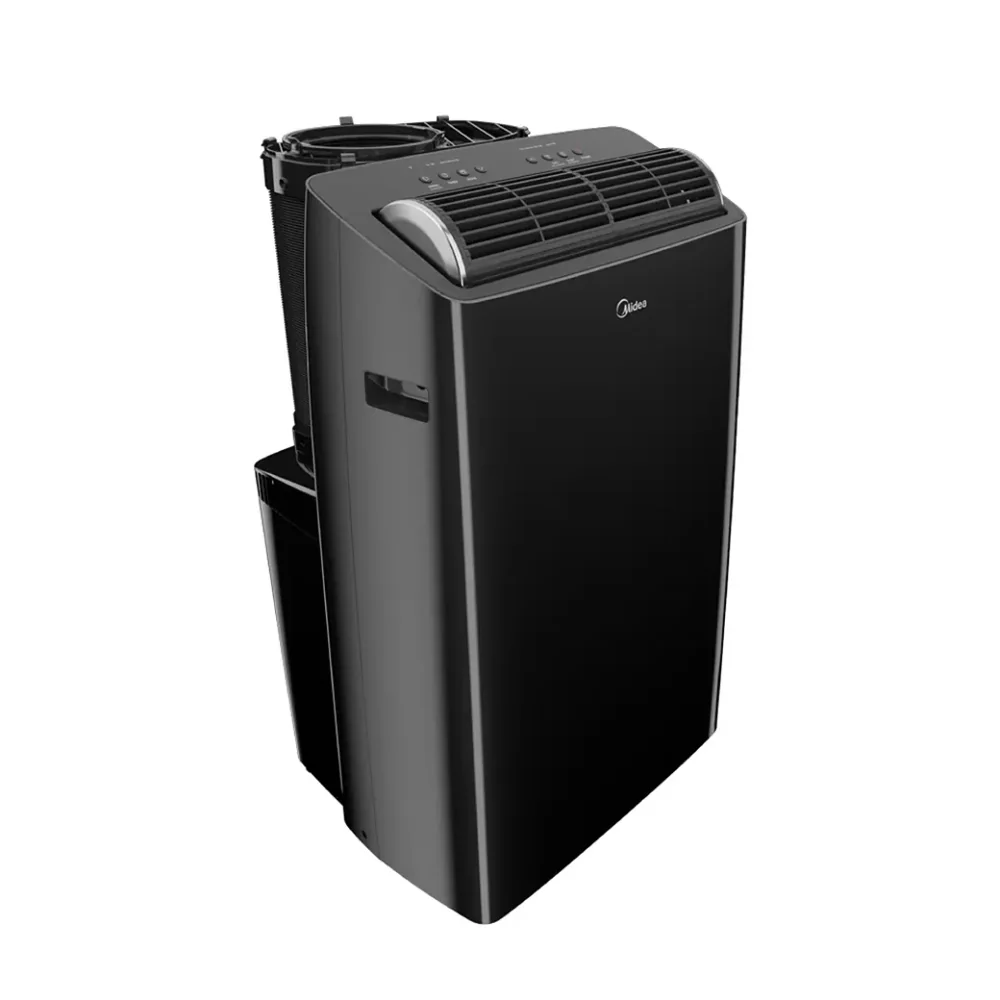
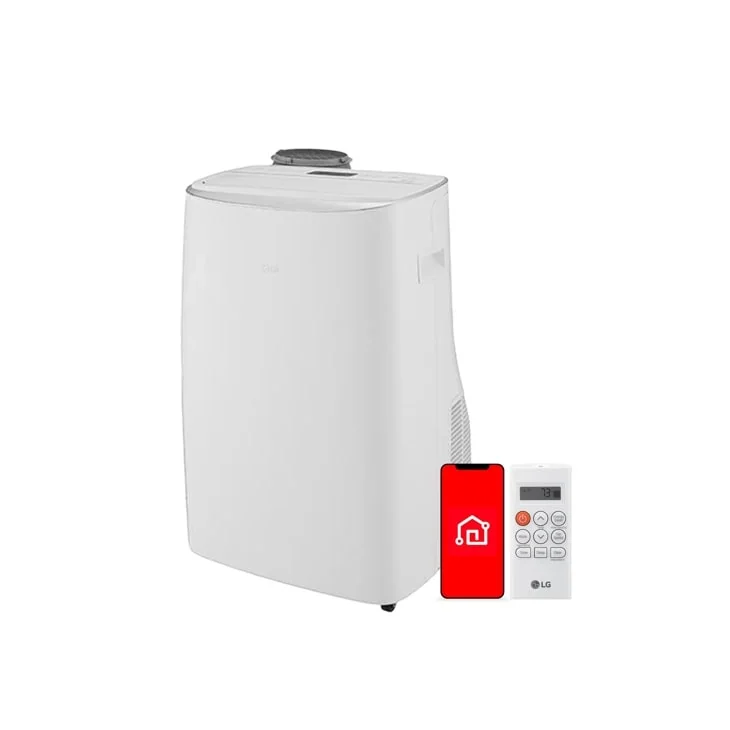
What BTU means for portable ACs (and why the hose changes everything)
BTU stands for British Thermal Unit, a unit of heat. When an air conditioner is rated in BTU per hour, it is describing how quickly it can move heat out of the room. With a portable AC, that heat does not disappear. It is pushed outdoors through the exhaust hose, along with hot air from the unit's condenser section. The hose and the window kit are part of the system, not accessories. The hose is hot while running, and it can radiate heat back into the room. Any gaps around the window panel can leak hot outdoor air inward. On many single-hose designs, exhausting air also pulls replacement air into the room from elsewhere. All of that reduces the cooling you actually feel compared with an idealized capacity number.
Why two ratings appear: ASHRAE vs. DOE in plain terms
The larger ASHRAE number is commonly used as a headline because it looks stronger. It is based on a test method that does not fully account for the real-world penalties portable units face from hose heat, air leakage, and air exchange effects. It is not useless, but it is easy to misuse when you are trying to predict comfort in a specific room. The DOE portable AC rating is designed to be more conservative for portable units by accounting for losses that tend to show up in normal installations. That is why the DOE number is typically lower. When you are comparing portable ACs against each other, the DOE rating is the better apples-to-apples number. It will not perfectly predict your room, but it is less likely to lead you to an undersized purchase.
How to compare listings without getting tricked by marketing
When you shop, decide in advance that you will compare DOE cooling capacity first. If a listing only highlights the larger BTU number, look for the DOE value in the specifications section. If you cannot find it, treat the listing cautiously because you cannot easily compare it to other portable units. Then look at the factors that change how much of that DOE capacity you actually get: single-hose versus dual-hose design, hose length and routing, and the quality of the window kit seal. Also check power draw (watts or amps) so you know what the unit demands from the outlet. A higher watt draw does not automatically mean better cooling, but it does affect operating cost and whether the unit can share a circuit with other devices.
Using the DOE number to set expectations for comfort and runtime
A portable AC with an appropriate DOE rating should be able to maintain a comfortable temperature in a closed room with a good window seal, but it may run for long stretches during hot weather. Long runtime is not automatically a problem. It can be a sign the unit is steadily matching the heat load instead of short cycling. If your room has heavy sun, poor insulation, or frequent door opening, expect the unit to feel weaker than the DOE number suggests. In those cases, improving the room can be as effective as upsizing: add blackout curtains, seal obvious air leaks, and keep the hose short and straight. If you need quick pull-down after the room heats up all day, plan for more capacity than you would for simple overnight maintenance cooling.