
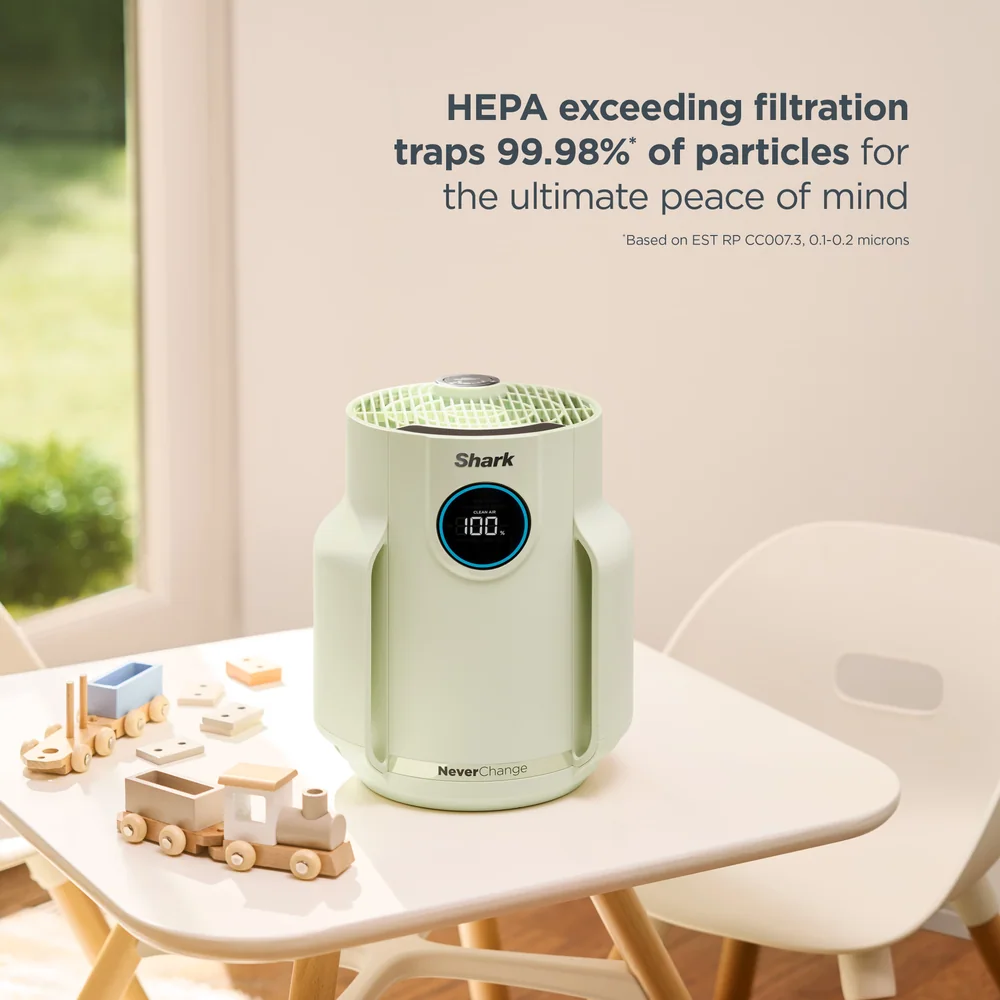
Compact room purifiers
Smaller units for bedrooms, offices, and other closed rooms.
Best for: Quiet continuous use where floor space is limited.
New buying guides and full reviews, by email.
Air Purifiers research
Choose an air purifier by room size, smoke CADR, noise, filter cost, and the pollutants you actually need to reduce. Compare Pickori's air-purifier rankings and full reviews, then get practical help with setup, filter costs, and everyday ownership.
Air purifier shopping starts with two questions: how much air the machine can clean, and what you need removed from that air. Smoke, pollen, dust, and pet dander are particle problems. Odors and gases require enough activated carbon to matter.
Room-size claims can be difficult to compare because brands use different air-change assumptions. CADR, noise at useful fan speeds, filter availability, and annual filter cost usually tell you more about daily ownership than the largest square-foot number on the box.
Smaller units for bedrooms, offices, and other closed rooms.
Best for: Quiet continuous use where floor space is limited.
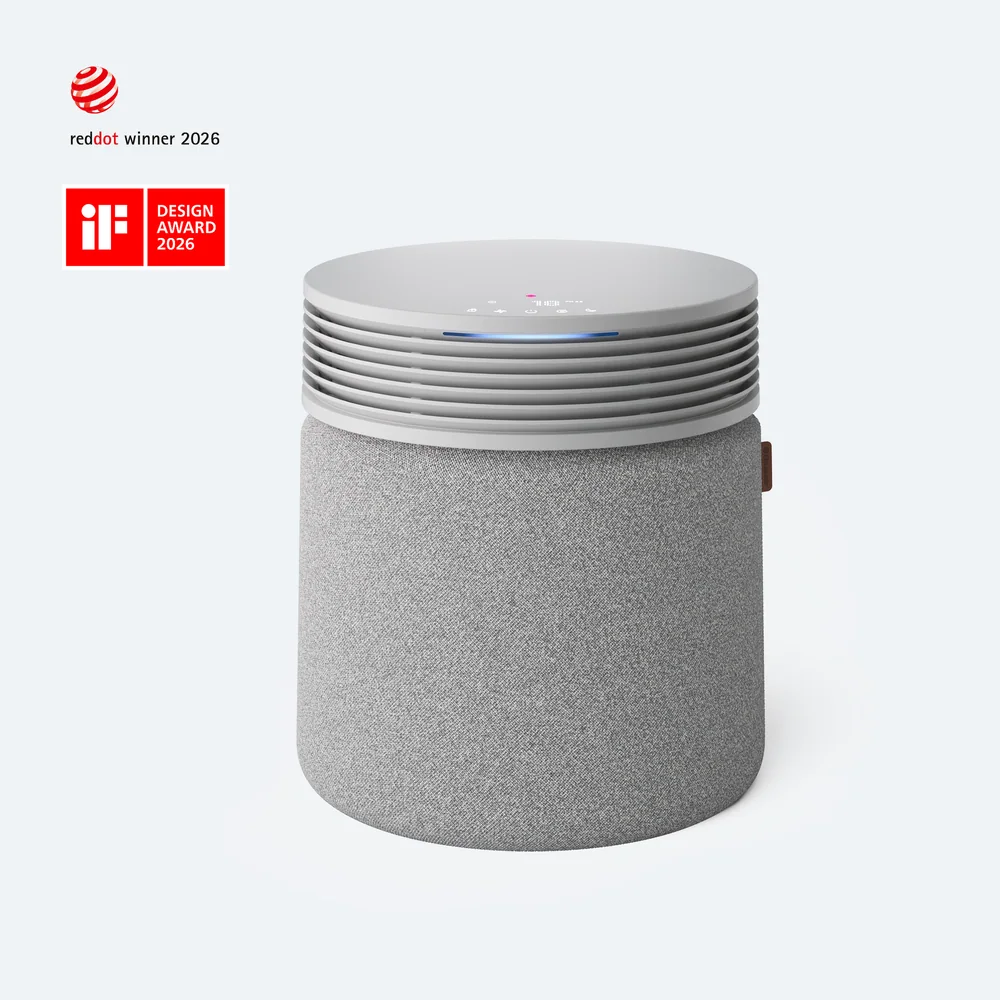
Higher-airflow machines for living rooms and open layouts.
Best for: Moving enough clean air through a larger shared space.
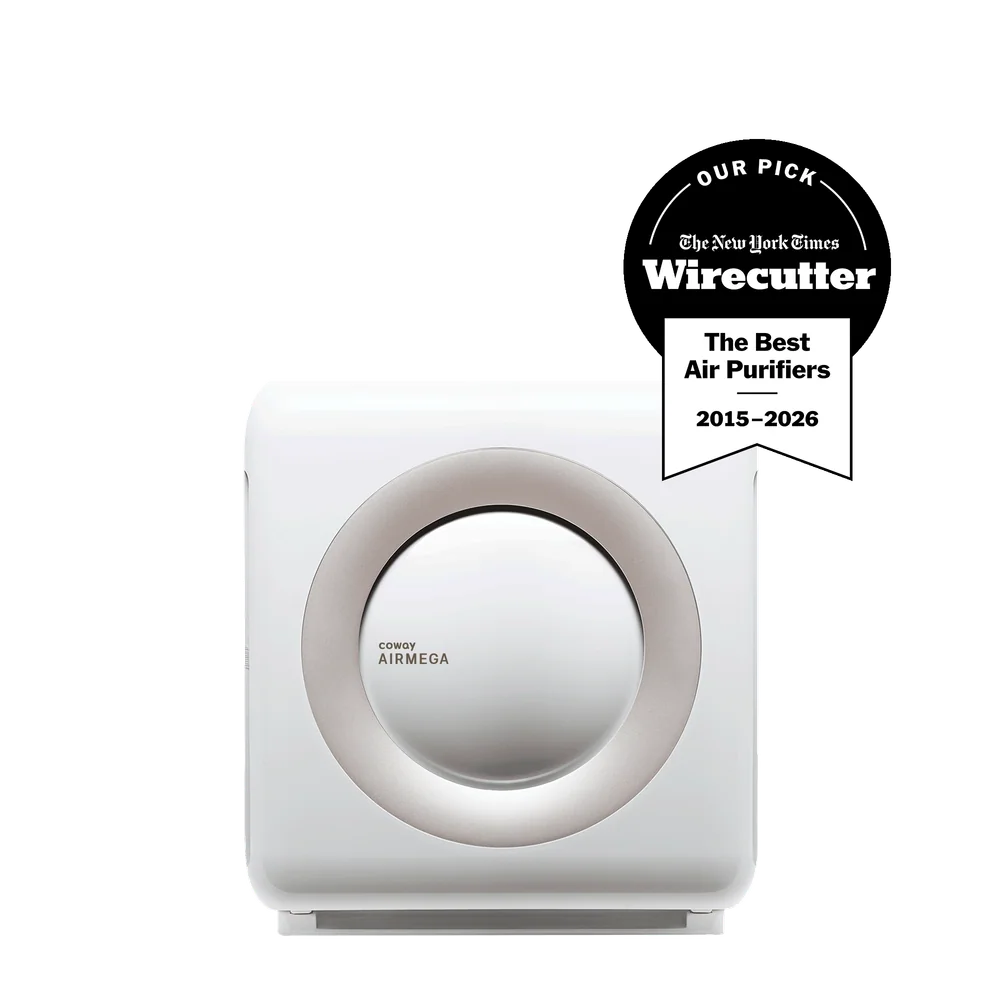
Particle-focused models chosen for pollen, fine smoke, dust, and dander.
Best for: Shoppers who need strong, measurable particle removal.
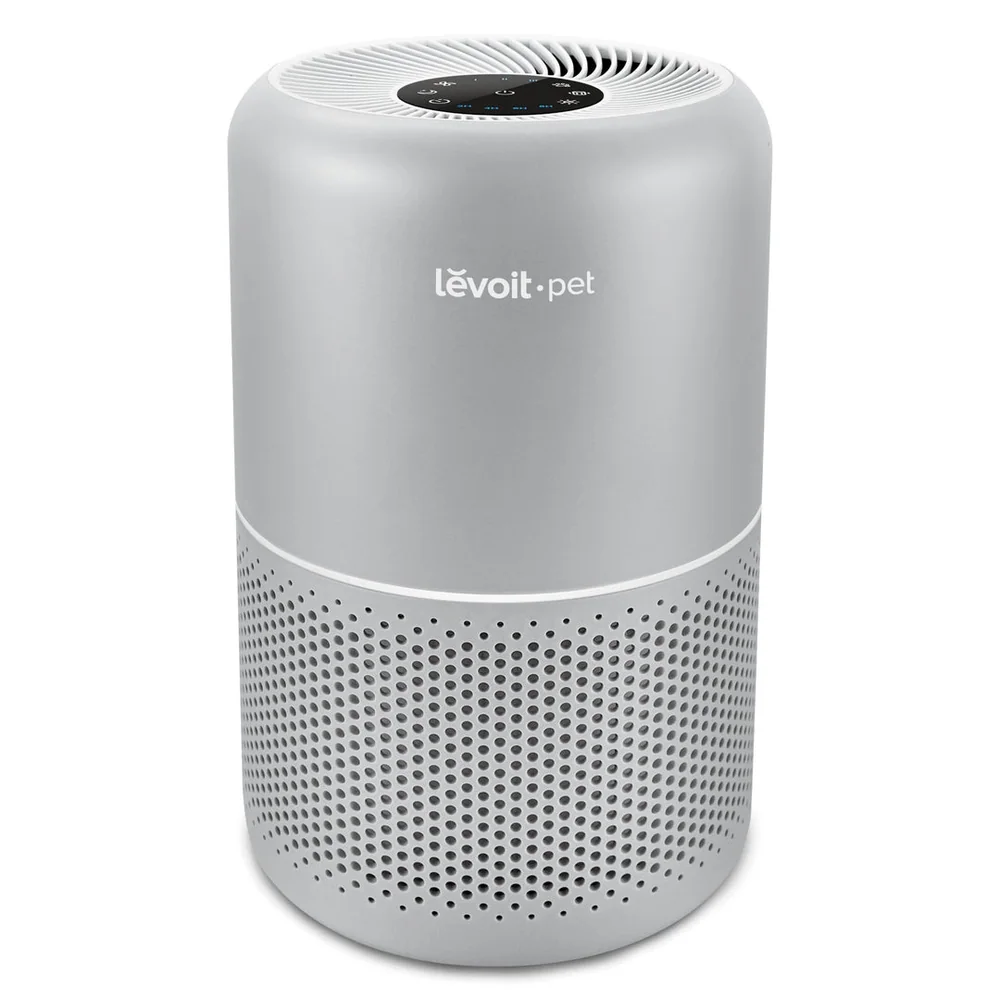
Models with a more meaningful activated-carbon stage.
Best for: Cooking smells, pet odors, and some gaseous pollutants.
Product reviews
Start with the newest reviews and substantial refreshes, then open the complete directory when you need a specific model.


Cleaner-air routines
Setup, maintenance, smoke, pets, and everyday habits all affect what an air purifier can accomplish.




Learn the category
Plain-English guides to sizing, features, setup, maintenance, and the category questions that change the decision.
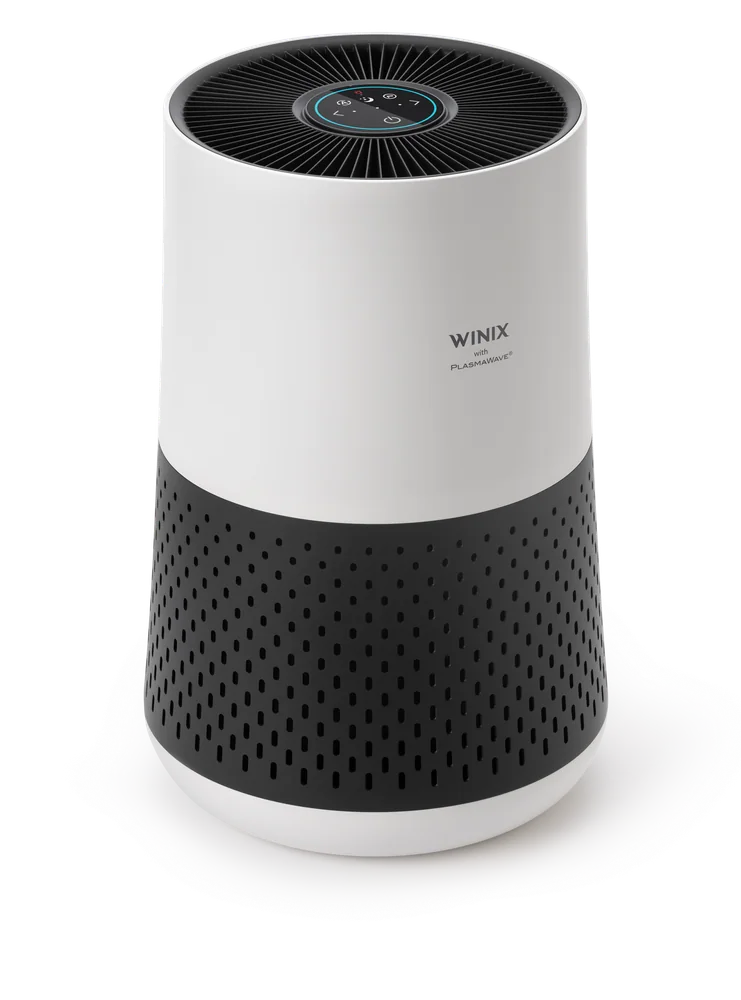
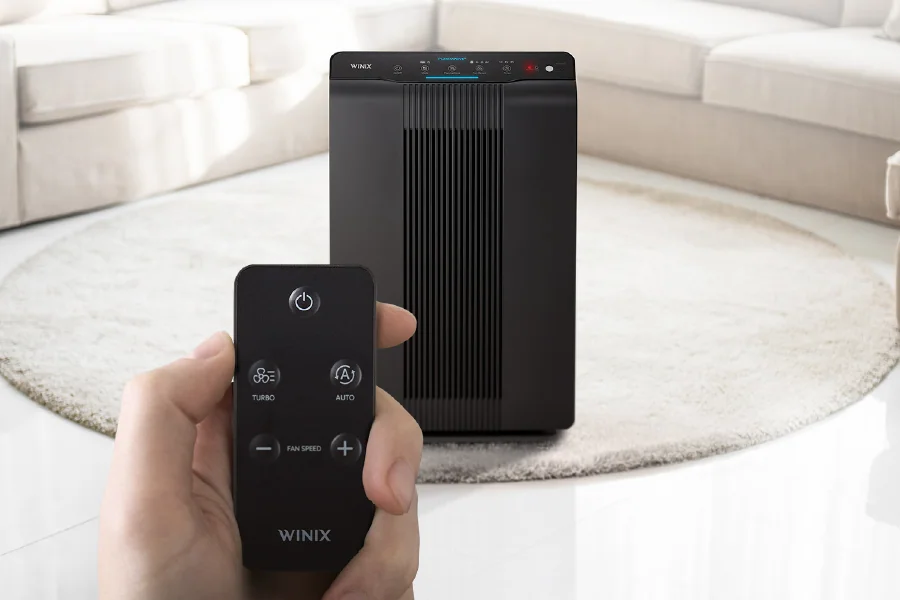
These are the measurements and ownership details that change which air purifiers make sense.
Clean Air Delivery Rate estimates how quickly a purifier removes smoke-size particles.
Why it matters: It gives shoppers a comparable airflow-and-filtration number for room sizing.
This describes how often the purifier can filter a room's air at a stated room size.
Why it matters: A huge room claim may assume only one or two cleanings per hour, which may be too slow for smoke or allergy control.
A purifier's quietest setting may move very little air.
Why it matters: The best machine is one you can tolerate while it is actually cleaning enough air.
Replacement filters are the main recurring ownership expense.
Why it matters: A modest purchase price can become poor value if filters are costly, scarce, or replaced often.
Covers a very large room: Check the air-change rate behind the claim, not just the maximum square footage.
HEPA and odor removal: Particle filtration and gas adsorption are different jobs; a thin carbon sheet cannot replace a deep carbon filter.
Automatic mode: A sensor can make ownership easier, but its usefulness depends on what it detects and how aggressively the fan responds.
Brands in the category
Use the brand overview as a starting point, then open the linked product reviews for the model-specific decision.
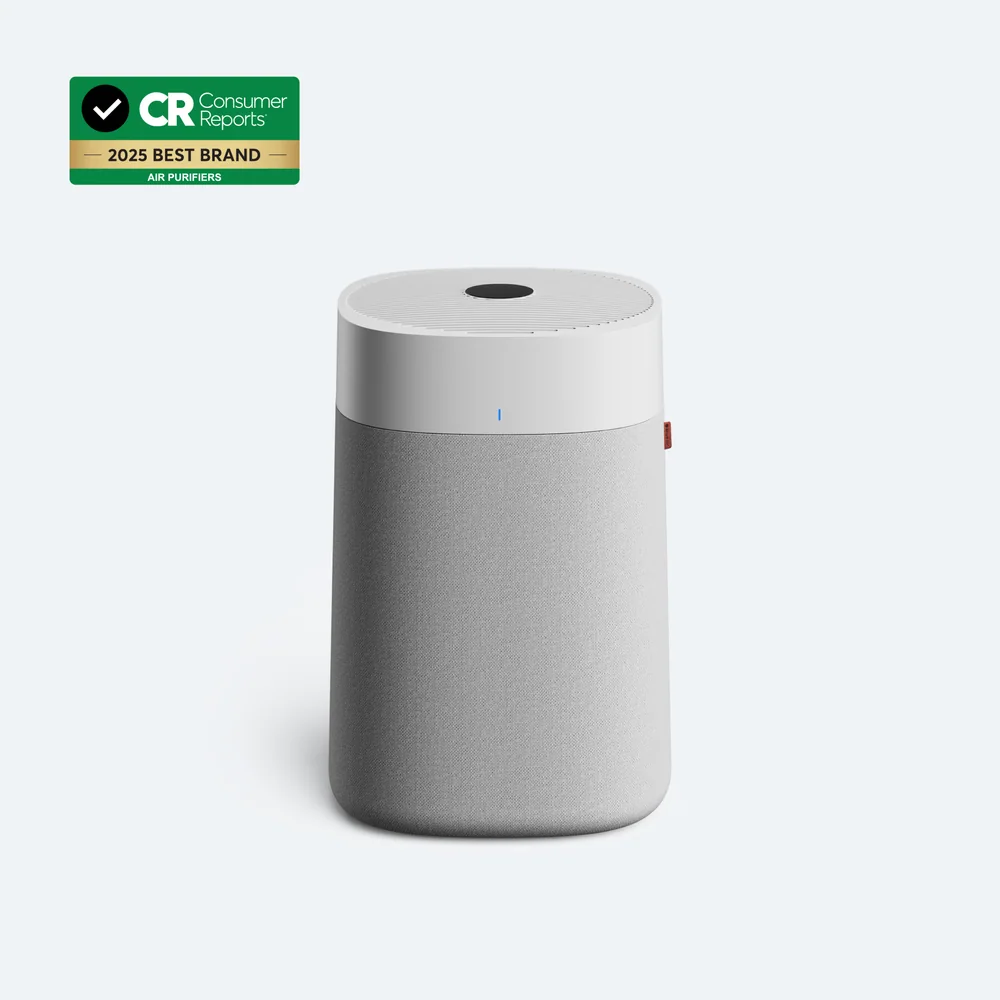
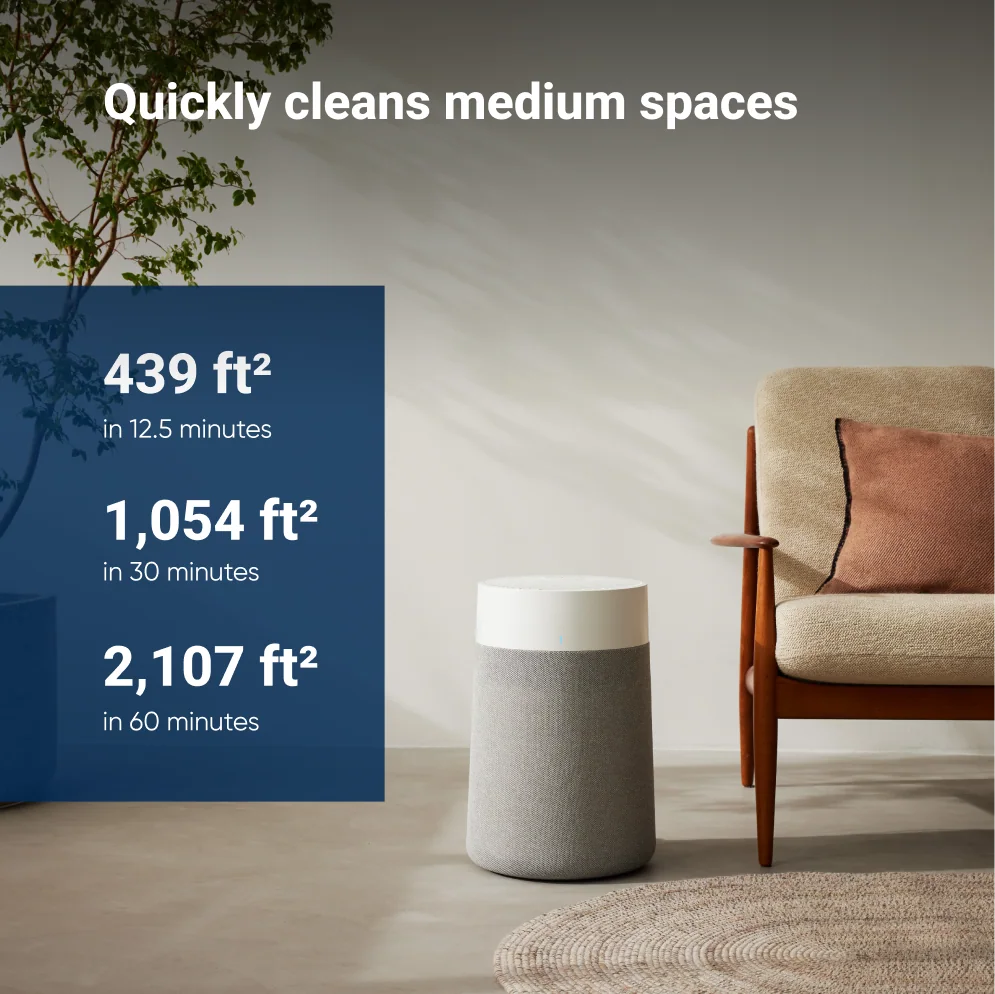
Blueair Blue Pure 311i Max makes the most sense for shoppers who want a well-rounded air purifier for general home use, especially in small to medium spaces.
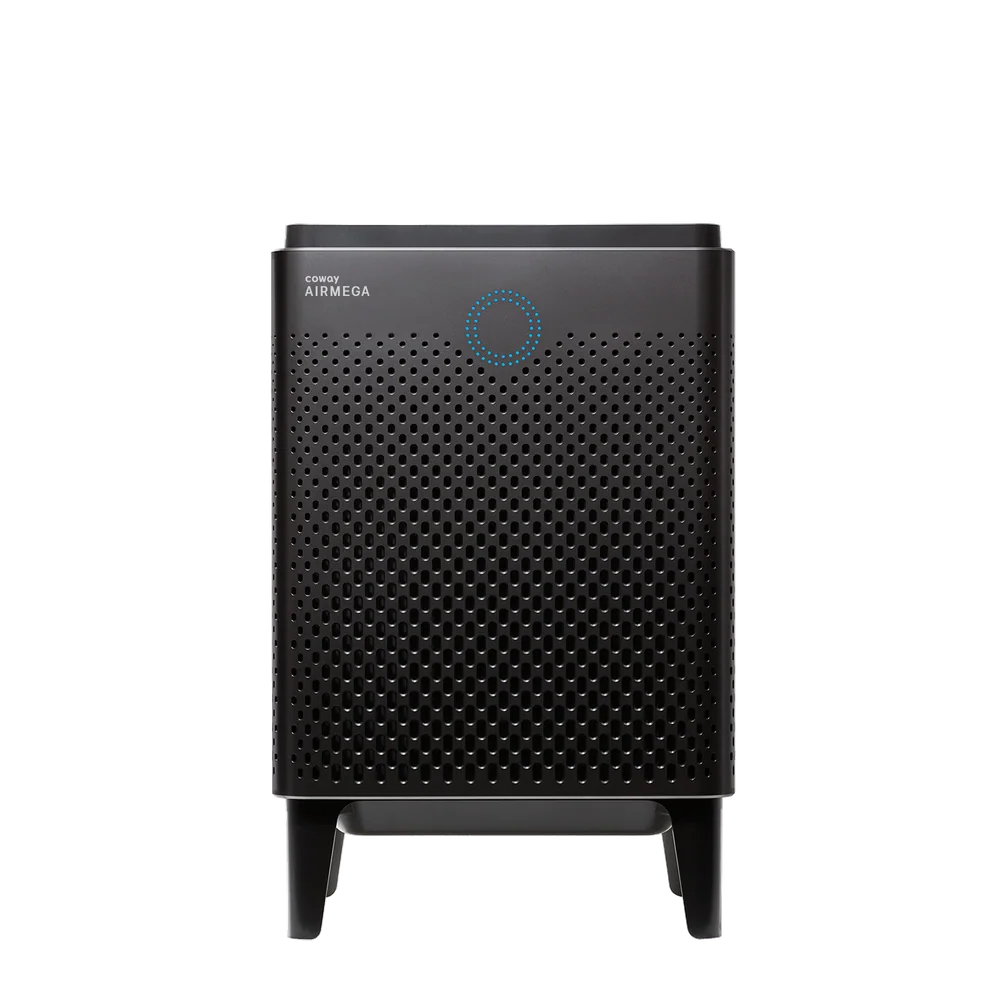
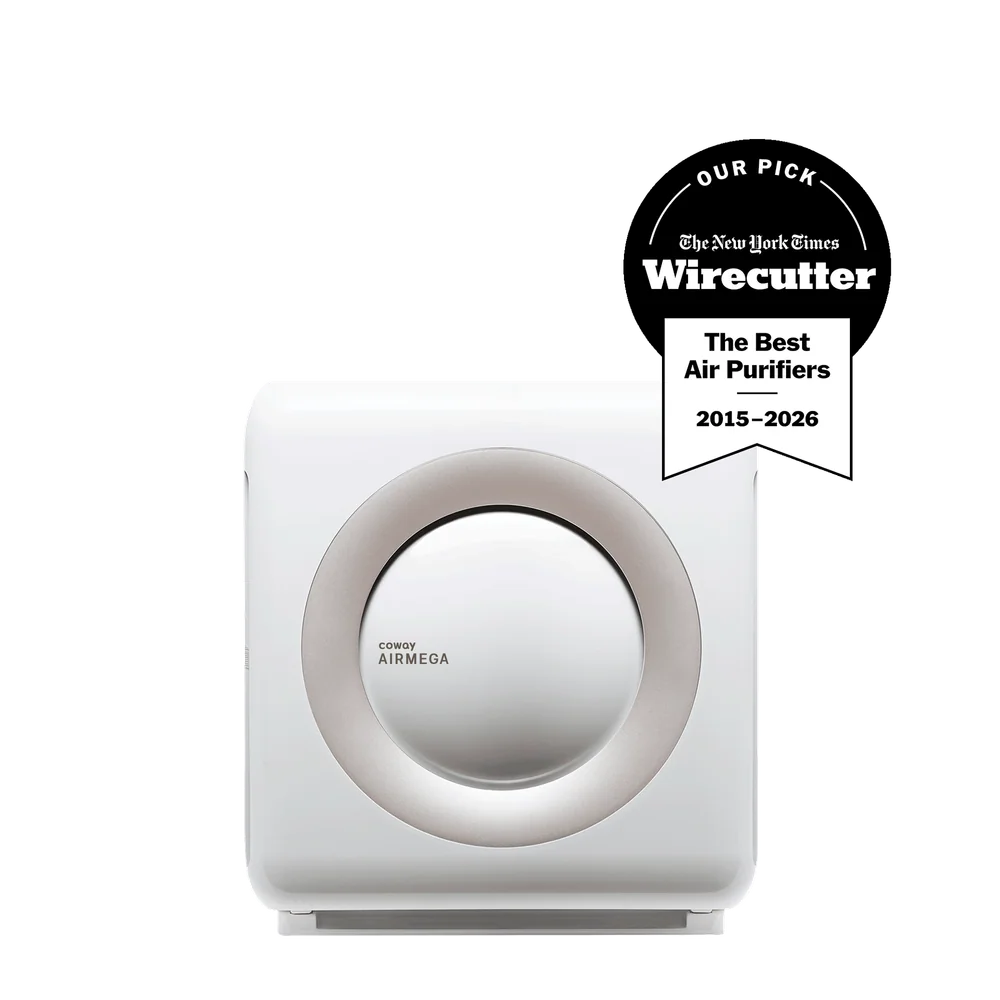
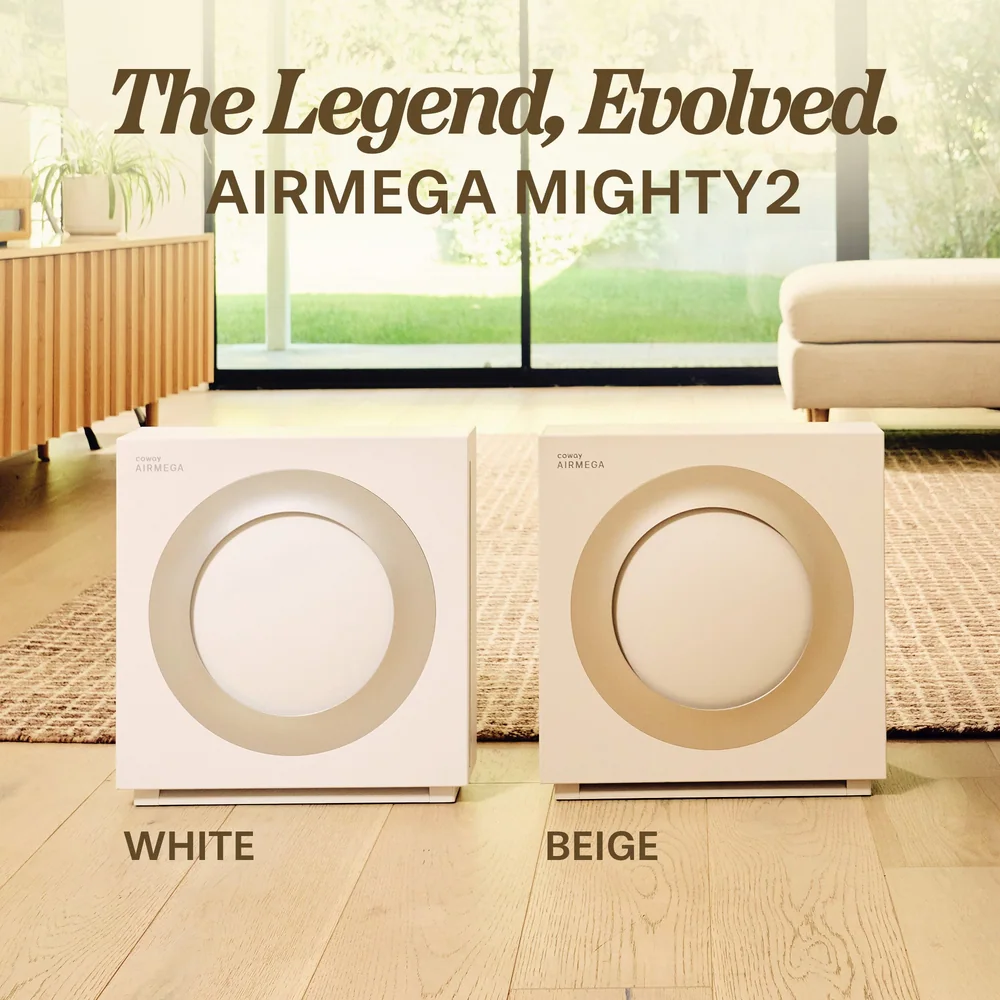
Coway Airmega AP-1512HH Mighty fits most homes that want one dependable air purifier for everyday dust, pollen, and general air cleanup in a small to medium room.
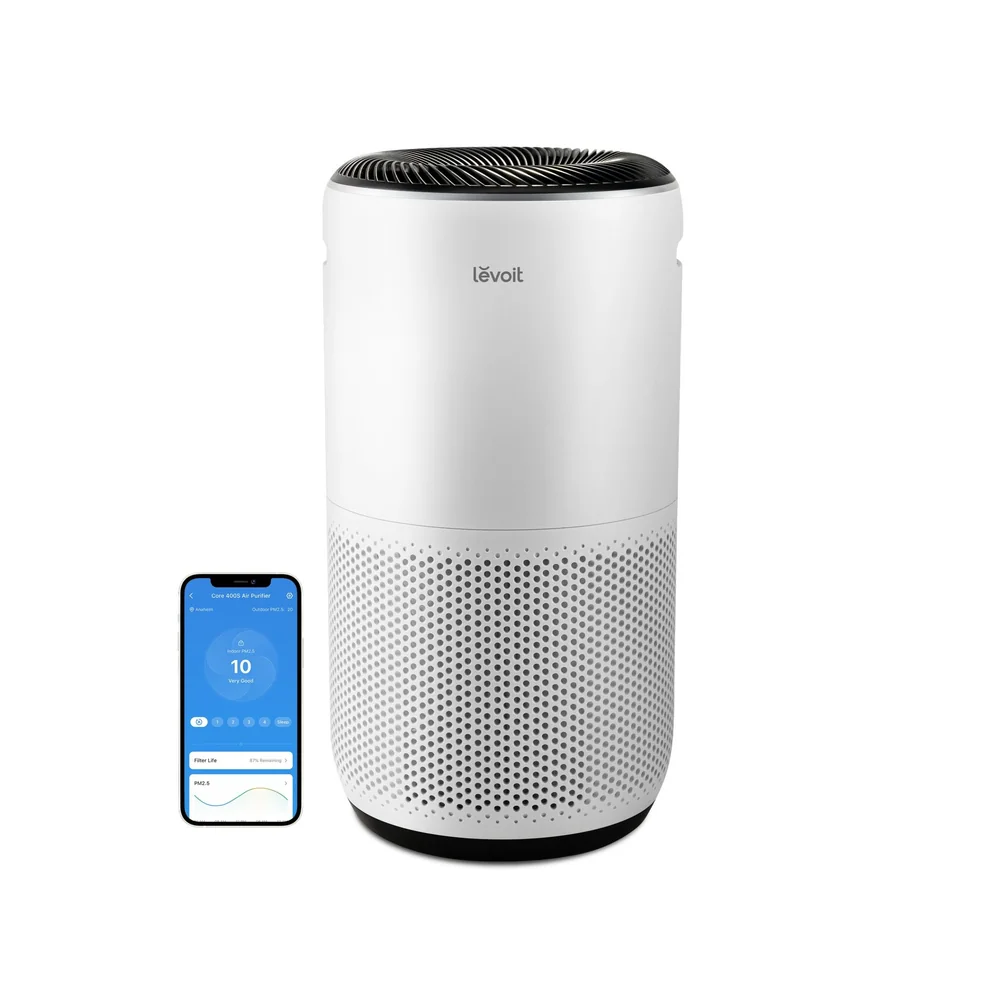
Levoit Core 400S works well for shoppers who like the Levoit approach but need more muscle for a medium room, especially when odors are part of the problem.
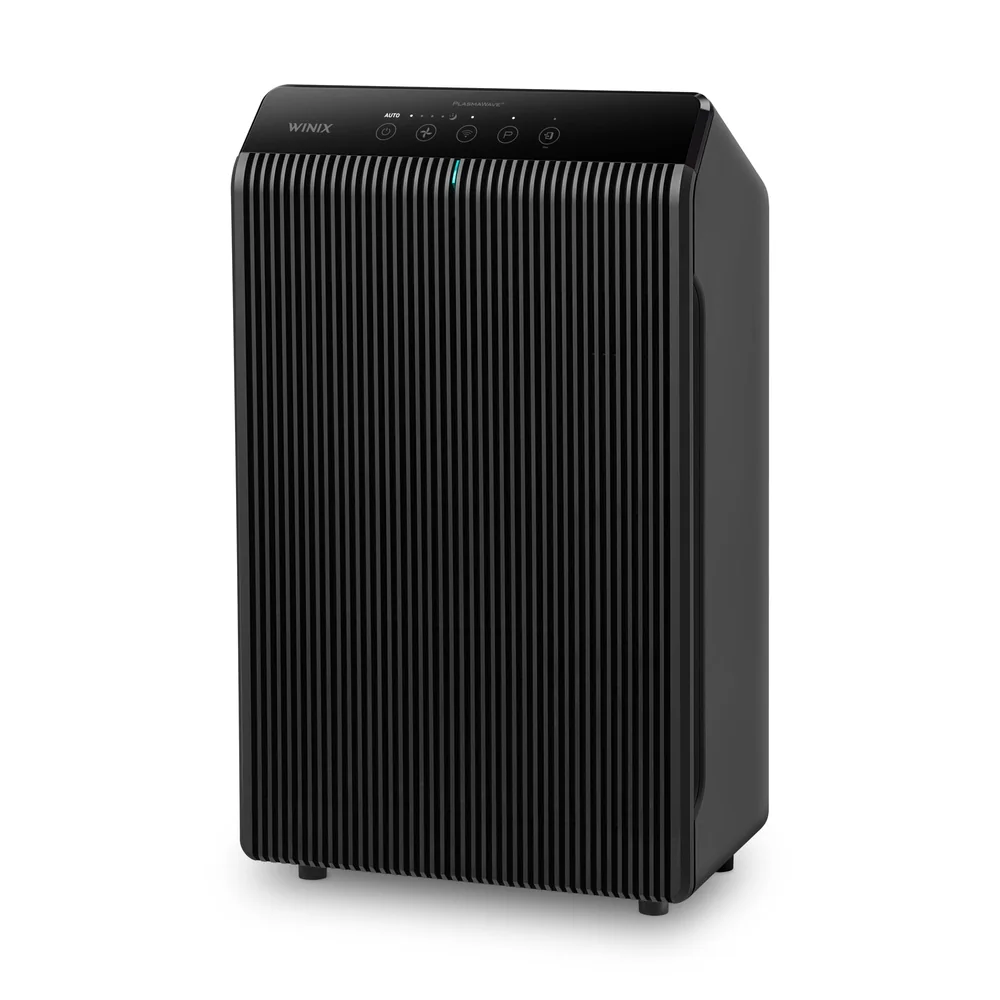
Winix 5510 is the one to prioritize when smoke and odors are the main issue, not just everyday dust.
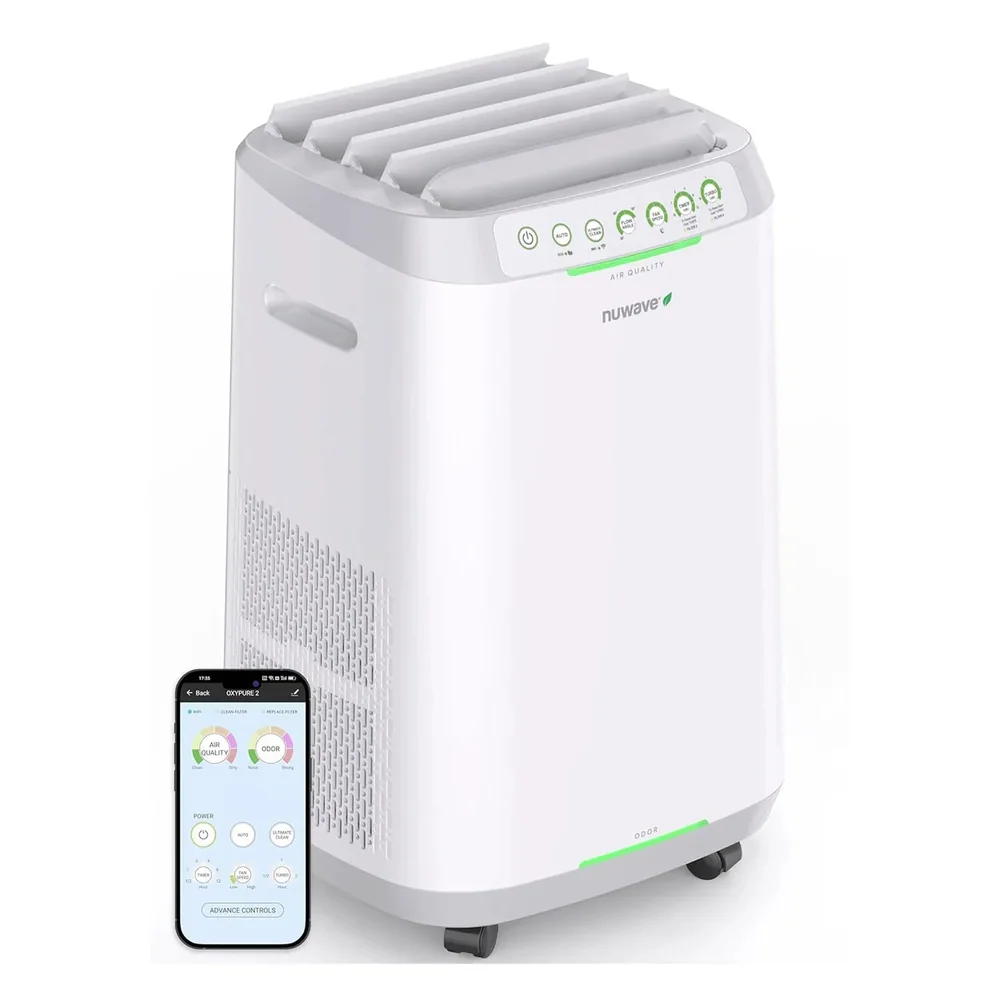
NuWave OxyPure is for people dealing with severe allergies who want to prioritize allergen capture above everything else.
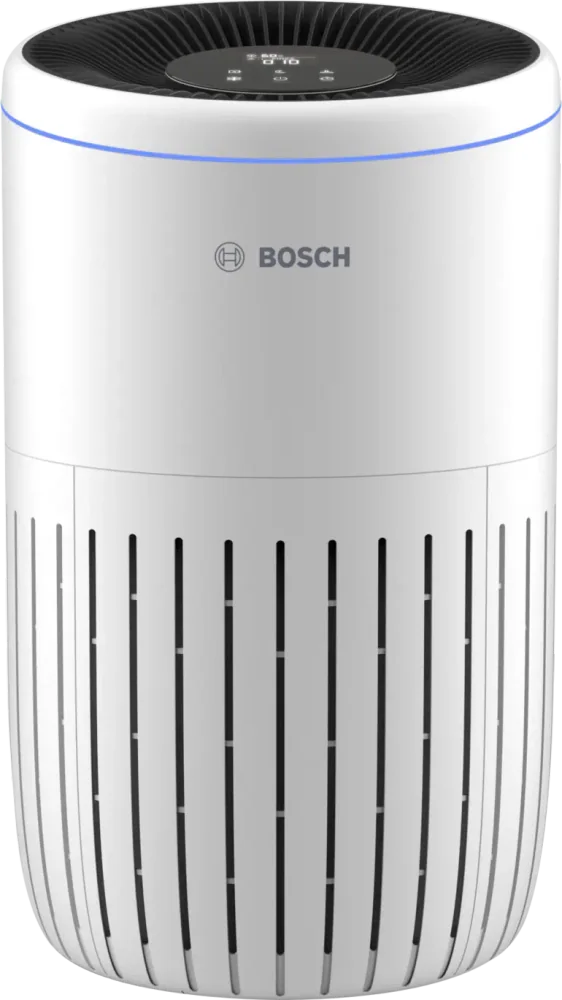
Bosch Air 4000 is worth a look if you want a capable large-room smoke purifier but you are trying to stay value-minded.
Shark NeverChange Compact Pro is a good fit for a small bedroom or nursery when you want a compact air purifier with clear room-size coverage.
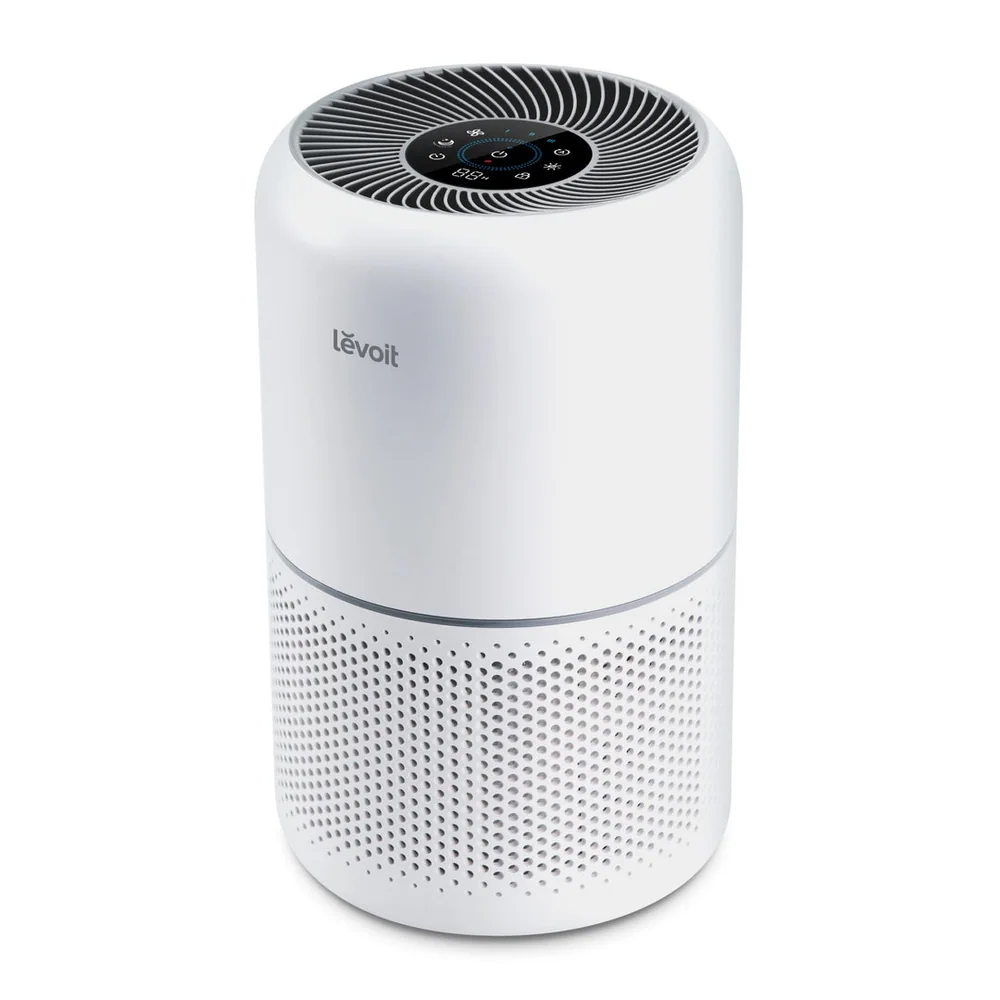
Start with the Levoit Core 300S for a smaller bedroom, or step up to the Coway Airmega AP-1512HH Mighty if you want a stronger all-around purifier for a larger bedroom or more demanding everyday use.
Blueair Blue Signature Large is the most direct fit for large rooms. It is built for higher-capacity cleaning where smaller purifiers can feel underpowered.
Winix 5510 is the most targeted option for smoke and odors on this list, with a clear emphasis on carbon-based odor control alongside fast air cleaning.
You do not need it, but it can make ownership easier. Blueair Blue Pure 311i Max includes a dirt sensor that can automatically increase fan speed when air quality drops, which is useful if you do not want to adjust settings manually.
For one main space, a large-room model like Blueair Blue Signature Large makes sense. For multiple closed-off rooms, two smaller purifiers like the Levoit Core 300S (or a mix of Core 300S and Coway Airmega AP-1512HH Mighty) often does a better job where people actually spend time.