
Pickori

Practical guide

What Air Purifiers Can and Cannot Remove

Know the difference between particle filtration, gas adsorption, source control, and claims a portable purifier cannot support.

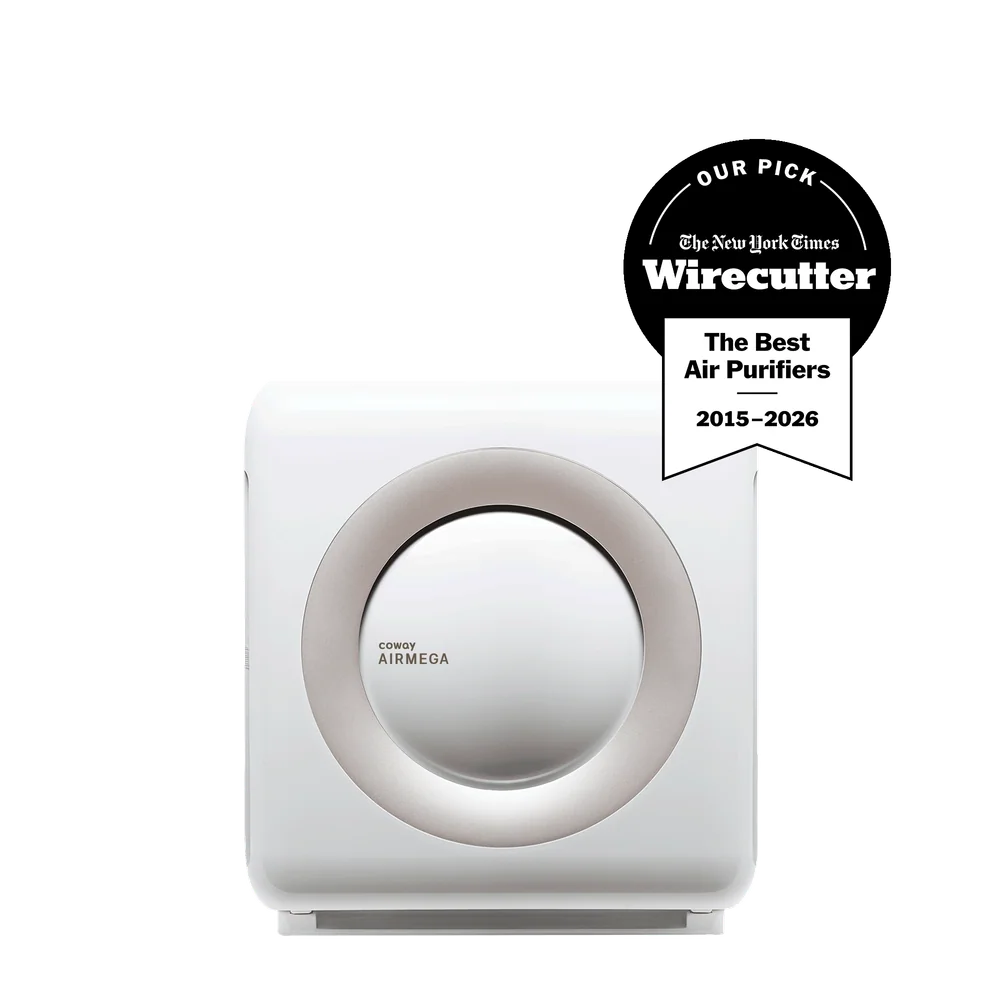
Coway Airmega AP-1512HH Mighty

What particle filters address

A well-sealed particle filter can reduce airborne smoke particles, pollen, dust, and dander that pass through the machine. Performance depends on both filter efficiency and how much room air the fan processes.

The purifier does not vacuum floors or bedding. Particles already settled on surfaces need cleaning, and new pollution will continue to enter or be generated.
Why gases and odors are harder

Gases pass through particle media. Activated carbon or another sorbent is needed, and useful capacity depends on the amount, formulation, airflow, and pollutant concentration.

A thin carbon sheet may help with light transient odors but should not be treated as protection from dangerous gas exposure or a substitute for outdoor ventilation when it is safe.

What a purifier cannot fix

A purifier cannot repair moldy materials, stop a roof leak, remove radon, correct a faulty combustion appliance, or supply fresh air. Those problems need source-specific action.

Claims about killing every microbe or making a space medically safe deserve skepticism. Follow public-health guidance for infection control and individual medical advice.

Avoid unwanted byproducts

Some electronic air cleaners can intentionally or unintentionally produce ozone. Ozone is a lung irritant. Check whether an ionizer can be disabled and consult the California Air Resources Board certified-device list as a safety screen.

CARB certification limits ozone emissions and addresses electrical safety. It is not proof that a purifier cleans well or is the best product for your room.

Products that fit this practical guide

As an Amazon Associate I earn from qualifying purchases.

More from Air Purifiers

← Back to Air Purifiers