
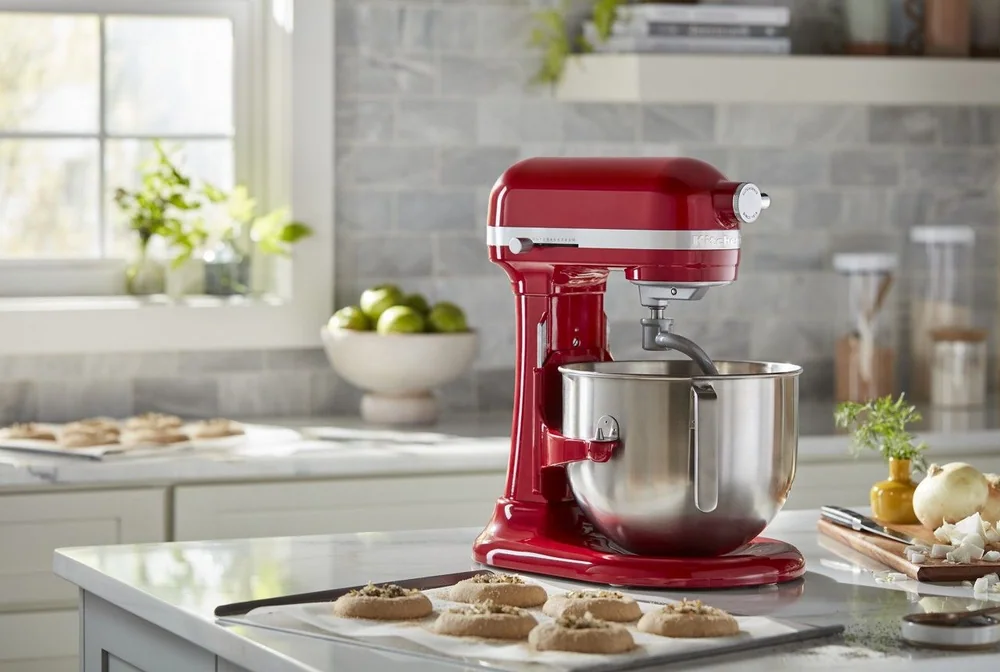
Tilt-head mixers
The head lifts away from the bowl for access and attachment changes.
Best for: Everyday home baking and kitchens with enough overhead clearance.
New buying guides and full reviews, by email.
Stand Mixers research
Compare stand mixers for bread dough, cakes, cookies, whipped cream, large batches, and everyday baking. Pickori's guides explain mixer formats, bowl sizes, attachments, and the limits that matter in a real kitchen.
Tilt-head mixers make bowl access and attachment changes straightforward. Bowl-lift mixers trade some convenience and counter clearance for larger bowls and a more stable arrangement under heavy dough.
Bowl size, dough limits, planetary coverage, low-speed control, weight, and available attachments matter more than headline motor power alone. A mixer should fit both your recipes and the place it will live.
The head lifts away from the bowl for access and attachment changes.
Best for: Everyday home baking and kitchens with enough overhead clearance.
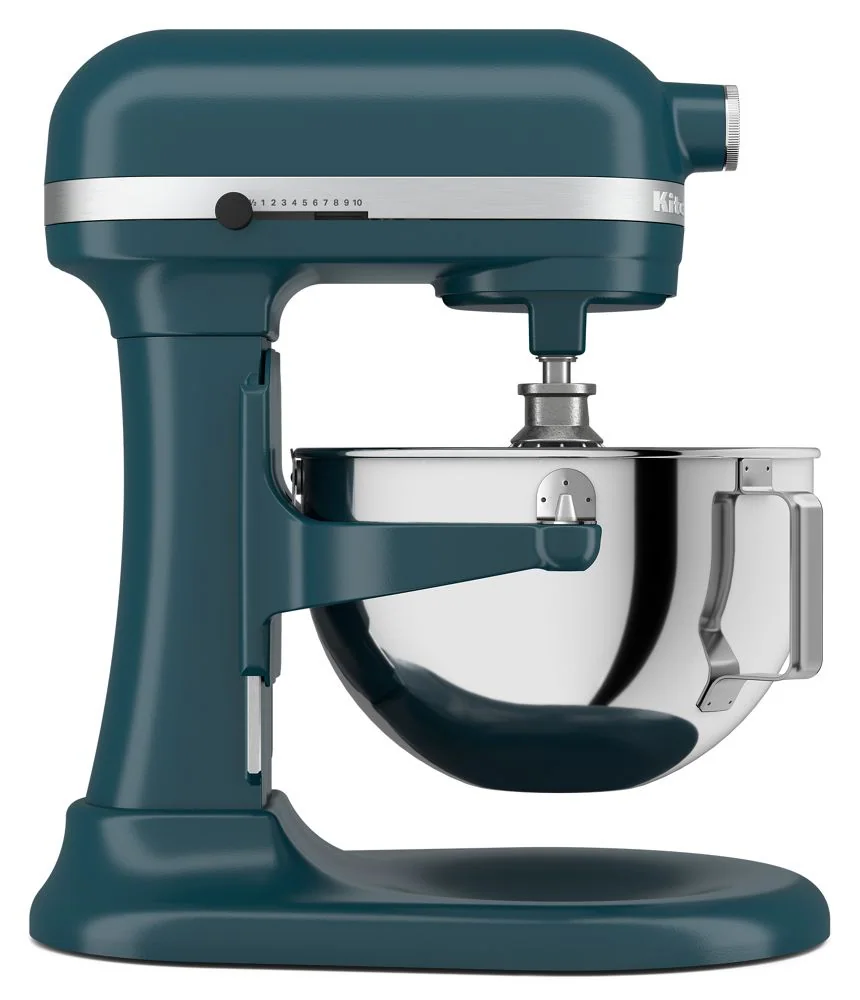
The bowl rises into a fixed head on support arms.
Best for: Large batches, frequent dough, and shoppers prioritizing stability.
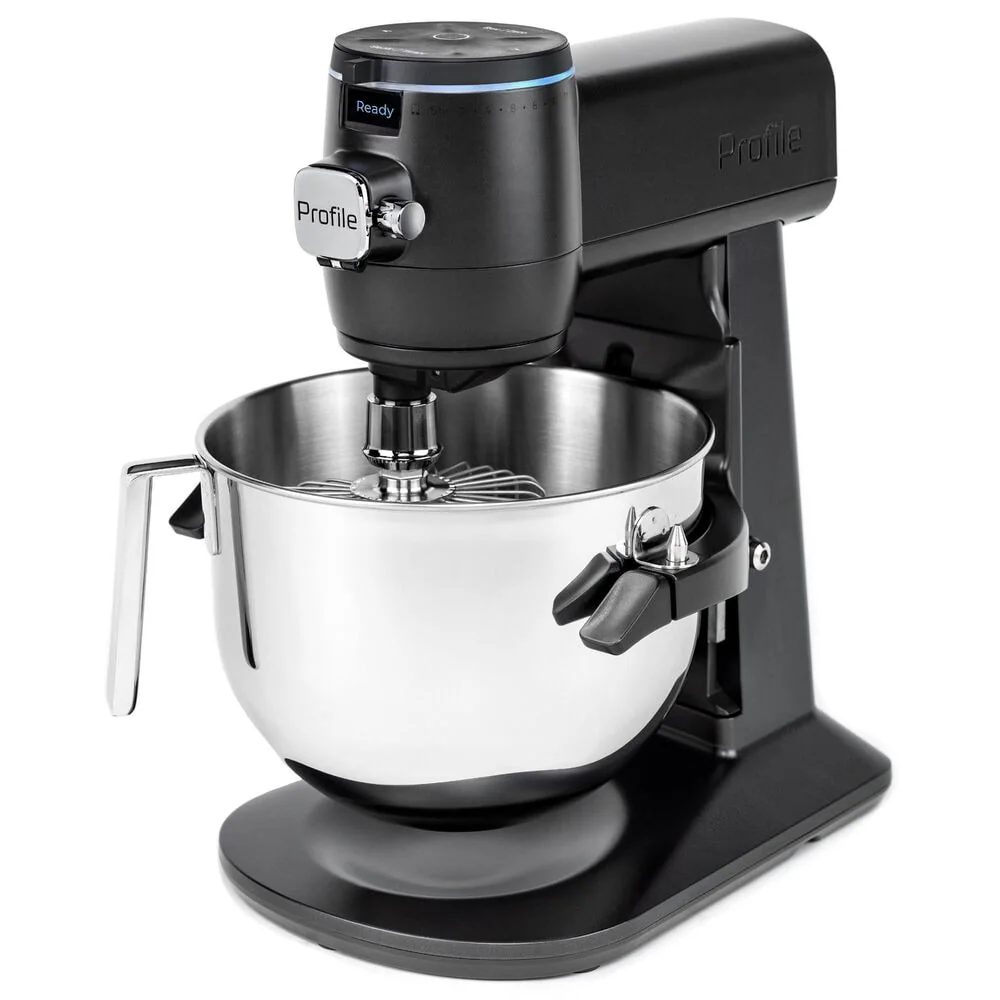
Smaller and lighter machines with reduced bowl capacity.
Best for: Small kitchens, occasional baking, and easier cabinet storage.
Alternative drive systems or premium designs with distinct mixing and attachment approaches.
Best for: Experienced bakers who know why the design suits their recipes.
 Buying guide
5 Best Stand Mixers of 2026
Pickori's recommendations for the best stand mixers in 2026, including a classic KitchenAid workhorse, a strong value full-size mixer, a premium alternative, and a smart connected mixer with a built-in scale.
Buying guide
5 Best Stand Mixers of 2026
Pickori's recommendations for the best stand mixers in 2026, including a classic KitchenAid workhorse, a strong value full-size mixer, a premium alternative, and a smart connected mixer with a built-in scale.
 Buying guide
5 Best Budget Stand Mixers of 2026
Pickori's recommendations for the best budget stand mixers in 2026, including a dependable all-around KitchenAid, a strong value full-size alternative, a true tight-budget mixer, and a compact model for small kitchens.
Buying guide
5 Best Budget Stand Mixers of 2026
Pickori's recommendations for the best budget stand mixers in 2026, including a dependable all-around KitchenAid, a strong value full-size alternative, a true tight-budget mixer, and a compact model for small kitchens.
 Buying guide
6 Best Premium Stand Mixers of 2026
Pickori's recommendations for the best premium stand mixers in 2026, covering everyday baking, larger batches, heavier dough, smart-guided mixing, and strong non-KitchenAid alternatives.
Buying guide
6 Best Premium Stand Mixers of 2026
Pickori's recommendations for the best premium stand mixers in 2026, covering everyday baking, larger batches, heavier dough, smart-guided mixing, and strong non-KitchenAid alternatives.
 Buying guide
6 Best Stand Mixers For Bread Dough of 2026
Pickori's recommendations for the best stand mixers for bread dough in 2026, including a top bowl-lift kneader, a high-capacity modern mixer, and strong value and budget options.
Buying guide
6 Best Stand Mixers For Bread Dough of 2026
Pickori's recommendations for the best stand mixers for bread dough in 2026, including a top bowl-lift kneader, a high-capacity modern mixer, and strong value and budget options.
Product reviews
Read the full reasoning, important specifications, ownership details, and alternatives for every product covered in this research.
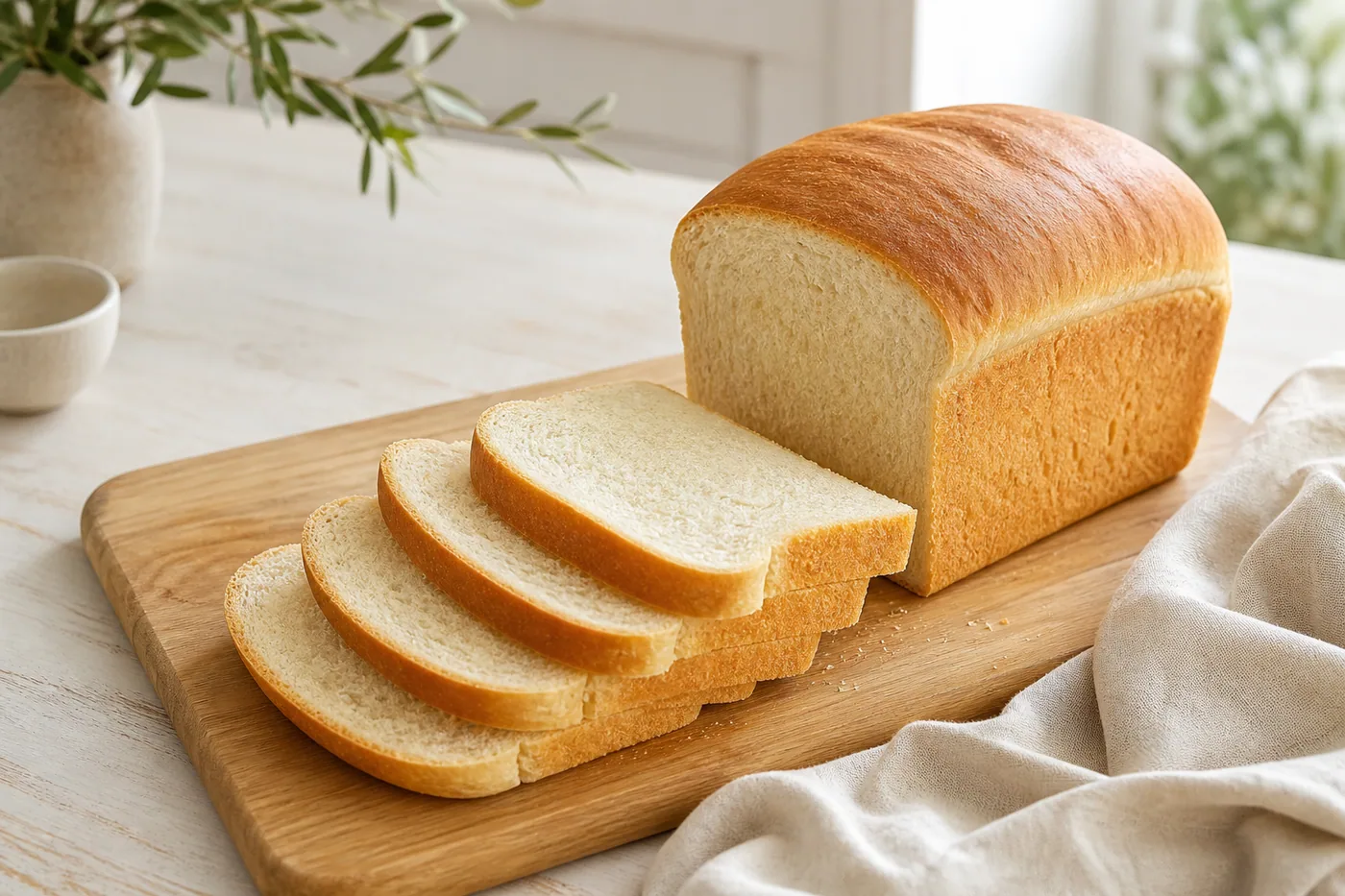
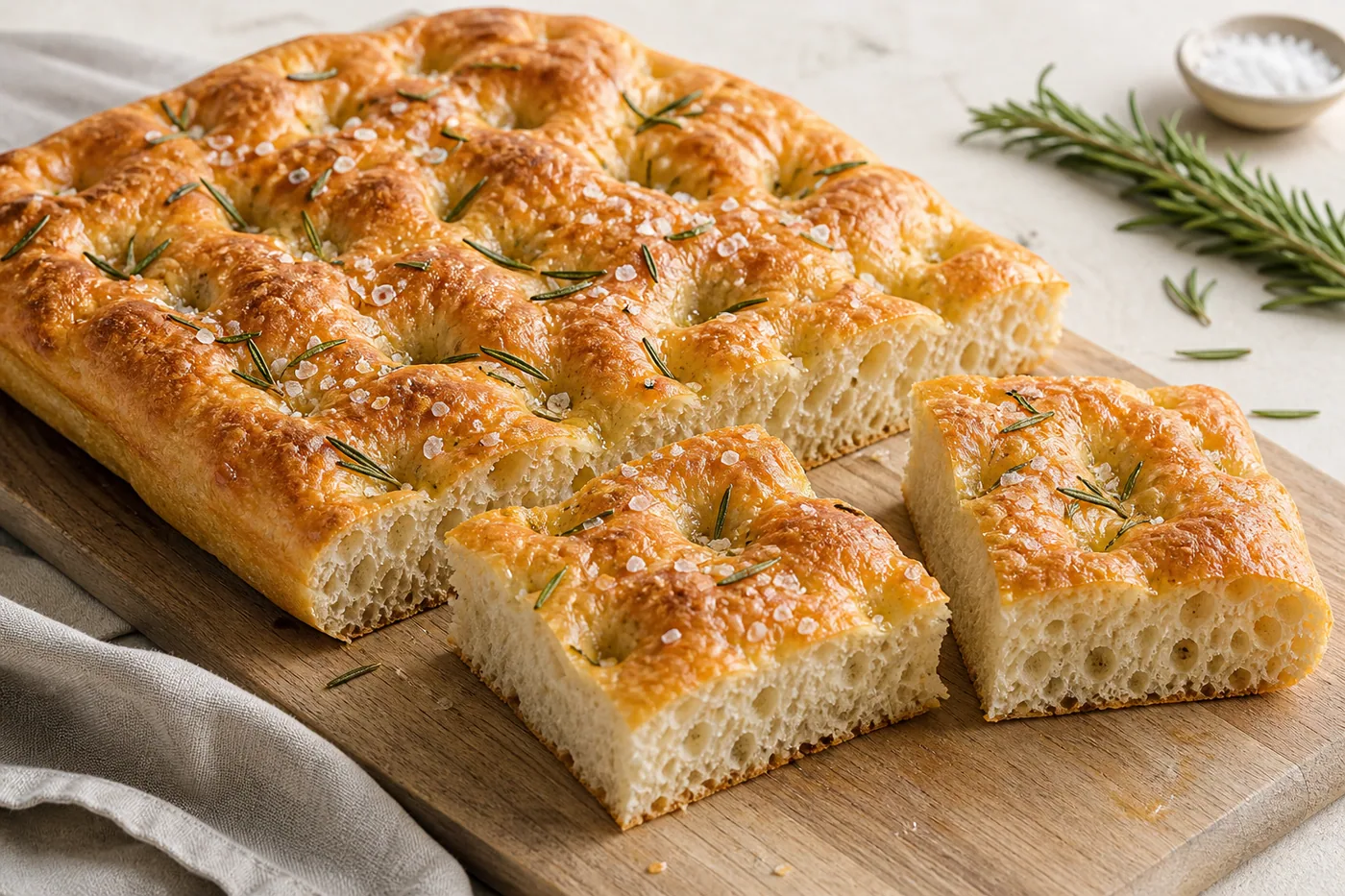
Bake with your stand mixer
Use these recipes to learn creaming, whipping, kneading, batch limits, bowl coverage, and speed control.





Learn the category
Plain-English guides to sizing, features, setup, maintenance, and the category questions that change the decision.



These are the measurements and ownership details that change which stand mixers make sense.
The bowl's quart rating describes volume, but recipe limits depend on dough stiffness and ingredient load.
Why it matters: A bigger bowl helps large batches but may be less effective for one egg white or a small frosting batch.
Manufacturers may publish flour, loaf, or cookie limits for the motor and drivetrain.
Why it matters: These limits are more useful than horsepower-style marketing when bread is the main job.
The beater rotates while traveling around the bowl.
Why it matters: Good bowl coverage reduces scraping and helps ingredients mix evenly.
Hub compatibility expands the machine; physical dimensions determine whether it can stay accessible.
Why it matters: A capable mixer used often needs a practical home on the counter or an easy storage plan.
High wattage: Electrical input alone does not describe torque, gearing, thermal limits, or mixing quality.
Professional: The word may describe styling or capacity rather than commercial certification.
Handles heavy dough: Check the maker's batch limits and duty guidance for the specific dough you make.
Brands in the category
Use the brand overview as a starting point, then open the linked product reviews for the model-specific decision.
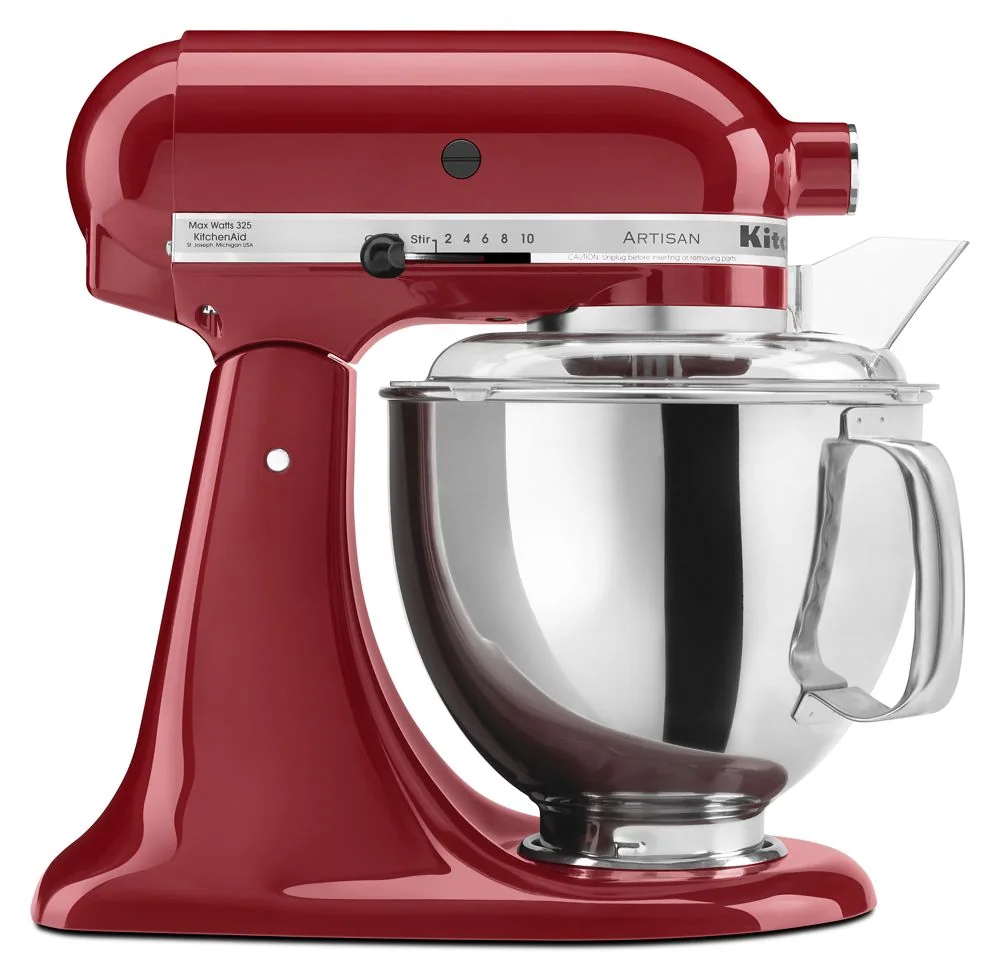
KitchenAid Artisan Series 5-Quart Stand Mixer is the safe, satisfying choice for most home bakers who want one stand mixer to handle years of everyday mixing.
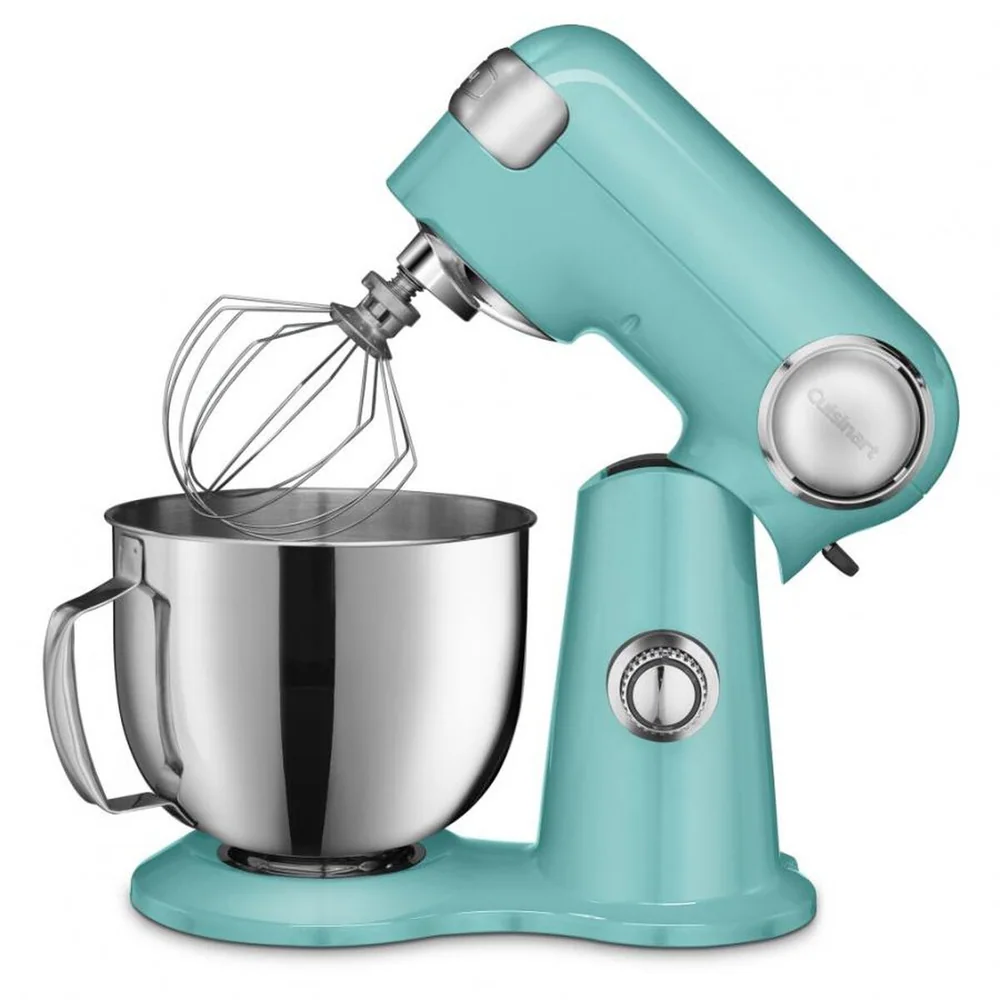
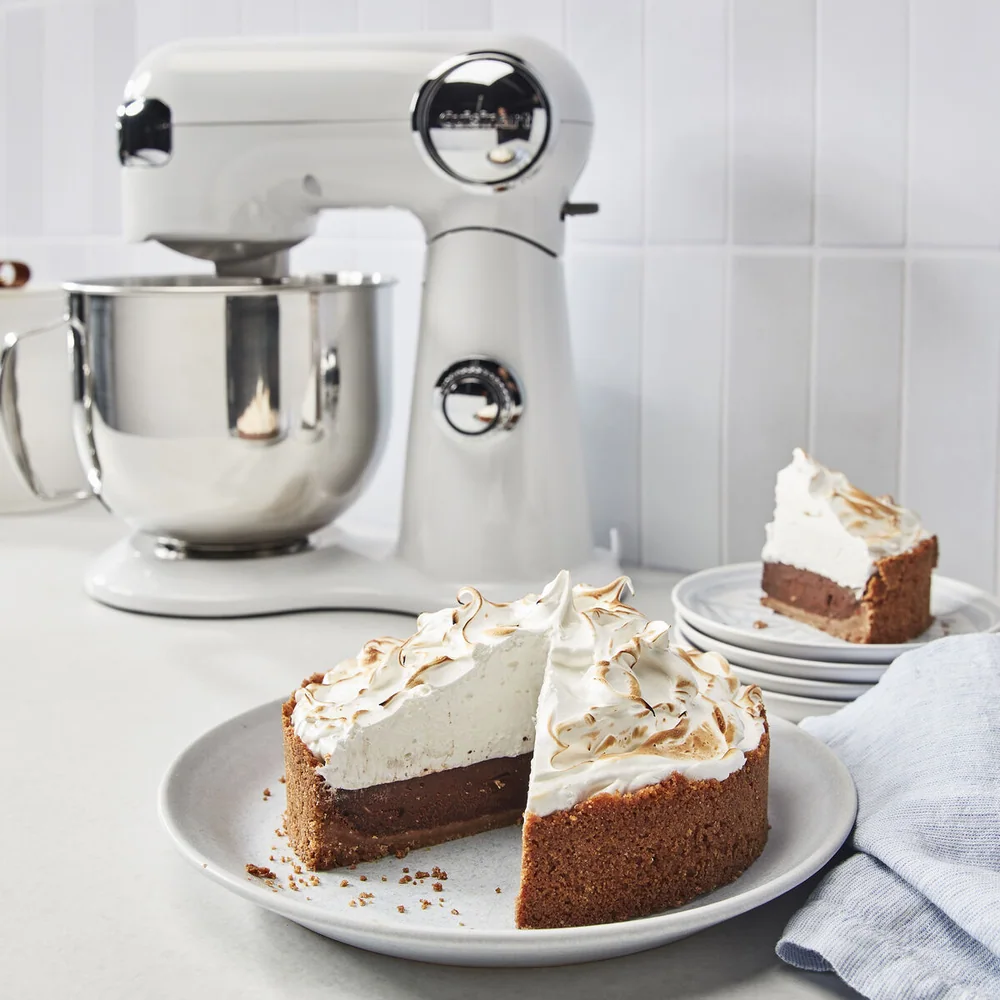
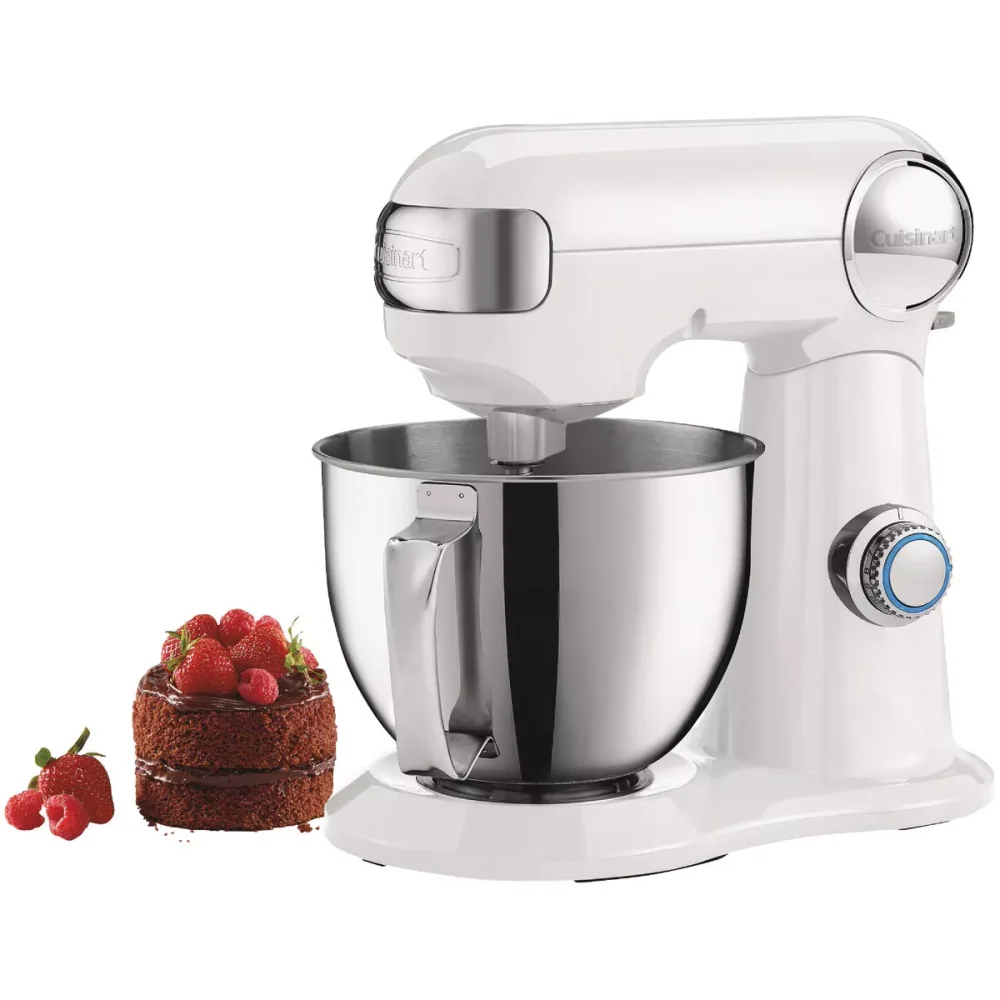
Cuisinart SM-50 Stand Mixer is the one to buy when you want a full-size stand mixer experience while keeping the spend under control.
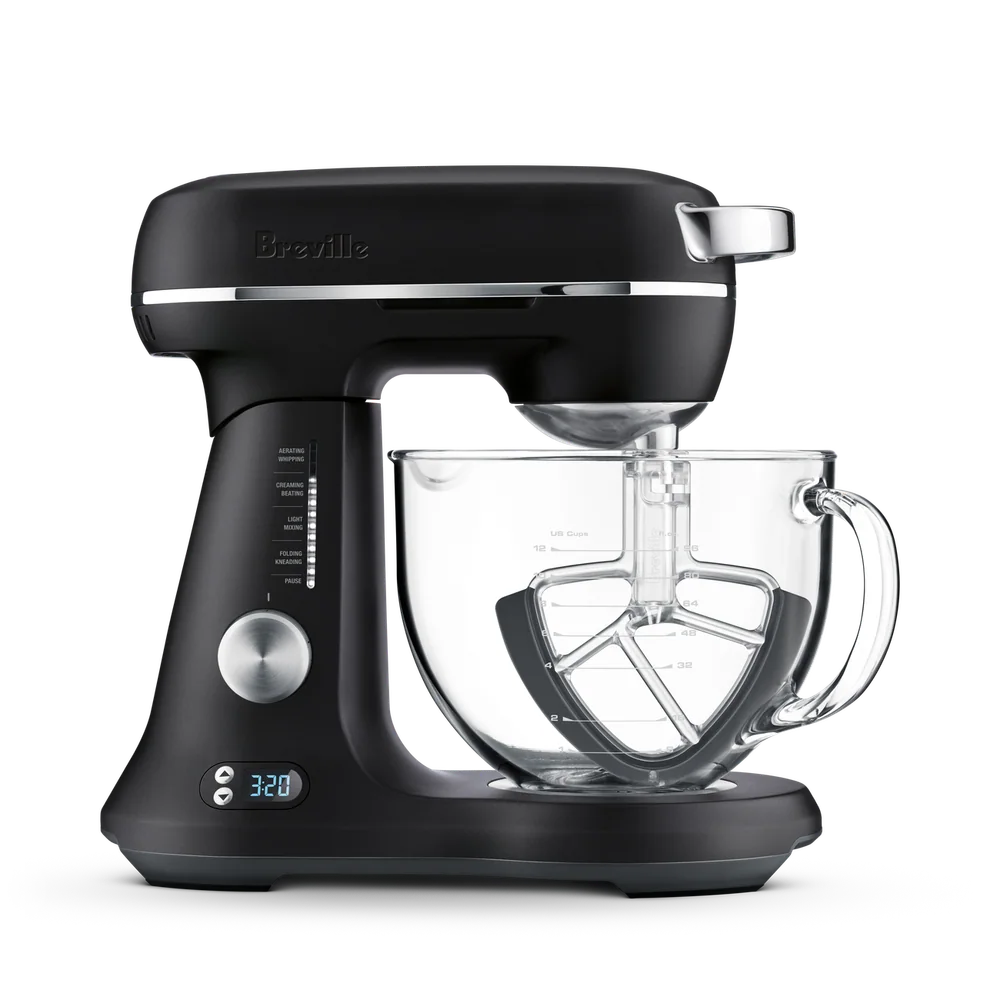
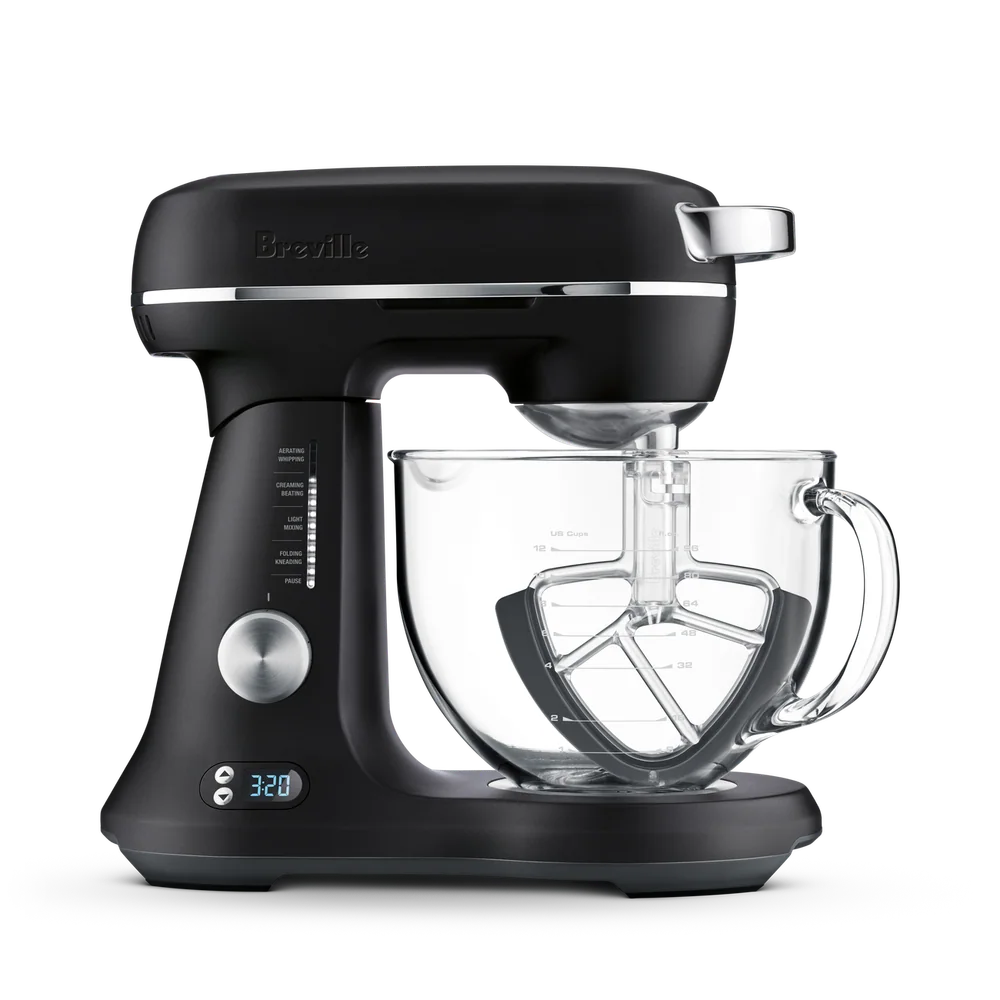
Breville the Bakery Chef Stand Mixer is for serious home bakers who want a premium stand mixer that is not a KitchenAid.
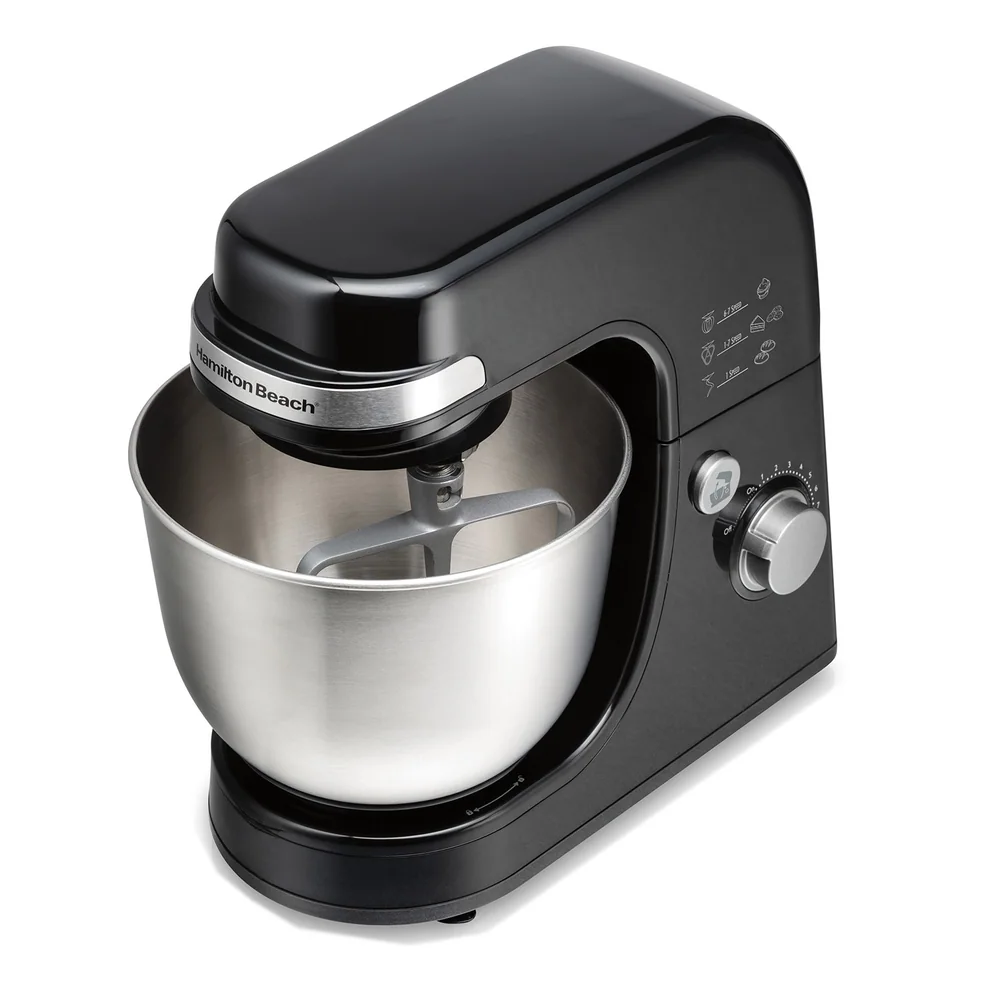
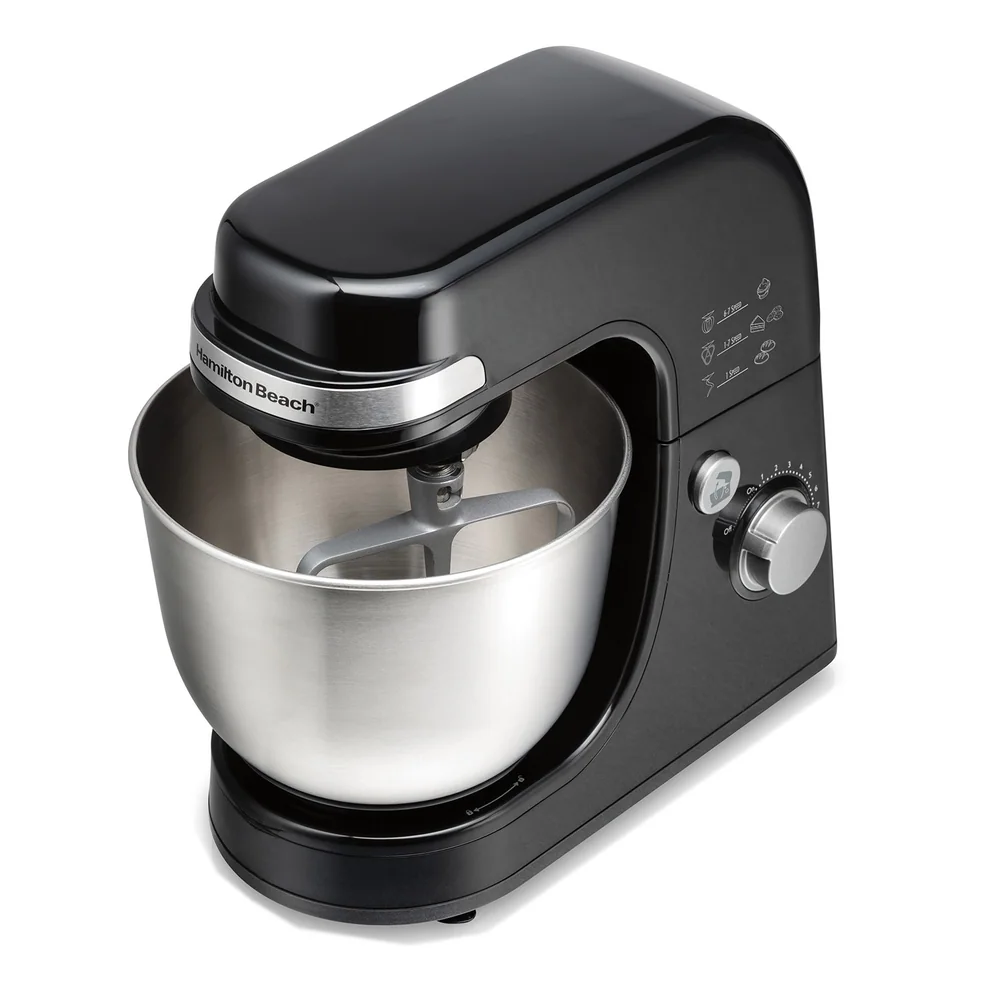
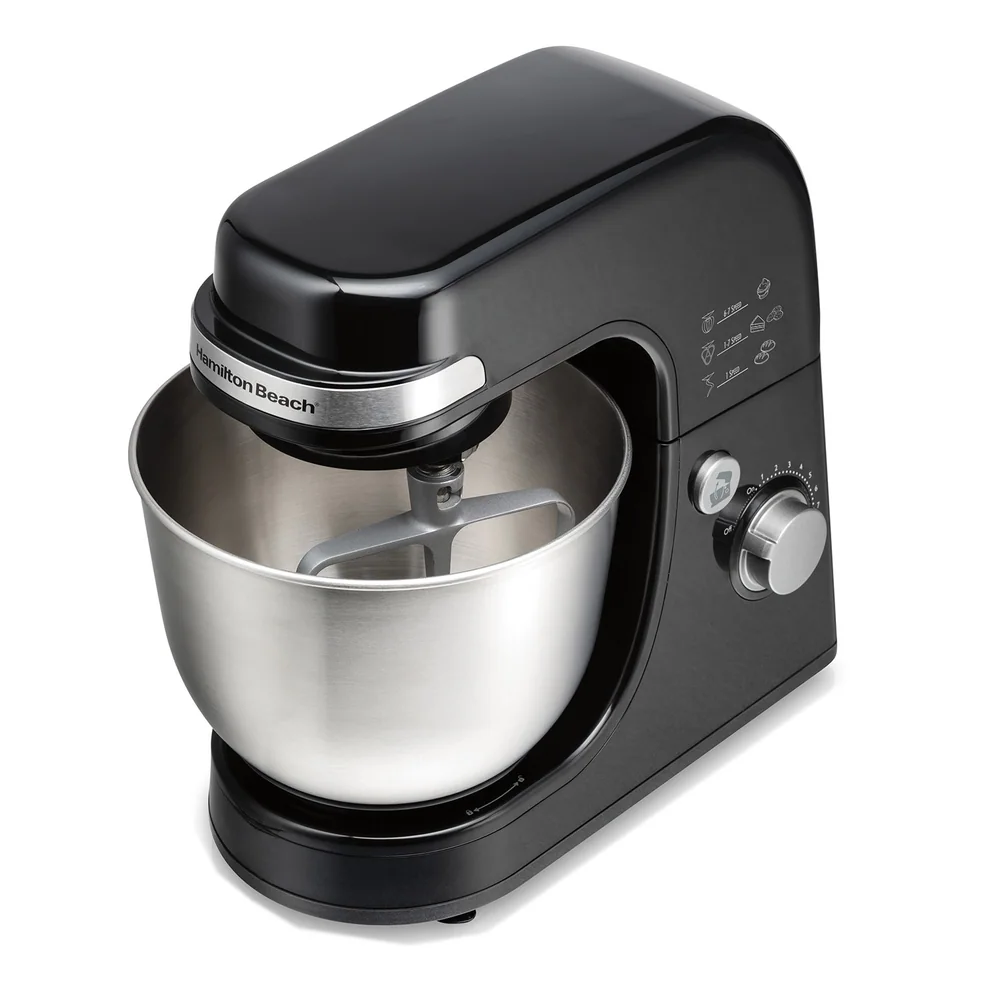
Hamilton Beach's Seven-Speed Stand Mixer is the easy answer when you want a stand mixer for a small kitchen and you do not want to overthink it.
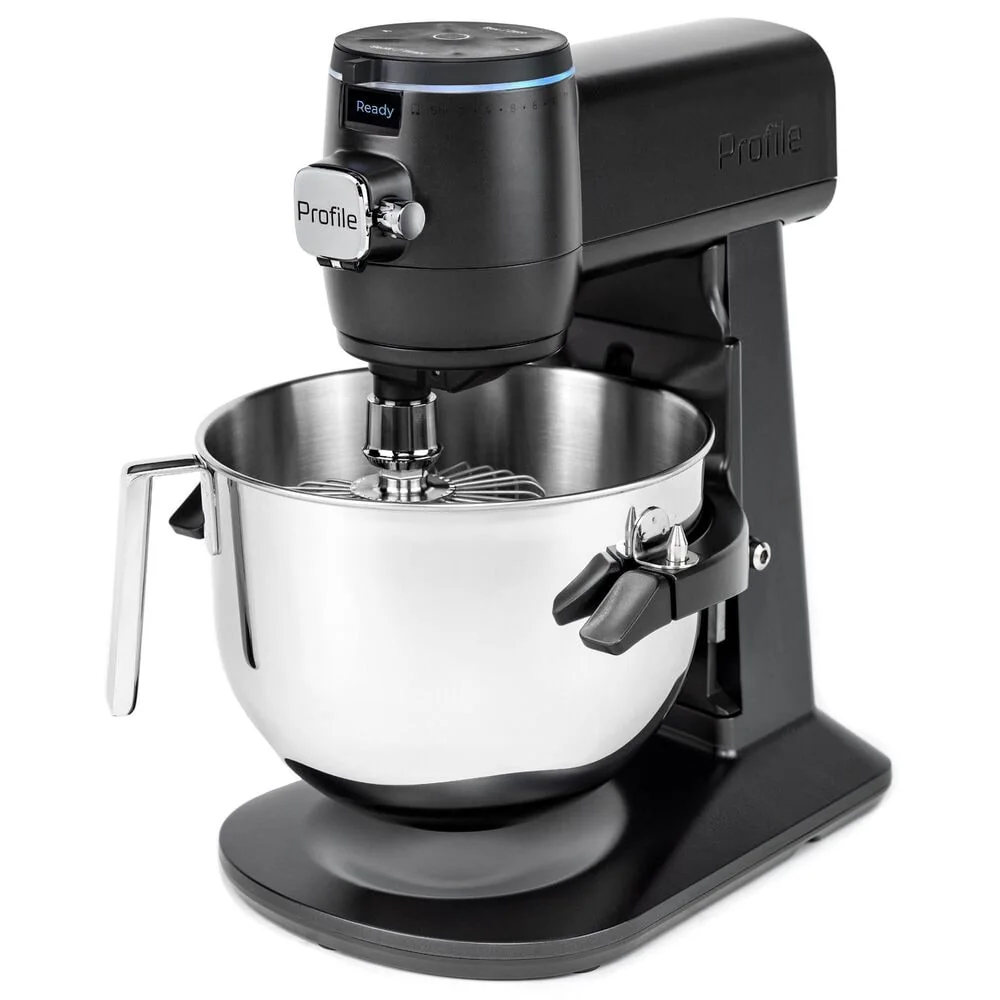
GE Profile Smart Mixer makes the most sense for tech-forward kitchens that want the mixer to do more of the thinking.

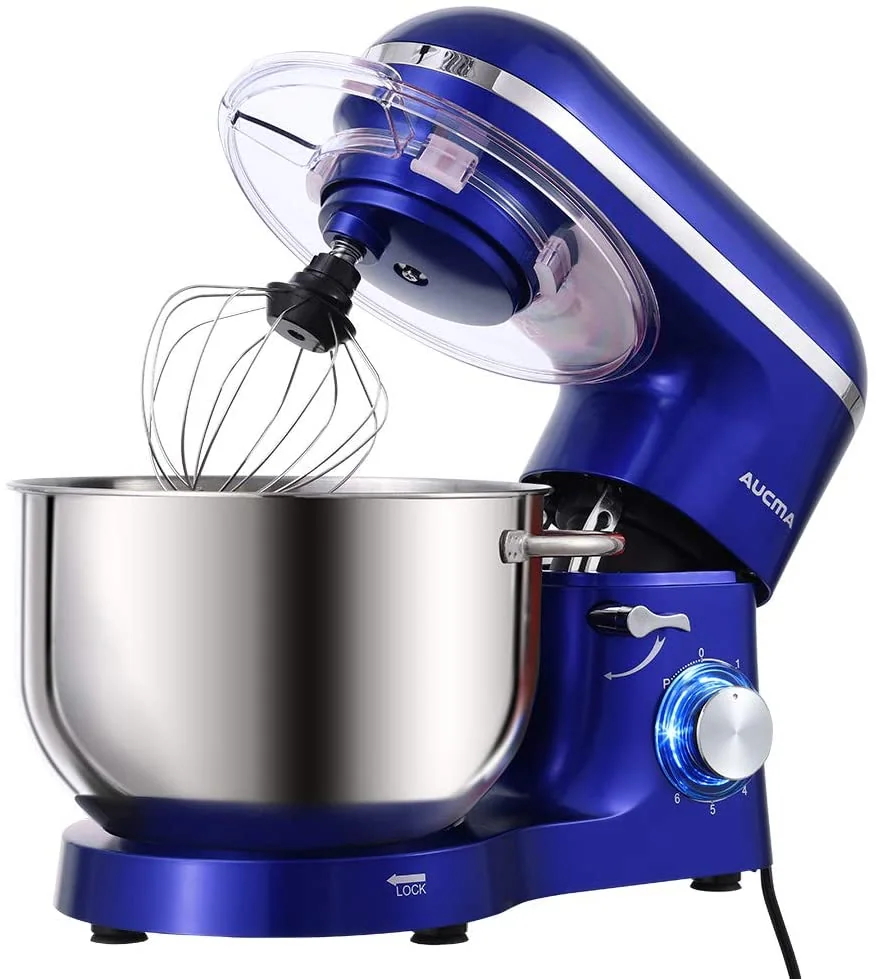
Aucma 6.5qt Stand Mixer is the one to look at when the budget is the main constraint and you still want a full-size stand mixer on the counter.

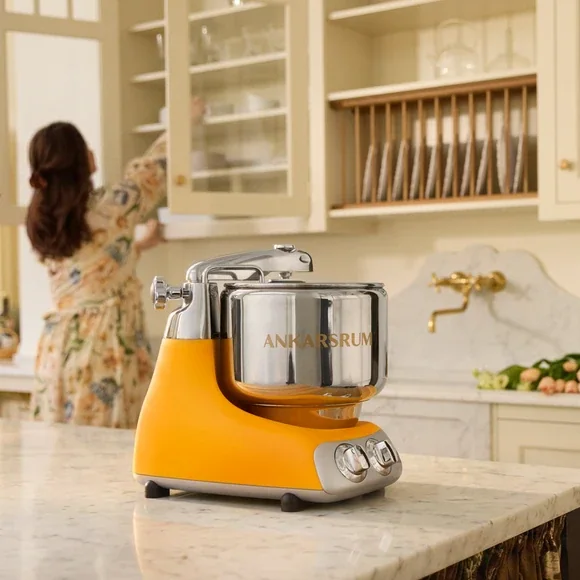
Ankarsrum Assistent Original is for bread bakers who regularly mix heavy dough and want a stand mixer that leans into that job.
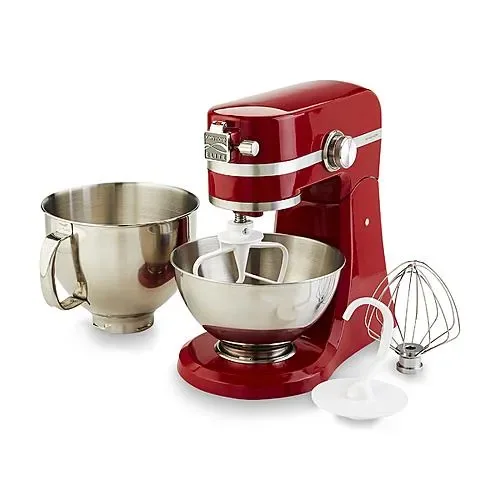
Kenmore Elite 5 Qt Stand Mixer is for anyone who cares more about day-to-day usability than fancy extras, especially if you regularly lift the head, swap attachments, or remove the bowl mid-recipe.
Start with the KitchenAid Artisan Series 5-Quart Tilt-Head Stand Mixer. It is the most broadly satisfying choice for everyday baking because it is versatile and easy to live with.
Yes if you will actually use the built-in scale and the Wi-Fi connected auto-sense automation. If you just want a dependable mixer for standard baking, a KitchenAid Artisan model is the simpler long-term choice.
The Cuisinart SM-50 Stand Mixer is the value buy for shoppers who want a full-size stand mixer without paying for the most iconic brand.
Breville the Bakery Chef Stand Mixer is the premium alternative on this list, aimed at frequent bakers who want a higher-end machine outside the KitchenAid lineup.
They reflect two common ways the same core Artisan 5-quart tilt-head mixer gets referenced in shopping. If you are choosing between them, treat them as the same practical recommendation: a versatile, general-purpose KitchenAid Artisan stand mixer.