
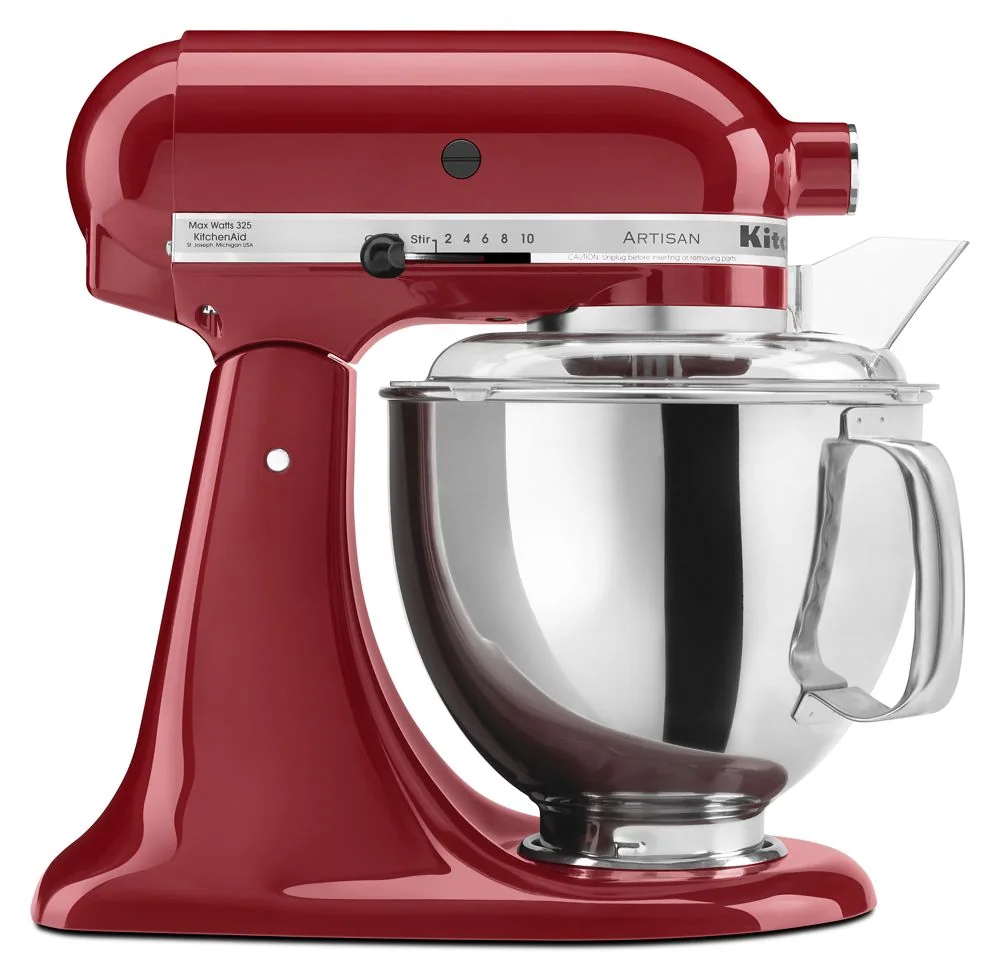
What to know first
- 5-quart bowl is a practical everyday size: big enough for standard to large recipes, still workable for small batches.
- Tilt-head design makes it easier to add ingredients and swap attachments without fighting the machine.
- Simple controls (speed lever plus head lock) keep the workflow familiar and fast.
- Works with optional KitchenAid hub attachments (sold separately) if you want to do more than mixing.
- If you’re regularly doing heavy dough or very large batches, a bowl-lift KitchenAid is the better fit.
What the KitchenAid Artisan Series 5-Quart Stand Mixer is
The KitchenAid Artisan Series 5-Quart Stand Mixer is a tilt-head stand mixer built for everyday home baking: creaming butter and sugar, mixing batters, whipping cream and egg whites, and kneading dough. It’s designed to live on the counter and be the machine you reach for when hand mixing starts to feel like a chore.
The “5-quart” part matters more than it sounds. In stand mixers, capacity is about what you can do comfortably most days, not just the maximum volume the bowl can physically hold. This size is aimed at typical home batches, so you can make a normal round of cookies or a couple loaves worth of dough without feeling like you bought a restaurant appliance.
It also has a front attachment hub that supports optional add-ons (sold separately). That’s a big reason people stick with this model for years. You can start with mixing, then branch out if you actually want to.
Why it stands out
The main reason to buy the KitchenAid Artisan Series 5-Quart Stand Mixer is that it nails the everyday experience. It’s simple to operate, it’s a comfortable size for most recipes, and it’s a baseline do-it-all stand mixer for home kitchens.
The tilt-head format is a big part of that. When you lift the head, you get clear access to the bowl for adding ingredients and switching between the whisk, beater, and dough hook. That sounds small, but it’s the difference between a mixer you use for quick weeknight tasks and one that feels like a hassle.
The 5-quart bowl size is also a practical middle ground. It’s large enough for standard to large recipes, but not so oversized that you’re constantly scraping the bowl or struggling to whip small amounts. In plain terms, it’s a better match for how most people bake: sometimes a big batch, sometimes just a little.
Finally, the optional attachment ecosystem is real value if you’ll use it. The mixer can be the base for other kitchen projects, which is a big reason it makes sense as a long-term purchase instead of a “good enough for now” appliance.
What it is like to own
Day to day, this mixer is about reducing friction. You lock the bowl in, drop in the attachment you need, tilt the head down, and use the speed lever to get moving. There’s no touchscreen, no program menu, and no learning curve beyond the basics. That’s exactly what most people want from a stand mixer.
Because it’s a tilt-head, adding ingredients mid-mix is straightforward. You can stop, tilt, scrape, and keep going without working around a fixed head. That’s especially helpful for cookie dough and frosting, where you’re often scraping the bowl once or twice to keep things even.
Storage is the one lifestyle reality to think about. Stand mixers in this class are meant to be accessible, and the Artisan is commonly used as a countertop appliance. If you plan to store it in a cabinet and haul it out occasionally, consider whether you’ll actually do that consistently.
If you’re the type who likes to expand what your mixer can do, the front hub is the gateway. Attachments are sold separately, but the point is you can keep the same mixer and add capabilities later rather than replacing the whole machine.
What to know before you buy
A 5-quart tilt-head is not the best answer for everyone. If you routinely bake in very large batches, or you are constantly kneading dense dough, a larger bowl-lift KitchenAid style is the more comfortable long-term choice. You’re buying headroom and stability for that workload.
Also, don’t shop stand mixers by wattage alone. The Artisan is commonly listed at 325 watts, but electrical input is not the same thing as real-world torque, gearing, or how well a mixer handles stiff dough. What matters more is whether the mixer is sized and built for the kind of batches you actually make.
Finally, be honest about your space. The Artisan is not the smallest stand mixer out there. If your main goal is the most compact footprint, you may be happier with a smaller, value-focused mixer that’s easier to tuck away.
The specs that matter
This is the everyday sweet spot for most home baking. It’s big enough for standard to large recipes, but still workable for smaller jobs so you’re not fighting an oversized bowl.
Tilt-head mixers are easier to load, scrape, and swap attachments because you can lift the head for direct access to the bowl.
A wider speed range helps you go from gentle stirring to faster whipping without guessing. In practice, it’s about control: slow for adding ingredients, faster for whipping and creaming.
Wattage is not a full measure of mixing strength, but it gives you a rough idea of the class of machine. For shoppers, the more useful takeaway is that this model is aimed at general home baking and moderate dough work, not nonstop heavy-duty batches.
This is how the mixer can turn into a multi-use kitchen tool over time. If you’ll actually use pasta rollers, grinders, or other add-ons, the hub makes the mixer a longer-term investment.
Who this product fits
You bake a couple times a week and want to stop hand-mixing everything
The KitchenAid Artisan Series 5-Quart Stand Mixer takes over the repetitive stuff: creaming butter and sugar, mixing batters, and whipping frosting. It’s sized for normal home recipes, so you can leave it as your default mixer instead of pulling it out only for holidays.
You want one stand mixer that can do cookies and bread without owning two machines
This model is a solid all-rounder for mixed baking. It can handle cookie dough and cakes comfortably, and it’s also a reasonable choice when you want to knead bread dough sometimes without moving up to a larger bowl-lift mixer.
You like the idea of buying once and adding capabilities later
The front hub lets you expand beyond mixing with optional attachments. If you think you’ll get into pasta, grinding, or other projects, this mixer can stay the base appliance while your interests change.
What else to compare
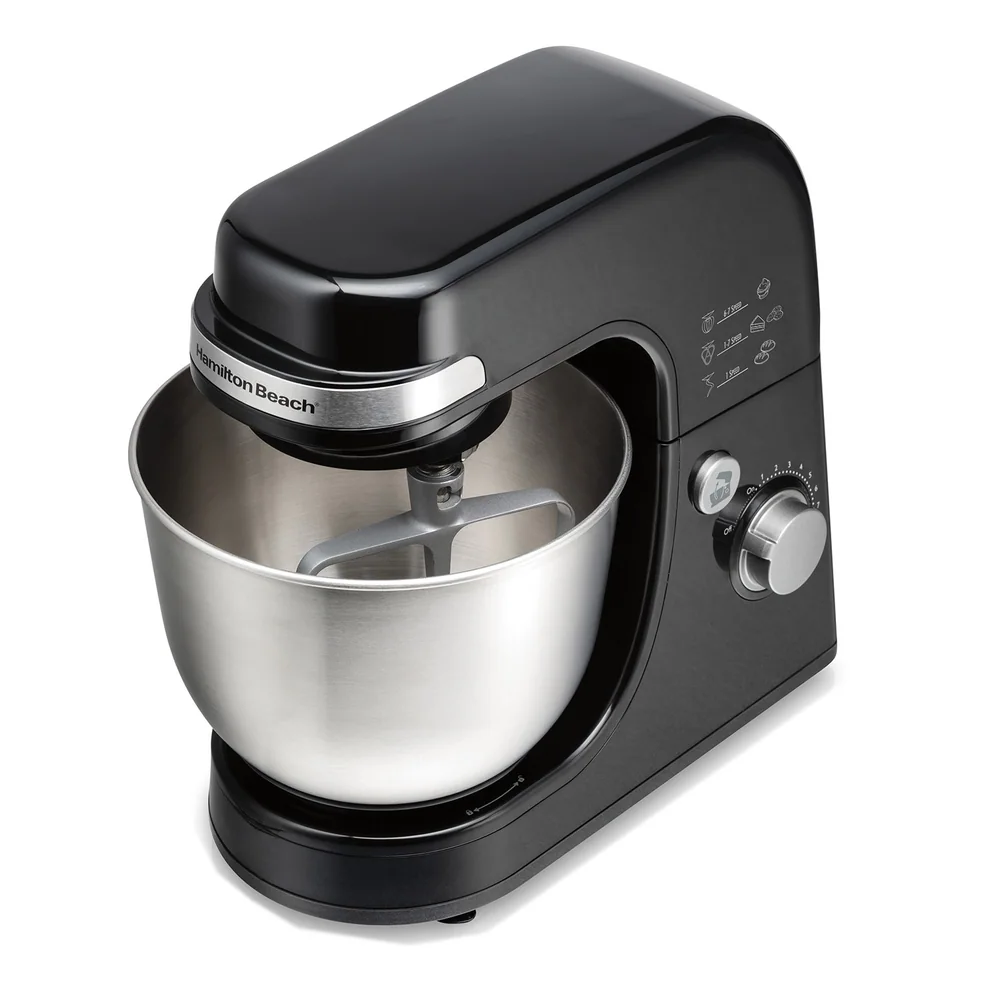
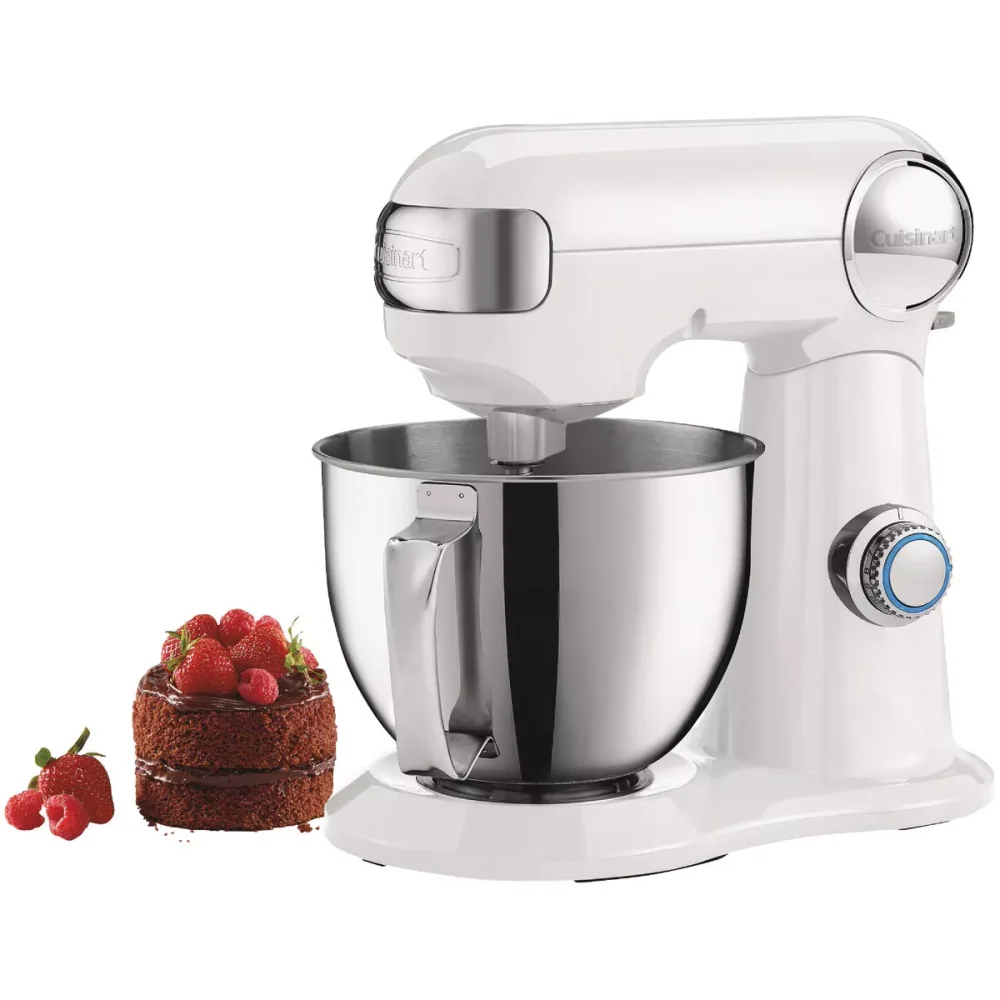
If the Artisan’s size, price, or workload fit isn’t quite right, these are the directions that make more sense.
KitchenAid Artisan Series 5-Quart Stand Mixer FAQ
Is the KitchenAid Artisan Series 5-Quart Stand Mixer big enough for most home baking?
Yes. The 5-quart bowl is aimed at typical home batches, which is why it works well as an everyday mixer for cookies, cakes, frosting, and more. If you routinely bake very large batches, you’ll likely want a larger bowl-lift model.
Is the KitchenAid Artisan Series 5-Quart Stand Mixer good for bread dough?
It can handle bread dough as part of a mixed baking routine. If bread is your main focus and you’re kneading dense dough frequently, a larger, more powerful bowl-lift KitchenAid style is the more comfortable long-term fit.
What does tilt-head mean, and why would I want it?
Tilt-head means the top of the mixer lifts up on a hinge so you can access the bowl easily. It makes adding ingredients, scraping the bowl, and changing attachments simpler than working around a fixed head.
Does higher wattage mean a stand mixer is stronger?
Not necessarily. Wattage is just electrical input, and it doesn’t fully describe torque, gearing, or how a mixer behaves with stiff dough. It’s better to choose based on the mixer’s size and the kind of batches you plan to make.
Can the KitchenAid Artisan Series 5-Quart Stand Mixer use attachments?
Yes. It has a front attachment hub that supports optional attachments sold separately. That’s useful if you want the mixer to do more than mixing over time.
Should you buy the KitchenAid Artisan Series 5-Quart Stand Mixer?
Buy the KitchenAid Artisan Series 5-Quart Stand Mixer if you want one dependable stand mixer for normal home baking. The 5-quart tilt-head format is the practical middle ground: it handles the usual cookie, cake, and frosting routine without feeling oversized, and it’s simple enough that you’ll actually use it.
Skip it if your reality is constant heavy dough or very large batches, or if you need something truly compact. In those cases, moving up to a bowl-lift KitchenAid for more capacity and power, or moving down to a smaller value mixer for easier storage, is the smarter match.