Pickori
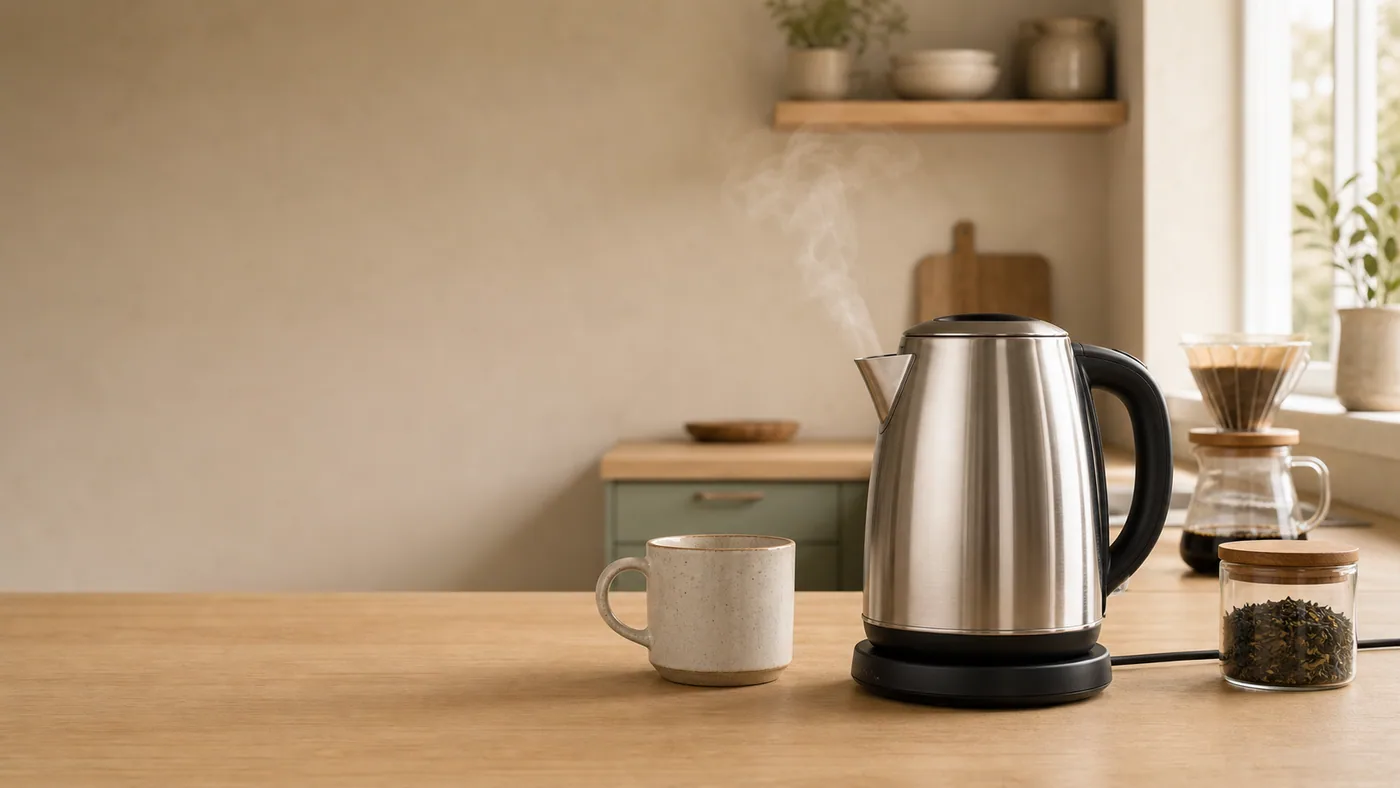
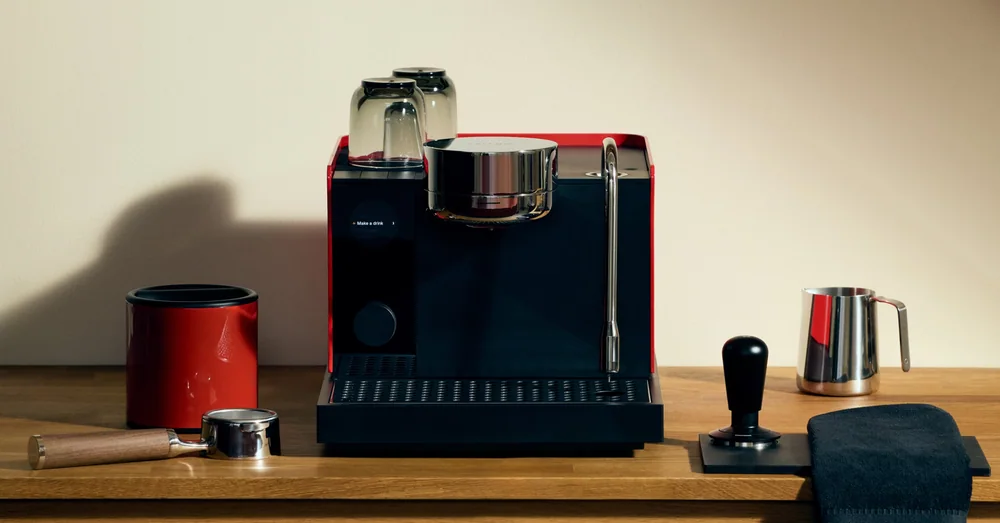
Unbranded stainless-steel electric kettle at a warm tea and coffee station

Electric Kettles research

Electric Kettles

Compare electric kettles for fast boiling, precise temperatures, pour-over control, tea, coffee, and everyday kitchen use. Pickori's guides explain the differences that matter after the first boil.

Electric kettles boil water quickly for tea, coffee, and everyday cooking

A basic electric kettle only needs to boil water quickly and shut off reliably. Variable-temperature kettles add useful control for tea and coffee, while gooseneck kettles trade some speed and capacity for a slower, more precise pour.

Capacity, minimum fill, handle balance, lid design, scale buildup, and the way controls behave every morning matter more than a long preset list. Start with your usual drink and batch size, then decide whether exact temperature control changes the result.

Types of electric kettles

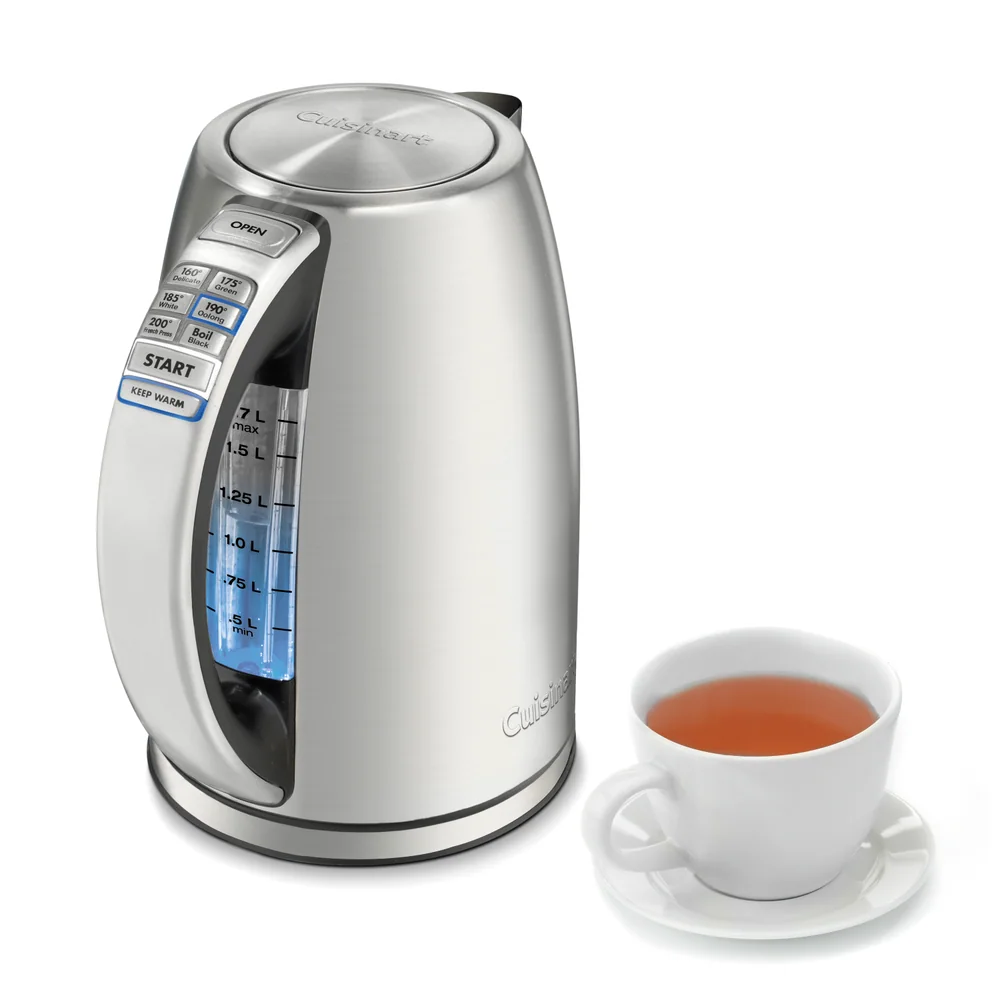
Cuisinart CPK-17P1 PerfecTemp Cordless Electric Kettle

Boil-only kettles

Simple kettles with one main job and fewer controls.

Best for: Fast everyday hot water at a lower price.
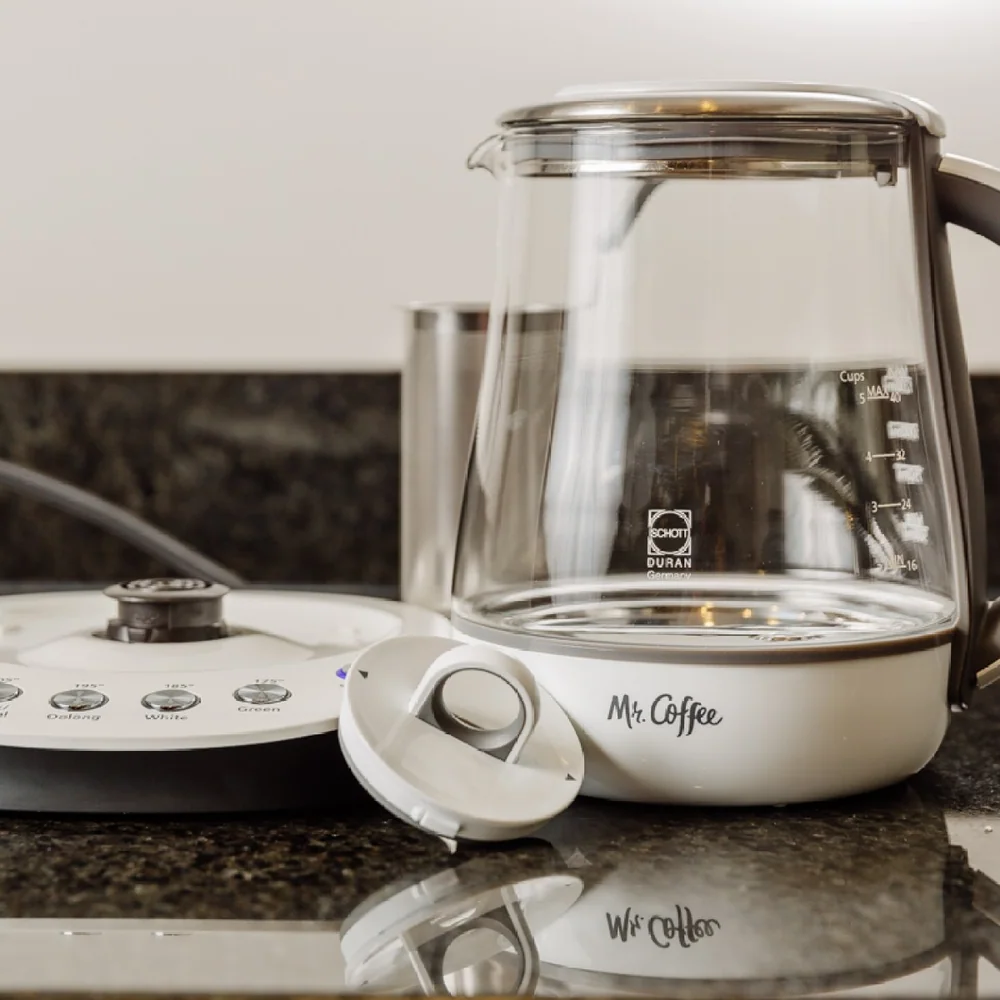
Mr. Coffee Tea Maker and Kettle

Variable-temperature kettles

Kettles that heat to selected temperatures and may hold them.

Best for: Tea and coffee drinkers who use more than boiling water.
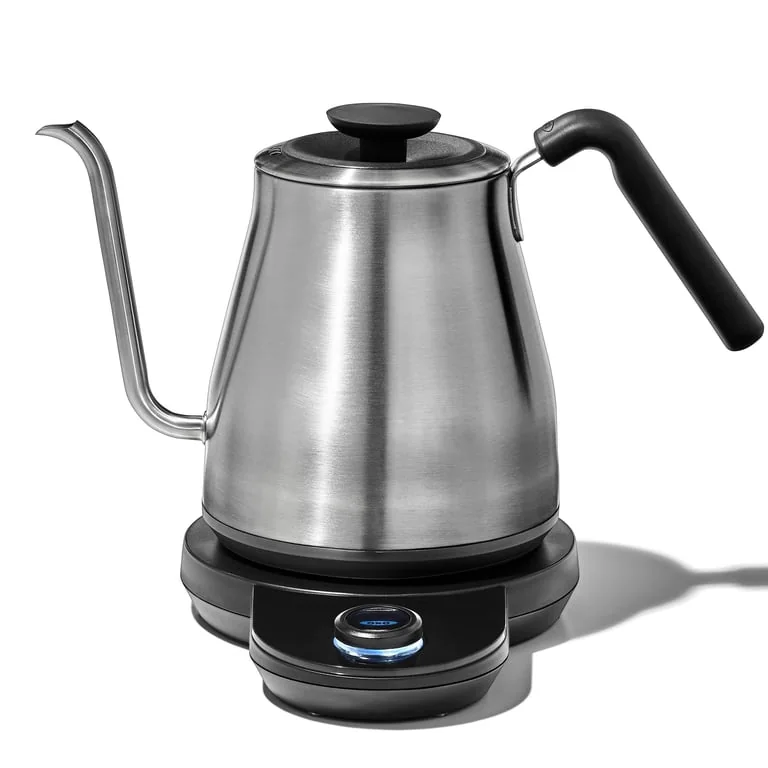
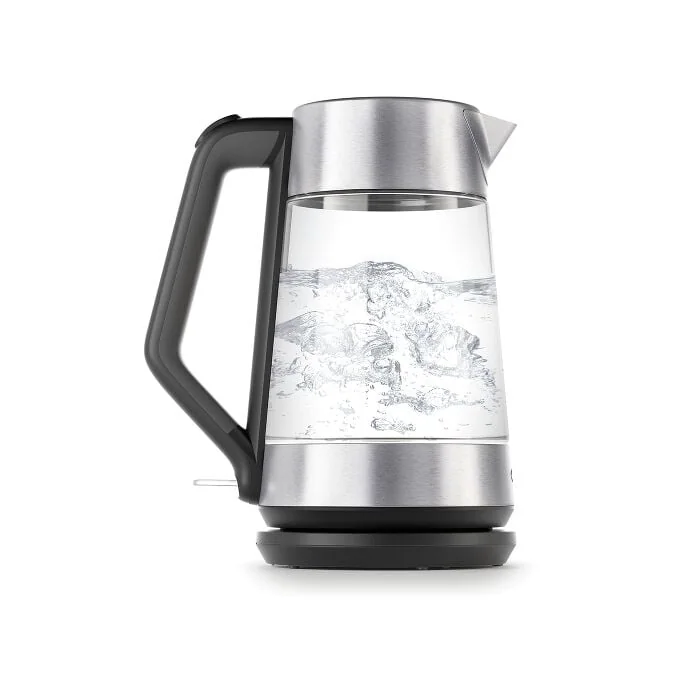
OXO Brew Gooseneck Electric Kettle

Gooseneck kettles

Narrow-spout kettles designed for controlled pouring.

Best for: Pour-over coffee and shoppers who care about flow rate.
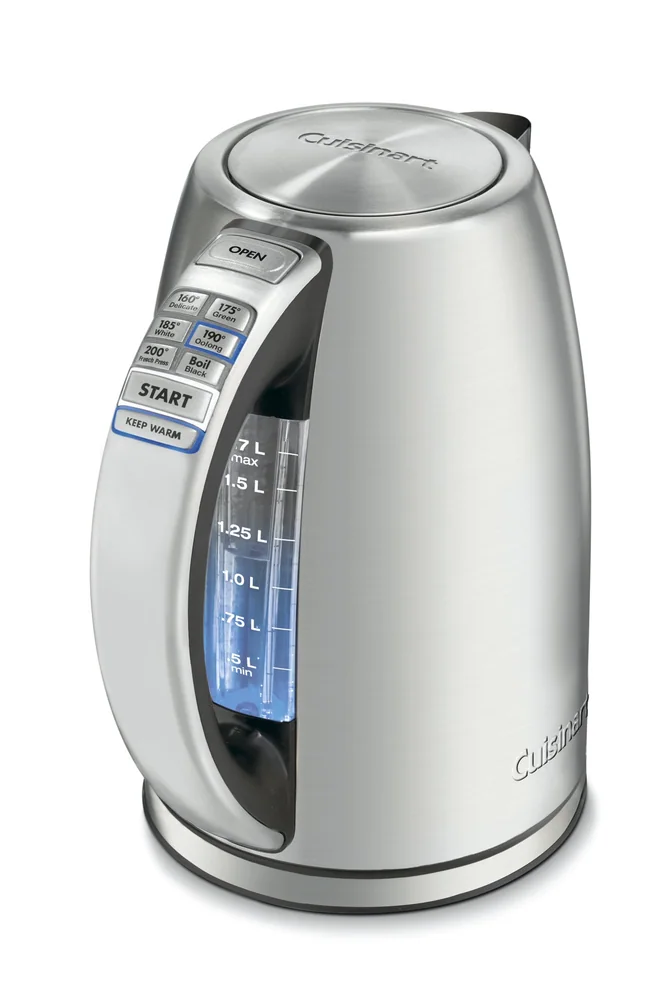
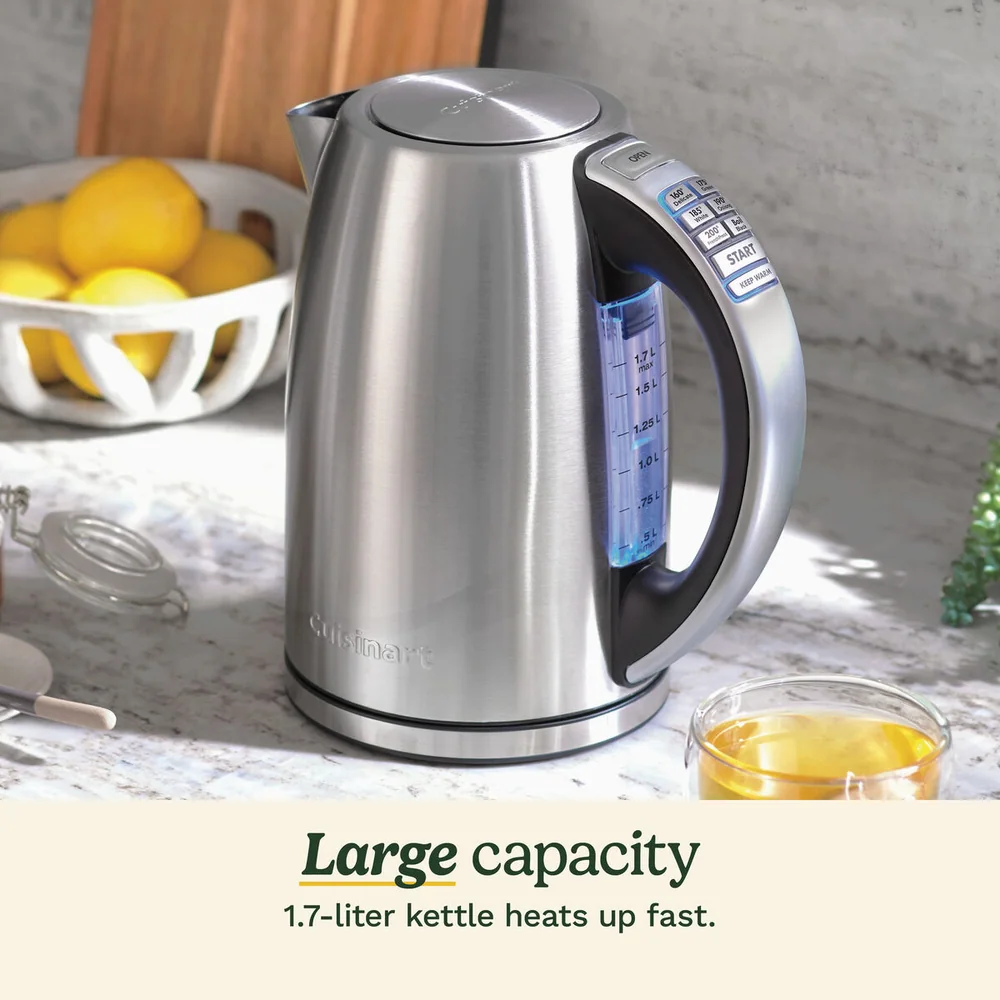
Cuisinart 1.7-Liter Stainless Steel Cordless Electric Kettle

Travel and compact kettles

Smaller-capacity models made for tight spaces or packing.

Best for: Dorms, offices, hotel stays, and occasional use.

Electric Kettle buying guides and comparisons

Product reviews

In-Depth Electric Kettles Reviews

Start with the newest reviews and substantial refreshes, then open the complete directory when you need a specific model.
Browse all 26 in-depth electric kettle reviewsEvery full product review, organized by brandView complete archive

Amazon1 review

Beautiful1 review

Bodum1 review

Breville2 reviews

Capresso1 review

Cosori2 reviews

Cuisinart5 reviews

Fellow5 reviews

Hamilton2 reviews

Mr.1 review

Ninja1 review

OXO3 reviews

Smeg1 review

Better kettle routines

Better tea, coffee, and everyday kettle habits

Practical guides for temperature, descaling, pouring, and getting more from an electric kettle.
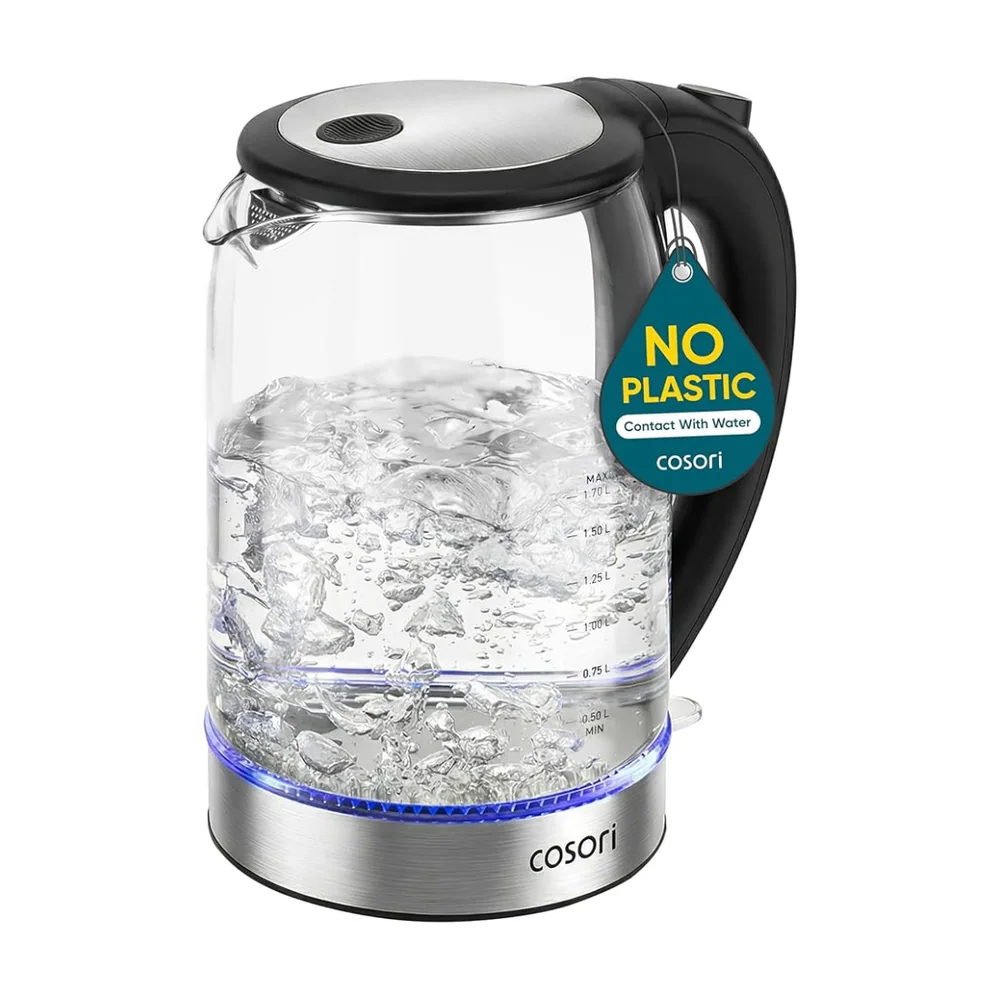
Cosori Electric Glass Kettle
Practical guide What to Do When an Electric Kettle Will Not Heat or Shut Off Use a careful, unplugged inspection to rule out simple power, water-level, scale, and steam-path problems before replacing an electric kettle. Read the guide →
Cuisinart CPK-17P1 PerfecTemp Cordless Electric Kettle
Weekly care The Weekly Electric Kettle Check Inspect the lid, handle, spout, filter, interior, base, cord, and shutoff behavior before small problems become hazards. Read the guide →
OXO Brew Cordless Glass Electric Kettle
Coffee technique Preheat a Pour-Over Brewer and Mug Use a small first pour to warm the brewer and serving vessel before the measured coffee water. Read the guide →
Cuisinart CPK-17P1 PerfecTemp Cordless Electric Kettle
Faster batches Measure Only the Water You Need Use the mug, brewer, or scale to size each batch without violating the kettle's minimum fill. Read the guide →
Cuisinart CPK-17P1 PerfecTemp Cordless Electric Kettle
Descaling A Quick Kettle Scale Check Use visible deposits, changed sound, water hardness, and manufacturer instructions to time descaling. Read the guide →
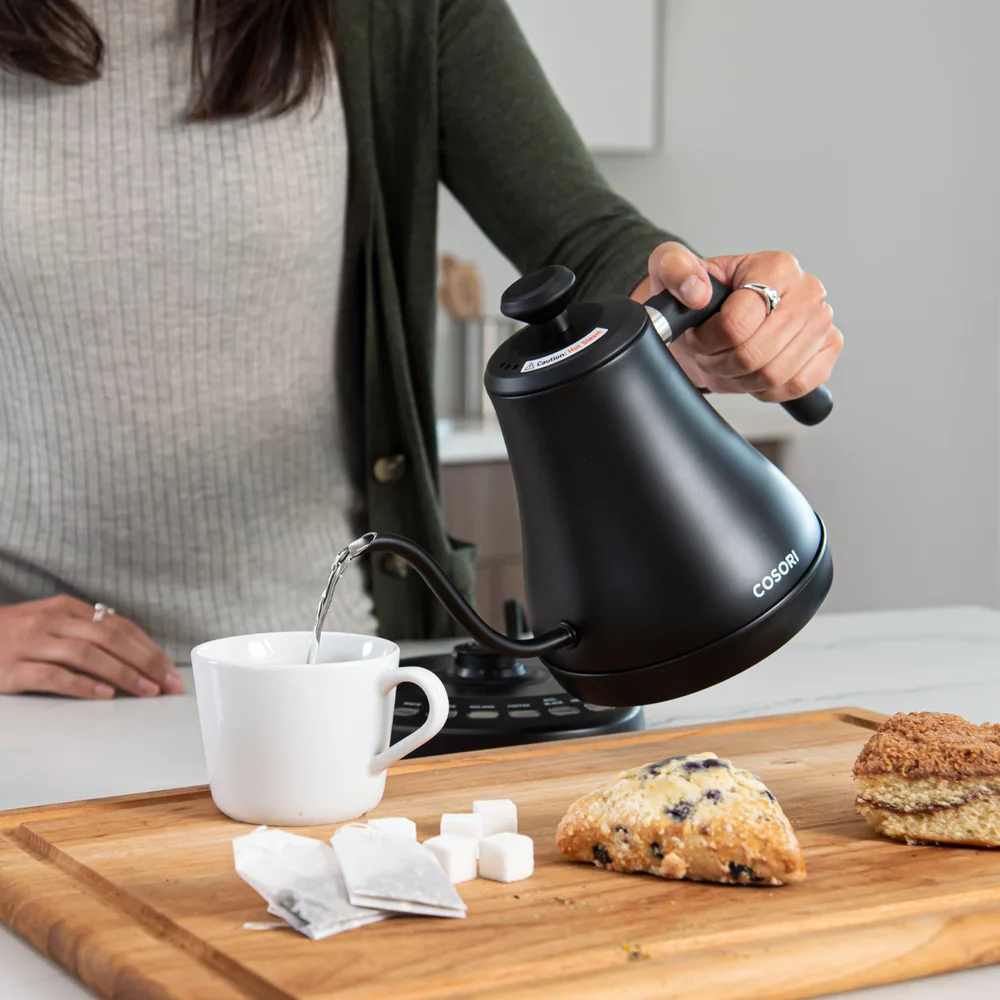
Cosori Electric Gooseneck Kettle
Hot-water handling A Safer Refill and Repour Routine Control the lid, steam, grip, water level, counter path, and base whenever another batch is needed. Read the guide →
Cuisinart CPK-17P1 PerfecTemp Cordless Electric Kettle
Travel planning A Travel-Kettle Packing Checklist Confirm voltage, plug, hotel rules, fill markings, lid security, dry storage, and recall status before bringing a kettle. Read the guide →
Cuisinart CPK-17P1 PerfecTemp Cordless Electric Kettle
Morning routine A Five-Minute Morning Kettle Setup Reset the station, measure the batch, select the drink temperature, and prepare a safe landing zone before heating. Read the guide →
OXO Brew Cordless Glass Electric Kettle
Tea technique Better Green Tea Without Bitterness Use the tea maker's directions, cooler water, a controlled steep, and one-variable adjustments. Read the guide →

Learn the category

Understand electric kettles before you buy

Plain-English guides to sizing, features, setup, maintenance, and the category questions that change the decision.
Cuisinart 1.7-Liter Stainless Steel Cordless Electric Kettle
Practical guide How to Choose Electric Kettle Size and Capacity Match usable capacity, minimum fill, footprint, weight, handle clearance, and batch size to your routine. Read the guide →
OXO Brew Adjustable Temperature Kettle
Practical guide Variable-Temperature vs. Boil-Only Electric Kettles Decide whether presets, degree-by-degree control, hold mode, and live temperature earn their cost and complexity. Read the guide →
Cuisinart CPK-17P1 PerfecTemp Cordless Electric Kettle
Practical guide Gooseneck vs. Standard-Spout Electric Kettles Compare pour control, flow rate, capacity, filling, balance, and the drinks each spout handles best. Read the guide →
Cuisinart CPK-17P1 PerfecTemp Cordless Electric Kettle
Practical guide How to Clean and Descale an Electric Kettle Remove loose residue and mineral scale without immersing the base, damaging finishes, or assuming every filter is washable. Read the guide →
Cuisinart CPK-17P1 PerfecTemp Cordless Electric Kettle
Practical guide Electric vs. Stovetop Kettles Compare controls, shutoff, portability, speed, pour style, capacity, counter space, and dependence on an outlet or burner. Read the guide →
Cuisinart 1.7-Liter Stainless Steel Cordless Electric Kettle
Practical guide Electric Kettle Materials: Stainless Steel, Glass, and Plastic Compare water-contact surfaces, exterior heat, weight, visibility, breakability, seams, filters, and cleaning access. Read the guide →
Cuisinart CPK-17P1 PerfecTemp Cordless Electric Kettle
Practical guide Electric Kettle Temperature Guide for Tea and Coffee Use drink instructions and adjustable controls without treating one temperature chart as a universal rule. Read the guide →
Cuisinart CPK-17P1 PerfecTemp Cordless Electric Kettle
Practical guide Electric Kettle Boil Speed and Wattage Explained Understand how water volume, starting temperature, voltage, scale, lid position, and controls affect heating time. Read the guide →
Cuisinart CPK-17P1 PerfecTemp Cordless Electric Kettle
Practical guide Electric Kettle Safety, Auto Shutoff, and Boil-Dry Protection Use fill marks, the lid, handle, base, cord, steam path, shutoff, and recall checks as one safety system. Read the guide →
Cuisinart CPK-17P1 PerfecTemp Cordless Electric Kettle
Practical guide Electric Kettle Noise, Odor, and Scale Troubleshooting Separate normal heating sounds from mineral buildup, first-use odor, poor seating, shutoff problems, and faults that require support. Read the guide →

Category knowledge

How heating, temperature control, and pouring shape daily use

The technical details below explain why products behave differently and which differences shoppers are likely to notice.

Category knowledge

How to Choose Electric Kettle Size and Capacity

Match usable capacity, minimum fill, footprint, weight, handle clearance, and batch size to your routine.

A 1.7-liter maximum does not tell you how pleasant a kettle is for one cup or how heavy it feels when full. Buy around the amount you heat repeatedly.

Estimate the water used for one mug, a teapot, French press, or shared breakfast. Choose a capacity that handles the normal batch without routinely filling to the brim.

Check the minimum fill as carefully as the maximum. A large kettle can be wasteful for one cup when its heating element or sensor requires more water.

Record counter width, depth, overhead cabinet clearance, handle sweep, lid opening, and the base cord's path to a suitable outlet.

Keep the base on a stable, dry surface away from the sink and counter edge. Do not plan around an extension cord unless the manufacturer explicitly allows one.

What this means when shopping: Keep the base on a stable, dry surface away from the sink and counter edge. Do not plan around an extension cord unless the manufacturer explicitly allows one.

Category knowledge

Variable-Temperature vs. Boil-Only Electric Kettles

Decide whether presets, degree-by-degree control, hold mode, and live temperature earn their cost and complexity.

Variable temperature is useful when cooler water improves a drink or workflow. It is not automatically better for someone who always wants a full boil.

A basic switch can be quick to understand, inexpensive, and easy for several people to share. It suits black tea, instant foods, and any workflow that starts with boiling water.

Compare auto shutoff, lid behavior, water-level visibility, and pouring before treating the low feature count as a limitation.

Preset buttons make common tea temperatures easy to recall, while a dial can provide finer control for coffee and specialty tea.

Read the range and step size. Some controls select only a handful of presets; others adjust across a broad range.

What this means when shopping: Read the range and step size. Some controls select only a handful of presets; others adjust across a broad range.

Category knowledge

Gooseneck vs. Standard-Spout Electric Kettles

Compare pour control, flow rate, capacity, filling, balance, and the drinks each spout handles best.

The spout is not cosmetic. It determines how quickly water leaves the kettle and how precisely you can place the stream.

A narrow curved spout helps a pour-over brewer control flow and wet coffee grounds deliberately. Handle balance and spout response matter along with appearance.

The same restricted flow can feel slow when filling a large teapot, saucepan, or several mugs.

A conventional short spout usually pours a larger volume quickly and suits tea, instant meals, French press, and household hot-water tasks allowed by the manual.

Look for a clean cutoff and a lid that stays secure as the kettle angle increases.

What this means when shopping: Look for a clean cutoff and a lid that stays secure as the kettle angle increases.

Category knowledge

Electric Kettle Materials: Stainless Steel, Glass, and Plastic

Compare water-contact surfaces, exterior heat, weight, visibility, breakability, seams, filters, and cleaning access.

Material labels simplify a product made from several components. Examine the water path, lid, filter, seals, handle, body, and base separately.

A stainless interior avoids a glass vessel's breakability and can hide scale from view. Double-wall designs may reduce exterior heat, but only the manufacturer can state which surfaces are intended to stay cooler.

Opaque walls make a clear level window or interior markings more important.

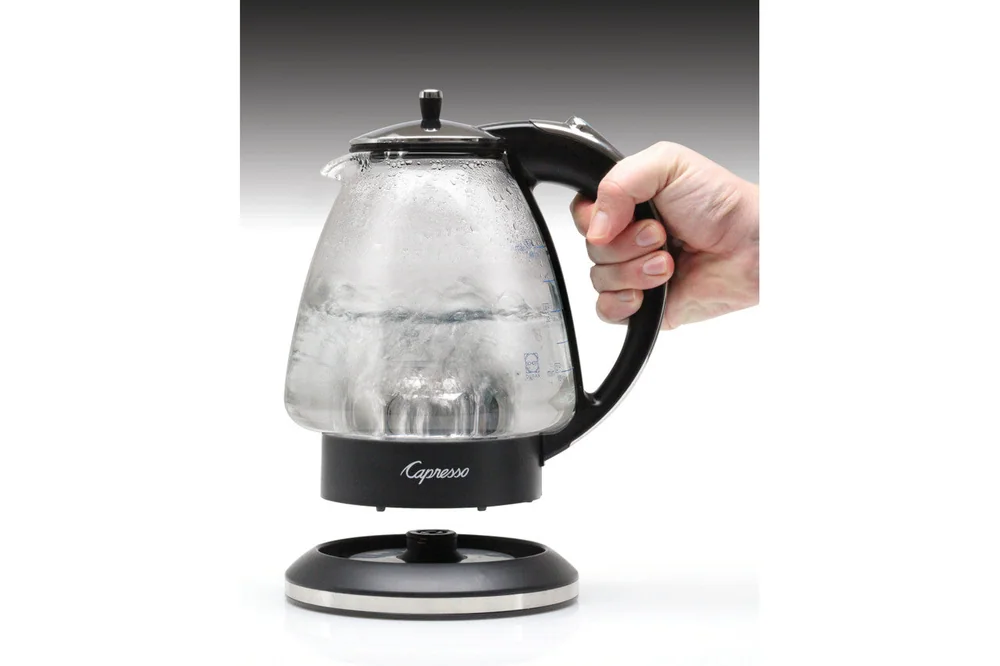
A glass vessel shows fill level, boiling, and mineral buildup clearly. It can be heavier and requires careful handling to avoid impact or thermal damage.

Inspect the glass, seams, and base connection for chips, cracks, or leakage and stop using a damaged kettle.

What this means when shopping: Inspect the glass, seams, and base connection for chips, cracks, or leakage and stop using a damaged kettle.

Specs that matter when choosing electric kettles

These are the measurements and ownership details that change which electric kettles make sense.

Capacity and minimum fill

Capacity is the maximum batch; minimum fill is the least water the kettle can heat safely.

Why it matters: Both matter when you alternate between one cup and a full pot.

Heating power

Wattage influences boil speed, but voltage, water volume, and starting temperature also matter.

Why it matters: A higher number is useful only when the circuit and design turn it into consistently faster boiling.

Temperature control

Some kettles offer a few presets; others allow smaller adjustments.

Why it matters: Precision matters for repeatable tea and coffee, while casual users may prefer simpler controls.

Spout and handle balance

Pour shape and weight distribution determine how controlled the kettle feels when full.

Why it matters: A powerful kettle can still be unpleasant if it dribbles or strains the wrist.

Claims that need context

One-degree precision: The display setting is not proof that the water reaches or holds that temperature perfectly.

Keep warm: Check the duration, whether the mode must be re-enabled, and how much temperature drift is acceptable.

Fastest boil: Comparisons only mean much when water volume, starting temperature, and electrical supply are similar.

Brands in the category

Electric Kettle brands explained

Use the brand overview as a starting point, then open the linked product reviews for the model-specific decision.

Cuisinart CPK-17P1 PerfecTemp Cordless Electric Kettle
Brand guide

Cuisinart

Cuisinart CPK-17P1 PerfecTemp Cordless Electric Kettle is the one to get for most kitchens because it nails the basics that matter every day: fast heating, accurate temperatures, and controls that are easy to live with.

What to know: 4 Cuisinart models appear across the current guides and reviews.

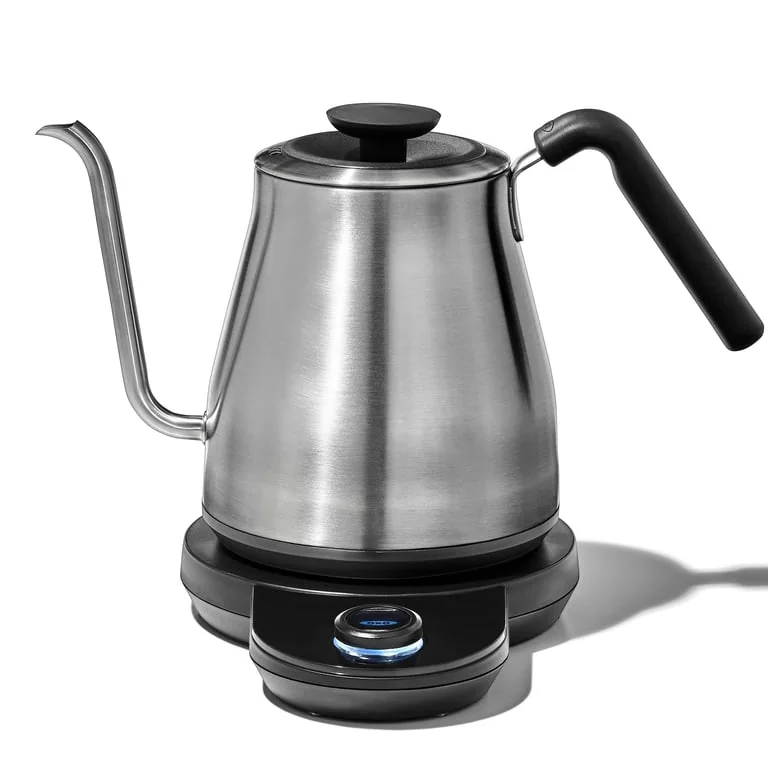
OXO Brew Adjustable Temperature Kettle
Brand guide

OXO

The OXO Brew Adjustable Temperature Electric Kettle is the move when temperature control is the whole point, not a nice-to-have.

What to know: 3 OXO models appear across the current guides and reviews.

Cosori Electric Gooseneck Kettle
Brand guide

Cosori

Cosori Electric Gooseneck Kettle is a good fit for anyone who wants gooseneck control for pour-over without overcomplicating the purchase.
What to know: 2 Cosori models appear across the current guides and reviews.

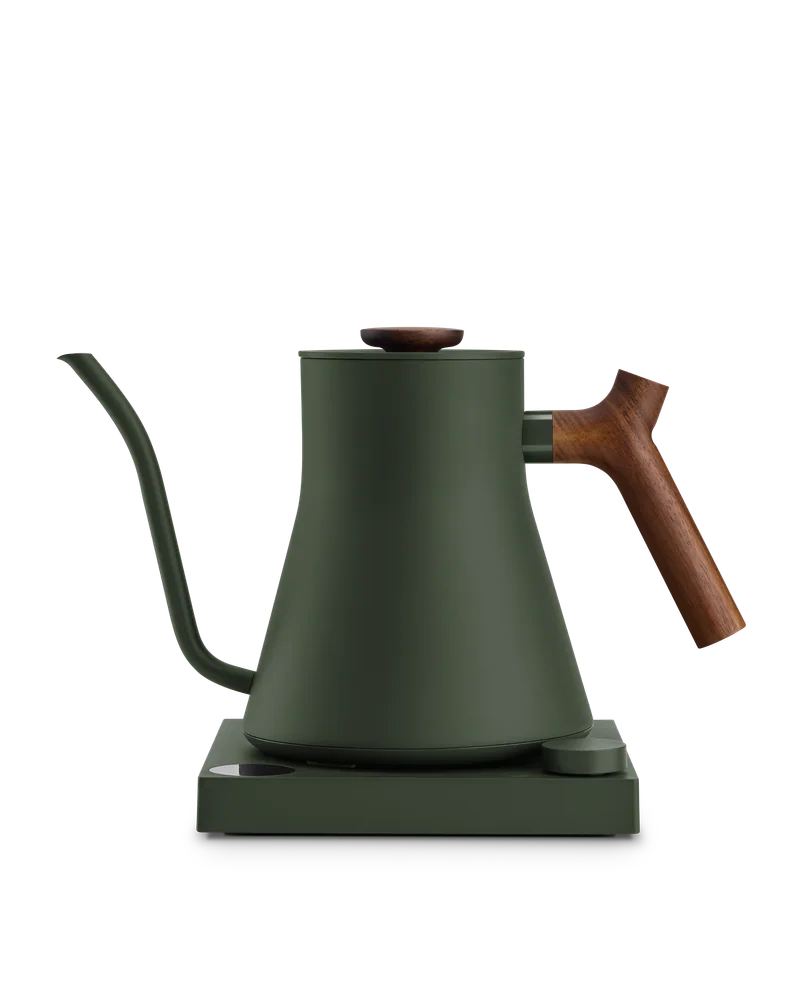
Fellow Stagg EKG Electric Kettle
Brand guide

Fellow

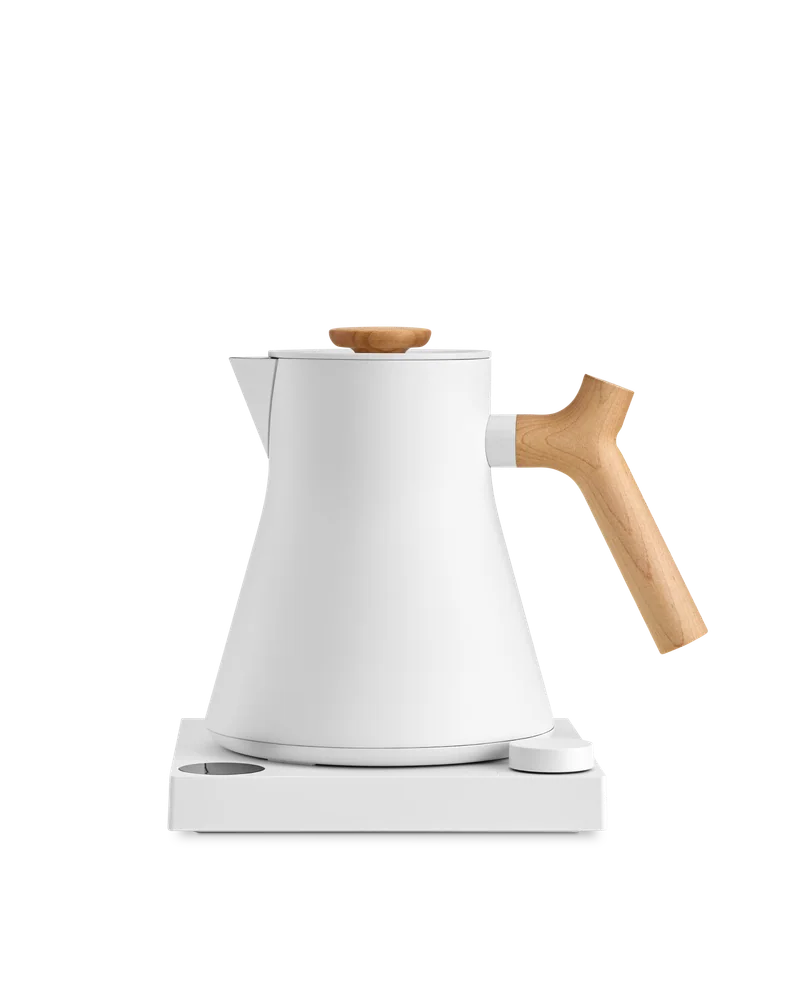
The Fellow Stagg EKG is for people who care about pour control and want a kettle that feels purpose-built for brewing one or two great cups at a time.
What to know: 3 Fellow models appear across the current guides and reviews.

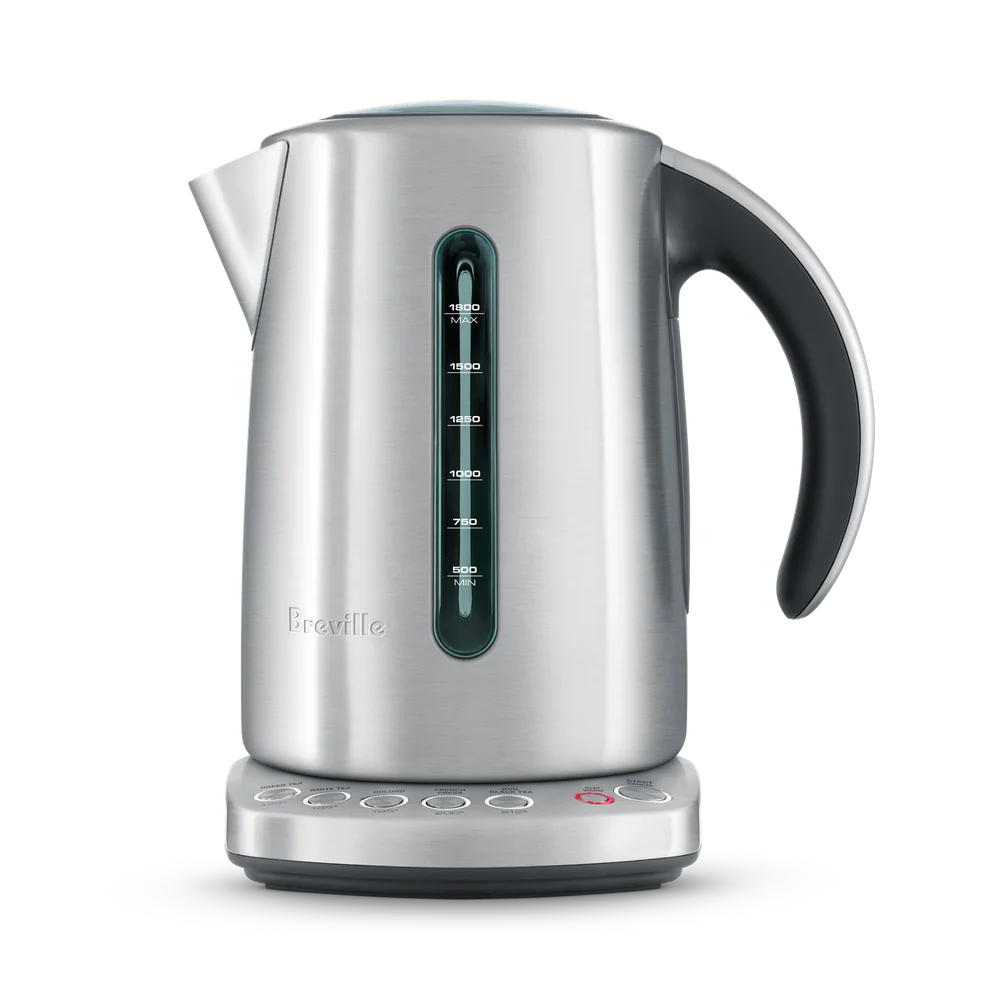
Breville IQ Kettle
Brand guide

Breville

Breville IQ Kettle suits the shopper willing to stretch past strict budget territory for a sleeker kettle with an easier, more ergonomic handle.
What to know: 2 Breville models appear across the current guides and reviews.

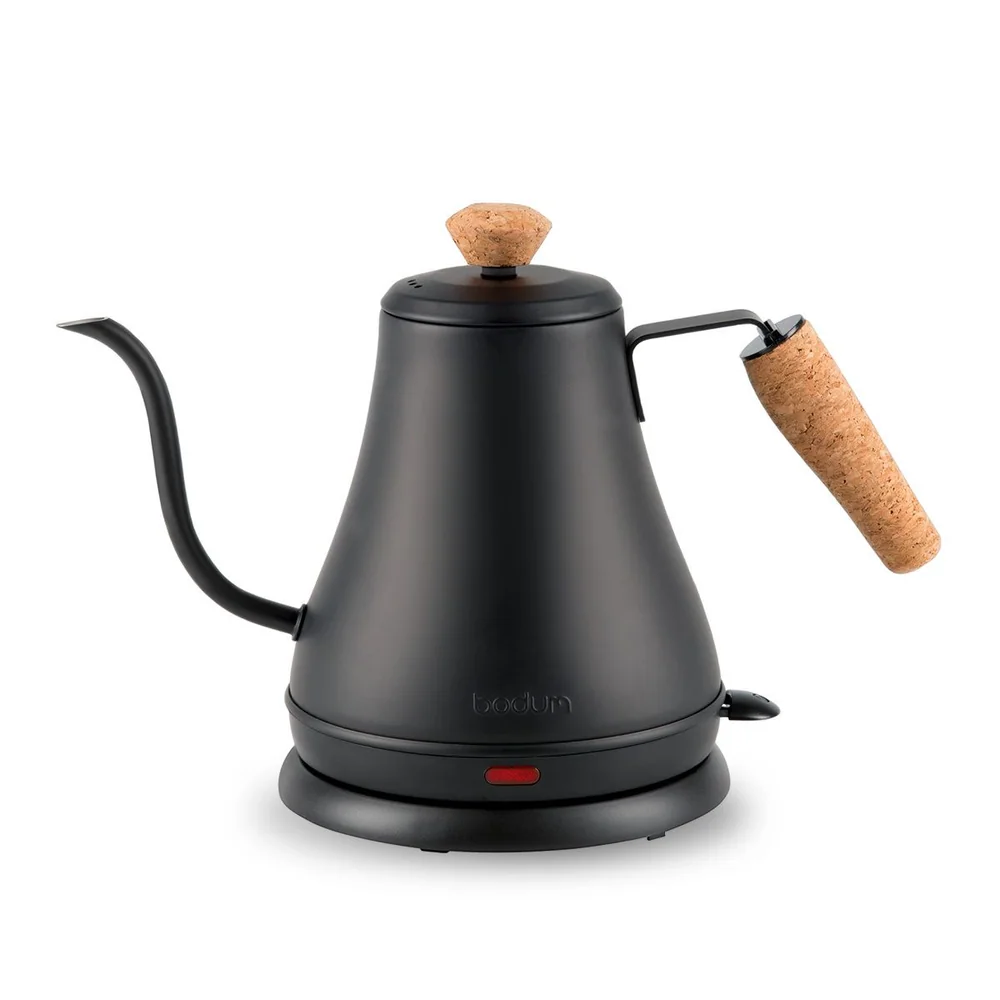
Bodum Melior Gooseneck Electric Kettle
Brand guide

Bodum

Bodum Melior Gooseneck Electric Kettle works best for anyone who wants a gooseneck electric kettle at one of the lowest typical buy-in points.
What to know: 1 Bodum model appears across the current guides and reviews.

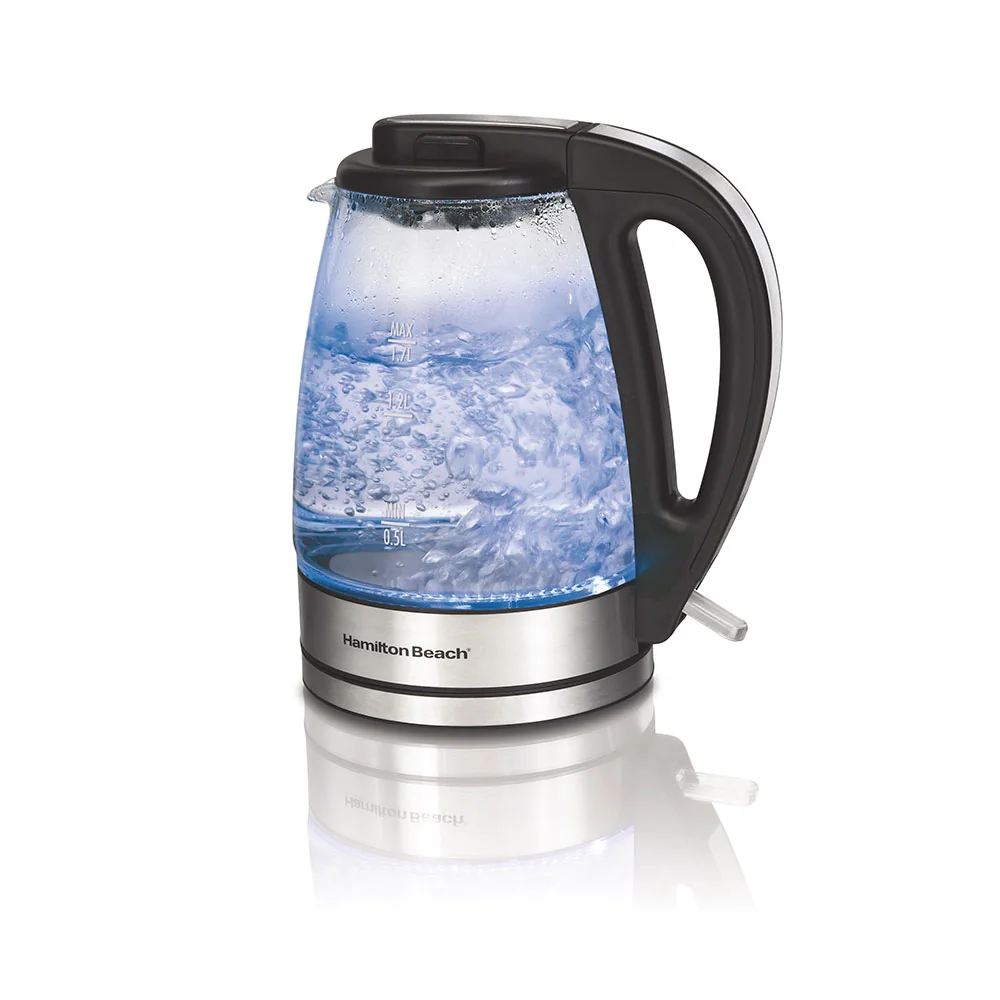
Hamilton Beach Electric Kettle
Brand guide

Hamilton

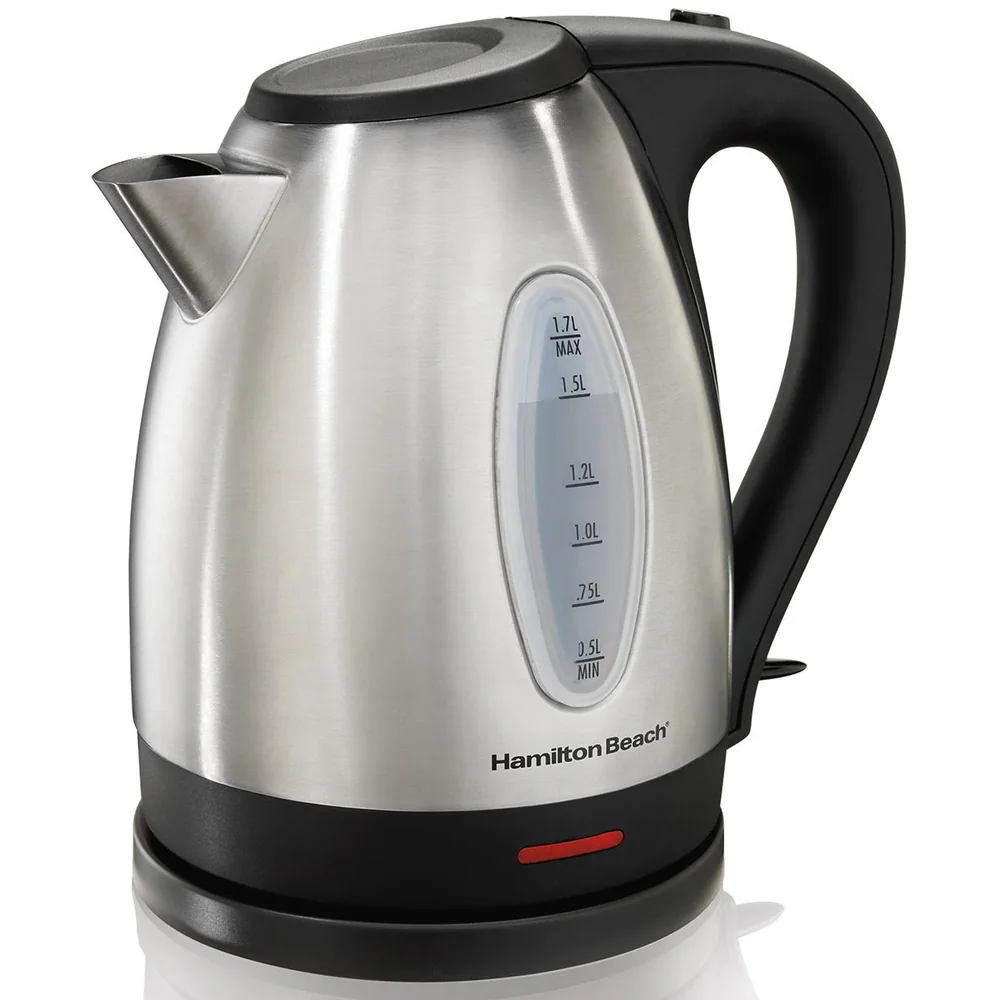
Hamilton Beach Electric Kettle works for shoppers who just want an electric kettle that boils water reliably without paying for temperature presets and extra controls.

What to know: 1 Hamilton model appears across the current guides and reviews.

Mr. Coffee Tea Maker and Kettle
Brand guide

Mr

Mr.

What to know: 1 Mr model appears across the current guides and reviews.

How to choose electric kettles

  • Capacity and minimum fill: Both matter when you alternate between one cup and a full pot.
  • Heating power: A higher number is useful only when the circuit and design turn it into consistently faster boiling.
  • Temperature control: Precision matters for repeatable tea and coffee, while casual users may prefer simpler controls.
  • Spout and handle balance: A powerful kettle can still be unpleasant if it dribbles or strains the wrist.

Electric Kettles FAQ

Do I need temperature control on an electric kettle?

If you mostly boil water for black tea, instant coffee, or cooking, a simple boil-only electric kettle is enough. Temperature control becomes worth it when you regularly make green tea, oolong, or coffee methods where water that is too hot can change the taste.

When is a gooseneck electric kettle actually worth it?

A gooseneck electric kettle is most useful for pour-over coffee because it helps you pour slowly and precisely. If you mainly fill mugs for tea bags or instant drinks, the gooseneck spout is not a meaningful advantage.

Is a glass electric kettle a good idea compared with stainless steel?

Glass is great for visibility and knowing exactly how much water you are heating. Stainless is the more classic choice if you prefer an opaque body and a traditional look.

Which electric kettle here is the best single choice for most people?

Cuisinart CPK-17P1 PerfecTemp Cordless Electric Kettle is the best all-around recommendation because it combines fast heating with accurate temperatures and easy controls, which covers the widest range of daily tea and coffee needs.

If I only want fast boiling water, which direction should I go?

A straightforward stainless electric kettle like the Cuisinart 1.7-Liter Stainless Steel Cordless Electric Kettle is a sensible choice for general boiling. It keeps things simple when you do not need a more involved temperature-control setup.