
Pickori

Practical guide

Electric vs. Stovetop Kettles

Compare controls, shutoff, portability, speed, pour style, capacity, counter space, and dependence on an outlet or burner.

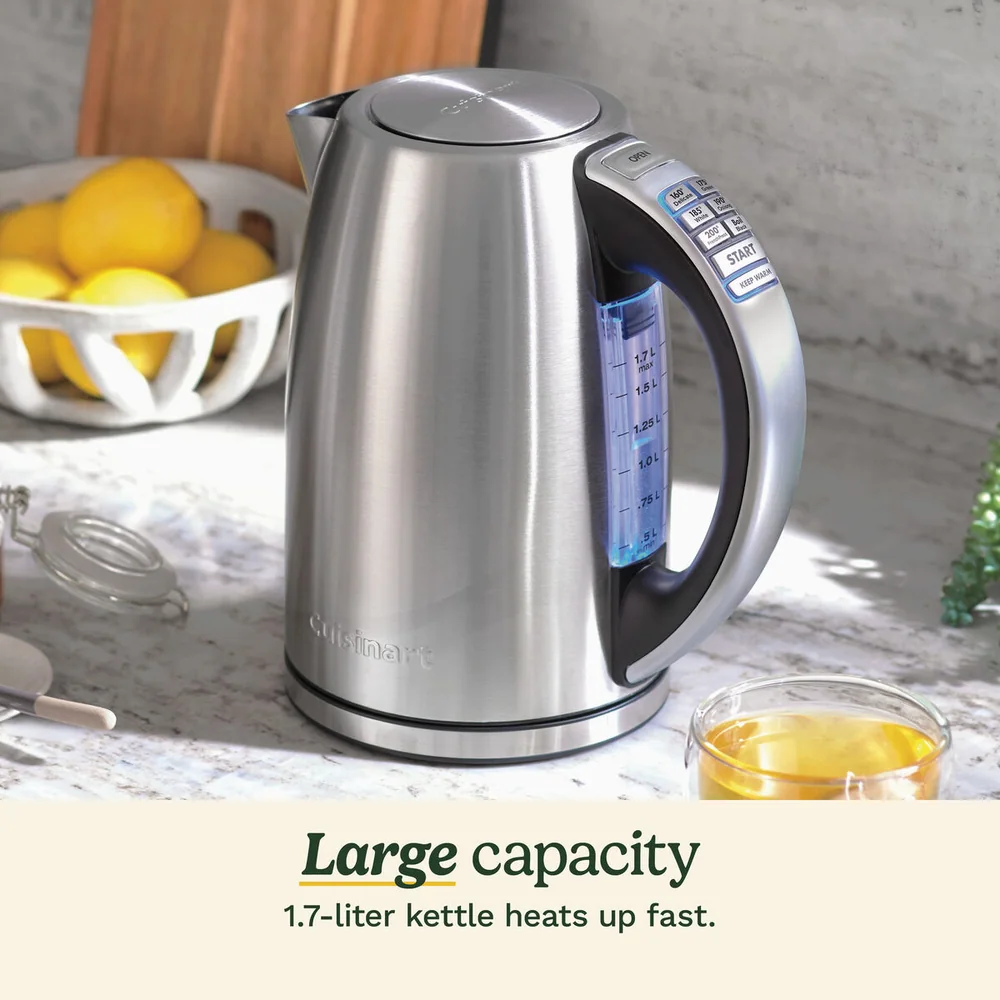
Cuisinart CPK-17P1 PerfecTemp Cordless Electric Kettle

Electric kettles automate the heat cycle

An electric kettle can switch off automatically and may offer temperature selection, hold mode, live temperature, or scheduling.

It needs counter space, a suitable outlet, a dry base, and model-specific electrical care.

Stovetop kettles keep electronics off the counter

A stovetop kettle can work on a compatible burner and may suit kitchens with limited outlets. Whistling models signal boiling but still require someone to remove them from heat.

Confirm compatibility with gas, electric, glass, or induction cooking and keep handles and spouts away from adjacent heat.

Pour and capacity still matter

Both categories include broad standard spouts and controlled-pour designs. Compare full weight, balance, lid security, handle temperature, and the speed of the stream.

A feature label does not excuse unsafe lifting or overfilling.

Choose the workflow

Pick electric for automatic shutoff, temperature control, or a dedicated tea-and-coffee station. Pick stovetop for burner-based simplicity or when you do not want another powered base.

Neither category should be left heating unattended, and both need inspection for damage and secure handles.

More from Electric Kettles

← Back to Electric Kettles