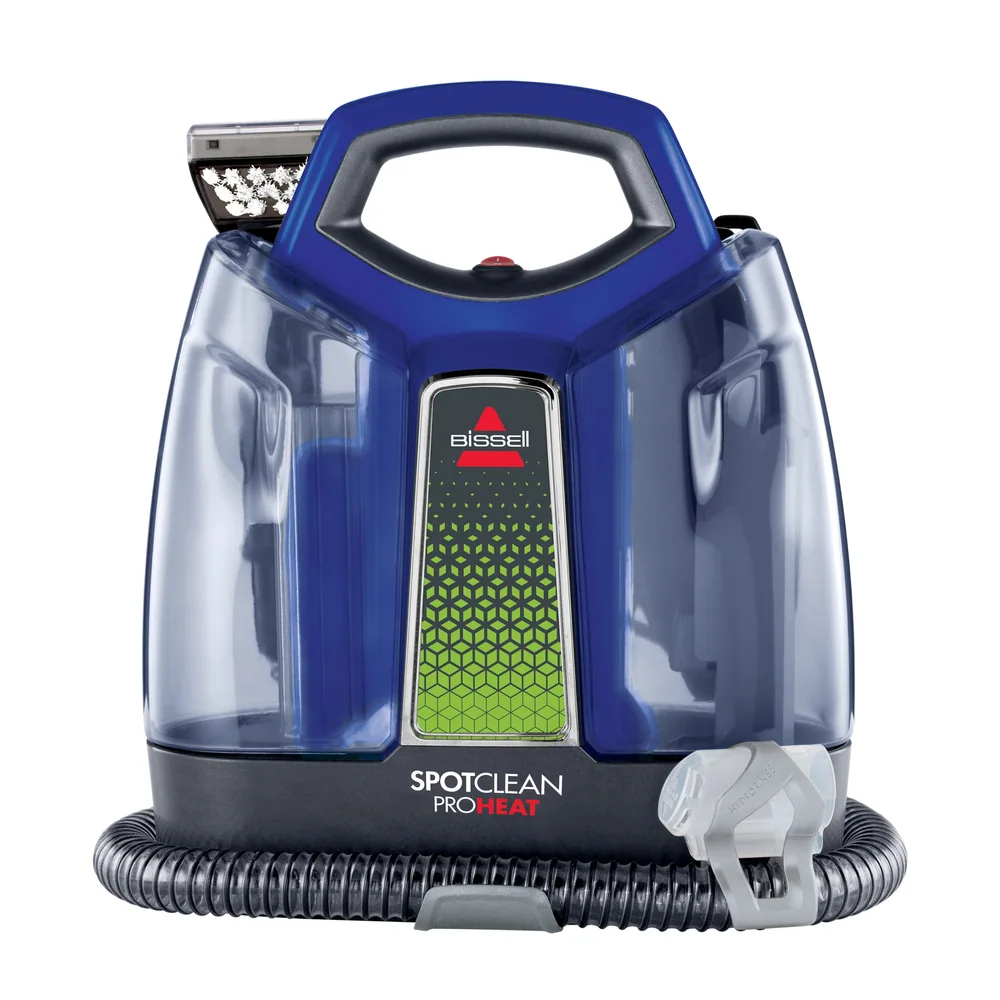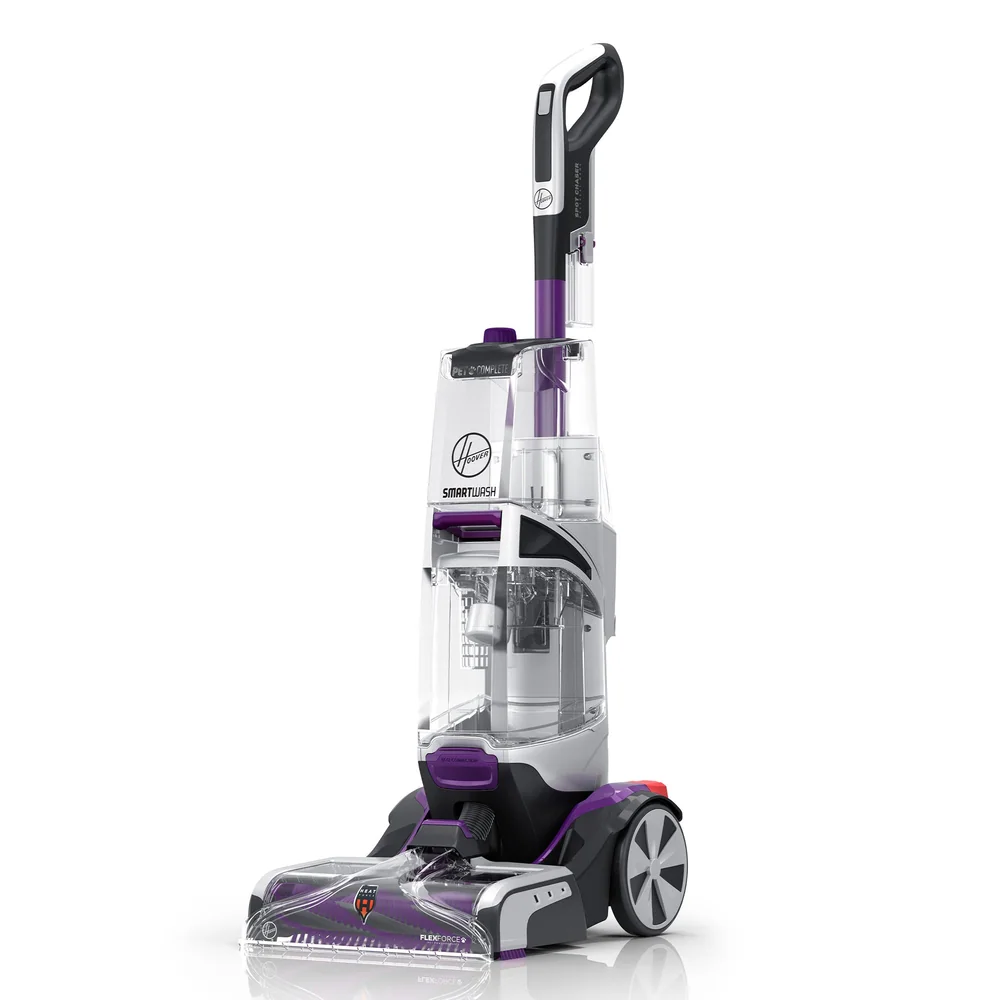
Pickori
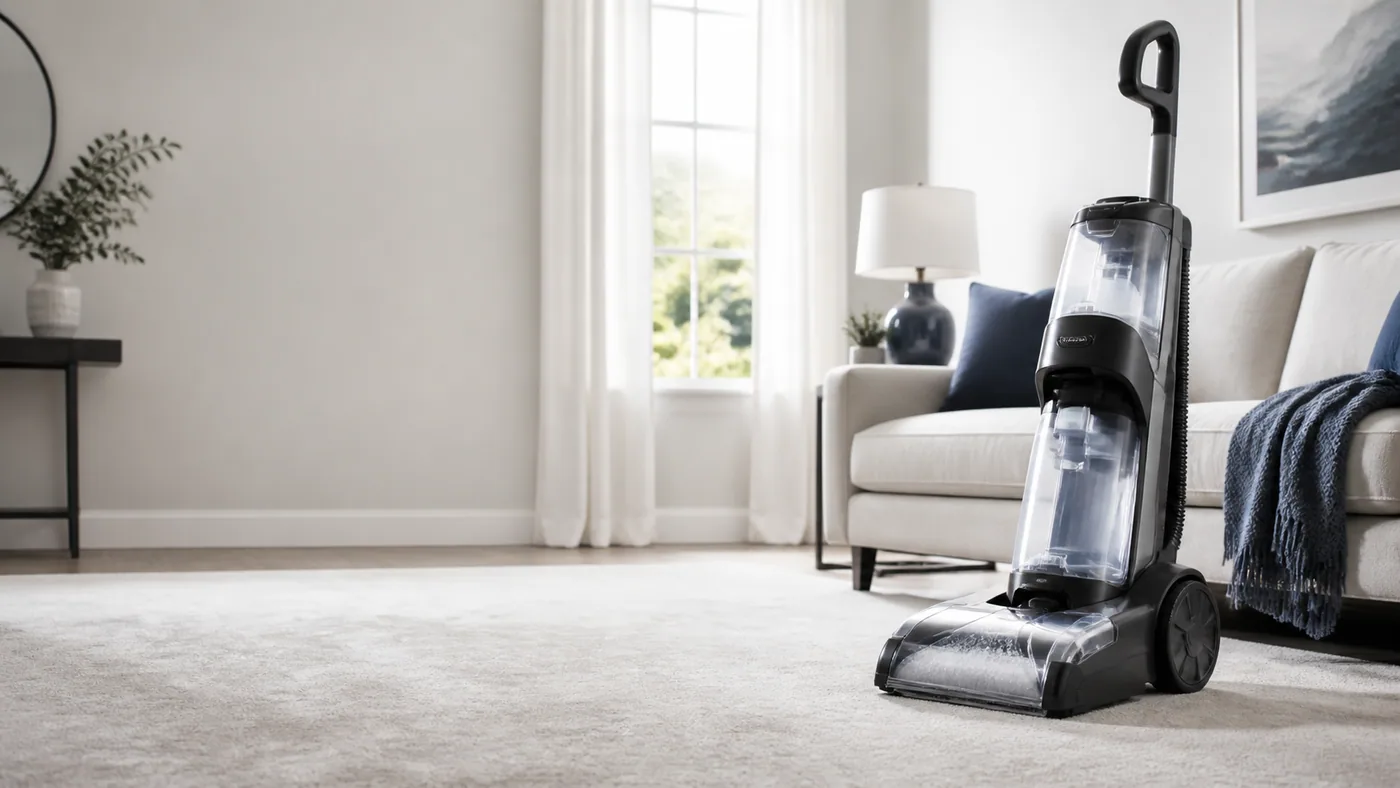
Modern carpet cleaner beside a freshly cleaned living room rug

Carpet Cleaner Research

Carpet Cleaners

Choose a carpet cleaner by the surfaces, stains, pets, storage, and cleanup you actually face. Compare Pickori's buying guides and full reviews, then learn how to handle stains, cleanup, and routine care.

Carpet cleaners tackle spills, stains, and pet messes a vacuum cannot

Full-size carpet cleaners cover rooms and traffic lanes. Portable spot cleaners are easier to carry to stairs, upholstery, cars, and sudden spills, but they are slow for wall-to-wall carpet. The right format depends on where the mess happens.

Water recovery, brush action, tank design, hose reach, tool selection, weight, and machine cleanup matter more than dramatic stain photos. A cleaner only earns its storage space if you can use it, rinse it, and dry the carpet without turning one mess into another.

Types of carpet cleaners

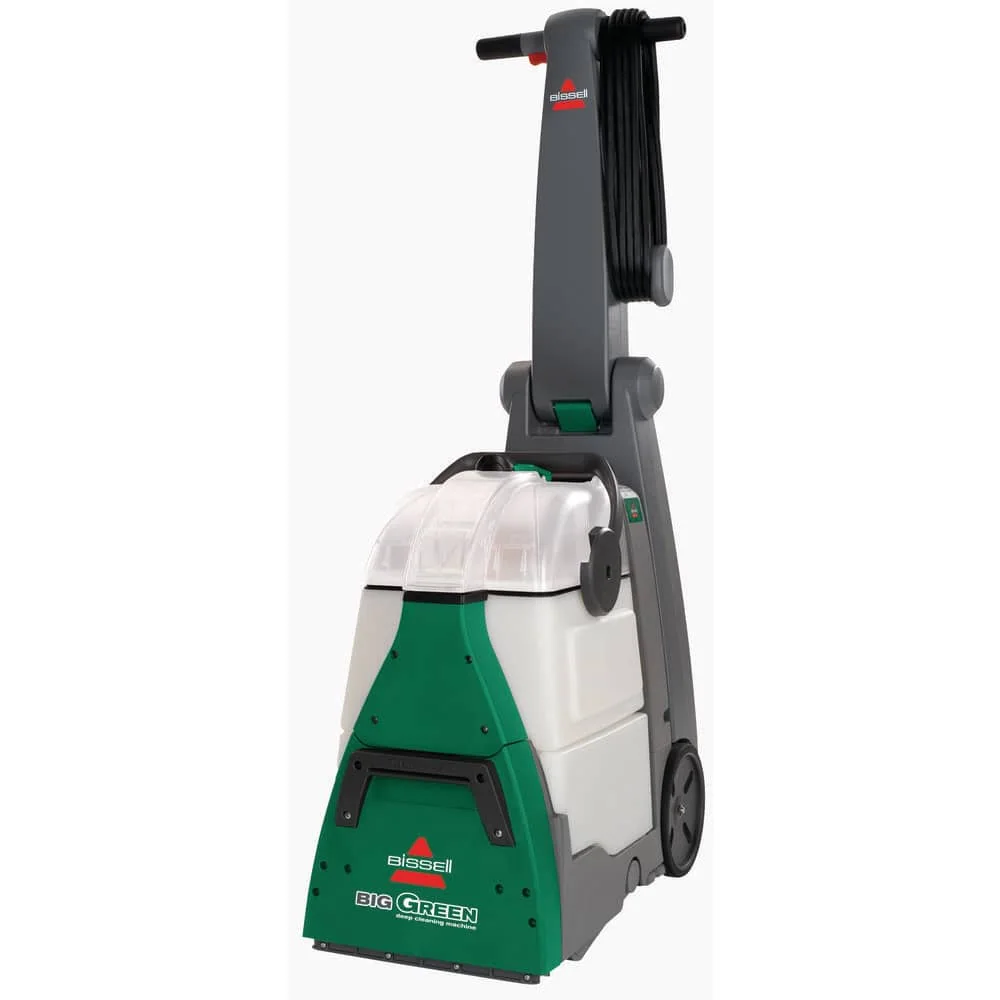
Bissell Big Green Professional Carpet Cleaner

Upright carpet cleaners

Full-size machines wash and extract across larger carpeted areas.

Best for: Rooms, hallways, traffic lanes, and frequent whole-home cleaning.
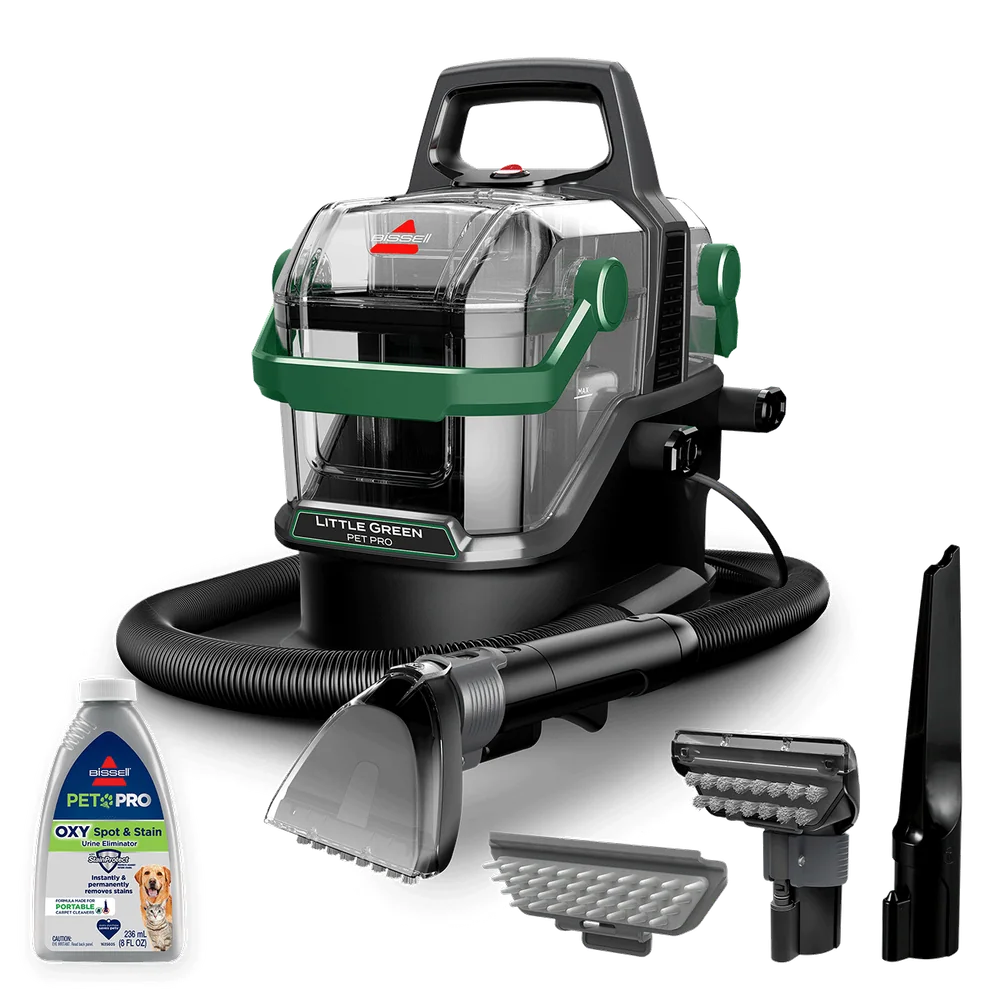
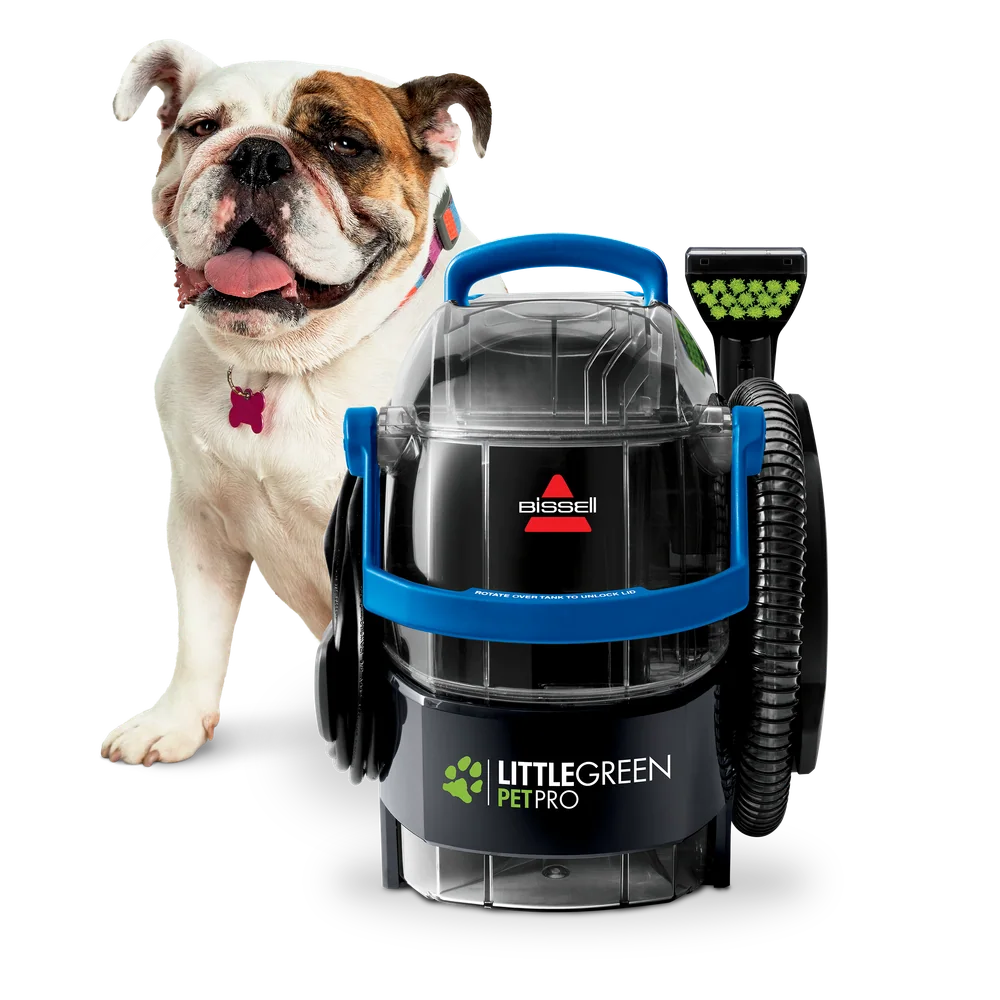
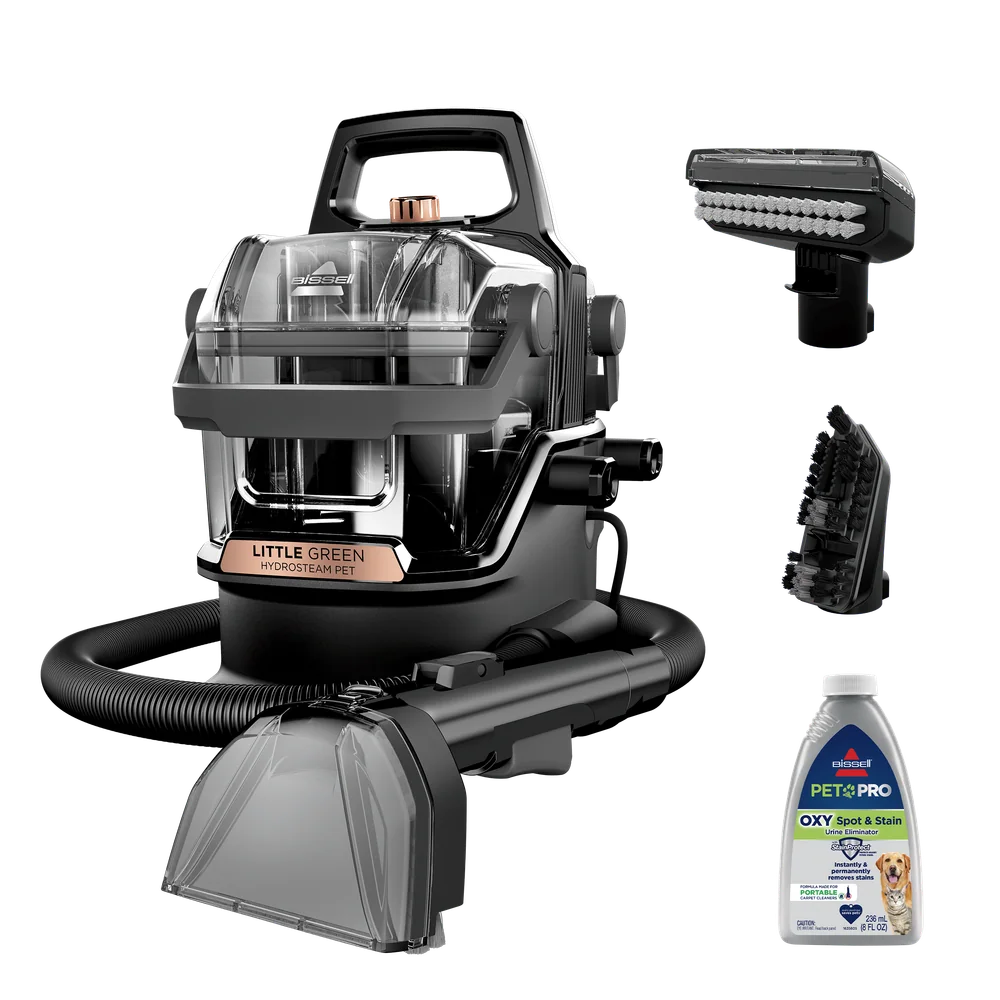
Bissell Little Green Pet Pro Portable Carpet Cleaner

Portable spot cleaners

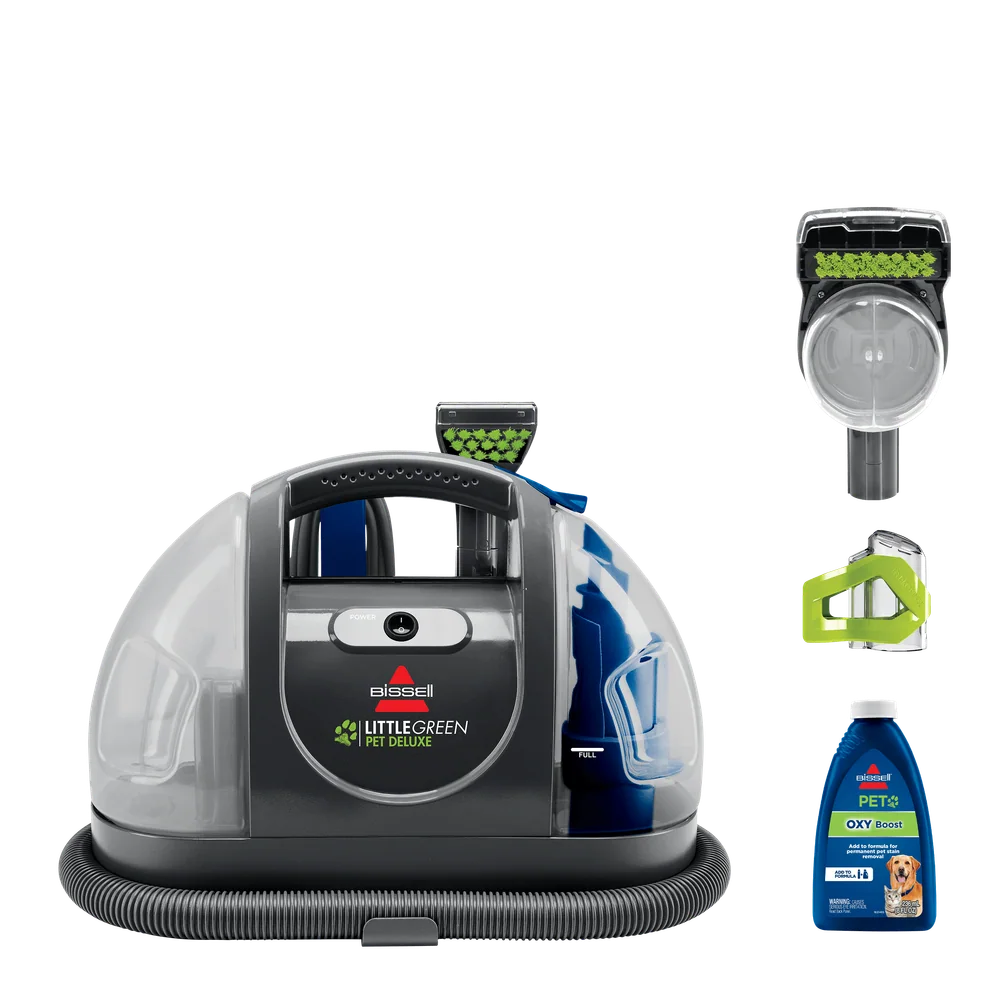
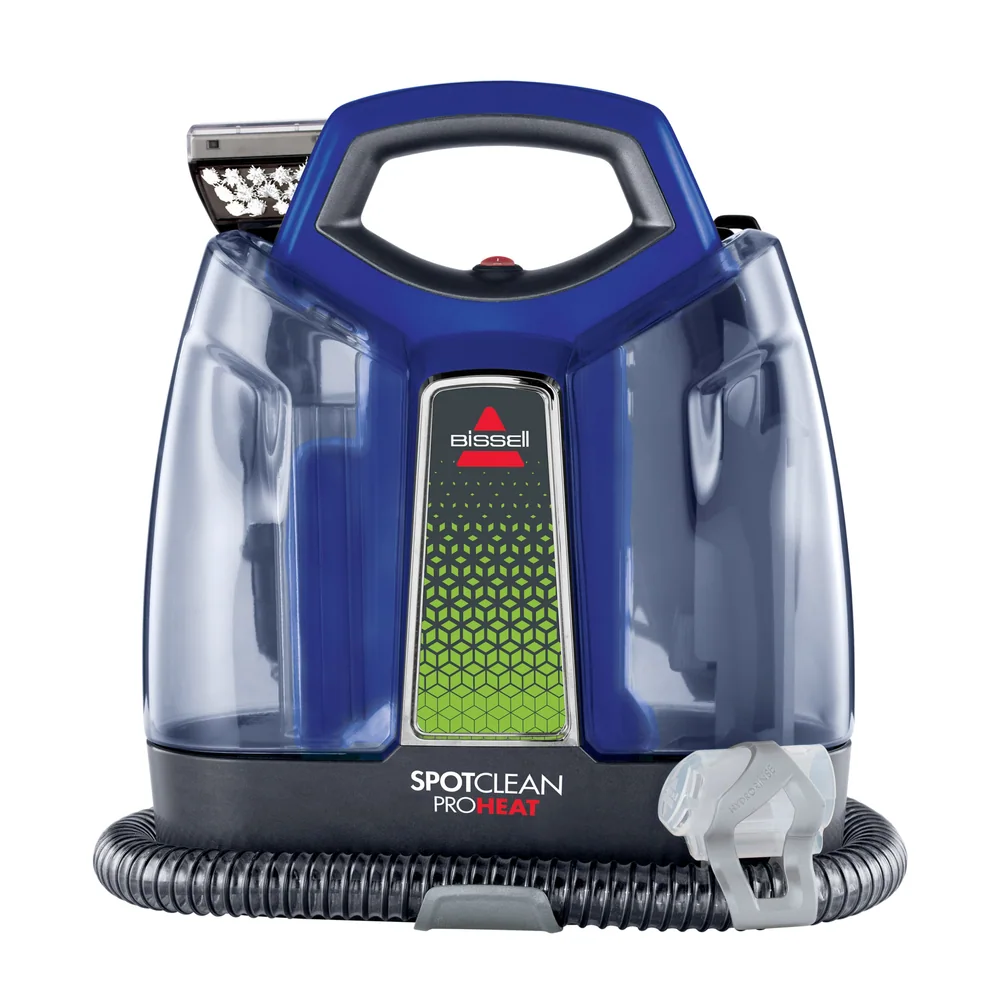
Small tanks and a hose target individual stains and upholstery.

Best for: Pet accidents, stairs, furniture, cars, and quick cleanup.
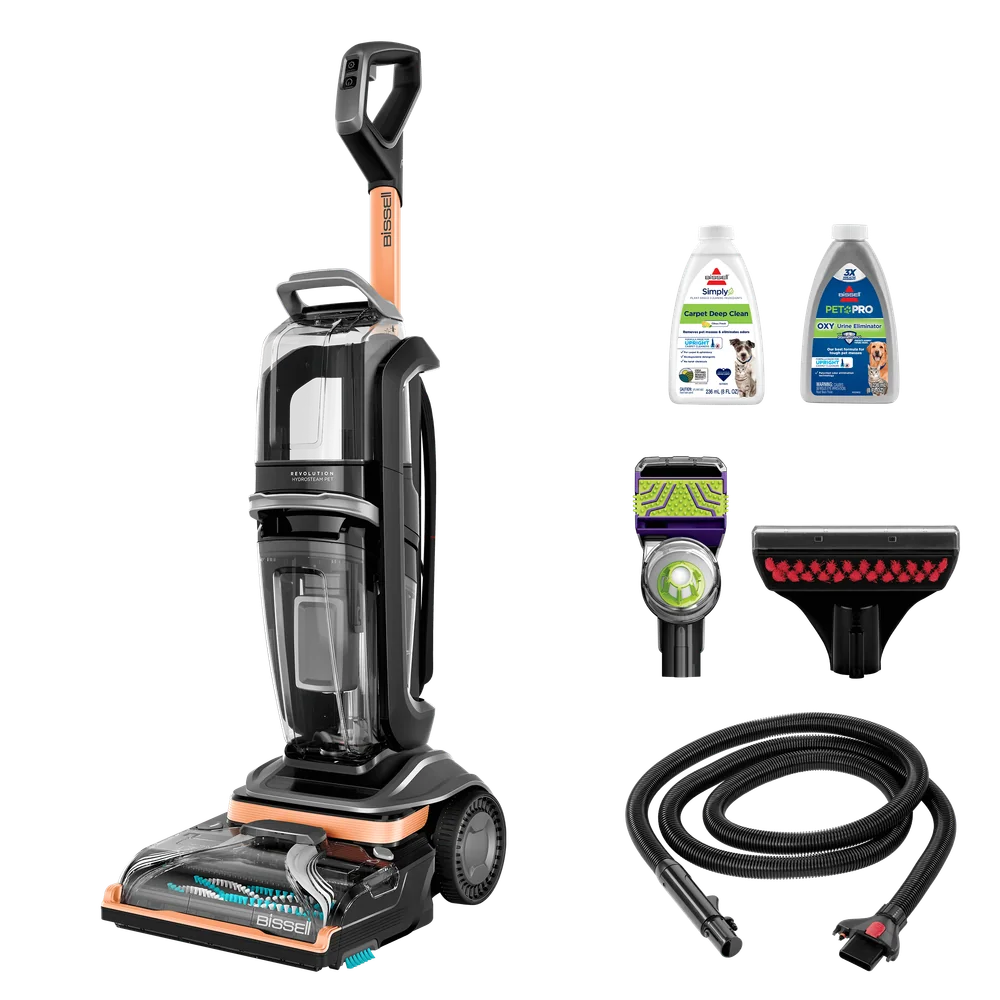
Bissell Revolution HydroSteam Pet Carpet Cleaner

Commercial-style extractors

Larger tanks, stronger recovery, and serviceable designs support heavier use.

Best for: Large homes, rentals, and frequent deep cleaning.
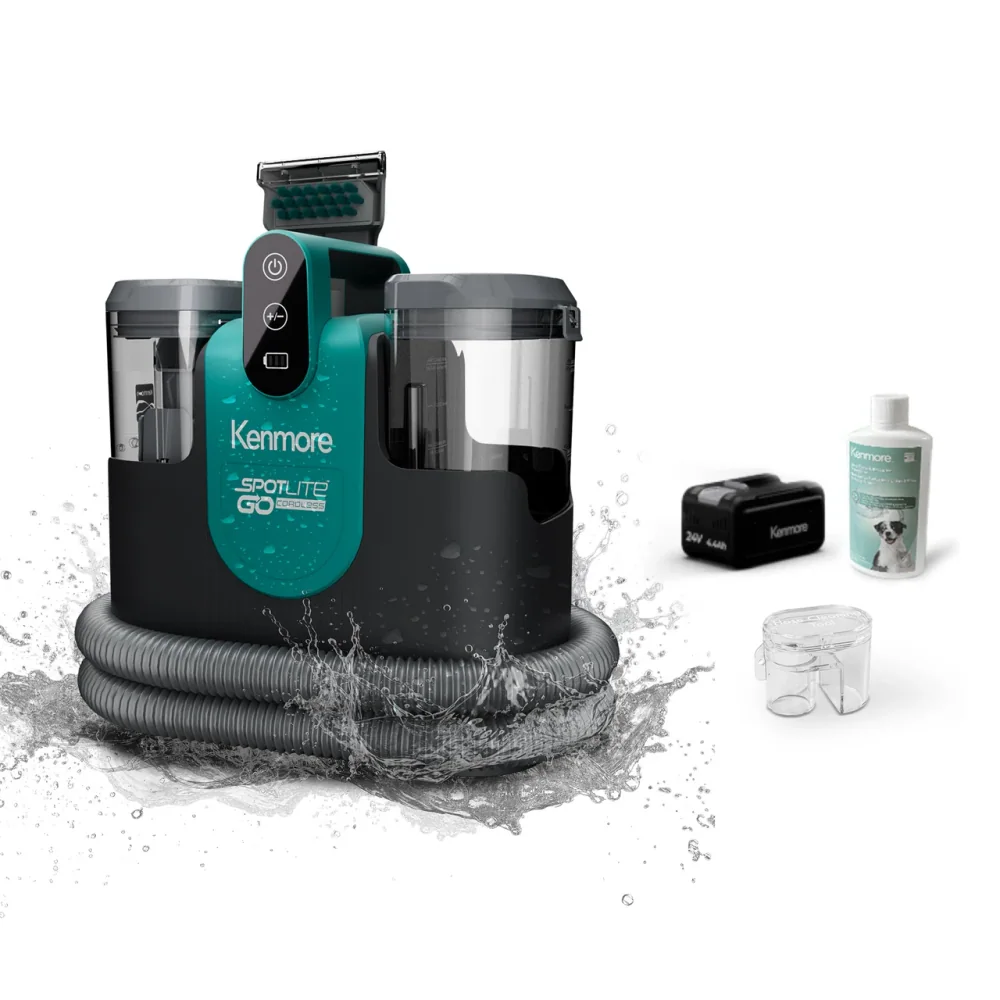
Kenmore SpotLite Portable Carpet Cleaner

Combination cleaners

Machines add hard-floor, steam, or vacuum functions to carpet washing.

Best for: Shoppers who understand the compromises and will use the extra mode.

Carpet Cleaner Buying Guides and Comparisons

Product reviews

In-Depth Carpet Cleaners Reviews

Start with the newest reviews and substantial refreshes, then open the complete directory when you need a specific model.

Browse all 30 in-depth carpet cleaner reviewsEvery full product review, organized by brandView complete archive

Bissell9 reviews

Chemical1 review

Dirt1 review

Hoover8 reviews

Kenmore1 review

Shark7 reviews

SmartWash1 review

Tineco1 review

Turtle1 review

Practical ownership help

Stain, drying, and ownership guides for cleaner carpet

Pretreatment, extraction technique, drying, and machine cleanup can matter as much as the model you buy.
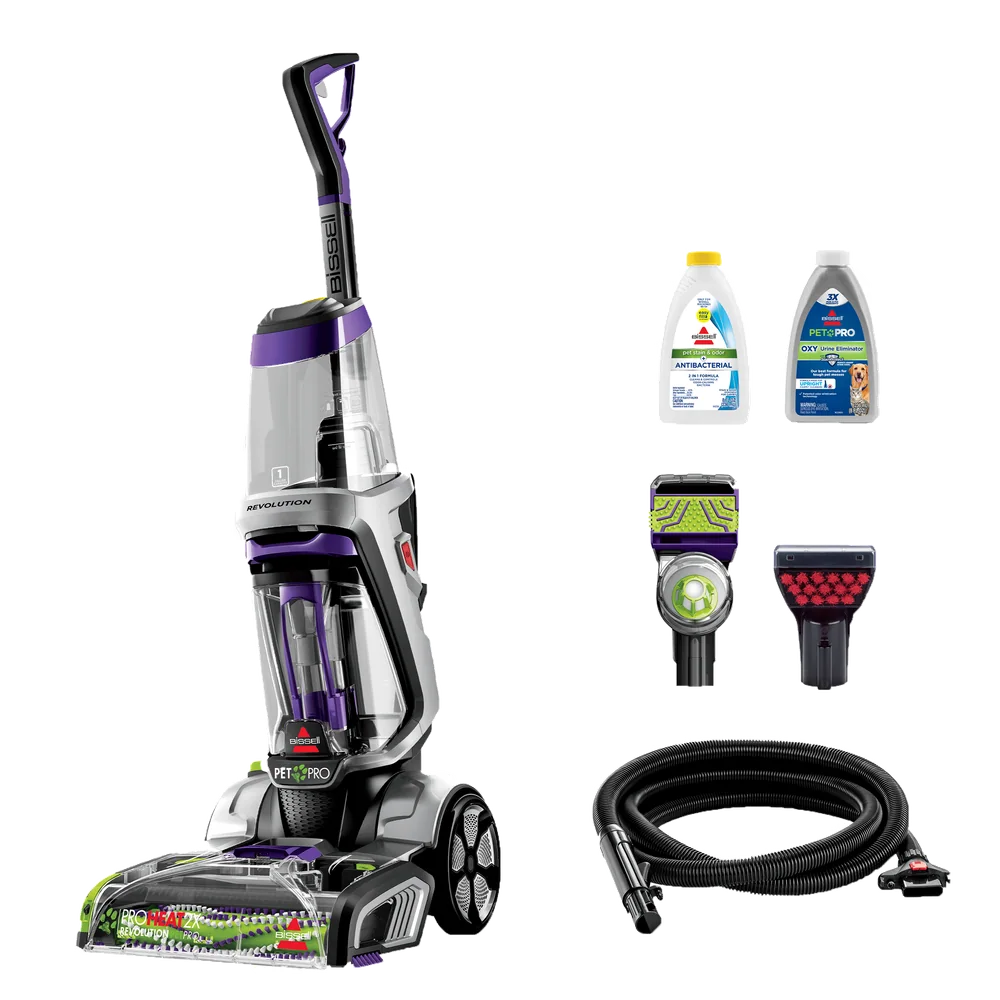
Bissell Revolution HydroSteam Pet Carpet Cleaner
Drying guide How to Dry Carpet Faster After Cleaning Speed carpet drying by extracting more water, moving air across the surface, lowering humidity, and protecting furniture and traffic areas while the carpet is still damp. Read the guide →
Bissell Revolution HydroSteam Pet Carpet Cleaner
Practical guide Weak Carpet Cleaner Suction Usually Has a Simple Cause Restore water pickup by checking the recovery path, cleaning removable parts, and using slower extraction passes before assuming the machine has failed. Read the guide →
Bissell Revolution HydroSteam Pet Carpet Cleaner
Stain guide How to Pretreat Carpet Stains Pretreat carpet stains by identifying the soil, blotting correctly, patch testing, and giving the cleaner enough time to work before extraction. Read the guide →
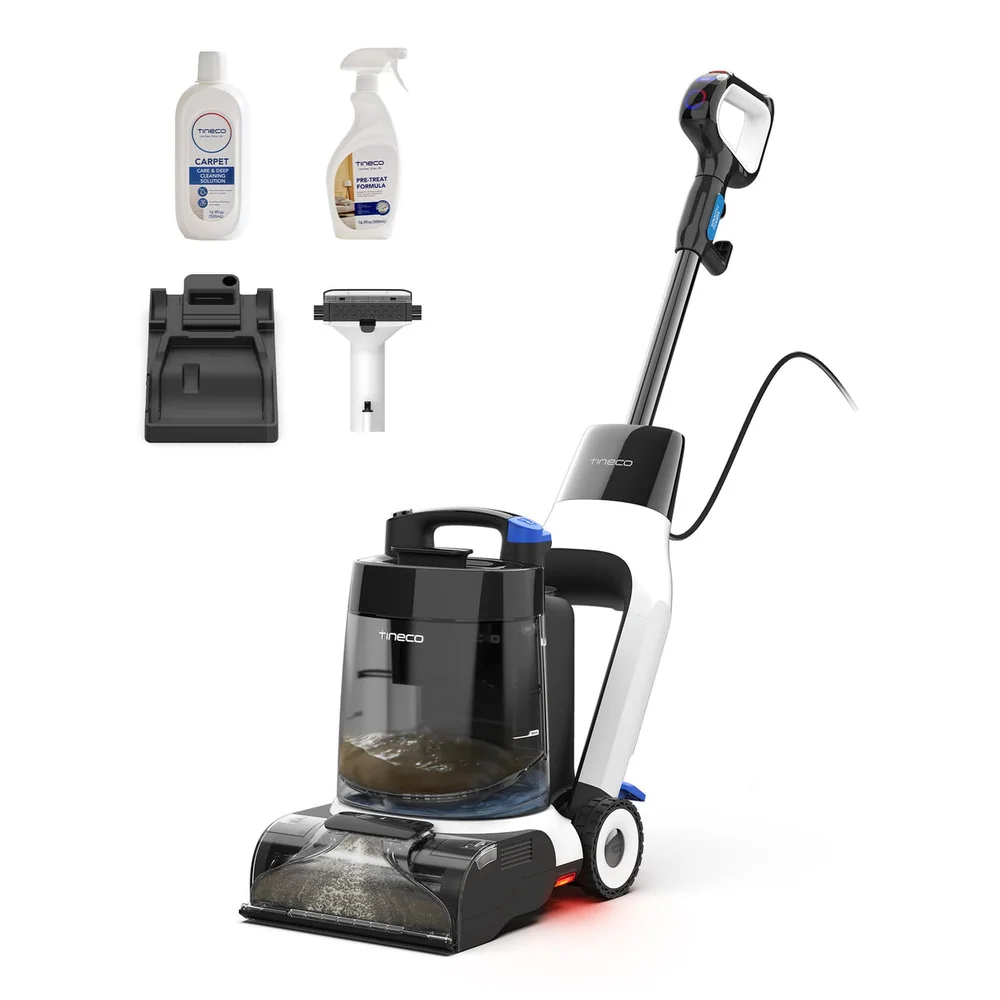
Tineco Carpet One Smart Carpet Cleaner
Car-care guide How to Use a Carpet Cleaner in a Car Clean car carpets and seats with careful prep, minimal moisture, and thorough drying to prevent odors and protect electronics. Read the guide →
Bissell Revolution HydroSteam Pet Carpet Cleaner
Practical guide Why Carpet Can Look Worse After Cleaning and What to Do Next If your carpet looks dull, streaky, or smells worse after cleaning, the fix usually comes down to residue control, even technique, and faster drying. Read the guide →
Bissell ProHeat 2X Revolution Pet Carpet Cleaner
Pet cleanup How to Clean Pet Accidents from Carpet Clean pet urine, vomit, or feces from carpet with fast blotting, the right pretreatment, careful extraction, and realistic expectations about what may be in the padding. Read the guide →
Bissell Revolution HydroSteam Pet Carpet Cleaner
Technique guide How to Clean Carpeted Stairs and Upholstery Clean stairs and upholstery with controlled moisture, the right tool, and a drying plan so you remove soil without leaving residue or overwetting padding. Read the guide →
Bissell Revolution HydroSteam Pet Carpet Cleaner
Maintenance guide How to Clean a Carpet Cleaner After Use Clean and dry your carpet cleaner right after use so it does not clog, smell, or redeposit dirty water the next time you need it. Read the guide →
Hoover SmartWash Pet Automatic Carpet Cleaner
Solution guide Carpet Cleaning Solution: How Much Do You Really Need? Use the right dilution and rinse habits to clean effectively without leaving sticky residue behind. Read the guide →
Bissell Revolution HydroSteam Pet Carpet Cleaner
Practical guide Deep Cleaning Wall-to-Wall Carpet Without Overwetting It A whole-room routine that focuses on controlled water use, thorough extraction, and fast drying so your carpet feels clean instead of sticky. Read the guide →
Bissell Revolution HydroSteam Pet Carpet Cleaner
Practical guide Carpet Cleaner Safety and Damage Prevention for Floors, Rugs, and People Use a carpet cleaner without damaging rugs, floors, or finishes by controlling moisture, testing for dye bleed, and managing cords, traffic, and solutions. Read the guide →
Bissell Revolution HydroSteam Pet Carpet Cleaner
Rug guide Can You Use a Carpet Cleaner on an Area Rug? You can wet-clean some rugs safely, but fiber, backing, dyes, and what is underneath the rug decide whether it is a smart idea. Read the guide →
Bissell Big Green Professional Carpet Cleaner
Practical guide Carpet Cleaner Maintenance and Storage That Prevents Odor and Clogs A simple routine for cleaning, inspecting, and drying your carpet cleaner prevents musty smells, weak spray, and suction-killing clogs. Read the guide →

Learn the Category

Understand Carpet Cleaners Before You Buy

Plain-English guides to sizing, features, setup, maintenance, and the category questions that change the decision.

Bissell Revolution HydroSteam Pet Carpet Cleaner
Category guide Upright vs. Portable Carpet Cleaners Choose an upright for room-sized cleaning and a portable for stairs, upholstery, and quick spot work, based on where messes actually happen. Read the guide →
Bissell Revolution HydroSteam Pet Carpet Cleaner
Category guide What Heated Carpet Cleaning Really Means "Heated cleaning" can mean several different things, and understanding which one you are getting helps you set expectations for stain removal and drying time. Read the guide →
Bissell Revolution HydroSteam Pet Carpet Cleaner
Category guide Should You Rent or Buy a Carpet Cleaner? Use your mess frequency, storage space, and tolerance for setup and cleanup to decide whether renting or owning makes more sense. Read the guide →
Bissell ProHeat 2X Revolution Pet Carpet Cleaner
Category guide Why Water Extraction Matters in a Carpet Cleaner Strong extraction removes more dirty water and detergent from carpet, which shortens drying time and helps prevent sticky residue that attracts soil. Read the guide →
Bissell Revolution HydroSteam Pet Carpet Cleaner
Category guide Carpet Cleaner Tank Size and Real Cleaning Time Tank capacity affects how often you refill and empty, but fill lines, usable volume, and added weight matter just as much as the number on the box. Read the guide →
Bissell Revolution HydroSteam Pet Carpet Cleaner
Category guide Carpet Cleaner Brushes and Agitation Explained Brush design affects how well a carpet cleaner lifts soil, how safe it is for different fibers, and how much cleanup you will do afterward. Read the guide →
Bissell Revolution HydroSteam Pet Carpet Cleaner
Category guide Choosing a Carpet Cleaner for a Pet Home Pet homes need carpet cleaners that handle hair, accidents, and odor control without turning cleanup and machine maintenance into a bigger chore than the mess. Read the guide →
Bissell Revolution HydroSteam Pet Carpet Cleaner
Category guide Choosing a Carpet Cleaner for Upholstery Pick a machine and tools that match your fabric's water tolerance, give you control, and pull moisture back out so cushions dry fast. Read the guide →
Bissell Revolution HydroSteam Pet Carpet Cleaner
Category guide Carpet Cleaning Solutions and Safety Use the right solution at the right concentration, avoid residue and risky mixing, and set up the room so people and pets stay comfortable while it dries. Read the guide →
Bissell Revolution HydroSteam Pet Carpet Cleaner
Category guide How Long Should Carpet Take to Dry? Drying time depends on fiber, padding, humidity, and how much water you leave behind, so focus on extraction and airflow to avoid musty smells. Read the guide →

Category Knowledge

How Carpet Cleaners Work

The technical details below explain why products behave differently and which differences shoppers are likely to notice.

Category knowledge

Upright vs. Portable Carpet Cleaners

Choose an upright for room-sized cleaning and a portable for stairs, upholstery, and quick spot work, based on where messes actually happen.

Carpet cleaners come in two main formats: upright machines that push like a vacuum, and portable spot cleaners that use a hose and hand tool. Both spray cleaning solution into carpet and then extract it back out, but they fit different jobs. If you buy the wrong format, you either end up with a bulky machine you avoid using, or a small machine that takes forever to cover a room. Start by mapping your messes. If you mostly deal with traffic lanes, whole rooms, and seasonal deep cleaning, an upright makes sense. If your problems are pet accidents, stairs, couch arms, dining chair seats, and car mats, a portable is usually the better first purchase. Some households eventually own both because the jobs are genuinely different, not because one machine is "better."

Upright carpet cleaners win on coverage because they have a wider cleaning path and a stable base that keeps the brush and suction head flat on the carpet. That matters on wall-to-wall carpet where you need consistent passes and even extraction. A wider path does not automatically mean better cleaning, but it usually means fewer passes to cover the same area, which reduces fatigue and helps you finish before the carpet stays wet too long.

Portable spot cleaners are intentionally slow for large areas. Their hand tools clean a small rectangle at a time, and you are doing the scrubbing motion yourself. They shine when you can focus on one stain, one stair tread, or one cushion. If you try to clean a whole room with a portable, you will do a lot of refilling and emptying, and you may rush extraction just to be done, which can leave the carpet wetter than it needs to be.

Stairs and upholstery are where uprights struggle. Even if an upright includes a hose, the machine body still has to sit nearby, and you are often dragging a heavy base while working one-handed. On stairs, that can feel awkward because you need stable footing, a place to set the machine, and enough hose reach to work without lifting the unit step by step.

Portable spot cleaners are built for these jobs. You carry the whole unit with one hand, set it on a landing or floor mat, and work with a hose tool. For cars, a portable is usually the only practical choice because you can keep the machine outside the vehicle and reach in with the tool. Pay attention to hose length and tool shape, since a short hose or bulky tool makes seats and stair corners harder than they should be.

What this means when shopping: Portable spot cleaners are built for these jobs. You carry the whole unit with one hand, set it on a landing or floor mat, and work with a hose tool. For cars, a portable is usually the only practical choice because you can keep the machine outside the vehicle and reach in with the tool. Pay attention to hose length and tool shape, since a short hose or bulky tool makes seats and stair corners harder than they should be.

Category knowledge

Why Water Extraction Matters in a Carpet Cleaner

Strong extraction removes more dirty water and detergent from carpet, which shortens drying time and helps prevent sticky residue that attracts soil.

A carpet cleaner does two jobs: it puts cleaning solution into the carpet, and it pulls that solution back out. That second part is extraction, meaning the machine's suction lifts water and loosened soil from the fibers into the dirty tank. Extraction is the difference between "looks cleaner" and "is cleaner and dries in a reasonable time." Many buying decisions get distracted by dramatic stain photos or big claims about heat and "professional results." In day-to-day ownership, extraction is what you feel: how wet the carpet is when you finish, how quickly it dries with airflow, and whether the carpet feels sticky later because detergent was left behind. If you understand extraction, you can judge machines and also improve results with better technique.

Carpet cleaning works best as a sequence. First, the machine sprays a mix of water and cleaner into the carpet. Second, brushes agitate the fibers, which helps loosen soil and lift it toward the surface. Third, the machine recovers the dirty solution through suction, sending it into the dirty tank. If any step is weak, results suffer. For example, strong brushes without good recovery can leave the carpet wet and dirty water sitting deeper in the pile.

Agitation and recovery also need to match the surface. Some carpets respond well to stronger brush action, while delicate rugs or certain fibers can fuzz or distort if scrubbed aggressively. Recovery matters on every surface because leftover moisture can wick soil back up as it dries, leaving a dull "shadow" that looks like the stain returned. Good extraction reduces that risk by removing more of the dirty solution before it has time to migrate.

A common mistake is doing one slow wet pass and moving on. Most machines need extra dry passes, meaning you stop spraying and simply pull the machine over the same area to suction up more water. This is not busywork. It is how you get closer to a damp carpet instead of a wet carpet. More water left behind means longer drying, and longer drying increases the chance of odor, residue, and tracked-in dirt sticking to the fibers.

A practical routine is to clean a small section, then do additional passes with the spray off until the sound changes and you see less water moving through the nozzle window (if your machine has one). On a portable spot cleaner, it means repeated slow pulls on the tool after you finish scrubbing. Pair this with airflow. Open windows when weather allows, run fans, and avoid walking on the area until it is dry enough to prevent re-soiling.

What this means when shopping: A practical routine is to clean a small section, then do additional passes with the spray off until the sound changes and you see less water moving through the nozzle window (if your machine has one). On a portable spot cleaner, it means repeated slow pulls on the tool after you finish scrubbing. Pair this with airflow. Open windows when weather allows, run fans, and avoid walking on the area until it is dry enough to prevent re-soiling.

Category knowledge

Carpet Cleaner Tank Size and Real Cleaning Time

Tank capacity affects how often you refill and empty, but fill lines, usable volume, and added weight matter just as much as the number on the box.

Tank size sounds straightforward, but it is one of the easiest specs to misunderstand. Carpet cleaners usually have two tanks: a clean tank for fresh water and solution, and a dirty tank that collects recovered water. The size of each tank affects how long you can clean before stopping, but it also affects weight, handling, and how annoying the machine is to rinse out. Real cleaning time is shaped by more than gallons. Fill lines reduce usable capacity, foam can trigger early "full" behavior in the dirty tank, and some machines leave a little water behind that you cannot easily pour out. A slightly smaller tank that is easy to carry, fill, and clean can be more practical than a huge tank that turns every session into a heavy, messy chore.

The clean tank determines how long you can keep spraying solution before you must refill. The dirty tank determines how long you can keep extracting before you must stop and empty. If the dirty tank fills faster than the clean tank empties, you will be interrupting your workflow more than expected. That can happen because carpets release a lot of water, because you are doing extra wet passes, or because the machine picks up pre-existing moisture from previous cleaning or humidity.

Dirty tank behavior is also affected by foam. Some detergents foam more than others, and foam takes up space and can trigger float mechanisms that signal "full" even when there is still room for liquid. That means your "big tank" may not act big in practice. If you expect heavy soil, pet messes, or lots of upholstery cleaning, plan for more frequent dirty-tank emptying and choose a design that is easy to dump and rinse.

Many tanks have max fill lines, and you should treat those as the real capacity. Overfilling can cause leaks, poor suction, or messy spills when you tilt the machine. Good markings make it easier to mix solution accurately, which helps avoid residue. If markings are hard to see or only printed on one side, you will spend more time guessing, and guessing usually leads to too much detergent.

Usable capacity also depends on how the tank is shaped and how it pours. A tank with a wide opening is easier to fill at a sink and easier to rinse out. A narrow opening can trap grime and hair, which becomes a smell problem if you store the machine without fully cleaning it. When comparing machines, think about the whole routine: fill, carry, install, remove, empty, rinse, and dry. Tank design often matters more than the headline number.

What this means when shopping: Usable capacity also depends on how the tank is shaped and how it pours. A tank with a wide opening is easier to fill at a sink and easier to rinse out. A narrow opening can trap grime and hair, which becomes a smell problem if you store the machine without fully cleaning it. When comparing machines, think about the whole routine: fill, carry, install, remove, empty, rinse, and dry. Tank design often matters more than the headline number.

Category knowledge

Carpet Cleaner Brushes and Agitation Explained

Brush design affects how well a carpet cleaner lifts soil, how safe it is for different fibers, and how much cleanup you will do afterward.

A carpet cleaner does two jobs: it delivers cleaning solution into the carpet, then it extracts (sucks) that dirty water back out. Brushes sit in the middle of that process. Their job is agitation, meaning they scrub and flex carpet fibers so soil and oily residue let go. If agitation is too weak, you can end up doing extra slow passes. If it is too aggressive, you can fuzz delicate fibers, disturb fringe, or rough up certain rugs. Brush design also changes ownership chores. Some brush rolls trap hair and string until the machine stops spinning well. Others are easier to pop out and rinse. Before you buy, think about what you clean most: dense wall to wall carpet, low pile area rugs, stairs, upholstery, or pet messes. The best brush setup is the one that cleans your surfaces well and is easy enough to maintain that you will actually keep it working.

A rotating brush roll is a cylinder with bristles that spins to scrub as you push the machine. This is the most common setup on upright carpet cleaners because it covers a wide cleaning path quickly. A fixed brush (or fixed scrub bar) does not spin. It relies more on the machine's suction and your pushing motion, so it can be gentler but may need more passes on traffic lanes. Some machines let you turn the brush roll on and off, which is useful when you want suction without extra agitation.

Motion matters because carpet fibers behave differently under stress. On plush carpet, rotating brushes can lift the pile and help solution reach down between fibers. On looped carpet (like some berbers), aggressive brushing can snag loops if you catch a loose thread. On area rugs, the backing and edge binding can be more vulnerable than wall to wall carpet. If you clean mixed surfaces, look for a brush system you can control, and plan to test in a small corner first to see how the fibers react.

Counter-rotating brushes are two brush rolls that spin in opposite directions. The idea is to pull carpet fibers in different directions to loosen embedded soil. Multi-brush decks use several smaller brushes instead of one long roll. These designs can improve agitation on stubborn traffic lanes, especially when carpet has oily residue from shoes and skin oils that holds onto dust. They can also help distribute solution more evenly across the cleaning path.

The tradeoff is complexity and cleanup. More brushes means more places for hair, thread, and lint to wrap. It also means more parts to remove and rinse if you want to prevent odor and mildew inside the machine. If you have pets or long hair in the home, pay attention to how the brush area opens, whether the brush rolls lift out without tools, and whether the end caps (where hair often packs in) can be cleaned. Strong agitation is only helpful if the brushes keep spinning freely.

What this means when shopping: The tradeoff is complexity and cleanup. More brushes means more places for hair, thread, and lint to wrap. It also means more parts to remove and rinse if you want to prevent odor and mildew inside the machine. If you have pets or long hair in the home, pay attention to how the brush area opens, whether the brush rolls lift out without tools, and whether the end caps (where hair often packs in) can be cleaned. Strong agitation is only helpful if the brushes keep spinning freely.

Specs That Matter When Choosing Carpet Cleaners

These are the measurements and ownership details that change which carpet cleaners make sense.

Water recovery

Extraction pulls dirty solution back out of the carpet after washing.

Why it matters: Better recovery shortens drying time and reduces the chance of leaving too much detergent and moisture behind.

Brush and cleaning path

Brushes agitate fibers while path width controls room coverage.

Why it matters: Aggressive brushes can help carpet but may not suit every rug or delicate fiber.

Tank and hose design

Separate clean and dirty tanks, openings, markings, and hose length shape the whole routine.

Why it matters: Easy filling, emptying, rinsing, and reach often matter more than tank volume alone.

Weight and drying

Machines get heavier with water, and carpets need airflow after extraction.

Why it matters: Carry weight, maneuverability, and realistic drying time affect whether a cleaner is practical for the home.

Claims that need context

Heated cleaning: Many machines maintain warm tap water or blow warm air; few heat cold water like a boiler.

Professional results: Technique, solution, extraction passes, carpet condition, and drying all affect the result.

Pet stain removal: Urine odor can reach padding or subfloor, beyond what surface cleaning alone can solve.

Brands in the Category

Carpet Cleaner Brands Explained

Use the brand overview as a starting point, then open the linked product reviews for the model-specific decision.

Bissell Revolution HydroSteam Pet Carpet Cleaner
Brand guide

Bissell

Bissell Revolution HydroSteam Pet Carpet Cleaner is the one to get for most homes that want a serious, whole-room carpet cleaner, especially with pets in the mix.
What to know: 9 Bissell models appear across the current guides and reviews.

Hoover ONEPWR SmartWash Cordless Carpet Cleaner
Brand guide

Hoover

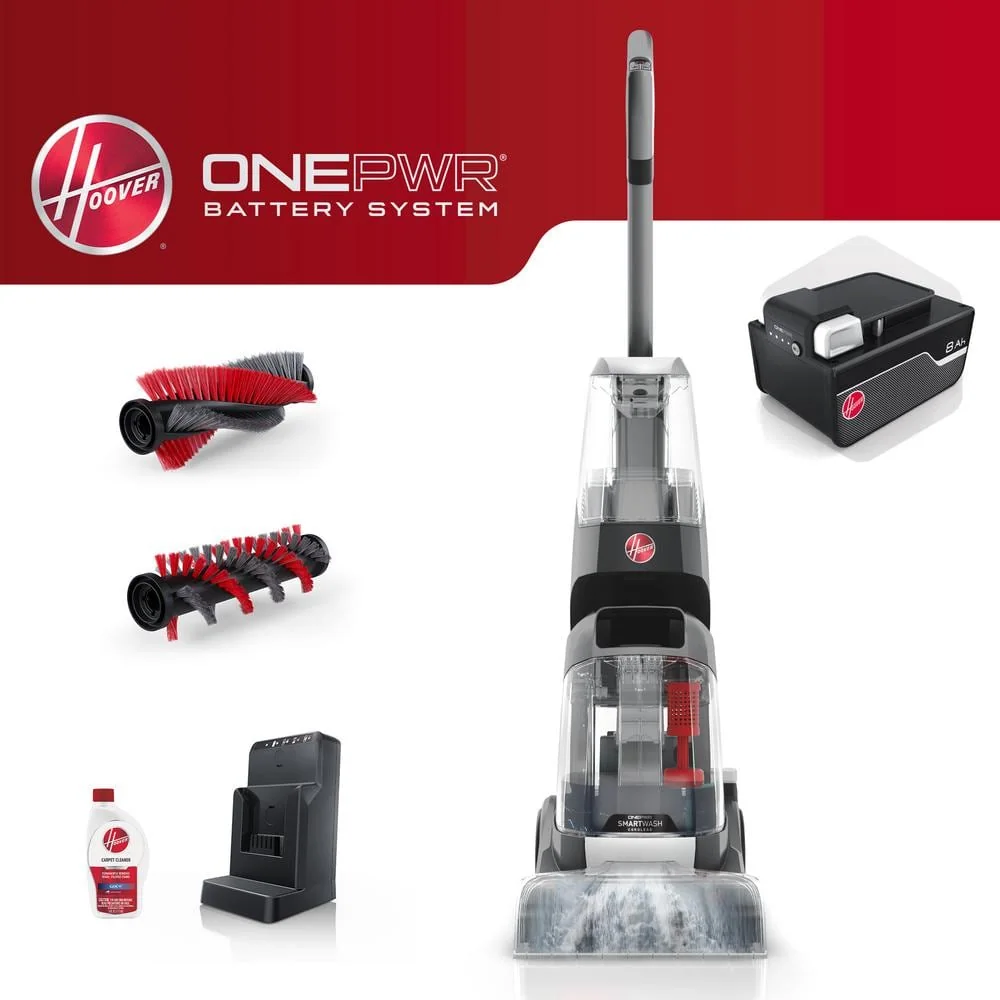
Hoover ONEPWR SmartWash Cordless Carpet Cleaner is for anyone who hates managing cords while deep-cleaning carpets, like cleaning rooms far from outlets or moving around furniture constantly.
What to know: 9 Hoover models appear across the current guides and reviews.

Shark StainStriker Portable Carpet Cleaner
Brand guide

Shark

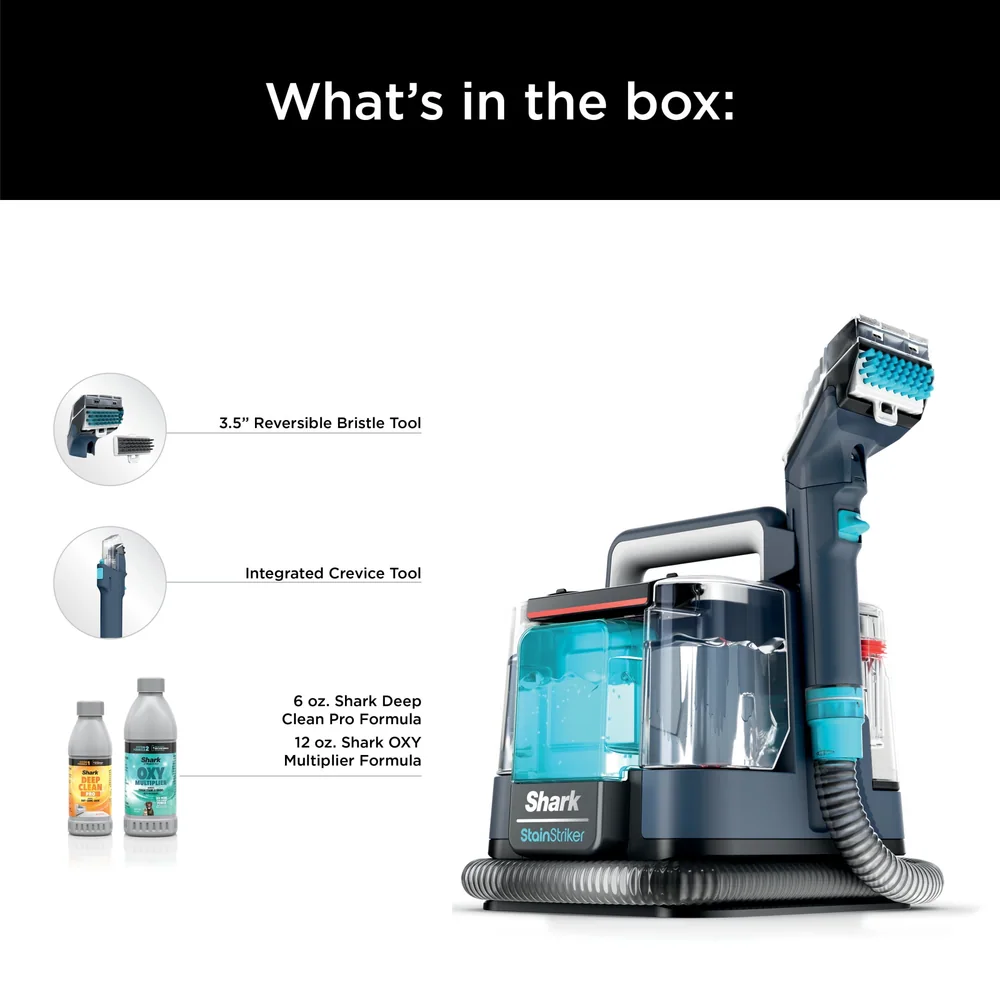
Shark StainStriker Portable Carpet Cleaner is a smart buy for targeted stain removal on carpets and upholstery, especially if you want performance that competes closely with the popular Bissell portables.

What to know: 7 Shark models appear across the current guides and reviews.

Tineco Carpet One Smart Carpet Cleaner
Brand guide

Tineco

Tineco Carpet One Smart Carpet Cleaner makes the most sense for shoppers who want a smoother-feeling upright that handles everyday household stains well and leaves carpets drier afterward.

What to know: 1 Tineco model appears across the current guides and reviews.

Kenmore SpotLite Portable Carpet Cleaner
Brand guide

Kenmore

Kenmore SpotLite Portable Carpet Cleaner is for shoppers who want a non-Bissell portable carpet cleaner for occasional spot cleaning and upholstery touch-ups.
What to know: 1 Kenmore model appears across the current guides and reviews.

Dirt Devil Portable Carpet & Upholstery Spot Cleaner
Brand guide

Dirt

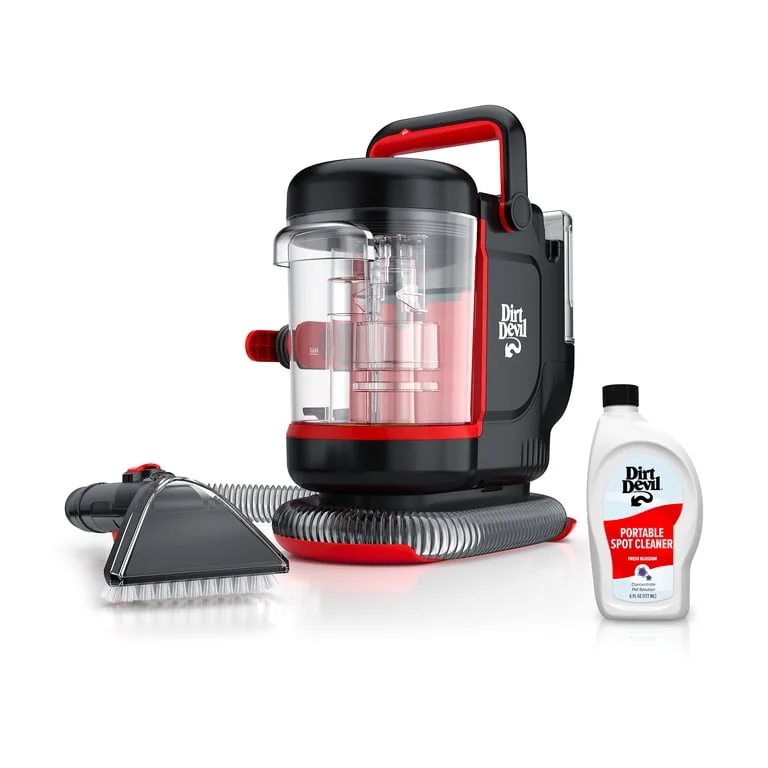
Dirt Devil Portable Carpet & Upholstery Spot Cleaner is for small households that want a compact, easy-to-store spot cleaner for couches, chairs, and quick messes without committing to a bigger machine.
What to know: 1 Dirt model appears across the current guides and reviews.

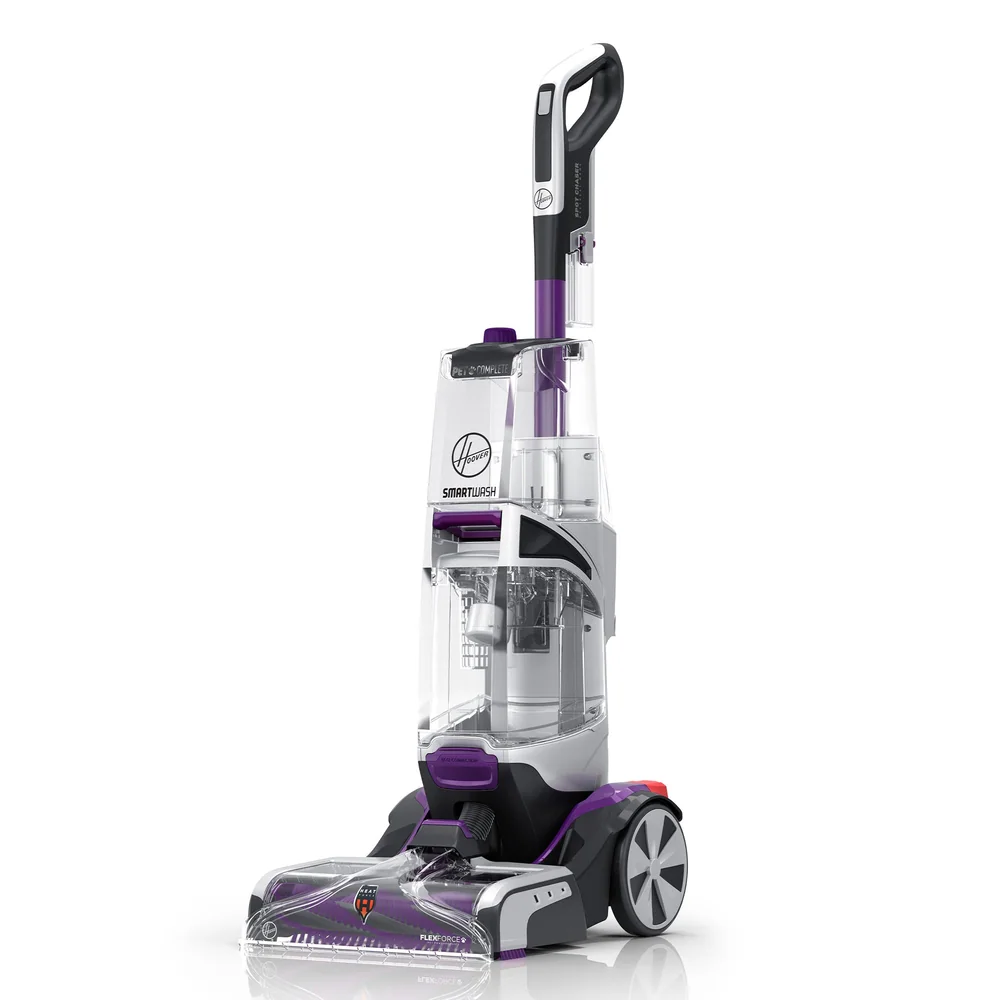
SmartWash Pet Automatic Carpet Cleaner
Brand guide

SmartWash

SmartWash Pet Automatic Carpet Cleaner is for shoppers who like the idea of convenience features and automatic-style operation, but it is not the one to choose if performance is your non-negotiable.
What to know: 1 SmartWash model appears across the current guides and reviews.

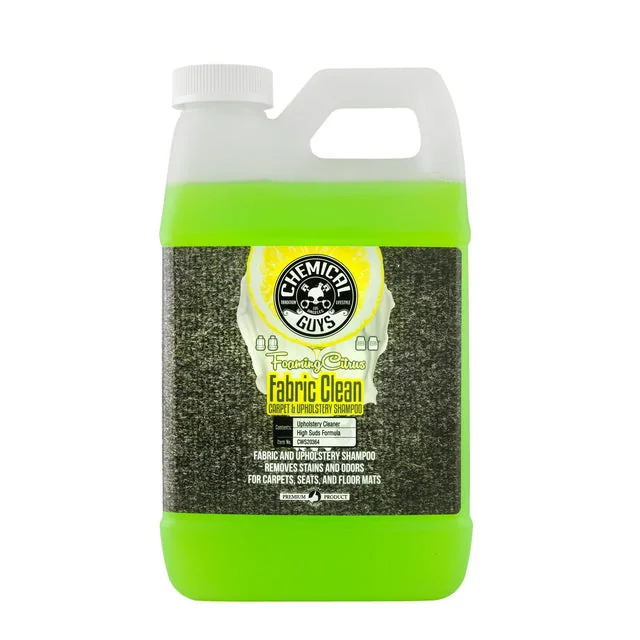
Chemical Guys carpet and upholstery cleaner
Brand guide

Chemical

Chemical Guys carpet and upholstery cleaner is for car owners who want a practical pre-treatment step before extraction, especially when you are trying to loosen grime so a carpet cleaner can pull it out more easily.

What to know: 1 Chemical model appears across the current guides and reviews.

How to Choose a Carpet Cleaner

  • Water recovery: Better recovery shortens drying time and reduces the chance of leaving too much detergent and moisture behind.
  • Brush and cleaning path: Aggressive brushes can help carpet but may not suit every rug or delicate fiber.
  • Tank and hose design: Easy filling, emptying, rinsing, and reach often matter more than tank volume alone.
  • Weight and drying: Carry weight, maneuverability, and realistic drying time affect whether a cleaner is practical for the home.

Carpet Cleaners FAQ

Should I buy an upright carpet cleaner or a portable carpet cleaner?

Choose an upright carpet cleaner for whole rooms and wall-to-wall carpet. Choose a portable carpet cleaner for stairs, upholstery, car interiors, and quick spot cleanup. Many homes end up happiest with an upright plus a portable for the messes an upright cannot reach.

What carpet cleaner is best for pet odors, not just stains?

Bissell Revolution HydroSteam Pet Carpet Cleaner is the strongest choice here for pet odors and pet urine, while still being a strong whole-home upright.

Which carpet cleaner leaves carpets drier after cleaning?

Tineco Carpet One Smart Carpet Cleaner is a standout in this list for leaving carpet drier, which helps when you need the room back quickly.

Is a cordless carpet cleaner worth it?

A cordless carpet cleaner is worth it when outlets are genuinely inconvenient or you avoid cleaning because cord management is a pain. If that is not your situation, a corded upright is usually the simpler choice.

If I already own an upright carpet cleaner, what portable should I add?

For a true upgrade in portable stain-lifting power, add the Bissell Little Green HydroSteam Portable Carpet Cleaner. For frequent pet accidents and quick response cleaning, the Shark StainStriker and Bissell Little Green Pet Pro are both strong fits.