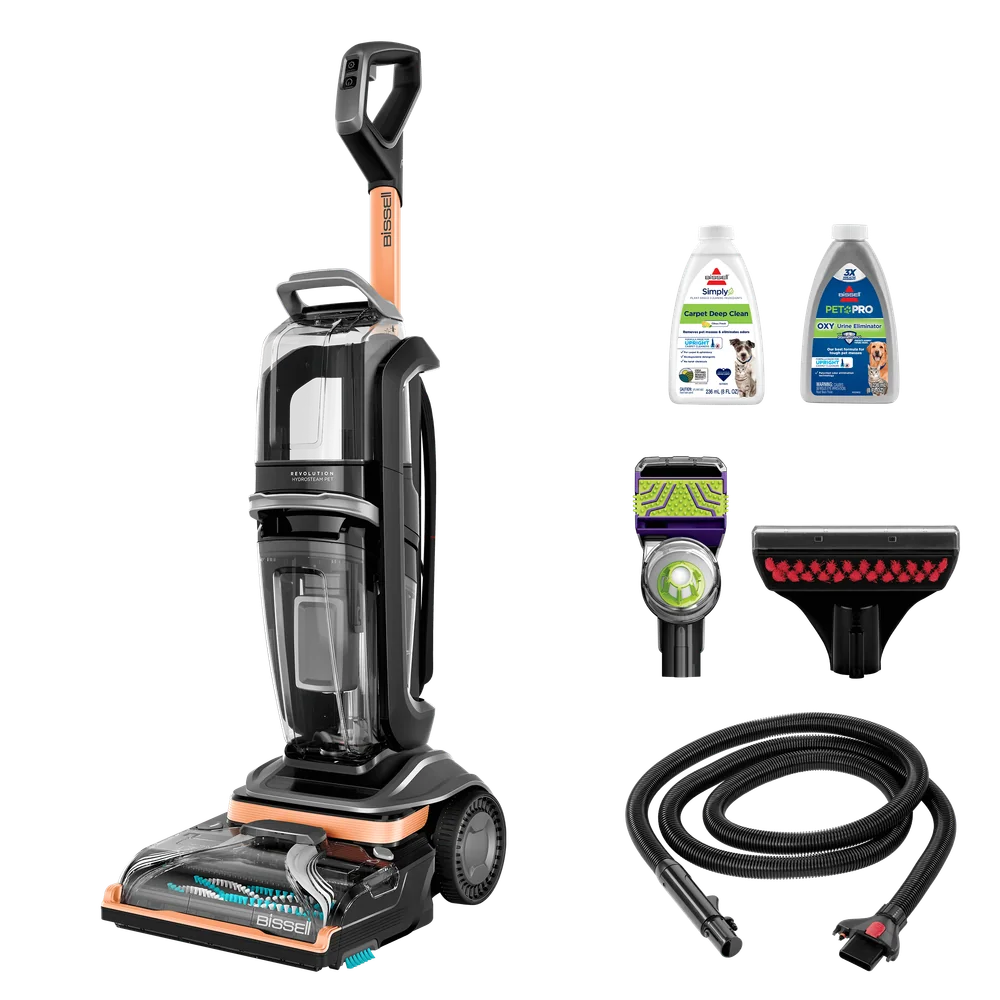
Drying time depends on fiber, padding, humidity, and how much water you leave behind, so focus on extraction and airflow to avoid musty smells.
Reading time: 9 minutesBest for: Anyone frustrated by slow drying carpets or worried about odors after deep cleaning.
A specific section heading
What controls drying time starts with materials. Dense, plush carpet holds more water than low-pile carpet. Some fibers release water more easily, while others can feel damp longer even when they are close to dry. Padding matters too because it can act like a sponge under the carpet. If you over-wet, the pad can stay damp long after the surface feels acceptable, especially in thick carpet where air movement is limited.
Room conditions can help or hurt. High humidity slows evaporation because the air is already holding a lot of moisture. Cool temperatures can slow drying as well. Airflow is the big lever you can control: moving air across the carpet surface carries moisture away so more can evaporate. A closed-up room with still air can stay damp far longer than a room with fans and a steady exchange of air.
A specific section heading
Extraction technique is the fastest way to cut drying time. Most people do too many wet passes and too few dry passes. A wet pass is when you spray solution and move the machine or tool to wash. A dry pass is suction only, no spray, to pull water back out. Dry passes should be slow and deliberate. You are giving the machine time to lift water out of the fibers and, ideally, out of the top of the pad.
Over-wetting often comes from trying to "rinse by flooding." Instead, clean with controlled spray, then extract thoroughly. If your machine has adjustable water flow, start lower and increase only if needed. On upholstery and stairs, use short bursts of spray and lots of suction-only strokes. If you see water pooling at the edges of a tool or hear a change in suction tone, pause and focus on recovery before moving on.
A specific section heading
Airflow setup after cleaning should be planned, not improvised. As soon as you finish a room, start moving air. Use a box fan or pedestal fan aimed across the carpet, not straight down. If you have multiple fans, create a simple flow from one side of the room to the other. If outdoor air is drier than indoor air, cracking windows can help. If outdoor air is humid, keep windows closed and rely on indoor airflow and climate control.
Foot traffic affects drying and cleanliness. Walking on damp carpet can push moisture deeper and transfer soil from shoes or socks. If you must cross the area, use clean socks and step lightly. Keep pets off until the carpet is dry enough that paws do not leave prints. If you replaced furniture, use protective barriers under legs until fully dry. Metal can rust and wood can stain when sitting on damp carpet for extended periods.
A specific section heading
Know the warning signs of a problem. A mild "clean" smell that fades is normal. A sour or musty odor that grows stronger after several hours suggests the carpet or pad is staying wet. Another sign is carpet that still feels cool and damp the next day, especially in the center of the room where airflow is weakest. Sticky or crunchy texture after drying points to leftover detergent, which can also hold moisture longer.
If drying is taking too long, act quickly. Run more fans, increase airflow, and consider doing additional dry passes with the machine if it is still set up and clean. If you suspect you over-wet a specific area, focus extraction there rather than re-cleaning. For recurring pet odor, remember that the source may be below the carpet. Repeated surface washing can keep the area damp without solving the underlying issue, so it is better to address the source than to keep adding water.
What this guide helps you understand
Estimate and reduce drying time by controlling water use, maximizing extraction, and setting up strong airflow right after cleaning.
Plan to do multiple slow suction-only passes after each wet pass, then run fans across the carpet until it is fully dry.
Technique notes
If you dread drying time, choose a cleaner with strong recovery and a routine that emphasizes dry passes. It changes the whole ownership experience.
Safety note: Avoid using electrical fans where cords or outlets could contact wet areas. Keep the area clear of tripping hazards while airflow equipment is running.