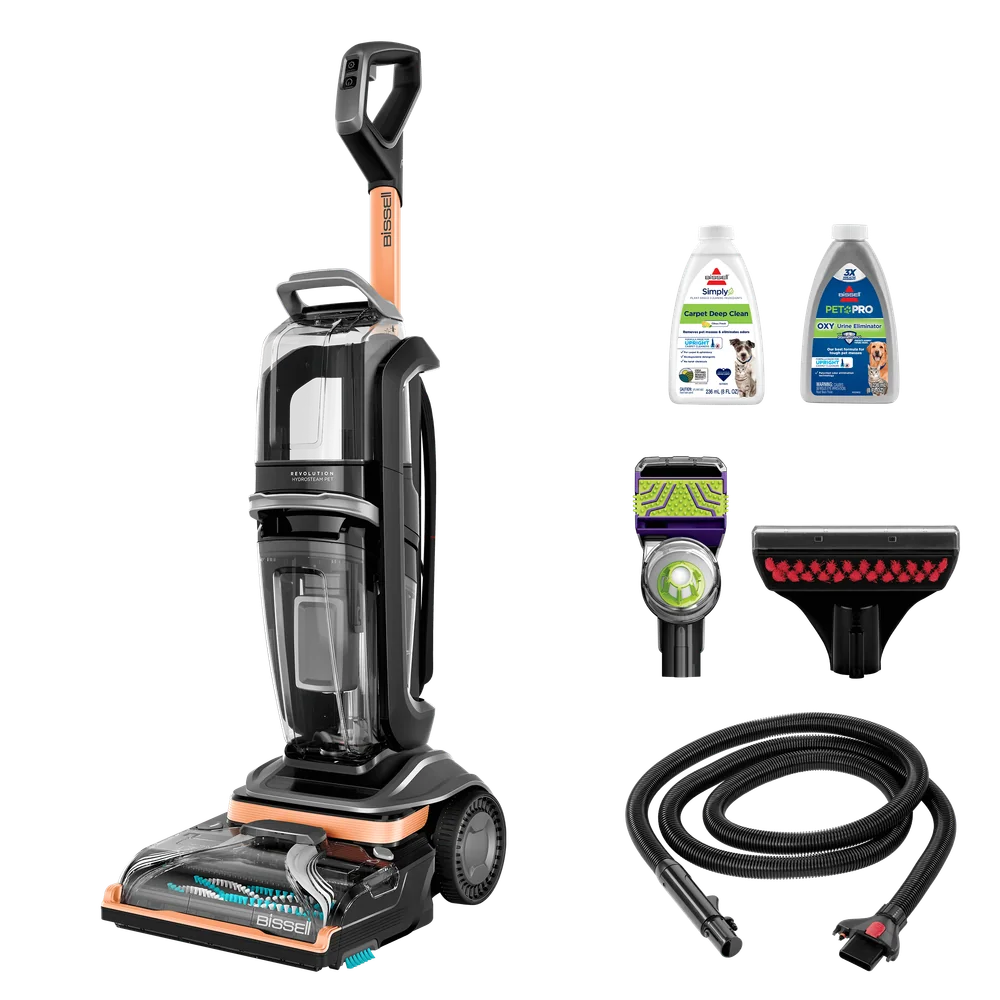
Use your mess frequency, storage space, and tolerance for setup and cleanup to decide whether renting or owning makes more sense.
Reading time: 9 minutesBest for: People deciding between renting a machine for occasional deep cleans or buying one for frequent spills, pets, or high traffic areas.
How often will you really clean, and where does the mess happen?
Start by mapping your cleaning pattern, not your home size. If you have wall to wall carpet in multiple rooms and you plan to clean traffic lanes every month or two, owning an upright carpet cleaner is usually more realistic than renting repeatedly. If your main problems are pet accidents, stairs, couch arms, and car mats, a portable spot cleaner can be the better ownership choice because it is easier to carry and faster to set up for small jobs. Renting an upright for a single room can feel like overkill when the real need is a hose and a small tool.
Frequency also affects how picky you should be about cleanup. A carpet cleaner only earns its storage space if you can empty, rinse, and dry it without dreading the process. If you know you will avoid using it because it is heavy, awkward to fill, or annoying to rinse, renting may be smarter even if it costs more per use. On the other hand, if you have kids, pets, or muddy entryways, the ability to clean the same day as the mess can prevent stains from setting and odors from lingering.
What you are paying for: machine quality, tools, and water recovery
Rental machines are often larger and can have strong extraction, which is the part that most affects drying time. Drying matters because carpet that stays damp can hold onto odors and can attract soil if detergent residue is left behind. But rental performance is not automatic. Worn brushes, clogged nozzles, and tired seals can reduce agitation and recovery. Brush action is the scrubbing that lifts soil from fibers. It helps, but aggressive brushes are not ideal for every rug or delicate fiber, so you still need to match the machine to the surface.
Owning lets you choose features that fit your routine. Look past tank size headlines and focus on tank openings, fill markings, and how easy it is to rinse the dirty tank. Separate clean and dirty tanks are common, but the details matter: a narrow dirty tank opening makes it harder to remove hair and sludge, which can lead to smells. Hose length and tool selection matter most for stairs and upholstery. If you rent, confirm the hose and tools you need are included and in good condition, because a missing stair tool can turn a planned job into a compromise.
Logistics and hidden friction: pickup, timing, and drying the carpet
Renting has built in friction: pickup, return deadlines, and the pressure to finish quickly. That time pressure can lead to common mistakes like rushing passes, using too much detergent, or skipping extra dry passes. Those choices usually increase drying time and leave residue that attracts soil. If you rent, plan for a full day that includes prep, cleaning, and drying. Prep means vacuuming thoroughly first, moving lightweight furniture, and pre treating spots so the machine is not doing all the work in one pass.
Drying is part of the job, not an afterthought. After wet cleaning, run additional extraction only passes (no spray) to pull out as much water as possible. Then increase airflow: fans, open doors, and a comfortable indoor temperature help. Avoid walking on damp carpet with dirty shoes, and keep pets off until it is dry. If you cannot realistically keep the area open to dry, renting a big machine for a deep soak can backfire. In that case, lighter, more frequent cleaning with good extraction and strong airflow can be the better plan.
Cost and ownership reality: storage, maintenance, and long term results
Compare cost per use, not just the rental fee or the purchase price. Renting can be economical for a move out clean or a once a year refresh. Buying can win quickly if you clean multiple times a year, especially if you also need a spot cleaner for accidents. Do not forget solution costs and the value of convenience. If you can clean a spill immediately, you may avoid repeat treatments and lingering odor. That said, owning only pays off if you store the machine somewhere accessible and you can lift and maneuver it safely when the tanks are full.
Maintenance is the part most people underestimate. After each use, empty the dirty tank, rinse it, and let it dry with the lid off to reduce odors. Rinse the clean tank too, because leftover solution can thicken and smell. Clean hair and lint from brush areas and tool heads so suction stays strong. If the machine has a hose, flush it with clean water and let it drain. These steps take minutes, but skipping them can lead to clogs, reduced water recovery, and a machine that smells the next time you pull it out.
What this guide helps you understand
Decide whether renting or buying fits your real cleaning frequency and mess locations, and avoid choices that make setup, cleanup, and drying so hard that you stop cleaning altogether.
List your top three cleaning targets (whole rooms, traffic lanes, stairs, upholstery, car) and choose rent or buy based on the format that matches them.
Technique notes
If you buy, prioritize easy tank rinsing and strong extraction over oversized tanks, because a machine that is easy to clean is more likely to be used regularly.
Safety note: Keep cords and hoses out of walkways while cleaning, and avoid over-wetting near wood edges or furniture legs that can be damaged by moisture.