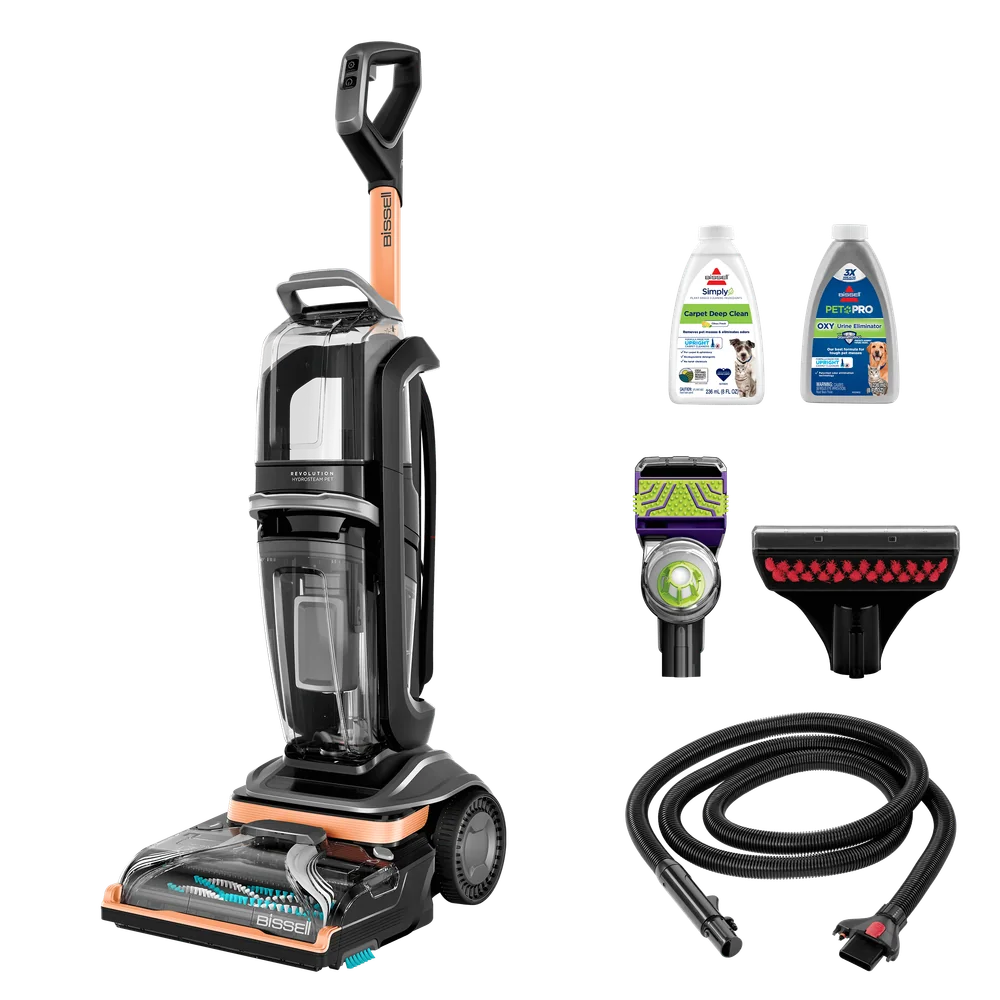
"Heated cleaning" can mean several different things, and understanding which one you are getting helps you set expectations for stain removal and drying time.
Reading time: 9 minutesBest for: Anyone comparing carpet cleaners with "heated" features who wants realistic expectations and practical setup tips.
Warm tap water vs built-in heating: the starting point matters
Most home carpet cleaners are designed to be filled with warm tap water. That alone can improve cleaning compared with cold water because warmth helps break down oily grime and some sticky spills. The catch is that a small tank cools quickly, especially if you are cleaning a large room slowly. So the first question is simple: will you be using warm tap water consistently, and can you refill without making a mess?
A true built-in water heater warms water inside the machine. Some designs heat water as it flows, others heat the tank. Either way, it is different from "use warm water" instructions. If a machine does not actually heat water, it can still be useful, but you should treat "heated" as "helps keep warm water warm" unless the feature clearly states it heats incoming water. For most homes, consistent warm tap water plus good extraction technique does more than chasing the highest heat claim.
Heat maintenance: why "keeps water warm" can still be useful
Heat maintenance usually means the machine reduces heat loss as you clean. That can be as simple as routing solution through warmer internal areas or using a small heater to offset cooling. The benefit is steadier cleaning performance across a room. When solution stays warmer, oily soil can release more easily, so you may need fewer aggressive scrubbing passes. That can be helpful on traffic lanes where grime is ground into the pile.
The limitation is that heat maintenance does not fix overwetting or poor recovery. If you lay down too much solution, you still have to extract it. If you use too much detergent, you can still leave residue that attracts soil later. Think of heat maintenance as a small assist, not a replacement for good habits: pre-treat stains, make slow wet passes, then make extra dry passes with suction to pull out as much moisture as possible.
Heated air and drying: what it can and cannot do
Some carpet cleaners advertise heated air. In practice, this often means the machine's airflow is slightly warmed as it moves through the unit. Warm airflow can help evaporation at the surface, but drying time is mostly controlled by how much water is left in the carpet and pad after cleaning. If the machine's water recovery is weak, the carpet will stay wet even if the air is a bit warm.
To shorten drying time, focus on extraction and airflow in the room. After your final wet pass, do multiple dry-only passes over the same area. Then use fans, open doors when humidity allows, and avoid walking on damp carpet with dirty shoes. If you need the room back quickly, clean smaller sections so you can extract thoroughly and keep air moving. Heated air is a bonus, but it is not a substitute for pulling water out of the carpet in the first place.
Marketing context: "professional results" and stain expectations
Heat is often bundled with "professional results" language. Professional-looking results come from a combination of steps: pre-vacuuming to remove dry grit, pre-treating stains, using the right dilution of solution, and extracting thoroughly. Heat can support those steps, but it does not automatically remove set-in dye stains, old pet urine that has soaked into padding, or discoloration from bleach or sunlight.
Set expectations by matching the tool to the mess. Fresh spills respond best when you blot first, then use a spot tool with controlled moisture. Large areas respond best when you work in lanes and do extra extraction passes. If odor is the problem, remember that smell can live below the carpet in the pad or subfloor. Heat on the surface does not reach those layers. In those cases, your plan may need targeted treatment beyond a standard wash and extract session.
What this guide helps you understand
Decide whether you need true water heating, heat maintenance, or neither, and prioritize extraction and technique because they control drying and residue more than a "heated" label.
Confirm what "heated" means on the machine: heats water, maintains warmth, or warms airflow, and plan to use warm tap water and extra dry passes either way.
Technique notes
If you clean large rooms, tank refills are where water temperature and convenience collide. Easy-to-fill tanks make it more likely you will keep using warm water instead of rushing with cold.
Safety note: Use only the water temperature and cleaning solutions the manufacturer allows, and keep cords and plugs away from wet areas during filling and emptying.