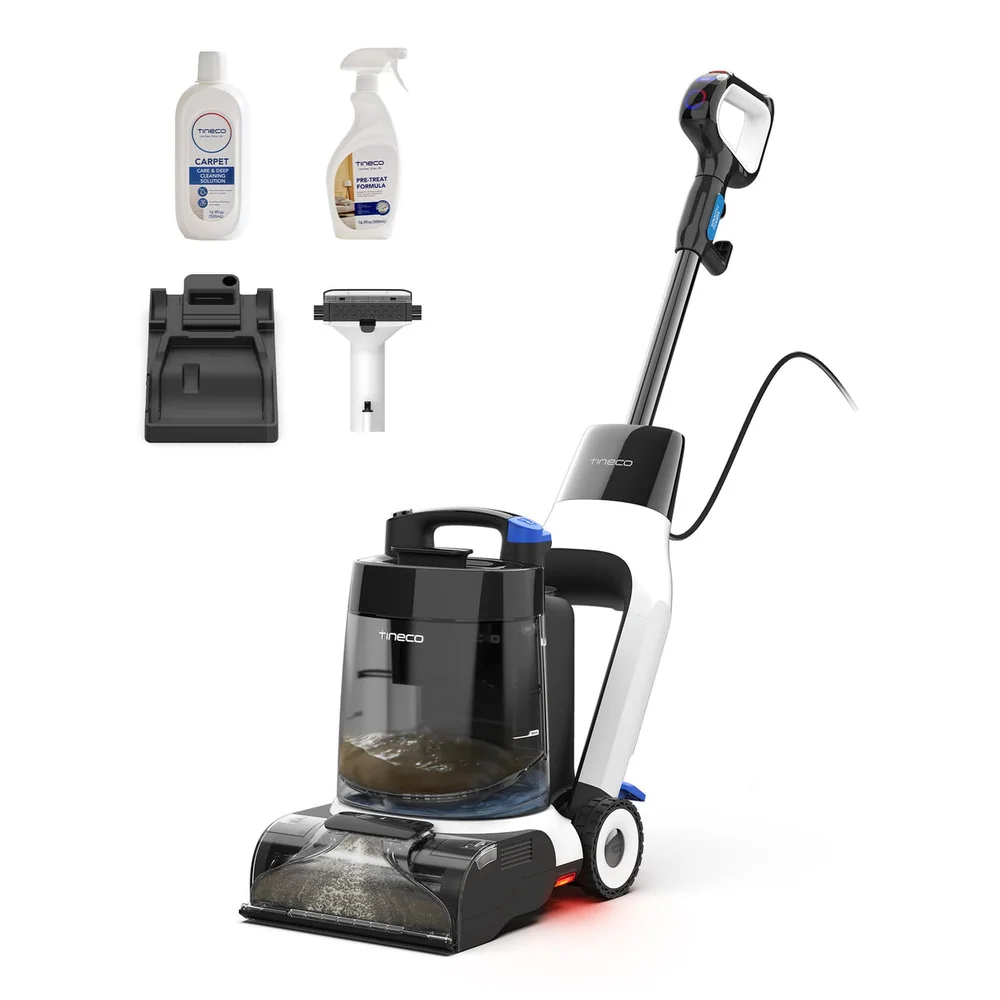
Clean car carpets and seats with careful prep, minimal moisture, and thorough drying to prevent odors and protect electronics.
Reading time: 8 minutesBest for: Drivers cleaning car carpets, floor mats, and fabric seats who want to avoid musty smells and long dry times.
Vacuum first
Vacuuming is not optional in a car. Dry soil, sand, and crumbs sit on top of fibers and in seams, and water turns them into a paste that is harder to remove. Start by removing floor mats and vacuuming them separately. Use a crevice tool along seat rails, between cushions, and around pedals. If you have pet hair, a rubber brush or a stiff upholstery brush can lift hair so the vacuum can grab it.
Pre treat visible spots before you bring out the extractor. A light mist of cleaner and a gentle brush can break the bond between the stain and the fibers, which means you can use less water during extraction. Keep pre spray controlled, especially on seats. If the stain is oily (food, makeup, sunscreen), it may need more dwell time (a few minutes sitting on the surface) and gentle agitation. Do not let cleaners dry on the fabric, because dried residue can leave rings.
Protect electronics and trim
Cars have electrical connectors under seats, occupancy sensors, heated seat elements, and switches in armrests and consoles. Treat these areas as no soak zones. Avoid spraying directly at seat controls, buckle receivers, and seams where wiring runs. If you are cleaning near a console or door panel, spray the tool or a cloth first instead of spraying the surface. Keep the hose and tool moving so liquid does not pool in one spot.
Protect trim and finishes while you work. Some cleaners can leave a dull film on plastics or make them slippery. Use towels to mask off nearby trim, and wipe any overspray immediately. For floor areas, be careful around pedals and the driver footwell. You want the carpet clean, but you do not want dampness near critical controls. If you remove mats, let the floor underneath dry fully before putting mats back, or you can trap moisture and create odor.
Use less solution than you think
In a car, the padding under carpet and the foam inside seats are the moisture traps. Use short spray bursts and prioritize suction. Make one light wet pass, then multiple slow extraction passes with no spray. Overlapping strokes help, but do not scrub aggressively with the tool. You can distort carpet pile, fuzz seat fabric, or create a rough patch that looks worse than the stain you started with.
Watch for signs you are overwetting. If you see water beading, hear sloshing, or feel the fabric squish, stop spraying and extract. If your machine has a dirty tank, empty it before it reaches the max line so suction stays consistent. For floor mats, it is often safer to clean them outside the car where you can rinse and dry faster. For fixed carpet, accept that you may need two light cleaning rounds rather than one heavy soak.
Dry the cabin completely
Drying is where car cleaning succeeds or fails. Keep doors open while you work, and when you are done, keep airflow moving through the cabin. If weather allows, park in a breezy spot with windows cracked. Run a fan aimed into the car if you can. If you must close the car sooner, run the vehicle with the AC on and the fan set high to pull moisture out of the air, but still plan extra time before the interior is truly dry.
Check dryness with pressure, not just touch. Press a clean towel into the seat or carpet and see if it picks up moisture. Pay attention to seams and low spots where water collects. Do not reinstall mats or seat covers until everything is dry, because they trap humidity. If you notice a musty smell the next day, reopen the car, increase airflow, and consider a short follow up extraction pass with plain water to remove leftover detergent that can hold moisture and odor.
What this guide helps you understand
Car interiors reward restraint. Vacuum thoroughly, spray lightly, extract slowly, and then dry with airflow before closing the car up, because trapped moisture is what causes lingering odor and foggy windows.
Plan a drying window with doors open or windows cracked and airflow available before you start cleaning.
Technique notes
If seats feel clean but smell damp, the foam is still wet. Increase airflow and time before using seat covers or closing the car for long periods.
Safety note: Keep moisture away from seat controls, wiring under seats, and the driver footwell. Do not leave wet floors where they could affect pedal traction.