
Pickori

Practical guide

Gooseneck vs. Standard-Spout Electric Kettles

Compare pour control, flow rate, capacity, filling, balance, and the drinks each spout handles best.

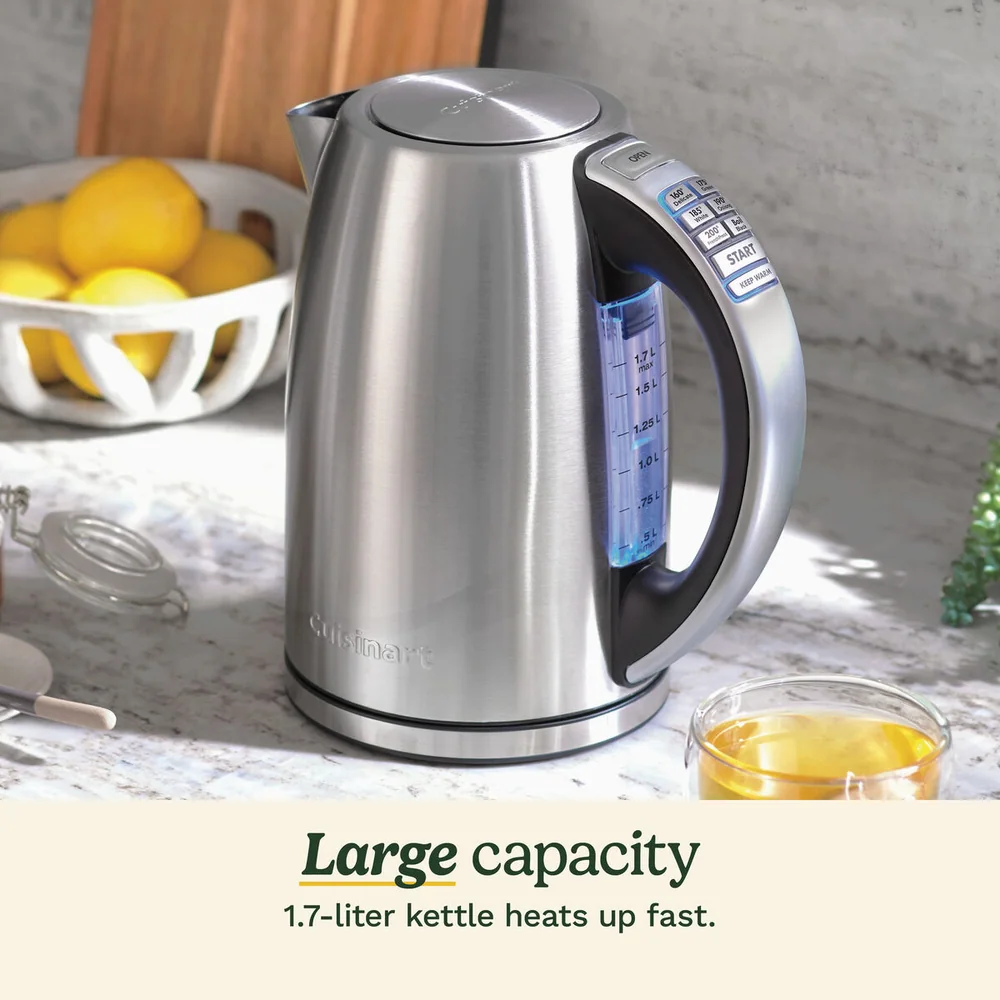
Cuisinart CPK-17P1 PerfecTemp Cordless Electric Kettle

Goosenecks slow and direct the stream

A narrow curved spout helps a pour-over brewer control flow and wet coffee grounds deliberately. Handle balance and spout response matter along with appearance.

The same restricted flow can feel slow when filling a large teapot, saucepan, or several mugs.

Standard spouts favor general use

A conventional short spout usually pours a larger volume quickly and suits tea, instant meals, French press, and household hot-water tasks allowed by the manual.

Look for a clean cutoff and a lid that stays secure as the kettle angle increases.

Capacity and control interact

Gooseneck kettles are often smaller because pour-over batches use less water. Standard kettles commonly offer more capacity for shared tea or larger presses.

Do not choose by liters alone. A heavy full kettle with poor balance can undermine accurate pouring.

Match the dominant job

Choose a gooseneck when controlled coffee pouring is frequent and meaningful. Choose a standard spout when fast, flexible serving dominates.

A coffee specialist and a family tea kettle can reasonably be different appliances if both jobs occur every day.

More from Electric Kettles

← Back to Electric Kettles