
Pickori

Practical guide

Electric Kettle Materials: Stainless Steel, Glass, and Plastic

Compare water-contact surfaces, exterior heat, weight, visibility, breakability, seams, filters, and cleaning access.

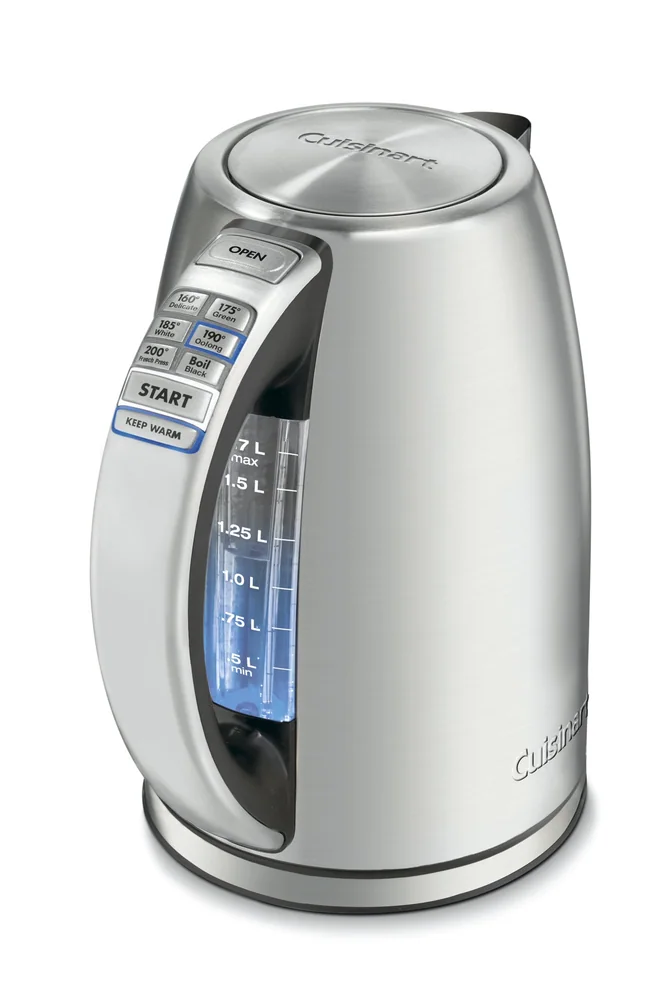
Cuisinart 1.7-Liter Stainless Steel Cordless Electric Kettle

Stainless steel favors durability

A stainless interior avoids a glass vessel's breakability and can hide scale from view. Double-wall designs may reduce exterior heat, but only the manufacturer can state which surfaces are intended to stay cooler.

Opaque walls make a clear level window or interior markings more important.

Glass makes the water visible

A glass vessel shows fill level, boiling, and mineral buildup clearly. It can be heavier and requires careful handling to avoid impact or thermal damage.

Inspect the glass, seams, and base connection for chips, cracks, or leakage and stop using a damaged kettle.

Plastic can reduce weight

Plastic-bodied kettles can be light and affordable. Water-contact materials, odor, staining, exterior temperature, and durability vary by exact product.

Do not infer a fully plastic-free water path from a stainless body. Lids, filters, probes, windows, and seals may use other food-contact materials.

Read the component disclosure

Manufacturer material details are more useful than a single storefront label. Check the interior, underside of the lid, filter frame, gasket, level window, and temperature probe.

Choose the construction you can inspect and maintain confidently rather than chasing a vague material slogan.

More from Electric Kettles

← Back to Electric Kettles