
Start with water and scale
Use fresh water within the fill marks and inspect the interior after cooling. Mineral deposits can create crackling, flakes, or a rough film.
Descale only by the approved method, then rinse or boil-and-discard as directed.
New buying guides and full reviews, by email.
Practical guide
Published Updated
Separate normal heating sounds from mineral buildup, first-use odor, poor seating, shutoff problems, and faults that require support.
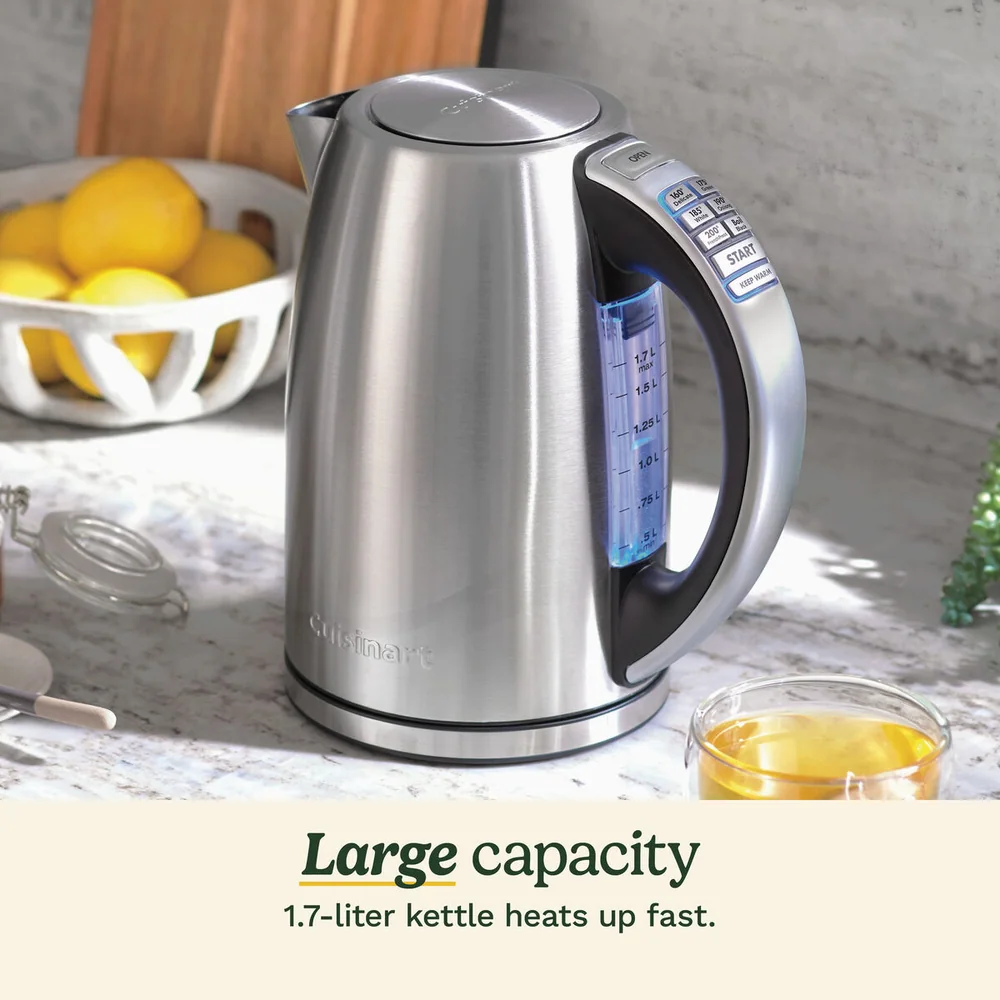
Use fresh water within the fill marks and inspect the interior after cooling. Mineral deposits can create crackling, flakes, or a rough film.
Descale only by the approved method, then rinse or boil-and-discard as directed.
Wash and rinse approved parts, then complete the manufacturer's initial boil-and-discard cycles. Keep packaging, labels, and cord materials away from hot surfaces.
If a strong electrical, burning, or melting odor appears, unplug the kettle and contact the manufacturer rather than trying to season it away.
Make sure the kettle is seated on the correct dry base and the outlet works. Confirm the selected temperature, hold state, and any altitude or schedule setting.
Do not scrape electrical contacts or bypass an interlock. Persistent resets or intermittent heating need manufacturer support.
Leakage, cracked glass, a loose handle, steam escaping from an unintended seam, failure to shut off, or cord damage are stop-use conditions.
Record the model and serial number, check recalls, and use authorized service or the stated remedy.