
What to know first
- Tilt-head design and control placement make one-handed operation and bowl removal easy.
- A built-in work light under the head helps you see the mix as it comes together.
- A noticeable bowl-to-attachment gap can leave ingredients unmixed unless you scrape often.
- The motor showed stalling, jerking, and unpleasant noises in demanding tasks, raising durability concerns.
- It can handle lighter mixes well (frosting, whipped cream, egg whites), but struggles with cookie mixing and dough kneading.
What the Kenmore Elite 5 Qt Stand Mixer is
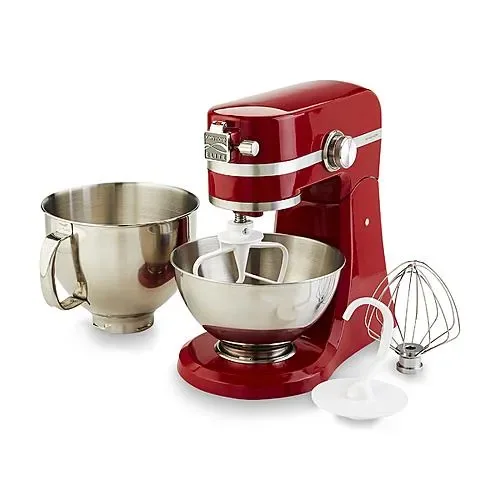
The Kenmore Elite 5 Qt Stand Mixer is a tilt-head stand mixer with a 5-quart bowl, aimed at everyday home baking. Tilt-head means the top of the mixer lifts up and back so you can get the bowl on and off, swap attachments, and add ingredients without working around a fixed head.
In the kitchen, a 5-quart mixer is the common middle size: big enough for typical cookie batches, cake batter, and frosting, but not so huge that it is only useful for big holiday baking days. Just keep in mind that bowl size is not the same thing as dough capacity. Stiff doughs and heavy batters stress the motor and drivetrain far more than fluffy frosting does.
Kenmore also builds in a small work light under the head. It is not a must-have feature, but it is genuinely useful when you are trying to see whether butter and sugar are fully creamed or whether flour is still hiding at the bottom of the bowl.
Why it stands out
The best thing about the Kenmore Elite 5 Qt Stand Mixer is how easy it is to operate with one hand. The tilt-head configuration and the way the controls are placed make it simple to lift the head, access the bowl, and make adjustments without feeling clumsy. If you bake while multitasking, that kind of ergonomics can be the difference between using your mixer often and leaving it in the cabinet.
The built-in work light is another practical touch. Stand mixers can cast shadows into the bowl, especially under typical kitchen lighting. Having light aimed directly at the mixing area makes it easier to judge texture and doneness mid-step without stopping the machine and pulling the bowl forward.
Where it falls apart is mixing coverage. There is a pronounced gap between the bowl and the attachment, and that gap creates real problems: ingredients can sit low or ride the sides instead of getting pulled into the beater. The result is more scraping and more monitoring, which is the opposite of what most people want from a stand mixer.
The bigger concern is the motor behavior during demanding tasks. Under load, the mixer showed inconsistent motion (stalling and jerking), along with irregular noises like grating and high-pitched whining. There were also acrid smells observed from the motor. That combination is a flashing warning sign if you plan to knead dough or mix thick cookie dough regularly.
What it is like to own
Day to day, the Kenmore Elite is straightforward. The tilt-head design makes it easy to get the bowl on and off and to add ingredients mid-mix. The controls are laid out in a way that supports quick changes, and the mixer includes a slow-start behavior that helps reduce the initial puff of flour or powdered sugar when you kick it on.
The work light is one of those features you do not think you need until you have it. It helps with common moments like checking whether egg whites are actually at soft peaks or whether your frosting is fully smooth.
The catch is that you should plan on scraping the bowl more than you would with a mixer that has tighter beater-to-bowl coverage. Because of the bowl and attachment gap, the mixer can miss ingredients unless you intervene with a spatula. If your goal is to walk away while the mixer does the work, this is not the most relaxing machine to own.
If you are interested in using the front attachment hub for extras, know that aftermarket attachments for Kenmore’s port are described as limited. For many shoppers, the whole point of buying into a stand mixer is the long-term flexibility, so a smaller attachment ecosystem matters.
What to know before you buy
Do not let the 5-quart size and polished look convince you it is automatically a strong dough mixer. In demanding recipes, the motor showed stalling and jerking, plus high-pitched whining and acrid smells. That is the kind of behavior that makes you question how the mixer will hold up after repeated heavy use.
The bowl-to-attachment gap is not a small nitpick. It directly affects whether the mixer can do the basic job of pulling ingredients together without constant scraping. If you mostly make frosting, whipped cream, or whip egg whites, you may be fine. If you make cookie dough or bread dough often, this issue will show up quickly.
Finally, if you are buying a stand mixer partly for the attachment hub, go in with realistic expectations. Kenmore-compatible aftermarket attachments are described as limited, so you may not get the long runway of add-ons that some shoppers expect from this category.
The specs that matter
A 5-quart bowl is a practical everyday size for common baking jobs, but it does not guarantee the mixer can handle stiff doughs. Heavy mixes stress the motor and gearing more than the bowl volume suggests.
Tilt-head mixers are easier to access for adding ingredients, swapping attachments, and removing the bowl. On this model, the layout supports true one-handed operation, which is handy when you are juggling a recipe step.
It is easier to see texture changes while mixing, like whether butter is fully creamed or whether flour is still sitting at the bottom. That can save you from overmixing or stopping repeatedly to check.
More speed steps make it easier to start gently and then ramp up for whipping. It also helps you avoid blasting dry ingredients everywhere when you just need a slow stir at the beginning.
A gentler start helps keep flour and powdered sugar from puffing out of the bowl when you turn the mixer on, which means less cleanup and fewer mid-recipe annoyances.
A larger gap can leave ingredients unmixed unless you scrape the bowl often. It is a direct hit to the main reason most people buy a stand mixer: letting the machine do the work without babysitting.
If you want to expand into pasta rollers, grinders, or other hub tools later, a limited accessory ecosystem can box you in and make the mixer feel like a dead end.
Who this product fits
You mostly make frosting and whipped cream
The Kenmore Elite 5 Qt Stand Mixer can handle soft, light mixtures well, and the work light makes it easier to see when things are smooth and fully whipped. If you are not pushing thick doughs, the convenience features are the main draw.
You bake while multitasking and want quick bowl access
The one-handed tilt-head operation and easy bowl removal make it simpler to add ingredients, scrape, and keep moving through a recipe without fumbling. If you value that workflow more than hands-off mixing, it will feel easy to live with.
You want a mixer for cookies and bread every week
This is where the Kenmore Elite is a tough sell. The bowl-to-attachment gap can force frequent scraping, and the motor showed stalling and other worrying signs under demanding tasks. A more robust mixer will be less stressful and likely last longer.
You want to buy into a big attachment ecosystem
If your plan is to use the hub for lots of add-ons over time, this model is limiting. The attachment selection for Kenmore’s port is described as smaller, so you may outgrow it faster than you expect.
What else to compare
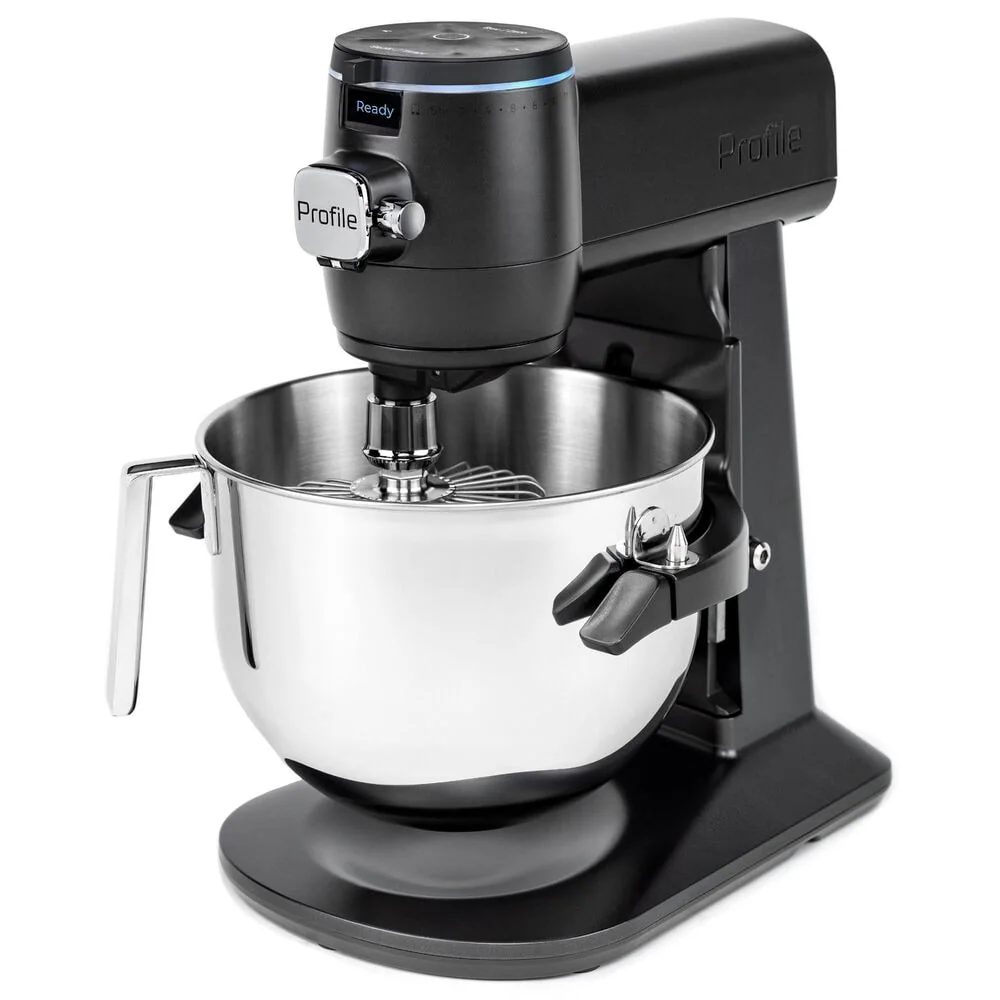
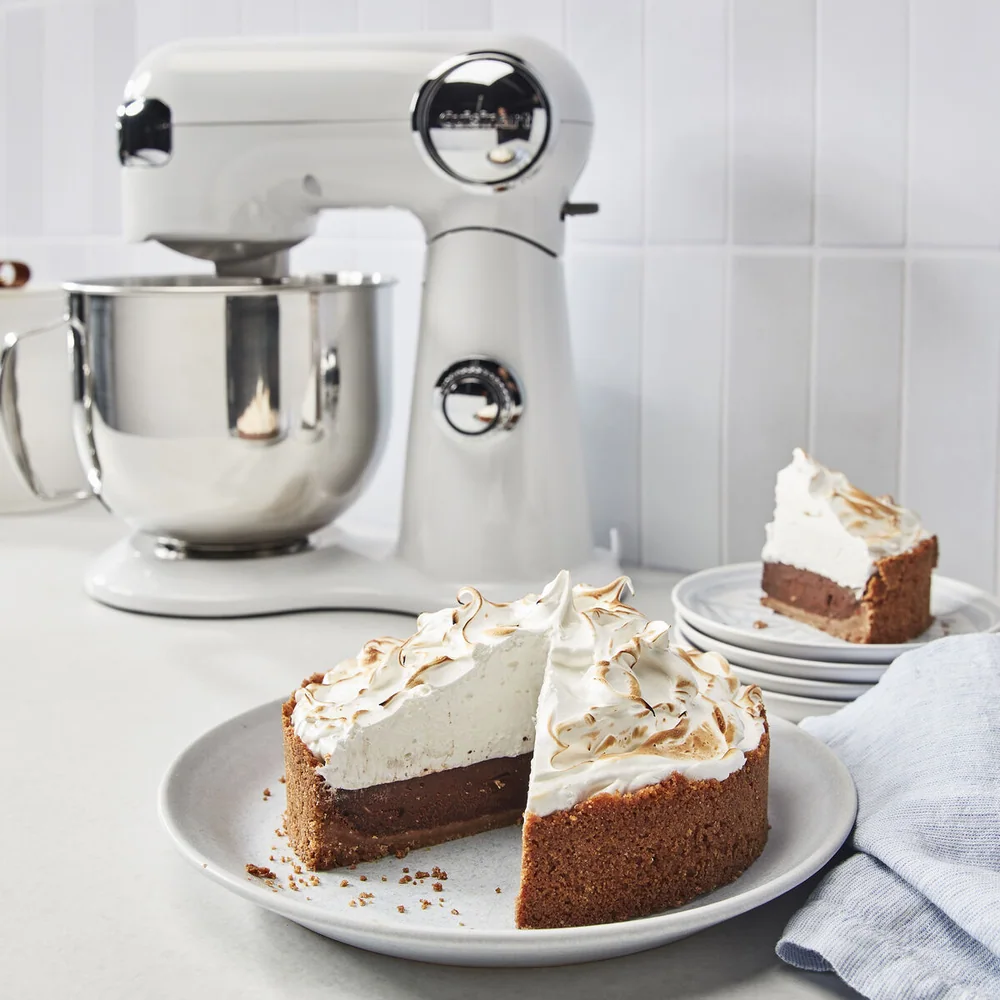
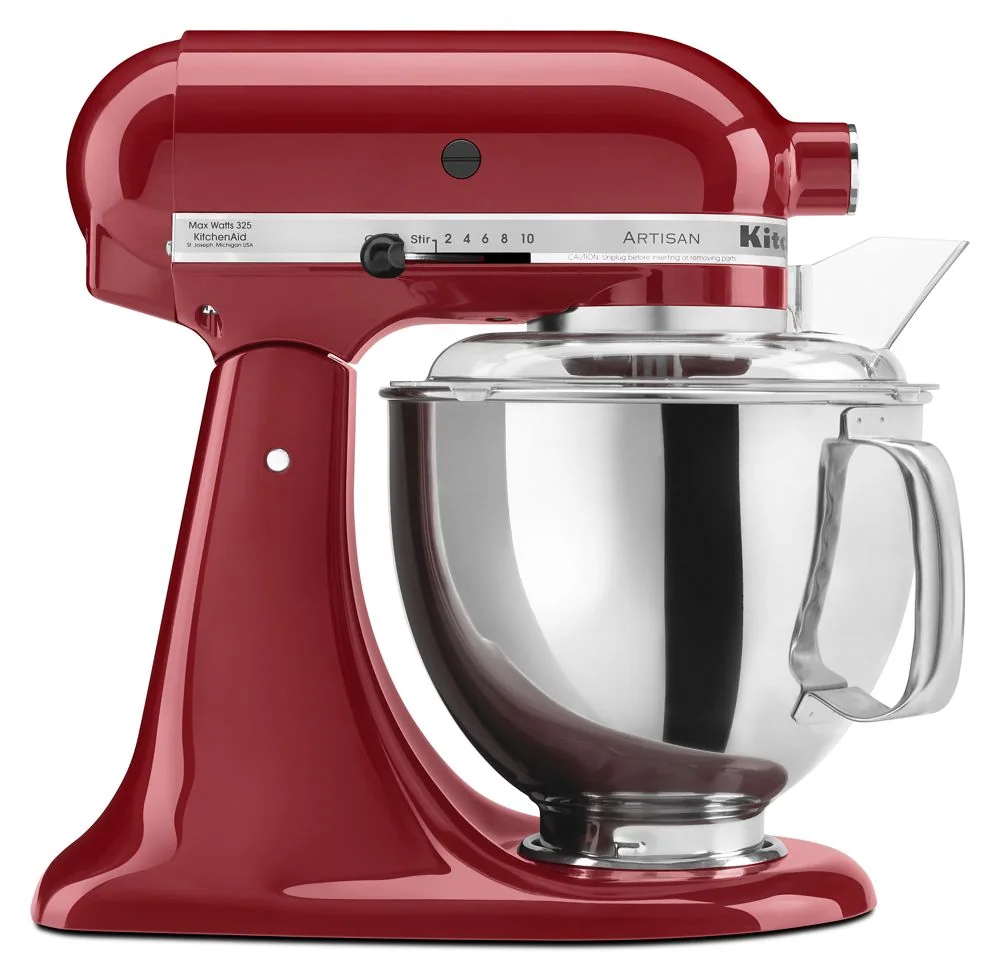
If you like the idea of a tilt-head mixer but want fewer headaches, these are the more straightforward directions to go.
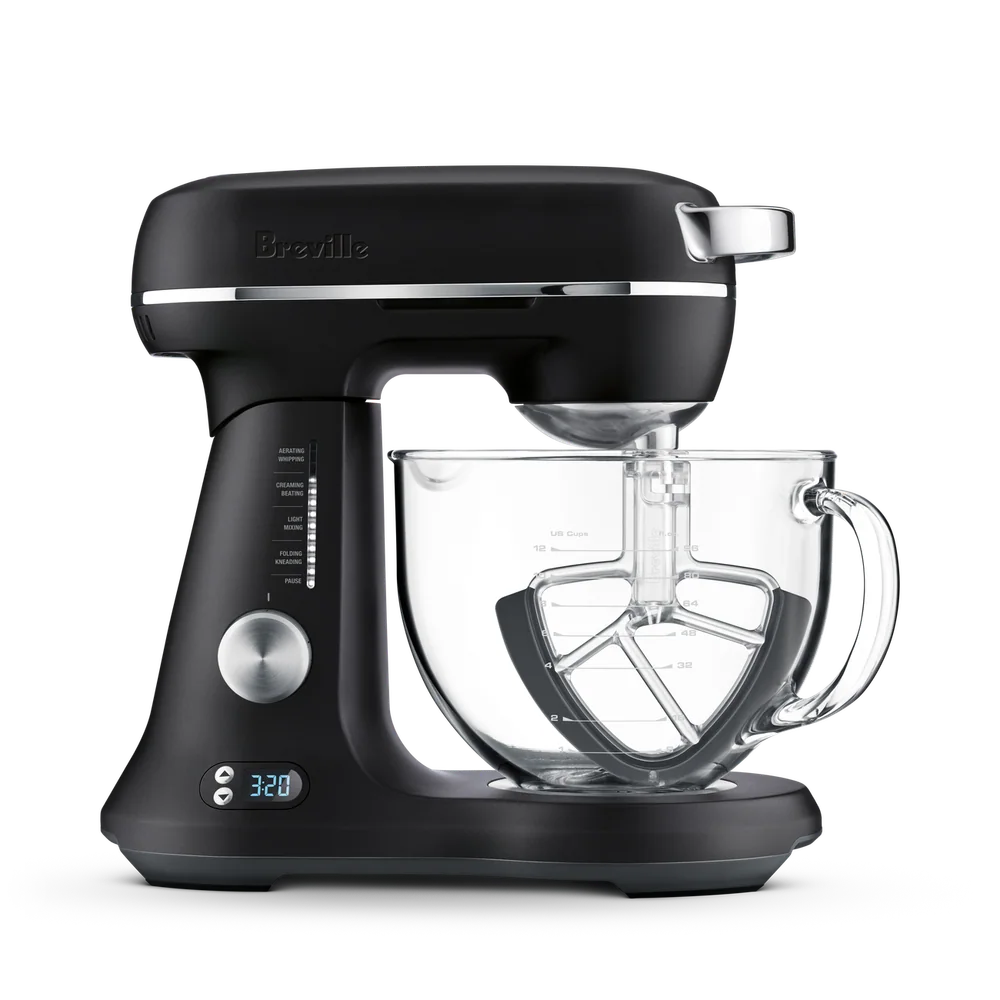
Kenmore Elite 5 Qt Stand Mixer FAQ
Is the Kenmore Elite 5 Qt Stand Mixer good for bread dough?
It is not a great match if bread dough is a regular job for you. In demanding tasks, the motor showed stalling and jerking along with unpleasant noises and acrid smells, and the mixer struggled with kneading dough.
What does “one-handed operation” mean on the Kenmore Elite 5 Qt Stand Mixer?
It refers to the tilt-head configuration and control placement that make it easy to lift the head, access the bowl, and operate controls without needing two hands. In real cooking, that matters when you are adding ingredients or scraping while managing other steps.
Does the Kenmore Elite 5 Qt Stand Mixer mix evenly without scraping?
Expect to scrape more than you would with a mixer that has tighter beater-to-bowl coverage. The pronounced gap between the bowl and the attachment can leave ingredients unmixed unless you guide them in with a spatula.
What is the work light used for on the Kenmore Elite 5 Qt Stand Mixer?
It shines into the bowl from under the tilt-head so you can see what is happening while mixing. It is useful for checking texture and spotting unmixed ingredients without stopping and pulling the bowl forward.
Can I use lots of hub attachments with the Kenmore Elite 5 Qt Stand Mixer?
The mixer has an attachment port, but compatible aftermarket attachments are described as limited. If attachments are a major reason you are buying a stand mixer, consider a model with a broader accessory ecosystem.
Should you buy the Kenmore Elite 5 Qt Stand Mixer?
Buy the Kenmore Elite 5 Qt Stand Mixer only if your priority is one-handed tilt-head convenience and you mostly make lighter mixtures like frosting, whipped cream, and egg whites. The work light and easy access are genuinely helpful, and the slow start is a nice quality-of-life feature.
If you want a stand mixer to reliably handle cookie dough, knead dough, and run week after week without drama, skip it. The bowl-to-attachment gap creates extra scraping, and the motor behavior under load raises real durability concerns. For most kitchens, a more dependable 5-quart tilt-head mixer will make baking feel easier, not more watchful.