
What to know first
- Bowl-lift is the more stable KitchenAid format for heavier mixing and larger batches.
- A typical current version is a 5.5-quart bowl, which is a practical step up from everyday 5-quart tilt-head sizing.
- Plan for a mixer that’s tall and heavy enough that most people will leave it on the counter.
- Compared with smaller tilt-head mixers, you may need to scrape the bowl more and pay attention to the bottom on some recipes.
- If you want more capacity and a sturdier stance without jumping to an extra-large machine, this is the KitchenAid lane.
What the KitchenAid Bowl-Lift Stand Mixer is
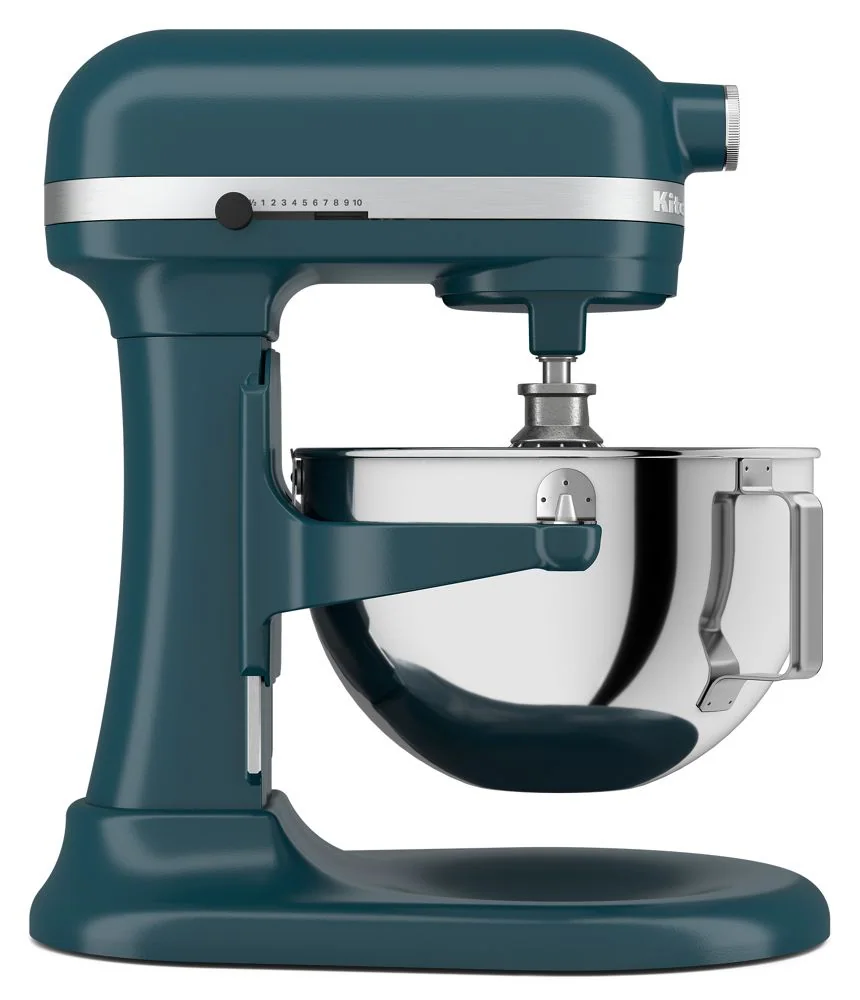
The KitchenAid Bowl-Lift Stand Mixer is KitchenAid’s larger, more stable stand mixer format. Instead of tilting the head back to access the bowl, the bowl locks into arms and lifts up into the mixing position. That design is common in mixers aimed at bigger batches and more demanding mixing.
In daily terms, this is the KitchenAid you buy when you’re done babying a mixer through thick dough or when your “normal” cookie recipe is already a double batch. It’s still a general-purpose stand mixer for creaming butter and sugar, mixing cake batter, and whipping cream. It’s just built around the assumption that you’ll also ask it to knead and mix heavier loads more often.
KitchenAid bowl-lift mixers are also part of the brand’s attachment ecosystem. If you want a stand mixer that can expand beyond mixing with add-on tools, this line is meant to play that role on your counter for years.
Why it stands out
The bowl-lift format is the main reason to choose this mixer. When you’re mixing dense doughs or big batches, stability matters more than people expect. A bowl-lift mixer is designed to stay planted and keep the bowl firmly positioned under the beater, which is exactly what you want when the mixture fights back.
Capacity is the other practical advantage. Current KitchenAid bowl-lift models are commonly sold in a 5.5-quart size, which gives you more headroom for larger recipes without pushing you into an extra-large, extra-bulky machine. That half-quart difference sounds small on paper, but it can be the difference between comfortably mixing a big batch and constantly worrying about ingredients climbing the beater or sloshing up the sides.
KitchenAid also includes a very gentle low speed on at least some current bowl-lift models (a 0.5 speed). That’s useful for folding and for adding ingredients without blasting flour all over your counter. It’s a small feature that changes the feel of the machine when you’re doing delicate work.
What it is like to own
A bowl-lift mixer tends to become a “lives on the counter” appliance. The upside is that it’s ready whenever you want to bake. The downside is that you need a real home for it because it’s tall, heavy, and awkward to move around compared with smaller tilt-head mixers.
The bowl-lift mechanism changes your workflow. Instead of tilting the head back, you lock the bowl in and raise it into position. That’s great when you’re mixing something heavy because everything feels braced and secure. It can feel a little less convenient when you’re stopping to scrape the bowl or add ingredients, since you’re working around a fixed head rather than swinging it up and out of the way.
For smaller jobs, this format can still work, but you may need to pay more attention to bowl coverage. With a larger bowl and a fixed head, some recipes can require more scraping than a smaller tilt-head mixer, especially near the bottom of the bowl.
What to know before you buy
“KitchenAid Bowl-Lift Stand Mixer” is a family of mixers, not one single identical product. You’ll see different bowl sizes and series names. If bread is your main reason for upgrading, look for the manufacturer’s published dough and batch limits for the specific model you’re buying. Those limits tell you more than wattage marketing ever will.
Be honest about your kitchen space. Bowl-lift mixers are physically more of a commitment than tilt-head models. If you plan to store it in a cabinet, the weight and height can turn a great mixer into one you rarely use.
If you care about aesthetics, note that some bowl-lift models come in fewer colors than popular tilt-head lines. That may not matter at all, but it’s worth knowing if your mixer is going to sit out full time.
The specs that matter
The beater spins while traveling around the bowl, which helps cover more of the bowl without constant babysitting. In practice, it’s a good all-around style for batters, frosting, and dough.
This format is chosen for stability under heavier loads. If you knead dough often or mix big batches, the braced bowl position is the whole advantage.
More bowl volume gives you headroom for larger recipes. It can be a better fit for bulk baking, while still being manageable for many everyday tasks.
A very slow speed is useful for folding and for adding flour or mix-ins without creating a mess. It makes the mixer feel more controlled on delicate steps.
This affects whether you’ll actually use it. Many people end up leaving it on the counter because moving it in and out of storage is a hassle.
If your mixer is going to live on the counter, the available finishes might influence which exact version you buy.
Who this product fits
You bake for groups and do big holiday runs
The KitchenAid Bowl-Lift Stand Mixer makes large batches feel normal. The bigger bowl and more stable stance are built for mixing a lot at once without the machine feeling like it’s working at its limit.
You make bread or pizza dough every week
A bowl-lift mixer is a better match for frequent kneading because the bowl is braced and the mixer is designed to stay stable under heavier mixing. Check the specific model’s dough limits if bread is your main job.
You want one stand mixer to anchor an attachment setup
If you plan to use a stand mixer as a long-term kitchen tool that can expand beyond mixing, the KitchenAid bowl-lift line is designed to fill that role and live on the counter.
What else to compare
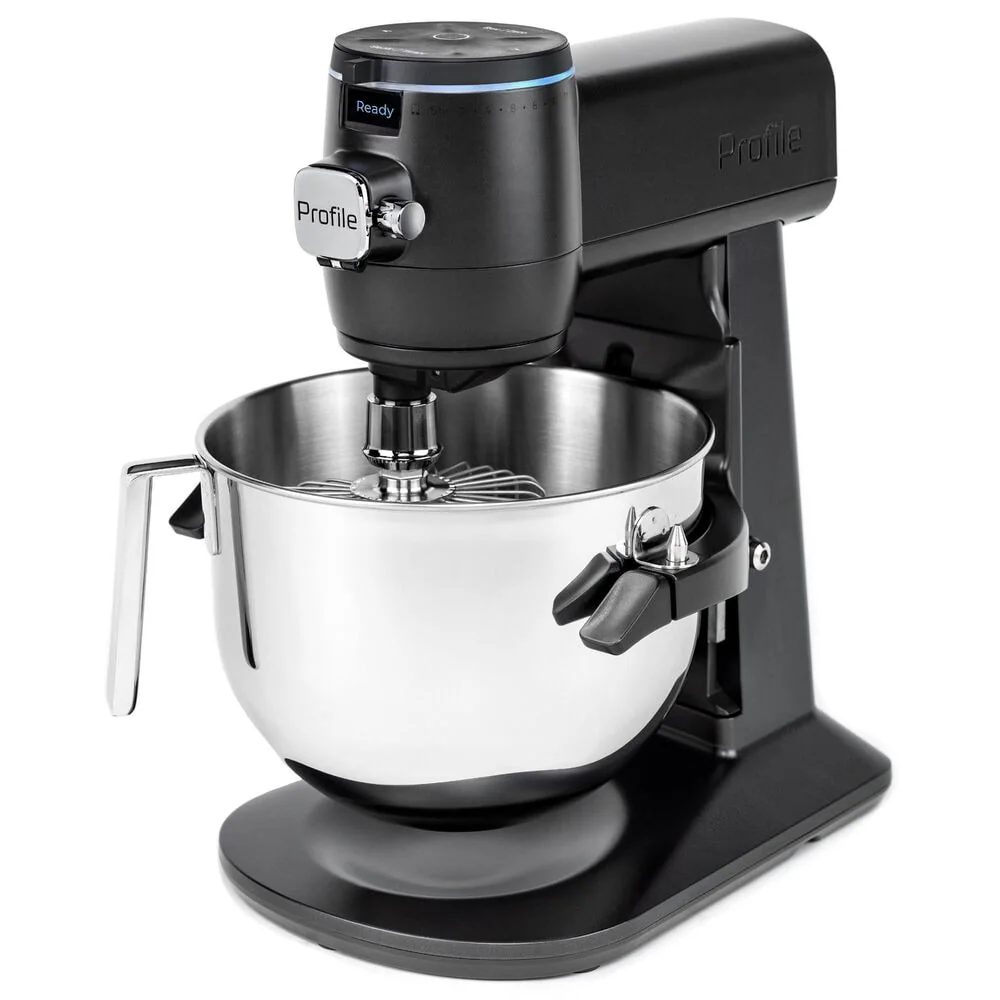
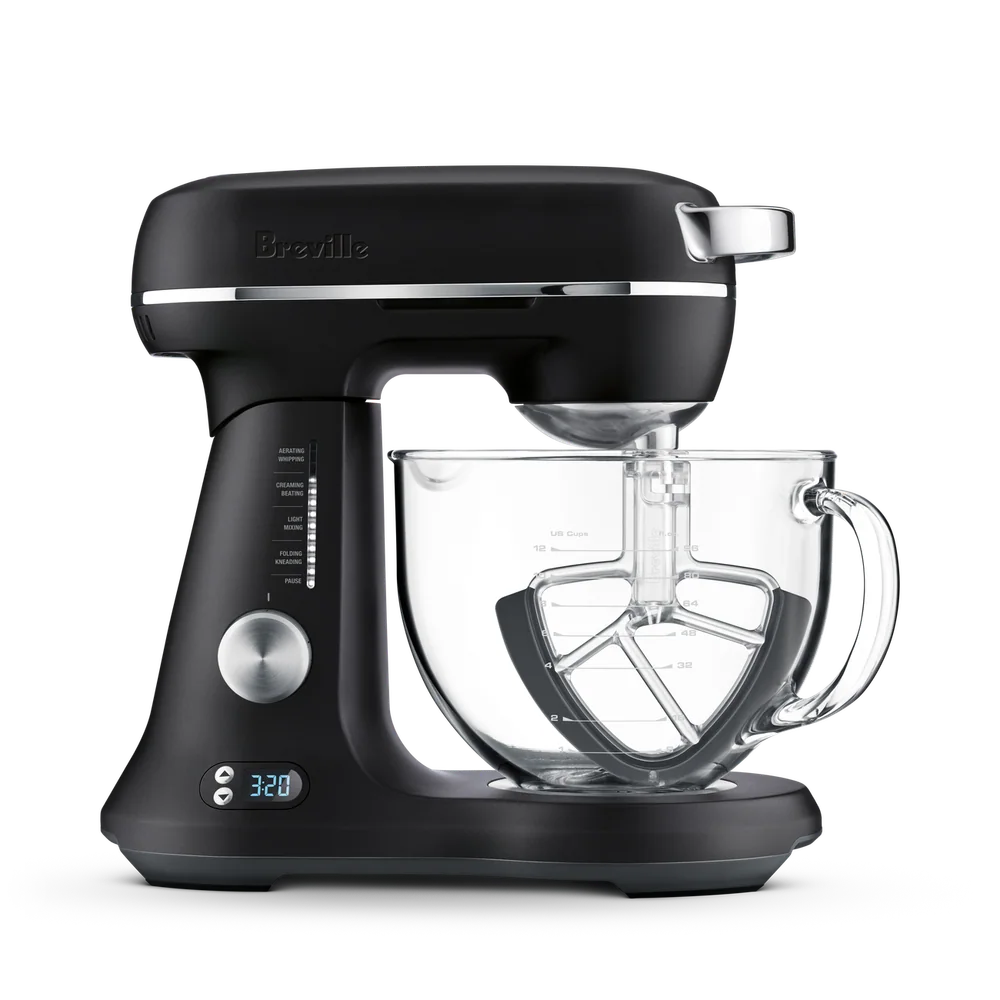
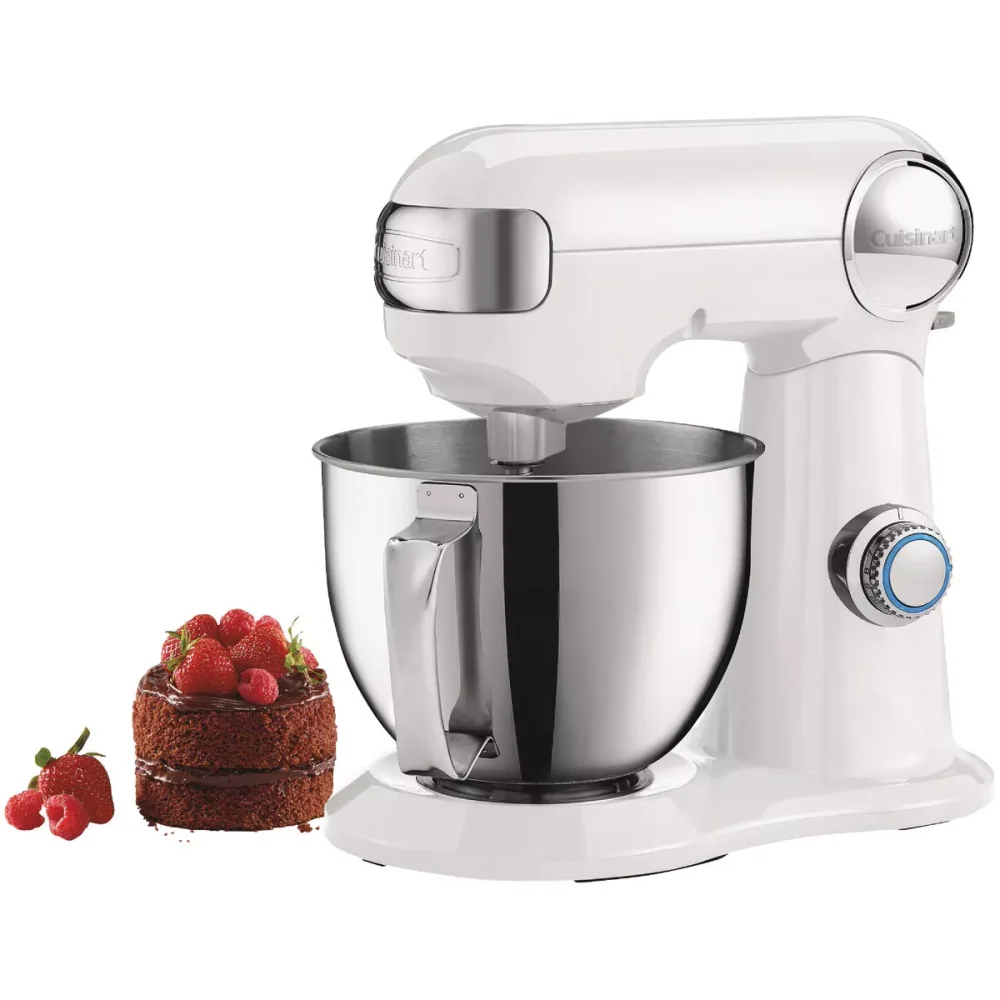
If the bowl-lift format feels like too much machine, these are the more sensible directions to go.
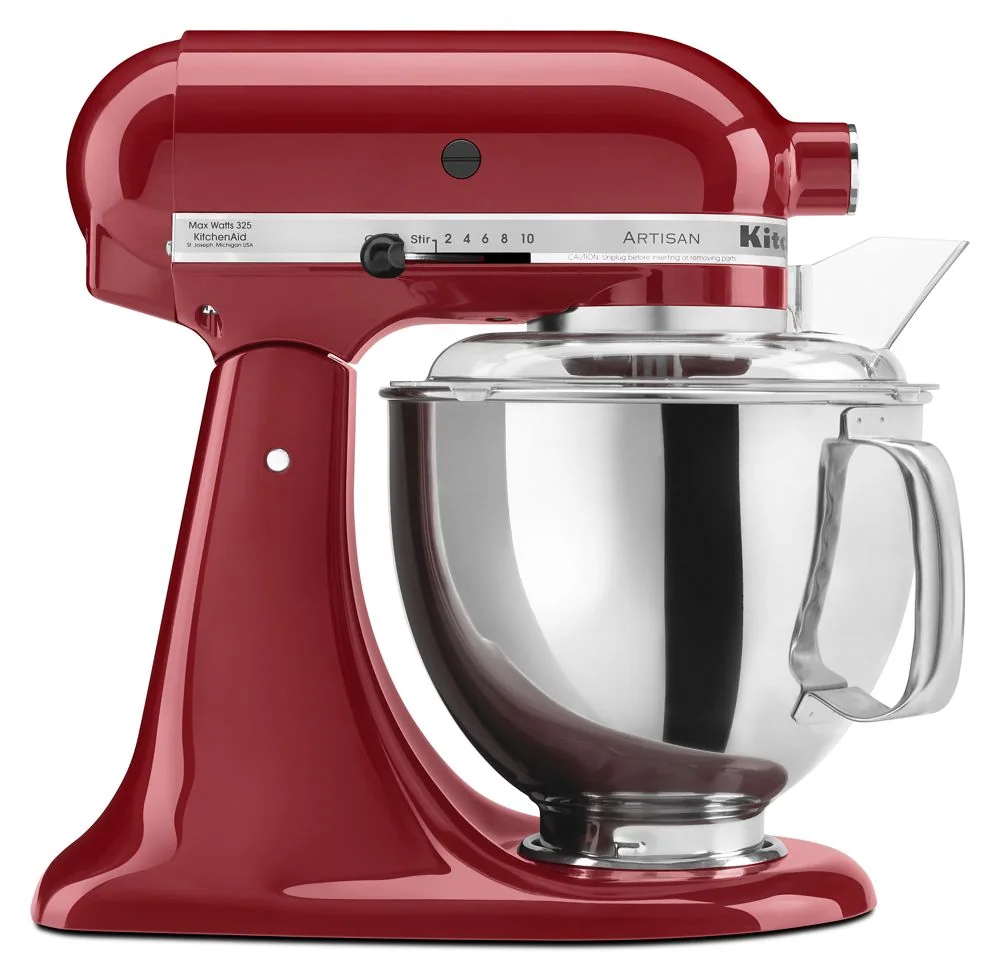
KitchenAid Bowl-Lift Stand Mixer FAQ
What is the difference between a bowl-lift and a tilt-head KitchenAid stand mixer?
A bowl-lift mixer raises the bowl into a fixed head, while a tilt-head mixer tilts the motor head back for bowl access. Bowl-lift models are generally chosen for stability and bigger batches. Tilt-head models usually feel easier for smaller, everyday mixing and for scraping and adding ingredients.
Is the KitchenAid Bowl-Lift Stand Mixer good for bread dough?
Yes, the bowl-lift format is well suited to heavier mixing jobs like dough because it’s designed to be stable under load. For the most accurate guidance, check the specific model’s published dough and batch limits, since “bowl-lift” covers multiple versions.
Is a 5.5-quart bowl-lift mixer too big for small batches?
It can still handle smaller tasks, but a larger bowl can require more attention to bowl coverage on certain recipes. If you frequently whip very small amounts or do lots of tiny frosting batches, a smaller tilt-head mixer can feel more convenient.
Does higher wattage mean a better stand mixer?
Not necessarily. Wattage is electrical input, and it does not directly tell you torque, gearing strength, or how well the mixer handles dense dough. For heavy mixing, the manufacturer’s dough and batch limits are more useful than wattage alone.
Should I plan to store a bowl-lift mixer in a cabinet?
Most people won’t love doing that. Bowl-lift mixers are typically tall and heavy, so they’re easier to live with when they have a dedicated counter spot.
Should you buy the KitchenAid Bowl-Lift Stand Mixer?
Buy the KitchenAid Bowl-Lift Stand Mixer if you routinely bake in volume or you’re regularly kneading dough and want a stand mixer that feels planted and unbothered. The bowl-lift design and larger bowl size are practical upgrades that show up every time you mix something thick or make a big batch.
Skip it if your baking is mostly small, casual batches and you want the simplest day-to-day access to the bowl. In that case, a tilt-head KitchenAid style mixer is usually the easier fit, and you’ll be more likely to use it often instead of treating it like a heavy appliance you only drag out for special occasions.