
Pickori

Practical guide

Using an Air Purifier for Cooking Smoke and Odors

Combine a vented range hood with particle filtration and realistic carbon expectations for cooking emissions.

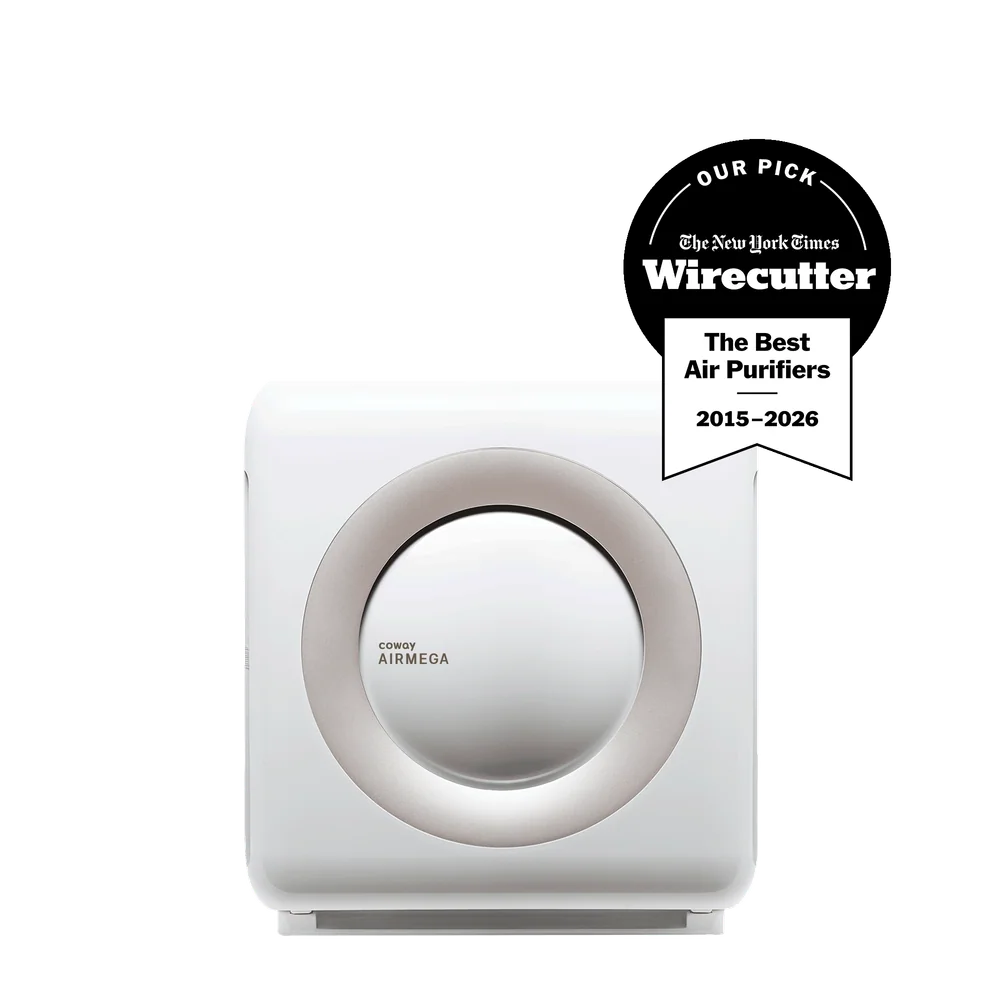
Coway Airmega AP-1512HH Mighty

Capture emissions at the source

Use a range hood that vents outdoors when available, turn it on before cooking, and let it run after the visible smoke clears. Back burners often receive better hood capture than front burners.

An unvented recirculating hood may catch grease but does not send combustion gases outdoors. Follow appliance and local safety guidance for gas cooking.
Use a purifier for the remaining particles

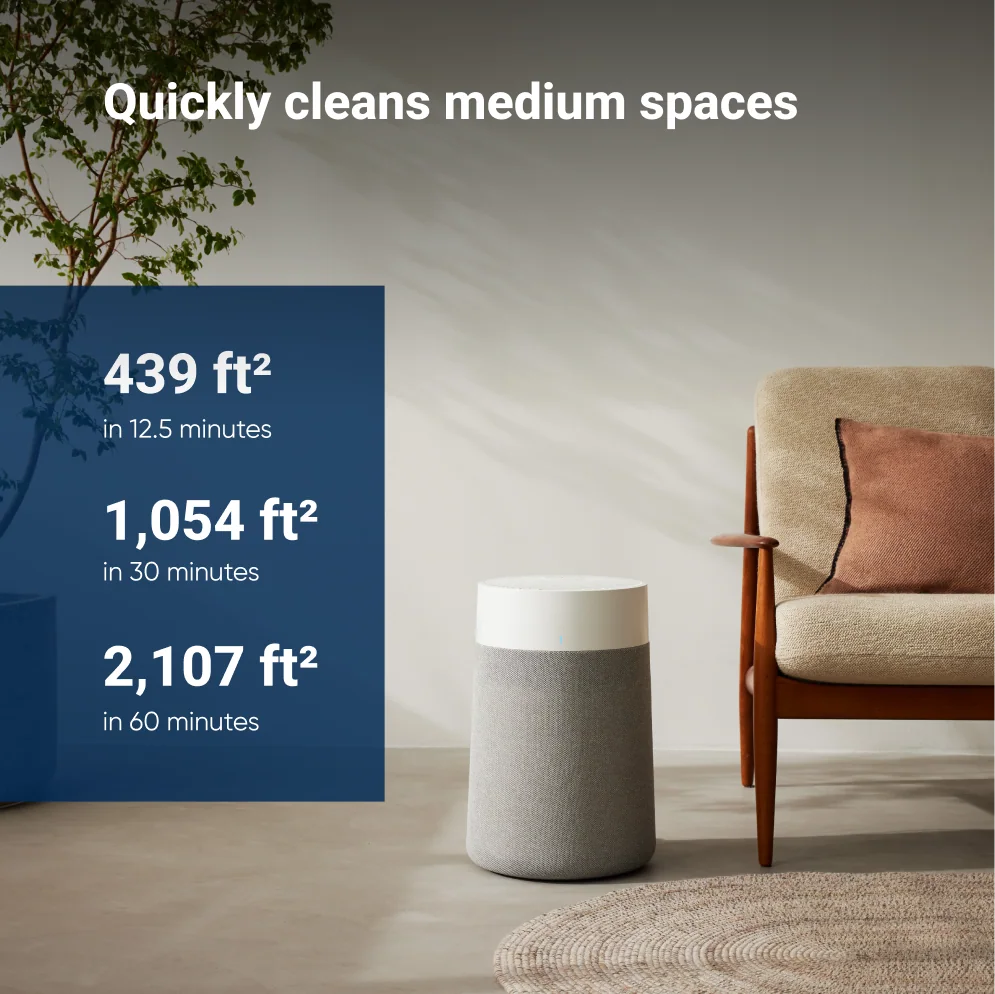
Place a sufficiently sized purifier in the adjacent room zone, away from grease splatter, steam, and high heat. Run it during and after cooking at the highest tolerable speed.

Fine cooking particles behave more like smoke than visible crumbs, so smoke CADR is the useful sizing figure.

Understand odor limits

Activated carbon can adsorb some odor compounds, but thin filters saturate. Persistent grease or smoke odor calls for cleaning surfaces, improving exhaust, and changing cooking practices before buying another purifier.

A purifier does not make unsafe combustion gases harmless. Maintain fuel-burning appliances and carbon-monoxide alarms according to official guidance.

Reduce the load

Use lids, avoid overheating oil, choose lower-emission methods during bad outdoor-air days, and clean the hood filter. These changes reduce what both lungs and filters must handle.

Inspect the purifier prefilter more often in a kitchen-adjacent location. Never wash the main filter unless the manufacturer explicitly says it is washable.

Products that fit this practical guide

As an Amazon Associate I earn from qualifying purchases.

More from Air Purifiers

← Back to Air Purifiers