Particles vs gases: what HEPA can do, what it cannot, and why smells linger
HEPA is a particle filter. It is designed to capture very small airborne particles by forcing air through a dense mat of fibers. That is why HEPA style filtration can help with pollen, dust, pet dander, and smoke particles. But many smells are caused by gases, meaning individual molecules that move with the air and are not -caught- like dust. If the odor is mostly gas, a HEPA filter can leave the smell unchanged even while it is doing a great job on particles.
Smells also linger because odor sources often keep emitting. A litter box, a damp carpet pad, a trash can, or cooking oils on surfaces can release odor molecules continuously. Even if a purifier removes some odor molecules, the room can still smell the same if the source keeps producing more. This is why people sometimes think the purifier is not working at all. The purifier may be reducing particles, while the odor source keeps refilling the air with gases.
Activated carbon explained: adsorption, saturation, and why thin carbon sheets disappoint
Activated carbon works by adsorption, which means gas molecules stick to the surface of the carbon. Activated carbon has a huge internal surface area because it is full of tiny pores. More surface area generally means more places for odor molecules to stick. Over time, those pores fill up. That is saturation, and once the carbon is saturated, it stops removing much gas even though it still looks fine.
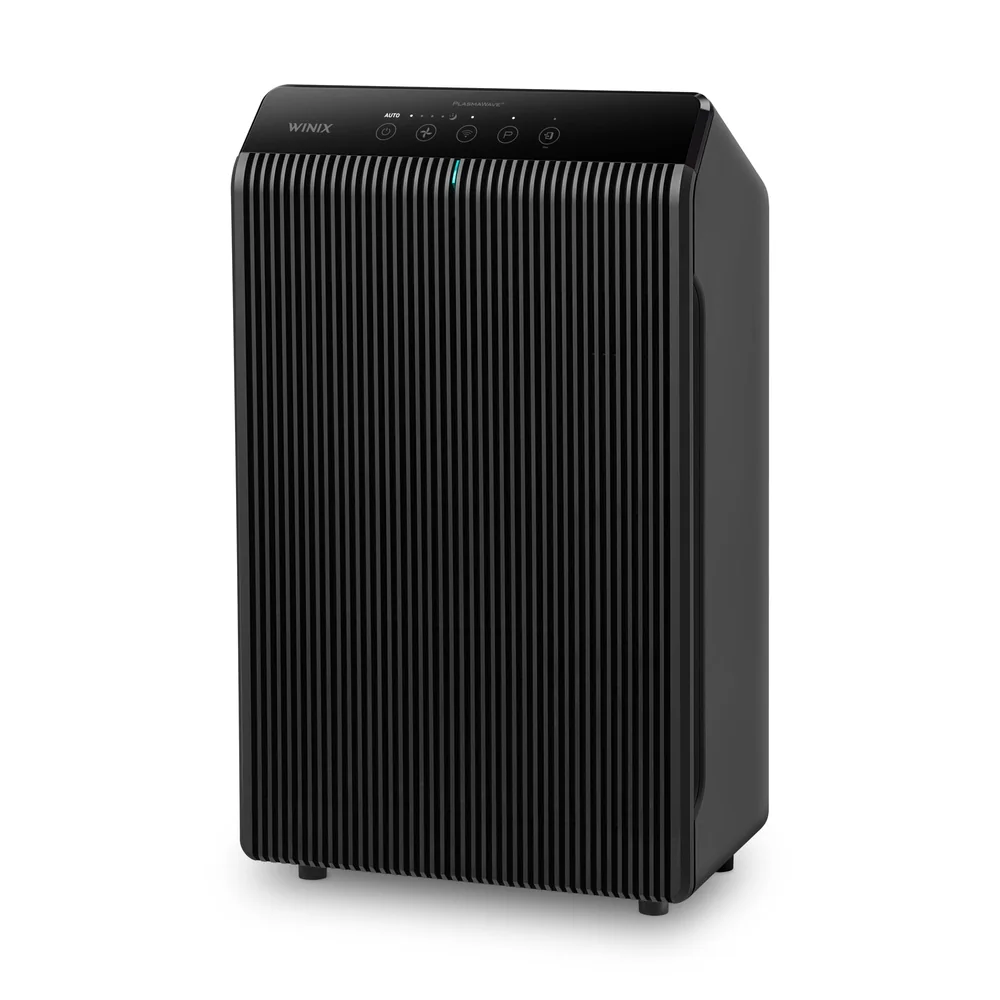
Many purifiers include a thin carbon sheet or a light carbon coating. That can reduce mild odors for a short time, but it saturates quickly because there is not much carbon mass. In ownership terms, -enough activated carbon to matter- usually means a thicker carbon stage that is designed for gas control, not just a token layer added to the filter. If odors are a main goal, you want a purifier that treats carbon as a primary filter, not an accessory.
A practical odor plan: source control first, then ventilation, then the right kind of carbon stage
Start with source control because it is the only step that stops new odor molecules from being created. Clean the thing that is producing the smell, seal it, or remove it. For pets, that can mean more frequent litter changes, washing soft surfaces, and using covered trash. For cooking, it can mean wiping grease films, cleaning the oven area, and storing strong smelling foods well. If the odor is from dampness, address the moisture source, because a purifier cannot dry out a wet building material.
Next, use ventilation when you can. Ventilation means bringing in outdoor air and exhausting indoor air, such as running a kitchen or bathroom fan, opening windows when outdoor air is acceptable, or using a range hood that actually vents outside. After that, use a purifier with a meaningful carbon stage to reduce what remains and to help during ongoing odor periods, like cooking. Carbon is most effective when the odor load is moderate and the room is not constantly being refilled by a strong source.
Ownership consequences: carbon replacement timing, storage to prevent pre-saturation, and when a purifier is the wrong tool
Carbon replacement is not just a calendar event. It depends on how much odor and gas exposure your home has. If odors return quickly after the purifier used to help, that is often a sign the carbon is saturated. Unlike a particle filter that may look dirty, saturated carbon can look normal. Pay attention to performance changes, not appearance. Also remember that higher fan speeds push more air through the carbon, which can use up its capacity faster in a high odor environment.
Carbon can also pre-saturate in storage because it adsorbs gases from the surrounding air. Keep replacement carbon filters sealed until you need them, and store them away from strong odors like paint, solvents, or a garage. Finally, know when a purifier is the wrong tool. If you smell gas from an appliance, suspect a serious chemical exposure, or have persistent musty odors from building moisture, the priority is fixing the source and improving ventilation, not relying on carbon to mask a problem.