
Pickori

Practical guide

AQI, Ventilation, and When to Open Windows

Use outdoor AQI, indoor conditions, heat, and pollution sources to decide when ventilation helps or hurts.

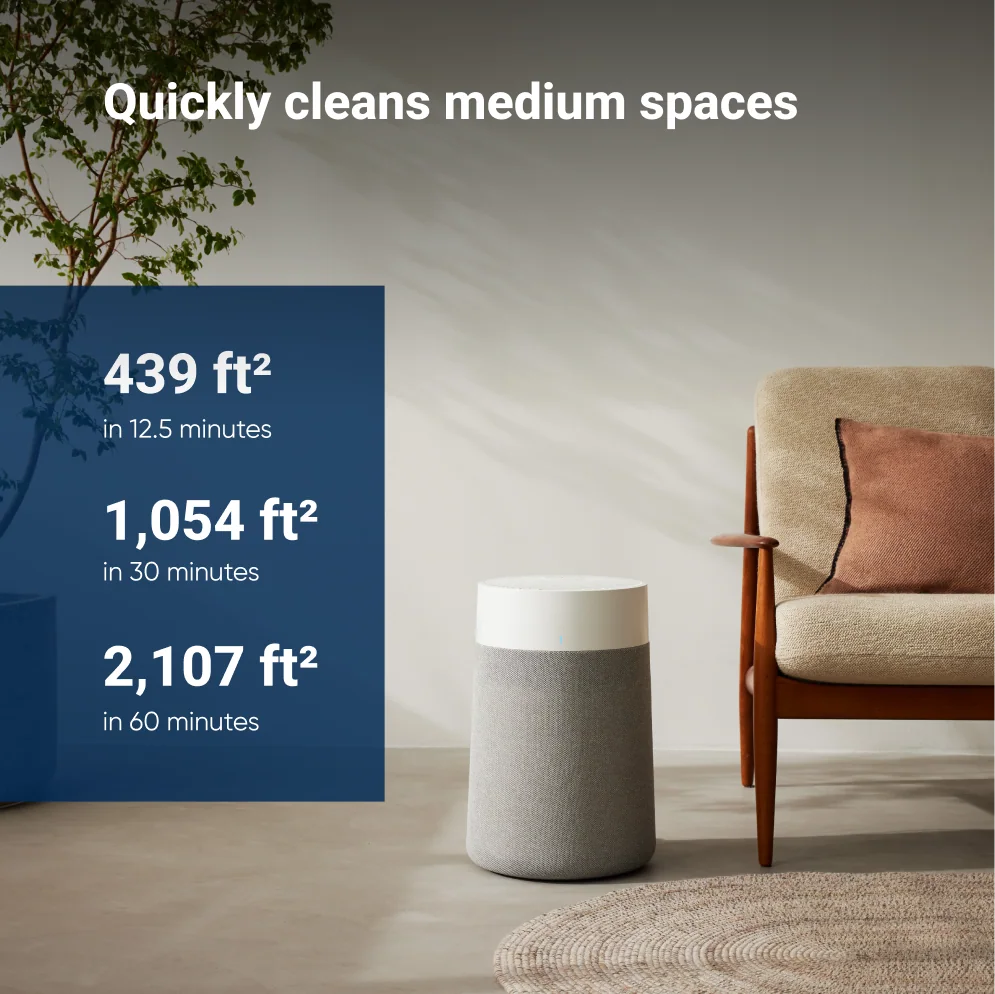
Blueair Blue Pure 311i Max

Check a trusted outdoor reading

Use AirNow, a state or local agency, and nearby monitors rather than a generic weather icon. During wildfire smoke, conditions can change quickly and localized plumes may not match a citywide summary.

AQI is pollutant-specific. A low particle reading does not answer every question about pollen, humidity, or nearby sources.
Ventilate when outdoors is the better air source

When outdoor particle pollution is low and weather is safe, window ventilation can reduce indoor carbon dioxide, cooking pollutants, cleaning fumes, and other accumulated gases that a particle filter cannot handle.

Create cross-ventilation if appropriate and use exhaust fans that vent outdoors. Close windows again before outdoor pollution or humidity worsens.

Keep smoke out during bad events

When wildfire smoke is high, close windows and exterior doors, recirculate central air when the system supports it, and run a properly sized purifier continuously in a cleaner-air room.

Do not let a sealed room become dangerously hot. Follow local heat and smoke guidance, and relocate if the home cannot maintain safe conditions.

Use indoor measurements with context

A reliable particle monitor can show whether filtration is working and when brief ventilation improves or worsens indoor air. Place it away from the purifier outlet so it does not report an unrealistically clean pocket.

Carbon dioxide and humidity sensors answer different questions. No single number describes overall indoor air quality, so combine measurements with source awareness and official alerts.

Products that fit this practical guide

As an Amazon Associate I earn from qualifying purchases.

More from Air Purifiers

← Back to Air Purifiers