
Pickori

Practical guide

Air Purifier vs. Dehumidifier vs. Humidifier

Choose the appliance that matches particles, moisture, dryness, or a combination of indoor-air problems.

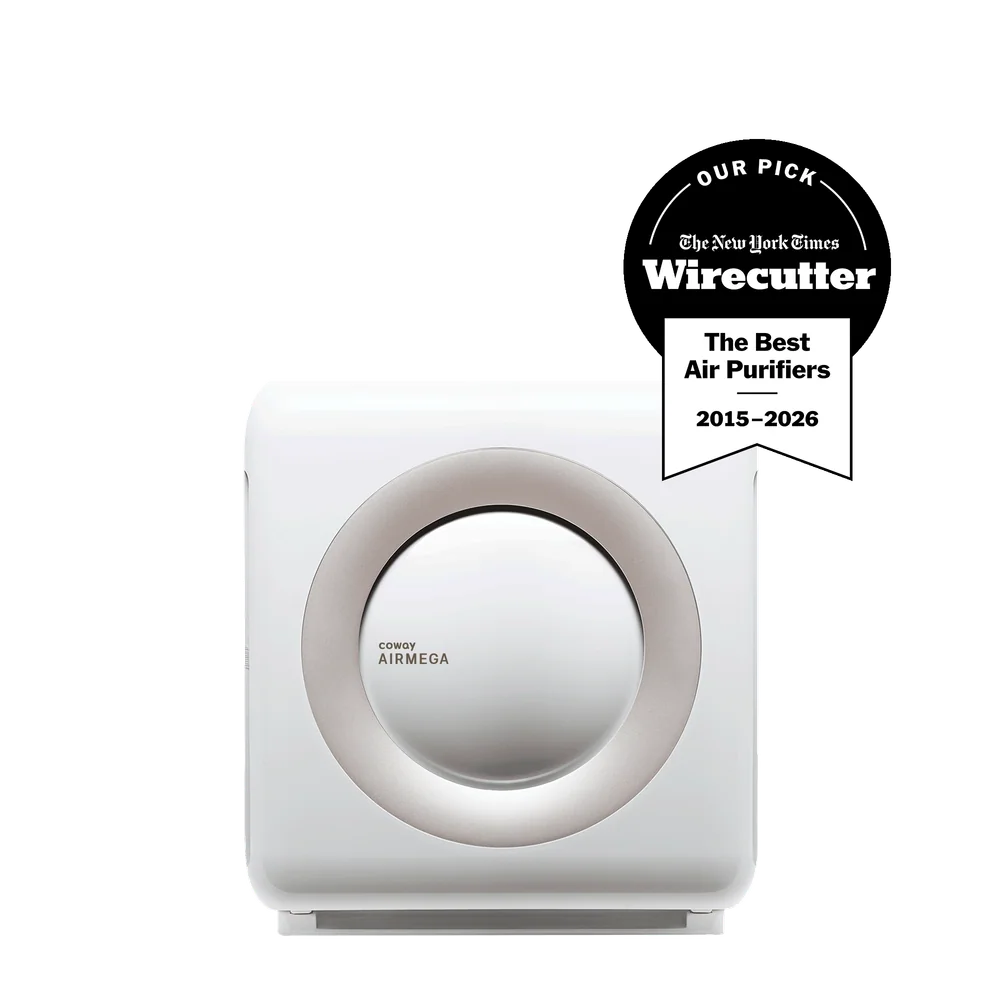
Coway Airmega AP-1512HH Mighty

Use a purifier for airborne particles

A purifier pulls room air through particle media to reduce smoke, pollen, dust, and airborne dander. It does not dry a damp basement, repair a leak, or keep winter air from feeling dry.

A small carbon layer may reduce some odors, but musty odor can signal a moisture source that filtration alone cannot fix.
Use a dehumidifier for excess moisture

A dehumidifier condenses water from humid air. It can help keep relative humidity in a comfortable range and make conditions less favorable for dampness-related problems.

It does not remove the source of water. Leaks, drainage, and wet materials still require correction, and a dehumidifier's bucket or drain needs regular care.

Use a humidifier carefully for dry air

A humidifier adds moisture when indoor air is uncomfortably dry. It needs clean water practices and frequent cleaning because neglected reservoirs can spread minerals or microorganisms.

Do not raise humidity blindly. Use a hygrometer and avoid condensation on windows or walls, which is a sign that moisture is too high for the space.

When you may need two appliances

A damp, dusty basement may need both source repair and dehumidification, with a purifier for remaining airborne particles. A dry bedroom during pollen season may need a carefully maintained humidifier plus a purifier.

Keep enough distance that a humidifier's mist does not wet the purifier filter or sensor. Each device should have clear airflow and its own maintenance schedule.

Products that fit this practical guide

As an Amazon Associate I earn from qualifying purchases.

More from Air Purifiers

← Back to Air Purifiers