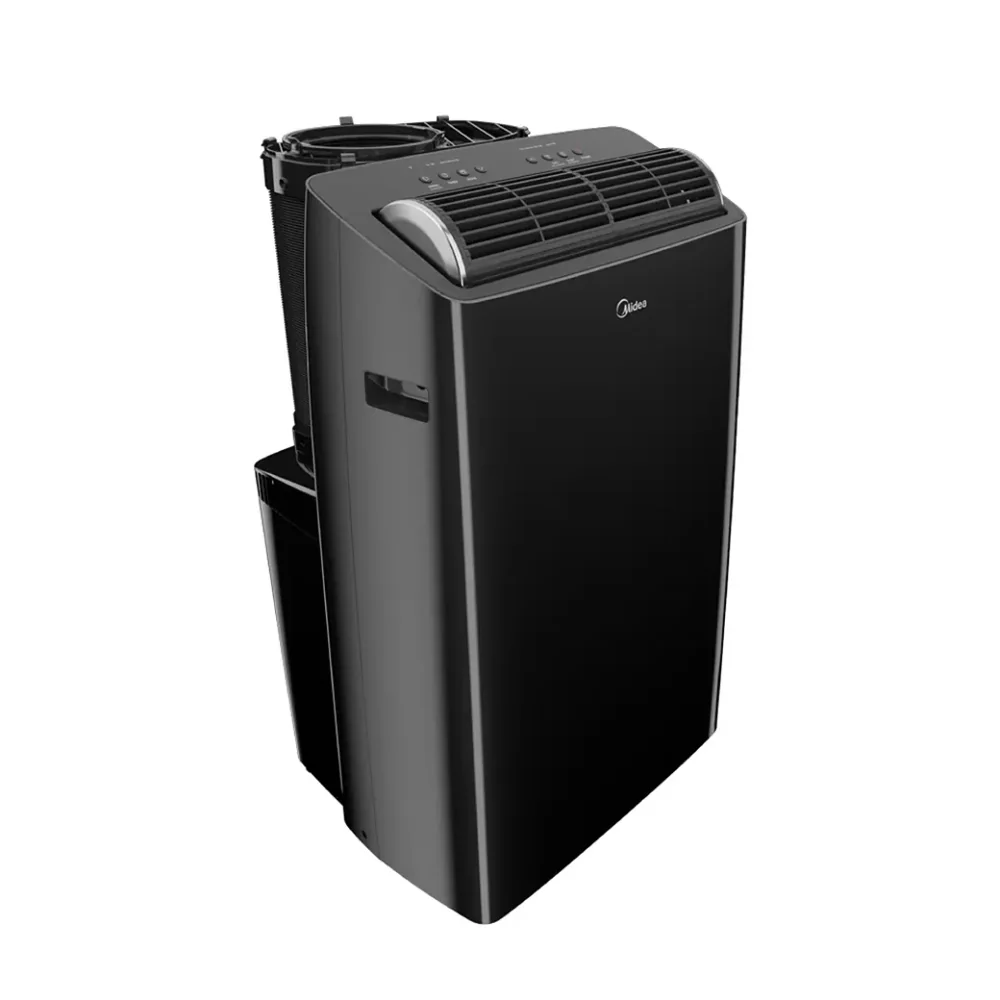
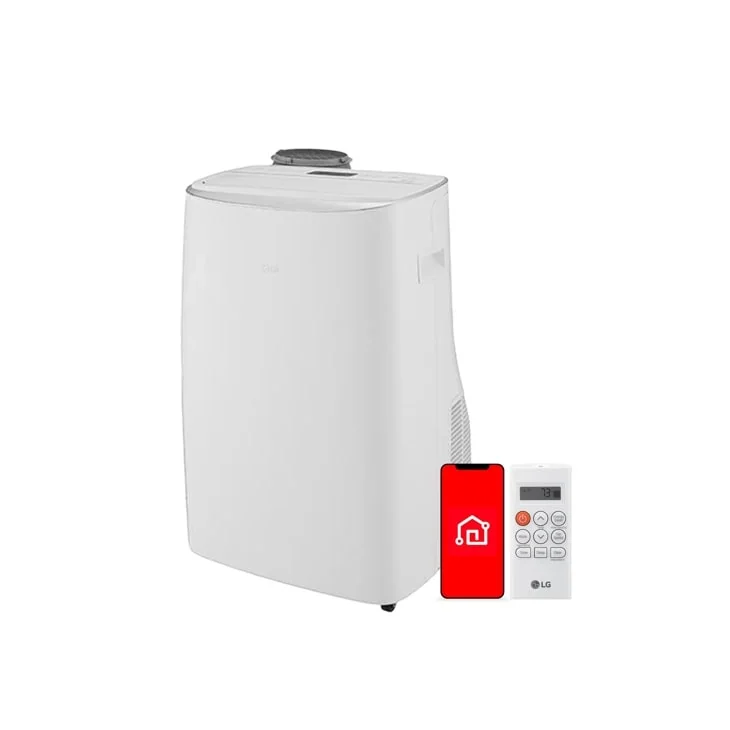
Vertical vs horizontal windows: what changes
Most portable ACs ship with a kit meant for a standard double hung window that slides up and down. In that setup, the panel sits vertically in the opening and the window sash presses down on it. Measure the inside width of the window opening (not the glass) and compare it to the kit's adjustable range. If your opening is wider than the included panels, you will need an extension panel or a custom filler, otherwise you end up taping cardboard into place and losing efficiency.
Sliding windows and sliding doors change the geometry. The panel usually needs to stand tall in a vertical opening, and the hose port ends up higher off the floor. That can force a longer hose run or a tighter bend, both of which can reduce airflow and raise noise. Also think about how you will lock the slider. Many kits do not provide a solid locking surface, so you may need a simple removable security bar or a secondary latch that does not require drilling.
Casement windows and odd openings: adapters that actually work
Casement windows crank outward and do not create a neat rectangular gap. A "casement adapter" is typically a large sheet (often clear plastic) that covers the opening, with a cutout for the hose port. The practical challenge is stiffness and sealing. If the sheet flexes, it will pull away from the frame and leak. If the adhesive does not stick to your window trim, it will peel in heat and humidity. Plan for a clean, dry surface and a way to support the sheet so it stays flat.
For unusual windows, the most reliable approach is to create a rigid insert that matches the opening, then seal around it. People often use thin plywood, rigid foam board, or acrylic, then mount the hose flange through it. The key is ownership consequences: a better insert can improve cooling and reduce drafts, but it takes time to measure, cut, and store when not in use. If you are renting, choose materials and attachment methods that remove cleanly and do not leave residue or holes.
Sealing details that affect cooling more than you think
A portable AC with a single hose often creates negative pressure, meaning it can pull outdoor air into the room through any gap. That makes sealing around the panel and along the window edges especially important. Use compressible foam strips where the window meets the panel, and seal panel seams so hot air cannot leak back in. Pay attention to the hose connection too. If the hose collar is loose, warm exhaust air can spill into the room and you will feel it as a hot draft near the unit.
Keep the hose run short and as straight as possible. Long hoses and sharp bends restrict airflow, which can raise compressor temperature and reduce cooling output. If your setup forces a long run, prioritize a better seal and insulation around the hose. Hose insulation helps because the exhaust hose can radiate heat back into the room. You do not need a complicated build. Even a simple wrap can reduce the "why is it still warm near the AC" problem in small bedrooms.
Security, screens, and renter friendly setup
A window kit can interfere with normal window locks. If the window cannot lock, you have a security issue and also a safety issue in windy conditions. The practical fix is a removable stop or bar that prevents the window from opening further. Make sure the bar presses against solid frame surfaces, not the plastic panel. Also consider the hose as a lever. If someone bumps it, a weak panel can shift and create a gap, so stability matters as much as sealing.
Screens are another common friction point. Some setups require removing the screen to fit the hose port, which can invite bugs. If you want the screen in place, you may need a different panel layout or a separate screened vent solution. For renters, avoid permanent caulk and avoid drilling unless your lease allows it. Use removable foam, painter friendly tapes where appropriate, and keep all original parts. A clean removal plan is part of buying the right portable AC for your space.