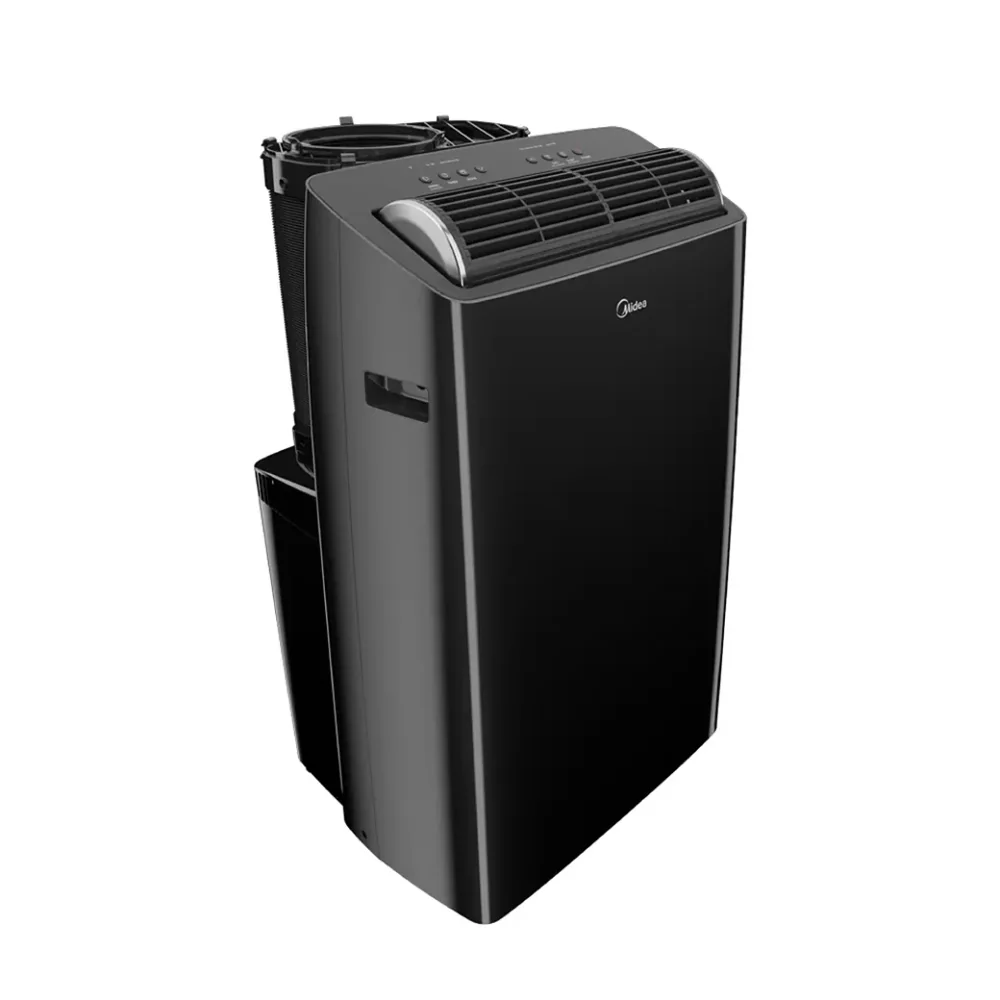
Condensate is the water a portable AC pulls from humid air, and how the unit handles it determines whether you will be emptying a tank, running a hose, or dealing with shutdowns.
Reading time: 9 minutesBest for: Anyone choosing a portable AC for humid climates, bedrooms, basements, or situations where stopping to empty a tank would be a problem.
Where the water comes from and why humidity changes everything
Warm air can hold more moisture than cool air. When a portable AC cools that air, the extra moisture has to go somewhere, so it condenses into water on the cold coil. The stickier the air feels, the more water you should expect. This is why two people can buy the same unit and have totally different experiences. In a dry climate, you might rarely think about drainage. In a humid climate, you might fill a tank quickly, especially during long run times.
Humidity also changes how "dry mode" behaves. Dry mode is a setting that prioritizes dehumidification, often by running the compressor with reduced fan airflow. That can pull more water out of the air, but it may not feel as cool because less air is moving across the room. If your main discomfort is clammy air rather than high temperature, dry mode can help. If your main problem is heat load from sun or appliances, you will still need strong cooling and a drainage plan.
Self evaporation: what it means and when it fails
Many portable ACs advertise no drain operation. Usually this means the unit reuses some condensate to improve efficiency by cooling the hot condenser coil, then sends the moisture out through the exhaust hose. This can reduce how often you empty a tank, but it is not magic. If the room is very humid, the unit can produce water faster than it can evaporate and exhaust it. When that happens, water accumulates and the unit may shut off to prevent overflow.
Self evaporation also depends on how you vent the unit. A leaky window kit can pull humid outdoor air into the room, which increases water production and makes shutdowns more likely. Hose routing matters too. If airflow is restricted by a long hose or tight bends, the unit may not move enough air to carry moisture out effectively. If you want the least drainage hassle, prioritize a tight seal and a short, straight exhaust run.
Tank, gravity drain, and pump drain: choosing the right setup
A tank system is simple: water collects in an internal reservoir and you empty it. The downside is interruption. If the unit is in a bedroom, you may not want to wake up to a full tank alarm. A continuous gravity drain uses a hose connected to a drain port so water can flow out on its own. Gravity drain is reliable, but it requires a place for the water to go and a hose path that always slopes downward. Any upward loop can stop flow and cause backups.
Some units support a condensate pump, either built in or as an accessory. A pump can move water upward to a sink or out a window, which helps when the unit sits below the nearest drain. Pumps add complexity: you have another component that can clog, fail, or make noise. If you choose a pump setup, plan where the discharge line goes and how you will secure it so it does not slip. A loose drain line can cause water damage faster than a full tank ever would.
Heat mode and shoulder season surprises
Portable heat pump combinations can run in heating mode by reversing the refrigeration cycle. In heating mode, the unit can still create condensate, but where it forms and how it drains can differ from cooling mode. In some conditions, you may see more water than expected because the unit is managing moisture while heating. If you plan to use heat mode regularly, read the drainage instructions for both modes, not just cooling. Owners often discover the difference only after a puddle or a shutdown.
Seasonal storage matters too. If you disconnect hoses and store the unit, leftover water can sit inside and cause odors. Before storage, drain the unit as directed, run fan only briefly if the manual suggests it, and keep it upright. When you bring it back out, check the drain ports and seals for debris. A small clog can turn into a recurring "full tank" problem, especially in the first humid week of summer when the unit runs for long stretches.
What this guide helps you understand
Pick a portable AC drainage method that matches your humidity and your room layout, so you do not end up with surprise shutdowns or awkward hose routing.
Decide in advance where condensate will go (tank emptying spot, floor drain, sink, or pump discharge) and confirm you can maintain a continuous downward slope if using gravity drain.
Products that fit this category guide
As an Amazon Associate I earn from qualifying purchases.
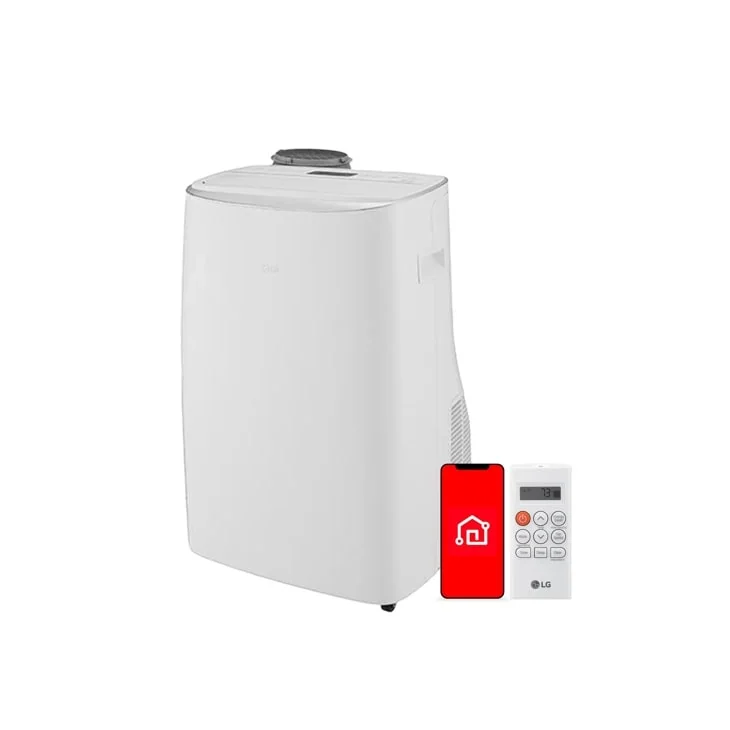
LG Wi-Fi Connected Portable Air Conditioner fits anyone who wants to control a portable air conditioner from their phone and keep day to day adjustments simple.