Choose between a portable air conditioner and a window air conditioner by weighing real cooling efficiency, noise, installation limits, and how much you truly need to move the unit.
Reading time: 9 minutesBest for: Renters, homeowners, and office users deciding whether portability is worth the efficiency and noise tradeoffs.
Efficiency and real cooling: why window units usually win
A window AC typically cools more effectively per watt because the hot side of the system is outside the room. The compressor and condenser (the parts that reject heat) sit outdoors, so their waste heat does not fight your cooling. With a portable AC, those hot components are inside the room, and the unit must push that heat out through a hose. Any warmth radiating from the cabinet and any leakage around the window kit reduces the net cooling you feel.
Single-hose portable ACs add another penalty: they exhaust air from the room and create negative pressure (the room becomes slightly "suctioned"). That pressure pulls warm, humid air in through cracks under doors and around windows, increasing the heat load. Dual-hose portable ACs reduce this effect by bringing in outside air for the condenser and exhausting it back out, so they tend to deliver closer to their rated performance. When comparing portable models, use the DOE cooling capacity, not older headline BTU numbers, and assume installation quality will move the result up or down.
Noise and comfort: where the sound comes from
Noise is often the deciding factor for bedrooms and workspaces. With a window AC, much of the compressor noise is outside, and you mainly hear the indoor fan and airflow. With a portable AC, the compressor, fan, and rushing air are all in the room with you. Even if the decibel rating looks similar on paper, the character of the sound can feel more intrusive when the source is right next to your desk or bed.
Comfort is also about air movement and temperature stability. Many portable units need higher fan speeds to move enough air through the hose and across the coils, which can mean more audible airflow. "Sleep mode" usually means a lower fan and gentler cycling, but it also means less cooling and less mixing of air in the room. If you are sensitive to noise, plan your layout: keep the unit farther from the bed, minimize hose length and bends (which can force higher fan effort), and seal the window kit well so the unit is not working harder than it needs to.
Installation, windows, and security: what actually makes each one hard
Window AC installation is physically demanding and sometimes restricted. You need a compatible window style, enough clearance outside, and a secure way to support the unit. The payoff is a relatively direct path for heat to leave the room, with fewer parts to leak. Once installed, a window unit can be stable for the season, but it blocks part of the window and can complicate opening, closing, and some window coverings.
Portable AC installation looks simpler because the unit stays indoors, but the window kit is the make or break detail. The exhaust hose must connect to a panel that fills the open window area, and any gaps become a heat leak. A poor seal lets hot outdoor air in and can also let the unit's own exhaust air recirculate back inside, which feels like weak cooling. Security matters too: a partially open window can be a concern, so you want a firm, well-fitted panel and a way to keep the window from sliding further open. If your windows are unusually tall, wide, or crank-out style, confirm that a workable kit solution exists before you commit.
Portability, drainage, and day-to-day ownership
Portability is the main reason to choose a portable AC, but it is not "grab and go." These units are heavy, and moving them usually means moving the hose and window kit too. If you plan to roll it between rooms, think about whether each room has a suitable window and whether you are willing to reinstall and reseal the kit each time. Also plan for storage: a portable unit takes floor space year-round unless you have a closet or basement spot for the off-season.
Condensate (water pulled from humid air) is another ownership difference. Many portable ACs try to self-evaporate condensate and send it out the hose, but in high humidity they may still collect water in an internal tank and shut off until you drain it. Some allow a continuous drain hose to a floor drain or condensate pump, which can be a big quality-of-life upgrade in muggy climates. Window units often drip condensate outdoors by design, which is simpler, but it can be an issue if dripping is not acceptable where you live. Before buying, decide how you will handle water on the most humid nights, not just on mild days.
What this guide helps you understand
This guide should make it easier to decide whether you should prioritize a window AC for stronger, quieter efficiency or choose a portable AC because your space, rules, or layout make window installation impractical.
Measure your window type and opening dimensions, then decide whether you can securely support a window unit or can fully seal a portable AC window kit with minimal gaps.
Products that fit this category guide
As an Amazon Associate I earn from qualifying purchases.
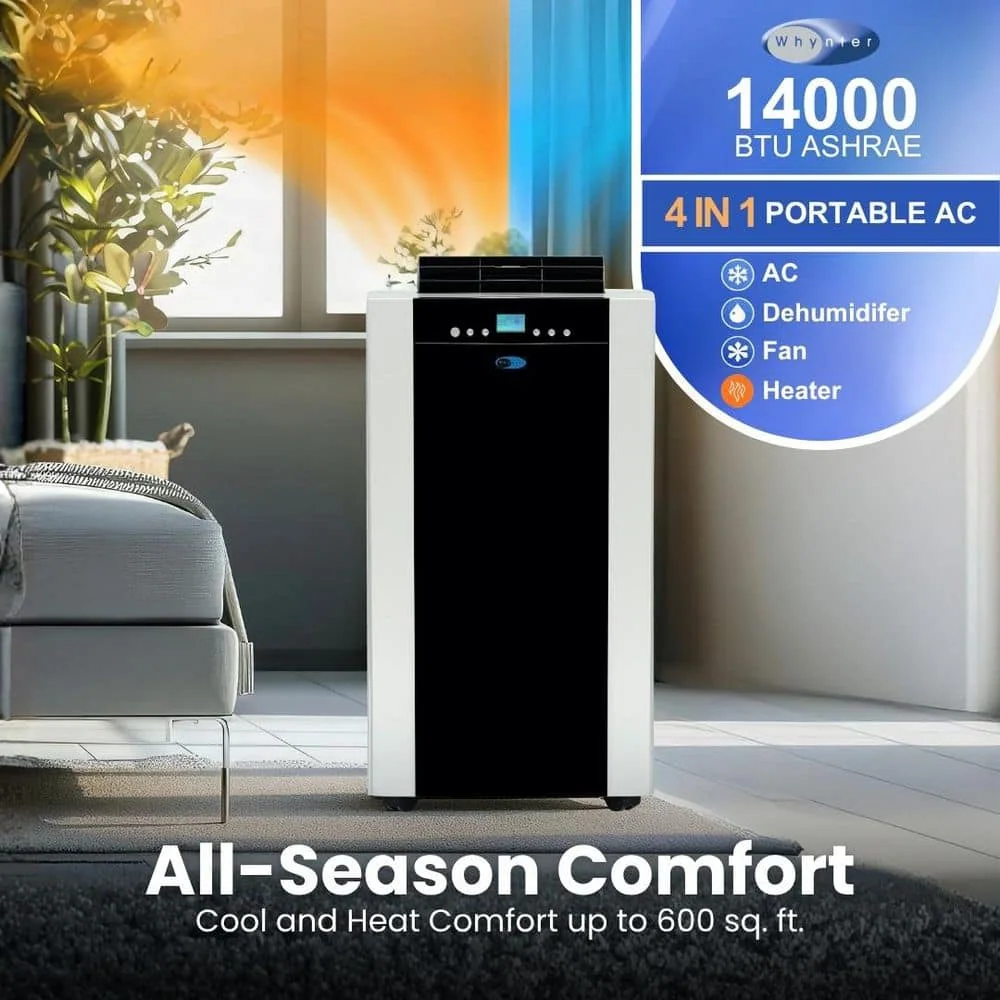
Whynter Dual Hose Portable Air Conditioner is the clearest buy for most small-room shoppers who want strong, straightforward cooling without overthinking the category.
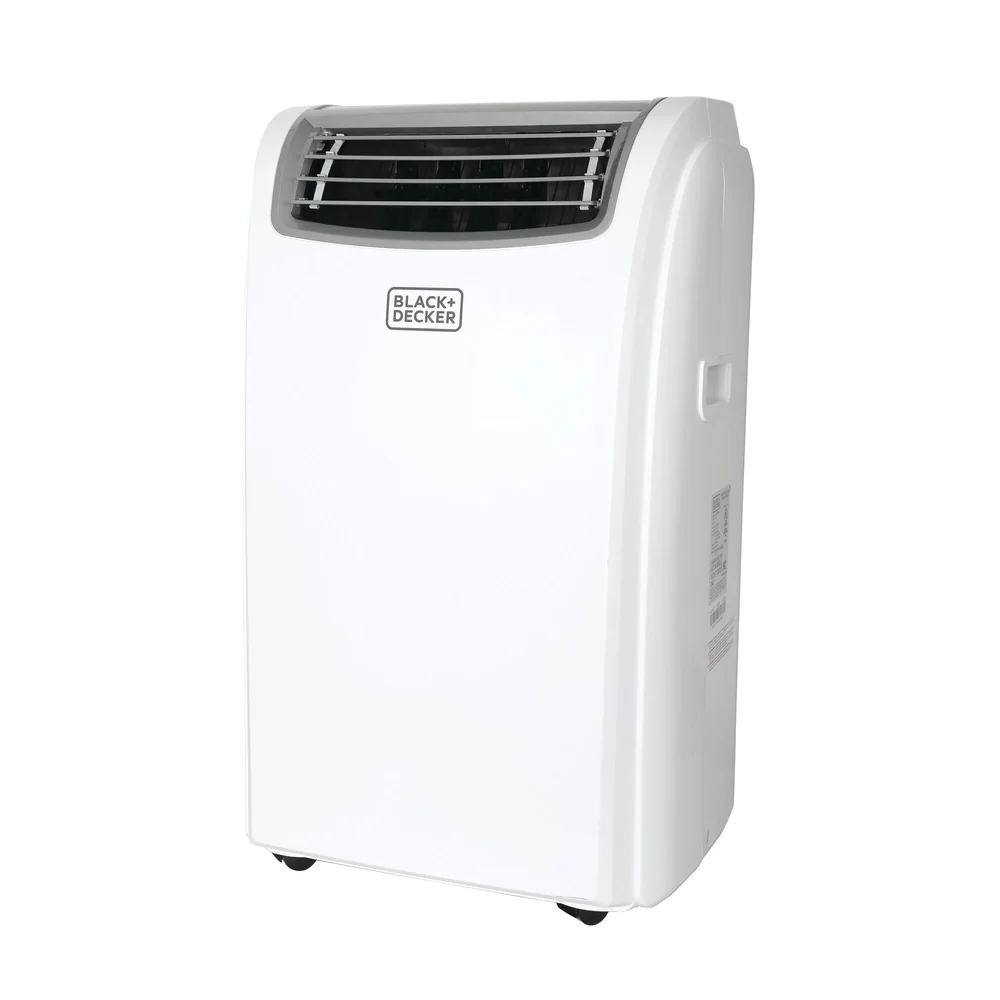
Black+Decker BPP08WTB is the right portable air conditioner for small bedrooms, home offices, and other compact spaces where you just need reliable cooling without paying for a bigger machine.
For portable ACs, the hose and window seal are part of the cooling system. A short, straight hose and a tight panel seal can matter as much as the unit's rated capacity.
Safety note: Use a properly grounded outlet and avoid extension cords. For window units, make sure the unit is securely supported so it cannot tip or fall.