
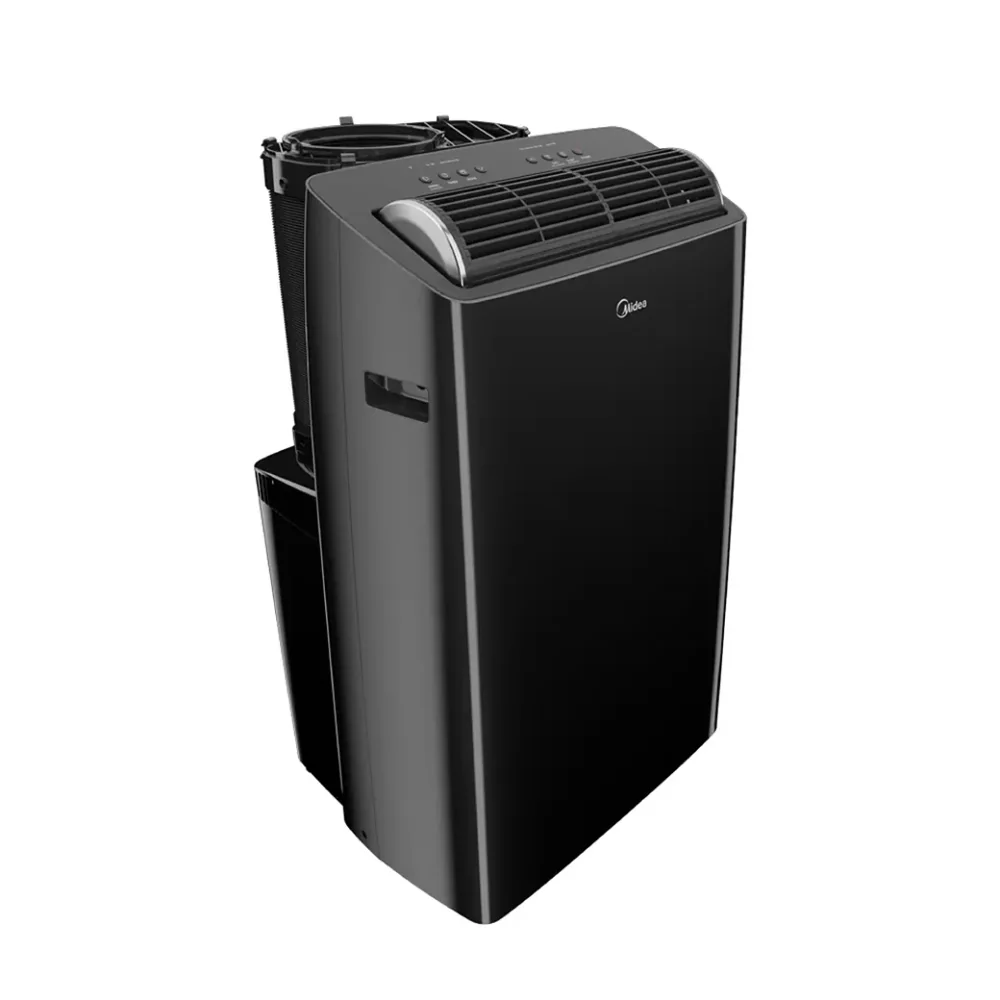
What to know first
- Inverter compressor helps avoid big temperature and humidity swings compared with basic on off portables.
- Dual-hose design helps reduce the hot air leakage and negative pressure issues common with single-hose units.
- Quiet on low is a real strength, but it can still sound rougher when pushed to high, and some people notice a low-setting grumble.
- Efficient when maintaining your set temperature, but energy use can be higher during the initial cooling phase.
- It’s a bulky, heavy machine, so plan on parking it in one room for the season.
What the Midea Duo Smart Inverter Portable Air Conditioner is
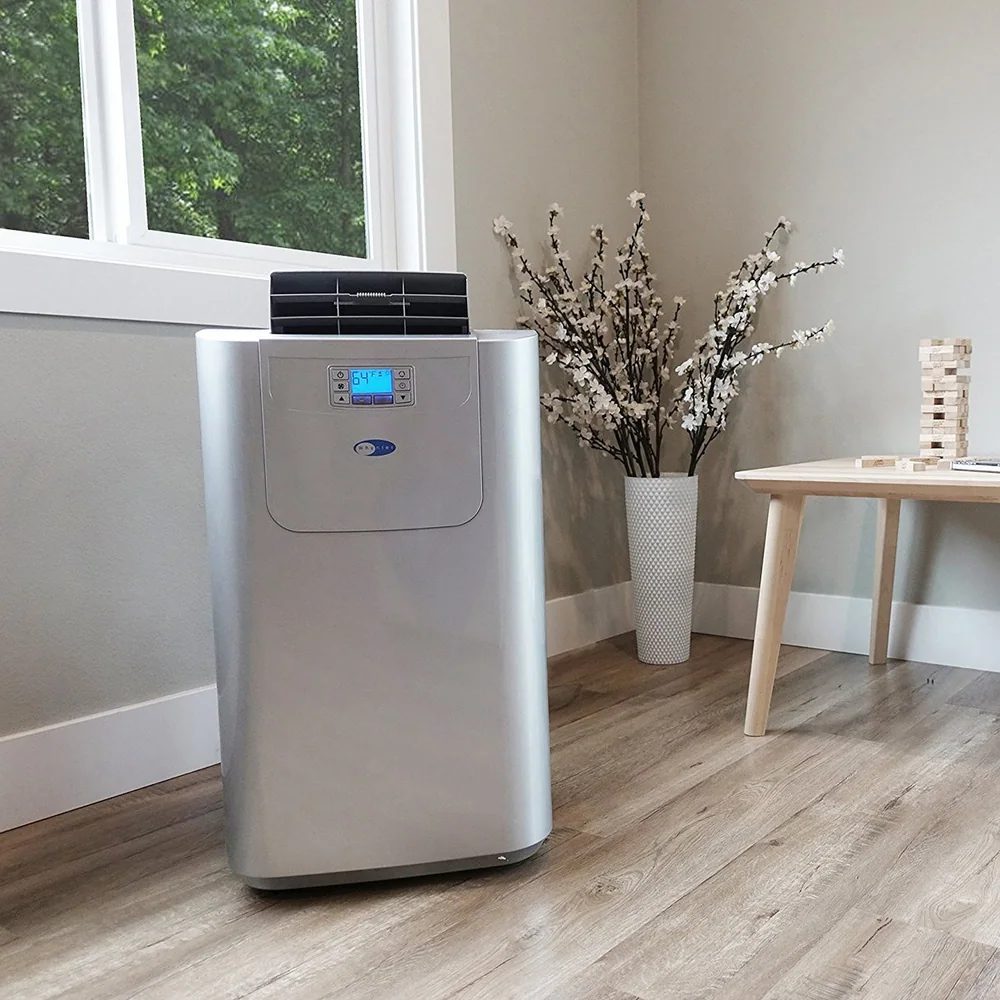
The Midea Duo Smart Inverter Portable Air Conditioner is a dual-hose portable air conditioner built around a variable-speed inverter compressor. In plain terms, it’s designed to cool a room without the usual portable-AC routine of loud bursts followed by long pauses.
Like other portable ACs, it sits on the floor and vents heat out a window through hoses and a window panel kit. The big difference is the hose setup. Instead of a single hose exhausting air and creating negative pressure in the room, this model uses two air paths, which generally helps a portable AC behave more like a “real” air conditioner and less like a compromise.
Buy it when you need a portable AC, but you still want to sleep, work, or relax in the same room without feeling like the machine is constantly interrupting you.
Why it stands out
The standout feature is the inverter compressor. A typical portable AC is basically full blast or off, which is why so many of them feel disruptive. The Midea Duo can modulate output, so once the room is cooled it can run at a lower level to hold your set temperature instead of constantly cycling. That’s the difference between “it’s cold for a minute” and “the room stays comfortable.”
Noise is the other reason people pay for this model. It runs very quietly during normal operation for a portable AC, and even at higher settings its noise level can be low enough to blend into common household background noise like conversation or a TV at normal volume. That said, it’s not silent. When you push it hard, you’ll hear it more, and some people notice a grumbly sound on the low setting.
The dual-hose design matters more than most shoppers realize. Single-hose portables can pull air out of the room and replace it with warm air leaking in from elsewhere in the home. Dual-hose units are built to reduce that effect, which can make the cooling feel more straightforward in real use, especially in rooms with high ceilings or layouts like long hallways.
Efficiency is a mixed story in a way that’s still shopper-friendly. This unit is not dramatically more efficient than similar portable designs during the initial cool down, but it tends to be highly efficient once it’s maintaining the set temperature, which is how most people run an AC for hours at a time.
What it is like to own
Day to day, the Midea Duo Smart Inverter is a portable AC you set up and leave in place for the season. It’s described as bulky, and it can be cumbersome to move around. If your plan is to roll it from a downstairs office to an upstairs bedroom every night, this is the wrong style of portable AC to buy.
Once it’s installed, the ownership experience is more modern than a lot of portables. It supports app control, and scheduling is one of the most useful real-world features. Being able to set it to cool a bedroom before you go to sleep or cool a living room before you get home is where smart features turn into daily convenience.
Controls are not perfect. One noted annoyance is that the display can be difficult to read (described as almost illegible), which matters if you rely on the unit’s front panel instead of the app or remote.
Like any portable AC, your results depend heavily on the window kit seal. A leaky panel lets heat back into the room and can make even a good machine feel underpowered. Take the time to seal gaps so the unit can do its job.
What to know before you buy
First, don’t shop portable ACs by the biggest room-size claim on the box. Real cooling depends on sun exposure, insulation, ceiling height, how many people are in the room, and whether doors are opening constantly. This model is considered capable for most rooms people actually use portable ACs in, but no portable is going to fix a blazing hot, open-concept space on its own.
Second, remember that “quiet” depends on how you run it. Low fan and lower output are easier to sleep with, but they also move less air and cool more slowly. The Midea Duo is unusually livable for the category, but if you crank it to high, you should expect more noise and a more typical portable-AC feel.
Third, portability is relative. Portable ACs are often heavy and awkward, and this one is specifically called out as hard to move. If you need true grab-and-go cooling, you’ll want a lighter unit even if it gives up some comfort and efficiency.
The specs that matter
Instead of blasting on and shutting off, it can run at lower output to maintain temperature. That usually means steadier comfort and fewer humidity swings.
Dual-hose portables are built to reduce negative pressure that can pull warm air into the room. In practice, that can make cooling feel more effective and less wasteful than many single-hose units.
Portable AC noise is inside the room with you. If you’re sleeping or working nearby, a quieter unit is the difference between using it all night and turning it off at 2 a.m.
If you run the AC for long stretches, maintenance efficiency is where your electric bill and comfort can improve compared with basic on off portables.
The inverter compressor can dial down in smaller rooms instead of short-cycling. That helps you avoid the cold and clammy feeling that happens when an AC is oversized for the space.
Scheduling lets you cool a room before you’re in it, which can feel like a big upgrade in daily life, especially for bedrooms at night.
A portable AC takes up floor space and needs a clear path to a window. If your bedroom is tight, the size can be the deciding factor.
Who this product fits
You want a portable AC for a bedroom and you’re a light sleeper
The Midea Duo Smart Inverter Portable Air Conditioner is built for this. Its low-setting quietness and smoother inverter operation make it easier to leave running overnight without the constant on off blast that wakes people up.
You need to cool a living room, but you can’t install a window unit
This model can perform quite well in bigger spaces like living rooms, and the dual-hose design helps it avoid some of the efficiency and comfort problems that make many single-hose portables feel disappointing.
You work from home and need steady comfort, not temperature swings
The inverter compressor can hold a set temperature more smoothly, which is exactly what you want when you’re on calls. You get fewer big swings in temperature and perceived humidity.
You like the idea of cooling on a schedule
App scheduling is genuinely useful here. You can set it to start cooling before bedtime or before you get home, so you’re not waiting around for the room to become comfortable.
What else to compare
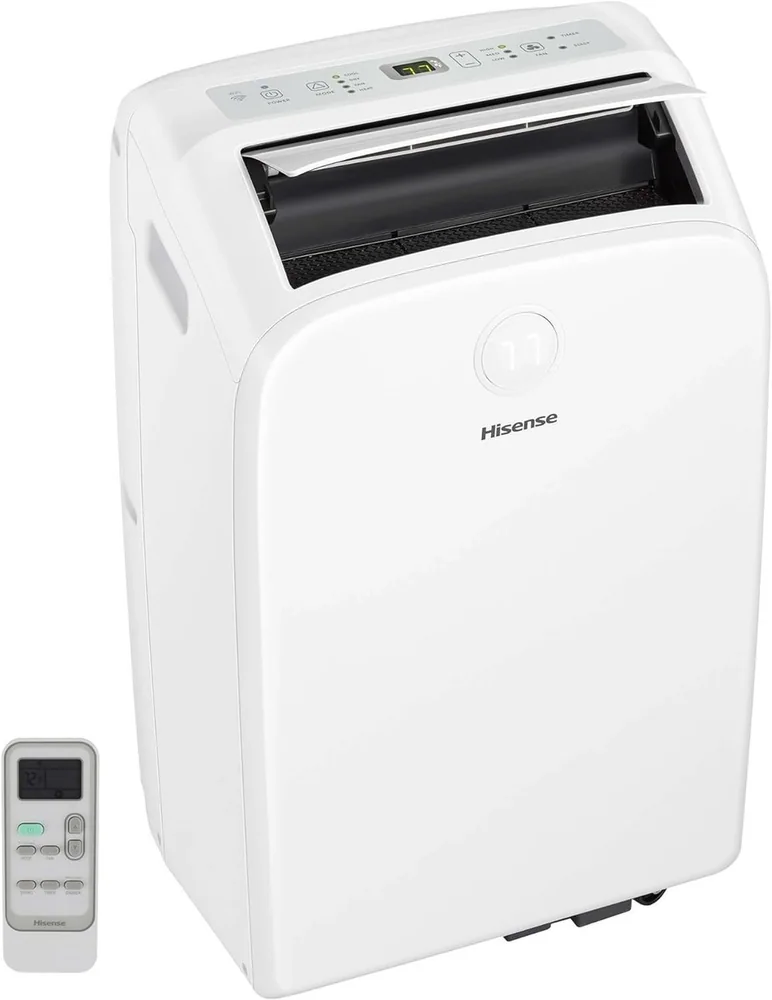
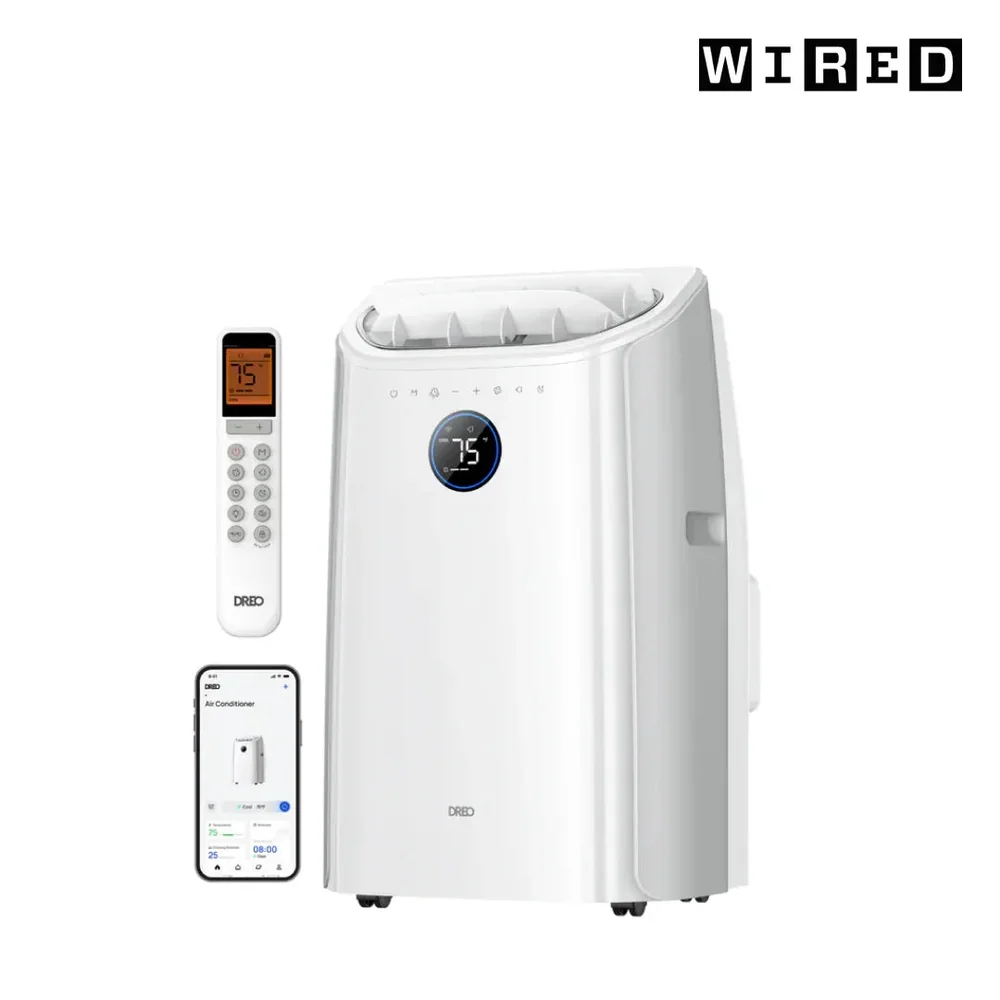
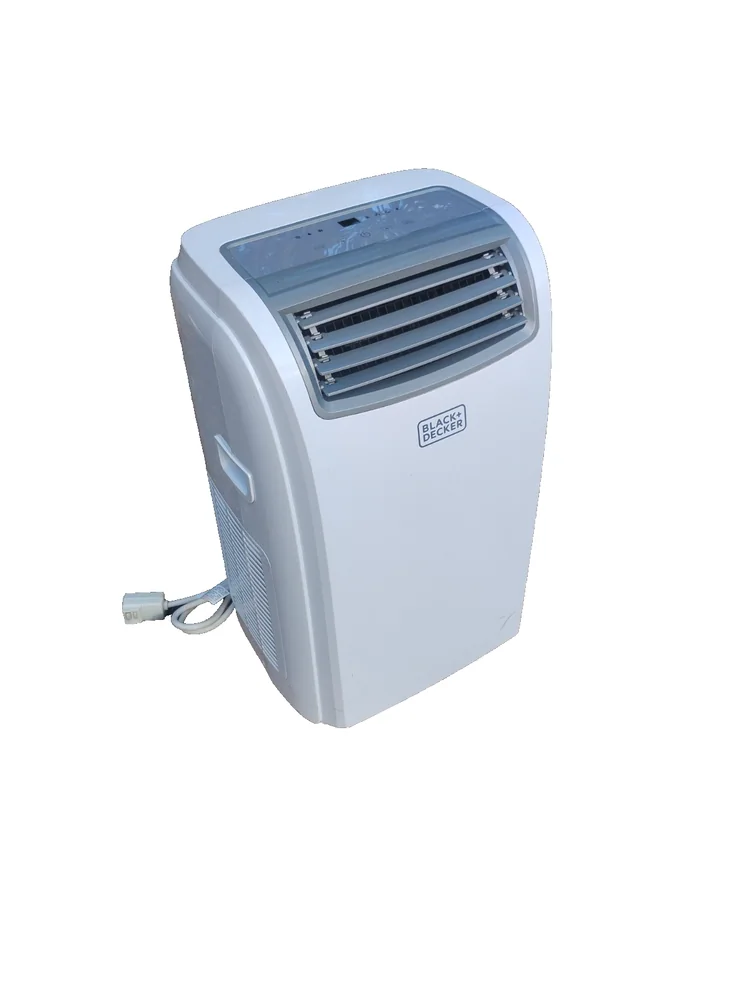
If the Midea Duo Smart Inverter Portable Air Conditioner isn’t the right fit, these are the other portable AC directions that make sense.
Midea Duo Smart Inverter Portable Air Conditioner FAQ
Is the Midea Duo Smart Inverter Portable Air Conditioner actually quiet enough for a bedroom?
It’s one of the quieter portable AC options, especially during normal operation and on lower settings. Keep expectations realistic though. Like any portable, it can be more noticeable when running hard, and some people notice a grumble on low.
What does an inverter compressor change in a portable air conditioner?
An inverter compressor can ramp output up and down instead of running full blast and shutting off. That helps the room stay closer to your set temperature and can reduce the “cold then sticky” feeling that comes from aggressive cycling.
Is a dual-hose portable AC better than a single-hose model?
Often, yes. Dual-hose designs are meant to reduce negative pressure that can pull warm air into the room, which can improve real-world cooling efficiency and comfort compared with many single-hose portables.
Will it cool a large room?
It can perform quite well in bigger spaces like living rooms, but “large room” claims always depend on heat load. Sun, insulation, ceiling height, and open doorways can overwhelm any portable AC, and a comparable window unit will usually cool faster.
Is it easy to move from room to room?
Not really. It’s described as very bulky and cumbersome to move, so it’s better as a one-room-for-the-season solution than a daily back-and-forth machine.
Should you buy the Midea Duo Smart Inverter Portable Air Conditioner?
Buy the Midea Duo Smart Inverter Portable Air Conditioner if you need a portable AC but you don’t want to put up with the usual portable AC annoyances. The inverter compressor and dual-hose design are the real story here. They help it run more smoothly, stay more consistent, and keep noise more manageable than many typical portables.
Skip it if your main goal is portability in the literal sense. This is a bulky, heavy unit that makes the most sense when you can install it once and leave it. If that matches your home and your routine, it’s a smart upgrade for bedrooms and everyday living spaces.