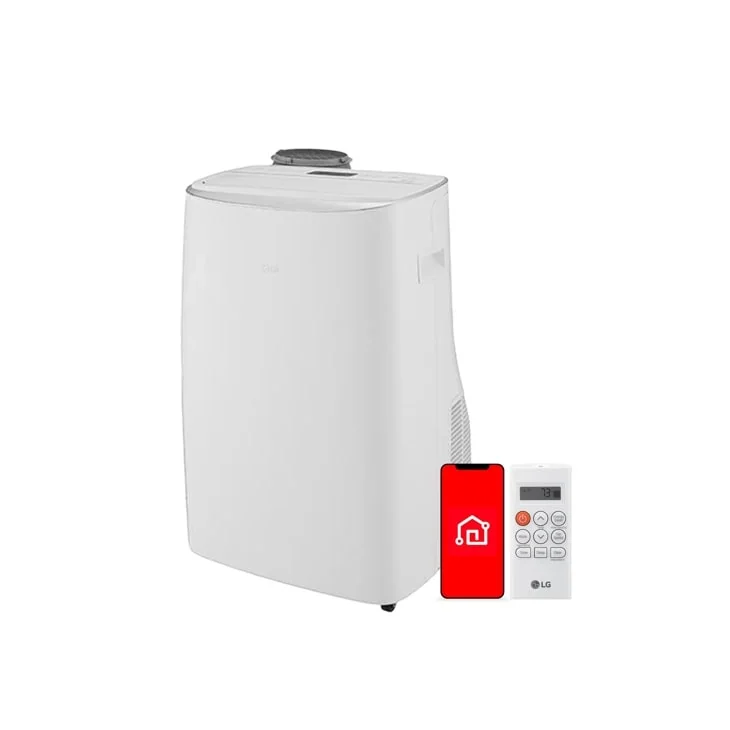
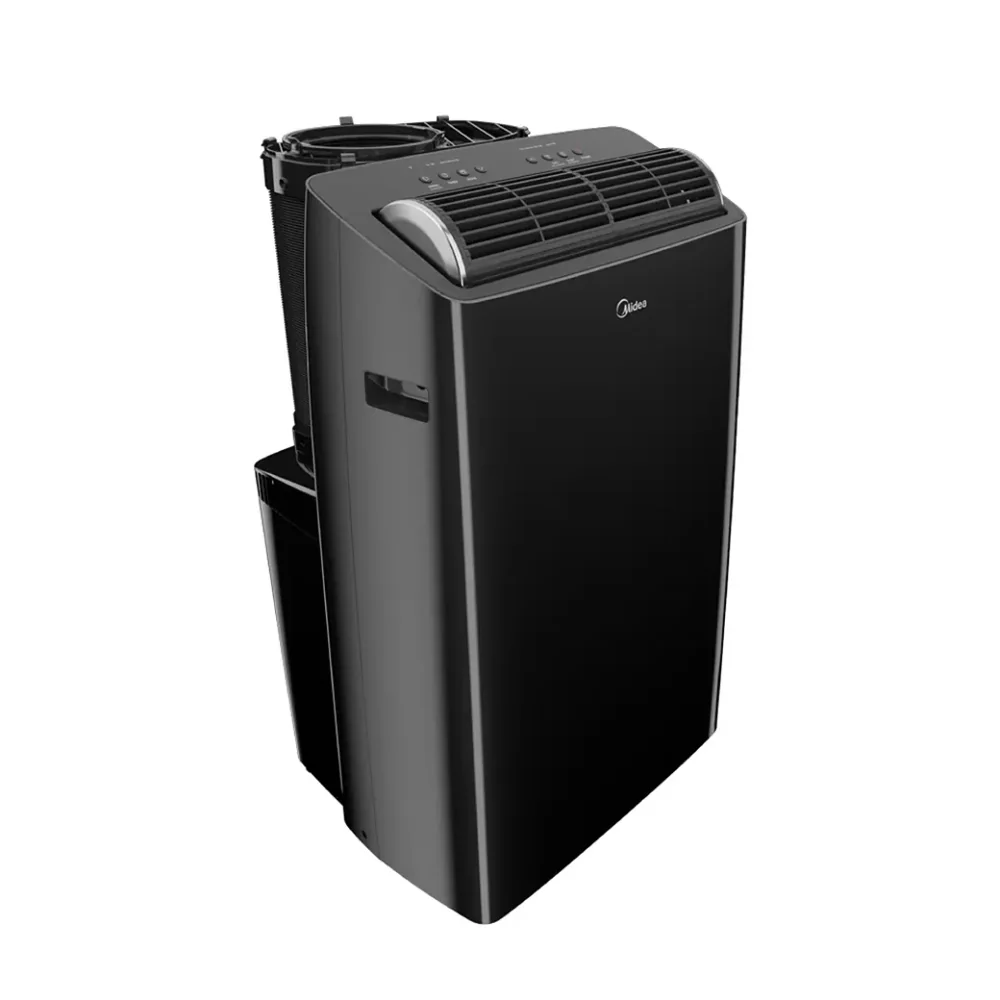
Choose the room
Pick the smallest room you can realistically live in for long stretches, because portable AC capacity is limited. Bedrooms often work well because you can close the door and you usually have a window for the exhaust kit. Favor a room with fewer exterior walls, less afternoon sun, and fewer heat sources. A top floor room under a hot attic, a room with west facing glass, or a kitchen next to an oven will demand much more cooling than the same square footage elsewhere.
Set expectations: a portable AC is best at cooling one enclosed space, not several open rooms around corners. Close doors to hallways and unused rooms, and use a towel or a simple door sweep at the bottom if there is a big gap. If you have central air that cannot keep up, still closing off the "cool room" helps because it reduces the amount of warm air mixing in. The more you isolate the room, the more stable the temperature will feel.
Block incoming heat
Sunlight through glass is often the biggest heat load in a heat wave. Shade the window from the outside if you can, because stopping sun before it hits the glass is more effective than blocking it indoors. If you cannot shade outside, close blinds and curtains, and consider adding a temporary reflective layer behind the curtain. Even a small strip of uncovered glass can act like a heater when the sun is strong.
Reduce heat you create inside the room. Turn off unused lights, avoid running a gaming PC or other high draw electronics in the cool room, and keep cooking out of that space. If you must work in the room, place heat producing devices near the door so their heat is easier to push out when you briefly open it. During the hottest hours, keep the door closed as much as possible, because each opening trades cool air for hot, humid air that the unit then has to dry and cool.
Seal the exhaust
The exhaust hose is the portable AC's lifeline. It carries hot air out, and any leak around the window kit lets that heat come right back in. Install the window panel so it sits flat, then seal gaps around the panel edges and where the hose connects. A good seal often improves comfort more than lowering the thermostat setting, because the unit stops re cooling its own exhaust heat.
Keep the hose as short and straight as your layout allows. Long, kinked, or crushed hoses restrict airflow, which can reduce cooling and increase noise. If the hose feels very hot, that heat is radiating back into the room. You can reduce that effect by keeping the hose away from where you sit or sleep and by avoiding contact with curtains or bedding. After setup, run the unit for 15 minutes and feel around the kit for warm drafts that signal leaks.
Keep air moving safely
Portable ACs cool best when the cold air mixes through the room instead of pooling near the unit. Aim the louvers so air travels across the room, not straight down. If you have a small fan, use it to circulate air within the room, which can make the space feel more even and let you use a slightly higher temperature setting while staying comfortable. Avoid placing the unit in a tight corner where it cannot pull in room air freely.
During a heat wave, comfort and safety are linked. If someone is heat sensitive, prioritize stable temperature over aggressive cycling. A steady setting with moderate fan speed often feels better than blasting cold air and then letting the room warm up. Keep drinking water accessible, and plan short "door open" breaks only when needed. If the unit has a full tank alert or shuts off, address drainage immediately so cooling does not stop overnight.
What this guide helps you understand
A portable AC can feel dramatically stronger when you treat the room like a sealed box: pick a smaller, shadier room, block sun, close doors, and make the exhaust path tight and short so the unit is not cooling against constant heat leaks.
A closeable room with a window or approved exhaust opening, and a window kit that can be sealed with no obvious warm drafts.