Fit the panel
Start by confirming the window type and how the kit is meant to sit. A sash window usually uses a vertical panel, while a sliding window uses a horizontal panel. Extend the panel to the correct length, then lock it in place using the kit's brackets or the window's own latch if possible. The panel should not bow or twist, because a warped panel creates gaps that are hard to seal later.
If the panel is too short, do not "stretch" the sealant to make up the difference. Add a rigid filler piece so the window closes firmly against something solid. Cardboard can work in a pinch but tends to leak and soften with moisture. A thin rigid sheet cut to size is easier to seal and makes the whole assembly feel secure. Once the panel is stable, you can focus on sealing the perimeter instead of fighting movement.
Seal the edges
Seal where the panel meets the window frame, and where the window sash meets the panel. Weather stripping (foam tape) is the usual fix because it compresses and stays removable. Apply it to clean, dry surfaces so it sticks, and use continuous runs rather than short patches. Pay attention to corners, because small corner gaps can leak a surprising amount of hot air.
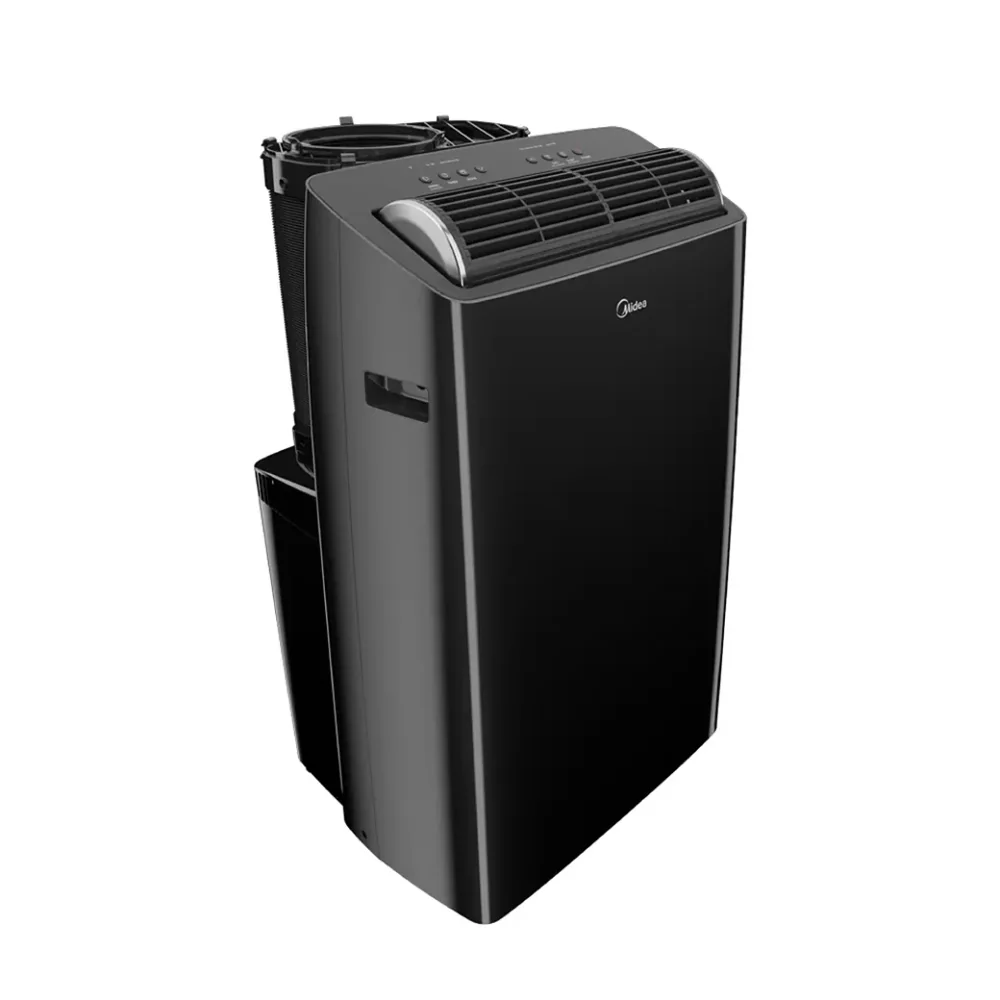
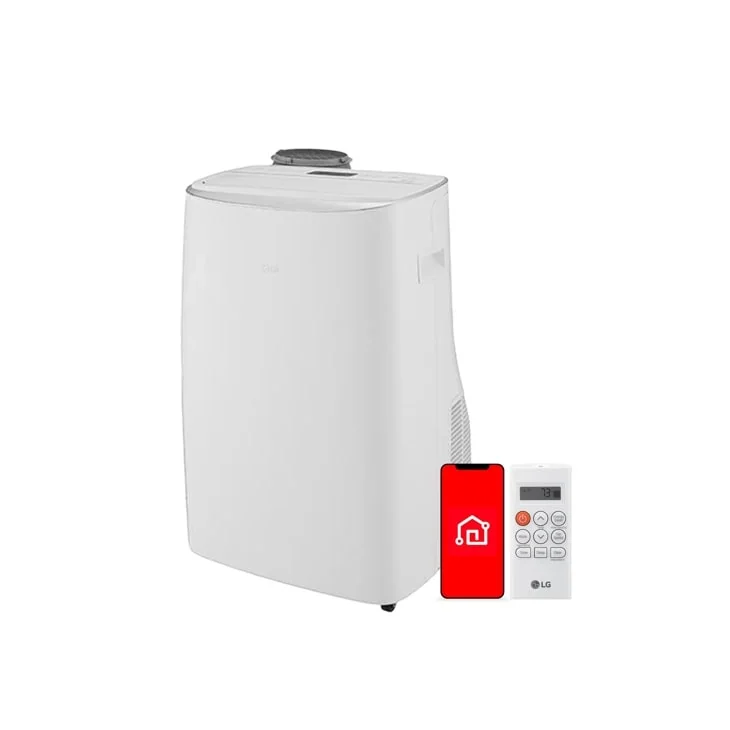
Next, seal the hose port connection. The hose should twist or snap into place without wobble. If it feels loose, warm air can leak around the collar and blow straight into the room. After sealing, run the AC and use your hand to check for warm air around the panel edges and the hose mount. If you feel a draft, fix that spot first. One good seal is worth more than adding layers everywhere.
Keep the hose short
Hose length and shape affect both cooling and sealing. A long hose has more surface area radiating heat back into the room, and it is more likely to sag and pull on the window connection. Keep it as short as the manufacturer allows, avoid sharp bends, and route it so it is not being tugged when you move the unit slightly for cleaning or drainage.
Do not run the hose into another room, an attic, or a drop ceiling unless the unit specifically allows that kind of installation. The exhaust air is hot, and dumping it into an enclosed space can create heat buildup and back pressure that hurts performance. Also avoid crushing the hose behind furniture. Restricted exhaust can make the unit louder and can lead to poor cooling because the system cannot move heat out efficiently.
Check security and rain
A window held partly open by a kit can be a security weak point. Use the window's lock if it still engages, or add a simple removable stop so the window cannot be opened farther from the outside. Make sure the panel cannot be pushed inward easily. A stable panel also seals better because it does not shift when the compressor starts and stops.
Think about weather. Wind driven rain can find its way through small gaps, especially on sliding windows. Angle the panel and seals so water sheds outward, not into the room. Keep curtains and fabric away from the hose and the window opening so they do not wick moisture. After the first heavy rain, inspect the sill and the bottom edge of the panel for dampness and reseal any spot that shows water tracks.