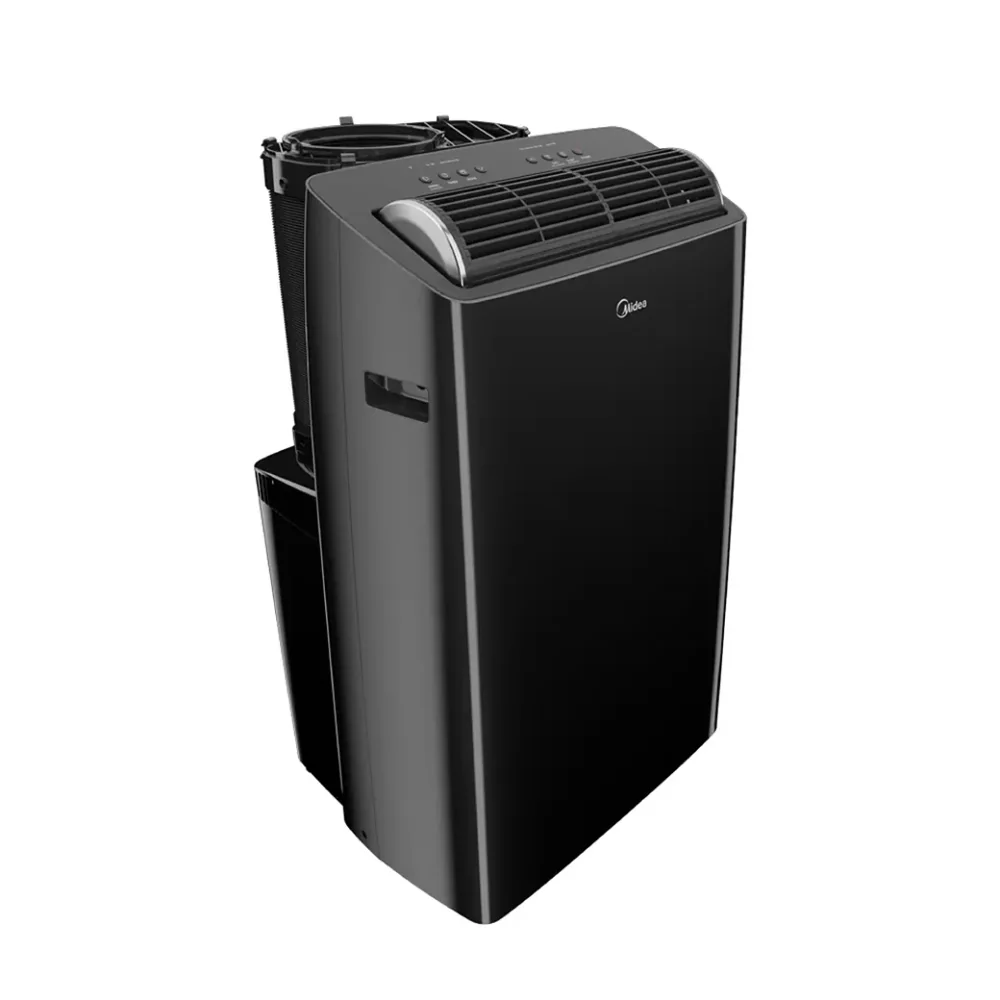
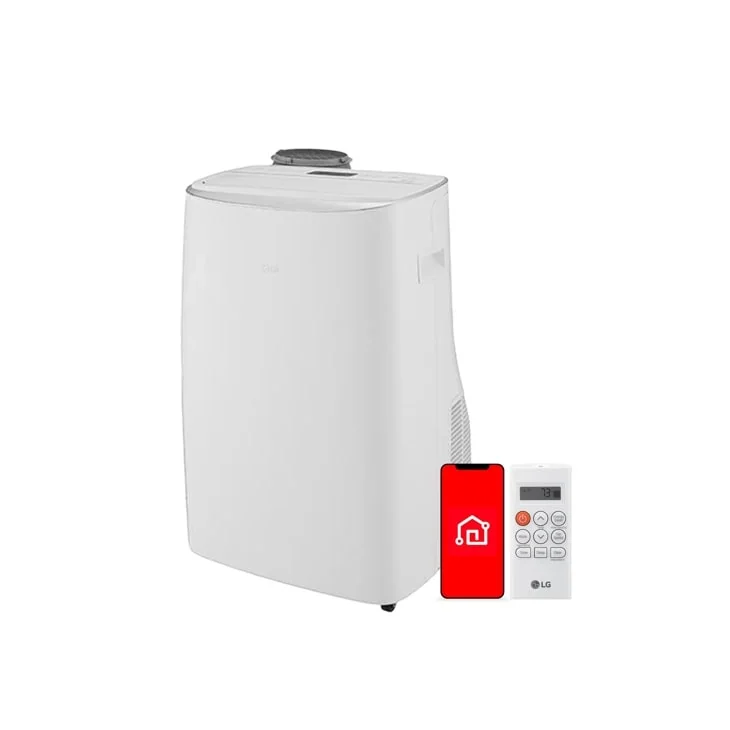
Pre-cool before bed
Start cooling earlier than you think you need. Bedrooms often feel hottest right at bedtime because the room has stored heat in walls, bedding, and furniture all day. If you run the unit hard for 30 to 90 minutes before sleep, you remove that stored heat so the unit can coast on a lower, steadier setting later.
Pre-cooling also reduces compressor cycling. Cycling is when the compressor turns on and off to maintain temperature, and the start up can be the loudest moment. If your unit has an inverter compressor (variable speed), it can often run at a lower output more continuously, which tends to sound smoother. Even without an inverter, a cooler starting point usually means fewer abrupt restarts overnight.
Reduce vibration
A lot of "noise" is actually vibration. If the unit sits on a slightly uneven floor, or if the hose pushes against the window frame, the vibration can transfer into the building and sound louder than it should. Make sure the unit is level, the casters are locked if your model has locks, and the hose is not acting like a spring that presses the unit into the wall.
Small changes can help. Pull the unit a little away from the wall so it is not touching baseboards. Keep the exhaust hose from rubbing the window kit. If the unit is on a hard floor, a firm, flat mat can reduce rattles, but avoid anything thick and squishy that blocks airflow under the unit or makes it unstable. Also secure any loose window panel pieces so they do not buzz when the fan ramps up.
Choose a steady setting
For sleep, steady is usually better than "cold fast." A very low thermostat setting can make the unit run at full blast, then shut off, then restart loudly when the room warms. Instead, pick a temperature you can maintain and a fan speed that is tolerable. If your unit offers a "low" or "quiet" fan, try it after pre-cooling so the unit is not fighting uphill.
Pay attention to humidity too. In humid weather, the unit may run longer to remove moisture, and that can change the sound profile. If your unit has a dedicated dehumidify mode, it may reduce temperature control and change drainage needs, so use it intentionally. The best bedroom setting is the one that avoids frequent starts, keeps the air moving gently, and does not leave you waking up sweaty at 3 a.m.
Keep airflow comfortable
Do not aim the cold air stream directly at your face or chest. Direct airflow can feel drafty, dry out your nose and throat, and wake you up even if the room temperature is fine. Aim the louvers so the air travels across the room and mixes, or bounces off a wall at an angle rather than hitting the bed head on.
Also manage the room so the unit does not have to work as hard. Close the bedroom door, block light with shades, and keep heat sources out of the room at night (charging laptops, gaming consoles, and even some lamps add heat). If you use a fan, use it to circulate air within the bedroom, not to push air out the door. Better mixing lets you set the AC a bit higher, which often reduces noise.