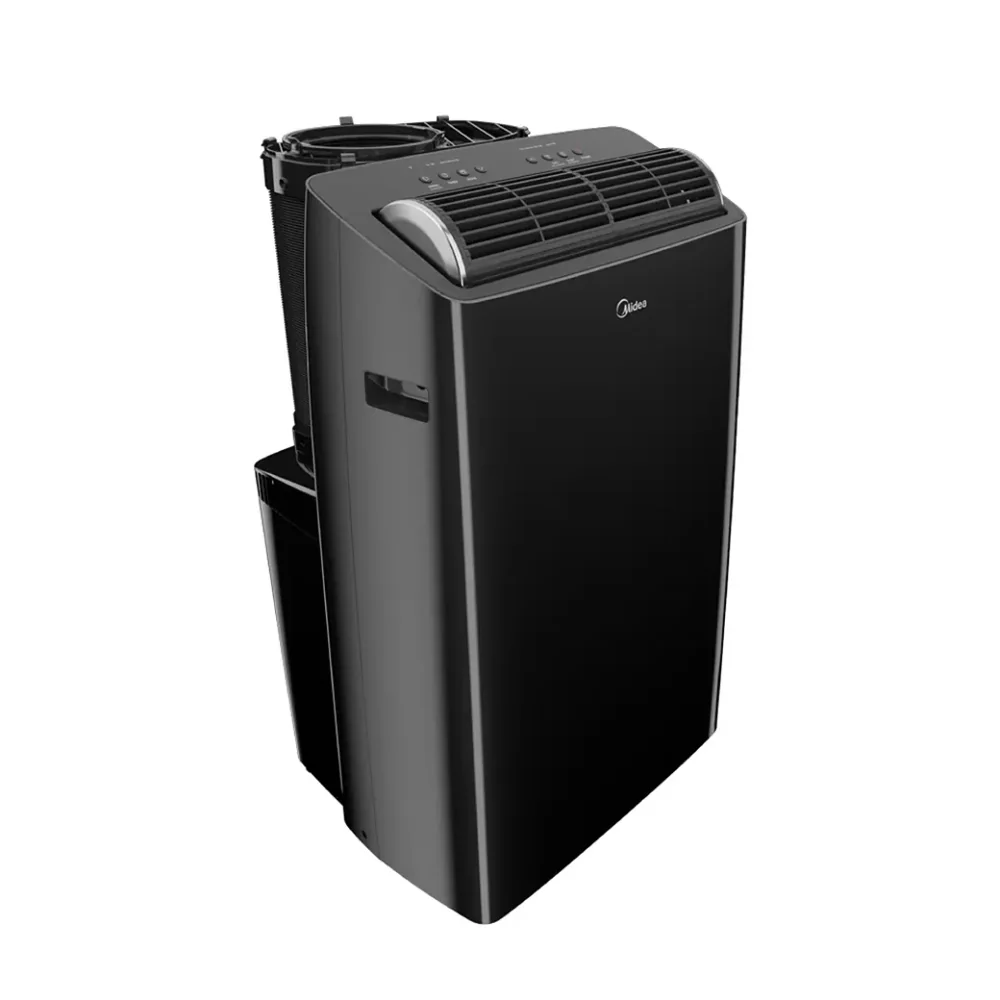
Portable AC noise comes from the compressor, fan, and vibration, and the quietest setup is the one that avoids high fan speeds and constant cycling.
Reading time: 9 minutesBest for: Light sleepers, bedroom shoppers, and anyone trying to cool a home office without constant fan roar or disruptive cycling.
The three main noise sources: compressor, fan, and airflow
The compressor is the heart of the AC system. When it runs, it creates a low frequency hum and sometimes a higher pitched whine. The fan adds broadband noise, basically the rushing sound of air moving through the unit and out the louvers. Airflow noise increases quickly as fan speed rises, so a unit that needs high fan to feel effective will usually be harder to sleep with. Also remember that portable ACs exhaust air through a hose, and that moving air can create its own hiss at the window kit.
Noise also reflects off surfaces. A unit placed in a corner can sound louder because walls amplify certain frequencies. Hard floors can transmit vibration, while thick rugs can damp it. If you have to place the unit near the bed, pay attention to the direction of the supply air. A strong cold draft can wake you up even if the unit is not especially loud. Comfort at night is a mix of sound, airflow, and temperature stability.
Inverter vs non inverter: why cycling is the sleep killer
An inverter compressor can vary speed instead of running only fully on or fully off. In practice, that can mean fewer abrupt starts and stops and more steady background sound. A non inverter unit often cools aggressively, shuts off, then restarts when the room warms up. Those transitions are what many sleepers notice. Even if the average sound level is similar, the change in sound can be more disruptive than a constant whoosh.
Inverter designs can also help at partial load, meaning when the room is close to the set temperature. Instead of blasting at full output, the unit can maintain temperature with less fan and compressor intensity. The ownership consequence is that you may be able to run a quieter setting more of the night. That said, inverter does not automatically mean silent. Poor window sealing, a hot room, or an undersized unit can still force high output and higher noise.
Sound ratings and what to look for in the fine print
Manufacturers may list a decibel rating, but the number is only meaningful if you know the conditions. Some list a low speed number that sounds great but does not represent typical cooling. Others list a range without saying which mode it applies to. When comparing units, look for multiple sound values (low and high) and pay attention to whether the rating is tied to a specific fan speed. If you only see one number, assume it is not the worst case.
Also consider where the noise is coming from. A louder unit that can sit farther away may be easier to live with than a slightly quieter unit that must be placed right next to the bed because of hose length or window location. Think about your room layout: can you place the unit across the room and aim the airflow toward the center? Can you close doors to reduce sound transmission to others? Placement is a free noise control tool if you plan for it.
Practical quieting: setup choices that reduce noise tonight
Start with the window kit seal and the hose path. A leaky kit can cause the unit to run harder and longer, which increases noise. A long or kinked hose restricts exhaust, which can raise fan speed and add turbulence noise. Keep the hose short, avoid sharp bends, and make sure the hose connections are tight. If the exhaust hose radiates heat back into the room, the unit runs more, so insulating the hose can indirectly reduce noise by reducing run time.
Vibration control helps with the annoying stuff: rattles, buzzing, and floor transmitted hum. Make sure the unit sits level, because an uneven base can increase vibration and can also affect how condensate moves inside the unit. Keep the unit a little away from walls so it does not rattle against trim. If your floor is very resonant, a dense mat can reduce vibration transfer. Finally, use sleep mode carefully. It often lowers fan speed, which is quieter, but it can also reduce cooling and make the room warm up by morning.
What this guide helps you understand
Choose a portable AC that can meet your room's cooling needs at a low, steady operating level, because steady output and good setup matter more than a single "quiet" claim.
Plan a placement that allows a short, straight exhaust hose and puts the unit as far from the bed as practical while still delivering airflow into the room.
Products that fit this category guide
As an Amazon Associate I earn from qualifying purchases.
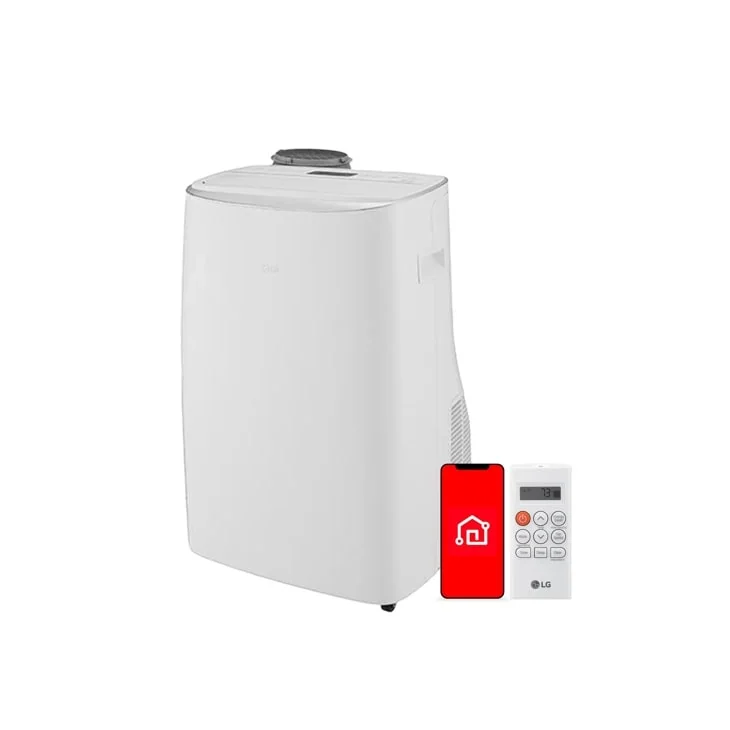
LG Wi-Fi Connected Portable Air Conditioner fits anyone who wants to control a portable air conditioner from their phone and keep day to day adjustments simple.
If nighttime noise feels worse than daytime, check for rattles from the window panel and hose collar first, because small gaps and loose plastic parts often create the sharpest sounds.