
What to know first
- Dual-hose design helps a portable AC cool more efficiently than typical single-hose models.
- Includes a dehumidifier mode, useful for muggy bedrooms and offices.
- Portable ACs still require venting through a window kit, and sealing that kit well matters for performance.
- Noise is part of the deal with any portable AC because the compressor sits in the room.
- “No-drain” style operation depends on humidity. In very humid conditions, you may still need to manage condensate.
What the Whynter Dual Hose Portable Air Conditioner is
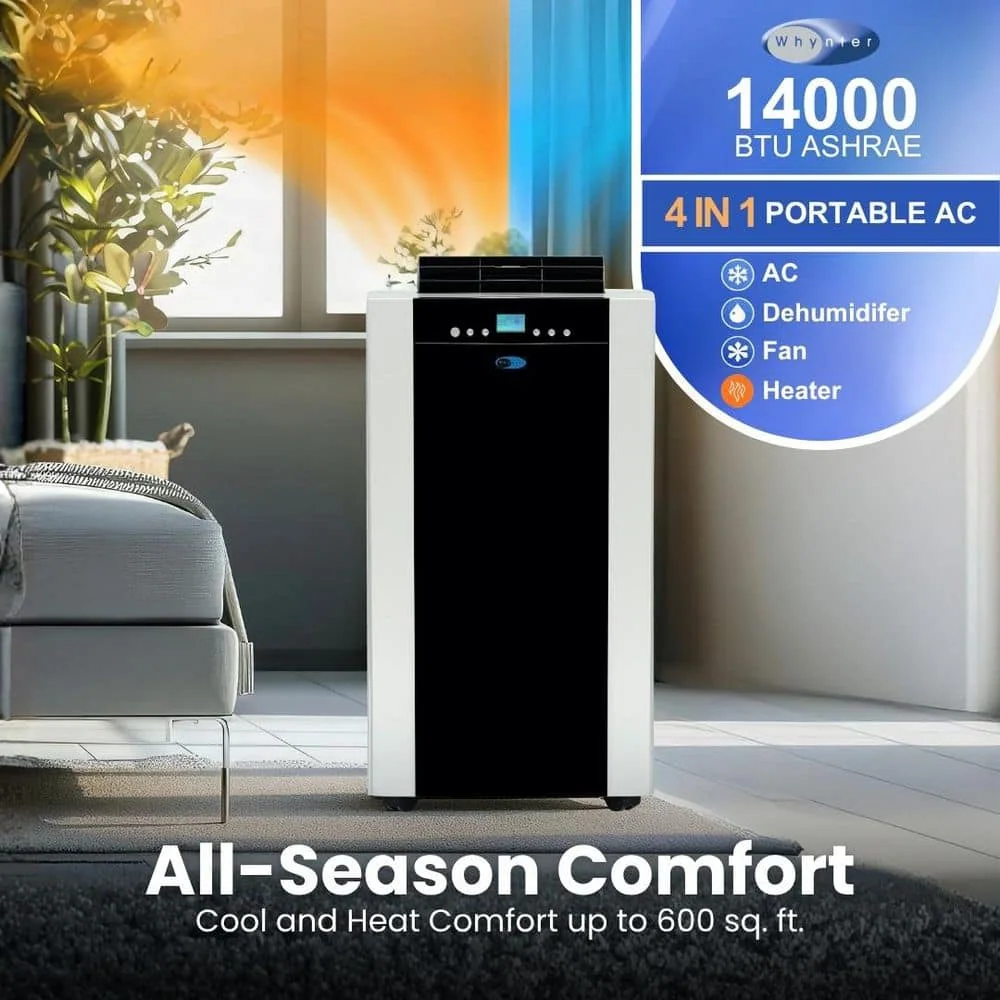
Whynter Dual Hose Portable Air Conditioner is a floor-standing air conditioner on casters that cools a room by pulling heat out of indoor air and sending that heat outside through exhaust hoses. You park it near a window, attach the hoses to a window panel, plug it in, and it starts blowing cooled air back into the room.
The big design choice here is in the name: dual hose. Instead of using one hose to exhaust hot air and relying on room air for everything else, it uses two hoses to manage intake and exhaust. In plain terms, that usually means less “fighting the house” while it cools, which is a common frustration with single-hose portable ACs.
It also has a dehumidifier mode. That matters because a room can feel miserable even at a decent temperature if the air is wet. Pulling moisture out can make the space feel more comfortable faster, and it can help in bedrooms and offices where you are trying to sleep or work, not just survive the heat.
Why it stands out
The dual-hose layout is the reason to pay for this model. With many single-hose portable ACs, exhausting air out the window can create negative pressure in the room, which encourages warm outdoor air to leak back in through cracks and gaps. Dual-hose designs reduce that effect because the unit can pull in outside air through one hose while exhausting through the other, instead of stealing as much already-cooled indoor air.
In everyday use, that can translate to more consistent cooling in the room you are actually sitting in. It is also a setup that makes sense if you are trying to cool a small room and want the portable unit to feel less like a compromise compared to a window AC.
The other standout is that it can run as a dehumidifier. In humid climates, dehumidifying is not a bonus feature. It is part of what makes a room feel livable. If you have ever had a portable AC running and still felt clammy, a stronger focus on moisture removal can be the difference between “technically cooler” and “actually comfortable.”
What it is like to own
Owning a portable AC is mostly about the setup and the seal. You will install the window kit, connect the hoses, and then you will want to make sure the panel fits tightly so you are not venting hot air right back into the room. A leaky window panel can undo a lot of the benefit you are paying for, especially with portable units.
Placement matters more than people expect. The closer you can keep the unit to the window, the better, because a longer hose run gives more surface area that can radiate heat back into the room. You also want some breathing room around the unit so it can move air without being blocked by curtains or furniture.
Noise is the reality check with any portable air conditioner. Unlike a window unit where the loudest parts sit outside, the compressor and fan are in the room with you. This Whynter is relatively quiet for its class, but you should still expect audible compressor and airflow sounds, especially on higher fan settings.
On the moisture side, remember that “self-evaporating” style operation depends on humidity and mode. In very humid conditions, portable ACs can still need drainage management. If you are buying this partly for dehumidification, plan for the possibility that you may need to empty a tank or set up a drain depending on your room and climate.
What to know before you buy
Do not buy any portable AC based on a big room-size promise alone. Real cooling depends on sun exposure, insulation, ceiling height, how many people are in the room, and how often doors open. If you are trying to cool a space that gets blasted by afternoon sun, you may need more capacity than the room’s square footage suggests.
Dual-hose is a real advantage, but it can also mean a larger, more involved window setup than a basic single-hose unit. Before you buy, measure your window opening and think through where the hoses will sit. If your window is small or your room layout forces the unit far from the window, you are making the job harder than it needs to be.
Finally, treat “quiet sleep mode” claims with context. Lower fan settings can reduce noise, but they also reduce cooling and air movement. If you need the room to drop fast, you will probably run it louder at first, then back it down once the space is comfortable.
The specs that matter
Dual-hose designs reduce the negative-pressure effect common with single-hose units, so the AC is less likely to pull warm outdoor air back into the room while it runs.
In humid weather, removing moisture can make a room feel comfortable even before you hit your exact target temperature.
Portable units only work as well as the venting setup. A tight window seal and a short hose run help keep heat from leaking back in.
When you compare portable ACs, the DOE number is the one that better reflects real-world cooling. If you can find the DOE rating for this exact Whynter model, use it for apples-to-apples comparisons.
Even a “quiet” portable AC is still audible in a bedroom or office. Plan to use higher fan settings for fast cooldown, then lower settings for steadier comfort.
Who this product fits
A muggy bedroom that never feels comfortable
Whynter Dual Hose Portable Air Conditioner gives you two levers: cooling and dehumidifying. On sticky nights, running it to pull moisture out can make the room feel less clammy, not just a couple degrees cooler.
A small home office where you cannot install a window unit
If your building rules or window style make a window AC a nonstarter, this dual-hose portable setup is a more efficient way to cool than many single-hose portables, as long as you can vent it properly.
You are tired of a single-hose portable that feels like it is losing the battle
Switching to a dual-hose design can reduce the warm-air leakage effect that comes from negative pressure. That can make the room feel more consistently cooled instead of cycling between chilly air blasts and a warm, stuffy baseline.
What else to compare
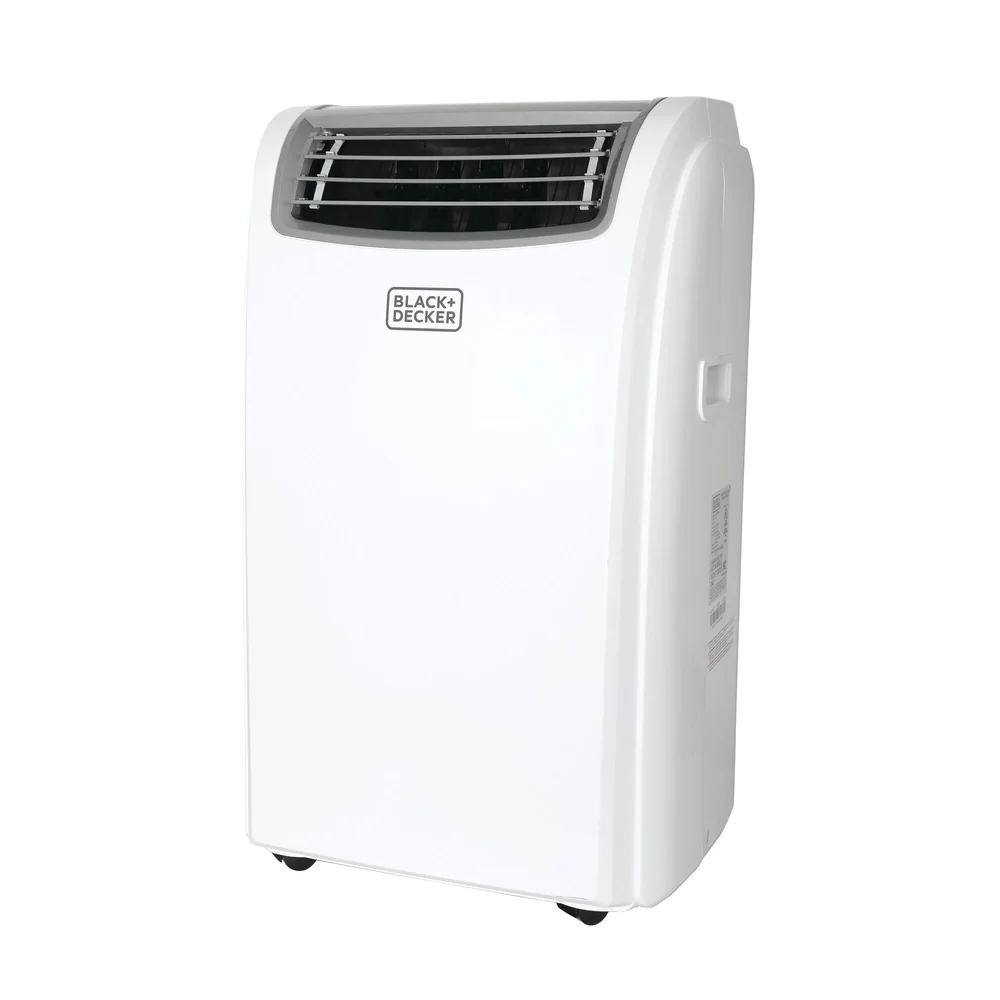
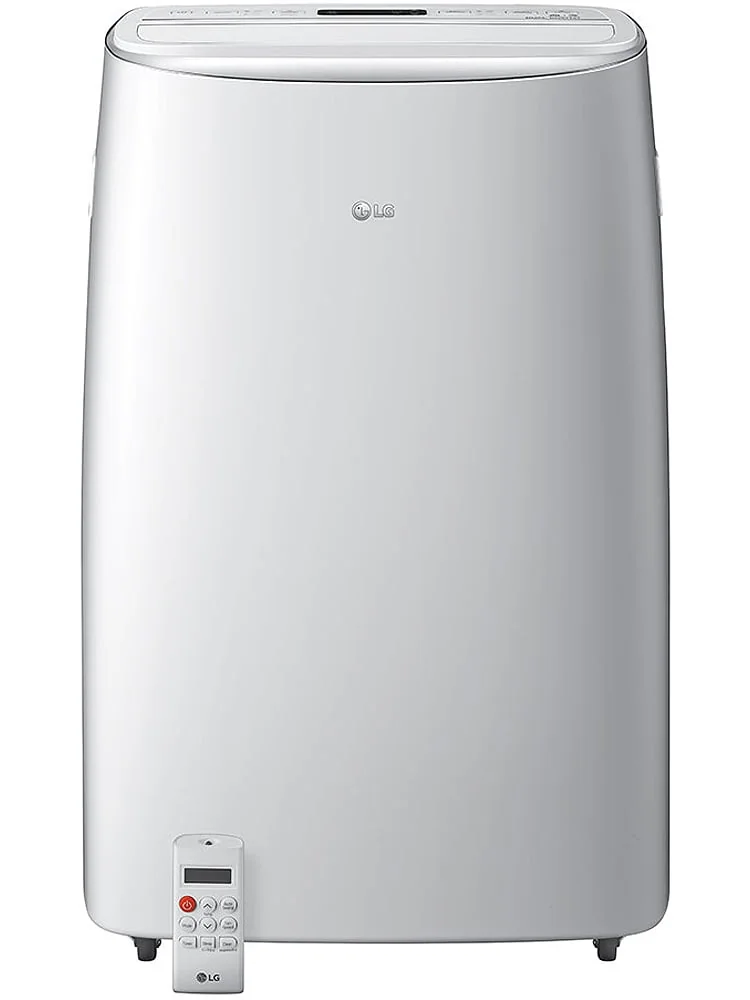
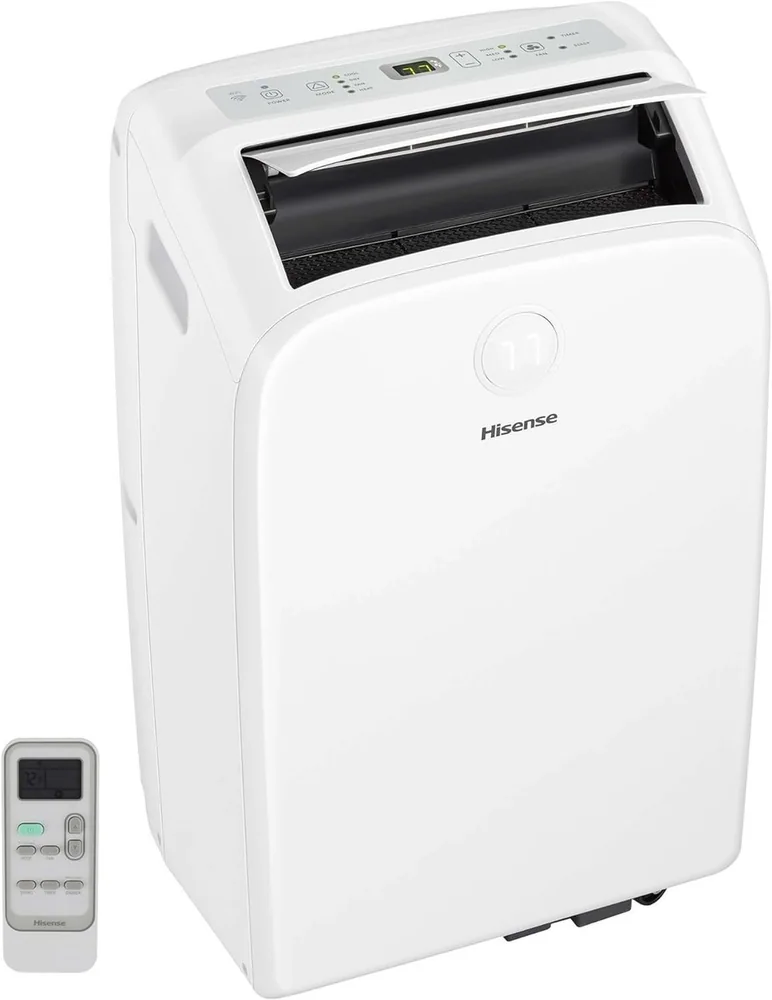
If the Whynter Dual Hose Portable Air Conditioner is not the right fit, these are the other directions that make sense for small-room portable cooling.
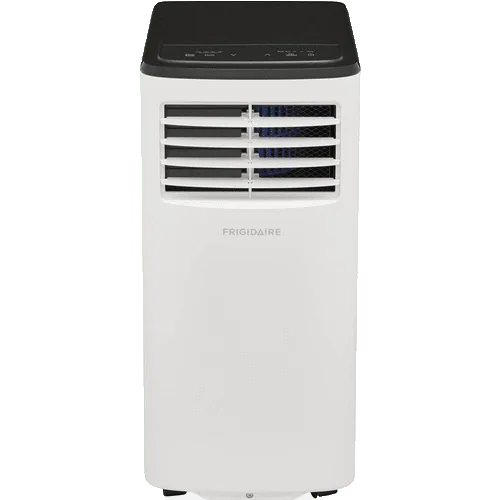
Whynter Dual Hose Portable Air Conditioner FAQ
Is the Whynter Dual Hose Portable Air Conditioner better than a single-hose portable AC?
If you can vent it properly, dual-hose is usually the better design. It reduces the negative pressure that can pull warm outdoor air back into the room, which helps a portable AC cool more efficiently in real use.
Do I need to drain water from the Whynter Dual Hose Portable Air Conditioner?
It depends on humidity and operating mode. Some portable ACs can evaporate a lot of condensate through the exhaust, but in very humid conditions you may still need to empty a tank or set up drainage.
How loud is the Whynter Dual Hose Portable Air Conditioner?
Portable ACs keep the compressor and fan inside the room, so you will hear it. Lower fan settings can be easier to live with, but they also reduce cooling and air movement.
What window do I need for a dual-hose portable air conditioner?
You need a window that can hold the included window panel and provide a reasonably tight seal around it. Dual-hose setups can take more window space than single-hose models, so measure your opening before you buy.
Should I shop by BTU or by DOE cooling capacity for portable ACs?
Use the DOE rating when you can, because it accounts for losses that portable units have in real rooms. Big headline BTU numbers can make two units look similar even when their real-world cooling is not.
Should you buy the Whynter Dual Hose Portable Air Conditioner?
Buy the Whynter Dual Hose Portable Air Conditioner if you want a portable unit that cools in a more efficient, less frustrating way than most single-hose models. The dual-hose design is the practical reason it earns its spot, and the dehumidifier mode is a real quality-of-life feature for muggy rooms.
Skip it if your window setup is going to be a constant battle or if you need near-silent operation for sleep. But if you can vent it cleanly and you want one portable AC that can cool and pull moisture out of the air, this Whynter is a solid, confidence-inspiring choice.