

What to know first
- Friedrich is a long-established HVAC brand, which matters if you’re nervous about buying a big appliance from an unfamiliar name.
- This is a product family, not one specific model. You’ll need to compare Friedrich models by the DOE cooling capacity and features that affect daily comfort.
- Portable AC hose design affects real-world cooling efficiency and how much hot air sneaks back into the room.
- Noise is a big deal with any portable AC because the compressor and fan are in the room with you.
- Drainage and the window kit can make or break ownership. A leaky window panel or frequent draining can turn cooling help into a chore.
What the Friedrich portable air conditioner family is
The Friedrich portable air conditioner family is a lineup of roll-around air conditioners designed to cool a room when a window unit is not an option. You vent hot air out through a hose to a window kit, and the unit stays inside the room with you.
The reason to consider Friedrich specifically is simple: it’s an established HVAC brand. If you’re the kind of shopper who wants a recognizable, long-running name on a major appliance, Friedrich checks that box.
One important detail up front: this review covers the family as a whole, not one exact model. That means the smart way to shop is to pick the Friedrich model that matches your room and priorities, then judge it by the specs that actually change comfort (DOE cooling capacity, hose design, noise expectations, and drainage setup).
Why it stands out
The standout here is brand credibility. Friedrich is not a random pop-up label. If you’re buying a portable AC because you need real cooling help in a bedroom, that brand stability can be reassuring.
It’s also a practical choice if you’re shopping in person or through a local retailer and you can compare a couple of Friedrich models directly. With a family lineup, you can choose features and capacity that fit your space instead of forcing a one-model-fits-all decision.
The main way Friedrich helps you shop is by giving you a reputable brand umbrella, then letting the model-level details do the real work. In portable ACs, those details are not small. Hose layout, window sealing, and drainage are often the difference between a unit that makes a room feel comfortable and one that feels like it’s always running.
What it is like to own
Owning any portable air conditioner is mostly about managing the exhaust path. You’ll set up the window kit, connect the hose, and try to keep that window panel sealed so you’re not dumping heat right back into the room. If the seal is sloppy, the unit can feel like it’s working hard without making the room feel truly comfortable.
Noise is the other day-to-day reality. With a portable AC, the compressor and fan are inside the room, so you hear it while you sleep or work. Many portable ACs offer a quieter mode, but lower fan speed usually also means less cooling and less air movement. In a bedroom, that can be fine at night if the room is already close to comfortable, and frustrating if you’re trying to pull the temperature down quickly.
Drainage can be easy or annoying depending on your humidity and the unit’s design. Some units evaporate a lot of condensate out through the hose, but in humid conditions you may still need to drain a tank or set up a drain. If you’re buying for a humid climate, plan for the possibility that no-drain will not be truly no-maintenance all the time.
What to know before you buy
Portable AC performance is inherently limited compared with window units. If you are allowed to install a window air conditioner, that’s often the more effective way to cool a room. Portable units can still help, but they are usually a compromise you make for installation constraints.
Do not shop by vague cools a very large room claims. Real cooling depends on sun exposure, insulation, ceiling height, how many people are in the room, and whether doors stay closed. Use the DOE cooling capacity when comparing portable units because it’s a more realistic rating than older headline BTU numbers.
Finally, pay attention to hose design and the window kit. Hose layout affects efficiency and how much hot air can leak back into the room. A portable AC with a poor window seal can feel underpowered even if the spec sheet looks fine.
The specs that matter
The DOE number is the best apples-to-apples way to compare portable models because it reflects real-world losses portable units have in normal use.
Hose layout affects negative pressure, hot-air leakage, installation footprint, and real cooling efficiency. It can change whether the unit actually cools the room or mostly takes the edge off.
Portable ACs are harder to ignore than window units. If you’re sleeping or working in the same room, noise can decide whether you use it on the setting you need.
In humid rooms, you may need to empty a tank or run a drain. If you do not plan for drainage, cooling can stop or become a recurring chore.
A leaky panel lets heat back in. That makes the AC feel weaker and can keep the room from settling into a comfortable temperature.
Who this product fits
You want a portable AC from a legacy HVAC brand for a bedroom
If buying from a long-established name matters to you, Friedrich’s portable air conditioner family is a sensible shortlist. Pick the model by DOE cooling capacity and prioritize a setup you can seal well at the window so it feels like real bedroom cooling, not just air movement.
You cannot use a window unit (rules, windows, or layout)
When a window AC is off the table, a portable unit is often the realistic way to get cooling into a bedroom or office. Friedrich is a reasonable brand to start with, but you’ll still want to think through hose routing, window sealing, and where the unit will sit so it is not blasting noise right next to your bed.
You are comparing a couple of Friedrich models in a store
Use DOE cooling capacity as your baseline, then decide what you can live with on noise and drainage. The best model is the one that fits your room and will not create daily annoyances.
What else to compare
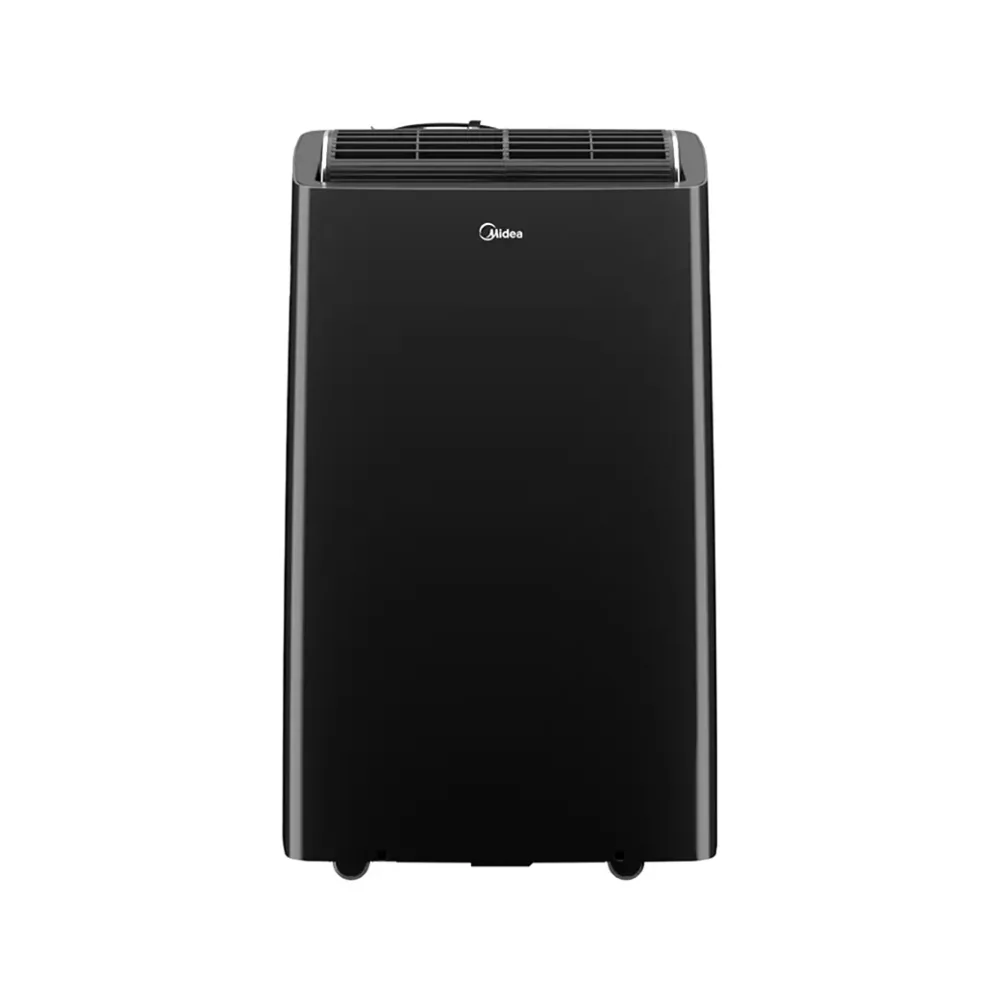
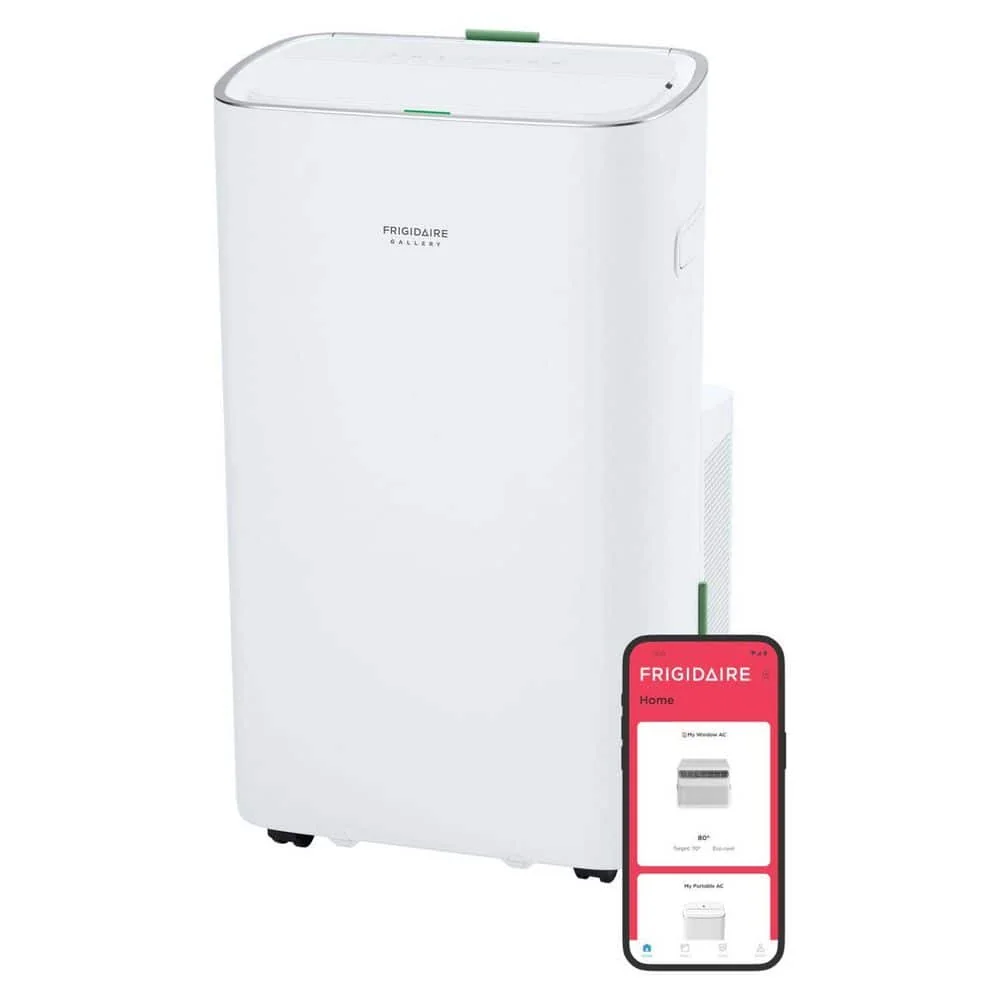
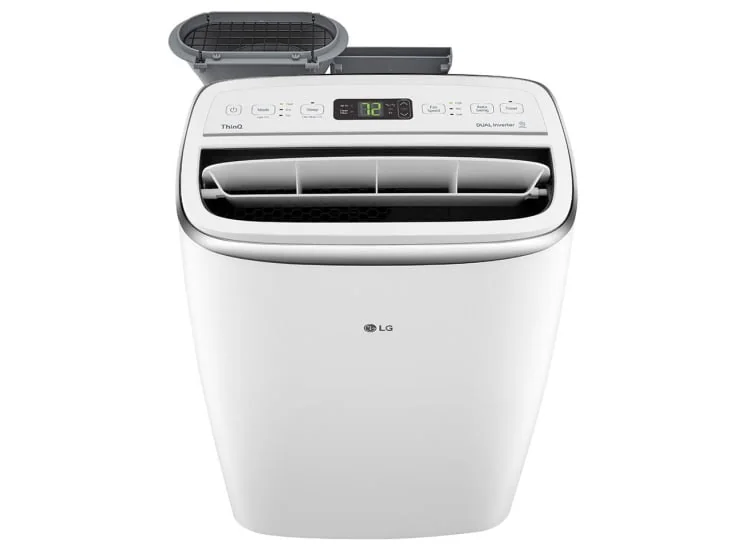
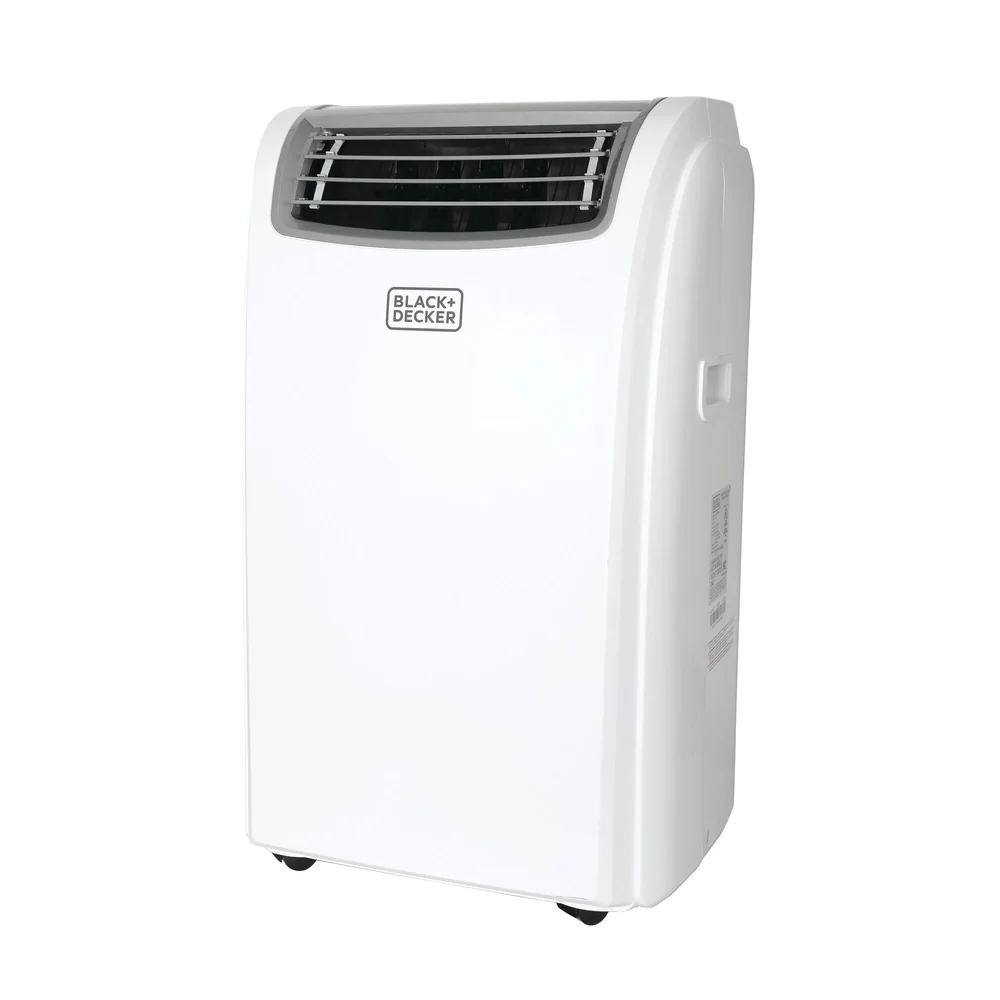
If you want a clearer one-model recommendation or a different feature focus, these are better starting points.
Friedrich portable air conditioner family FAQ
Is the Friedrich portable air conditioner family good for bedrooms?
It can be, especially if you want an established HVAC brand for bedroom cooling. The key is choosing the right model by DOE cooling capacity and being realistic about noise, since the compressor and fan are in the room with you.
Should I buy a portable AC or a window AC?
If you’re allowed to use a window unit, it’s often more effective at cooling a room than a portable AC. Portable units make the most sense when you cannot install a window AC due to rules, window style, or layout.
What spec should I use to compare Friedrich portable AC models?
Use the DOE cooling capacity rating. It’s designed to reflect portable-AC losses more realistically than older headline BTU numbers, so it’s the better comparison when you’re shopping across models.
Do Friedrich portable air conditioners need to be drained?
Drain needs depend on humidity and operating mode. Some condensate can be evaporated out through the hose, but very humid rooms may still require draining a tank or setting up a drain.
Why does hose design matter on a portable air conditioner?
Hose design affects how the unit moves air, how much negative pressure it creates, and how much hot air can leak back into the room. In everyday use, that can change how quickly the room cools and how hard the unit has to work.
Should you buy the Friedrich portable air conditioner family?
Buy from the Friedrich portable air conditioner family if you’re shopping by brand and you want an established HVAC name for a portable unit in a bedroom or similar space. It’s a reasonable choice when you want to avoid off-brand uncertainty and you’re willing to pick the right model from the lineup.
Skip it if you can install a window AC, because that’s often the more effective way to cool a room than any portable unit. If you do go portable, make your decision on DOE cooling capacity, hose design, window sealing, and drainage, because those are what you will live with every day.