
Pickori

Category guide

What First-Batch Time Really Tells You

First-batch time predicts how quickly you will get ice for one or two drinks, but it does not guarantee fast production all day.

Reading time: 9 minutesBest for: Anyone comparing machines for quick everyday ice and trying to set realistic expectations for parties and warm kitchens
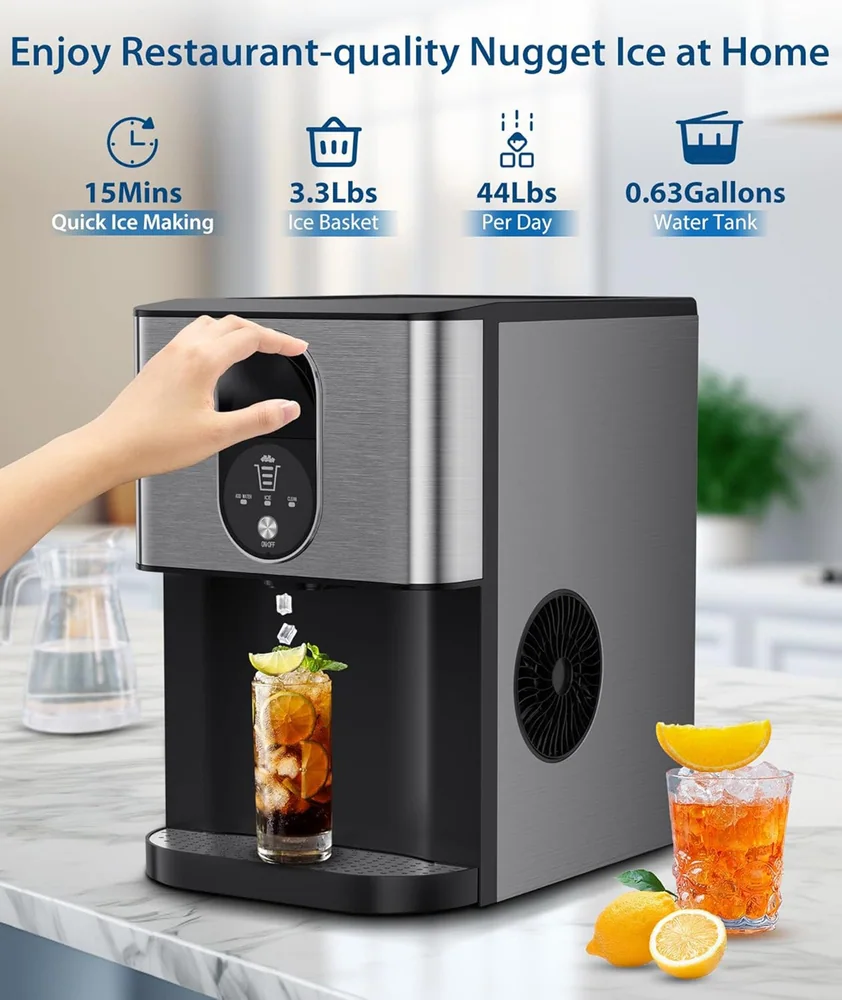
Cowsar Nugget Ice Maker

First batch vs. cycle time: why the first number can mislead

First-batch time is often faster than you expect because the machine is starting with an empty system and a small amount of water. Once it begins cycling, it has to manage heat continuously. Heat is the enemy of ice making. The machine must pull heat out of the water and dump that heat into the surrounding air. If the kitchen is warm or the machine is cramped, later cycles can slow down. Also, the first batch is not always the "best" batch. Early ice can be smaller or wetter while the system stabilizes. If you are buying for occasional use, a fast first batch is a real convenience. If you are buying for sustained use, pay attention to how the machine behaves after the first bin fill, not just the first drop.

Water temperature: the hidden lever you control

Incoming water temperature has a direct effect on speed. Colder water freezes faster because the machine has less heat to remove. If you fill the reservoir with warm tap water, you are asking the machine to do extra work before it can even start forming ice. Using cool water can shorten the wait and improve consistency, especially in summer. Water quality matters too. Hard water (water with lots of dissolved minerals) can leave scale, a chalky mineral buildup that coats internal surfaces and reduces efficiency. Over time, scale can lengthen cycle times and change how ice releases. If your area has hard water, plan on descaling regularly and consider using filtered water for better taste and less buildup. The payoff is steadier production and fewer weird slowdowns.

Room temperature, clearance, and heat exhaust

Countertop ice makers release heat into the room, often from side or rear vents. If you place the unit in a tight corner, against a backsplash, or near another heat source, it can recirculate its own warm air. That raises internal temperatures and slows freezing. The result is longer times between batches and softer ice in the bin. Give the machine the clearance it needs and keep vents dust-free. If you notice the counter area getting noticeably warm during operation, that is a sign the machine is working hard and needs airflow. In a hot kitchen, you may get better results by running the machine in a cooler spot, keeping it out of direct sun, and limiting lid openings so the bin stays as cool as possible.

What to expect in real use: quick drinks vs. hosting

For one or two drinks, first-batch time is the main experience. You turn it on, you get ice, you turn it off or let it idle. In that scenario, a machine with a fast first batch and easy scooping feels convenient even if its maximum daily output is not huge. For hosting, sustained production is the real test. The machine needs room in the bin to keep making ice, and you need a plan to move ice out before it melts. A good habit is to start the machine early, transfer ice to a freezer container as it accumulates, and then use the machine to replenish during the event. That approach makes first-batch time less important than steady cycling and easy cleaning afterward.

What this guide helps you understand

Use first-batch time to judge convenience for everyday drinks, then evaluate the conditions that control ongoing cycle speed so you do not overestimate party performance.

Before relying on the machine for guests, run it for an hour in its intended spot and note how fast it produces after the first batch, not just how quickly it starts.

Technique notes

If production seems to slow over weeks, scale buildup and poor airflow are common causes. Regular descaling and keeping vents clear often restore normal timing.

Safety note: Unplug the unit before wiping inside the bin area or cleaning around electrical parts, and keep water away from controls and power connections.

More from Countertop Ice Makers

← Back to Countertop Ice Makers