
Pickori

Category guide

Daily Ice Output vs. Bin Capacity

Daily output is a continuous-production estimate, while bin capacity is what the machine can hold before you must remove ice or it starts melting back.

Reading time: 9 minutesBest for: Hosts and high-ice households trying to plan for gatherings without overbuying or expecting freezer-like storage
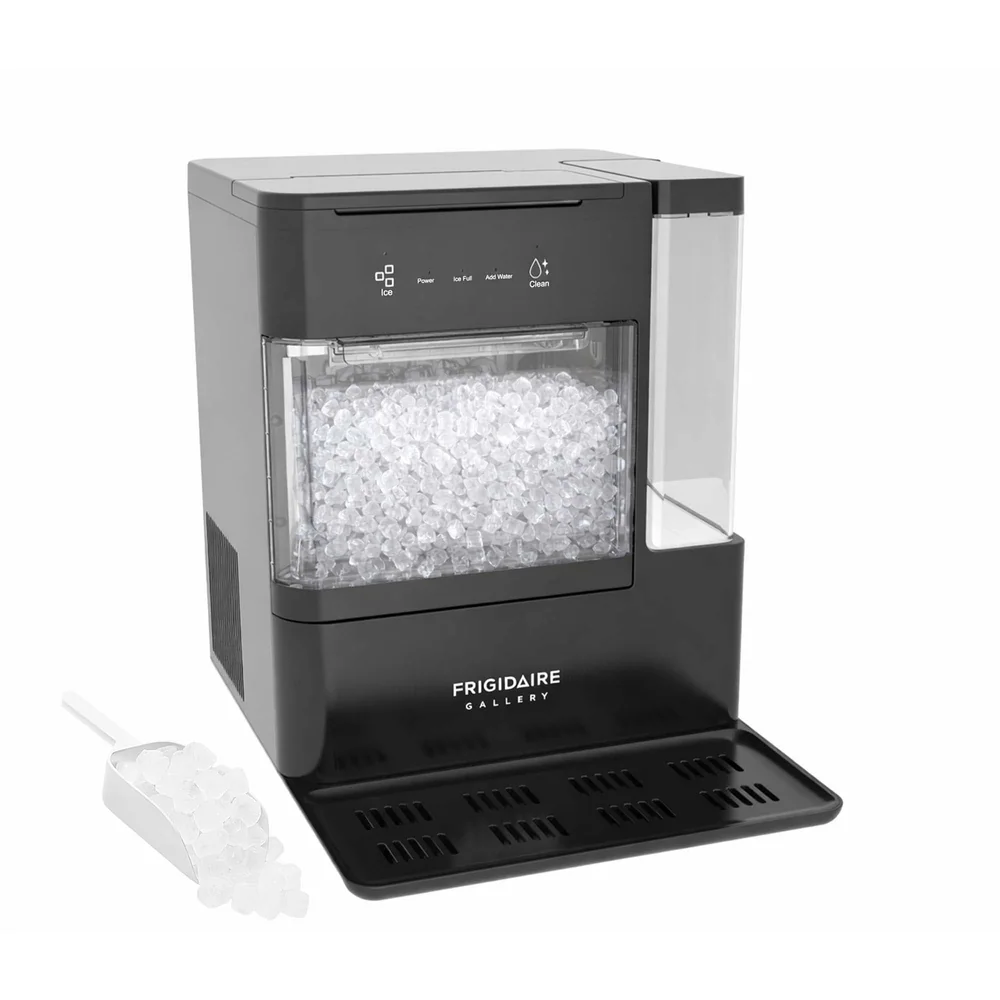
Frigidaire Countertop Nugget Ice Maker

What "pounds per day" really assumes

Daily output is usually based on ideal conditions: moderate room temperature, cool incoming water, and continuous cycling with the ice removed as it is made. The machine is not producing one big batch. It is producing many small batches, and it needs you to keep the bin from filling up. Once the bin is full, many machines pause until you remove ice. This is why two machines with the same "pounds per day" claim can feel very different at home. If one has a small bin or melts faster in a warm kitchen, you will be emptying it constantly to keep production going. If you only need ice occasionally, a high daily output number does not help much. A reasonable first-batch time and a bin that is easy to scoop from often matter more.

Bin capacity: storage is not the same as production

Bin capacity is the amount of ice the basket can physically hold, not the amount it can keep frozen. Because the bin is typically not a freezer, ice in the basket is always on a timer. The warmer the room and the more often the lid is opened, the faster the ice softens and melts. That meltwater is not "wasted," but it does mean the bin is not a stash for later. A small bin can still work well if you treat the machine like an ice factory. Scoop finished ice into a freezer container or bag, then let the machine keep making more. If you want a countertop unit to behave like a freezer bin, you will be disappointed. For parties, the best plan is often to pre-make ice and store it, then use the machine to top off during the event.

How melting and recycling affect taste and texture

When ice melts back into the reservoir, the machine refreezes that same water. Over time, minerals from hard water and any residue in the reservoir can concentrate, which can affect taste and leave film on surfaces. This is one reason cleaning and descaling matter even if the machine seems to be "working fine." It is also why fresh water refills improve results. Texture can change too. Ice that sits in the bin partially melts, then refreezes in the next cycle, which can create clumping or wetter ice, especially with nugget styles. If you want drier, more consistent ice, remove it promptly and store it in a freezer. Also pay attention to the water you start with. Colder, cleaner-tasting water generally produces better-tasting ice and helps the machine cycle more efficiently.

Planning for events: a simple way to size your setup

Start with how you actually serve drinks. If you are filling a cooler, making blended drinks, or serving lots of sodas, you need a steady stream of ice and a place to put it. A countertop machine alone rarely replaces buying bags of ice for a big crowd unless you run it ahead of time and store the output. Think of the bin as a short-term staging area. A practical approach is to do a dry run before hosting. Time how long it takes to fill the bin once, then see how quickly the machine refills after you empty it. That tells you your real pace in your kitchen, with your water temperature and room temperature. Pair that with a freezer container plan, and you can decide whether you need one machine running early, extra freezer space, or supplemental bagged ice.

What this guide helps you understand

Use daily output to estimate how fast a machine can replenish ice, and use bin capacity to understand how much you can hold at once without constant scooping or melting losses.

Check both the stated daily output and the bin capacity, then decide where you will put finished ice (freezer container, cooler, or immediate use) so the machine can keep cycling.

Technique notes

If you do not have a freezer plan, a higher daily output can just mean more frequent scooping and more meltwater recycling, not more ready-to-serve ice.

Safety note: Do not block vents or push the unit tight against a wall. Poor airflow increases heat buildup, which can reduce production and stress the machine.

More from Countertop Ice Makers

← Back to Countertop Ice Makers