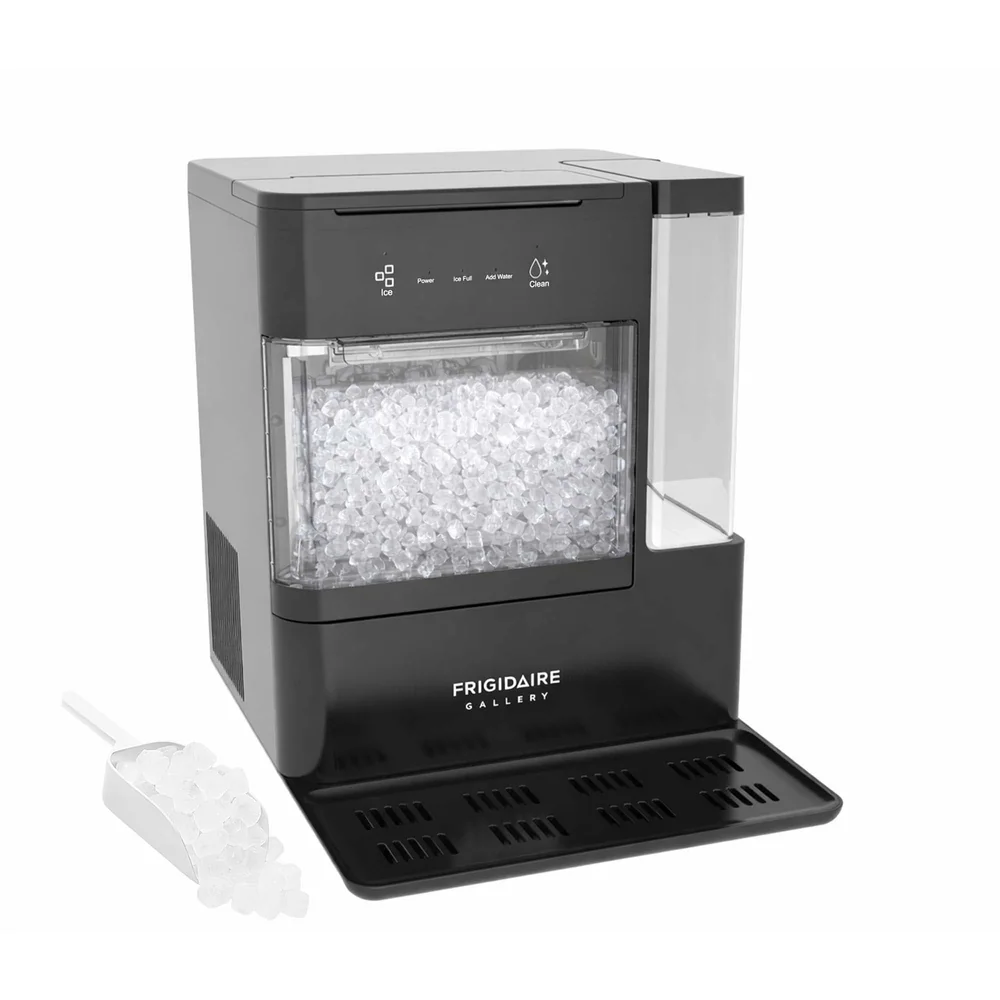
Understanding where the noise and heat come from helps you place a countertop ice maker so it runs faster, sounds quieter, and causes fewer day-to-day annoyances.
Reading time: 9 minutesBest for: Anyone deciding where to place a countertop ice maker, or comparing models and wondering why some seem louder or run hotter than others.
Where the noise comes from: compressor, fan, pump, and ice drop
Most countertop ice makers make sound from four places. The compressor is the heart of the cooling system and usually creates a low hum or buzz. The fan moves heat off the condenser (the hot coil area) and can add a steady whoosh. A small pump circulates water over the freezing surface and can create a gentle whir or trickle sound. Finally, there is the ice itself: cubes or nuggets drop into the bin and can clatter, especially in the first few batches when the bin is empty.
Different ice styles change the sound profile. Bullet ice makers often have a noticeable drop sound when the batch releases. Nugget machines can have more continuous mechanical noise because they make flakes and compress them. Clear ice makers may run longer cycles with fewer dramatic drops, but the compressor and fan can run for extended periods. If you are noise-sensitive, focus less on vague "quiet" claims and more on where you will hear the machine from, like an open-plan living area or a nearby sleeping space.
Why it makes heat: refrigeration basics and room temperature effects
Freezing water requires removing heat, and that heat has to go somewhere. A countertop ice maker dumps it into the room through its condenser area, usually vented out the sides or back. That is why the machine can feel warm and why a small room can heat up during long runs. The warmer the room, the harder it is for the machine to shed heat, which can slow ice production and lengthen the time between batches.
Room temperature also affects melt-back. Since most countertop bins are insulated rather than refrigerated, warmer air means finished ice melts faster and returns to the reservoir. That can make it feel like the machine is "not keeping up," even if it is producing normally. If you want ice for a party, the best approach is often to make ice earlier in the day when the space is cooler, then transfer ice to a freezer for storage.
Ventilation and placement: clearance, surfaces, and cabinets
Ventilation is the easiest lever you can control. Give the machine the clearance it needs so air can flow in and out of the vents. If you block the exhaust, heat builds up, the compressor runs longer, and the fan may get louder. Avoid placing the unit right next to another heat source like an oven, toaster oven, or sunny window. In tight kitchens, even moving the machine a few inches away from a wall can improve airflow.
The surface under the machine matters too. A hollow or flimsy cart can amplify vibration, while a solid countertop can reduce rattles. If the machine rocks, it can buzz and the ice drop can sound harsher. Level the unit if it has adjustable feet. Also think about cabinets. Running an ice maker under a low cabinet can trap warm air and concentrate noise. If you must place it there, make sure the vents are not blowing into a dead end.
Practical ways to reduce annoyance without chasing specs
Start by matching run time to your schedule. If the machine is loud during calls or bedtime, run it earlier, then move ice to the freezer. Keep the lid closed while it runs to reduce warm air entering the bin and to slightly muffle sound. If the ice drop is the most annoying part, placing a thin, washable silicone mat in the bin is sometimes possible on designs that still allow the basket to sit correctly. Do not block sensors or moving parts.
Maintenance also affects noise and heat. Scale buildup on cold surfaces can reduce efficiency, which can increase run time and fan noise. A dirty condenser intake can restrict airflow, making the unit hotter and louder. Follow the cleaning routine for the water system, and keep exterior vents clear of dust and grease. When comparing machines, treat "pounds per day" as a marketing number unless you also consider ventilation, room temperature, and how often you will empty the bin.
What this guide helps you understand
Pick a placement and routine that keeps the machine ventilated and out of your quiet zones, so noise and heat do not become the reason you stop using it.
Measure your intended spot for vent clearance on the exhaust side and confirm it is not next to a major heat source or inside a closed cabinet while running.
Technique notes
If the room is warm and the bin is not refrigerated, transferring ice to a freezer is the simplest way to avoid melt-back and reduce how long the machine needs to run.
Safety note: Keep vents unobstructed to prevent overheating, and unplug the unit before wiping around vents or cleaning near electrical parts.