Explore Dehumidifiers for more buying guides, in-depth reviews, comparisons, and practical advice.
These are Pickori’s recommendations for the best budget dehumidifiers in 2026, covering everything from easy-to-store designs to quiet bedroom-friendly units, smart app-controlled models, and affordable dehumidifiers for larger rooms and basements.
Pickori may earn a commission from affiliate links.
1
Best Compact Storage
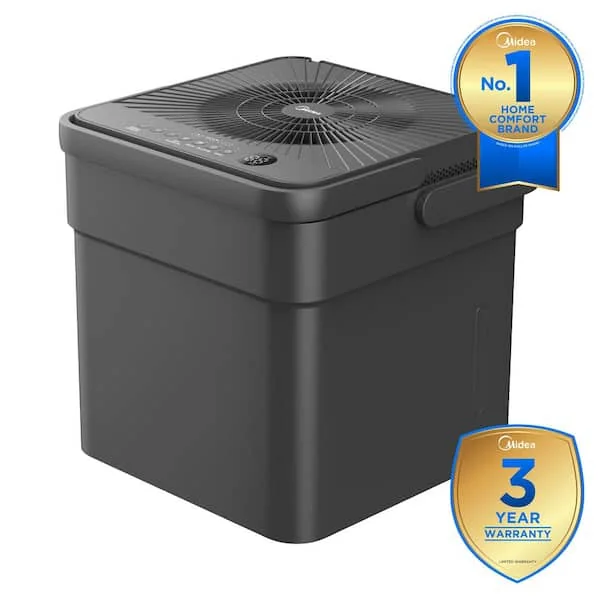
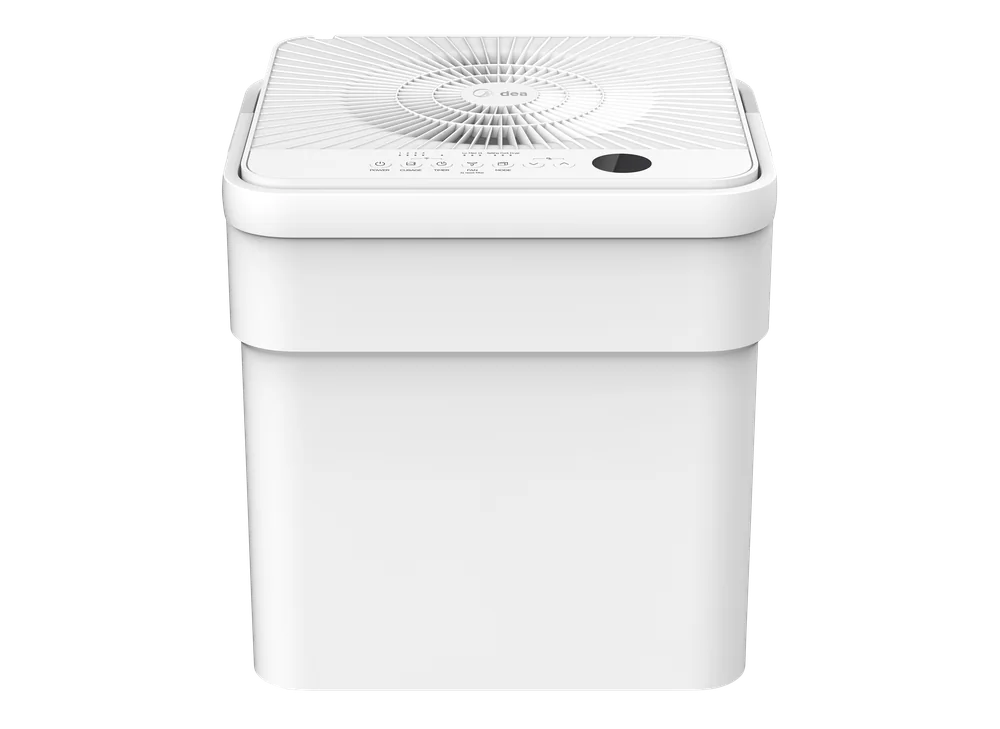
Midea Cube 50-Pint Dehumidifier
Midea Cube 50-Pint Dehumidifier is for anyone who wants a full-size dehumidifier that is simply easier to live with, especially when storage space is tight. The cube-style design is the reason to buy it: it’s the rare 50-pint class machine that prioritizes footprint and handling instead of feeling like a bulky appliance you dread moving. If you expect to stash your dehumidifier between seasons or move it around the house, this is the most convenient shape in the group.
Best fit for homes where storage and handling matter as much as moisture removal
Cube-style form factor keeps the footprint more manageable than typical boxy units
50-pint class capacity for bigger humidity problems without stepping up to oversized machines
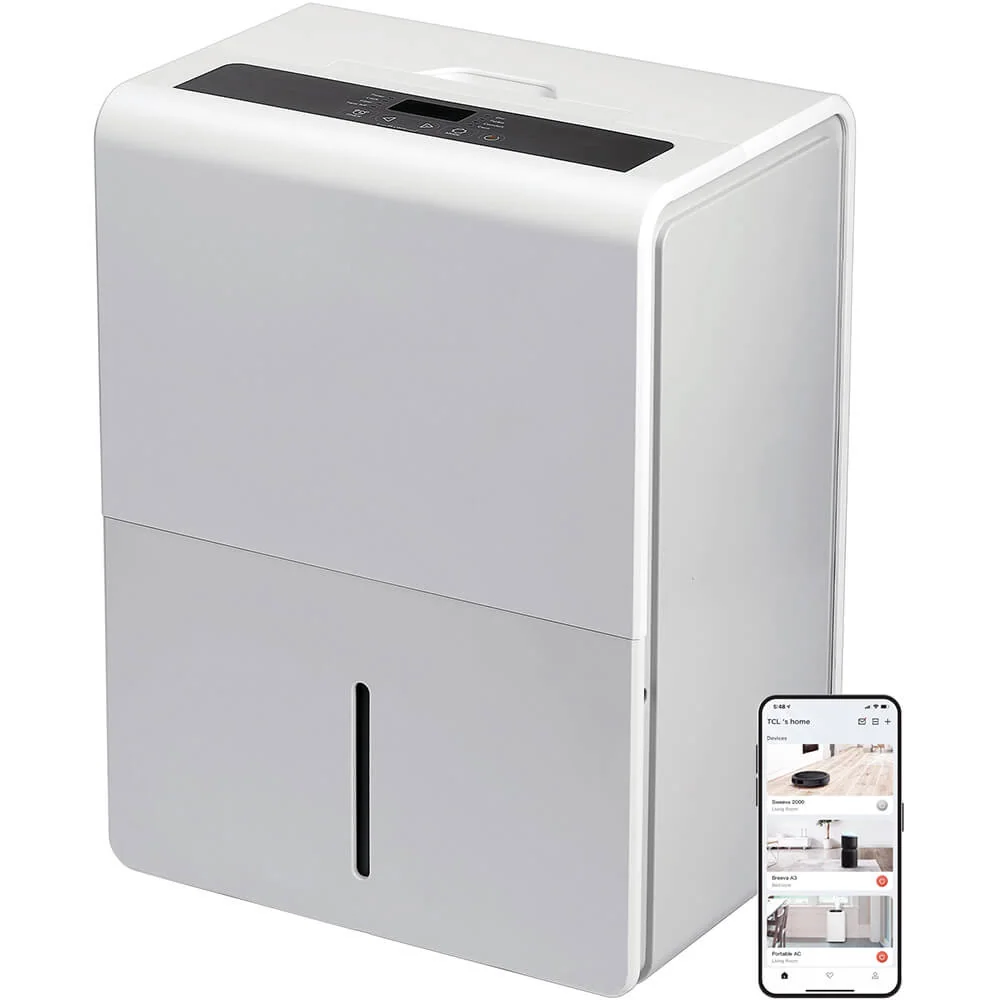
TCL 50-Pint Smart Dehumidifier is for shoppers who want connected control in a mainstream, room-to-room workhorse. The appeal is simple: you get smart-enabled humidity control without jumping to a premium tier, which makes it easier to manage a larger room’s comfort day to day. If you like checking settings from your phone or you want a more modern control experience, this is the smart-first budget choice.
Smart-enabled humidity control for larger rooms
Good match for people who want app-style convenience instead of only on-unit buttons
50-pint class capacity for living rooms and other bigger spaces
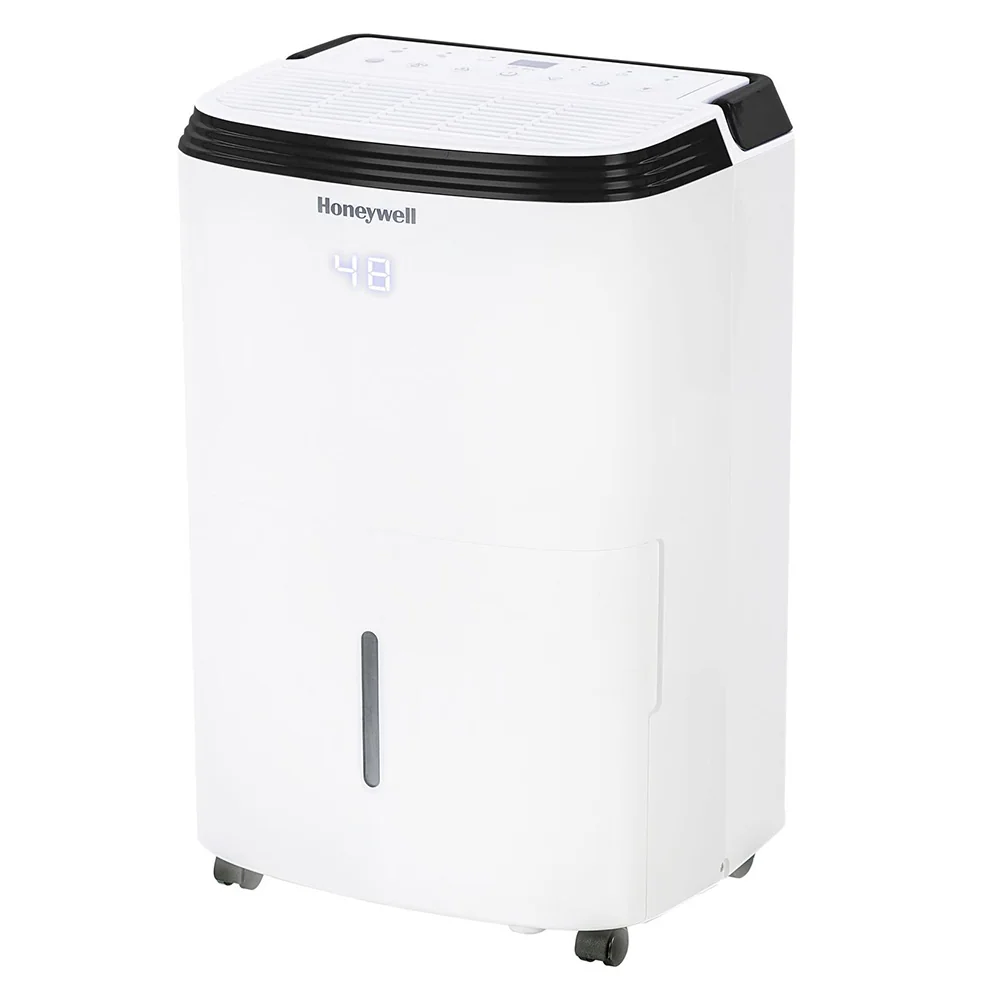
Honeywell TP70WKN is for budget-focused buyers who still want a familiar, mainstream dehumidifier brand in the mix. It’s a straightforward whole-room humidity reducer that fits the “buy it, set it up, and let it run” role without chasing fancy extras. If you are comparing a few budget dehumidifiers and want a reliable alternative to the Midea-heavy value tier, this is the one to put on your short list.
Solid budget choice for whole-room humidity reduction
Good alternative if you want to avoid putting all your eggs in one brand basket
Fits the practical, no-fuss dehumidifier role for everyday dampness
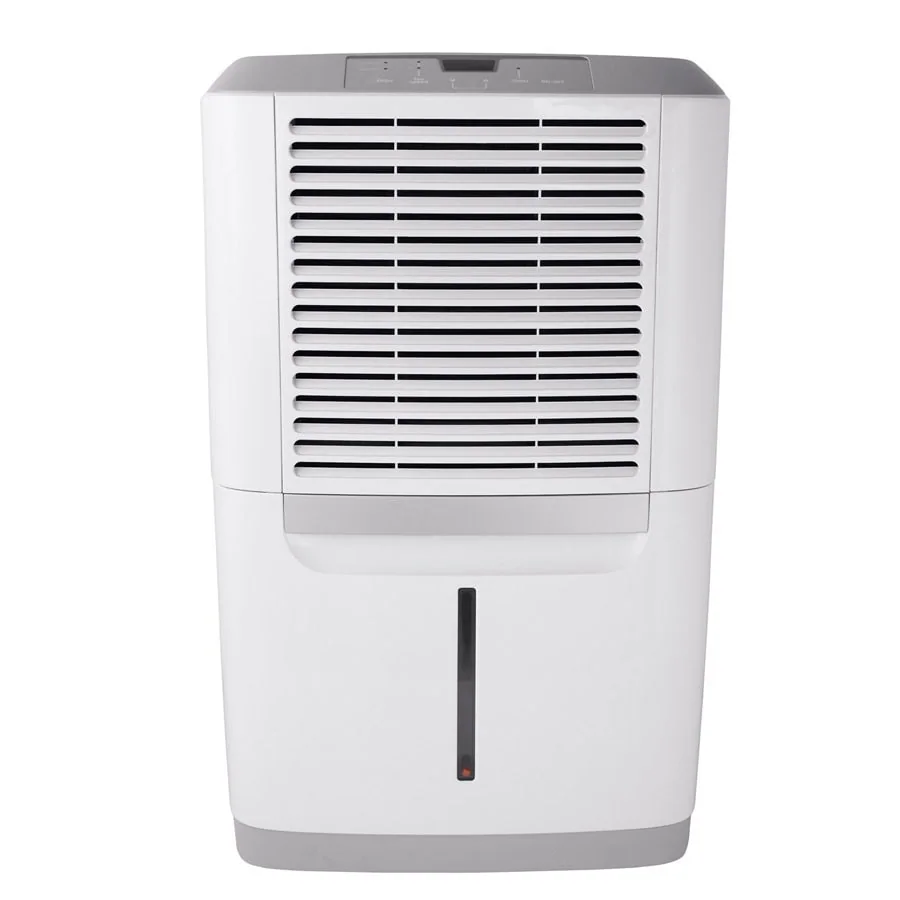
Frigidaire 50 Pint Dehumidifier is for larger rooms and basements where you want a mainstream 50-pint dehumidifier that is sized for the job. The main reason to buy it is capacity: it’s built to handle bigger areas (up to 1,200 square feet) where smaller units can feel slow or overwhelmed. If your humidity problem is clearly a large-space problem, this is the more appropriate scale than a mid-capacity model.
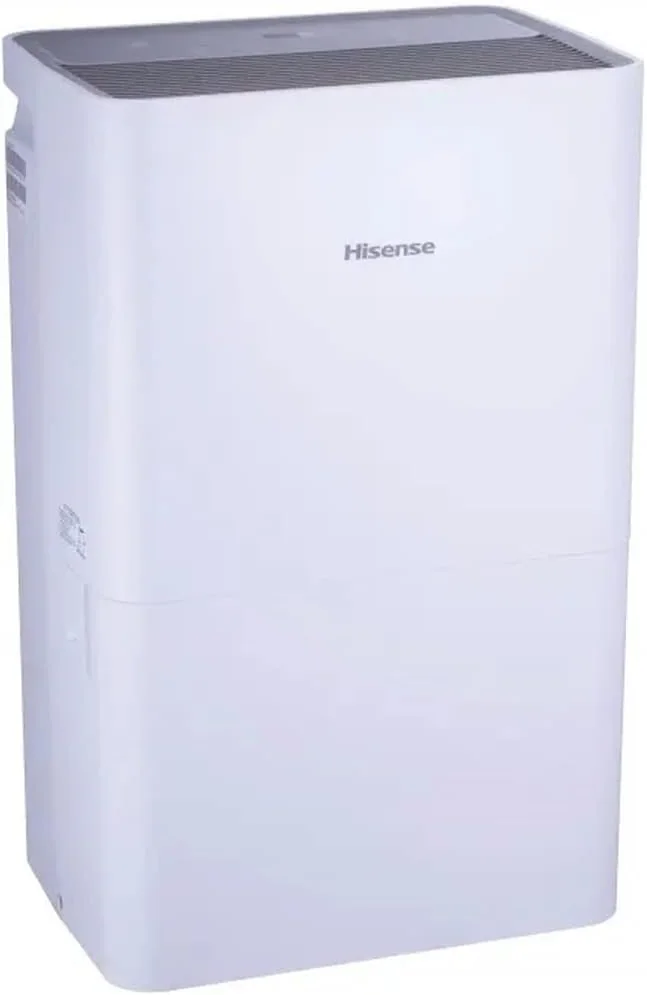
Hisense DH7021K1W is for shoppers who want 50-pint class capacity while keeping the spend down, especially for a short-term humidity problem. It’s the kind of dehumidifier that makes sense when you need help getting through a damp season, a temporary basement issue, or a one-off moisture situation and you do not want to overinvest. If you expect heavy, ongoing use year after year, a more established mainstream model may feel like the safer long-term bet.
Lower-cost way to get 50-pint class capacity
Best suited to temporary or occasional humidity issues in medium to large spaces
Good value angle when you want capacity without paying for extras
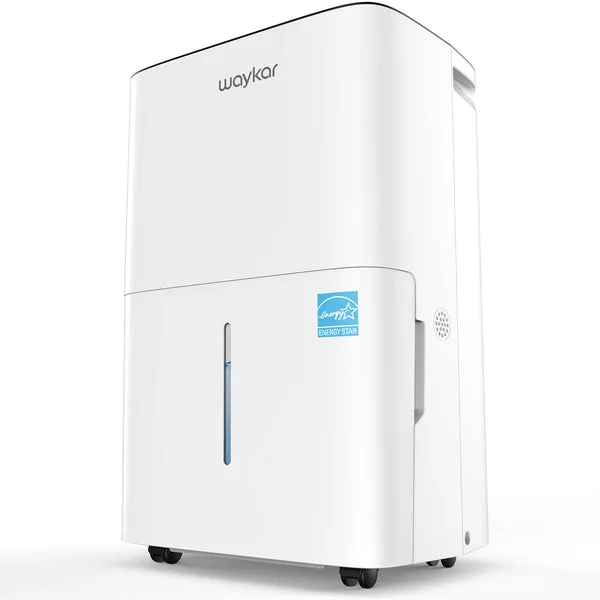
Waykar 80 Pint Dehumidifier is for shoppers chasing maximum capacity-per-dollar for big, damp spaces. The reason it earns a spot here is simple: it targets large-room dehumidifying on a budget, which is exactly what many basement buyers want. If you are deciding between a typical 50-pint unit and something that leans harder into capacity, this is the budget-friendly swing at the bigger job.
Budget-minded choice for large-room dehumidifying
Prioritizes capacity-per-dollar over premium features
Makes sense for basements and other bigger humidity problems
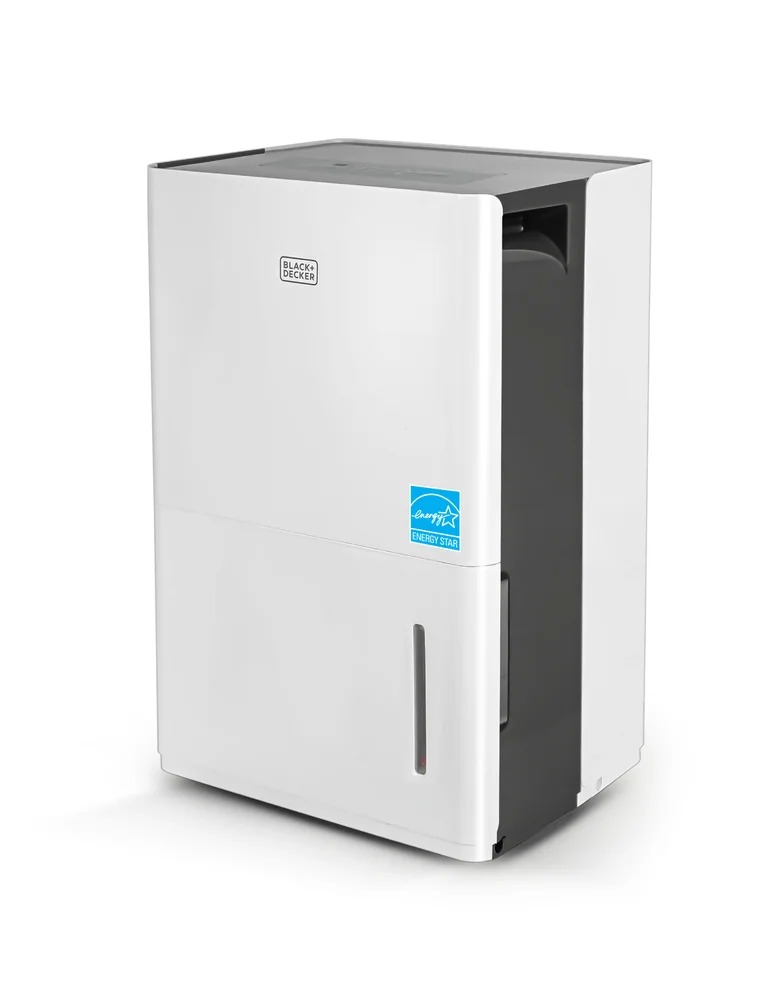
Black+Decker 30-Pint Dehumidifier is for medium-room shoppers who want a low entry cost without dropping all the way down to tiny, underpowered units. A 30-pint class dehumidifier is often the sweet spot for everyday dampness in bedrooms, offices, and smaller living areas, and this one keeps the value proposition front and center. If you are trying to tame a whole basement, step up to a 50-pint class model instead.
Strong value for medium-room humidity control
Good fit for bedrooms, offices, and smaller living spaces
Better match than a 50-pint unit when you do not need large-room capacity
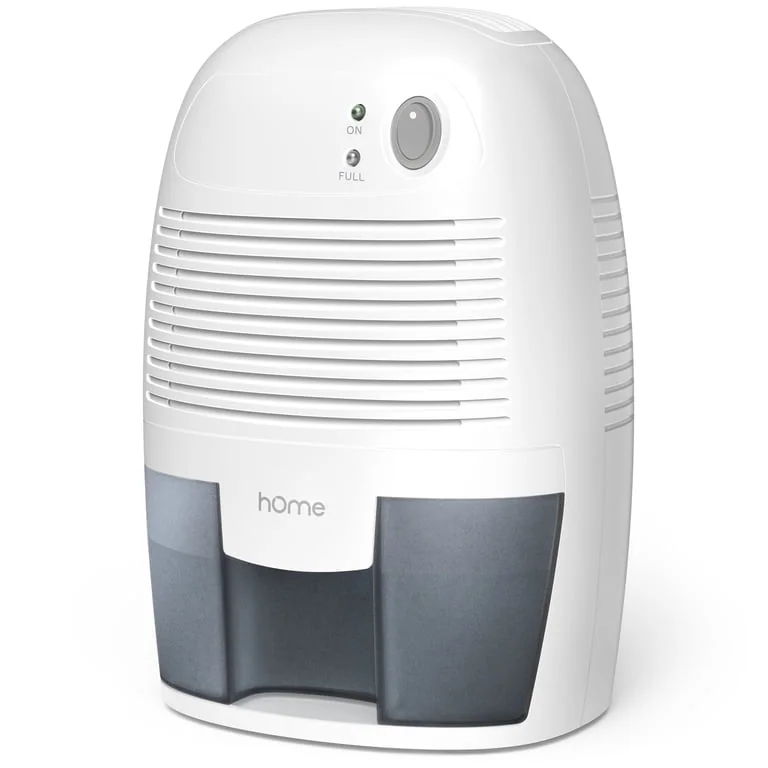
HomeLabs 1,000 Sq. Ft Portable Dehumidifier is for bedrooms, living rooms, and other occupied spaces where noise can ruin the whole point of running a dehumidifier. The standout is quiet operation, with a cited 33 dB figure that puts it in the conversation for people who sleep light or work from home. If you have been avoiding dehumidifiers because they are annoying to live with, this is the most noise-conscious choice on the list.
Best fit when noise is a top concern
Cited at 33 dB for ultra-quiet operation
Good for occupied rooms where a louder unit would be disruptive
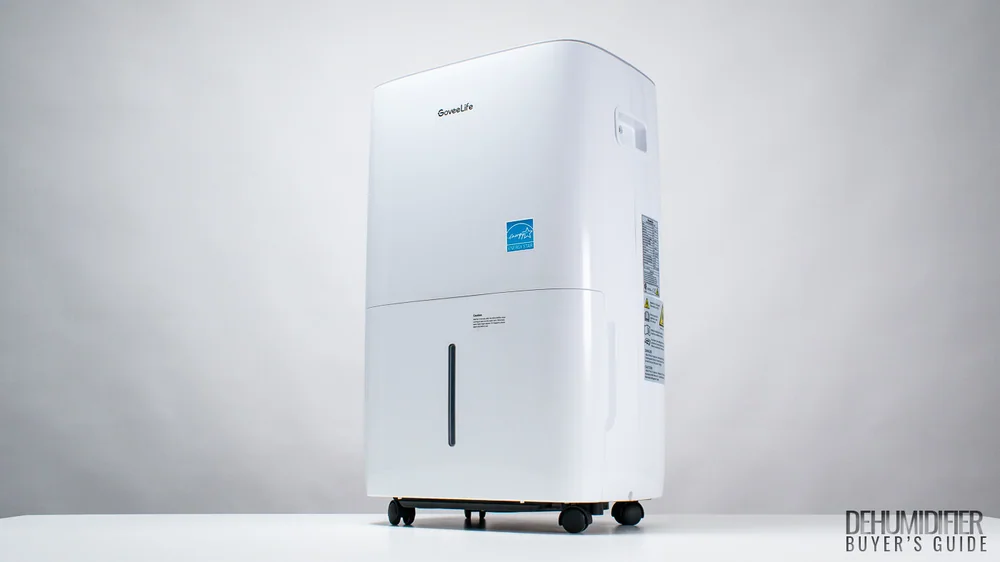
GoveeLife 50 Pint Dehumidifier is for smart-home leaning buyers who still want a dehumidifier that can cover a wide range of room sizes. It’s a practical way to get connected control while staying in the mainstream 50-pint class, which is the capacity tier many households end up needing. If you want smart features but do not want to give up large-room capability, this is the smart-value lane.
Smart-home friendly angle paired with 50-pint class capacity
Covers a wide range of room sizes
Good fit when you want app control without dropping to a smaller capacity tier
Midea MAD35S1QWT is for small-to-medium rooms where you want strong value and solid day-to-day humidity control without paying for oversized capacity. It’s effective in medium-sized spaces like larger bedrooms or offices, and it can handle enclosed or moderately sized basements, but it is not the right tool for big open-concept areas where a 50-pint unit will reach target humidity faster. It also supports continuous drainage with the included hose, which matters if you are tired of emptying a bucket.
Best fit for medium-sized rooms like larger bedrooms or offices
Works for enclosed or moderately sized basements, not large open areas
Supports continuous drainage with the included hose
Moderate noise level in bedroom use (may matter for light sleepers)
Match capacity to the space and the severity of dampness. For medium rooms like bedrooms and offices, a 30 to 35-pint class model can be enough. For basements and larger living areas, a 50-pint class dehumidifier is usually the safer bet, and very damp large spaces may justify stepping up further.
When is a 50-pint dehumidifier worth it over a 30 to 35-pint model?
Choose 50-pint class when the room is larger, the humidity is persistent, or you want faster pull-down to your target humidity. If you are mainly dealing with everyday dampness in a bedroom or office, a 30 to 35-pint unit can be the better value and easier to live with.
Do I need smart features on a budget dehumidifier?
Only if you will actually use them. Smart control is most useful when the dehumidifier runs often and you want to adjust settings remotely or keep a closer eye on humidity. If you just want the room to feel less damp, a simpler model can be the better buy.
What is continuous drainage and why does it matter?
Continuous drainage lets the dehumidifier drain water through a hose instead of filling a bucket you have to empty. It is a big quality-of-life upgrade for basements or any space where the unit runs for long stretches.
How important is noise for a dehumidifier in a bedroom?
Very. A dehumidifier can run for hours, and a louder unit can be distracting for sleep or work. If the dehumidifier will live in an occupied room, prioritize a model positioned for quiet operation.