
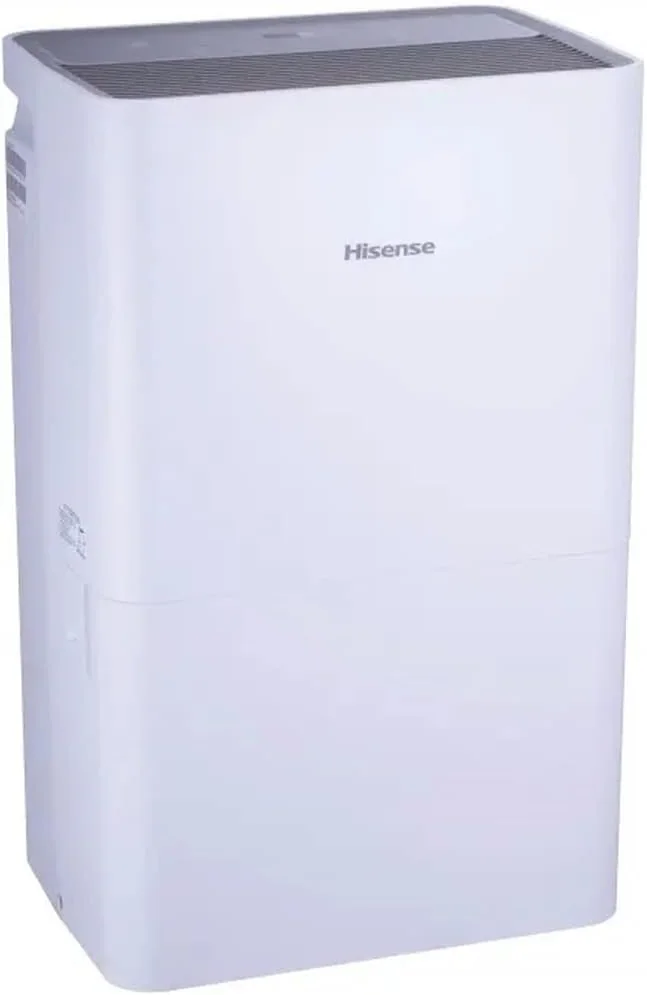
What to know first
- Hisense DH7021K1W targets the 50-pint class at a lower price than many peers.
- It makes the most sense for temporary or seasonal dampness, not nonstop year-after-year use.
- Real-world water removal depends heavily on temperature and humidity, not just the “pints per day” label.
- If you want set-it-and-forget-it draining, confirm your drainage plan (hose slope, drain location, and whether a pump is included).
- For long humid seasons and repeat yearly use, a more mainstream 50-pint model is the safer buy.
What the Hisense DH7021K1W is
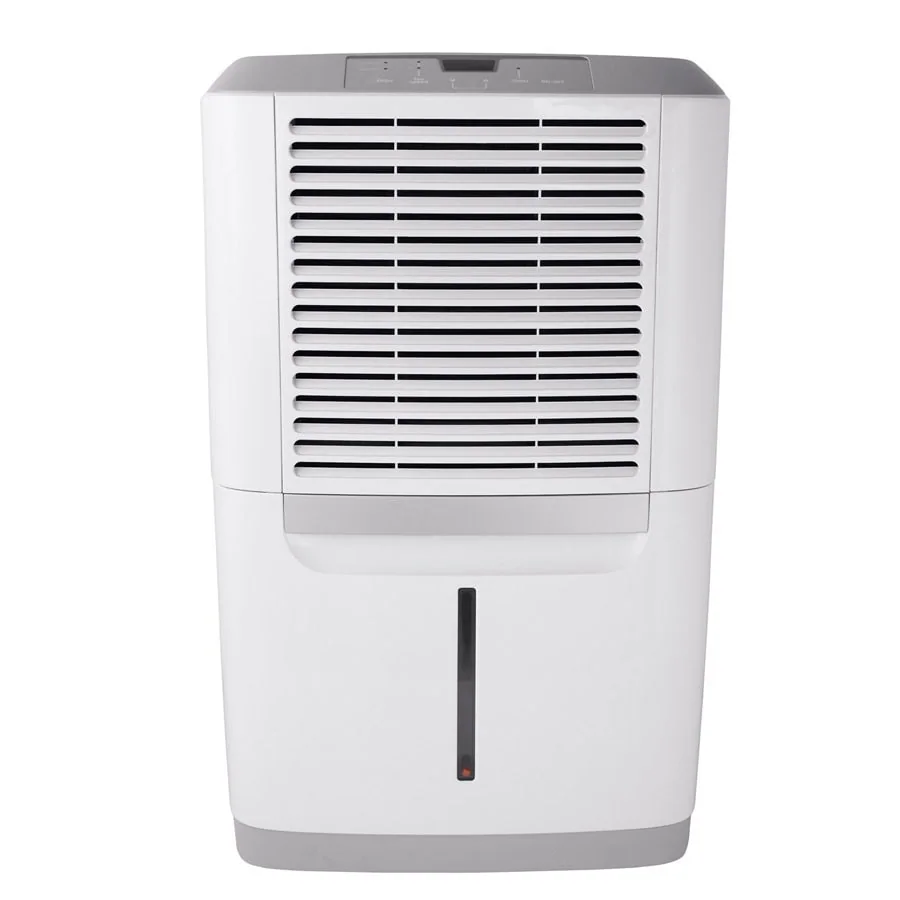
The Hisense DH7021K1W is a 50-pint class compressor dehumidifier meant for medium to large spaces. This is the size people usually end up shopping for when a basement smells musty, stored items feel clammy, or humidity is high enough that the room never quite feels comfortable.
A 50-pint class unit is designed to pull a meaningful amount of moisture out of the air over long run times. In daily life, that usually means fewer damp corners, less sticky air, and a better shot at keeping musty odors from taking over.
This particular Hisense model’s main appeal is price. It is an inexpensive way to get into the 50-pint category when you need real capacity but do not want to pay extra for premium features.
Why it stands out
The DH7021K1W stands out for one reason: it is inexpensive for a 50-pint dehumidifier. If you have priced this category before, you know the jump from small-room units to 50-pint class can be significant. Hisense aims to make that jump easier.
That value angle is also why it fits a specific kind of problem. If you are dealing with a temporary moisture situation, like damp drywall after a minor plumbing leak, it can make sense to buy a lower-cost machine that gets you through the episode instead of investing like you are building a long-term basement system.
The big caution is longevity. There is clear evidence of a higher-than-comfortable rate of mechanical failure in buyer feedback. That does not mean every unit fails, but it does mean you should think carefully before choosing it for constant, season-after-season use.
What it is like to own
Owning a 50-pint class dehumidifier is mostly about routine. These machines tend to run for long stretches when humidity is high, and your experience depends a lot on how you handle water removal. If you are emptying a bucket, you will be doing it more often during humid weather. If you can set up continuous drainage, ownership gets much easier because the machine can run unattended.
Before you buy, map out where the water will go. Gravity draining only works if you can run a hose continuously downhill to a floor drain or sump. If your drain is higher than the dehumidifier, you need a pump-style unit (and you should confirm whether a pump is actually included, not just implied by continuous drain language).
Also keep expectations realistic about capacity labels. Pints per day is measured under warm, humid conditions. In a cooler basement, the unit may remove less water and may pause periodically to defrost, which is normal behavior for compressor dehumidifiers in cooler spaces.
What to know before you buy
Do not shop this model by square footage claims alone. Dehumidifiers are heavily affected by moisture load, temperature, air movement, and how open the layout is. A basement with closed doors, little airflow, and cold concrete walls can behave very differently than an open, warm downstairs rec room.
The bigger catch is reliability risk. If you are buying a dehumidifier because you are tired of dealing with dampness every year, it is worth paying for a model you feel comfortable running hard for long periods. The DH7021K1W is easier to justify when the job is temporary and you are trying to keep the spend down.
Finally, plan for the realities of basement operation. Cooler rooms can trigger defrost cycles, which means the unit periodically stops dehumidifying to clear frost from the coils. That is not a defect, but it does affect how quickly the room dries out.
The specs that matter
This is the common basement-size tier. It is meant for medium to large spaces and can remove a lot more moisture than small-room units, which usually means fewer bucket trips and faster improvement in comfort.
In a cooler basement, you should expect less water removal than the label suggests. Use the rating to compare models, not as a promise of what you will see in every room.
If you can drain continuously, the dehumidifier can run for long stretches without you thinking about it. If you cannot, you are signing up to empty the tank during humid weather.
Many basements do not have a convenient downhill path to a drain. If your only drain is higher than the unit, a pump-equipped model is the difference between hands-off operation and constant bucket duty.
Basements are often cool, which can reduce water removal and add downtime. That is normal, but it is a reason not to overbuy based on pints per day alone.
If you need real capacity but do not want to pay for extras, this is the core reason to consider the DH7021K1W. The downside is that it is harder to justify for long-term, heavy use.
Who this product fits
You had a minor leak and need to dry out a room
The Hisense DH7021K1W makes sense when you want a strong, 50-pint class dehumidifier to pull moisture out of the air for a few weeks, then you may not need it much again. It is a practical way to handle a one-off dampness problem without paying for premium features.
Your basement gets muggy for a season, not all year
If your basement is mostly fine but turns damp during the most humid months, this model’s lower price can be appealing. Set it up with a workable drain plan if you can, and treat it like seasonal equipment rather than a permanent, always-on appliance.
You want 50-pint class capacity on a tight budget
If the main goal is capacity per dollar, the DH7021K1W is aimed right at you. Go in knowing it is a value buy, and consider stepping up if you are counting on years of heavy use.
What else to compare
If you like the idea of a 50-pint class unit but want a different priority than lowest price, these are the better directions to look.
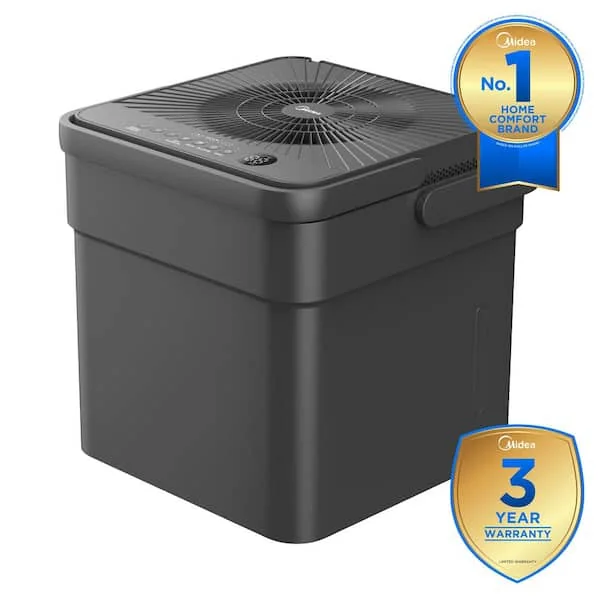
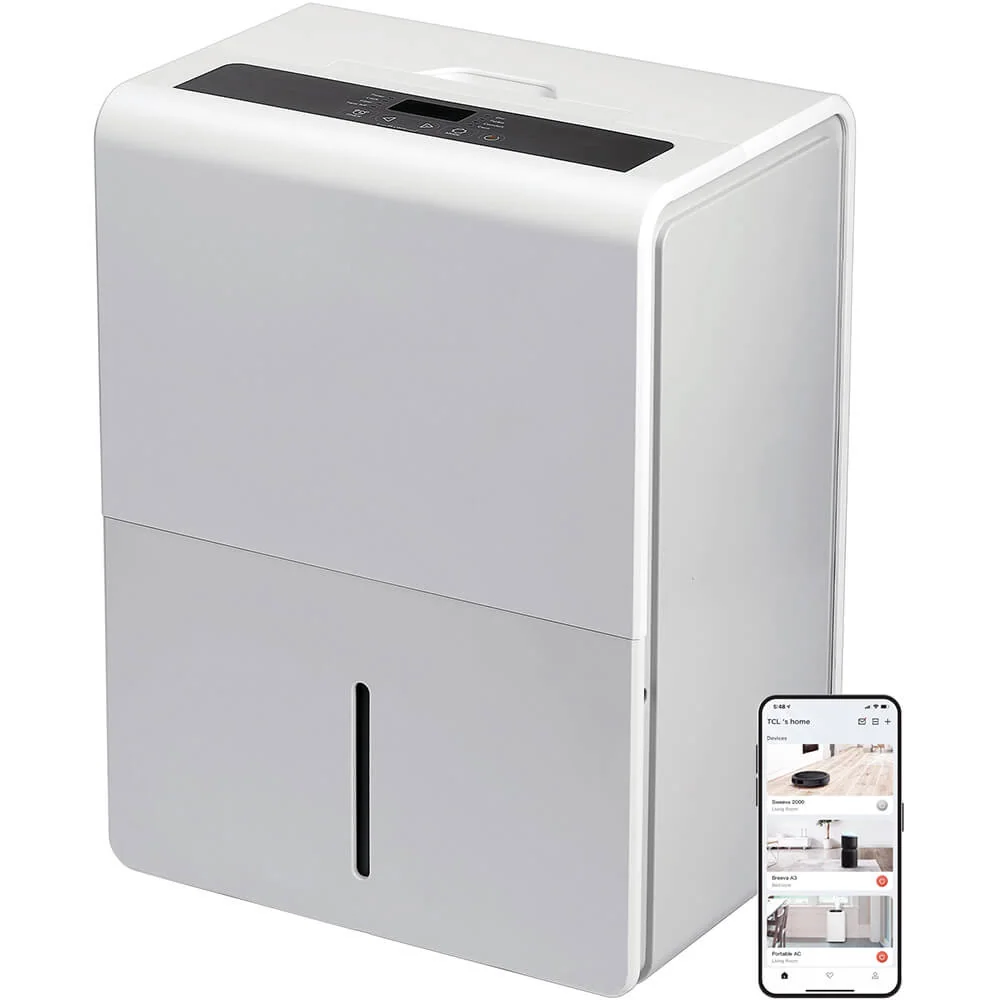
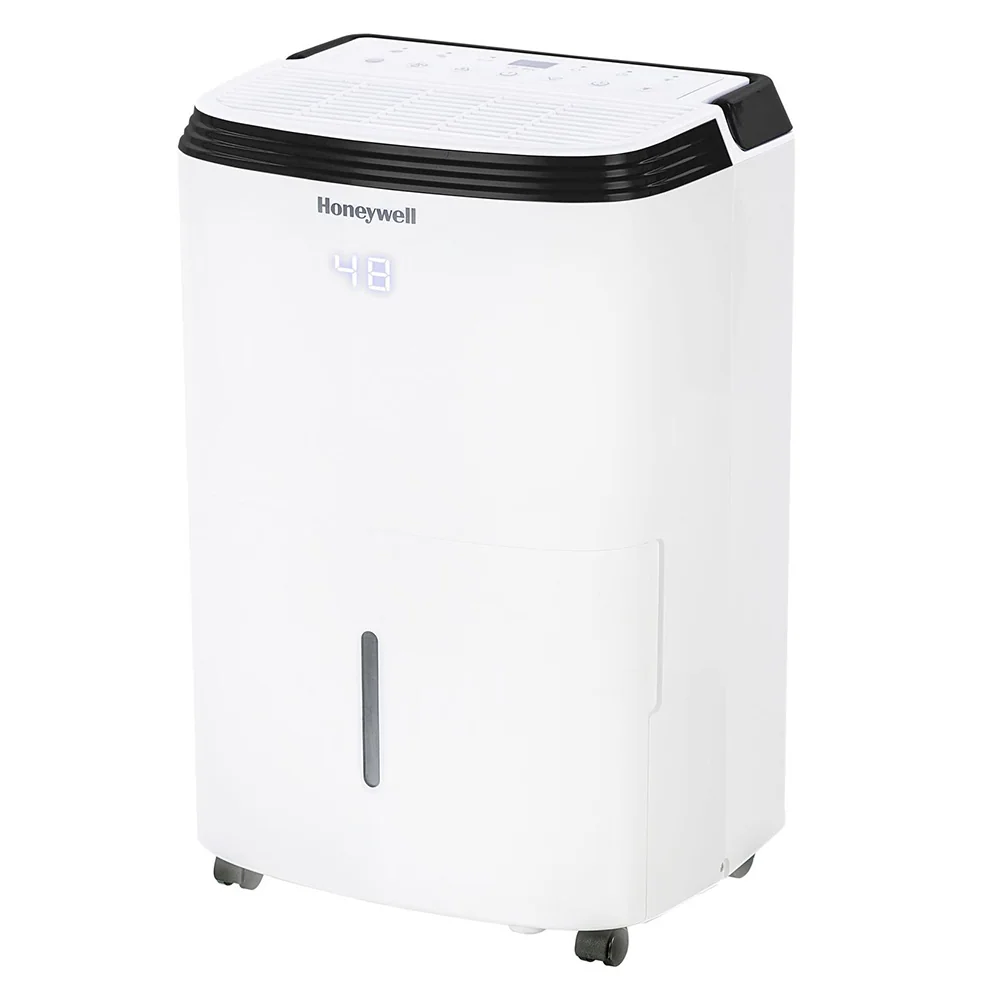
Hisense DH7021K1W FAQ
Is the Hisense DH7021K1W good for basements?
It can be, mainly for temporary or seasonal basement dampness where you want 50-pint class capacity without spending much. For a basement that needs dehumidifying year after year, a more mainstream long-term option is the safer bet.
What does “50 pints per day” actually mean?
It is a standardized rating measured in warm, humid conditions. In cooler or less humid rooms, real water removal is typically lower, so use the number to compare models rather than predict exactly what you will collect.
Can the Hisense DH7021K1W run with a hose for continuous drain?
Continuous drainage depends on your setup. Gravity draining needs a continuous downhill hose run to a drain or sump, and continuous drain wording does not automatically mean a pump is included.
Do I need a dehumidifier with a pump?
You need a pump if the water has to travel upward to reach a sink, window, or higher drain point. If you have a floor drain or sump that is lower than the dehumidifier, gravity draining can work without a pump.
Why do dehumidifiers stop and start in cool basements?
In cooler rooms, the coils can frost. Many compressor dehumidifiers periodically pause to defrost, which is normal and helps the unit keep operating, but it can slow down overall moisture removal.
Should you buy the Hisense DH7021K1W?
Buy the Hisense DH7021K1W if you want an inexpensive 50-pint class dehumidifier to handle a temporary humidity problem or a seasonal stretch of dampness. The appeal is straightforward: you get the capacity tier many people need for basements and larger rooms without paying extra for bells and whistles.
Skip it if you are shopping for a dehumidifier you expect to run hard for years. With clear signs of higher mechanical failure in buyer feedback, it is not the model to choose when long-term peace of mind is the whole point of the purchase.