
What to know first
- 50-pint capacity is aimed at bigger moisture loads, like basements and large living areas.
- Rated for spaces up to 1,200 square feet, but real-world results depend on humidity, temperature, and layout.
- Traditional “bucket dehumidifier” design is simple to understand and operate.
- If you want set-and-forget drainage, plan your hose route and confirm you have a workable downhill path to a drain.
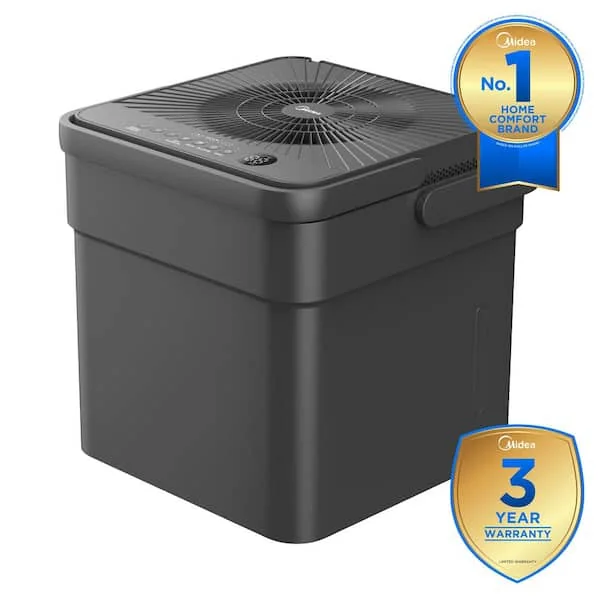
- If storage and footprint matter, a cube-style design is typically more livable.
What the Frigidaire 50-Pint Dehumidifier is
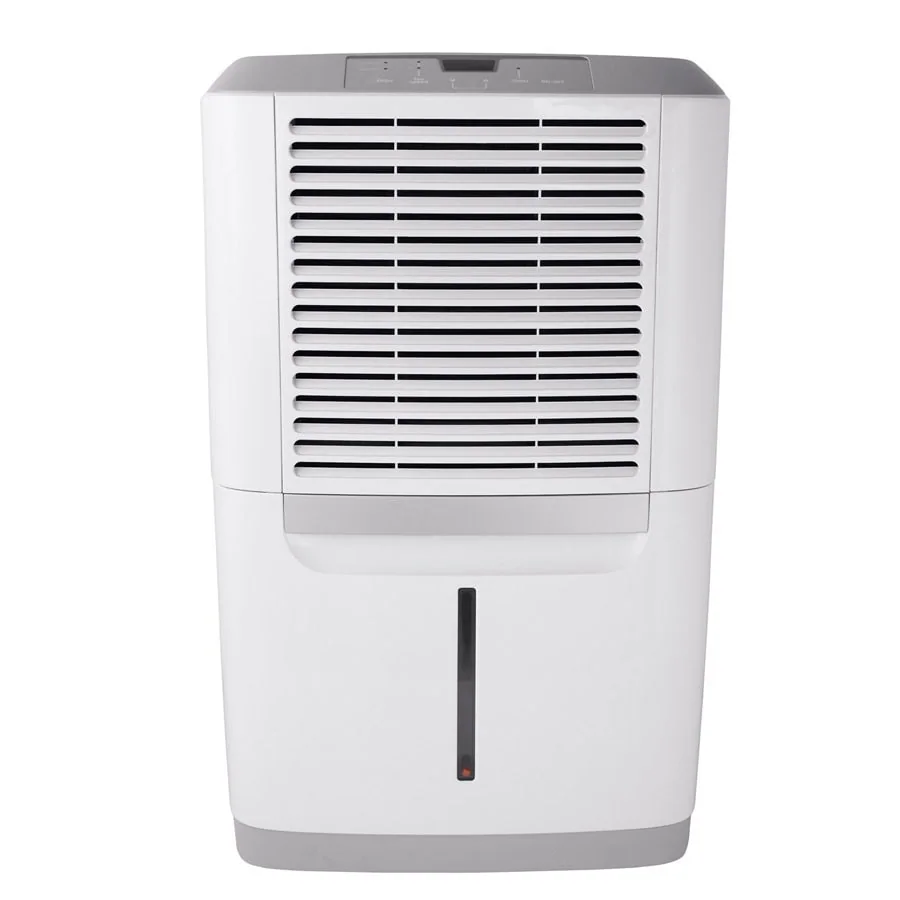
The Frigidaire 50-Pint Dehumidifier is a full-size, portable dehumidifier designed for standard home dampness, especially in basements and larger rooms. The “50-pint” rating is the category’s common way of describing capacity: it’s a big-room unit meant to pull a lot of moisture out of the air over the course of a day under standardized warm, humid conditions.
This is the traditional style most people picture when they think “dehumidifier.” You set a target humidity, it runs its compressor and fan as needed, and water collects in a built-in bucket unless you set it up for continuous drainage with a hose.
If your goal is to make a space feel less muggy, cut down that musty smell, and keep humidity from sitting in the mold-friendly zone for days at a time, a 50-pint unit is the right scale for many basements. The big question is not whether it can dehumidify. It’s whether the size, drainage setup, and day-to-day handling match your space.
Why it stands out
The reason to choose this Frigidaire is simple: it’s a mainstream, classic 50-pint dehumidifier built for the kind of dampness most people mean when they say “my basement feels wet.” In larger rooms, that extra capacity matters because it can keep up with the moisture load instead of running nonstop and still leaving the air sticky.
It’s also a good fit if you don’t want your dehumidifier purchase to turn into a tech project. Some shoppers want Wi-Fi, alerts, and remote control. Others just want a machine they can plug in, set, and let run. This model is positioned for that second group.
One more practical point: the traditional shape is familiar and predictable. You’re not learning a new storage system or a special bucket arrangement. If you’ve owned a dehumidifier before and you just want a current, full-capacity replacement, this is that style.
What it is like to own
Day to day, ownership comes down to two routines: emptying the bucket or setting up a hose. If you’re emptying the bucket, a 50-pint unit can fill it quickly in truly humid conditions, so you’ll notice the chore more than you would with a continuous drain setup. If you can run a hose to a floor drain or sump area with a steady downhill slope, continuous drainage is the closest thing to “set it and forget it.”
Placement matters more than most people expect. Dehumidifiers work best when air can circulate around them, and basements often have weird corners, storage piles, and closed doors that trap damp air. If the space is chopped up, you may need to think about where the damp air actually sits, not just where there’s an outlet.
Also keep basement temperature in mind. In cooler spaces, dehumidifiers can spend more time in defrost cycles, which means they pause moisture removal periodically. That’s normal behavior, but it’s one reason a capacity rating is a comparison tool, not a promise for every basement in every season.
What to know before you buy
Don’t shop by square footage alone. This Frigidaire is rated for spaces up to 1,200 square feet, but humidity load, temperature, airflow, and layout matter more than floor area. A damp, unfinished basement with bare concrete can be a much tougher job than a finished open-plan room with the same square footage.
Plan drainage before you click buy. “Continuous drainage” only becomes truly hands-off if you have a drain location and a hose path that stays downhill the whole way. If your only drain is higher than the dehumidifier, you’ll need a different solution than a simple gravity hose setup.
Finally, be honest about storage. Traditional 50-pint dehumidifiers are not known for being easy to tuck away. If you only need dehumidifying for part of the year and you hate storing bulky appliances, a cube-style design is often easier to live with.
The specs that matter
This is the “full-size” class for portable dehumidifiers. In a damp basement, it’s more likely to keep up without feeling sluggish, though real removal drops in cooler or less humid rooms.
Treat this as a rough sizing guide. A leaky, cool basement can overwhelm a unit that sounds big on paper, while a warmer, more open space can feel comfortable quickly.
A hose to a floor drain is what makes a dehumidifier truly low-maintenance during long humid stretches. Without it, you’re signing up to empty the bucket.
It’s the familiar setup most people expect, but it’s typically less storage-friendly than cube-style designs when you’re not using it.
This is the right class of machine when the problem is whole-room dampness, not a tiny closet or a lightly humid bedroom.
Who this product fits
You have a musty basement that spikes above 60% humidity
The Frigidaire 50-Pint Dehumidifier is sized to pull meaningful moisture out of a basement and help keep humidity from lingering in the mold-and-mildew zone. If you can run a hose to a floor drain, it can handle long humid stretches with far less babysitting.
Your “big room” feels muggy all summer
A 50-pint unit is built for bigger moisture loads, so it’s a better match than a smaller model that runs constantly. You set a target humidity and let it cycle on and off as the room conditions change.
You want simple operation, not an app
If you don’t care about remote monitoring or smart-home integration, this traditional style keeps the purchase straightforward. It’s meant to be plug-and-run, with the main decision being bucket emptying versus hose drainage.
What else to compare
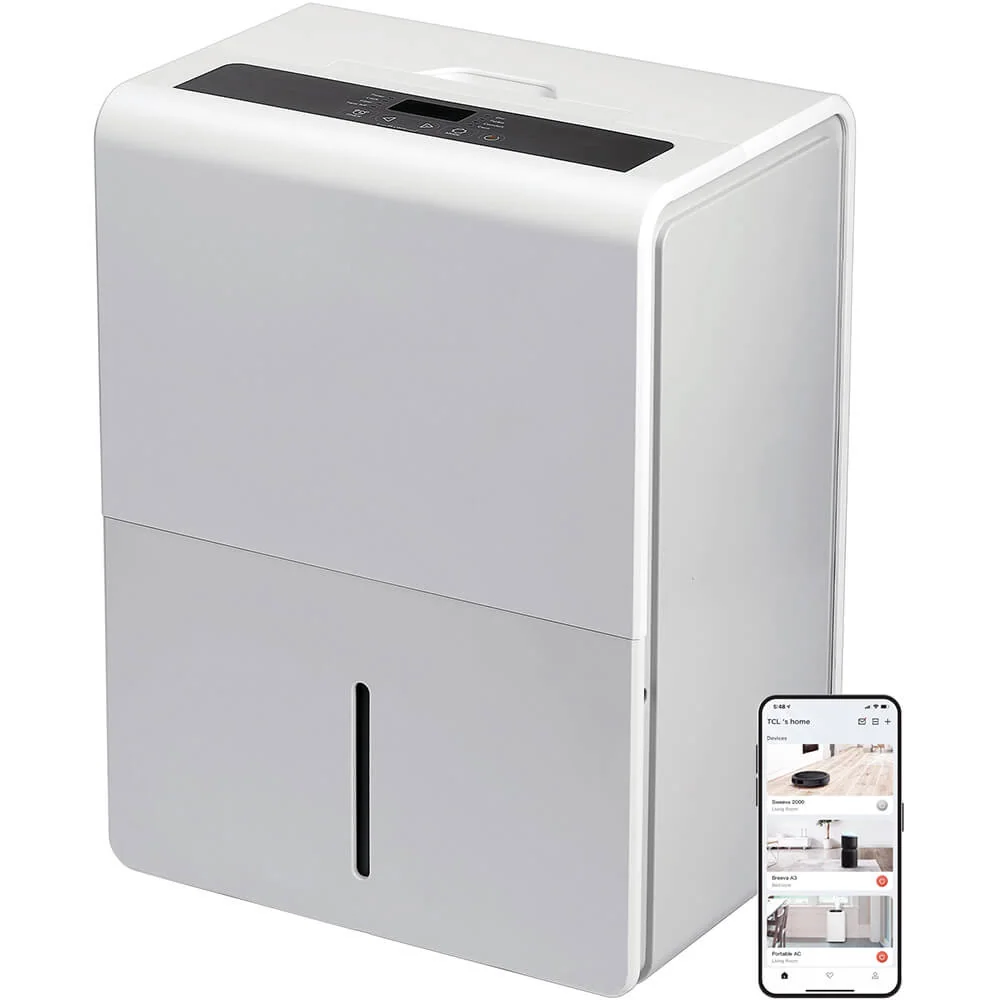
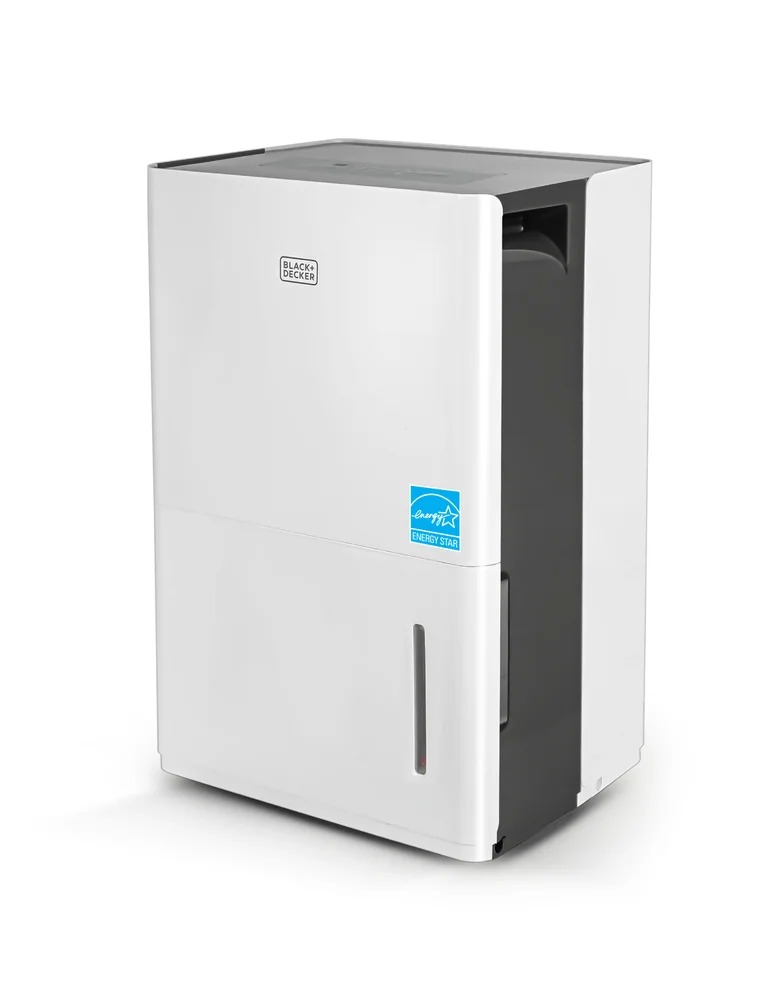
If you like the idea of a 50-pint dehumidifier but want a different day-to-day experience, these are the directions to consider.
Frigidaire 50-Pint Dehumidifier FAQ
Is the Frigidaire 50-Pint Dehumidifier big enough for a basement?
For many typical home basements, yes. It’s a 50-pint class unit aimed at standard basement and whole-room dampness, and it’s rated for spaces up to 1,200 square feet. Just remember that colder temperatures and heavier moisture intrusion can reduce real-world performance.
What does “50 pints per day” actually mean?
It’s a standardized rating that estimates how much water the unit can remove in warm, humid conditions. In a cooler basement or a less humid room, it will usually pull less than the headline number. It’s best used to compare models, not as a guarantee.
Can I run the Frigidaire 50-Pint Dehumidifier without emptying the bucket?
Only if you set up continuous drainage with a hose to a drain. For gravity drainage, the hose needs a continuous downhill path to a floor drain, sump, or sink. If your drain is higher than the unit, you’ll need a different approach than a simple hose.
Why do dehumidifiers sometimes stop running in cooler basements?
In cooler rooms, the coils can frost, so many dehumidifiers periodically pause to defrost. That’s normal, but it means water removal can slow down in chilly basements compared with warm, humid conditions.
Should I buy this or a cube-style dehumidifier?
Choose the Frigidaire 50-Pint Dehumidifier if you want the classic upright design and straightforward operation. Choose a cube-style model if storage and day-to-day livability are a priority, since that design is often easier to fit into real homes when space is tight.
Should you buy the Frigidaire 50-Pint Dehumidifier?
Buy the Frigidaire 50-Pint Dehumidifier if you want a traditional, full-capacity dehumidifier for a basement or large room and you don’t want to pay extra attention to smart features. The 50-pint class is the right move when the space is consistently damp and smaller units feel like they’re always playing catch-up.
Skip it if your main pain point is storage or footprint, or if you specifically want app control and remote monitoring. In those cases, you’ll be happier with a cube-style design for easier living, or a smart-focused model if remote control is the whole point.