
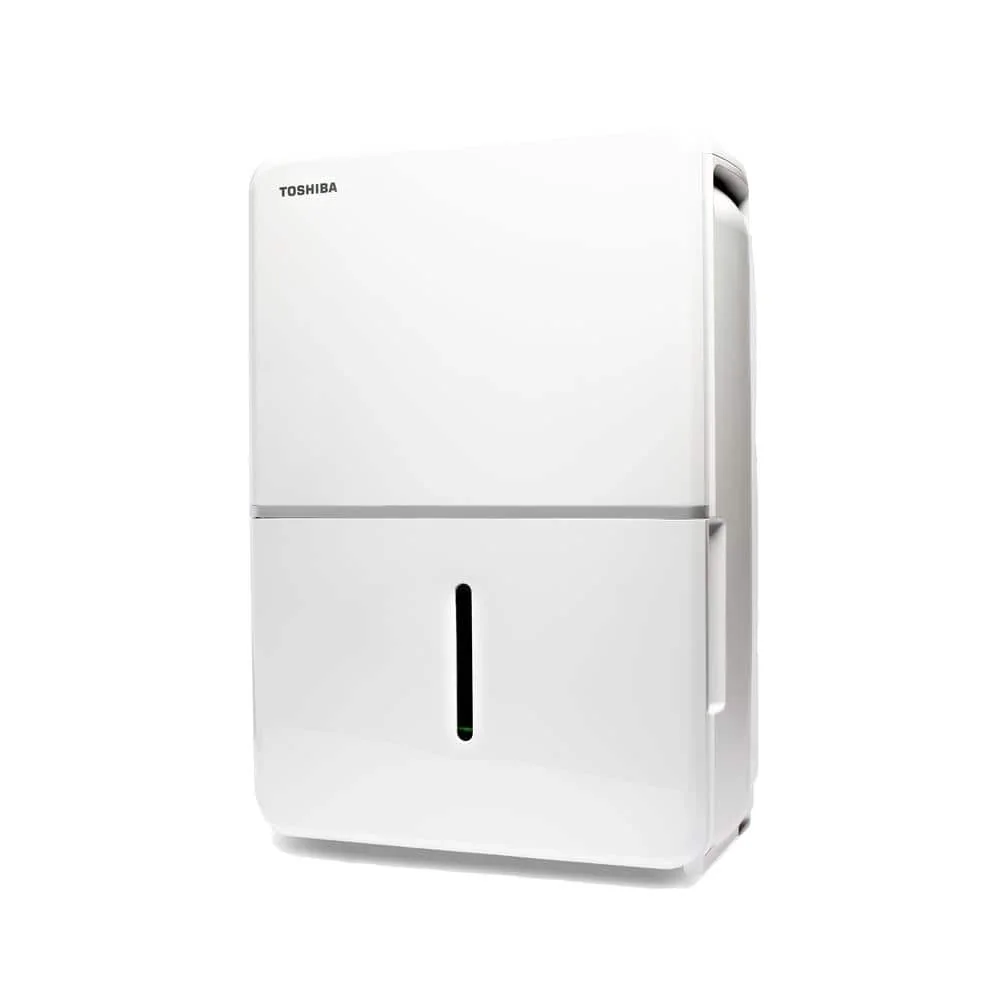
What to know first
- The Toshiba Dehumidifier is a conventional, mainstream portable dehumidifier aimed at everyday humidity control.
- It’s a reasonable baseline choice for smaller-home moisture management and common damp rooms.
- Don’t buy it expecting a smart-home experience. If smart control is the goal, choose a model built around Wi-Fi control.
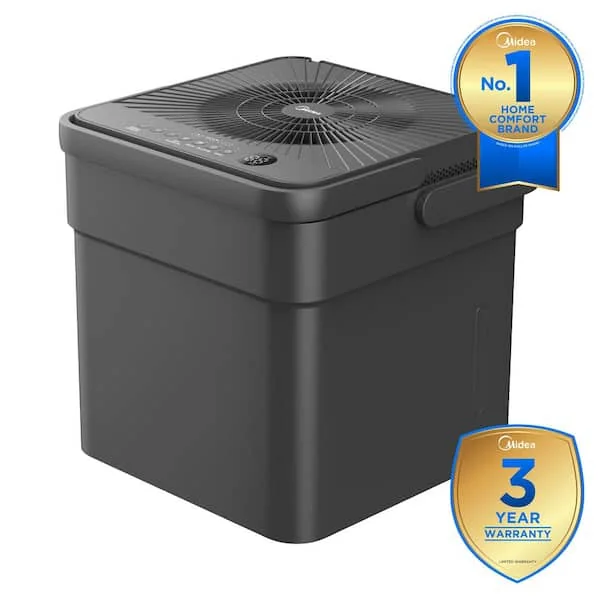
- For a simpler large-room buy, the Midea 50 Pint Cube is easier to recommend thanks to its quiet profile and tank design.
- Ignore big “covers thousands of square feet” style claims in general. Layout, moisture load, and temperature matter more than floor area alone.
What the Toshiba Dehumidifier is
The Toshiba Dehumidifier is a portable home dehumidifier meant to pull excess moisture out of indoor air. That matters most in spaces that don’t get great airflow or consistent heating and cooling, like basements, laundry rooms, and storage areas. When humidity stays high, rooms feel clammy, can smell musty, and are more likely to support mold and mildew.
Like most compressor-based dehumidifiers, it’s designed to run for long stretches when conditions are damp. You set a target humidity level and let it cycle on and off as needed. In day-to-day terms, it is an appliance you put in a corner and forget about until you need to empty the tank or set up continuous drainage.
This Toshiba is best understood as a straightforward, mainstream option. It’s not designed as a design-forward or smart-home centerpiece. It’s for people who want the basic job done with a familiar brand name on the front.
Why it stands out
The main reason to consider the Toshiba Dehumidifier is simple: it’s a credible, mainstream model that fits the most common household use cases. If you’re comparing familiar names and want a conventional dehumidifier for everyday moisture control, it’s an easy one to include in your comparison set.
It’s also designed as a typical install-it-yourself portable unit, which is what most people need for a basement corner, a laundry room, or a muggy downstairs space. You’re not shopping in the niche world of specialty drying equipment.
Where it does not stand out is smart control. If your goal is remote monitoring, app control, or voice assistant integration, shop for a dehumidifier that’s built around those features.
What it is like to own
Owning a dehumidifier is mostly about two things: where the water goes and how often you want to think about it. In general, you either empty a tank by hand or you set up continuous drainage with a hose. Continuous drainage is the difference between “I have to babysit this” and “it can run through a humid week without me touching it,” but it only works if you have a drain location that makes sense for your room.
Basements add another real-world wrinkle: temperature. Cooler basements can cause coils to frost, and dehumidifiers periodically pause to defrost. That means the pints-per-day number is a comparison tool, not a promise for every basement. If your basement is cool and damp, it’s normal for output to be lower than the headline rating and for the unit to cycle differently than it would in a warm, humid room.
Noise is also part of daily life with any compressor dehumidifier. These machines can run for long periods when humidity is high, so the difference between “fine in a utility area” and “annoying near a TV or bedroom” matters. If you know you’re sensitive to sound, it’s worth steering toward models that are specifically known for a quieter profile.
What to know before you buy
Be skeptical of coverage-by-square-foot claims. Floor area is a rough shorthand, but moisture load, temperature, air movement, and layout matter more. An open basement with damp walls is a very different job than a finished living room that just feels sticky in summer.
Continuous drainage is only continuous if your setup supports it. Gravity drainage needs a consistent downhill run to a floor drain, sump, or sink. If your drain is higher than the dehumidifier, you need a pump-style solution. Before you buy any model, confirm what kind of drainage it supports and whether any needed hose or pump is actually included.
If you came here looking for smart features, don’t force it. When remote monitoring is the point, buy a dehumidifier designed for Wi-Fi control, especially if the unit will live in an out-of-the-way basement or storage room.
The specs that matter
Portable units are meant to be placed in the problem room and run as needed. You’re managing humidity room by room, not installing a whole-home system.
This frames expectations: it’s meant for the normal household job of making damp areas feel drier and more comfortable, not for specialized commercial drying.
If you want app control and remote monitoring as a core feature, you’ll get a better experience from a model designed around smart control.
How water leaves the machine determines whether you’ll be emptying a tank frequently or letting it run unattended during humid stretches.
Real-world removal drops in cooler or less humid rooms, so you use the rating to compare models, not to predict exact daily output in your basement.
In a cool basement, the unit may pause periodically to defrost, which affects how continuously it dehumidifies and how quickly the space dries.
Who this product fits
You want a familiar-brand dehumidifier for a damp basement
The Toshiba Dehumidifier fits if your goal is straightforward moisture control from a recognizable brand. Set a target humidity and let it run in the background, with the understanding that cooler basements can reduce output and trigger defrost cycles.
You’re buying a dehumidifier for a smaller home that gets muggy in summer
This Toshiba makes sense as a baseline, conventional choice. It’s aimed at the everyday job of pulling moisture out of the air so rooms feel less sticky and more comfortable.
You want to stop thinking about emptying a tank
Plan your drainage first. If you have a floor drain or sump where a hose can run downhill, continuous drainage can make ownership much easier. If you do not have that setup, you’ll be living with regular tank emptying no matter which brand you buy.
You want smart control from your phone
Choose a dehumidifier designed for Wi-Fi control. That’s the simplest way to get reliable remote monitoring and control, especially when the unit is in a basement or storage area you don’t check every day.
What else to compare
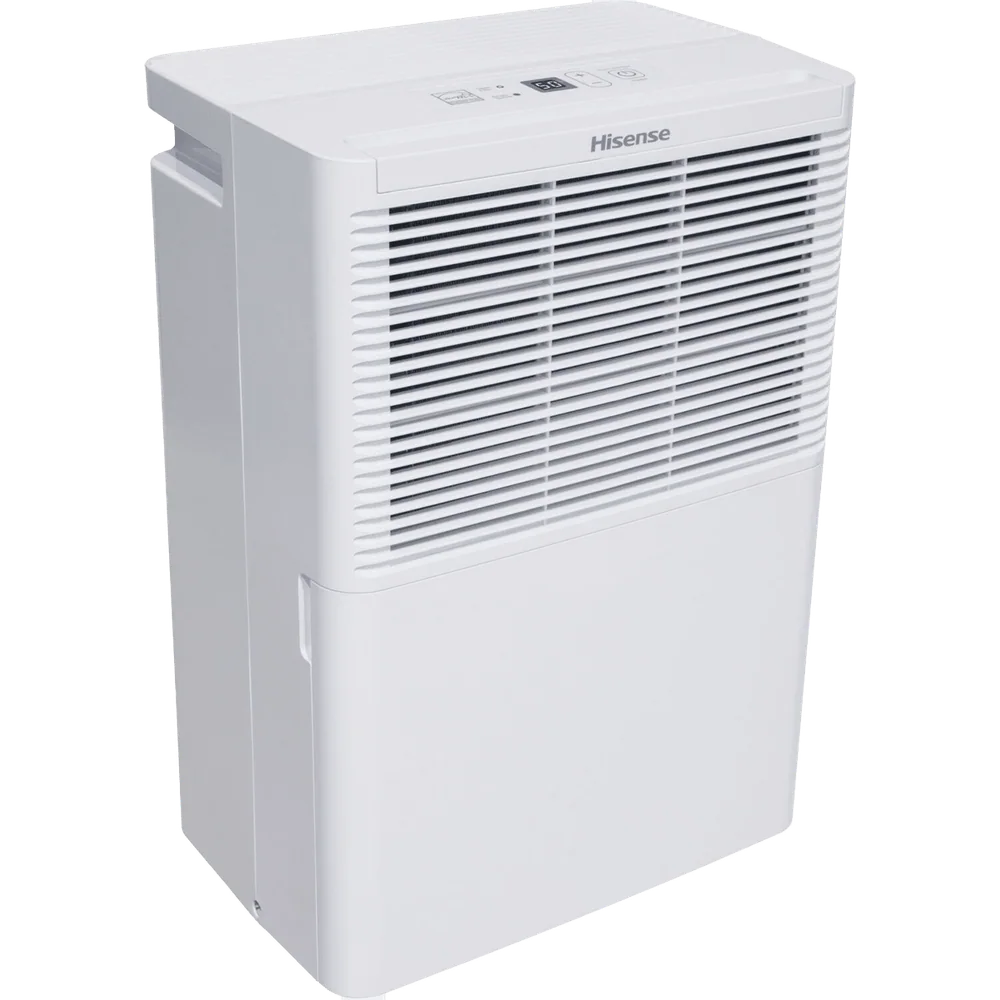
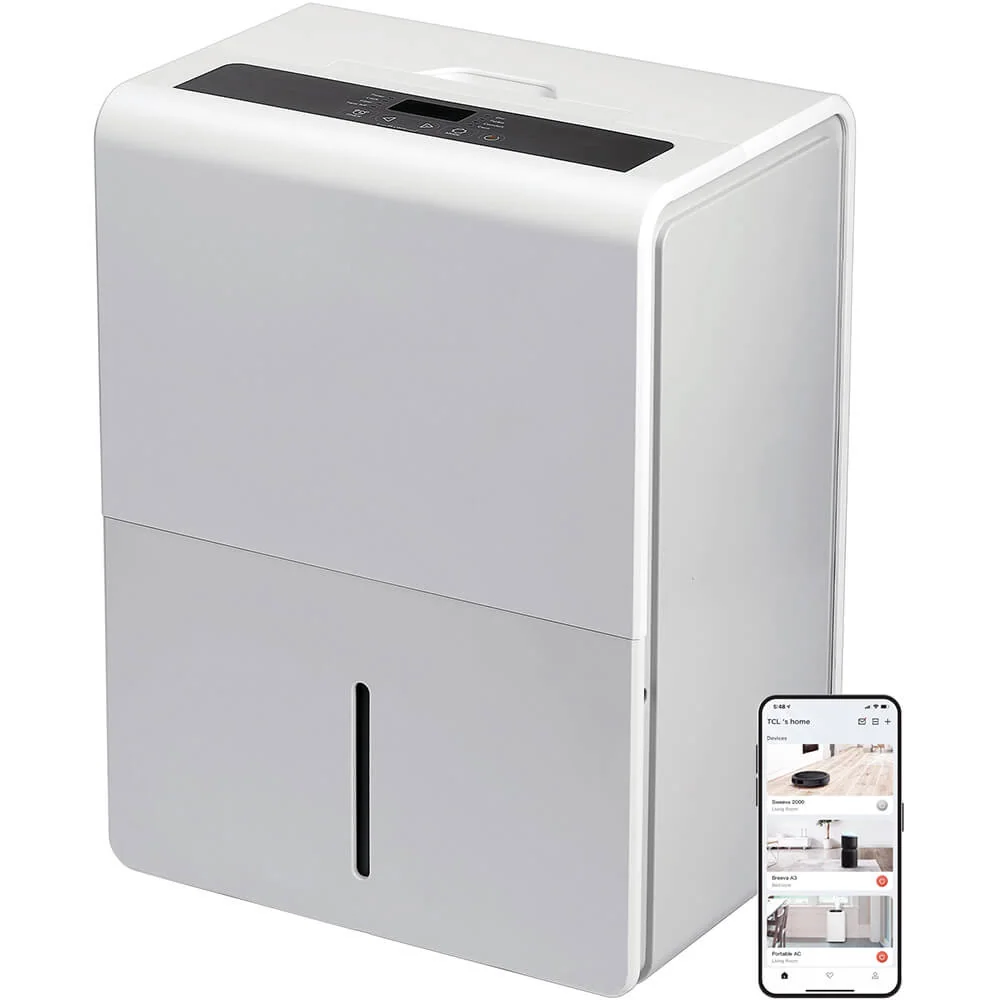
If you like the idea of the Toshiba Dehumidifier but want a different strength, these are the models to look at next.
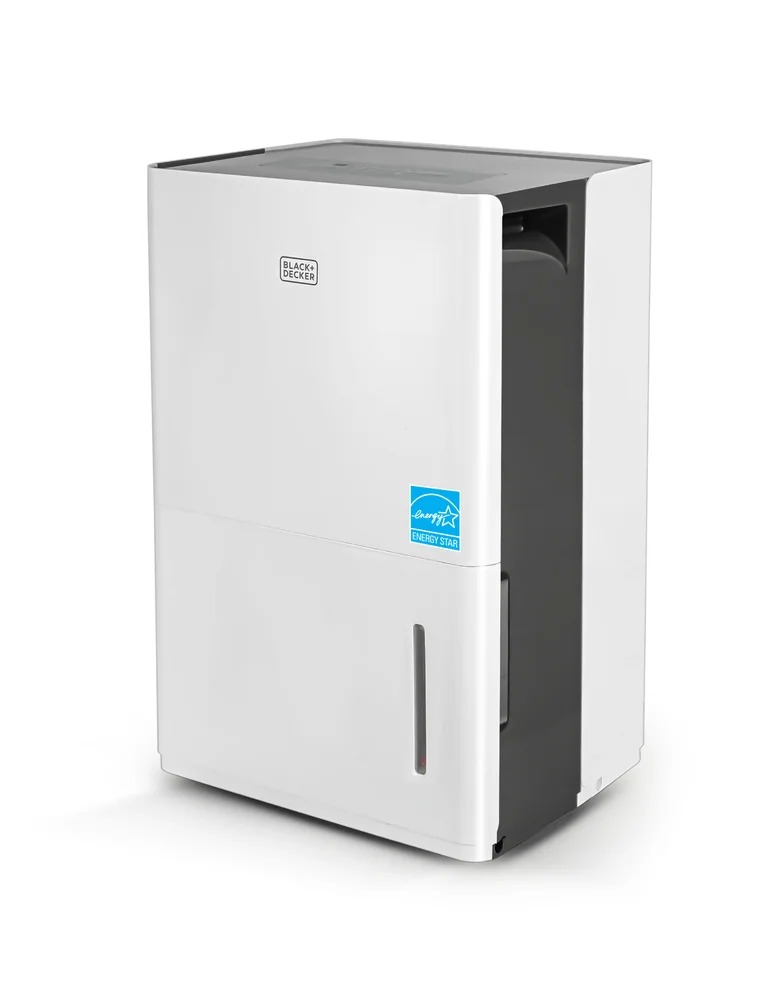
Toshiba Dehumidifier FAQ
Is the Toshiba Dehumidifier a good choice for a basement?
Yes, it’s aimed at the common basement and large-room use case. Just keep in mind that basement temperature affects performance, and cooler spaces can trigger defrost cycles that pause dehumidifying.
Should I choose a higher pints-per-day rating than I think I need?
Often, yes. The pints-per-day number is measured under warm, humid conditions, and real output can be lower in cooler rooms, so extra capacity can help the unit keep up and reduce how often you deal with water removal.
Can I run the Toshiba Dehumidifier unattended with continuous drainage?
Only if your room setup supports it. Gravity drainage needs a continuous downhill hose run to a drain. If the drain is higher than the unit, you’ll need a pump-style solution.
Is the Toshiba Dehumidifier a smart dehumidifier?
It’s a conventional dehumidifier, not a model built around smart control. If remote monitoring and app control are the reason you’re buying, choose a dehumidifier designed for Wi-Fi control.
How much space can the Toshiba Dehumidifier cover?
Don’t shop by square feet alone. Moisture load, temperature, airflow, and layout can matter more than floor area, so focus on capacity and drainage convenience for your specific space.
Should you buy the Toshiba Dehumidifier?
Buy the Toshiba Dehumidifier if you want a straightforward, familiar-brand machine for everyday humidity control. It’s a sensible baseline choice for the common jobs people actually need done, like drying out a damp basement corner or making a muggy room feel more comfortable.
If you want the easiest all-around large-room buy, start with the Midea 50 Pint Cube for its notably quiet profile and more convenient tank design. And if you’re shopping for smart controls, pick a model designed for Wi-Fi control.