
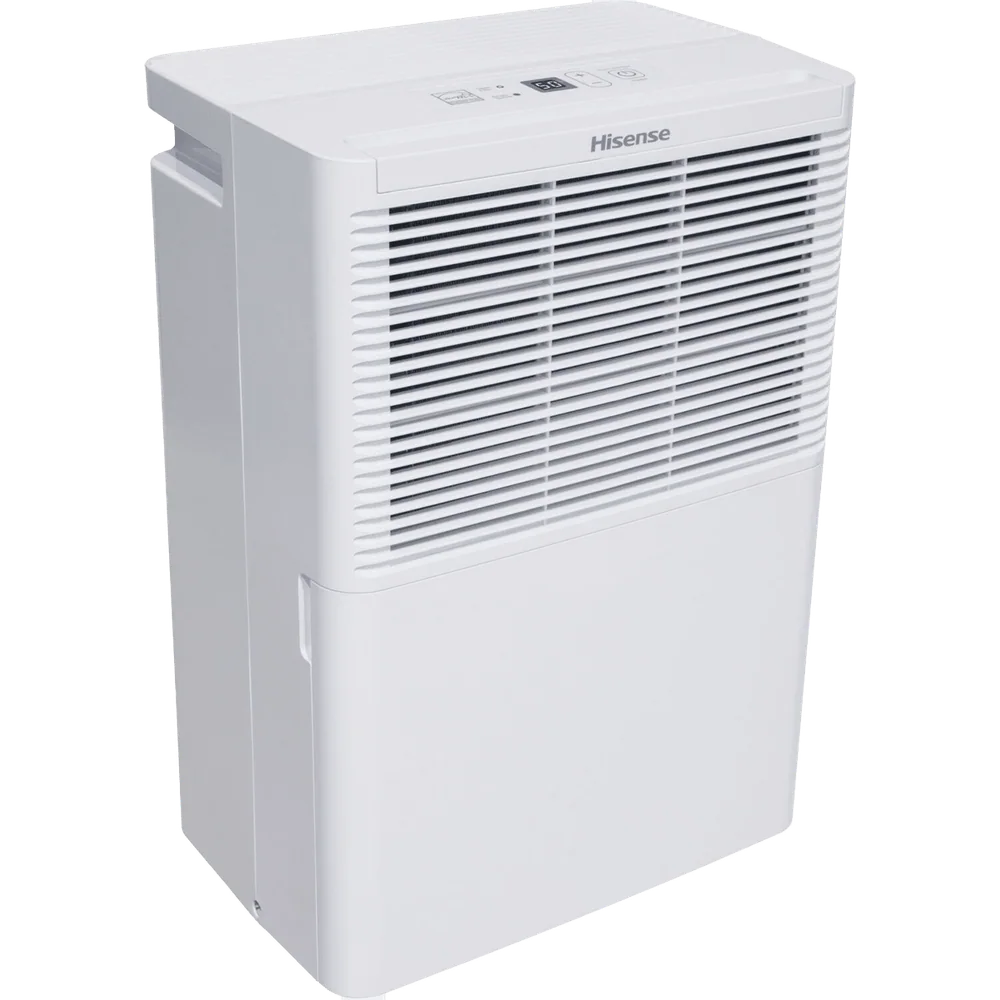
What to know first
- Hisense is a credible, mainstream brand option for general household dehumidifying.
- The biggest buying risk is model ambiguity. Capacity, noise, and features are not clearly established for this exact product listing here.
- Do not shop by “covers X square feet” alone. Capacity (pints per day), temperature, and drainage setup matter more in real basements.
- If you want low-maintenance operation, prioritize continuous drainage and confirm whether you’re getting a pump or just a hose connection.
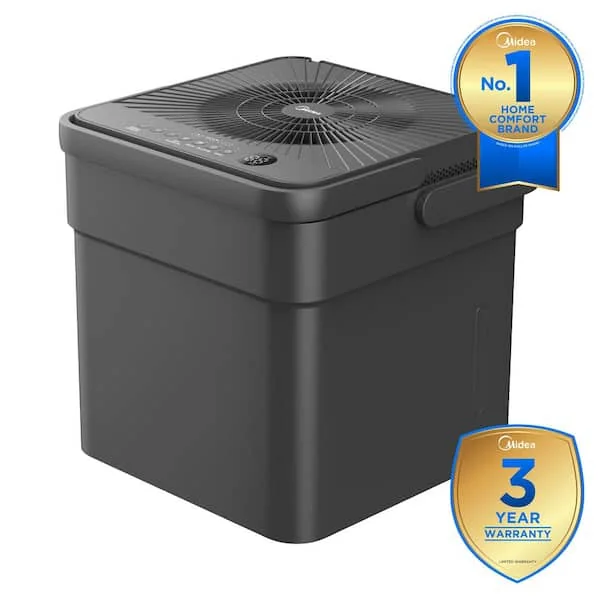
- For a more model-specific, easier-to-buy recommendation, Midea 50 Pint Cube is the clearer bet.
What the Hisense Dehumidifier is
The Hisense Dehumidifier is a portable home dehumidifier meant to pull moisture out of the air in damp spaces. In plain terms, it’s for rooms that feel clammy, smell musty, or collect condensation, like basements, laundry rooms, and other areas with weak airflow.
Like most compressor-style dehumidifiers, it works by moving room air across cold coils so water condenses out and collects in a tank or drains away through a hose. The practical benefit is comfort and protection. Drier air feels less sticky, and keeping humidity under control helps reduce the conditions that let mold and mildew thrive.
Hisense is a sensible brand to consider when you want a straightforward household dehumidifier from a major appliance name. Just make sure the specific unit you are buying matches the capacity class and drainage features you actually need.
Why it stands out
The main reason to consider the Hisense Dehumidifier is simple: it’s a recognizable appliance brand in a category that can be full of hard-to-parse options. If you want a general-purpose machine for typical dampness and you prefer buying from a mainstream name, Hisense belongs on your shortlist.
It’s also useful if you are comparing larger-room dehumidifiers and you do not want to default to the same couple of brands. In the “basement and big damp room” lane, the specs that change your day-to-day experience are capacity and drainage, not the biggest square-foot claim on the box.
What you should not do is assume every “Hisense Dehumidifier” listing is the same product. The model-level details are not consistently identified here, so you should confirm what you are actually getting before you check out, especially the pint rating and whether it has a pump or only gravity drainage.
What it is like to own
Day to day, owning a dehumidifier is mostly about where the water goes and how often you have to think about it. If you are emptying a bucket, you will be carrying water to a sink. If you are using a hose, you will be routing it to a drain and making sure it stays sloped downhill for gravity drainage (or confirming you have a pump if the drain is higher than the unit).
Placement matters more than people expect. Dehumidifiers need breathing room, so you do not want the vents jammed against a wall. They also tend to work best in the dampest, least ventilated parts of a home, which is why basements and laundry rooms are common homes for them.
Basement temperature changes what you get out of any dehumidifier. In cooler spaces, coils can frost and the unit may pause periodically to defrost. That’s normal behavior, but it’s one more reason not to treat a pint-per-day number as a promise for every basement.
If you are shopping Hisense specifically, the ownership experience will depend on the exact model you end up with. Before you commit, verify the capacity class (often described in pints per day) and whether it supports continuous drainage in the way you need for your space.
What to know before you buy
Model clarity is the big one. “Hisense Dehumidifier” is not a single, universally defined product, and the exact model specifications are not consistently identified here. If you care about a particular capacity, a particular noise level, or a particular feature like a pump, confirm it on the product page and in the manual.
Be skeptical of coverage claims that talk about thousands of square feet. Layout, moisture load, airflow, and temperature matter more than floor area alone. Use capacity (pints per day) as your main comparison tool, and remember that real-world output drops in cooler or less humid rooms.
Continuous drainage is only continuous if your setup supports it. Gravity drains need a downhill path to a floor drain or sink. If your only drain is higher than the unit, you need a pump style dehumidifier, and you should confirm whether your exact Hisense unit includes one.
The specs that matter
This is the common roll-into-a-room style meant for basements, laundry rooms, and other damp areas, not a built-in whole-home system.
Pints per day is the best quick way to compare how much moisture a unit can remove under standardized warm, humid conditions. If you cannot confirm the rating, it is harder to match the unit to your space.
Unattended drainage is what makes a dehumidifier low-maintenance during long humid stretches. A hose connection is not the same as having a pump.
Gravity drainage needs a continuous downhill run to a drain. A pump can move water upward, which is often necessary in basements without a floor drain.
Basements are often cooler than the standardized rating conditions. Defrost behavior affects how consistently the unit can pull water in a chilly space.
Who this product fits
You have a musty basement and want it to feel less damp
A Hisense Dehumidifier is aimed at this kind of everyday moisture problem. Place it where airflow is open, plan your drainage (bucket or hose), and expect performance to depend on how cool and how wet the basement actually is.
You want a mainstream brand instead of a no-name dehumidifier
Hisense is a credible, mid-market appliance brand, so it’s a reasonable alternative when you are comparing familiar household names. Make sure you are comparing the same capacity class and the same drainage features across brands.
You need set-it-and-forget-it drainage for long humid stretches
This only works if your exact Hisense unit supports the kind of continuous drainage your space allows. If you have a floor drain, a gravity hose setup can work. If the drain is higher than the unit, you will want a pump model and you should confirm it is included.
What else to compare
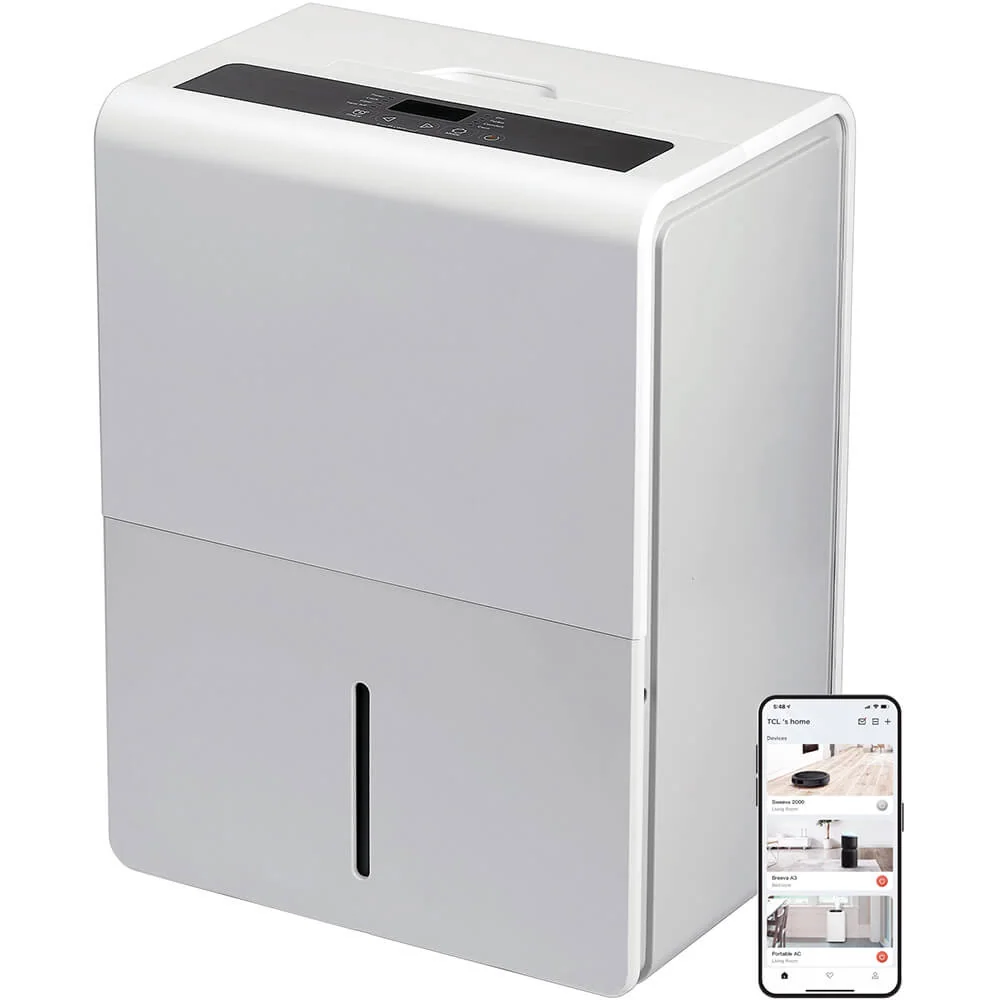
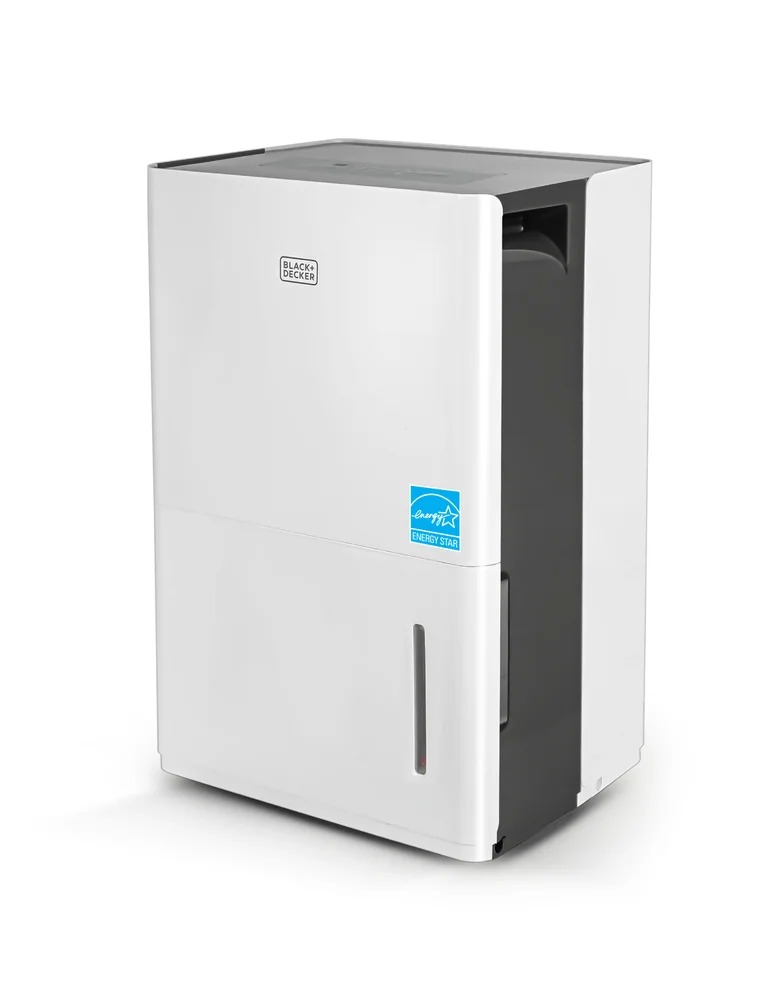
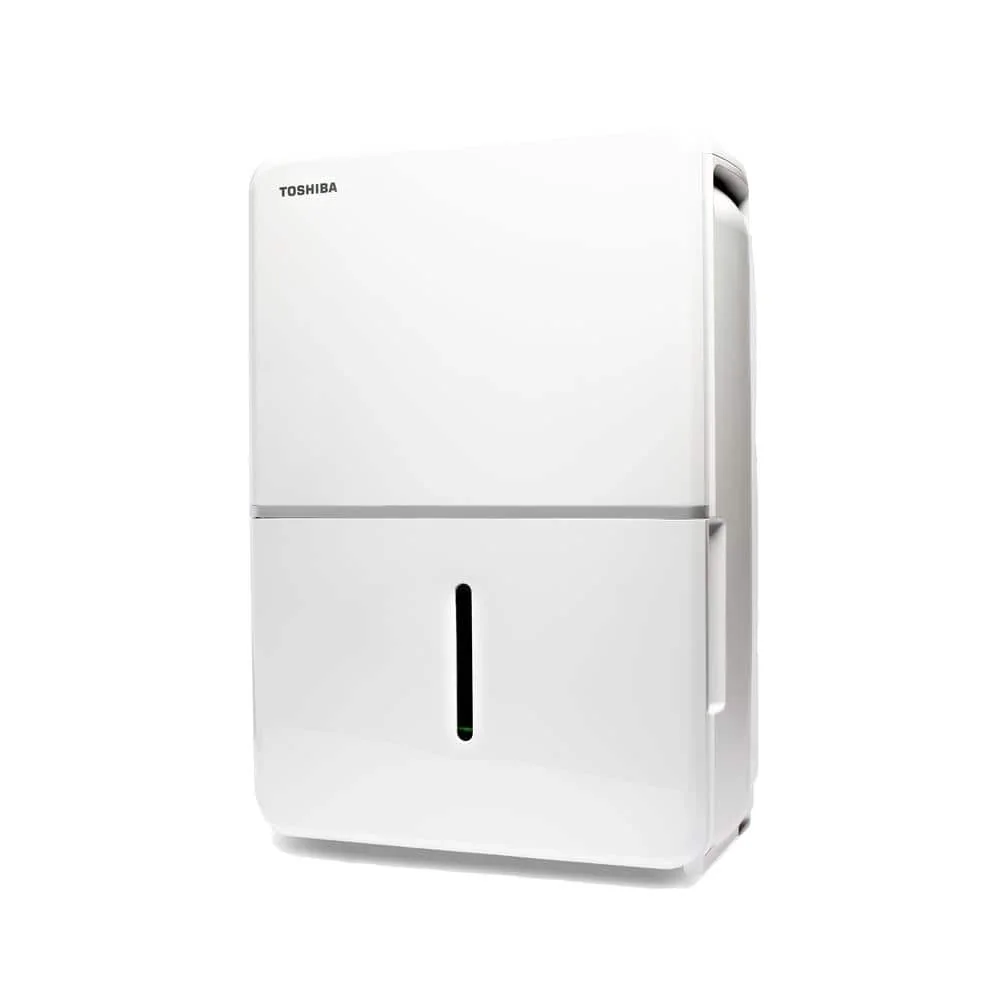
If you want a more model-specific recommendation with clearer, well-established details, start with these options.
Hisense Dehumidifier FAQ
Is the Hisense Dehumidifier good for basements?
It can be a good fit for basement moisture control in the general sense, since that’s a common use case for portable dehumidifiers. Cooler basements can reduce water removal and may trigger defrost cycles, so confirm capacity and features for your exact model.
How many pints per day is the Hisense Dehumidifier?
A single pint-per-day rating is not clearly established here for this exact Hisense product listing. Check the product page, box, or manual for the capacity rating so you can compare it fairly to other units.
Does the Hisense Dehumidifier have continuous drainage?
Continuous drainage depends on the exact model and your setup. Many dehumidifiers can drain via a hose, but gravity drainage requires a downhill run to a drain, and a pump is only present on some models.
Do I need a dehumidifier with a pump?
You need a pump if the water has to travel upward to reach your drain, like draining into a sink or a higher utility drain. If you have a floor drain or can run a hose downhill the whole way, gravity drainage can work without a pump.
Should I trust square-foot coverage claims when buying a dehumidifier?
Use them as a rough starting point, not the deciding factor. Moisture load, temperature, airflow, and layout can matter more than floor area, so capacity (pints per day) and drainage setup are usually more useful for choosing the right unit.
Should you buy the Hisense Dehumidifier?
Buy the Hisense Dehumidifier if you want a mainstream, mid-market dehumidifier for typical household dampness and you are comfortable confirming the exact model specs before you commit. As a brand, Hisense is a credible option for general home use in spaces like basements and laundry rooms.
Skip it if you want a model where capacity, noise, and features are clearly defined upfront. In that case, you will likely be happier choosing a dehumidifier with more clearly established model details, like the Midea 50 Pint Cube, or stepping up to a clearly smart-focused model if remote monitoring is the point.